
Clipping Dossier
- Lab Skill
- v1.0.0
- Motion
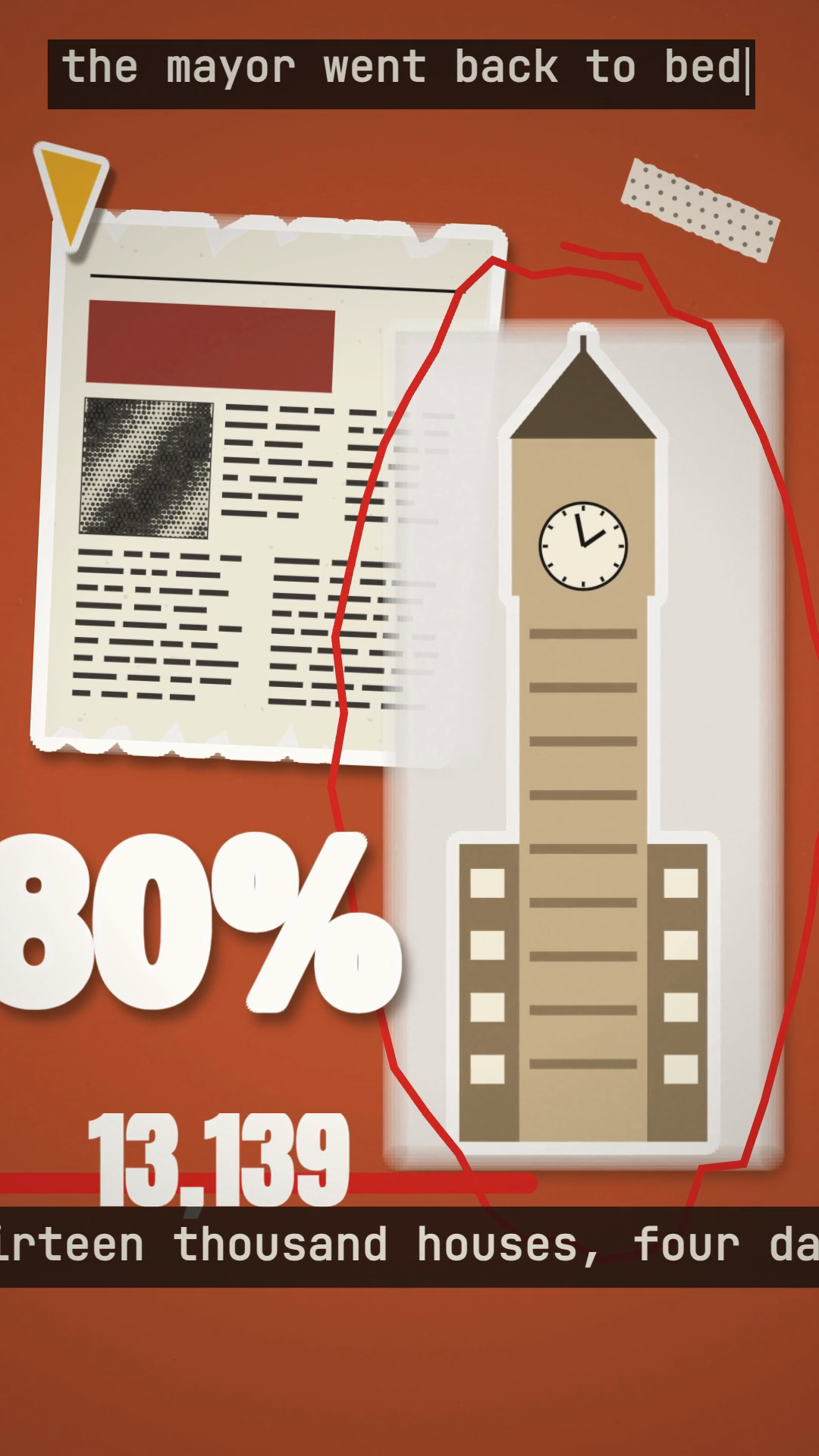
Sheet-driven cut-paper dossier films — torn grounds, halftone clippings and sticker-rimmed cutouts sliding on depth planes under a drifting camera, with red-marker circles, marker highlights, counters and typewriter beats.
Beispiele · 2
Online ausführen
Führen Sie das Beispiel von Clipping Dossier in einem SandBase Sandbox aus und sehen Sie das Ergebnis direkt hier.
So funktioniert es
- 01
Write the shot sheet
Clipping Dossier reads one JSON sheet: a list of timed shots, each a full frame with a ground colour, elements on depth planes, a camera move and optional counters, typewriter lines, captions, a title card and a wipe into the next shot. Elements include clippings, cutout subjects, words, banners, charts, maps, tape and confetti.
- 02
Iterate on stills
Each frame is painted from scratch as a pure function of time, so a still is one paint call while a full render takes minutes. The Agent renders stills of key moments first and adjusts placement, marker circles and highlights until each shot reads clearly at phone size.
- 03
Render the vertical film
render.mjs builds and renders the vertical 1080 by 1920 film at 30 fps. Torn newspaper clippings, sticker-rimmed cutouts and taped banners slide on depth planes under a slow push-in, with red marker circles, ticking counters and typewriter beats. Both demos were rendered from the shipped package and re-render identically under seek.
FAQ
What does Clipping Dossier look like?
Clipping Dossier looks like a film assembled from a paper dossier: torn newsprint clippings with halftone photos, sticker-rimmed cutouts, taped headline banners, red marker circles and typewriter lines, all sliding on depth planes under a drifting camera. It suits editorial explainers, video essays, documentary shorts and data stories.
Why is Clipping Dossier vertical?
Clipping Dossier renders 1080 by 1920 because it is built for vertical social films that should read as assembled rather than rendered. Every shot's layout, depth planes and captions are composed for a phone screen held upright. Captions and type sit inside the safe area for that format.
Do I need real clippings for Clipping Dossier?
No. Clipping Dossier generates its newsprint scraps procedurally, with masthead rules, ink-bar headlines, halftone photo blocks and seeded columns of body text. The words you place in headlines and captions come from the sheet, so check any factual claim before publishing.
Does Clipping Dossier need a paid service?
No. Clipping Dossier paints every element in code from the sheet and renders locally with HyperFrames, with no model or paid API call. Because each frame depends only on time, seeking and re-rendering always produce the same pixels. Nothing is fetched while it renders.
How should I work on a Clipping Dossier film?
Clipping Dossier's guidance is to iterate on stills first, since a still is one paint call and a full render takes minutes. Check each shot's key moment, such as when a marker circle lands, then render the whole film once the stills look right.
Weitere Skills
Alle Motion Skills →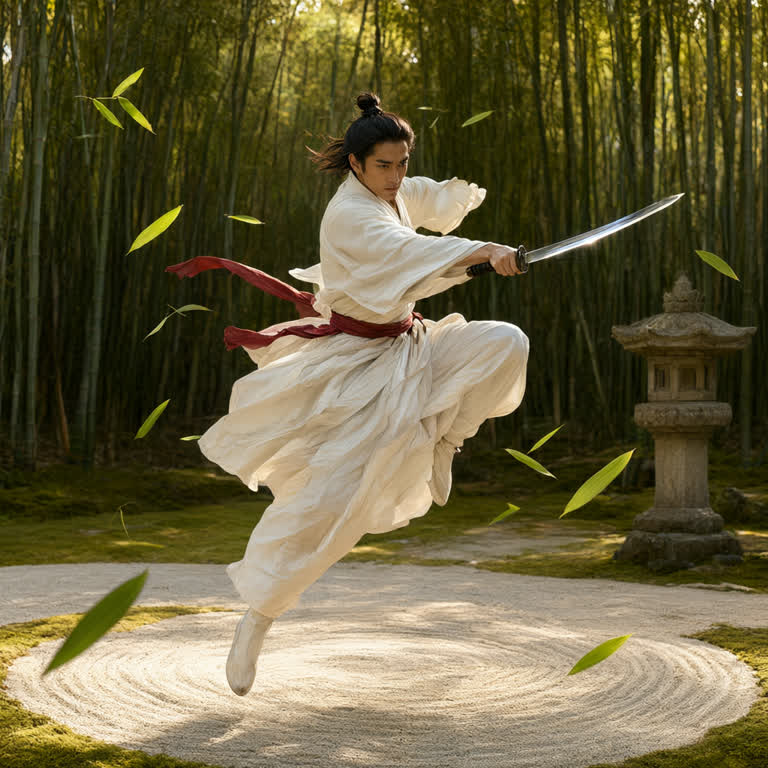
Image Blaster
Turn one frozen moment into a camera-orbit concept video.
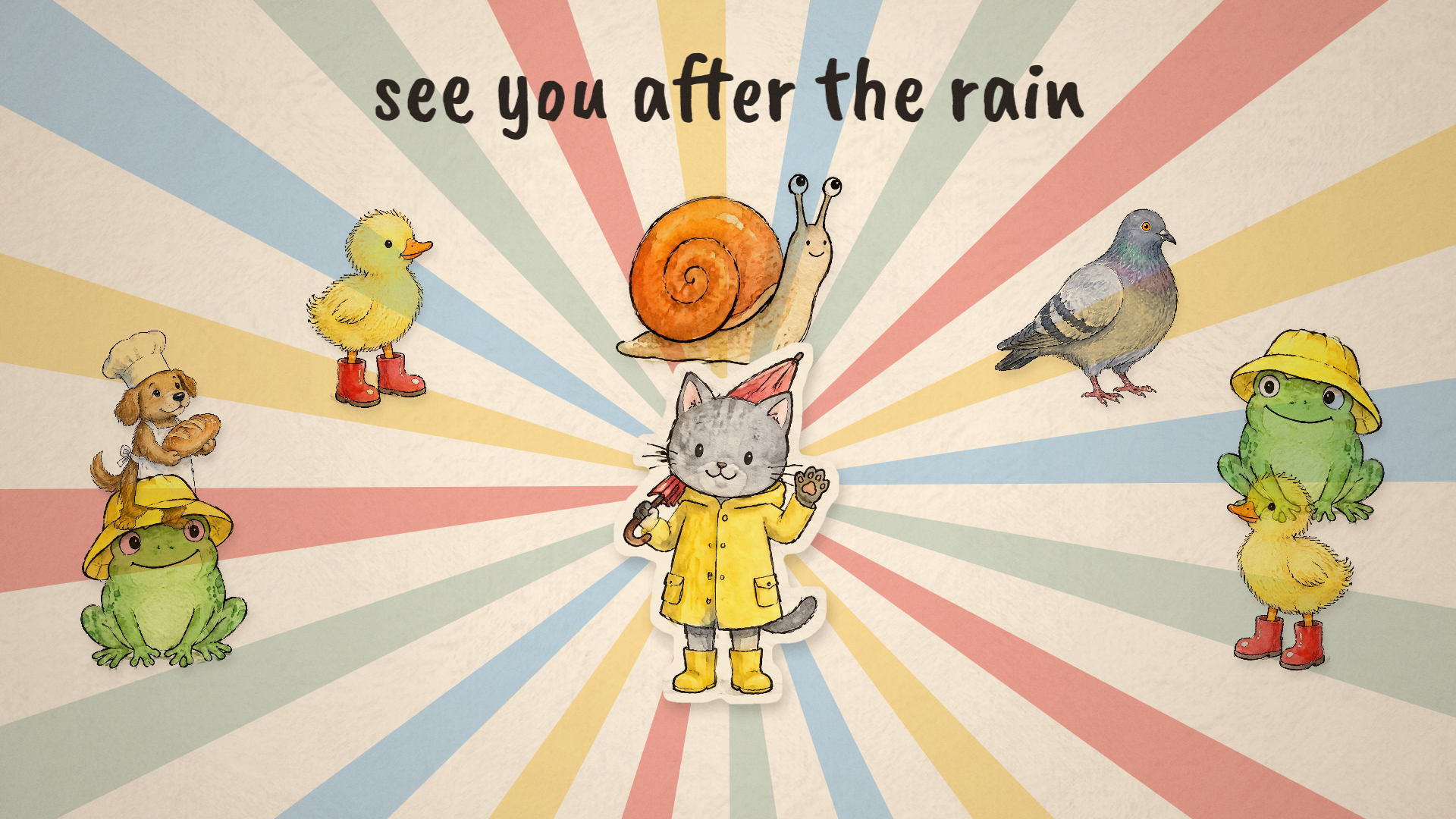
Sketchbook Film
Bring photographed sketchbook drawings to life as a short film with cut-out characters, ink lettering and a score.

SVG Paint Stages
Show a picture being painted: construction marks, contours, flat colour and finer patches, as a layered SVG and a short film.
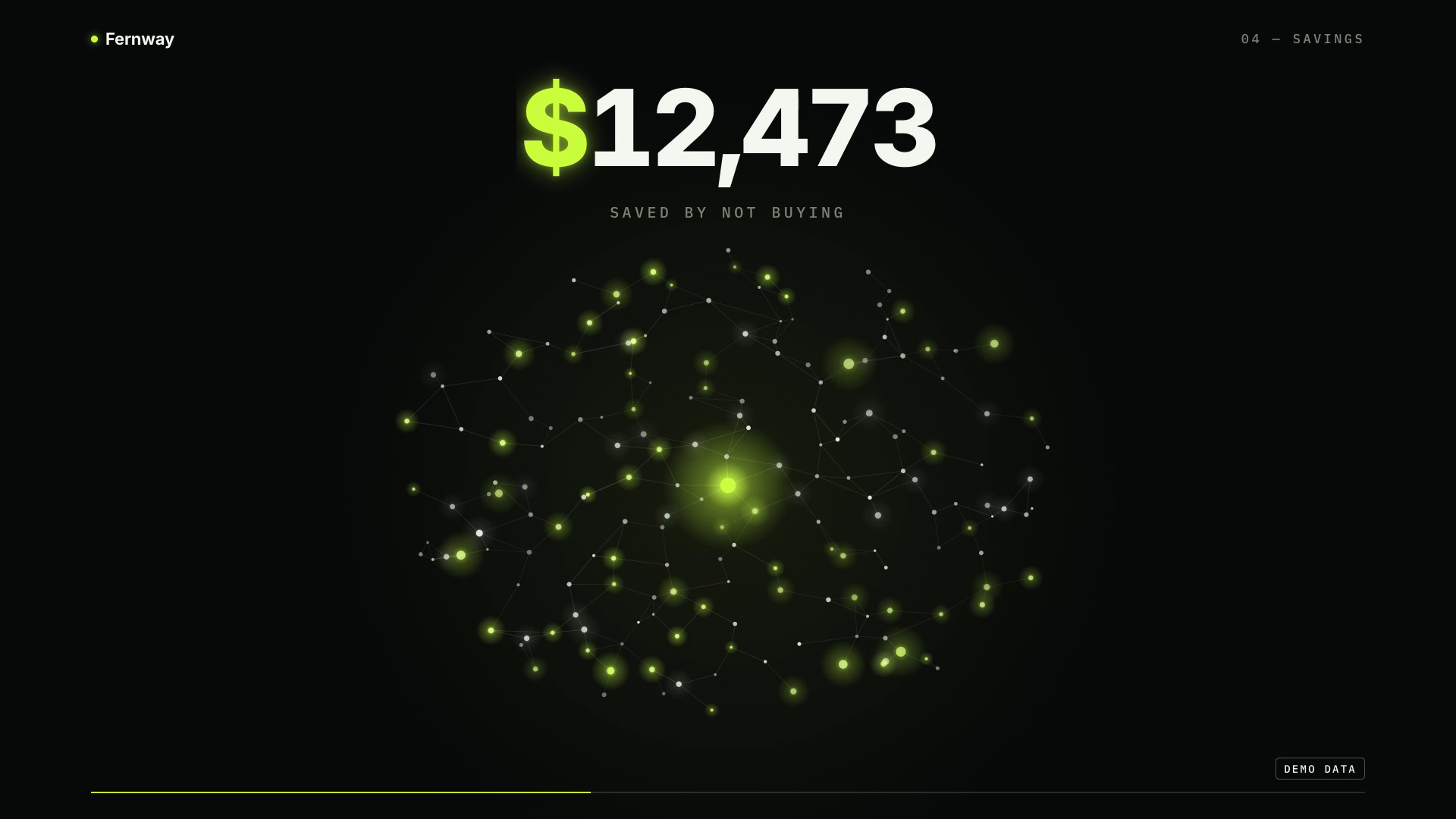
Network Tally
Tell a growth story with real numbers: one node network grows with each counter, flashes, dims behind a spike chart and closes on an end card.
Radiograph Reel: Bumble Ledger
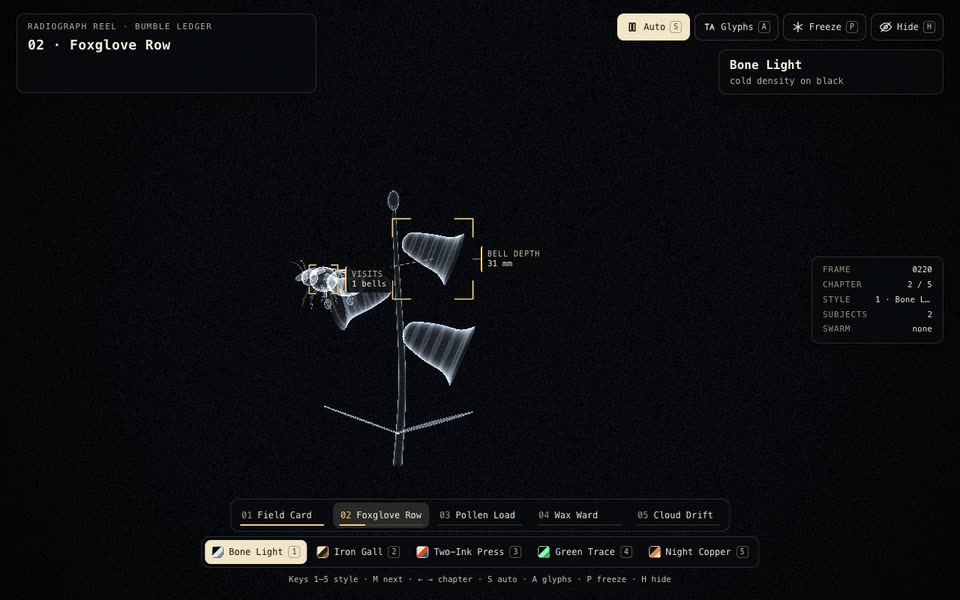
A specimen film reel: procedural bees, flowers and a wax comb glow as X-ray density, print in five switchable film styles with tracking labels, and a swarm morphs between formations.
Festival Grid Slides
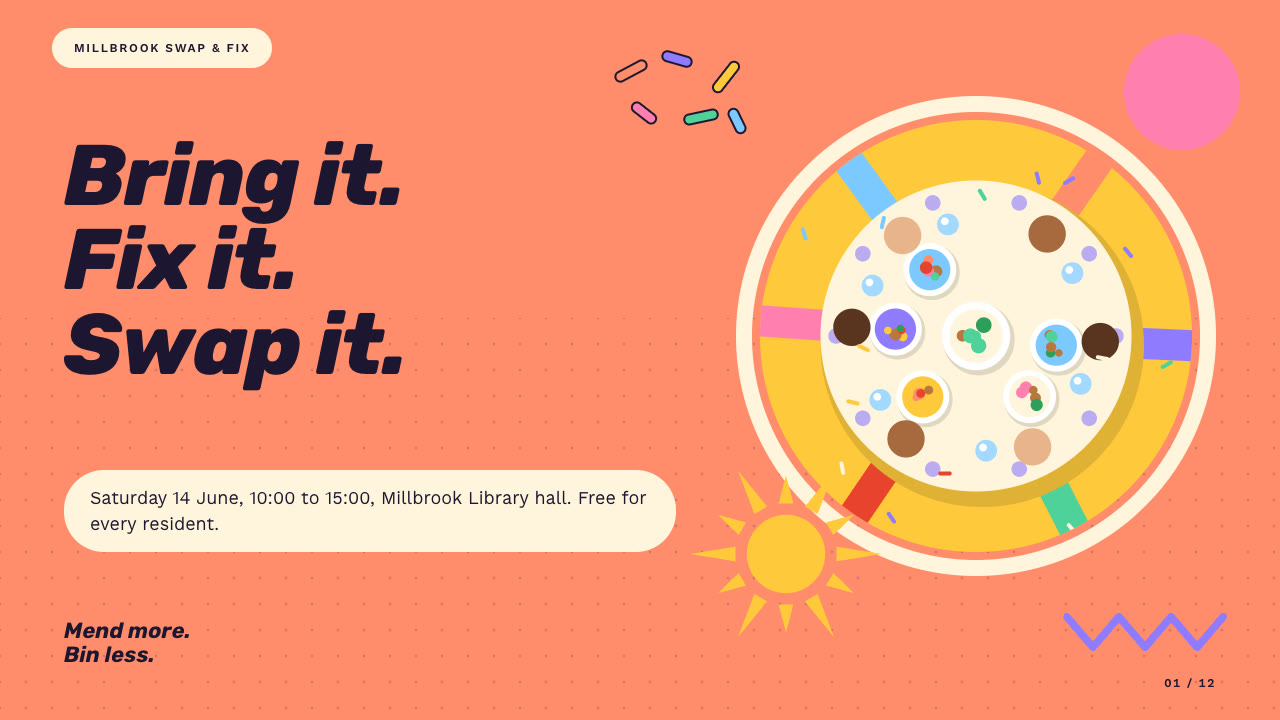
Invite people to a fair, open day or club season, or pitch one, in a bright festival deck: whole-page colour fields with a fine dot grid, heavy slanted headlines, cream cards and tickets, round pictures, and suns, rosettes, rings, bunting and sprinkles.