
3D Mechanical Watch Explorer
- Skill de Lab
- v0.1.0
- Education
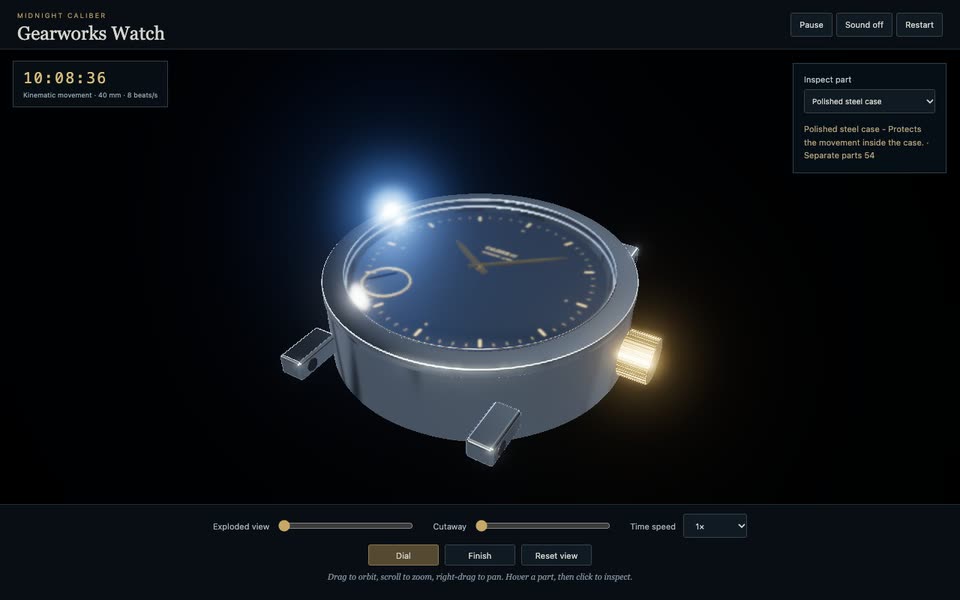
Inspect a kinematic mechanical watch with actual meshed tooth ratios, 54 components, axial explosion, material cutaway and bilingual mouse/touch controls. One offline HTML with optional synthesized tones.
Ejemplos · 2
Se ejecuta en un marco aislado, sin acceso a esta página.
Ejecutar en línea
Ejecuta en un sandbox de SandBase y consulta los resultados en Lab.
Abrir en Lab ↗Qué obtienes
Bring a watch, movement and optional palette. The Skill returns a downloadable Skill, interactive demos and example videos.
Cómo funciona
- 01
Describe and edit the watch
Start from the bundled Midnight Caliber, a 40 mm watch with a polished case, a locally drawn dial, a gold train, a sapphire-style crystal and 54 separate parts, or describe your own in the prompt slots. Edit src/dials.json for finishes and src/movement.json for the supported gear layout; geometry, pitch radii, centre distances and phases must agree. No keys or model calls are needed.
- 02
Build the offline file
With Node 22.4 or later, run npm ci and npm run build:single to produce dist-single/index.html, one offline file with no external assets or storage. The train has five externally meshed pairs, ten wheels and pinions and six shafts, and the hands turn with periods of 60, 3,600 and 43,200 seconds from one solved compound train. Invalid movement data fails with stable rule codes.
- 03
Verify and inspect
npm run shoot checks the page in a browser and reads the actual rendered gear poses. Then inspect it yourself: drag to orbit, scroll to zoom and right-drag to pan, click a part to inspect it, and use the sliders for the axial explosion and the material cutaway. Change finish, dial visibility or time speed, pause or restart from local time.
Preguntas frecuentes
Does Gearworks Watch need a model key?
No. Gearworks Watch solves its gear train in local code and runs offline in the browser, so it needs no API key and makes no model calls. Gearworks Watch needs no keys, external assets, paid calls or storage; Node 22.4 or later and npm dependencies are needed to build, and a missing Chrome stops only the browser checks. Optional synthesized tones start after a gesture.
Are the Gearworks Watch gears decorative?
No. In Gearworks Watch the rendered wheel poses use the solved tooth ratios and contact phases of one compound train, and verification reads those poses. The hands turn with real clock periods of 60 seconds, one hour and twelve hours, driven by the same eight-beat step.
Does Gearworks Watch simulate winding energy?
No. Gearworks Watch is a kinematic teaching model: the barrel and rotor explain component roles, but spring energy, rotor winding power, torque and friction are not simulated. The balance, pallet and hairspring illustrate escapement motion rather than model it physically.
Can I design another caliber in Gearworks Watch?
Yes, with matching changes. In Gearworks Watch a new caliber's pitch geometry, mounting phases, ratios, layout validation and tests must all change together, and structural changes need matching validator, renderer and verification edits. Finishes in dials.json can change without touching the movement.
Does Gearworks Watch work on touch screens?
Yes. Gearworks Watch supports one-finger orbit and two-finger zoom and pan on touch screens, and tapping a part inspects it; the part menu can also focus a component. Reduced motion starts paused. Restart clears the inspection and time-warp state, and nothing is saved in the browser.
Más Skills
Todos los Skills de Education →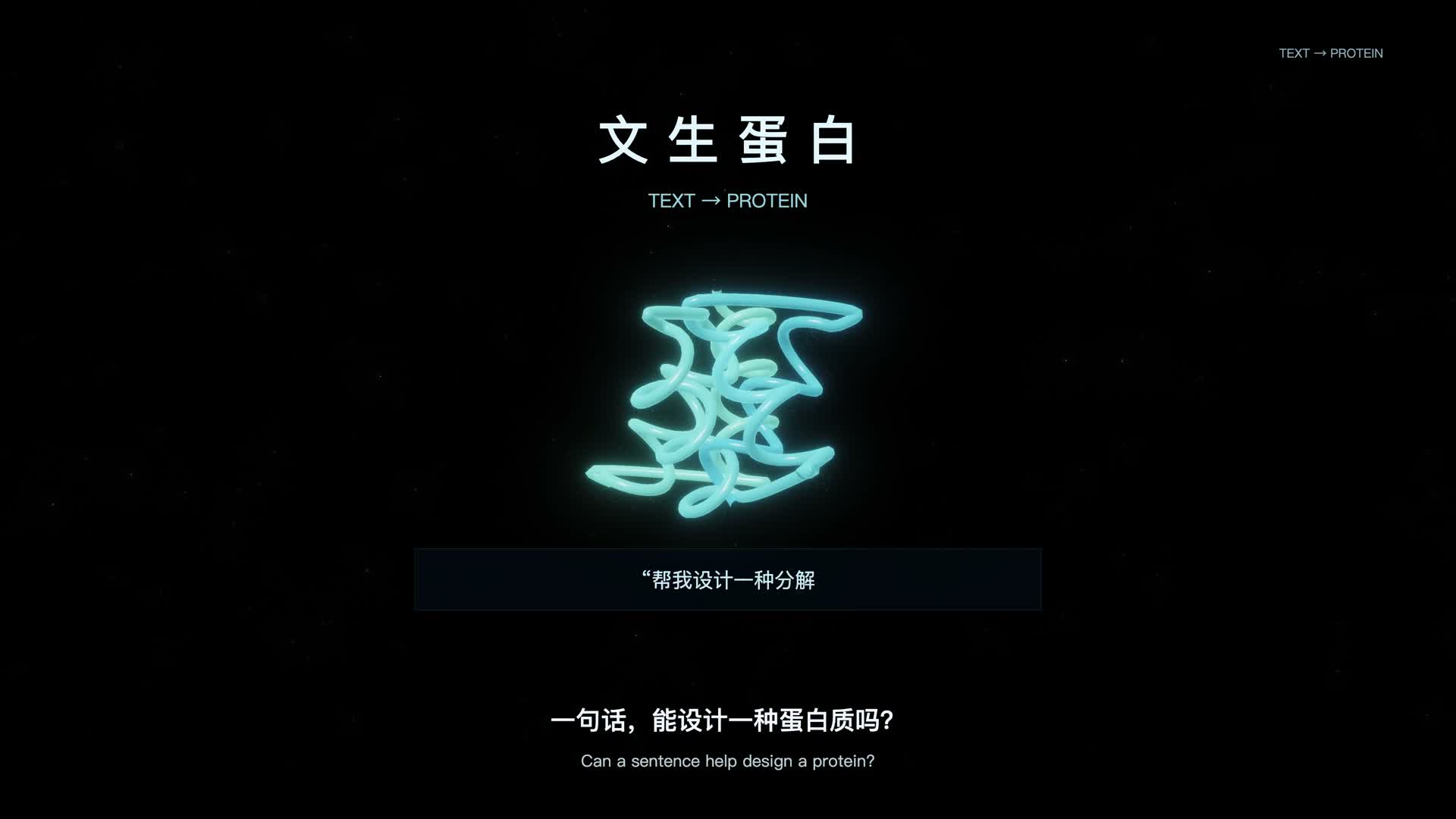
Science MV
Explain science through visible causes, transformations and results.
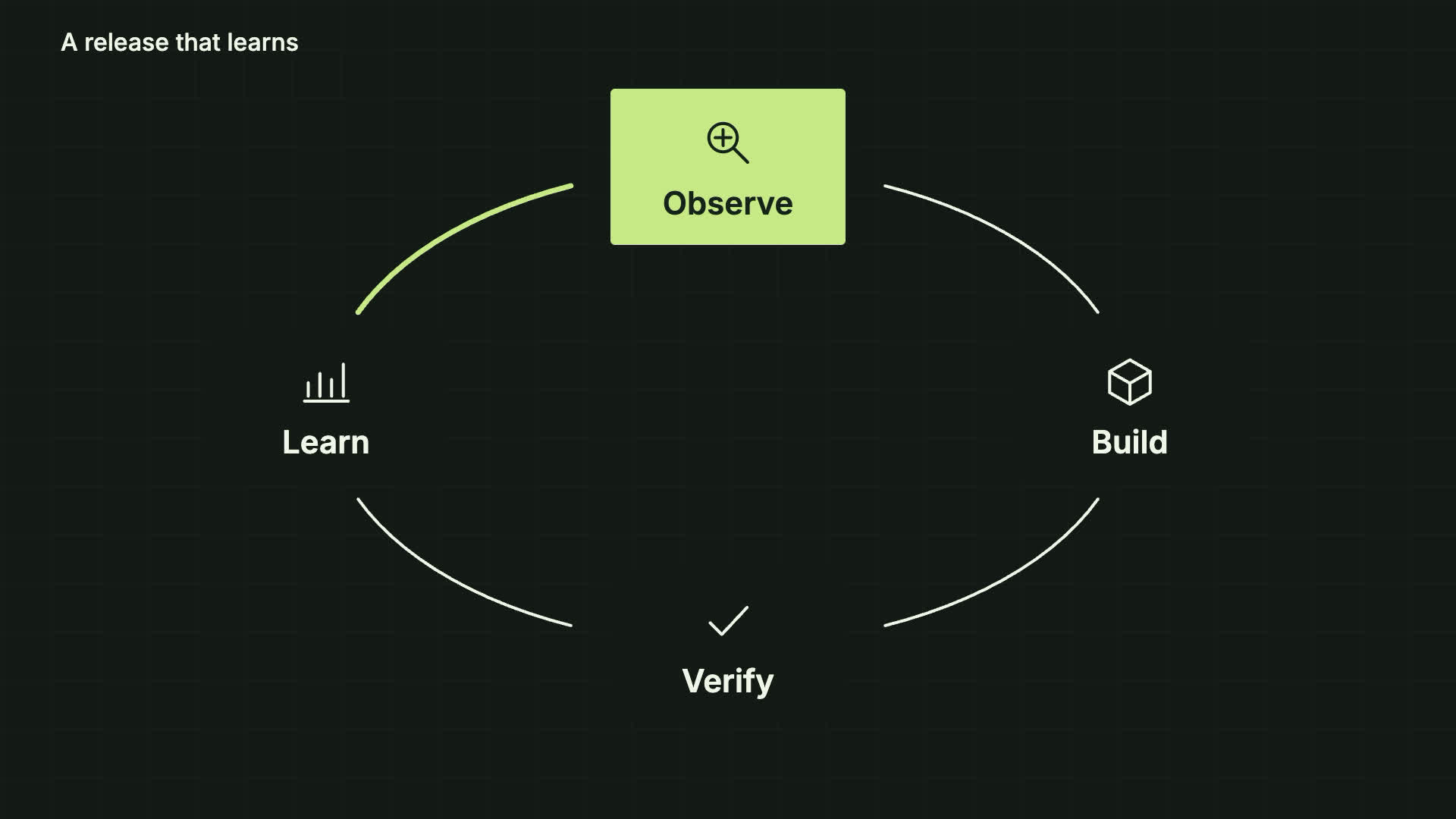
Loop Story
Explain a cycle: build each stage, close the loop, then reveal the takeaway.
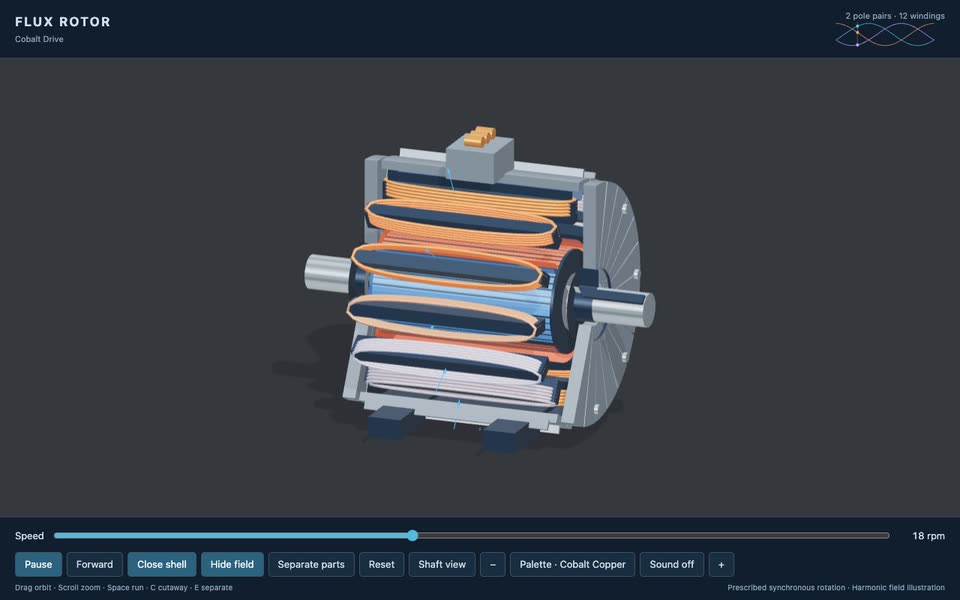
Flux Rotor: Cobalt Drive
Inspect an original motor with real winding groups, alternating magnet sectors and a keyed shaft. Balanced phase currents drive prescribed synchronous rotation, material colors and spatial harmonic markers. Open the actual cutaway and separate six components offline. This display does not solve torque, efficiency or magnetic finite elements.
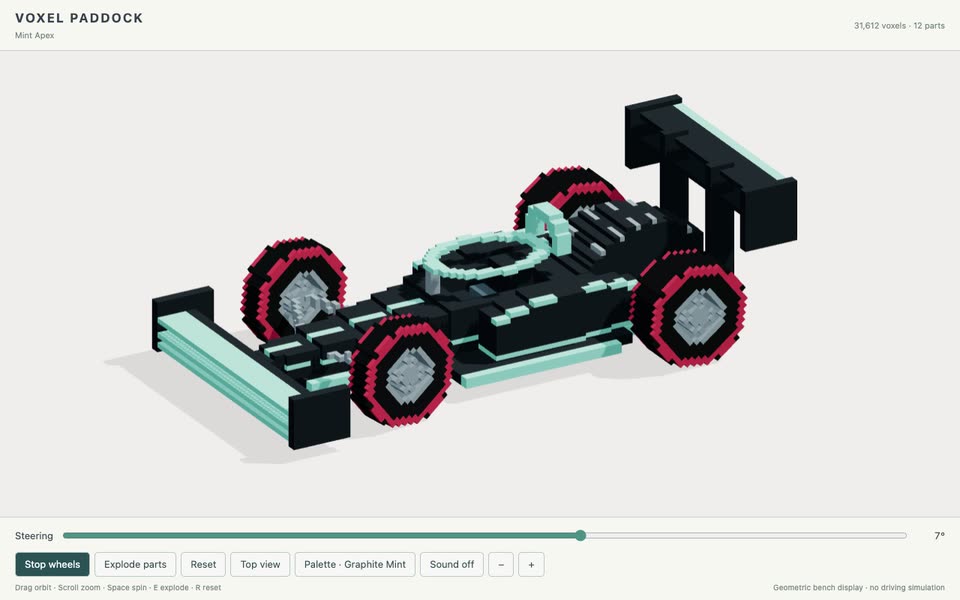
Voxel Paddock: Mint Apex
Inspect an original open-wheel vehicle built from procedural cubes. Spin actual wheels on a stationary display, turn nominal geometric steering and separate twelve component groups. Edit bounded dimensions, voxel density and three palettes offline. This is not a driving or aerodynamics simulation.
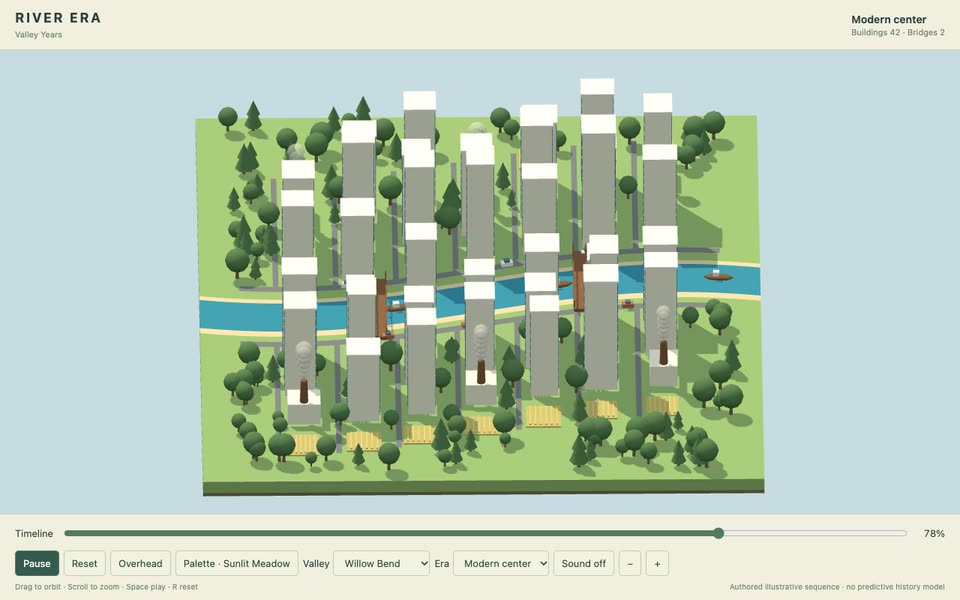
River Era: Valley Years
Scrub an authored river settlement timeline from camp and farms to town, workshops and speculative towers. Actual seeded geometry changes reversibly; boats and vehicles follow the same river and bank equations. This is an illustrative sequence rather than predictive history.
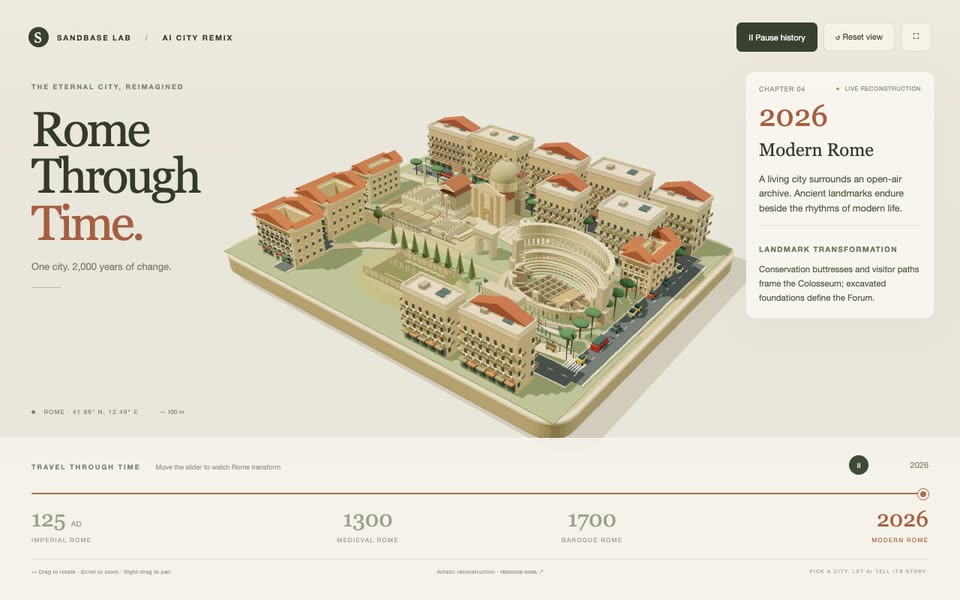
3D City Through Time
Watch one 3D city change year by year across two thousand years: ruins, reuse, rebuilding and modern streets, with a narration card and a matching 25-second film. Sample: Rome.