
Wireframe Scan Lock-On
- Skill Lab
- v1.0.0
- Product marketing
Turn any object into scanned light: a glowing wireframe grows on a projector pad, target boxes snap onto chosen parts, each part slides apart along its own assembly axis, and a spec card's reading rolls from garbage glyphs into the true value in one warm accent — sheet-driven, silent, deterministic.
Exemples · 2
Lancer en ligne
Exécutez l’exemple de Wireframe Scan Lock-On dans un sandbox SandBase et voyez le résultat ici.
Fonctionnement
- 01
Model the object
Wireframe Scan Lock-On reads one sheet.json: a title, subtitle, language, size, fps, duration, seed, one cold hue and one warm accent, a model made of parametric parts with assembly axes, orbit-camera segments covering the whole film, a beat list and end lines. Parts use primitives such as lathe profiles, tubes, rings, discs, boxes, blades and gears, and must touch.
- 02
Scan and lock
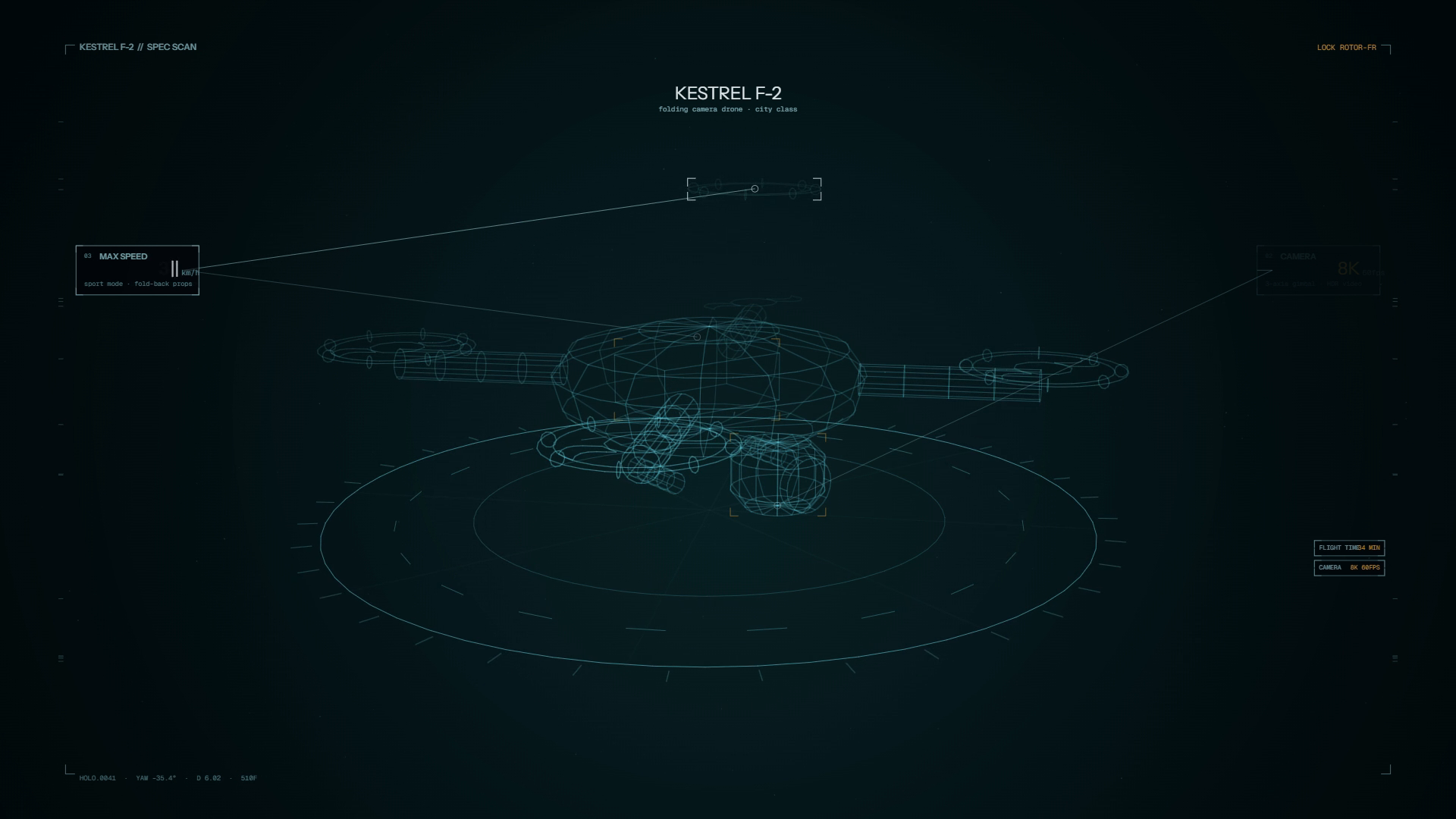
A glowing wireframe made of light grows above a round projector pad; it is never a rendered object. Target boxes snap onto chosen parts with leader callouts, and each part slides apart along its own assembly axis. Internals marked hot glow once exposed. A spec card's reading rolls from garbage glyphs into the true value, the warm accent reserved for locked values.
- 03
Recap and render
Locked values stack on a chip rail as the recap, waves and beams sweep the model, and an end card repeats the numbers. Use two to five locks, each about four to six seconds, with the value on screen for at least 2.5 seconds before it docks. build.mjs validates the sheet and render.mjs writes, probes and decodes a silent 1920 by 1080, 30 fps film.
FAQ
What does Wireframe Scan Lock-On make?
Wireframe Scan Lock-On turns an object into scanned light: a wireframe grows on a projector pad, target boxes lock onto parts, parts slide apart and spec readings resolve into true values. The demos scan a folding camera drone and take apart a clay teapot in Chinese. It suits spec walkthroughs, teardowns and launch reveals.
Do I need a 3D model for Wireframe Scan Lock-On?
No. Wireframe Scan Lock-On builds the object from parametric parts written in the sheet, such as lathe profiles, tubes, rings and gears. No model files or artwork are needed. Make sure parts touch, because a floating piece reads wrong when the scan reveals it.
Why is only one colour warm in Wireframe Scan Lock-On?
Wireframe Scan Lock-On draws lines, HUD and fills in one cold hue and spends the warm accent only on locked values. That makes each confirmed reading stand out the moment it resolves from scrambled glyphs, and the end card repeats those numbers.
How many parts can Wireframe Scan Lock-On call out?
Wireframe Scan Lock-On works best with two to five locks per film, each taking about four to six seconds. Keep the subject at least a third of frame height at every lock, and slide it aside with the screen offset to make room for cards.
Is Wireframe Scan Lock-On billed?
Wireframe Scan Lock-On states that it uses no keys, model calls or paid services. It needs Node 22 and FFmpeg and renders the sheet locally through HyperFrames, so a film is not billed.
Plus de Skills
Tous les Skills Product marketing →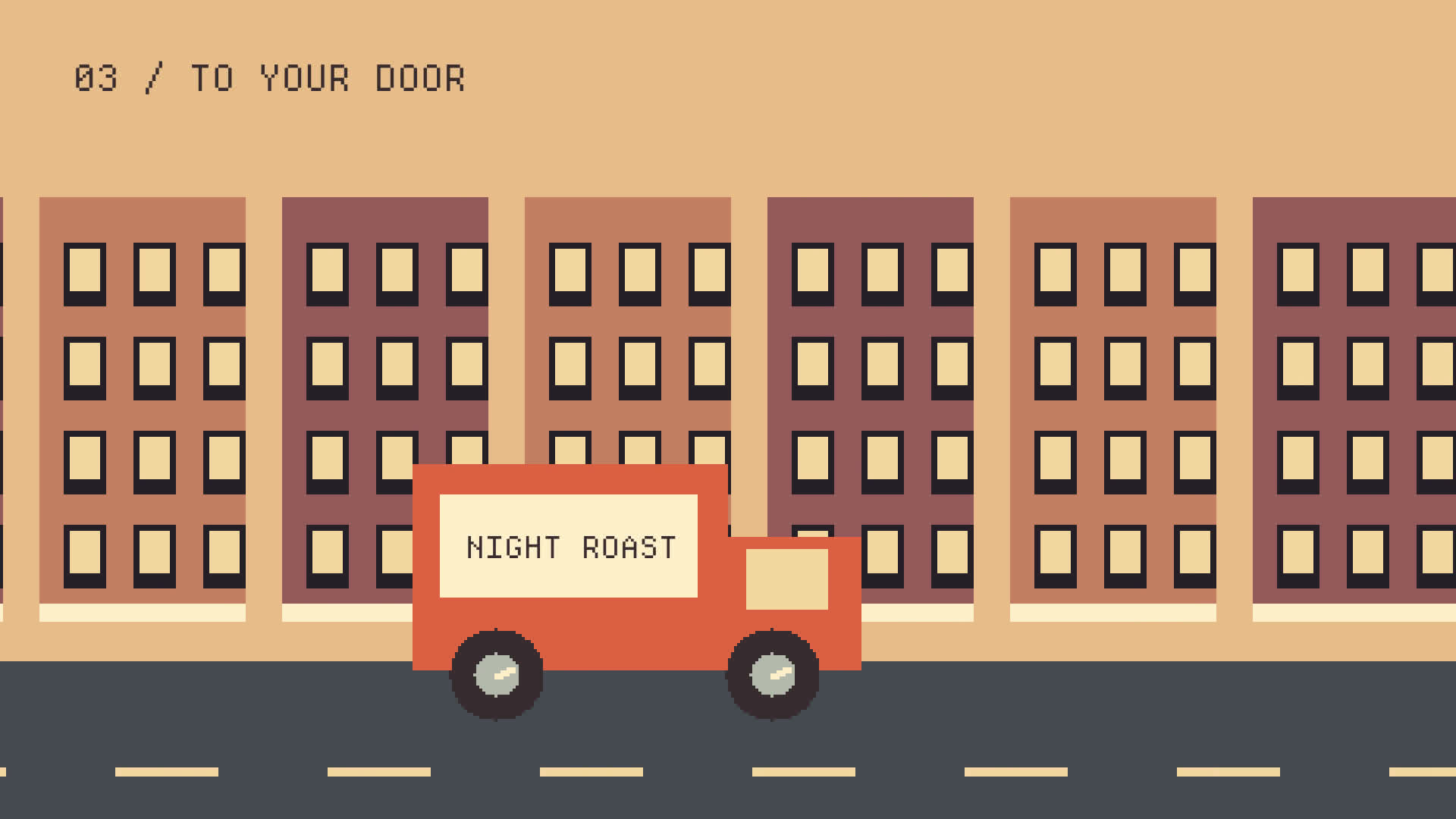
Pixel Story
Turn a product brief into a pixel film with clear actions, scene traversal and a memorable payoff.
Device fan
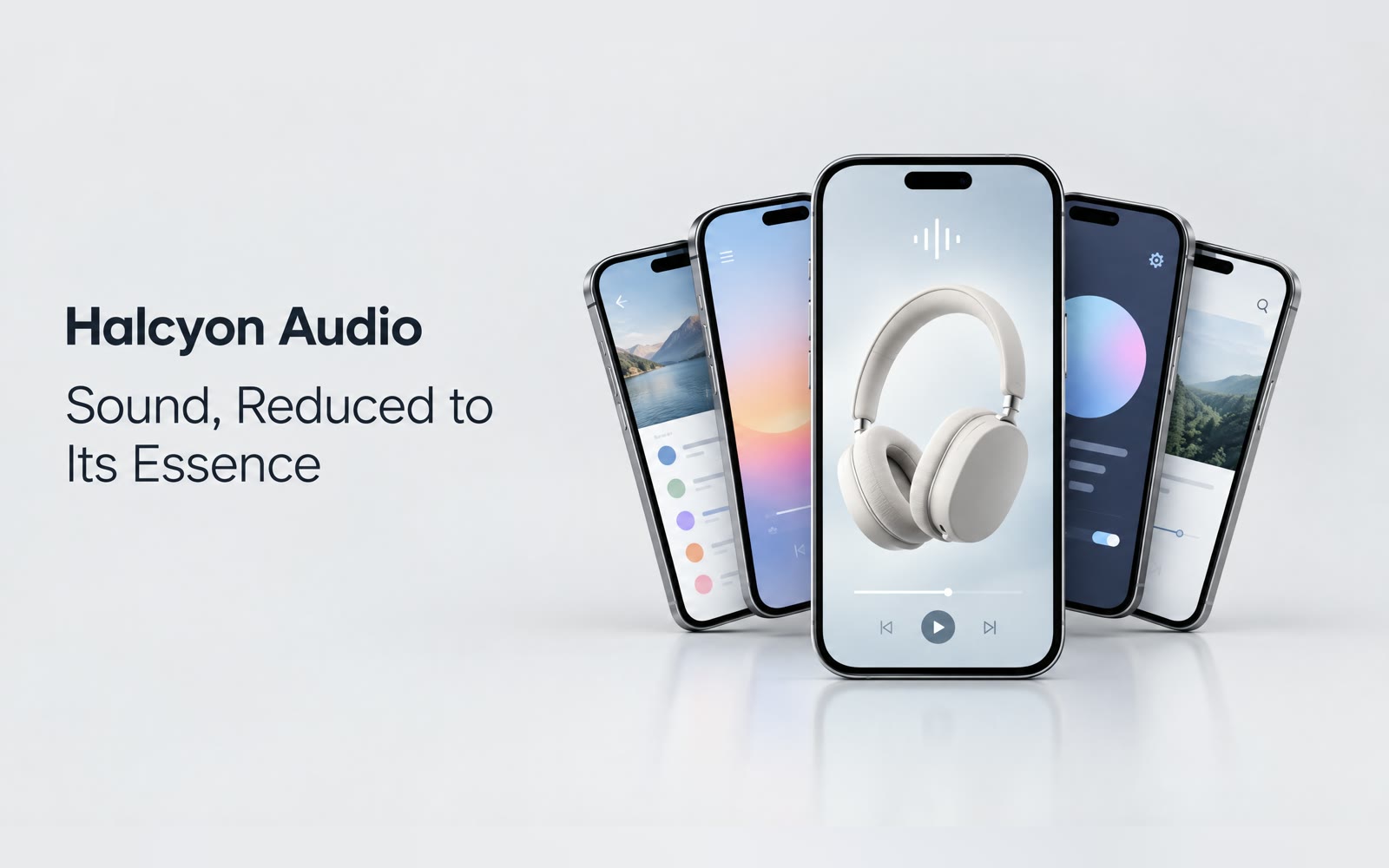
Turn a brand, one headline and context into a calm device-showcase card.

Floating phones
Turn a brand, one headline and context into a warm-ivory card with floating phone screens and playful, friendly doodles.

Floating analytics dashboard
Turn a brand, one headline and context into a split-column card: a narrow charcoal brand column anchoring a large white analytics dashboard that floats across a vivid violet gradient field.
Minimal handheld product
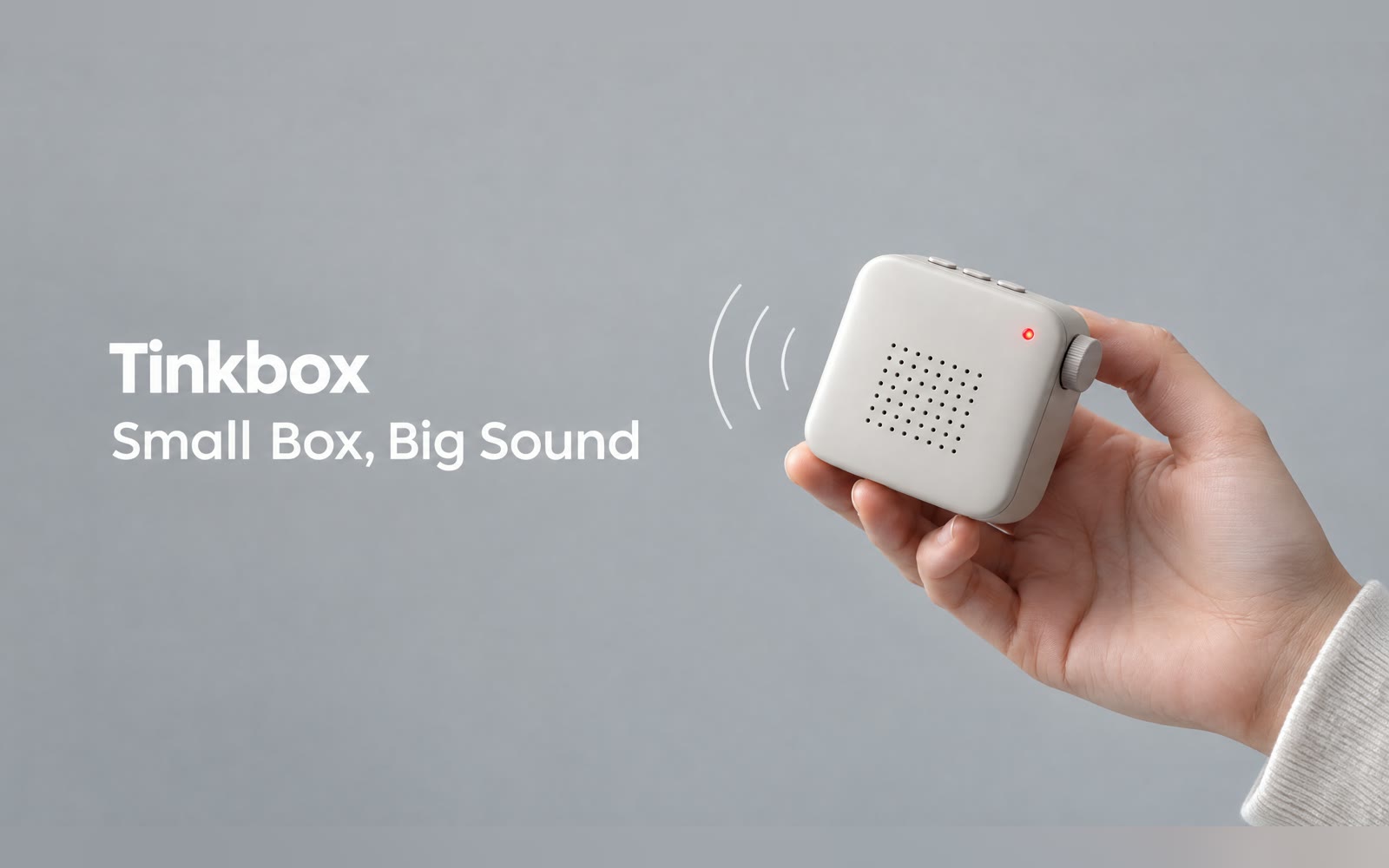
Turn a brand, one headline and context into a high-key studio card: a softly lit hand holding an original compact pale device against a seamless gray background, with broad empty space and a tiny red light as the only accent.
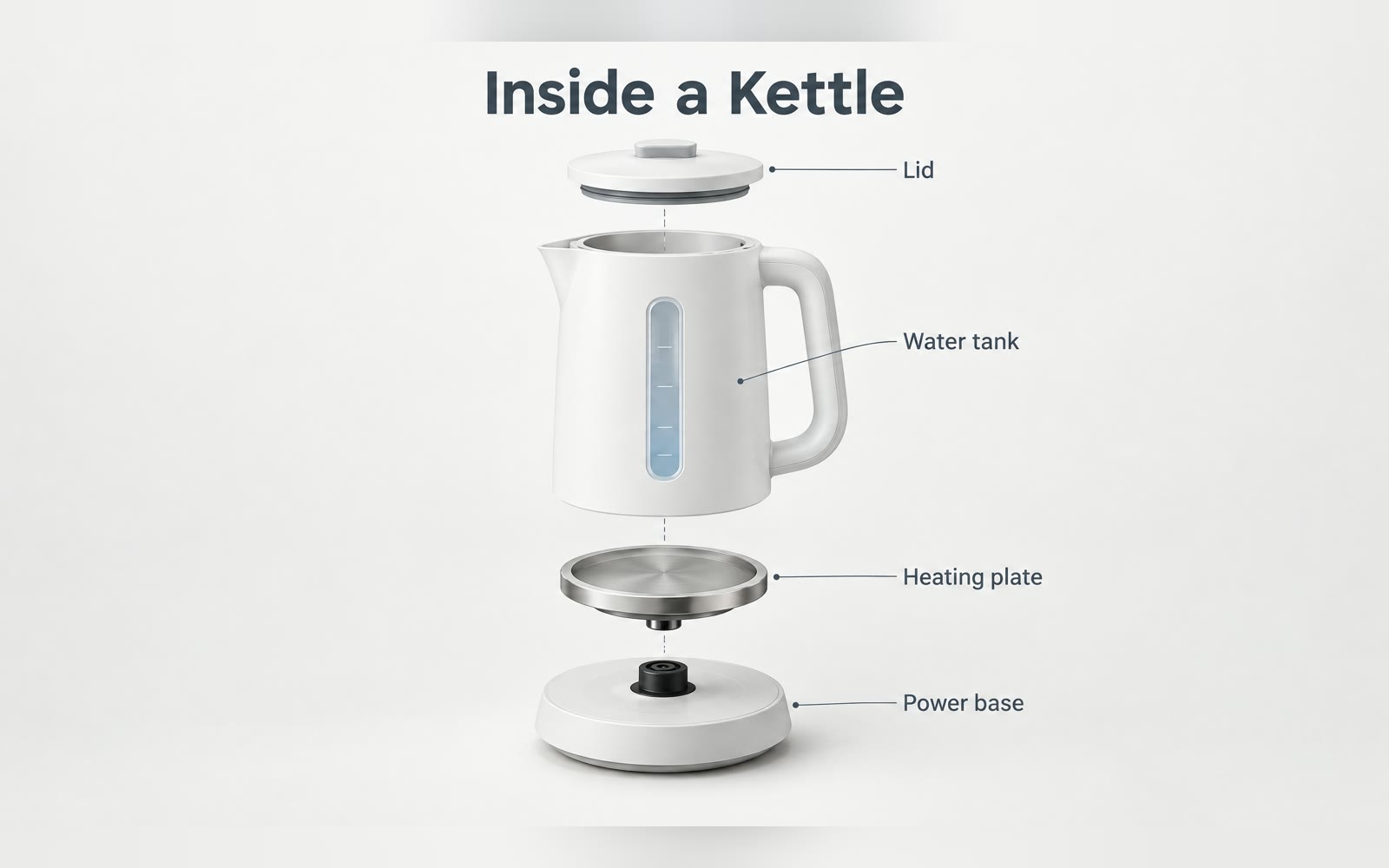
Appliance exploded poster
Turn a household appliance into a polished 16:9 exploded-view poster: part groups separated along one axis, with a title and three to five exact labels.