
Phosphor Glyph CRT
- Skill Lab
- v1.0.0
- Motion
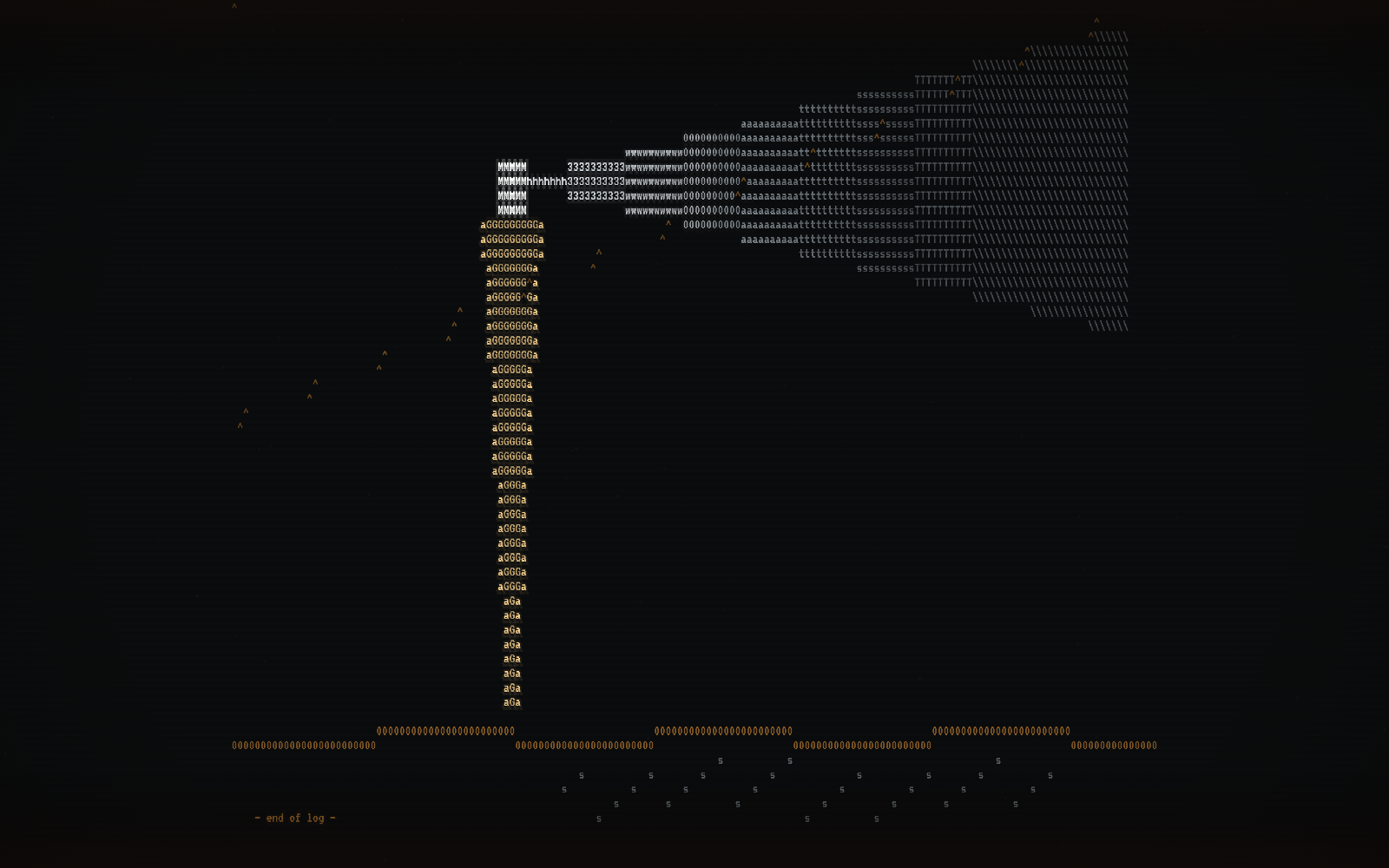
Silent films where every lit cell is a real character on a monospace CRT grid: a log types itself in, a reply's letters break apart and land as the scene, phosphor ramps from dim to bloom through scanlines, vignette and a power on/off collapse. Canvas2D + GSAP, amber/green/white phosphor.
Contoh · 2
Jalankan online
Jalankan contoh Phosphor Glyph CRT di SandBase sandbox dan lihat hasilnya langsung di sini.
Cara kerjanya
- 01
Write or generate the sheet
Write a JSON sheet with the phosphor colour (amber, green or white), an accent, and a list of views, each with a grid size, a duration and drawing ops: text, fill, rect, cells and cursor. Or run node scripts/make-sheet.mjs beacon --out sheet.json for the bundled English film, or harbor for the Chinese one. Sheets are data only; no code is evaluated.
- 02
Build the page
Run npm install, then node scripts/build.mjs sheet.json --out build. The build inlines the sheet, the Canvas 2D engine and the fonts into build/index.html: VT323 for the terminal look and LXGW WenKai for Chinese sheets, both under the SIL Open Font License. The Skill calls no model and needs no API key.
- 03
Review stills and render
node scripts/stills.mjs --build build --at 4,19 writes PNG stills: text types in, the grid can switch from an 80×25 terminal to a 160×60 picture, and a morph view flies letters into the picture. node scripts/render.mjs then renders with pinned HyperFrames and verifies the encode, writing a silent film.mp4 and a report.
FAQ
What does Phosphor Glyph CRT render?
Phosphor Glyph CRT renders a silent film on a monochrome CRT where every lit cell is a real character on a monospace grid. Pictures are built from glyph density, log lines type in, a sentence can break apart and land as the scene, and the screen has phosphor tint, scanlines, bloom and a power-on and power-off collapse.
Which colours does Phosphor Glyph CRT support?
Phosphor Glyph CRT supports three phosphor colours: amber, green and white, with a per-cell accent colour for highlights. The bundled beacon film is English in amber and the harbor film is Chinese in green. The whole screen uses one font, VT323 for the terminal look or LXGW WenKai for Chinese text.
Can Phosphor Glyph CRT use photos or footage?
No. Phosphor Glyph CRT draws every pixel as a glyph, so it takes no photo or video input. Pictures come from cells ops with baked density fields, which you build with small generator loops like the ones in make-sheet.mjs. Resolution is the grid's, so photoreal scenes are out of scope.
How large can the Phosphor Glyph CRT grid be?
The Phosphor Glyph CRT grid goes up to about 160×80 cells. Denser pictures lose the terminal read. A typical film moves between an 80×25 terminal view for typed lines and a 160×60 grid for pictures; the two bundled films run about 27 seconds at 1600×1000 and 30 fps.
Is Phosphor Glyph CRT output reproducible?
Yes. In Phosphor Glyph CRT a paused GSAP timeline drives paint(t), which is pure in time, and every glyph choice and grain fleck is seeded. The same sheet renders bit-for-bit identical frames, so you can re-render a film after editing and get the same result for unchanged views.
Does Phosphor Glyph CRT add sound?
No. Phosphor Glyph CRT is silent by design; it writes film.mp4 and film.report.json with no audio. Add a score or effects in an editor afterwards. GSAP and both fonts are bundled with their licence notices, and npm install fetches HyperFrames and Playwright for rendering.
Lebih Banyak Skills
Semua Skills Motion →
Image Blaster
Turn one frozen moment into a camera-orbit concept video.
Sketchbook Film
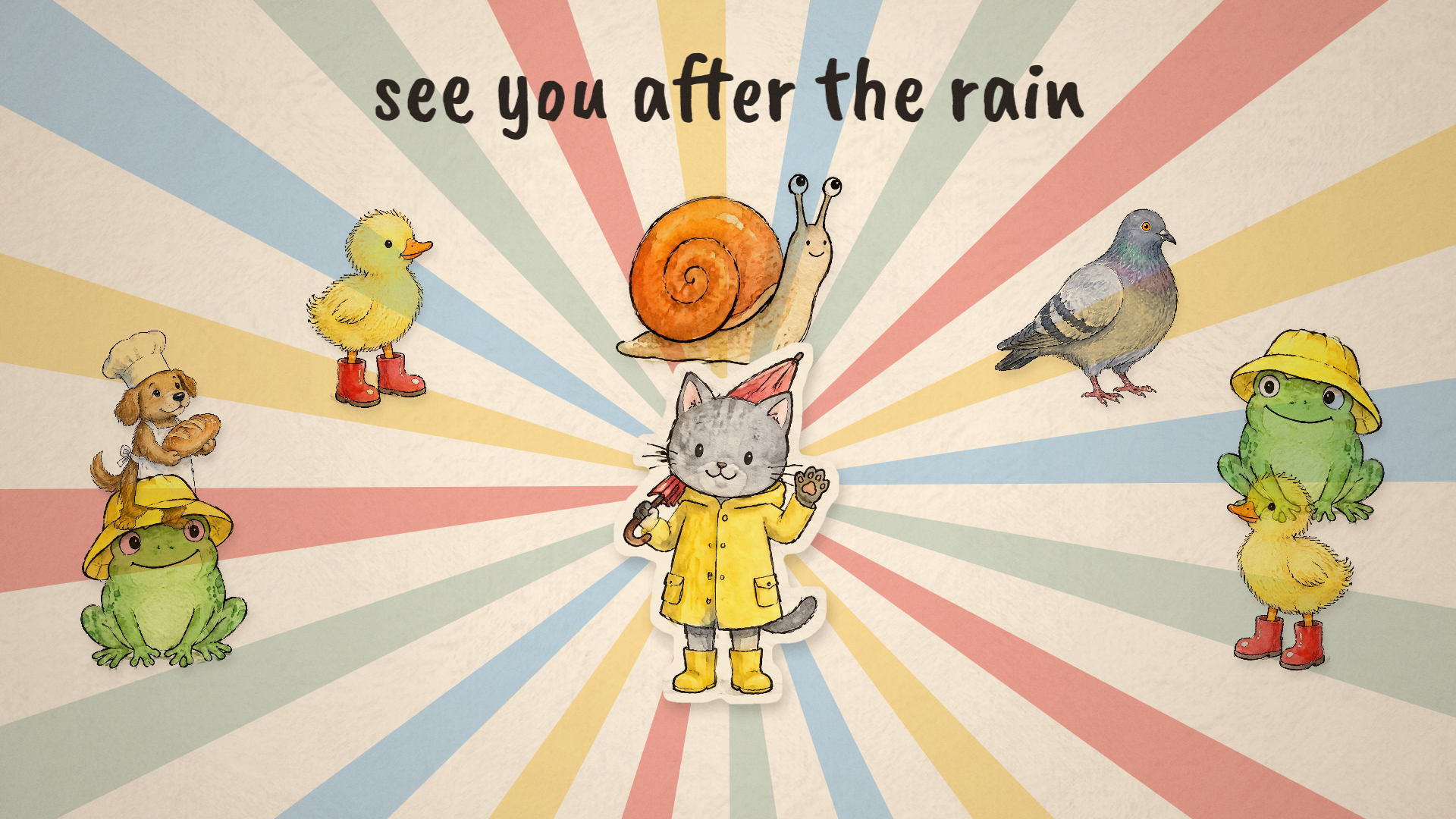
Bring photographed sketchbook drawings to life as a short film with cut-out characters, ink lettering and a score.

SVG Paint Stages
Show a picture being painted: construction marks, contours, flat colour and finer patches, as a layered SVG and a short film.
Network Tally
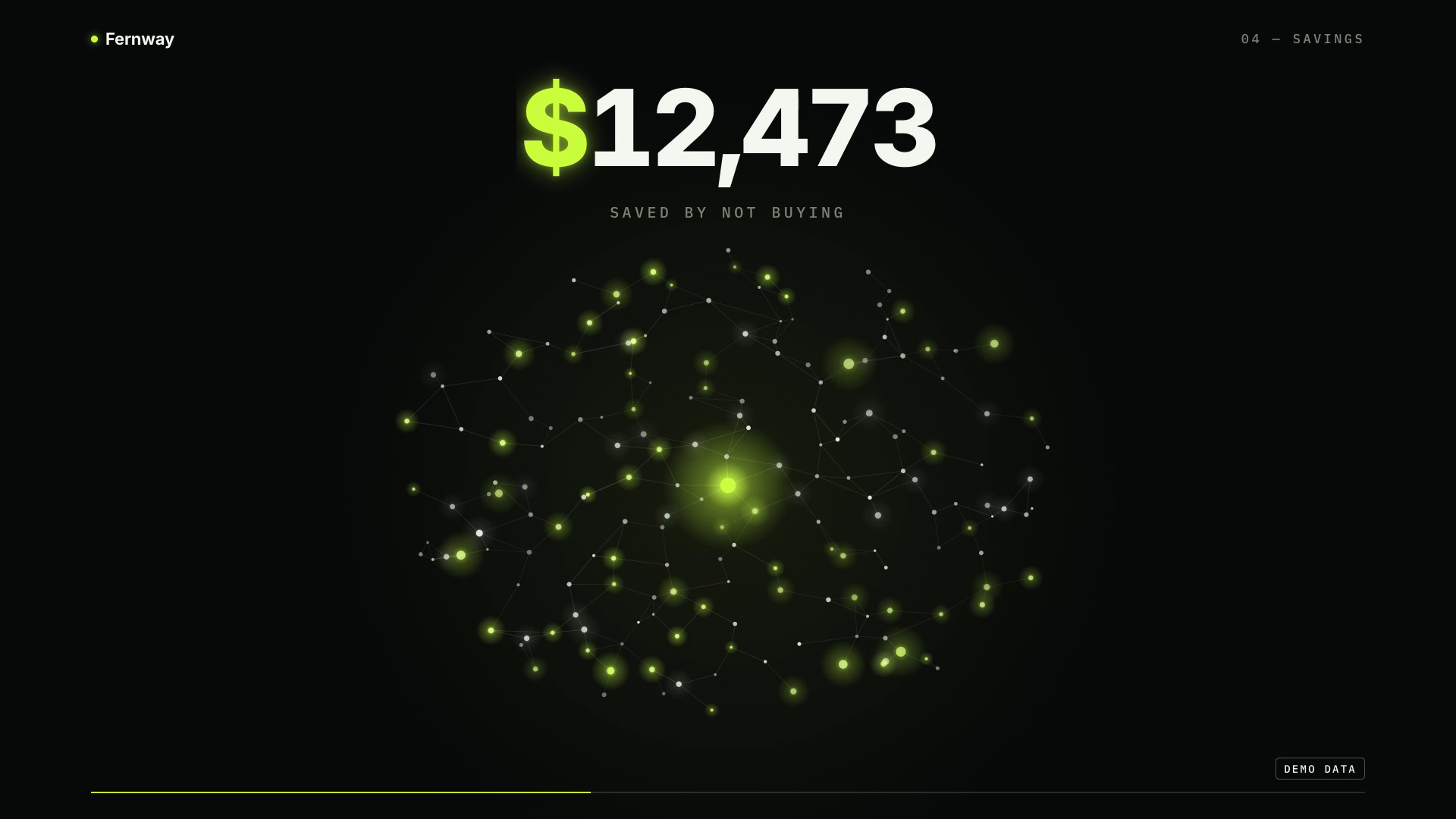
Tell a growth story with real numbers: one node network grows with each counter, flashes, dims behind a spike chart and closes on an end card.
Radiograph Reel: Bumble Ledger
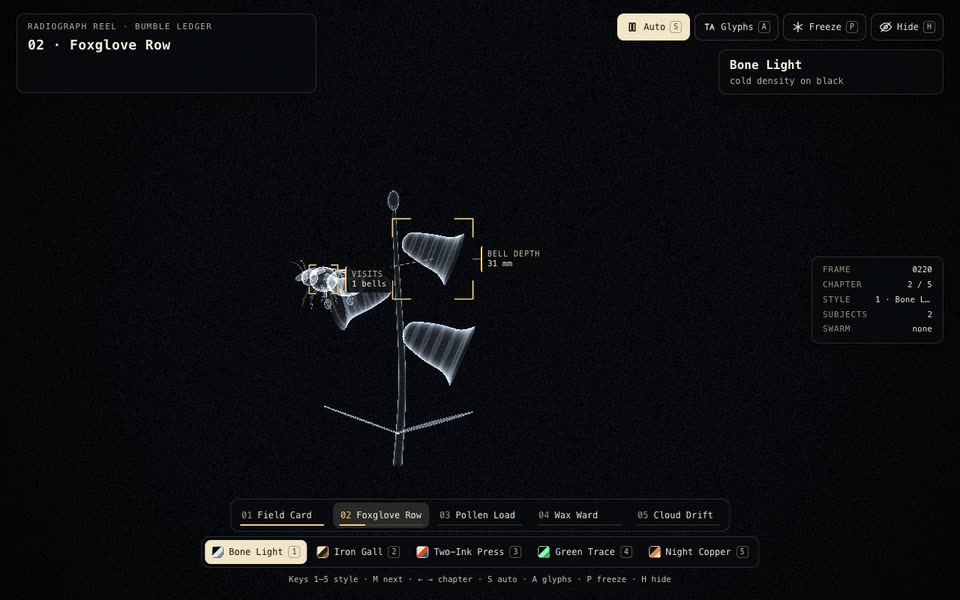
A specimen film reel: procedural bees, flowers and a wax comb glow as X-ray density, print in five switchable film styles with tracking labels, and a swarm morphs between formations.
Festival Grid Slides
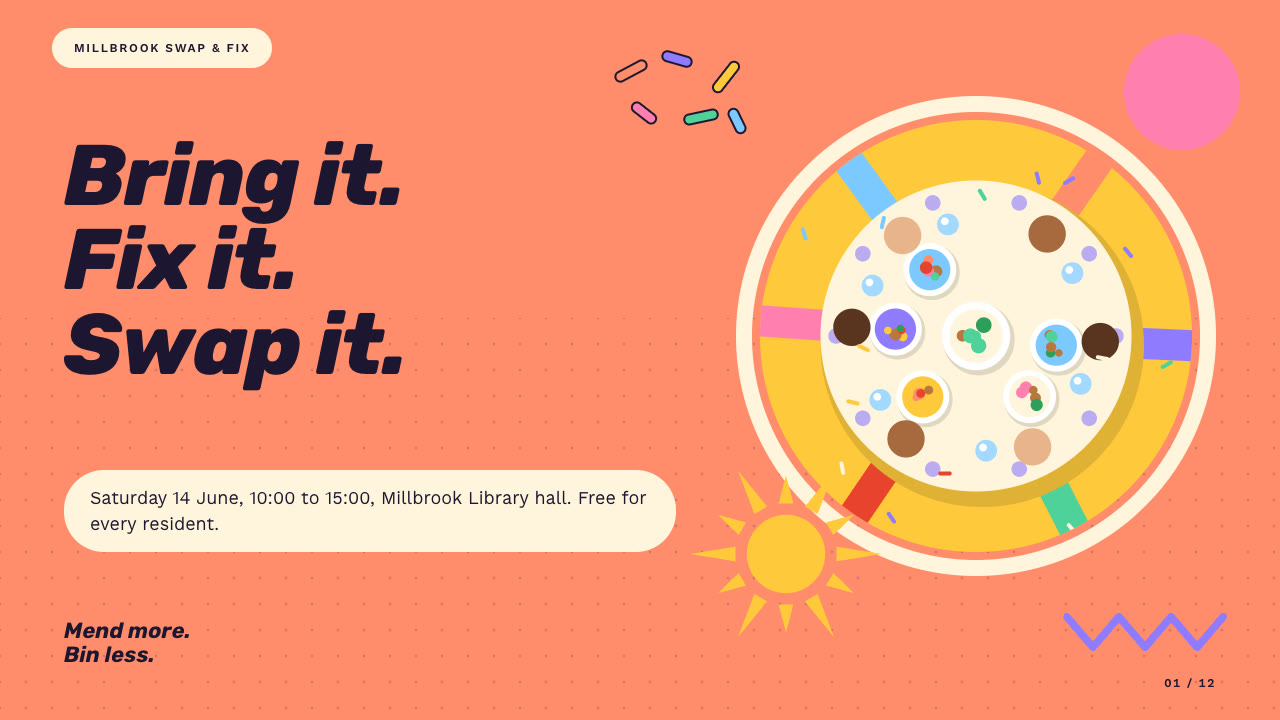
Invite people to a fair, open day or club season, or pitch one, in a bright festival deck: whole-page colour fields with a fine dot grid, heavy slanted headlines, cream cards and tickets, round pictures, and suns, rosettes, rings, bunting and sprinkles.