
Citron Haze Almanac Slides
- Skill Lab
- v0.1.0
- Business reporting
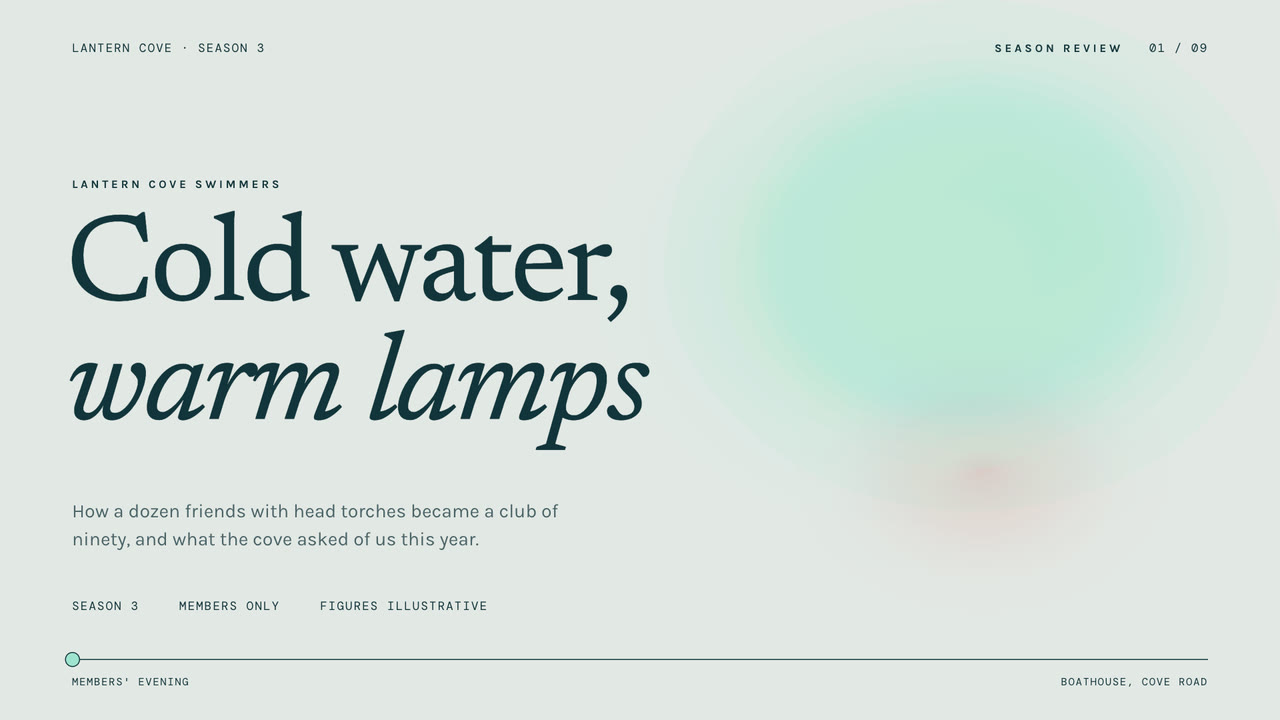
Make calm almanac-style decks: a warm parchment field, deep indigo serif titles, soft citron haze, one highlighted phrase per page and a sun dot riding the foot rule, for seasonal reports and members' meetings.
Contoh · 2
Apa yang Anda dapatkan
Bring what the deck is for, the one thing the audience should leave with, the figures you can stand behind, page count and content language. The Skill returns one offline HTML deck that edits in the browser and exports editable PowerPoint.
Cara kerjanya
- 01
Brief, outline and palette
Citron Haze Almanac Slides starts from what the deck is for, the one thing the audience should leave with, your figures, page count and language. The Agent gives each page one job from ten layouts, such as cover, statement, figures, sunhours, timeline and close, keeps the word budgets in references/layouts.md and picks one of four palette presets.
- 02
Draw plates and build
scripts/citronhaze-art.py draws the only ornaments the register allows: a soft haze, a sun dial, day-length discs and a horizon sun. plan.json sets each page's layout, text, highlighted phrase and plate; kit.py compose turns it into deck.json, make-deck.py builds one offline presentation.html and verify-deck.py checks the page count and kit rules.
- 03
Check pages and PowerPoint
The Agent looks at every page for title breaks, haze placement, ruled rows and the sun dot moving along the foot rule, then tries edit, undo, save and present. On request it exports presentation.pptx from the deck's menu and runs verify-pptx.py. The citron highlight is a separate band, so any statement that wraps differently in PowerPoint is shortened.
FAQ
What does Citron Haze Almanac Slides look like?
Citron Haze Almanac Slides sets deep indigo Newsreader titles on a warm parchment field, with Karla body text and DM Mono chrome. Citron light appears as soft haze glows, a highlight band behind one phrase per page and a sun dot that moves along the foot rule from page to page. Rows are separated by hairlines, and there are no boxes, shadows or rounded cards.
What kinds of decks suit Citron Haze Almanac Slides?
Citron Haze Almanac Slides suits calm, editorial decks: a seasonal report, a members' meeting, a field guide, a small organisation's year in review or a talk that should feel like a printed almanac. Density stays low, with one heading and a few short blocks per page. A hard sell or a dense dashboard is better served by another presentation Skill.
Why is Citron Haze Almanac Slides free to run?
Citron Haze Almanac Slides makes no model or API call. Your own Agent writes the plan, and the bundled Python scripts and engine build the deck on your machine with the fonts that ship in the package. Nothing is fetched at runtime and no SandBase service is involved, so running it does not use your SandBase balance.
Can Citron Haze Almanac Slides write Chinese decks?
Not in this release. Citron Haze Almanac Slides bundles Newsreader, Karla and DM Mono, which cover Latin script only, so Chinese, Japanese or Korean copy falls back to a system face and loses the register. The deck interface itself has 20 language catalogs. A CJK deck needs a CJK font bundled into the package first.
Is the Citron Haze Almanac Slides PowerPoint editable?
Yes. Citron Haze Almanac Slides exports native PowerPoint where text boxes, pictures and shapes stay separate and editable, and the HTML deck also prints to PDF. The haze and sun plates arrive as pictures. If your presentation app wraps a highlighted sentence differently from the browser, the citron band can drift off its words, so keep that sentence on one line.
What are the layout limits in Citron Haze Almanac Slides?
Citron Haze Almanac Slides keeps fixed slots: index holds five rows, figures three cells, sunhours twelve columns, calendar five rows of five, panel three items, timeline six stops and close three columns. Figure numerals hold three characters. You rewrite or drop rows but never add more, and the fonts lack arrow glyphs, so write words such as next or to instead.
Lebih Banyak Skills
Semua Skills Business reporting →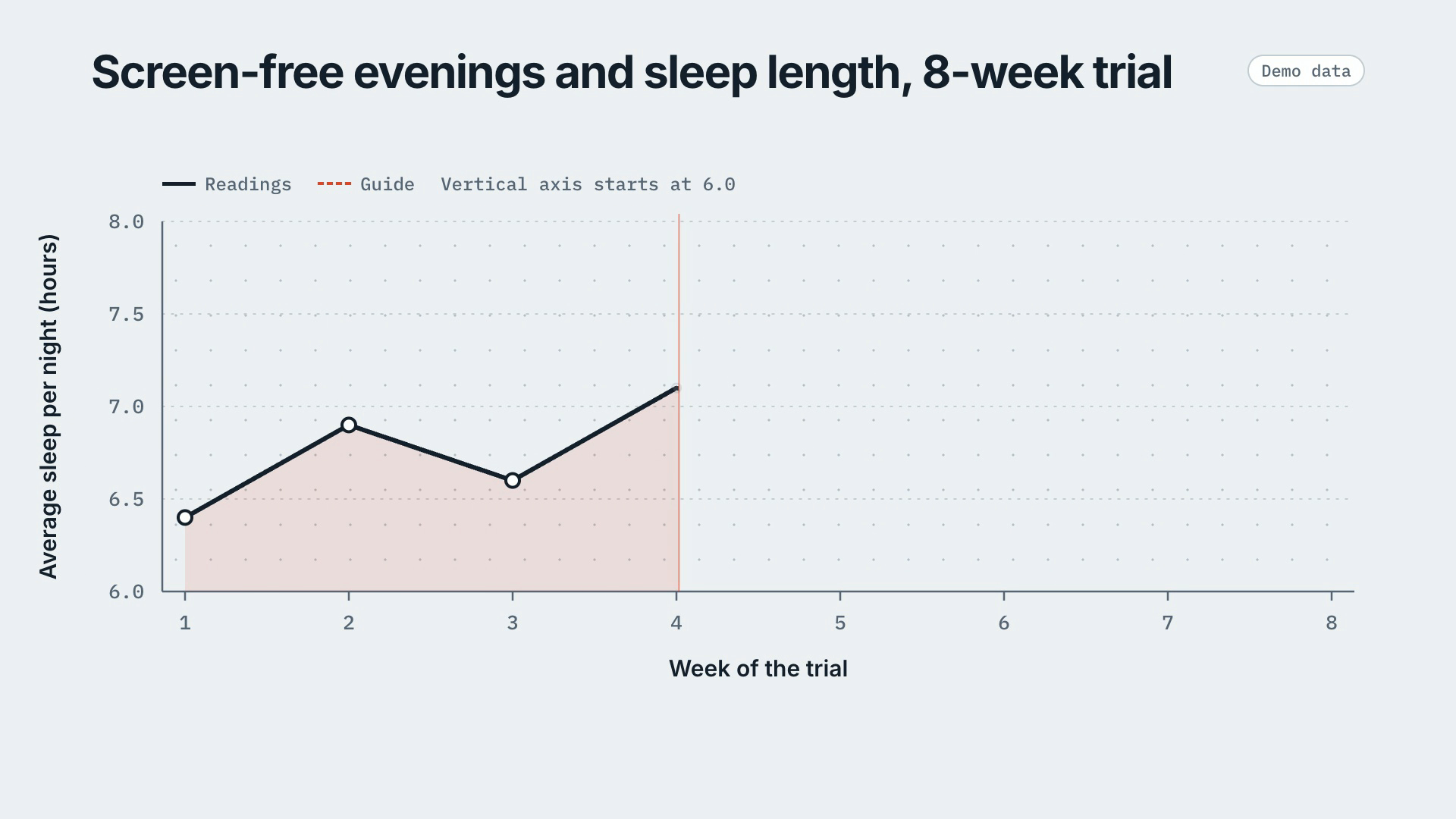
Trend Line
Reveal measured readings, a separate dashed guide and a final takeaway on an editable chart.
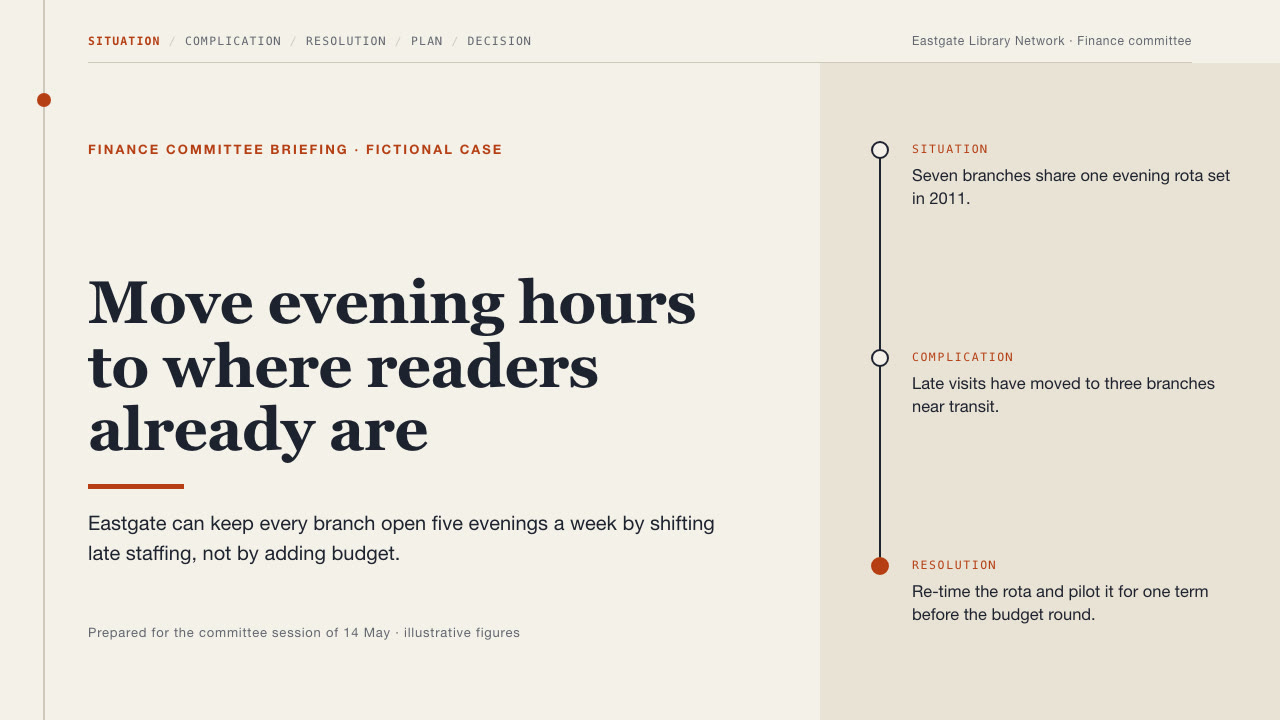
Advisory Thread Slides
Argue one recommendation to a committee or board with action titles, a storyline tracker, evidence charts and a bounded decision ask.
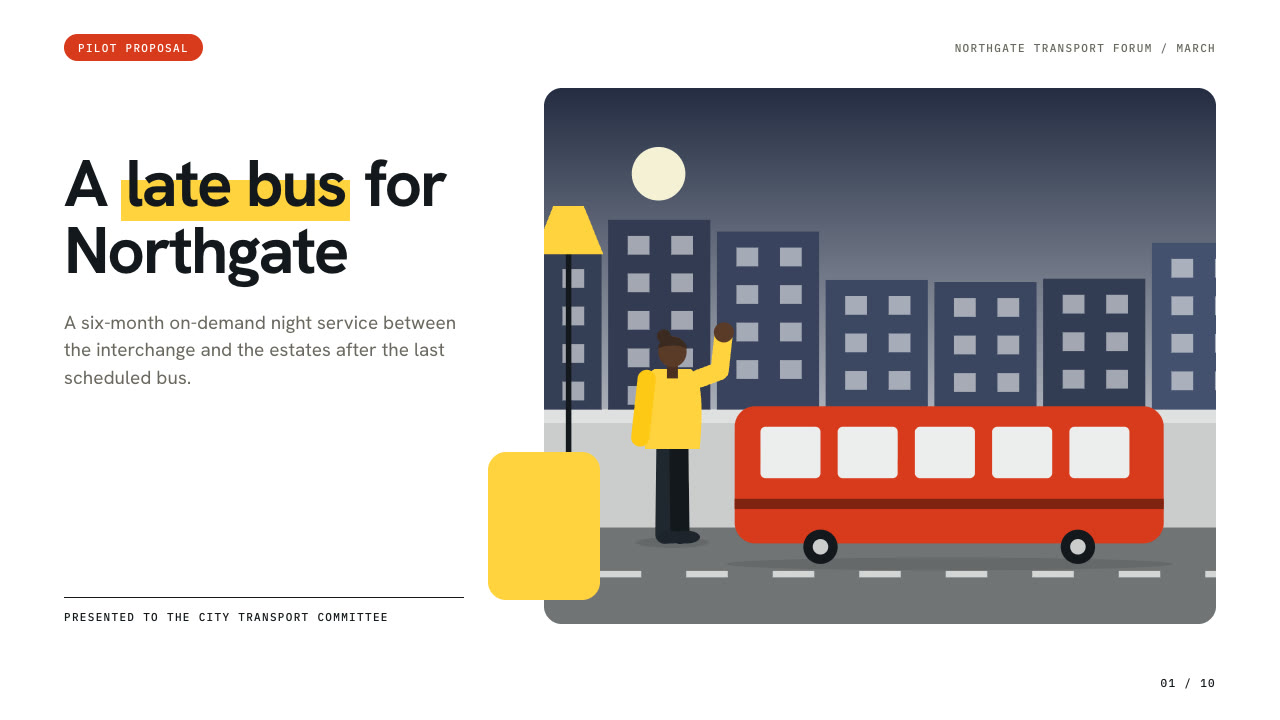
Civic Bars Slides
Make the case for a public or community service decision with picture cards, thin bar charts, stat tiles and a clear ask.
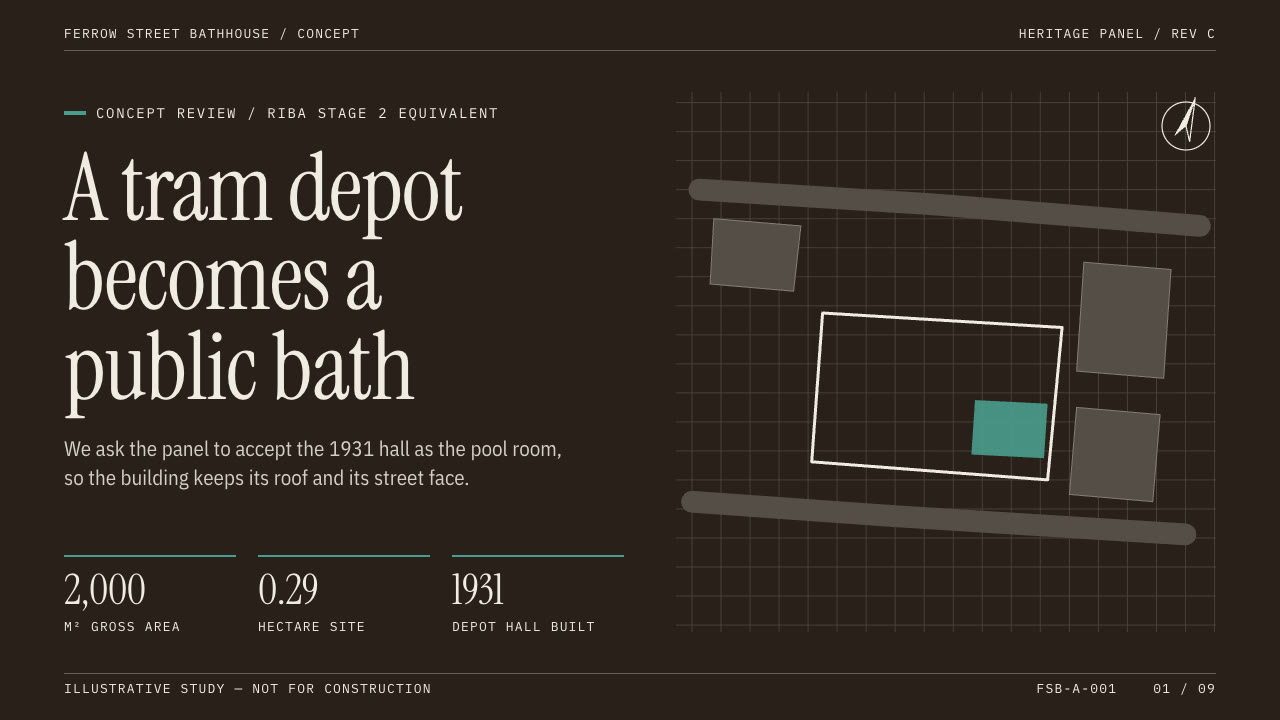
Site Sequence Slides
Take an architecture or site-design proposal to a review panel like a drawing sheet: site, massing, plan and section, program, phasing and one clear decision.
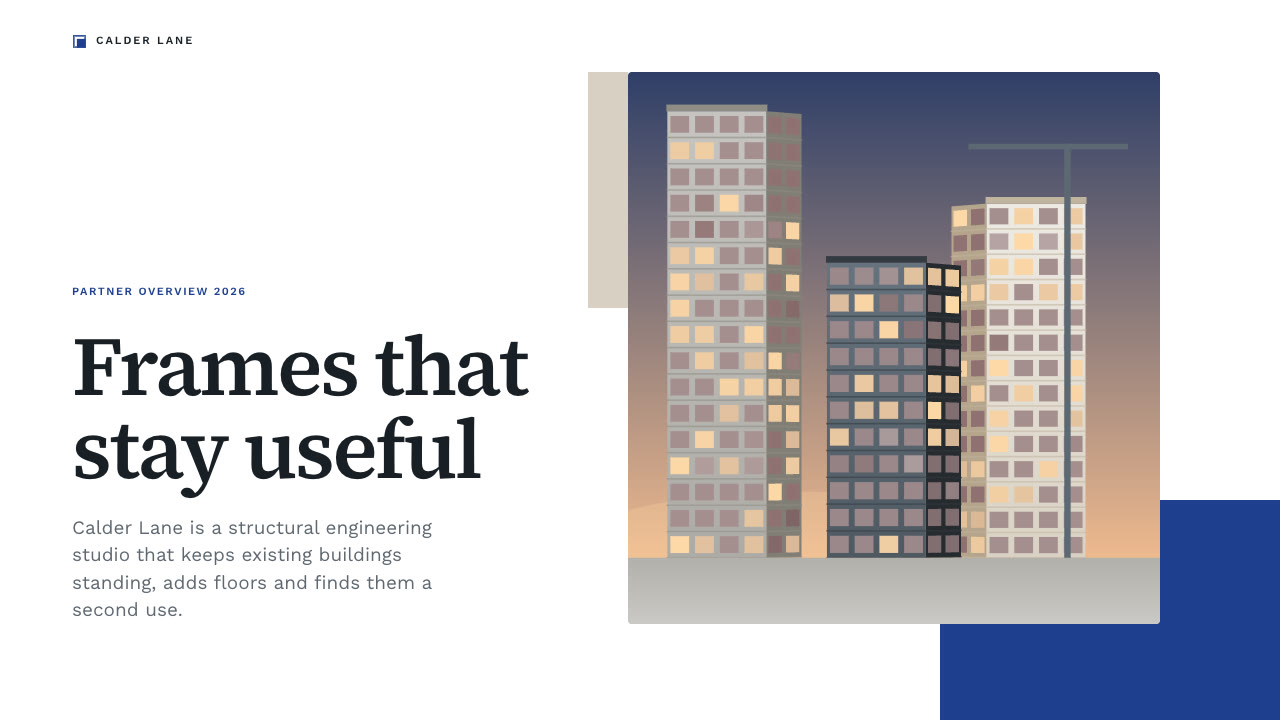
Deepframe Company Slides
Present a company, practice or member organisation calmly: white pages, offset colour blocks behind pictures, service cards, ring figures, value bars and a portrait row.
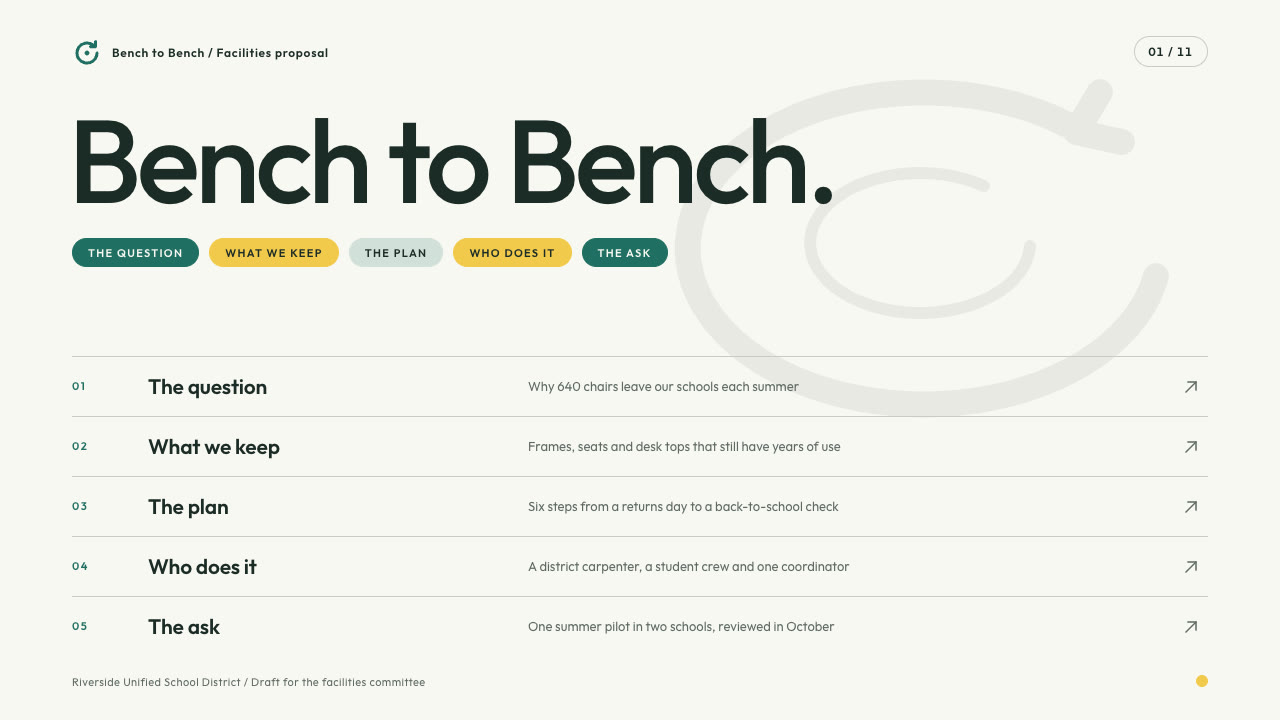
Circular Module Slides
Propose a repair, reuse or take-back step in a light modular deck: rounded cards and pill capsules, an open-ring motif, notched principle cards, a six-step grid and a capsule bar chart.