
Coastal Cycle: Harbor Pelican
- Skill z Lab
- v0.1.0
- Illustration
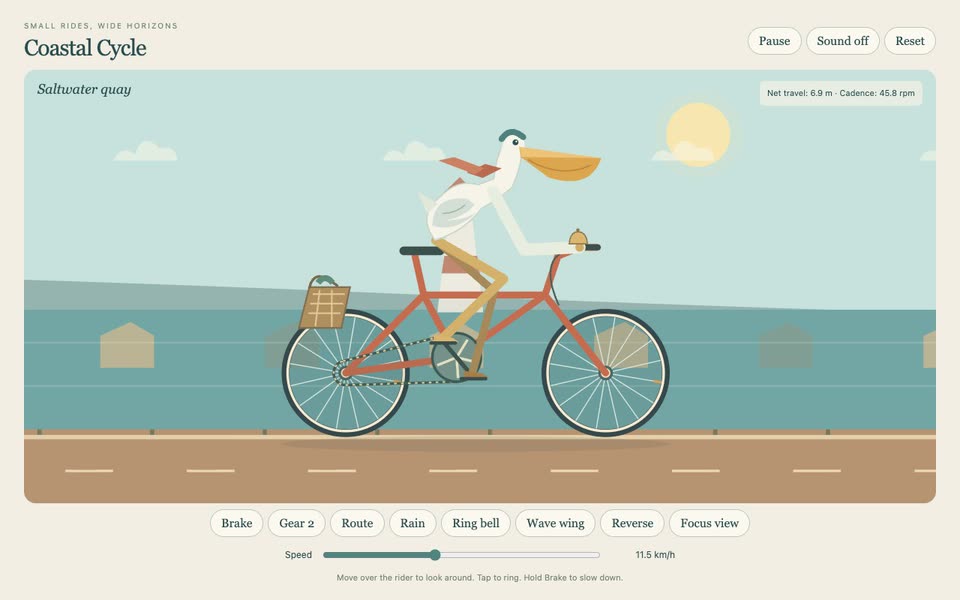
An authored SVG pelican rides a coral bicycle beside the sea. Measured travel drives the wheels, gear ratio drives the crank, and solved joints keep both feet on their actual pedals. Brake, reverse and explore three coastal palettes offline.
Przykład
Coastal Cycle interactive SVG ride
Przykład działa w odizolowanej ramce bez dostępu do tej strony.
Uruchom online
Uruchom w sandboxie SandBase i zobacz wyniki w Lab.
Otwórz w Lab ↗Co otrzymasz
Bring a rider, route and optional palette. The Skill returns a downloadable Skill, interactive demos and example videos.
Jak to działa
- 01
Fill the Harbor Pelican prompt
Coastal Cycle starts from assets/prompts/examples/harbor-pelican.json: run node scripts/fill-prompt.mjs --slots with it and --out prompt.md, then node scripts/new-project.mjs --out my-cycle and npm ci. It needs Node 22.4 or later and the pinned npm dependencies, but no WebGL, credentials or model calls. Give the filled prompt and the editable project to a coding agent.
- 02
Edit limbs, gears and routes
Supported edits live in src/ride.json: limb lengths, gear ratios, speed and route colours and names. The frame and rider anchor layout is fixed by validation, so changing anchors, wheel size or the frame means updating the SVG, the validator and the verification together. A fixed 60 Hz clock integrates signed travel, and inverse kinematics solves the knees and the arm.
- 03
Build and inspect the geometry
npm run build:single writes dist-single/index.html, and npm run shoot -- --file dist-single/index.html needs Chrome. The browser checks inspect SVG tire extents, crank transforms, limb paths and foot transforms against the measured travel. Invalid ride data fails with stable rule codes. Deliver the source, the single offline HTML and the bilingual reports, then confirm both feet stay on the moving pedals.
FAQ
What is Coastal Cycle?
Coastal Cycle is an interactive SVG illustration of Harbor Pelican, a vector bird riding a coral bicycle beside the sea. Wheels roll through measured distance, the crank follows the selected gear and both feet stay on their pedals through solved two-link joints. You can brake, reverse, ring the bell, wave a wing and switch between three routes.
How do the Coastal Cycle wheels and pedals stay in sync?
Coastal Cycle sets wheel angle to distance divided by the outer tire radius, and crank increments follow the gear ratio. Both feet are actual crank endpoints, and gear changes preserve crank phase. Parallax layers and the chain move from the same measured travel, so nothing slides.
What keyboard shortcuts does Coastal Cycle have?
Coastal Cycle uses Space to pause, B to hold the brake, G for gear, N for route, W for rain, L for the bell, F for the wing, D for reverse, R to reset, M for sound and C for focus view. Escape exits focus view. Native buttons and the speed range also work with the keyboard.
Is Coastal Cycle a bike physics simulation?
No. Coastal Cycle is a planar kinematic illustration, not a vehicle, bird anatomy or freewheel simulation. Route scenes are authored loops, not maps. Net travel is signed, so it decreases in reverse.
Does Coastal Cycle use any paid service or external asset?
No. Coastal Cycle has no model calls, uploads, credentials, recorded sound or external runtime assets, so riding it costs nothing. The optional sound is a short synthesized bell that starts muted. State is temporary, and reset restores the defaults.
How does Coastal Cycle handle reduced motion?
Coastal Cycle starts paused under reduced motion and removes decorative body, wing and rain movement. Pressing Ride explicitly starts the essential wheel and scenery motion. Pause freezes easing and pulses while the direct controls stay usable.
Więcej Skills
Wszystkie Skills dla Illustration →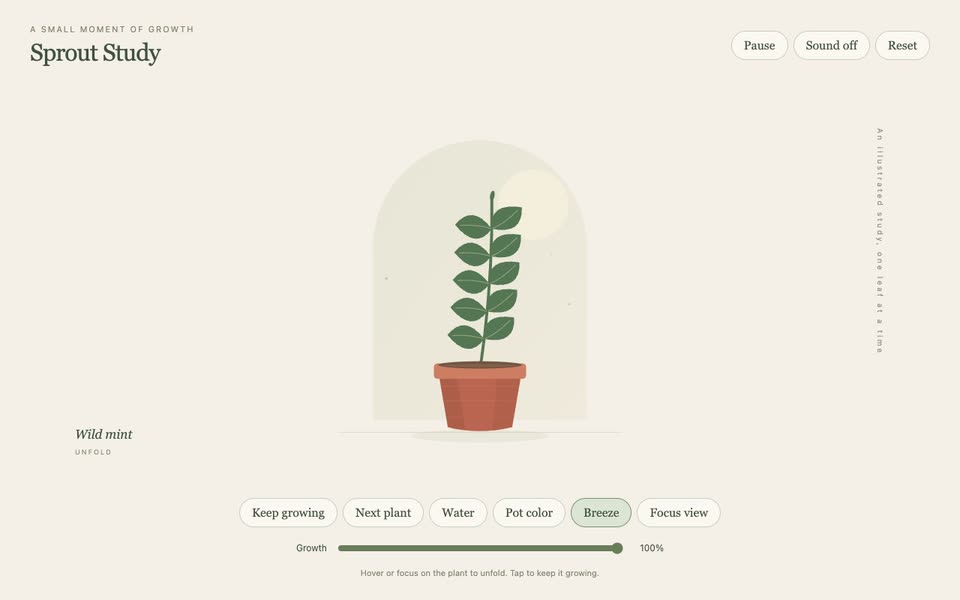
Sprout Study: Terracotta Mint
A quiet SVG botanical illustration. Hover or focus to grow the continuous stem, unfold leaves in sequence and fold them again. Touch hold, exact growth scrubbing and editable plants in one offline HTML.

Monochrome editorial
Turn a brand, one headline and context into a high-key monochrome editorial card.
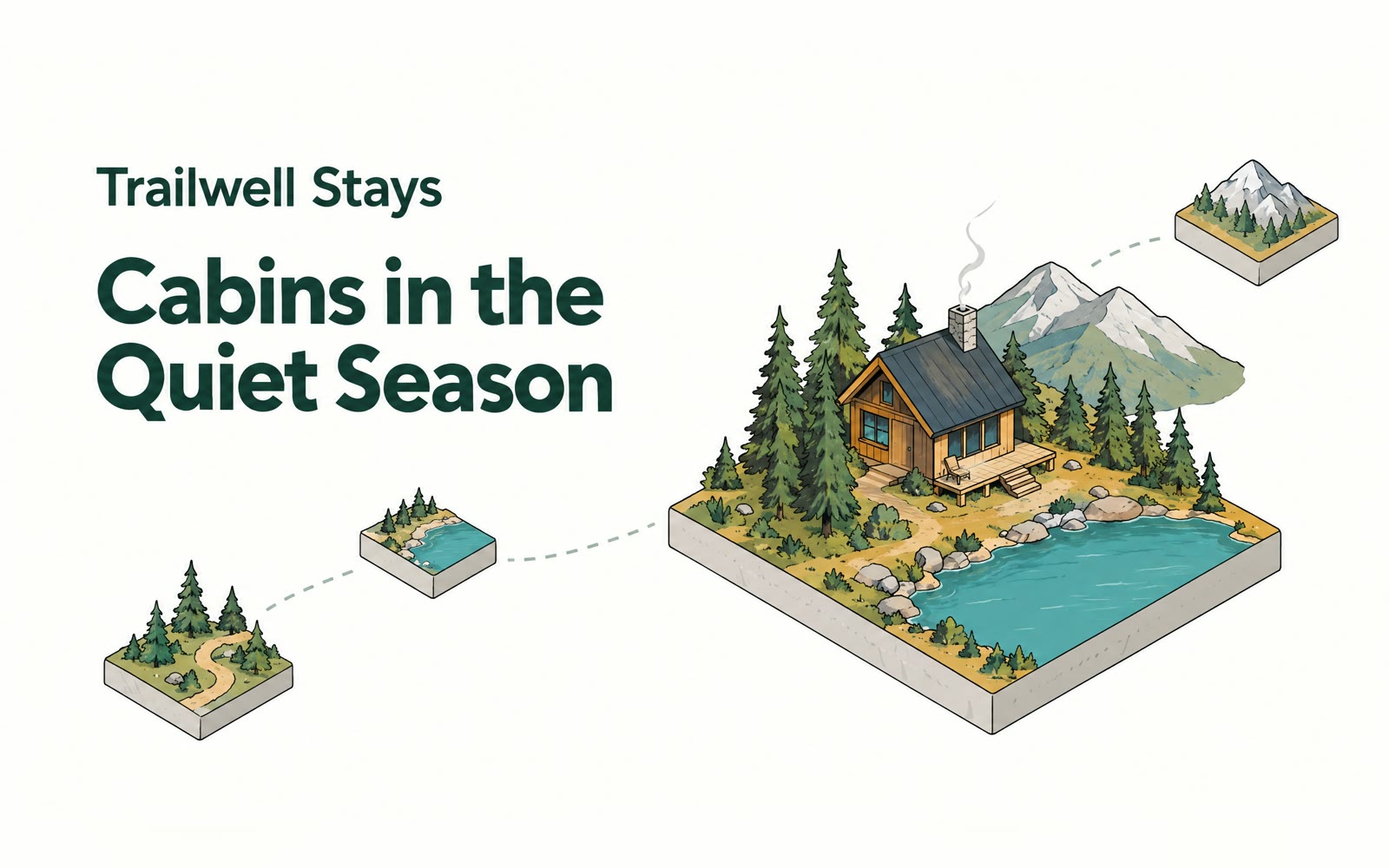
Isometric diorama
Turn a brand, one headline and context into a modular isometric card.

Converging lines
Turn a brand, one headline and context into a precise line-convergence card.
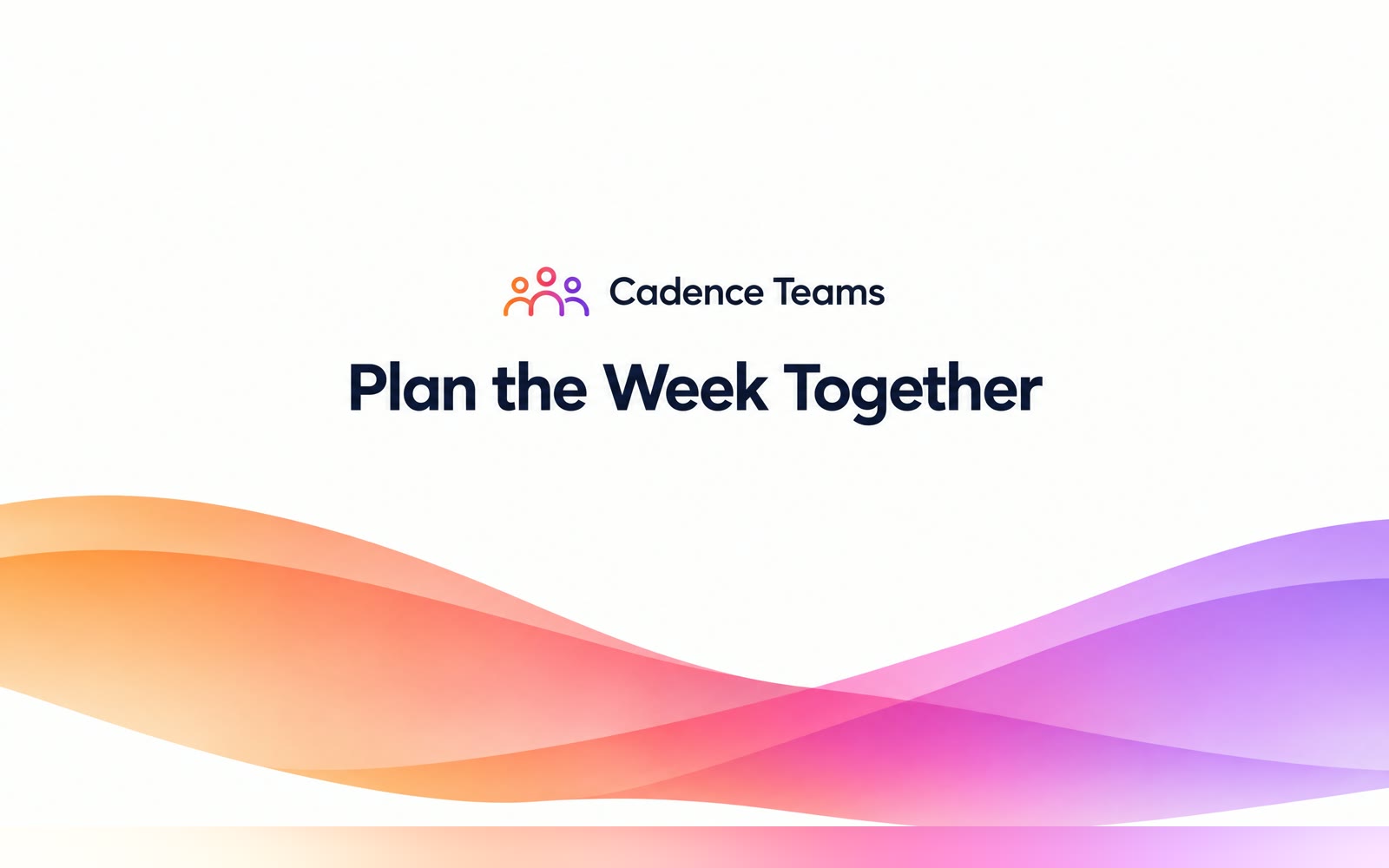
Gradient horizon
Turn a brand, one headline and context into a warm gradient-horizon card.
Security blueprint
Turn a brand, one headline and context into a layered security-blueprint card.