
Radar Profile
- Lab Skill
- v1.0.3
- Research
Reveal a profile in three steps: shape, values, then the explanation behind each dimension.
ตัวอย่าง · 2
รันออนไลน์
รันตัวอย่างของ Radar Profile ใน SandBase sandbox แล้วดูผลลัพธ์ได้ที่นี่
วิธีการทำงาน
- 01
Write the profile brief
Radar Profile takes one brief JSON: a title, subtitle, disclaimer and conclusion within their limits, a positive maximum value and three to six dimensions, each with a name, a numeric value and a short explanation. Keep fictional metrics visibly labelled as demonstrations; a percentage needs a maximum of 100.
- 02
Shape, values, explanation
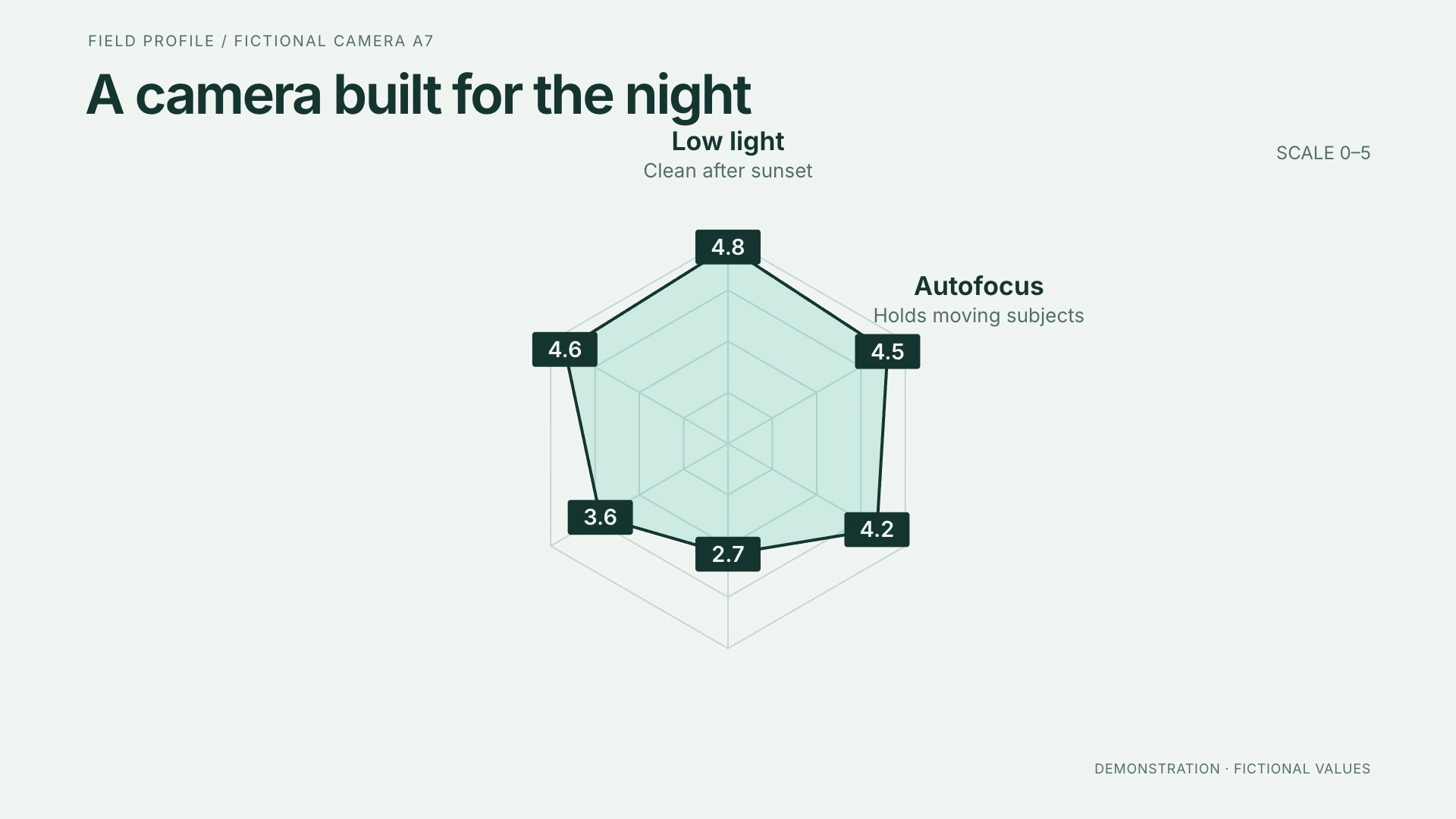
The 10-second film reveals the profile in three steps. The title enters, the grid appears, and a single measured polygon expands from its centre. The values then appear on each axis in turn, followed by the explanation behind each dimension.
- 03
Render and verify
Render the actual MP4 with Node 20, FFmpeg, Chrome and HyperFrames 0.8.30 in one of four styles with identical timing. Check fixed times, every value and label handoff and the final hold at native resolution, and watch a full normal-speed playback. The film is intentionally silent.
คำถามที่พบบ่อย
What does Radar Profile show?
Radar Profile reveals a profile on a radar chart in three steps: first the shape, then the values, then the explanation behind each dimension. It suits capability profiles and learning progress, such as a camera's night performance or a developer's skills.
Why does Radar Profile show the shape first?
Radar Profile shows the overall polygon before any number so viewers grasp the profile's character at a glance, then reads the values, then the reasons. Leading with numbers would make viewers parse figures before they know what they are looking at.
Are Radar Profile numbers real?
Only if you supply real ones. Radar Profile requires fictional metrics to be visibly labelled as demonstrations, and its brief includes a disclaimer line for that purpose. Real scores should name what was measured.
Does Radar Profile need a paid service?
No. Radar Profile needs no account, API key, paid model or media generation; Node.js, FFmpeg, Chrome and HyperFrames are the only tools. All assets are local.
Is Radar Profile silent?
Yes. Radar Profile renders an intentionally silent 10-second film at 1920 by 1080 and 30 fps. Its fixed choreography gives predictable moments for sound if you add a track later.
Skills เพิ่มเติม
Skills ทั้งหมดสำหรับ Research →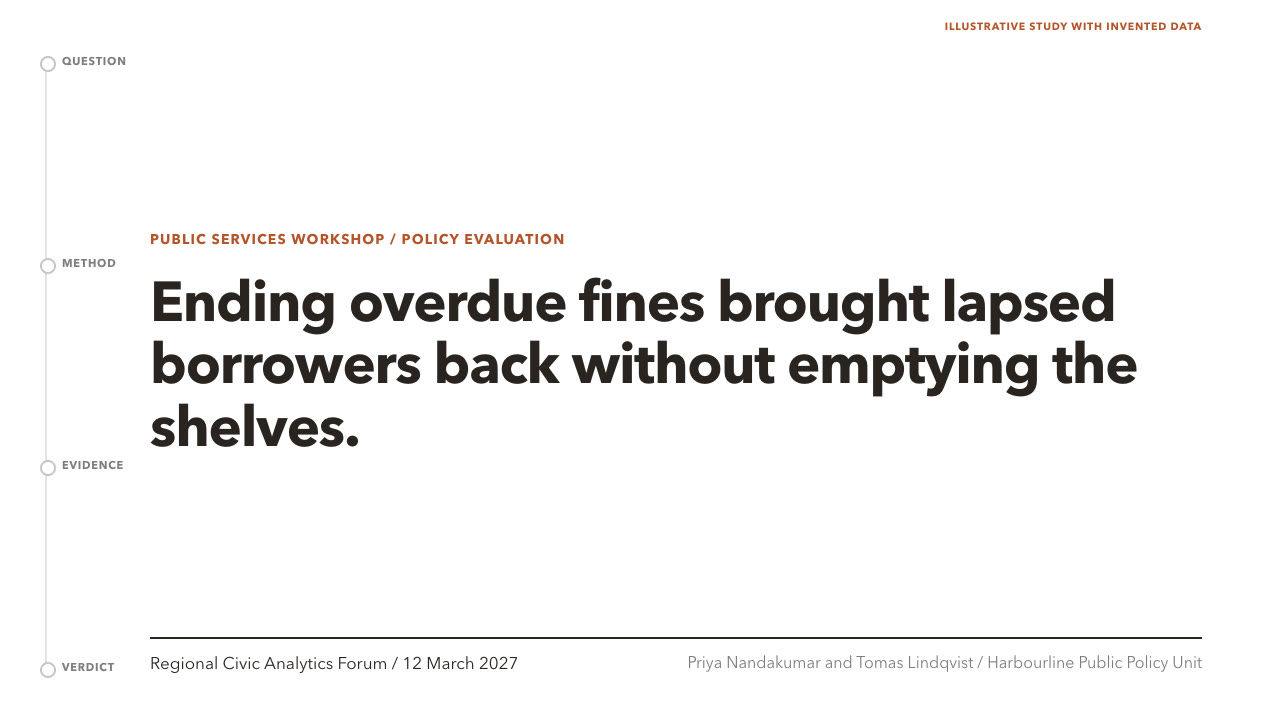
Thesis Spine Slides
Build a research talk whose titles, read in order, argue one claim from question to verdict, with one cited exhibit per evidence page.
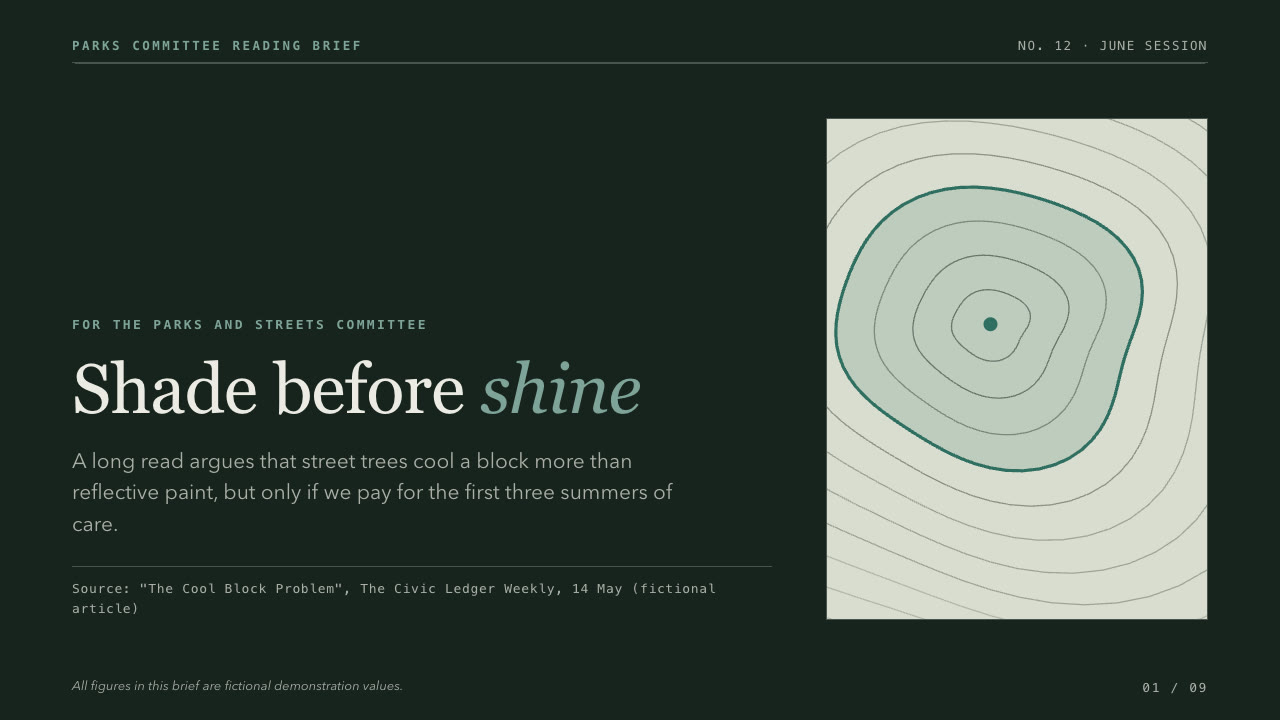
Reading Digest Slides
Turn one long read, essay or report into a reading brief a committee can decide on: a masthead, argument beats on a rail, a headline figure, bar charts and a source ledger that keep checked facts, assumptions and open questions apart, two readings, discussion prompts and the decision asked.
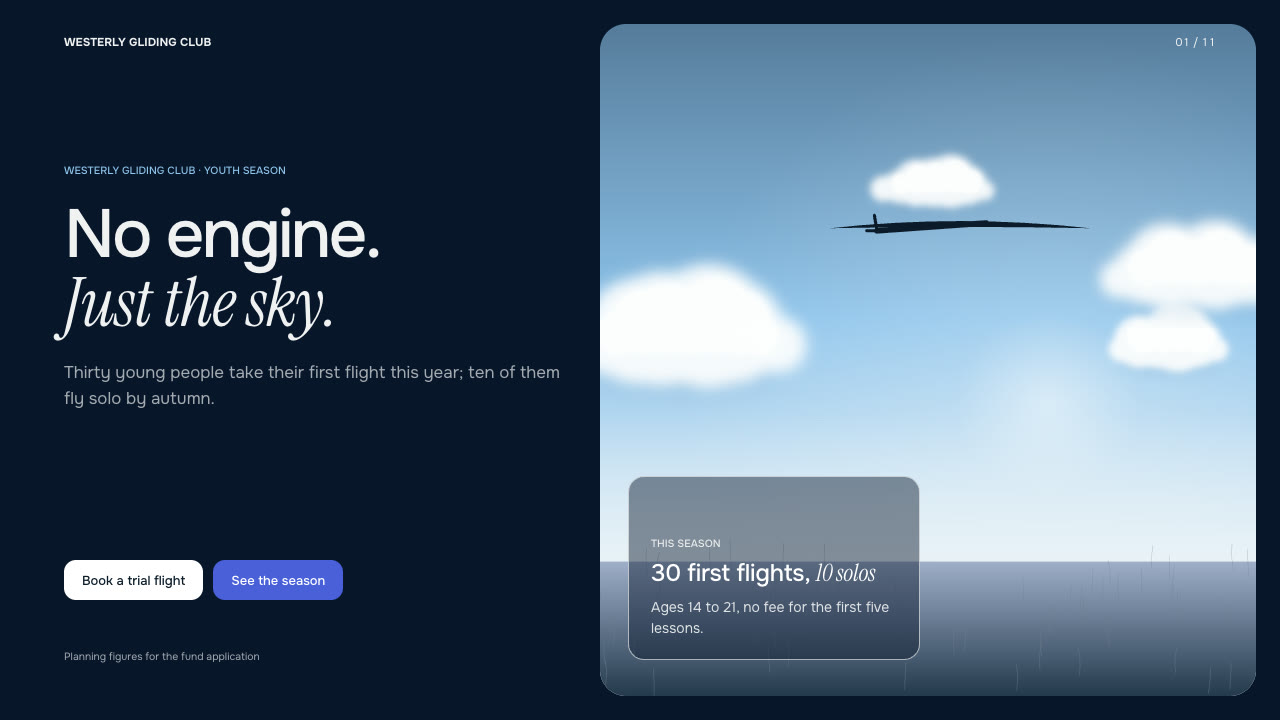
Cloudpane Slides
Make explainer and proposal decks that make a public subject feel approachable: open-sky pictures, clear optical glass and anonymous figures, thin-edged translucent glass cards over the pictures, broad mist-white pages, three deep night pages and headings with an italic serif accent.
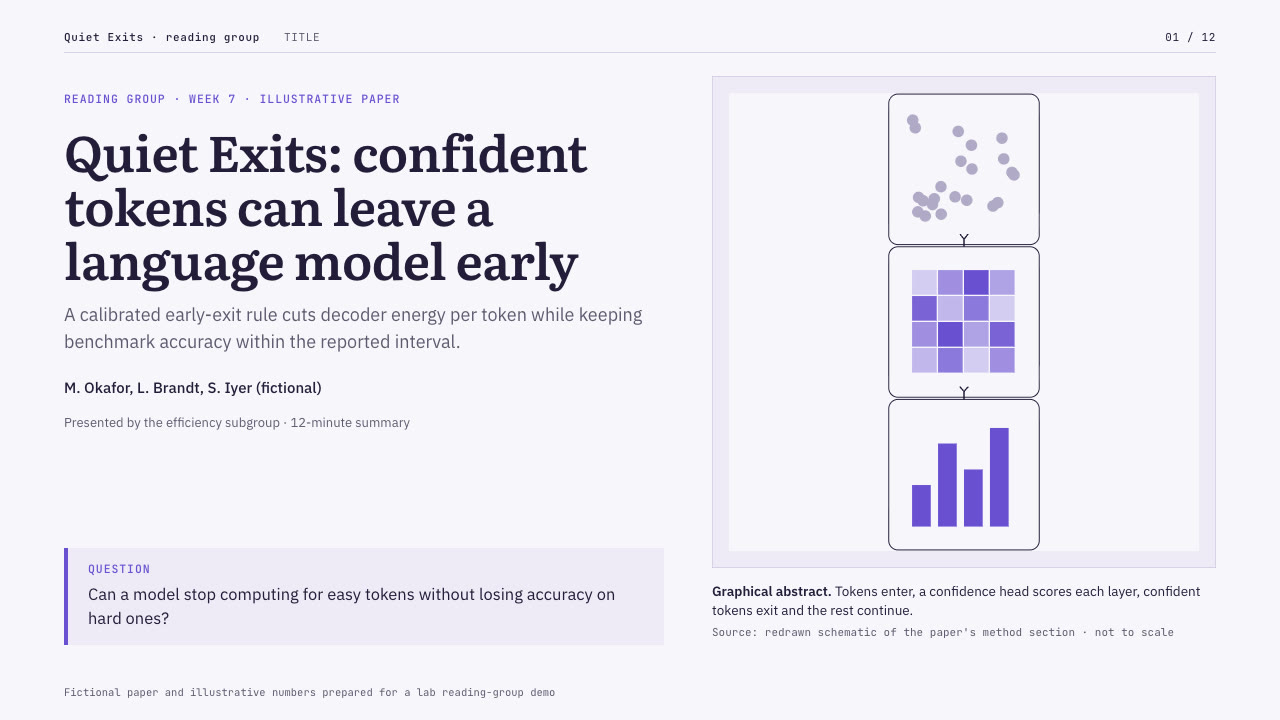
Figure First Slides
Make figure-led research talks such as paper summaries, journal clubs, lab and reading-group reviews and evidence briefings: every content page is built around one figure, chart or table with its caption and source underneath, numbers carry their comparator and interval, and a limits page states what the work can and cannot claim.
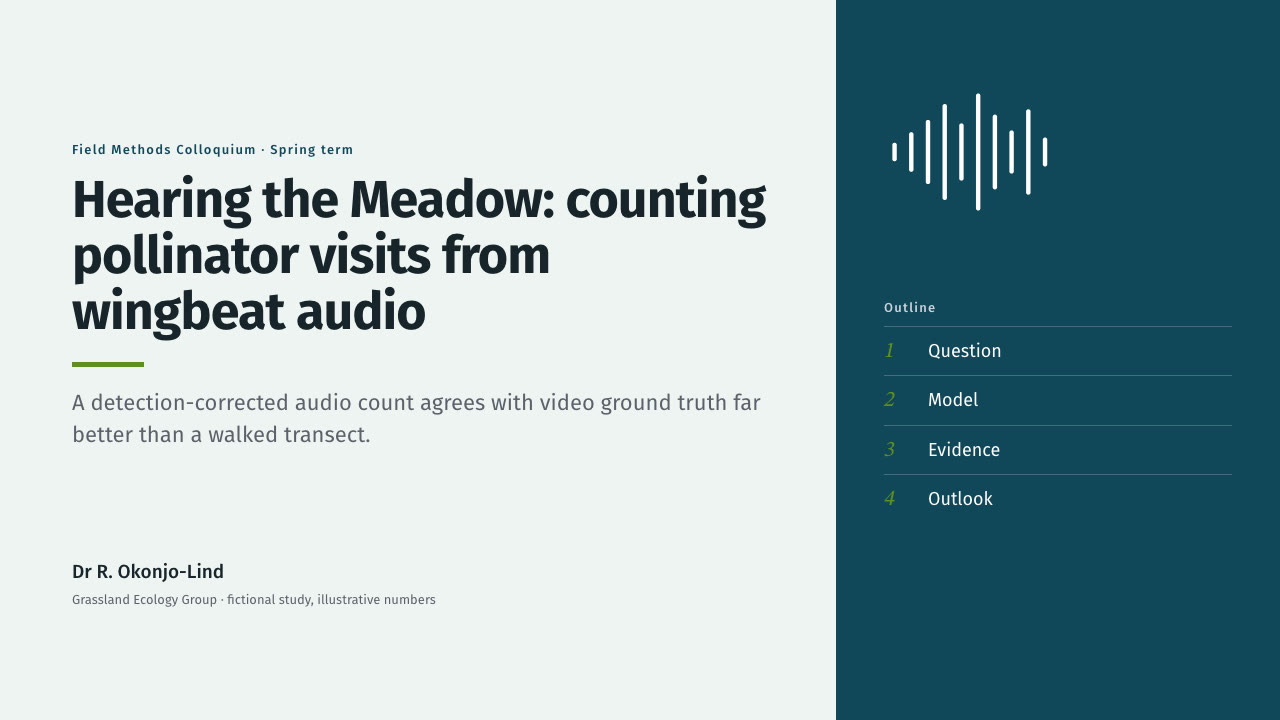
Seminar Math Slides
Turn a paper, thesis chapter or research notes into a projection-ready 16:9 talk for seminars, colloquia, defences and conference sessions: a section strip with the current section lit, equations with spoken readings and term glosses, a method pipeline, a proof sketch, native result bars and tables, plots drawn from data and a progress bar with frame counters.
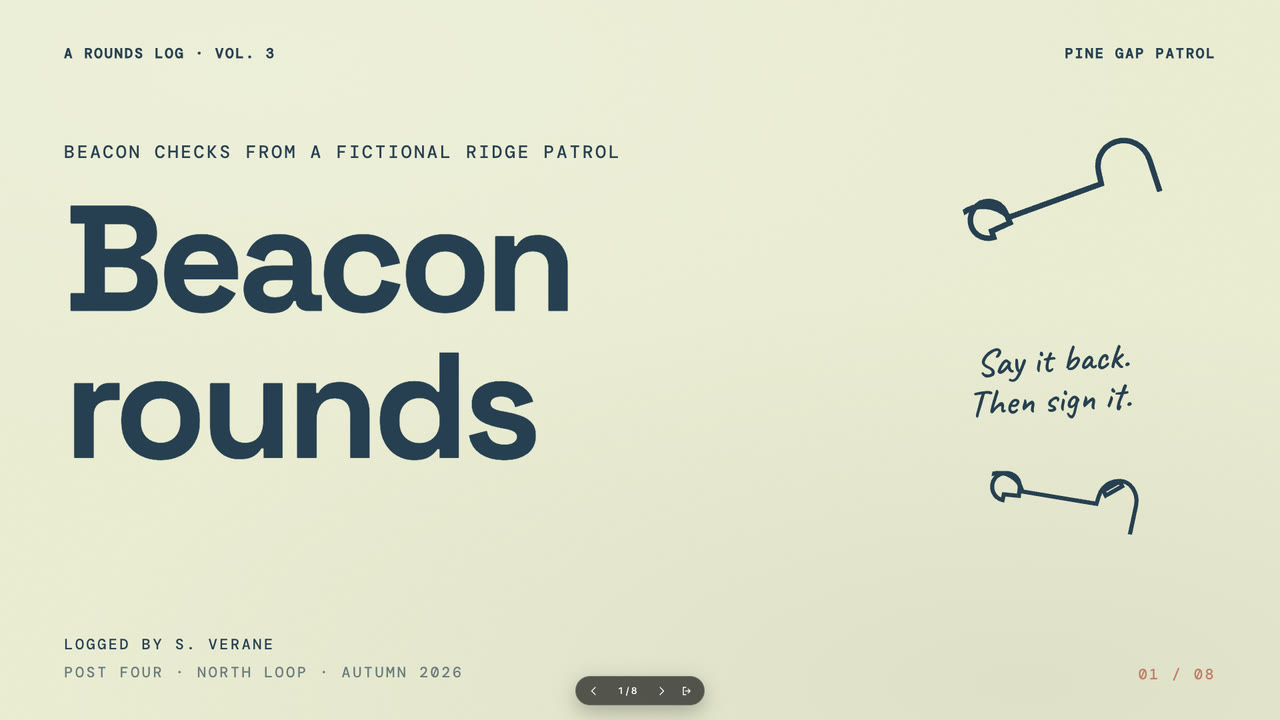
Yellowpad Fieldnotes Slides
Make decks that read like pinned field notes: saturated yellow legal-pad paper, cobalt ink, hand-drawn safety pins, cream pinned cards, handwritten marginalia, mono archival tags and rotated red stamps.