
Mirror Pair Ornament
- Lab Yetenek
- v0.1.0
- Illustration
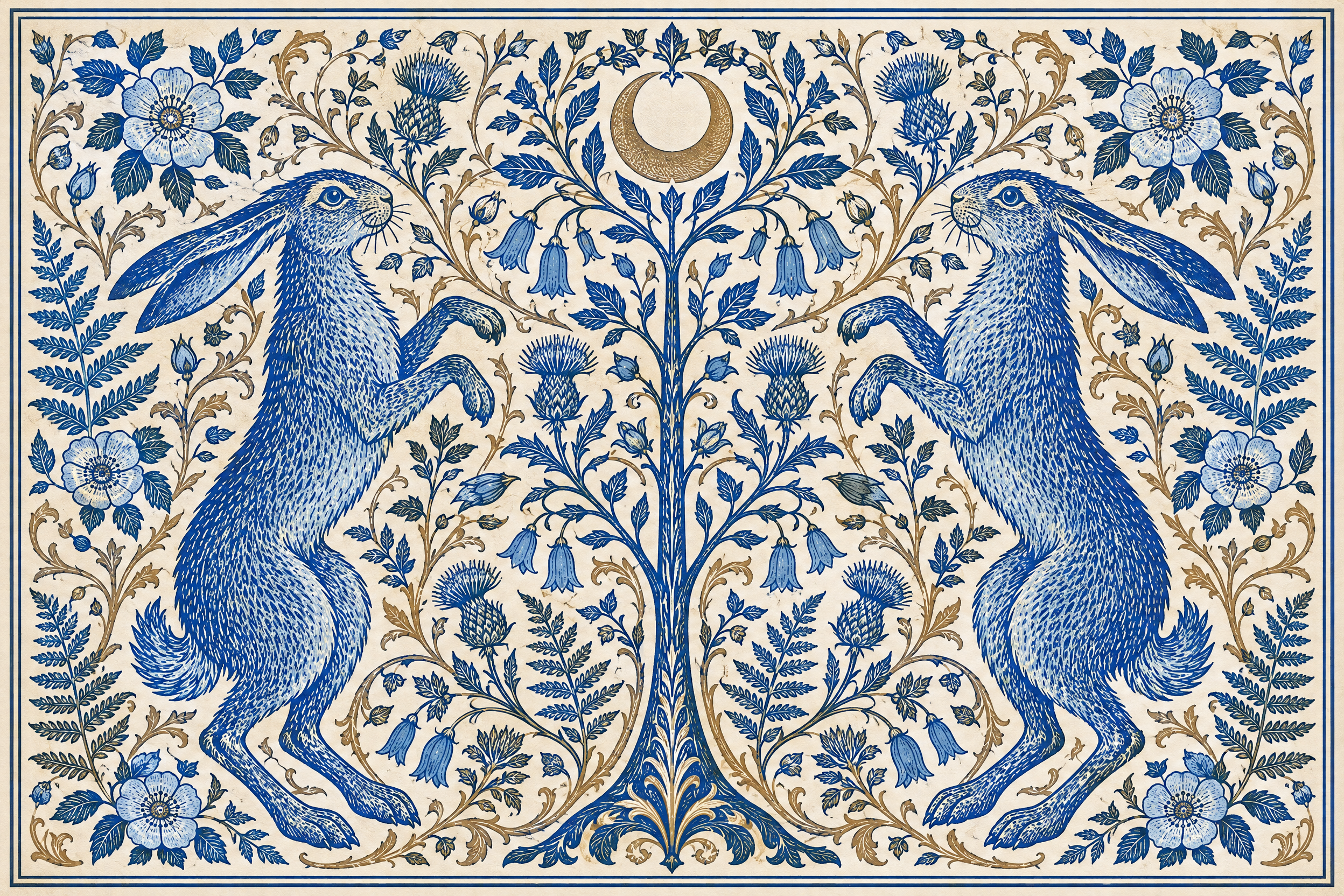
Draw two matching creatures facing a centre motif across a mirror axis, wrapped in a dense scroll field and printed in two tones of one ink.
Örnek
Mirror Pair Ornament
Çevrimiçi çalıştır
Bir SandBase sandbox'ında çalıştırın ve sonuçlarınızı Lab'de görüntüleyin.
Lab'de aç ↗Neler elde edersiniz
Bring one creature, one centre motif, 3–6 plants, an ink set and a name for the records. The Skill returns one wordless 3:2 PNG: a flat engraved ornament panel inside a thin double rule.
Nasıl çalışır
- 01
Write and plan the brief
Mirror Pair Ornament reads a short JSON brief: a panel name for the records, the creature to mirror, the centre motif, three to six plants, the ink set and the language. node scripts/generate.mjs plan writes the exact prompt and request settings without any network call. The Agent shows you the plan and the preflight estimate, and you approve one paid submission.
- 02
Render one panel
node scripts/generate.mjs run sends the approved prompt through SandBase to openai/gpt-image-2.5-flare at 3:2 and 2k, billed to your own SandBase organization. The prompt fixes the grammar: one vertical mirror axis, the pair drawn twice facing inward, a dense scroll field and two tones of one ink. The execution ID is saved, so an interrupted run resumes instead of buying again.
- 03
Check the symmetry
The report checks the PNG file itself and marks the image as needing review. Look at the panel at full size and at thumbnail size: the halves should mirror each other, the pair should match in kind, size and pose, the centre motif should sit on the axis, and no lettering, numerals or pseudo-script may appear anywhere, including inside ribbons.
SSS
What does Mirror Pair Ornament produce?
It produces one 3:2 PNG: a flat printed decorative panel in which two matching creatures face a central motif across a vertical mirror axis, with every gap packed by scrolling stems and blossoms from your plant list, inside a thin double rule. The sample mirrors two rearing hares around a tree of life with a crescent moon in the cobalt ink set at 2496 × 1664.
Which subjects work best?
Creatures with a clear side silhouette work best: hares, deer, owls, herons, carp, foxes or lions rearing, perching or leaping. The centre motif should be upright and symmetric, such as a tree, fountain, lantern or vessel. Real people, brands, real family or civic crests, flags and copied historical patterns are out of scope, and so are scenes that need a horizon or depth.
Can the panel carry a title or a name?
No. The panel stays wordless in both languages: the title field only names the file in the reports, and the prompt forbids letters, numerals, monograms and pseudo-script, even inside ribbons and cartouches. If you need a title, set it in your own layout around the PNG, which keeps the lettering editable and spelled exactly as you want it.
How exact is the mirror symmetry?
The model draws both halves itself, so the panel is mirrored in layout, pose and plant placement but never a pixel-flipped copy; small differences in hatching are expected and read as hand printing. Check that the two creatures are the same animal at the same size and pose. If one half drifts, approve a new run with the same brief instead of editing pixels.
Is a paid model involved, and how is spending kept in check?
Yes. Each approved brief makes one openai/gpt-image-2.5-flare call through SandBase, billed to your own SandBase organization. Before anything is sent, the free plan step prints the preflight estimate; a run whose estimate exceeds the budget cap you pass is refused; and report.json records the settled cost once the execution finishes. Current rates are listed on sandbase.ai/pricing.
What if a run stops halfway?
The Skill writes its run state to the output folder as soon as SandBase accepts the submission. Calling resume with the same brief and folder reconnects to that execution and downloads its image, so the brief is never paid for twice. A different brief, version or model is refused for that folder, and a failed execution is kept for inspection rather than retried.
Daha Fazla Skill
Tüm Illustration Skills →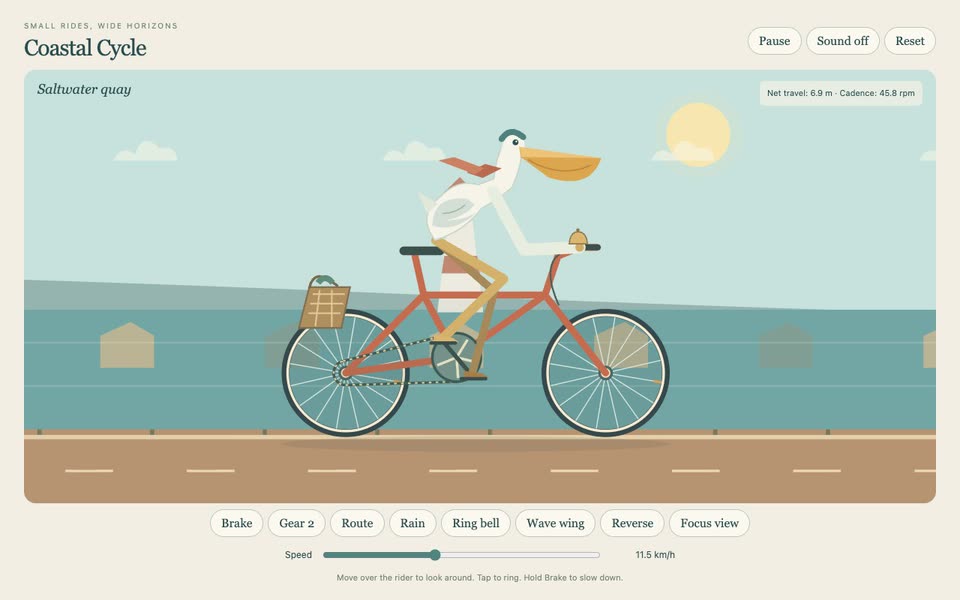
Coastal Cycle: Harbor Pelican
An authored SVG pelican rides a coral bicycle beside the sea. Measured travel drives the wheels, gear ratio drives the crank, and solved joints keep both feet on their actual pedals. Brake, reverse and explore three coastal palettes offline.
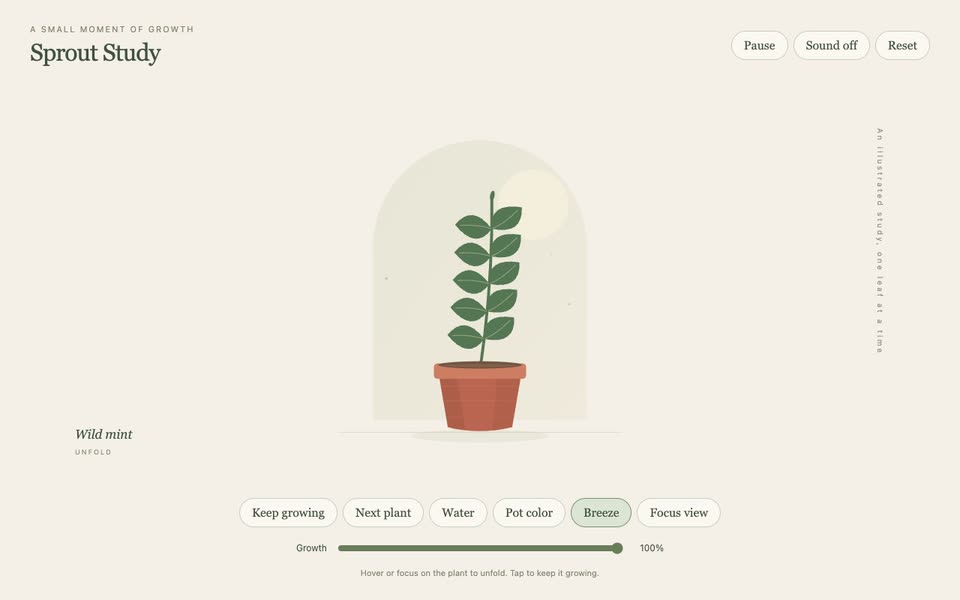
Sprout Study: Terracotta Mint
A quiet SVG botanical illustration. Hover or focus to grow the continuous stem, unfold leaves in sequence and fold them again. Touch hold, exact growth scrubbing and editable plants in one offline HTML.
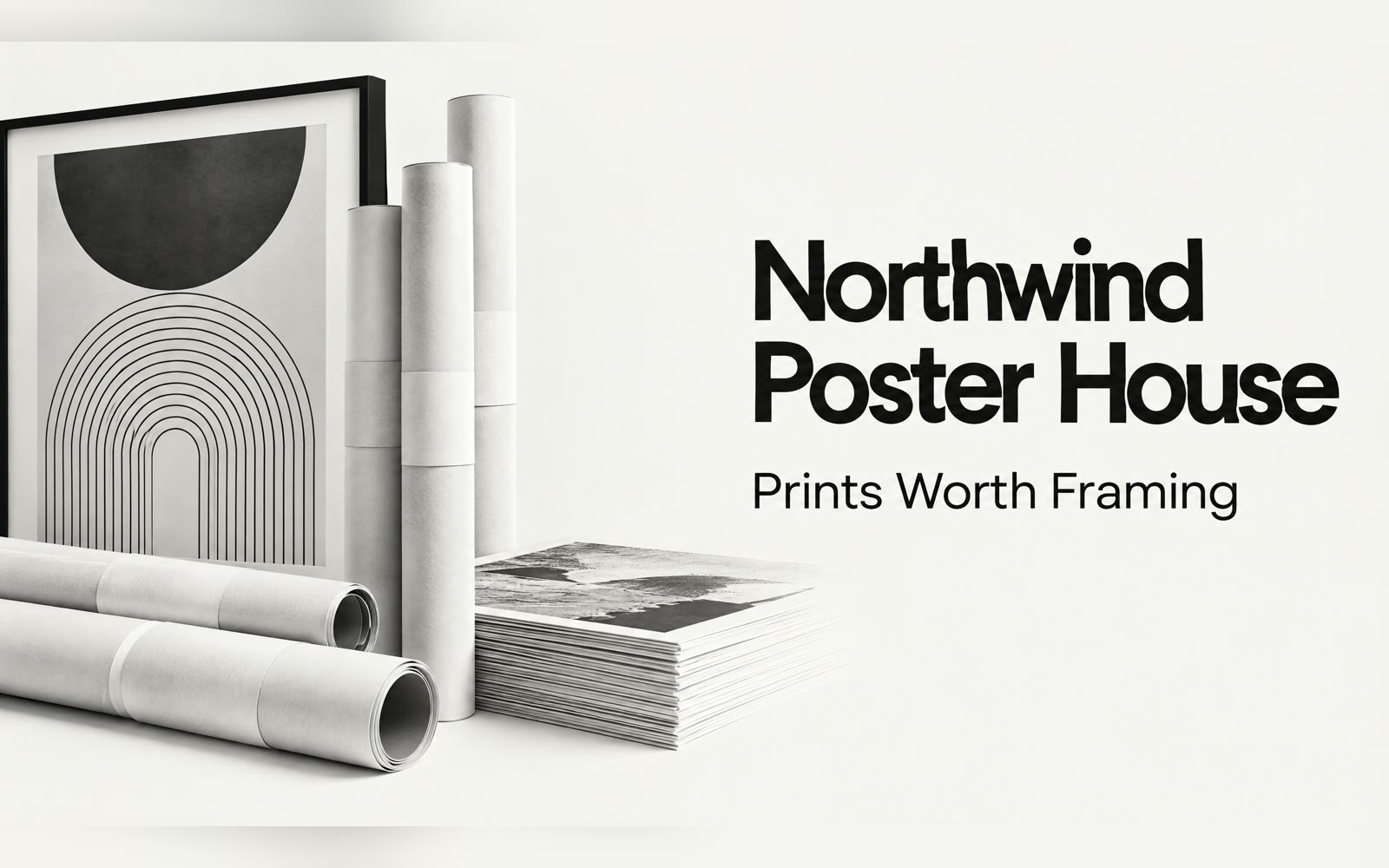
Monochrome editorial
Turn a brand, one headline and context into a high-key monochrome editorial card.
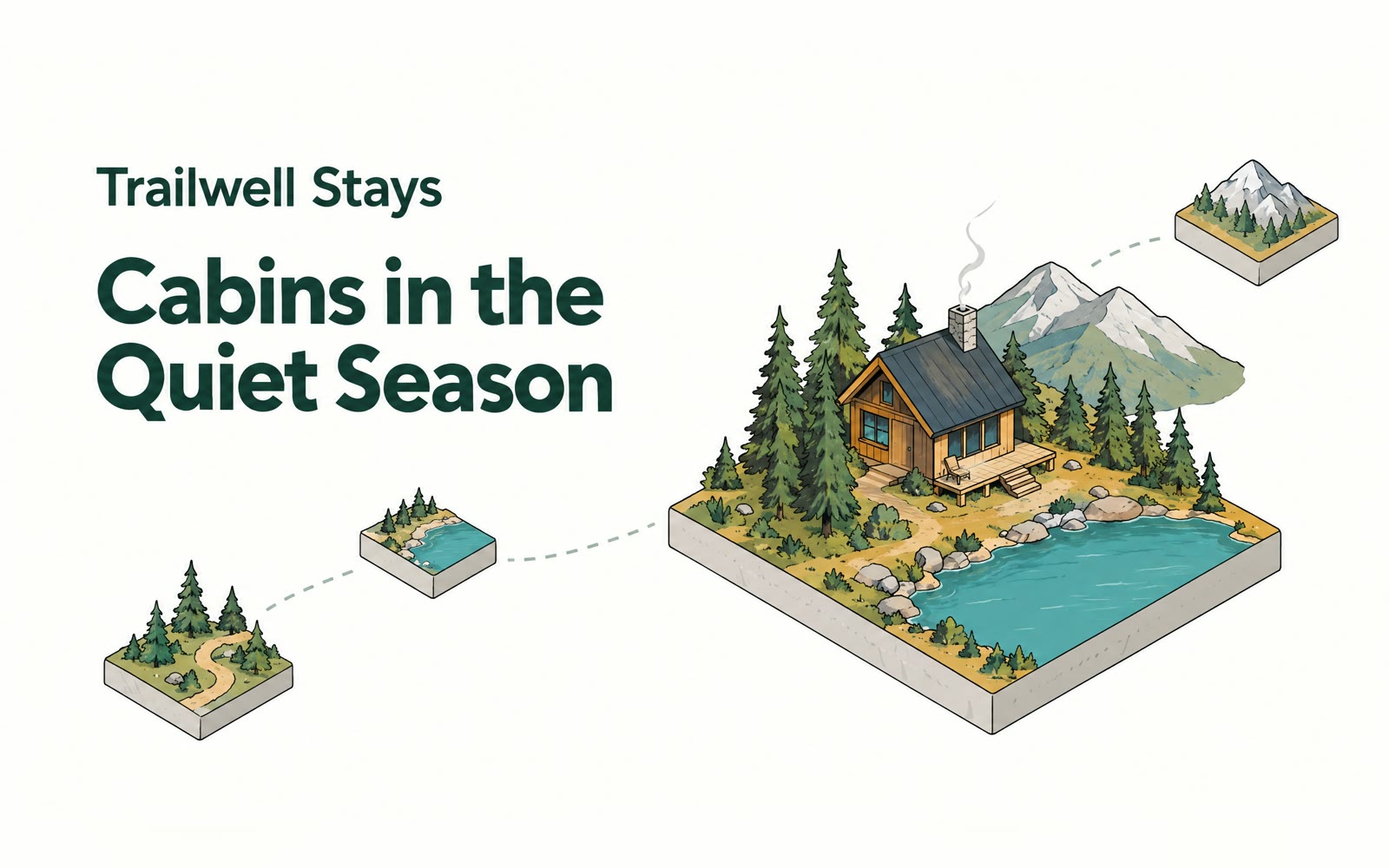
Isometric diorama
Turn a brand, one headline and context into a modular isometric card.

Converging lines
Turn a brand, one headline and context into a precise line-convergence card.
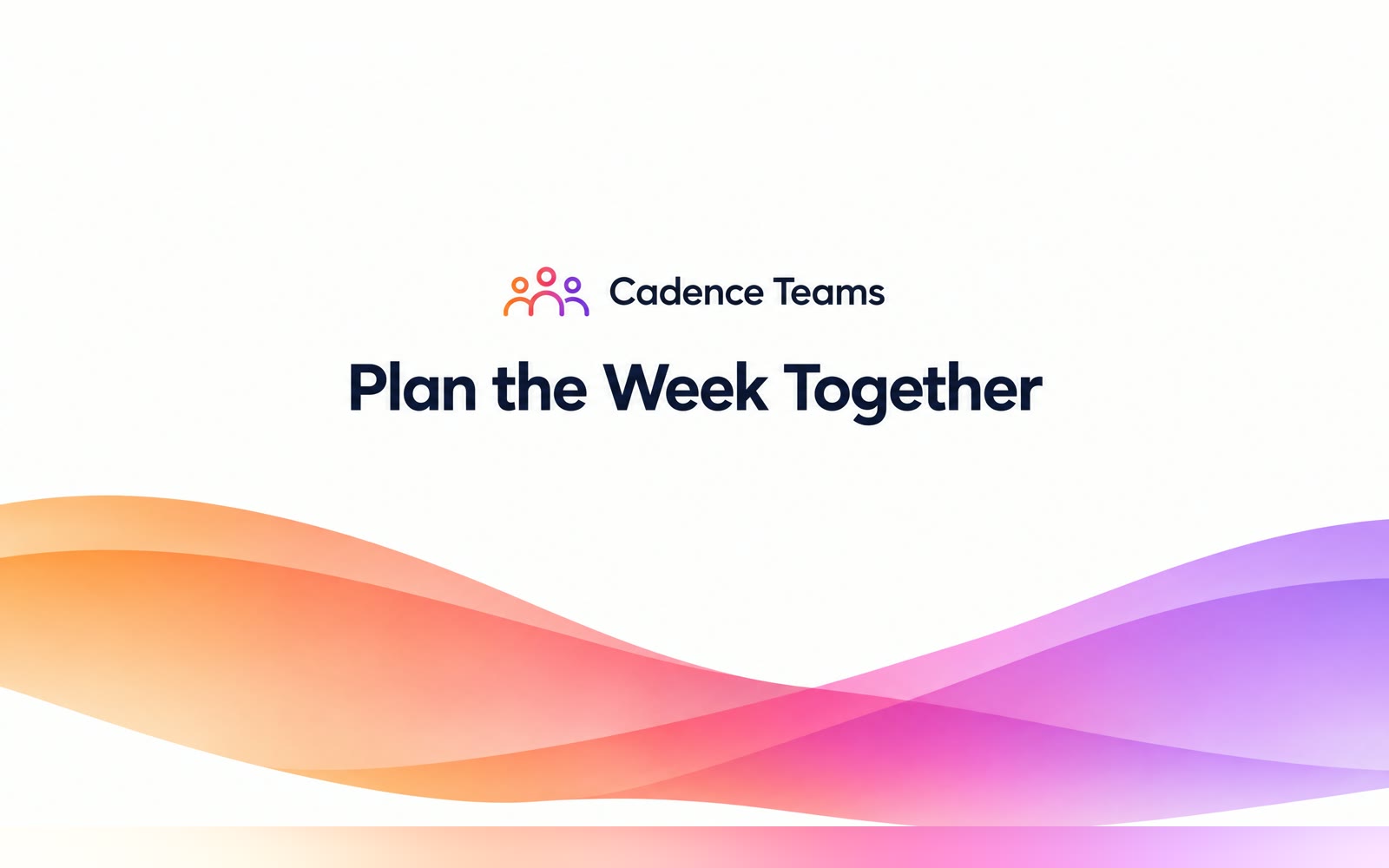
Gradient horizon
Turn a brand, one headline and context into a warm gradient-horizon card.