
3D City Through Time
- Lab Skill
- v1.0.1
- Education
Watch one 3D city change year by year across two thousand years: ruins, reuse, rebuilding and modern streets, with a narration card and a matching 25-second film. Sample: Rome.
Ví dụ
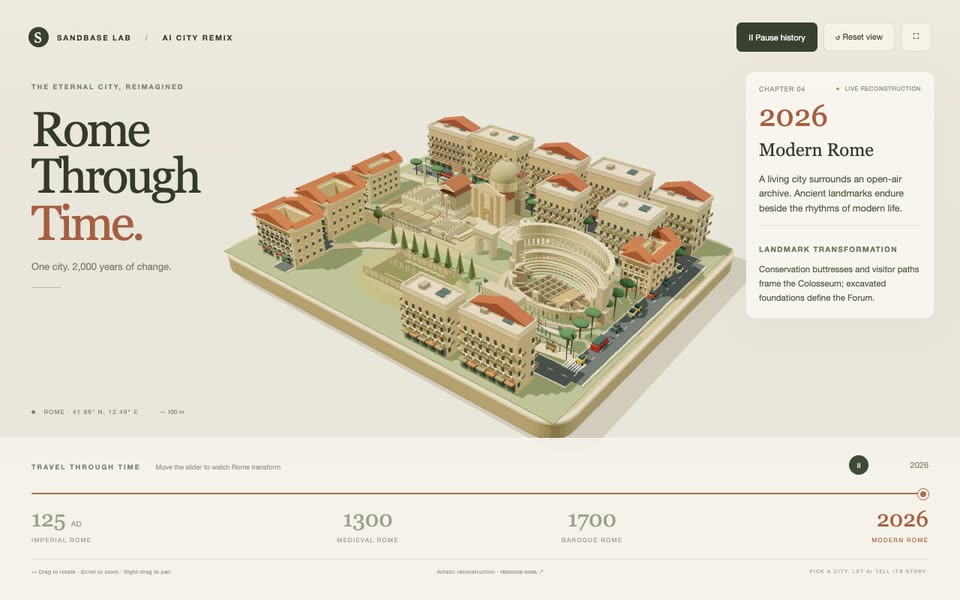
Rome Through Time interactive diorama (Eternal City sample)
Ví dụ chạy trong khung được sandbox hóa, không có quyền truy cập vào trang này.
Chạy trực tuyến
Chạy trong sandbox của SandBase và xem kết quả trong Lab.
Mở trong Lab ↗Bạn nhận được gì
Bring a city, its anchor landmarks and the eras to move through. The Skill returns a downloadable scene Skill, an interactive demo and a 1080p film.
Cách hoạt động
- 01
Brief the city and its eras
Rome Through Time starts from prompt slots describing a city, its anchor landmarks and its eras. Run node scripts/fill-prompt.mjs --slots assets/prompts/examples/eternal-city.json --out prompt.md for the sample, then node scripts/new-project.mjs --out my-city. The sample covers Rome around the Colosseum, the Roman Forum and the Palatine from AD 125 to 2026, with era stops at 125, 1300, 1700 and 2026.
- 02
Author schedules in one city graph
Your coding agent edits the copied project on your machine after npm ci. History lives in src/scene/, with the entity registry, landmark and urban evolution and era configs, while film timing sits in cinematic-director.js and historical-events.js. Visible text is in src/i18n/strings.json and stories.json. One city graph stays mounted, and each roof, wall and street derives from the exact year.
- 03
Shoot, record and review the film
npm test, npm run build:single and npm run shoot verify desktop, touch and the compact ?embed=1 dock. npm run record -- --file dist-single/index.html --out film writes film/film.mp4, a silent 25 second 1920 by 1080 clip at 30 fps with 750 frames, plus poster.jpg, using Chrome and FFmpeg. Check that scrubbing back restores each building exactly.
Câu hỏi thường gặp
What does Rome Through Time build?
Rome Through Time builds a warm 3D miniature of a city that changes year by year, with a timeline, Play and Pause, a narration card and historical notes. In the Rome sample the Colosseum becomes a reused medieval building, a ruin and a conserved monument, Baroque domes arrive and modern Rome adds roads, buses and visitors.
Is Rome Through Time historically exact?
No. Rome Through Time is an artistic and approximate reconstruction, not an archaeological survey. The anchor landmark positions are fixed, but neighborhoods, building counts and damage intervals are approximations. Damage, reuse and rebuilding are staggered per building, which reads more naturally than one global fade but is still an interpretation.
Does Rome Through Time need a model key?
No. Rome Through Time rebuilds, records and scores the sample without any model call or runtime network, and geometry is procedural with system fonts. If you ask a model to rework the city, that usage comes from your own provider and is read from its response rather than from the Skill.
Does the Rome Through Time film have sound?
Rome Through Time records a silent film by default. For a scored copy, python3 scripts/compose-score.py --out score synthesizes an original WAV, which needs Python 3 and numpy, and record takes it with --score. The score is local synthesis, not a recording, and its level measurements are not a listening review.
Can Rome Through Time show a different city?
Yes, with real authoring work. Rome Through Time's geometry and chronology belong to Rome, so another city needs new geometry, entities and schedules in the same engine, not just new names. After authoring its landmarks and neighborhoods, review the result on the timeline and in the recorded film.
What happens if WebGL, Chrome or FFmpeg is missing in Rome Through Time?
Rome Through Time shows a localized message when WebGL is unavailable. Missing Chrome or FFmpeg stops shoot or record with a localized error instead of producing a broken file.
Thêm Skills
Tất cả Skills Education →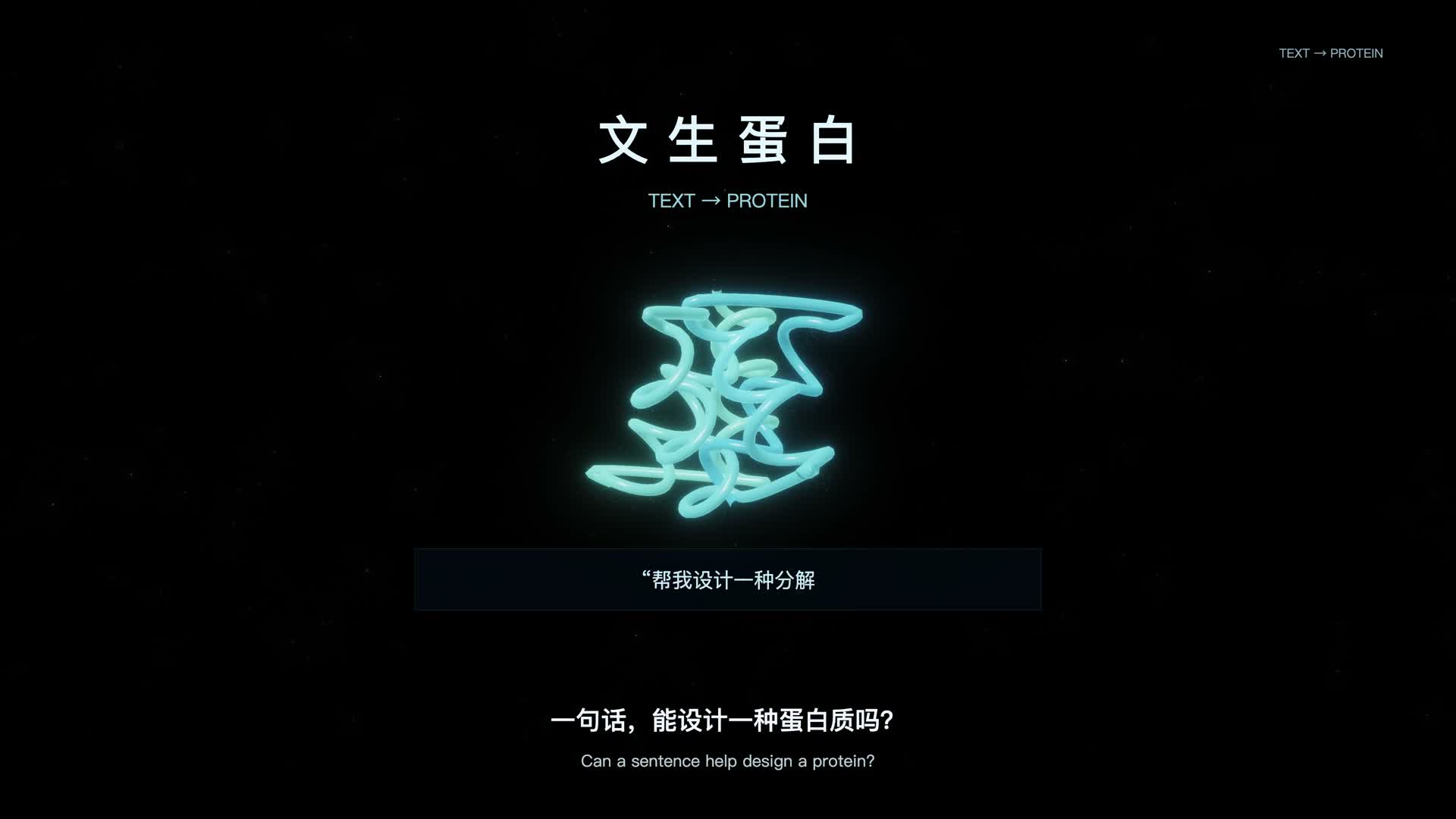
Science MV
Explain science through visible causes, transformations and results.
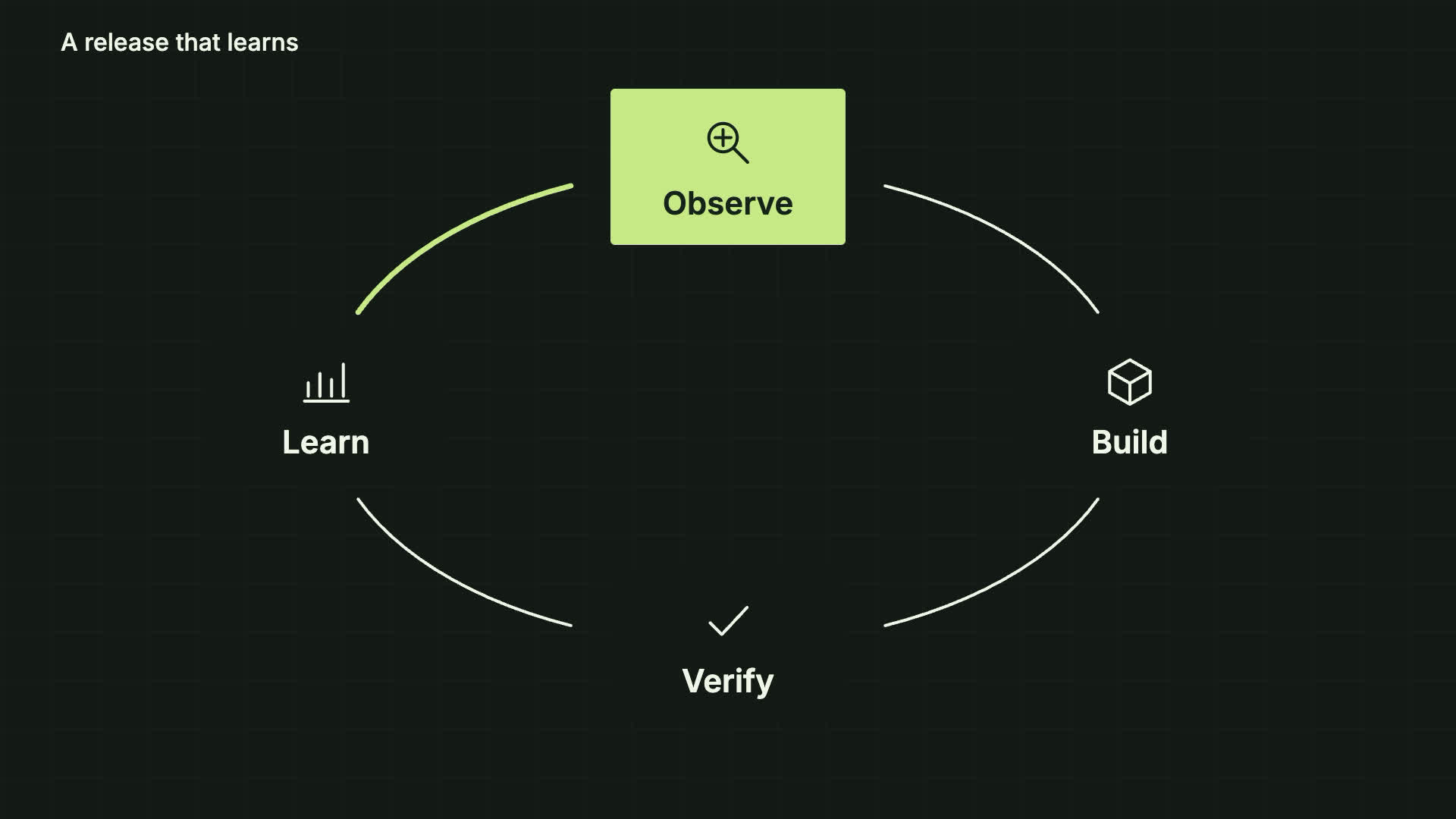
Loop Story
Explain a cycle: build each stage, close the loop, then reveal the takeaway.
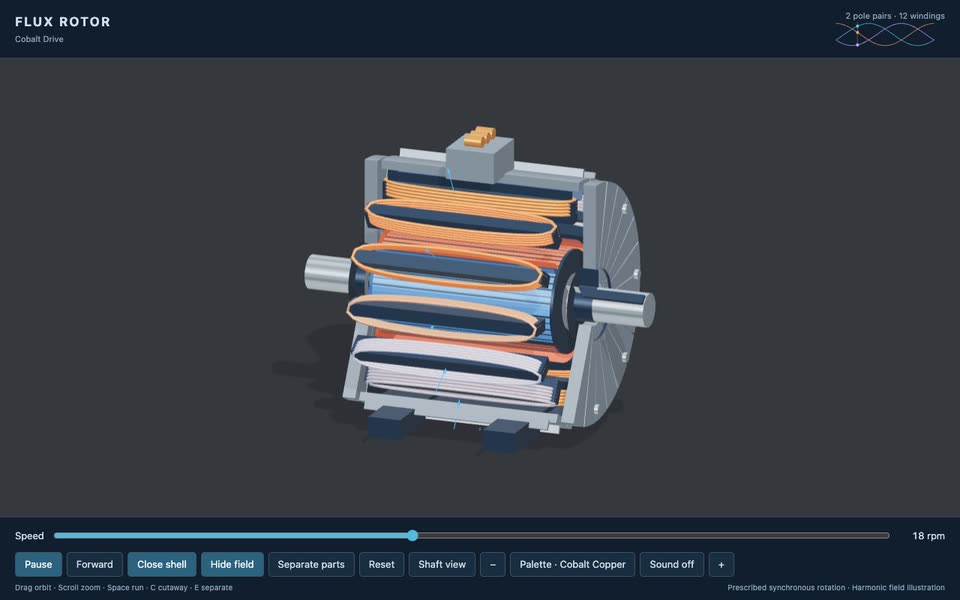
Flux Rotor: Cobalt Drive
Inspect an original motor with real winding groups, alternating magnet sectors and a keyed shaft. Balanced phase currents drive prescribed synchronous rotation, material colors and spatial harmonic markers. Open the actual cutaway and separate six components offline. This display does not solve torque, efficiency or magnetic finite elements.
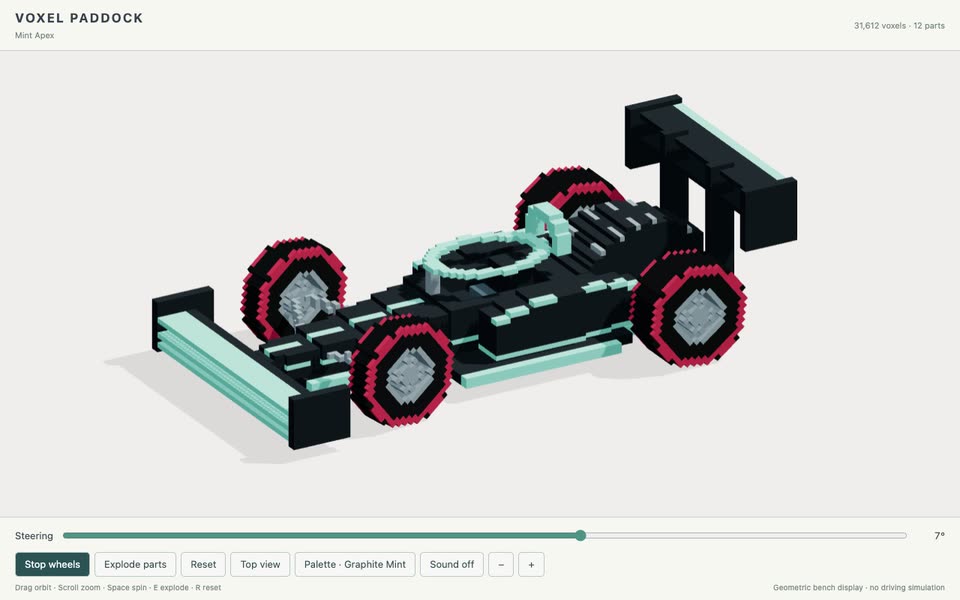
Voxel Paddock: Mint Apex
Inspect an original open-wheel vehicle built from procedural cubes. Spin actual wheels on a stationary display, turn nominal geometric steering and separate twelve component groups. Edit bounded dimensions, voxel density and three palettes offline. This is not a driving or aerodynamics simulation.
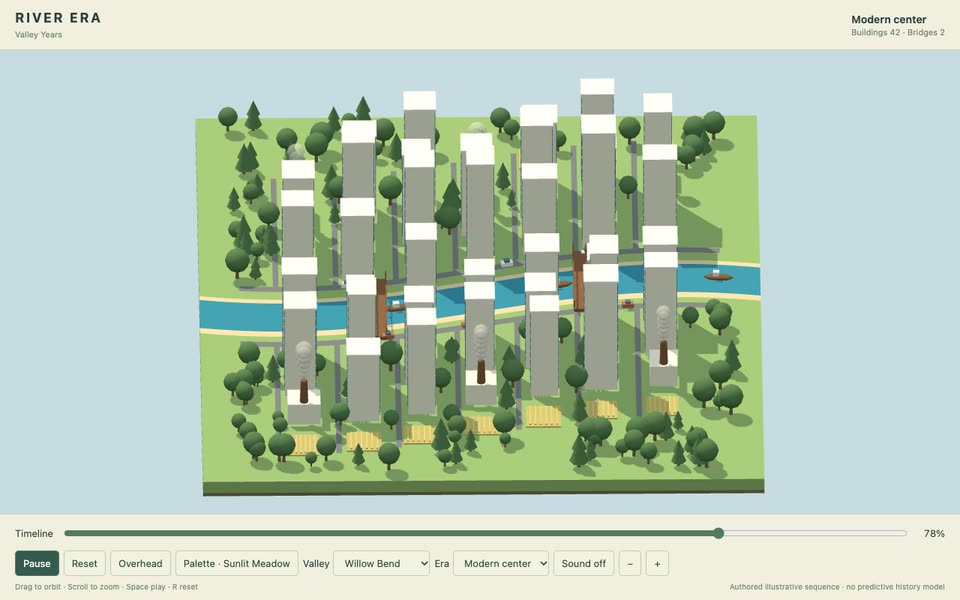
River Era: Valley Years
Scrub an authored river settlement timeline from camp and farms to town, workshops and speculative towers. Actual seeded geometry changes reversibly; boats and vehicles follow the same river and bank equations. This is an illustrative sequence rather than predictive history.
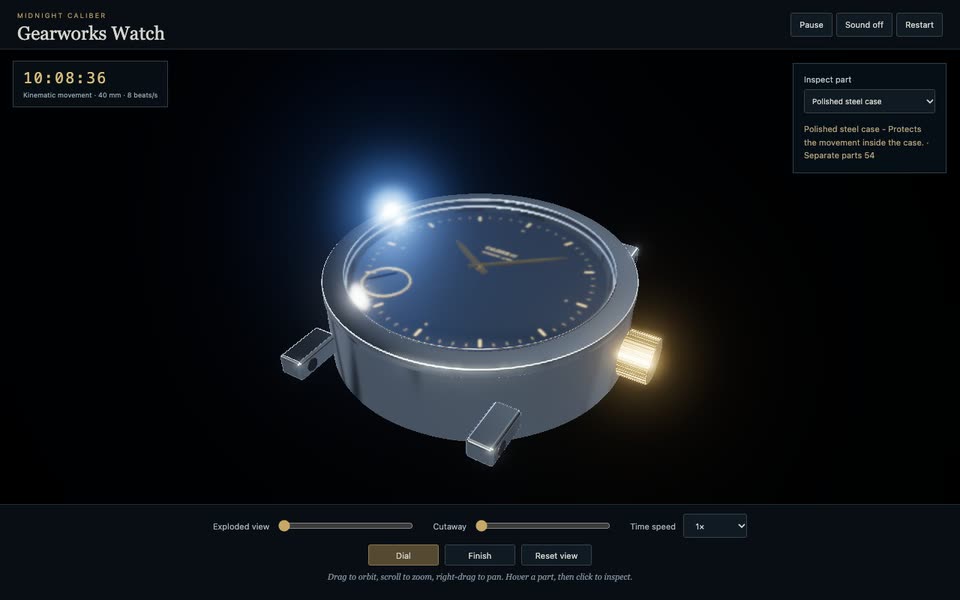
3D Mechanical Watch Explorer
Inspect a kinematic mechanical watch with actual meshed tooth ratios, 54 components, axial explosion, material cutaway and bilingual mouse/touch controls. One offline HTML with optional synthesized tones.