
Editable Object Films
- Lab Skill
- v0.5.0
- Product marketing
Author object films with reusable lighting, camera and timeline controls. The silent orbital example is rendered from editable HTML and JavaScript. New subjects need their own geometry and materials.
示例
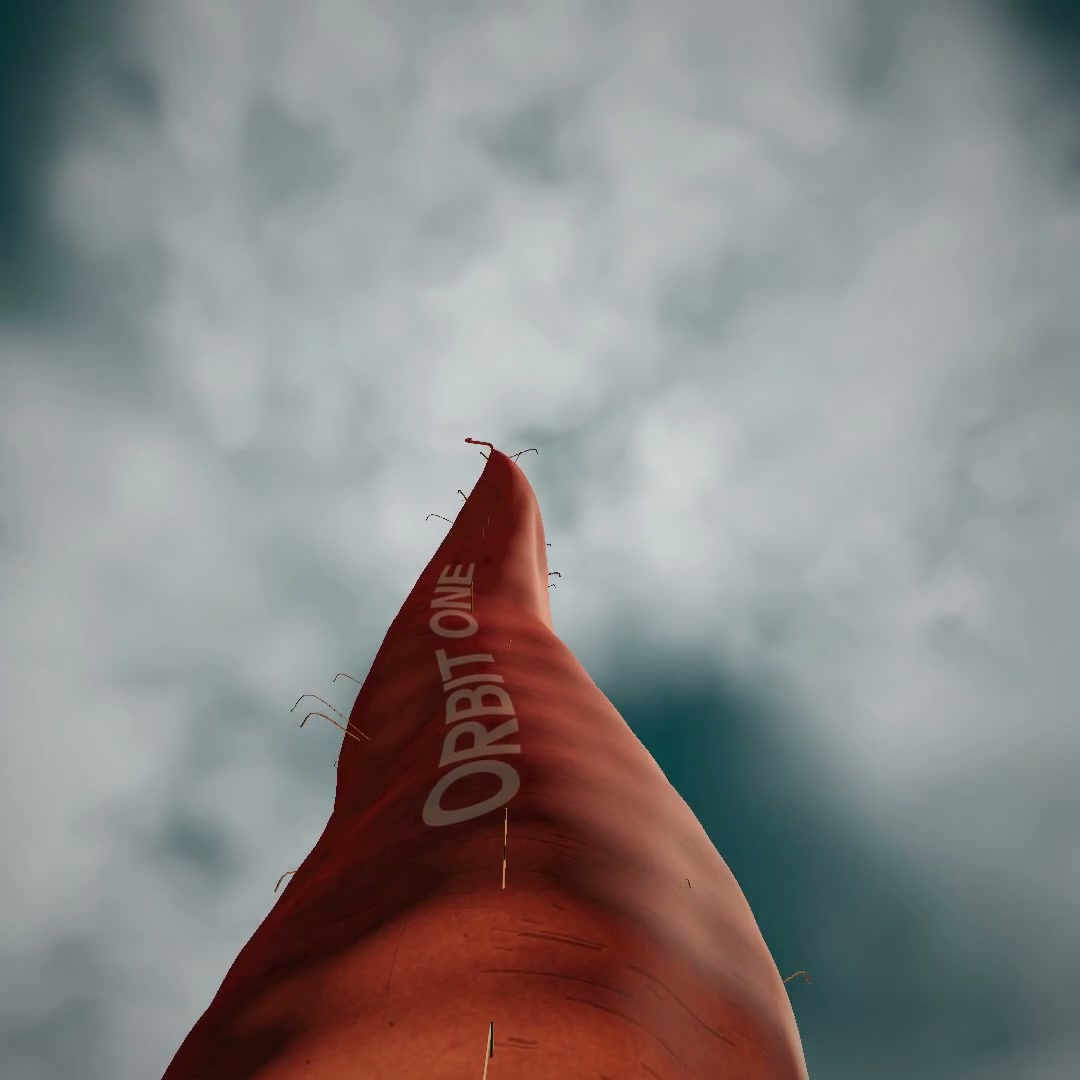
Orbit One · silent orbital example
在线运行
在 SandBase sandbox 中运行 Editable Object Films 的示例,并在这里查看结果。
你将获得什么
Bring an object brief, subject module and visual direction. The Skill returns a reusable authoring Skill and locally rendered HTML / JavaScript films.
工作原理
- 01
Translate the request into a subject
Orbital Launch Film starts by turning a description or reference into morphology, surface structure, material response, attachments, actions, camera beats and acceptance criteria, following its authoring guide. The Agent inspects the reference wide and close, then writes a subject module with procedural geometry or a suitably licensed asset. Without a module, only the named calibration object renders; unknown subjects fail.
- 02
Create and preview the scene
Run node scripts/create.mjs --brief brief.json --subject-module ./subject.js --out my-film --lang en, then preview with pinned HyperFrames. The project connects the subject to a shared Three.js lighting, camera and timeline runtime with a deterministic paused GSAP timeline. It needs Node.js 20 or later, Chrome and FFmpeg, and no credentials or model calls.
- 03
Render shots, then the film
Render representative wide and close shots before the full film, and correct geometry before lighting and grading. Then render at 24 fps. Check lettering, silhouette, material scale, contact shadows, full decode and backward seeking. Deliver the project, video, asset and licence manifest, and English and Chinese reports, with quality limits stated plainly.
常见问题
What does Orbital Launch Film make?
Orbital Launch Film authors editable object-focused cinematic films in HTML and Three.js, with subject-specific geometry inside a reusable lighting, camera and timeline runtime. Its demo is Orbit One, a silent orbital launch and separation example of about 24.8 seconds. Orbital launch is one example, not a required story.
Can Orbital Launch Film make any object?
No. Orbital Launch Film needs a subject module built for each object; changing a name or colour does not create a new subject. Without a module, only the calibration object is supported, and unknown subjects fail rather than becoming a stock shape. Reuse claims need renders of structurally different subjects.
Does Orbital Launch Film use video generation?
No. Orbital Launch Film builds an editable Three.js scene and renders it through HyperFrames, and it does not substitute video generation unless that is explicitly requested. Because the scene is code, geometry, materials and camera beats stay editable after the first render.
Does Orbital Launch Film need an API key?
No. Orbital Launch Film's starter states that no credentials or model calls are needed, so rendering is not billed. The optional orbital example can fetch three public CC BY 4.0 textures with a hash-verifying script; keep the third-party notices and font licences with any delivery.
Is Orbital Launch Film output photorealistic?
Orbital Launch Film does not claim that. A successful render is not proof of realism, and a calibration render only proves the runtime works. Photographic quality, new subject geometry, separation internals and audio each need their own evidence, and audio stays silent unless separately authored.
更多 Skills
所有 Product marketing Skills →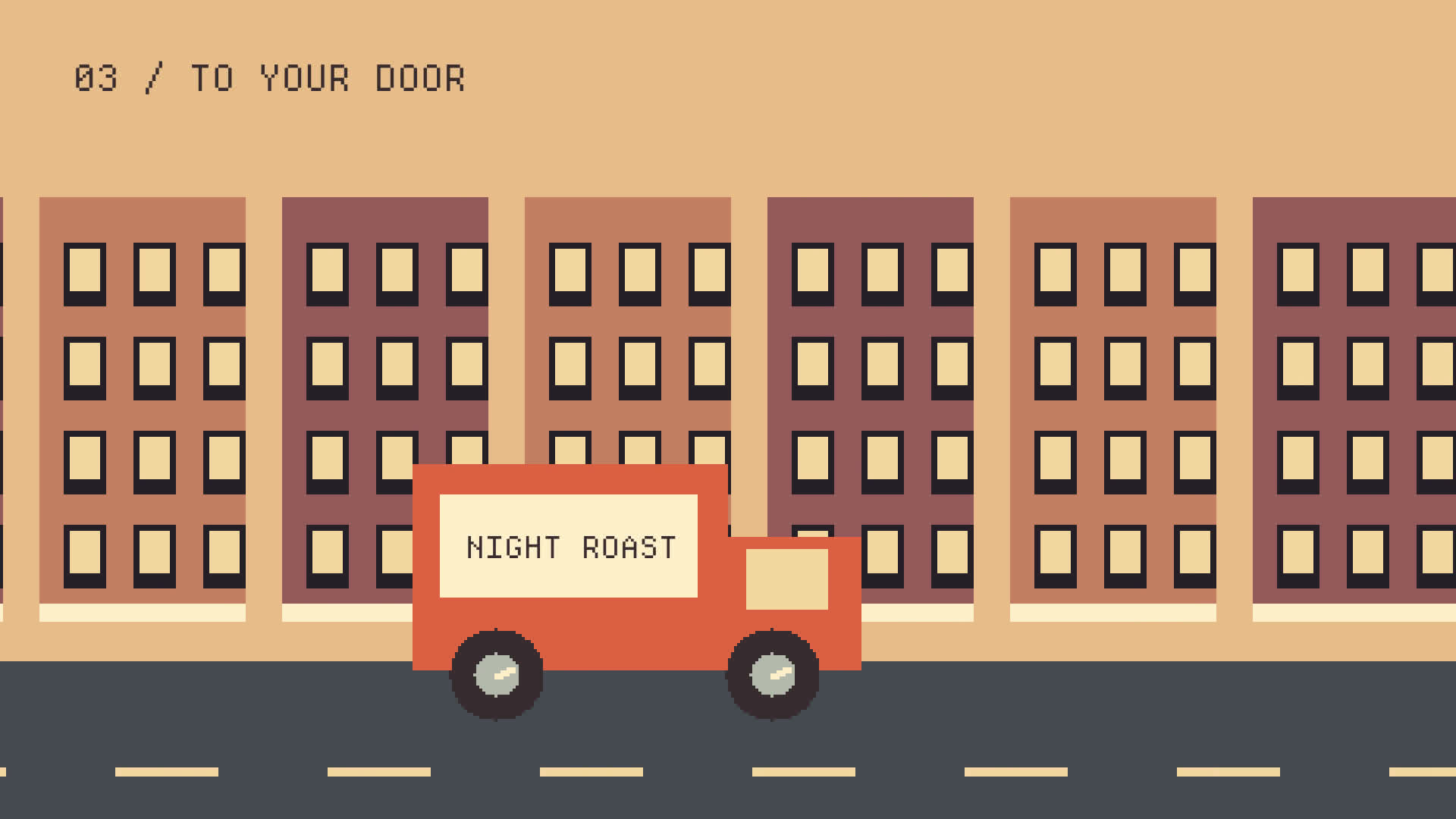
Pixel Story
Turn a product brief into a pixel film with clear actions, scene traversal and a memorable payoff.
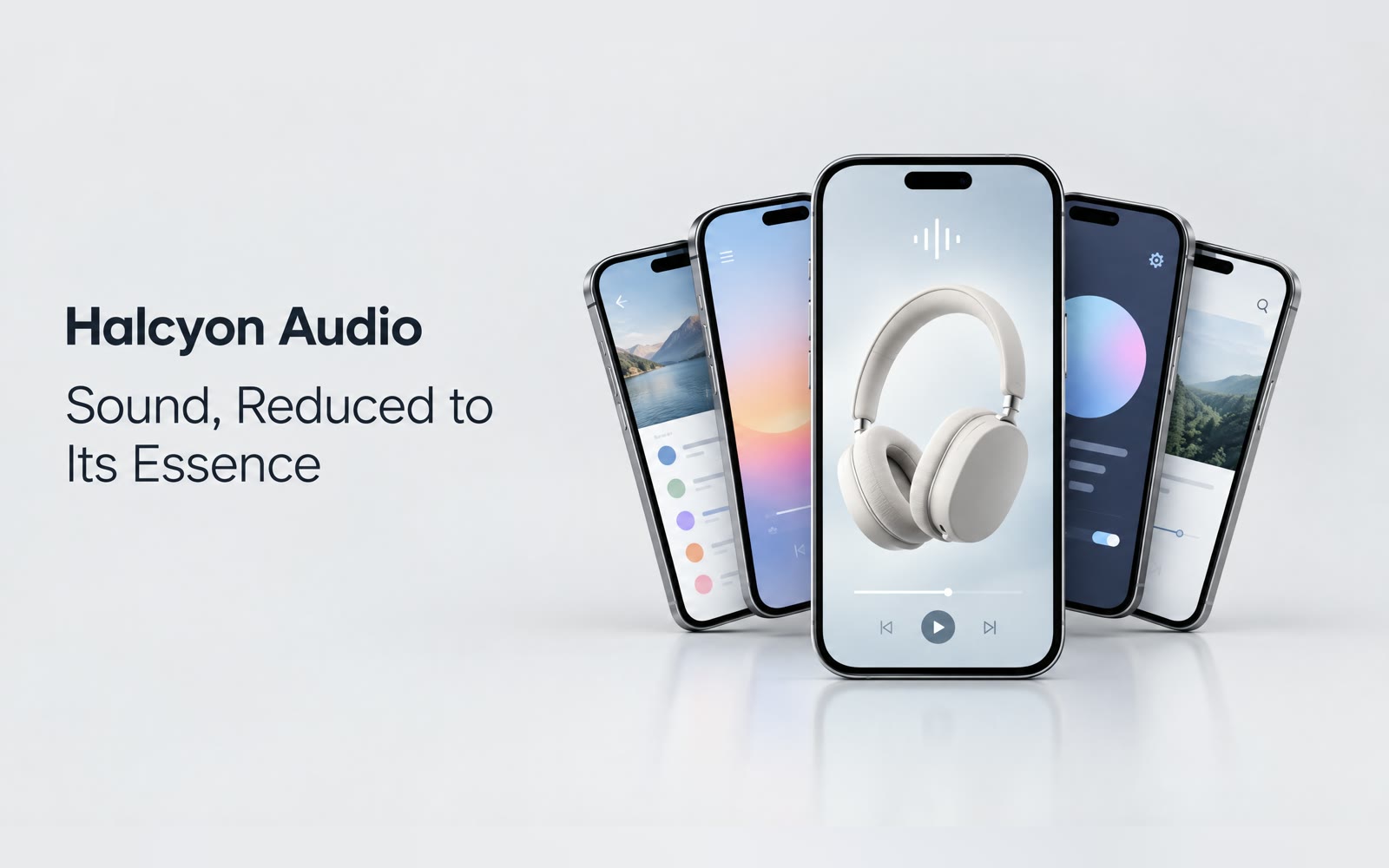
Device fan
Turn a brand, one headline and context into a calm device-showcase card.
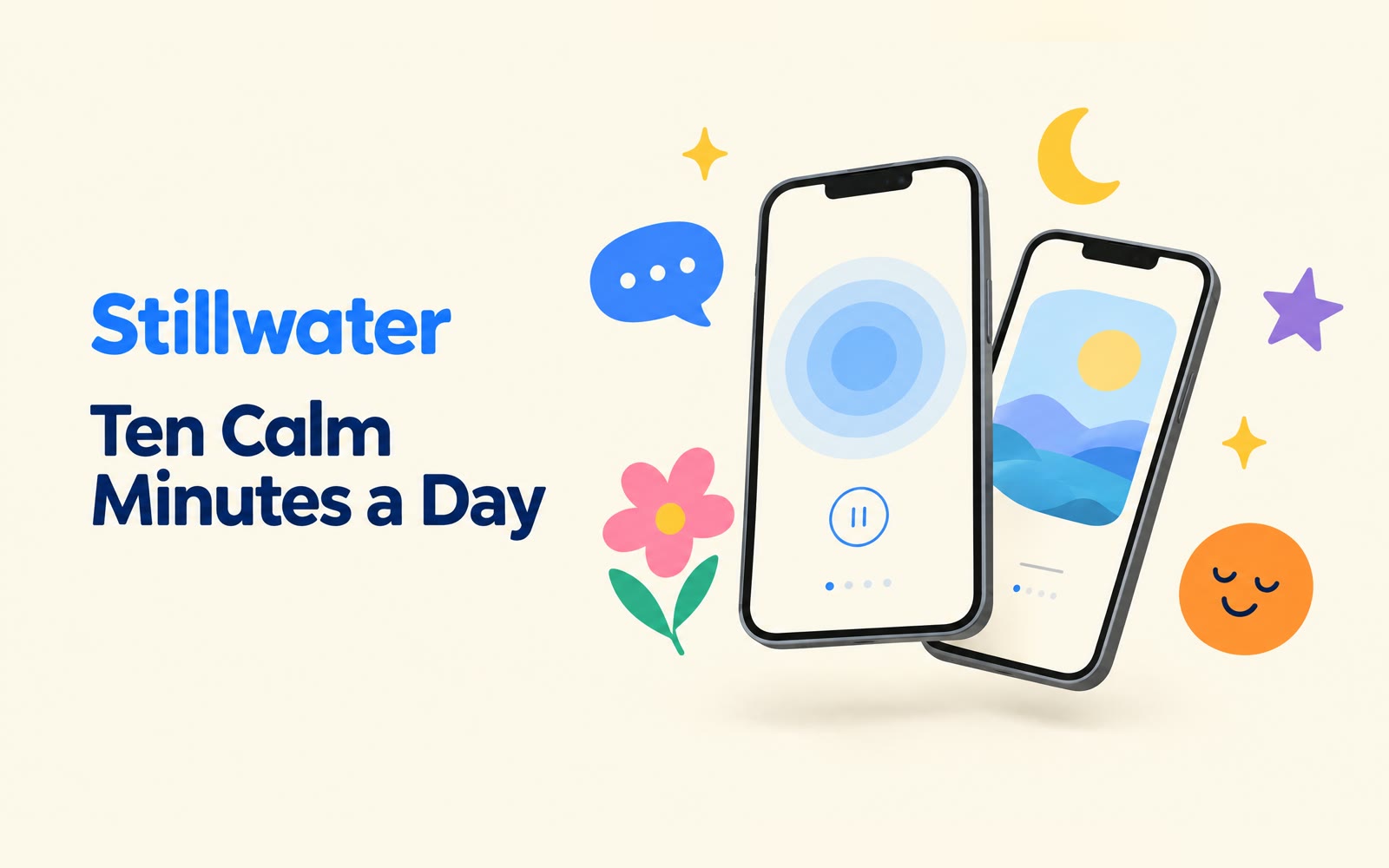
Floating phones
Turn a brand, one headline and context into a warm-ivory card with floating phone screens and playful, friendly doodles.
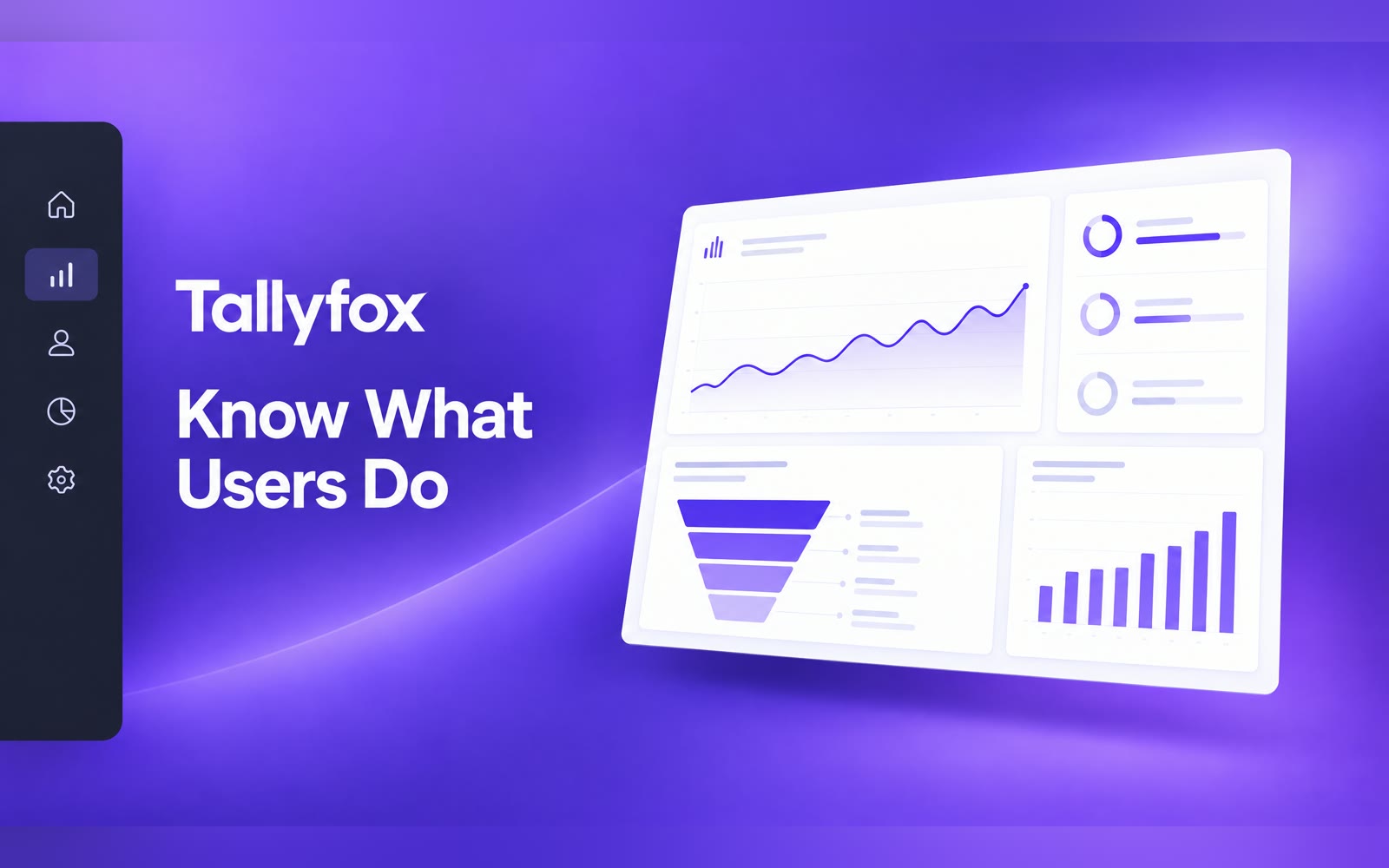
Floating analytics dashboard
Turn a brand, one headline and context into a split-column card: a narrow charcoal brand column anchoring a large white analytics dashboard that floats across a vivid violet gradient field.
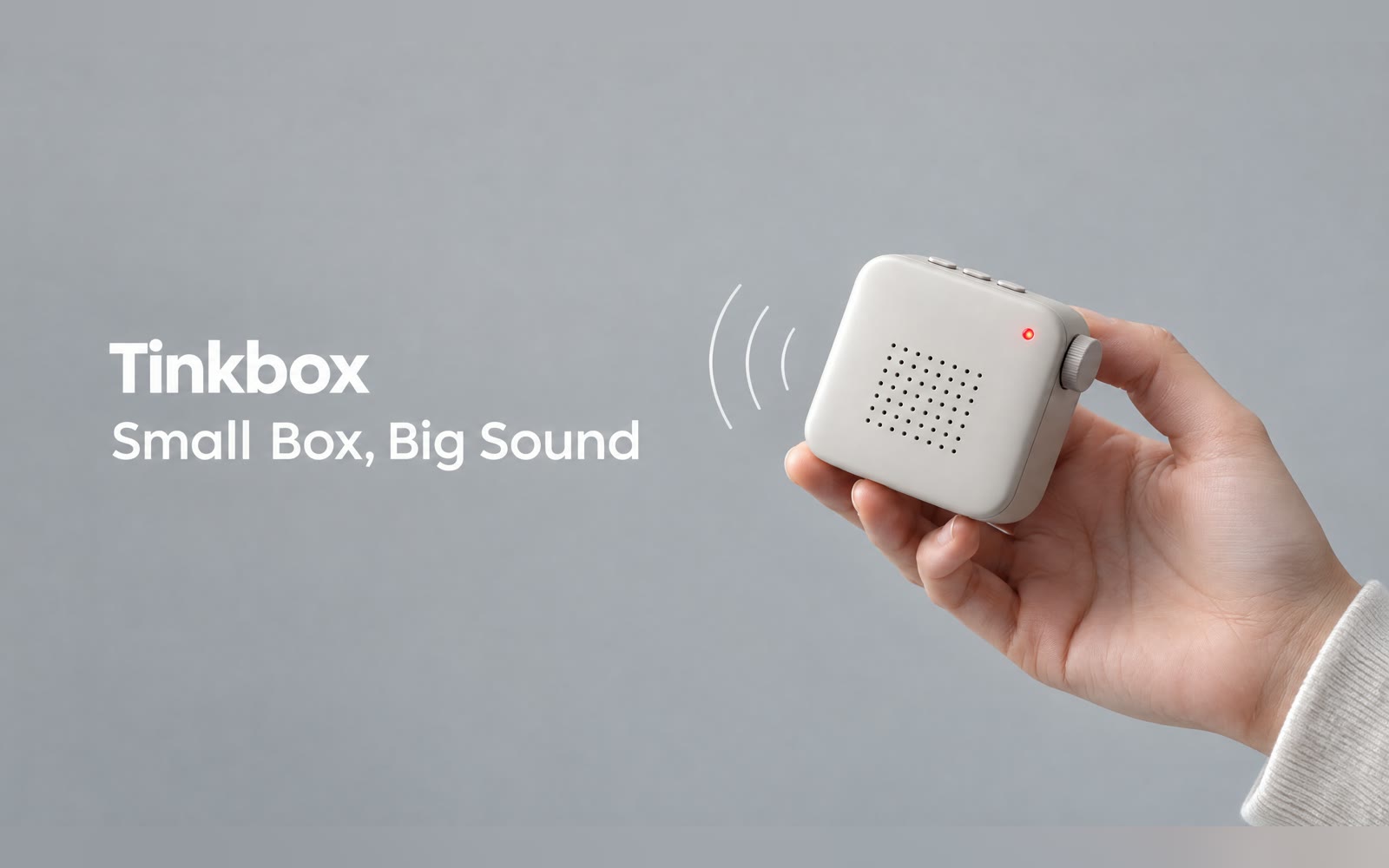
Minimal handheld product
Turn a brand, one headline and context into a high-key studio card: a softly lit hand holding an original compact pale device against a seamless gray background, with broad empty space and a tiny red light as the only accent.
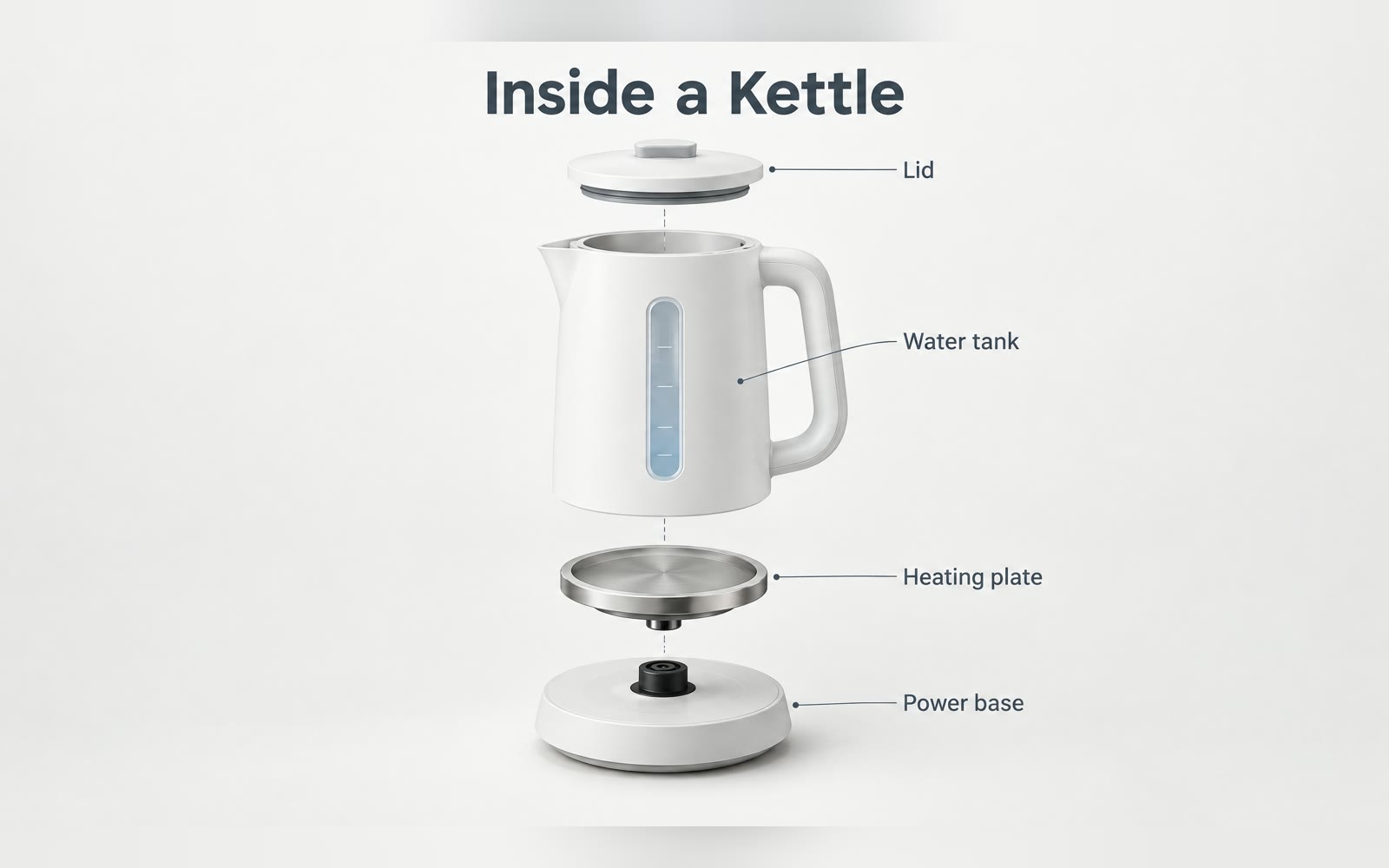
Appliance exploded poster
Turn a household appliance into a polished 16:9 exploded-view poster: part groups separated along one axis, with a title and three to five exact labels.