
bakeboolean
Bake textures onto the new mesh (not v1.0).
Standard: true
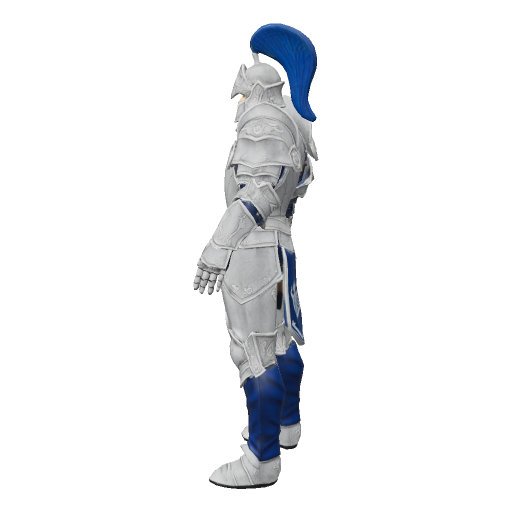
tripo3d/tripo/remeshTripo Remesh rebuilds an existing 3D model with clean triangle or quad topology at a target face count. Accepts GLB, OBJ, FBX or STL input.
Modell testen
Was möchten Sie als Nächstes tun?
Wählen Sie ein Beispiel aus, um seine Eingaben und das Ergebnis in den Playground zu laden.
{
  "model_url": "https://static.sandbase.ai/examples/d844350a-5fac-4a9d-a0c3-79ef0ea8e7e7/input/1a91c960-1c7f-4348-90e9-55eadc4a9b77.glb"
}Tripo Remesh rebuilds an existing 3D model with clean triangle or quad topology at a target face count. Accepts GLB, OBJ, FBX or STL input.
| Field | Type | Default | Notes |
|---|---|---|---|
model_url | string, required | — | URL of the input 3D model (GLB, GLTF, FBX, OBJ or STL, up to 150 MB). |
model_version | v3.0 / v2.0 / v1.0 | v3.0 | v3.0 is the newest; v2.0 smart; v1.0 basic (no bake or part_names). |
quad | boolean | false | Quad topology instead of triangles. |
face_limit | integer 500–20000 | — | Target face count. v3.0: 500-20,000 (500-10,000 with quad). Adaptive when unset. |
smart_uv | boolean | false | Also unwrap UVs (v3.0 only). |
bake | boolean | true | Bake textures onto the new mesh (not v1.0). |
part_names | array | — | Only process these parts (node names from a segmentation, e.g. tripo_part_0). All parts when unset. |
url: Remeshed model (FBX with quad).thumbnail: Preview render.| model | Price |
|---|---|
| v3.0 triangle | $0.35 |
| v3.0 quad | $0.40 |
| v2.0 | $0.30 |
| v1.0 | $0.10 |
| Failed runs are not charged. |
Jetzt loslegen
Wählen Sie eine der unterstützten APIs mit einheitlicher Authentifizierung und Nutzungsnachverfolgung.
# The quoted heredoc keeps Unicode and shell metacharacters unchanged.
result=$(curl --fail-with-body --silent \
  -X POST "https://api.sandbase.ai/v1/run" \
  -H "Authorization: Bearer $SANDBASE_API_KEY" \
  -H "Content-Type: application/json" \
  --data-binary @- <<'SANDBASE_JSON'
{
  "model": "tripo3d/tripo/remesh",
  "bake": true,
  "quad": false,
  "smart_uv": false,
  "model_url": "https://static.sandbase.ai/examples/tripo3d/tripo/shared/object.glb",
  "model_version": "v3.0"
}
SANDBASE_JSON
)
run_id=$(printf '%s' "$result" | jq -r .id)
for attempt in $(seq 1 120); do
  status=$(printf '%s' "$result" | jq -r .status)
  case "$status" in completed|failed|timeout) break ;; esac
  sleep 2
  result=$(curl --fail-with-body --silent \
    -H "Authorization: Bearer $SANDBASE_API_KEY" \
    "https://api.sandbase.ai/v1/run/$run_id")
done
status=$(printf '%s' "$result" | jq -r .status)
[ "$status" = completed ] || { echo "Generation ended: $status" >&2; exit 1; }
printf '%s\n' "$result"Erstellen Sie einen SandBase API-Schlüssel und legen Sie ihn in Ihrer Serverumgebung fest. Alle Anfragen verwenden Bearer-Authentifizierung.
export SANDBASE_API_KEY="YOUR_API_KEY"Bewahren Sie den Schlüssel auf dem Server auf. Geben Sie ihn nicht in Browser-Code preis und committen Sie ihn nicht in ein Repository.
POST an /v1/run mit dieser Modell-ID und ihren Eingaben. Das obige Anfragebeispiel umfasst Übermittlung und Polling.
Verwenden Sie die zurückgegebene Run-ID zum Polling, bis der Status completed, failed oder timeout ist. Lesen Sie die Ausgabe erst nach completed.
curl "https://api.sandbase.ai/v1/run/$RUN_ID" \
-H "Authorization: Bearer $SANDBASE_API_KEY"Übergeben Sie eine öffentlich zugängliche Date-URL im Bild-, Video- oder Audiofeld des Modells. Unterstützte Formate und Limits werden neben jedem Playground-Eingabefeld angezeigt.
Verwenden Sie im Playground bei unterstützten Bildfeldern die Steuerung zum Hochladen oder Ersetzen. Video-URL-Felder akzeptieren ein gehostetes Fahrvideo; sie implizieren keine Unterstützung für Video-Uploads.
bakebooleanBake textures onto the new mesh (not v1.0).
Standard: true
quadbooleanQuad topology instead of triangles.
Standard: false
smart_uvbooleanAlso unwrap UVs (v3.0 only).
Standard: false
model_urlstringerforderlichURL of the input 3D model (GLB, GLTF, FBX, OBJ or STL, up to 150 MB).
face_limitintegerTarget face count. v3.0: 500-20,000 (500-10,000 with quad). Adaptive when unset.
Minimum: 500
Maximum: 20000
part_namesarrayOnly process these parts (node names from a segmentation, e.g. tripo_part_0). All parts when unset.
model_versionstringv3.0 is the newest; v2.0 smart; v1.0 basic (no bake or part_names).
Standard: "v3.0"
Mögliche Werte: "v3.0", "v2.0", "v1.0"
{
  "model": "tripo3d/tripo/remesh",
  "bake": true,
  "quad": false,
  "smart_uv": false,
  "model_url": "https://static.sandbase.ai/examples/tripo3d/tripo/shared/object.glb",
  "model_version": "v3.0"
}Ein abgeschlossener Run stellt sein Ergebnis in der Ausgabe bereit. Das Folgende ist das gespeicherte Beispiel des Modells, keine neue Generierung.
[
  {
    "poster": "https://static.sandbase.ai/examples/d844350a-5fac-4a9d-a0c3-79ef0ea8e7e7/output/47b4985a-89cd-4d59-8f71-392e43741f53.png",
    "thumbnail": "https://static.sandbase.ai/examples/d844350a-5fac-4a9d-a0c3-79ef0ea8e7e7/output/47b4985a-89cd-4d59-8f71-392e43741f53.png",
    "url": "https://static.sandbase.ai/examples/d844350a-5fac-4a9d-a0c3-79ef0ea8e7e7/output/997c155c-2abb-44ab-9591-8d0424624304.glb"
  }
]Dieses Modell wird auch über Tripos v3 API bereitgestellt. Request-Bodies, Task-Objekte und Fehlercodes folgen Tripo, sodass vorhandener Tripo-Code funktioniert, nachdem Sie die Base-URL auf https://api.sandbase.ai/tripo/v3 geändert und einen SandBase API-Schlüssel als Authorization: Bearer gesendet haben. Anfragen laufen im offiziellen Kanal von Tripo zum gleichen Preis wie /v1/run.
POST https://api.sandbase.ai/tripo/v3/mesh/decimate. model ist optional und wählt die Tripo-Algorithmusversion; wird es weggelassen, gilt Tripos Standard. Das obige Anfragebeispiel unter Tripo v3 API zeigt einen vollständigen Aufruf.
Tripo benennt diese Eingaben anders als das folgende Schema. Alle anderen Felder behalten ihren Namen.
| Schema-Feld | Tripo-Feld |
|---|---|
model_url | input |
model_version | model |
Eingaben sind öffentliche URLs, entweder als String oder als Objekt mit einem url-Feld. Tripo-Task-IDs und file_token-Werte werden noch nicht akzeptiert, Datei-Uploads sind nicht verfügbar und webhook_url wird ignoriert.
Die Übermittlung gibt data.task_id zurück. Pollen Sie, bis data.status success, failed oder cancelled ist. Bei Erfolg verwendet data.output Tripo-Feldnamen wie model_url, und credits_consumed ist die SandBase-Gebühr bei 1 Credit = $0.01.
curl "https://api.sandbase.ai/tripo/v3/tasks/$TASK_ID" \
  -H "Authorization: Bearer $SANDBASE_API_KEY"
POST /tripo/v3/tasks/list mit {"task_ids": [...]} gibt bis zu 100 Tasks zurück. GET /tripo/v3/account/balance gibt Ihr SandBase-Guthaben in Credits zurück.
Fehler verwenden den Tripo-Envelope: {"code": 1004, "status": "error", "message": "..."}.
| code | Bedeutung |
|---|---|
2 / 1002 | Fehlender, ungültiger oder nicht autorisierter SandBase API-Schlüssel |
1003 | Der Body ist kein JSON-Objekt |
1004 | Fehlender oder ungültiger Parameter. Die Meldung nennt das Tripo-Feld |
1007 / 2000 | Ratenlimit oder Parallelitätslimit erreicht |
2001 | Task nicht gefunden oder mit einem anderen API-Schlüssel erstellt |
2002 | Endpunkt oder Funktion auf SandBase nicht unterstützt |
2010 | Unzureichendes SandBase-Guthaben oder Ausgabenlimit des API-Schlüssels erreicht |
4001 | Unbekannter Endpunkt |
Wenn Tripo einen Task ablehnt oder er fehlschlägt, endet er als failed mit Tripos error_code und error_message. Codes zu Ihrer Anfrage oder Ihrem Inhalt werden unverändert weitergegeben; Codes zum Upstream-Tripo-Konto werden als 1000 gemeldet.