
Forest Quarterly Slides
- Lab Skill
- v0.1.0
- Research
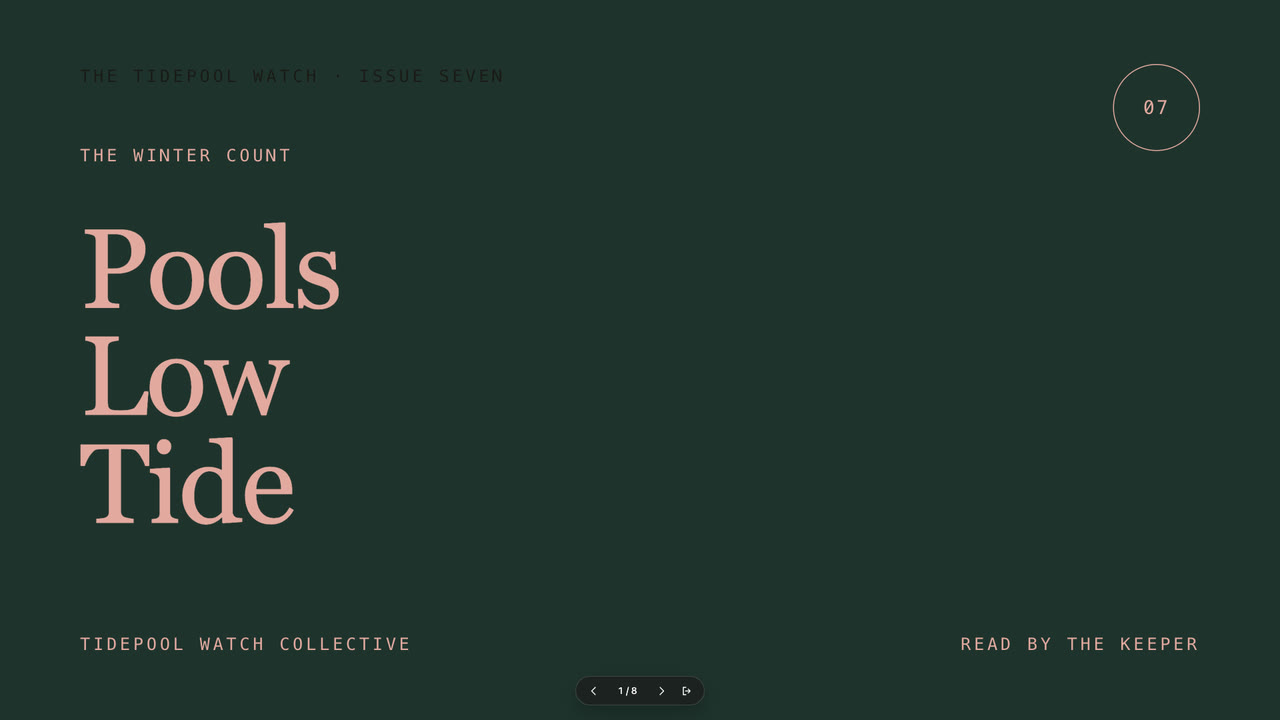
Make decks that read as a printed quarterly or an editorial year-in-review: a three-tone register of deep forest green, dusty pink and oat cream, a tall literary serif with mono chrome, monogram-circle page numbers, mixed filled and outlined tile grids and paired bar charts on a colour field.
उदाहरण · 2
आपको क्या मिलेगा
Bring the season or programme under review, the audience, the figures to use exactly, the page count and content language. The Skill returns one offline HTML deck that edits in the browser and exports editable PowerPoint.
यह कैसे काम करता है
- 01
Find the one claim to land
Forest Quarterly slides asks for the topic, the one claim the deck must land, the audience, the figures you stand behind, page count, language and any pictures you own. It is meant for argued reviews, not dense product demos. The default arc is cover, agenda, statement, two-col, data, framework, stats and summary, and your Agent copies a palette such as Juniper or Clover into the swatch.
- 02
Compose tiles, bars and plates
plan.json fills text by node id, sets bar heights as percentages in css and drops unused nodes. Headlines can take rich text, where an inline em flips a word to the paper colour. Without your own pictures, the solid s-fig colour plate stays and reads as figure pending. python3 scripts/kit.py compose writes deck.json and flags sample kickers, meta and footer lines left unfilled.
- 03
Build the quarterly and check wraps
make-deck.py turns deck.json and settings.json into presentation.html, and verify-deck.py confirms the page count against the kit. The agenda grid, step tiles and KPI columns have fixed counts, so your Agent rewrites their text rather than adding tiles. For PowerPoint, verify-pptx.py checks the export; open it with Source Serif 4 and JetBrains Mono installed to compare wraps.
FAQ
What does Forest Quarterly slides look like?
Forest Quarterly slides uses three tones only: a deep forest-green field, a dusty pink highlight and an oat cream paper. Headlines, KPI numerals and tile titles are set in Grove Serif at weight 500, while kickers, axis ticks and source lines use uppercase Grove Mono. A stroked monogram circle holds the cover's page number. It suits board reports, membership updates, programme reviews and annual retrospectives.
Why does Forest Quarterly slides allow only three colours?
Forest Quarterly slides treats the three-way register as its signature. Every page is either the green field, the pink highlight or the cream paper; most pages are the field, the paper carries agenda, two-col and framework, and the highlight carries the single statement page. A fourth colour reads as noise, and a saturated warning colour would read as a stripe rather than a masthead.
Can Forest Quarterly slides draw pictures for me?
No. Forest Quarterly slides has no picture generator; its figures are flat colour plates with typed labels or your own images, used only when you have the right to them. The tile grids, paired bars and monogram circle carry the decorative weight. The Lab copy describes the kit as figure-free by design, while SKILL.md still lets you place your own pictures.
Does Forest Quarterly slides cost anything to build?
No. Forest Quarterly slides draws no artwork and calls no service; its compose, build and verify scripts are local Python, so a quarterly deck adds no usage charge. Only verify-pptx.py needs python-pptx. The fonts are bundled under references/fonts and are free under the SIL Open Font License.
Does Forest Quarterly slides work for Chinese headlines?
With care. Forest Quarterly slides tunes its large serif sizes for Latin, so CJK headlines lose the tall register and need a smaller size or fewer lines. Test the wraps before presenting. Headline budgets are about 8 words for cover, agenda and summary titles and about 14 for page headings, with body lines kept to 24 words.
What are the layout limits of Forest Quarterly slides?
Forest Quarterly slides fixes geometry per layout, so text far over budget can crowd a rule or run past the canvas. Bar heights are percentages of the plot column, and values over 100 exceed the frame. The monogram circle is absolutely positioned top right, so blocks dragged onto it in the editor collide because the layout does not reflow around it.
और Skills
सभी Research Skills →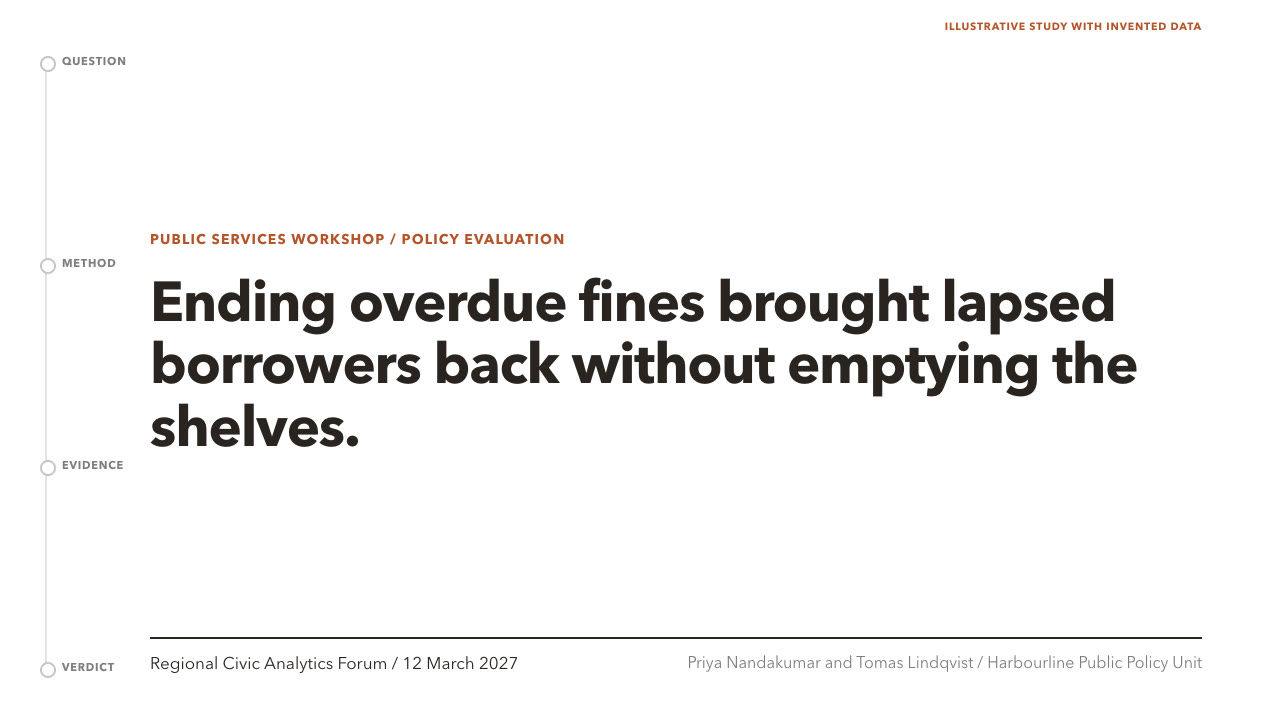
Thesis Spine Slides
Build a research talk whose titles, read in order, argue one claim from question to verdict, with one cited exhibit per evidence page.
Reading Digest Slides
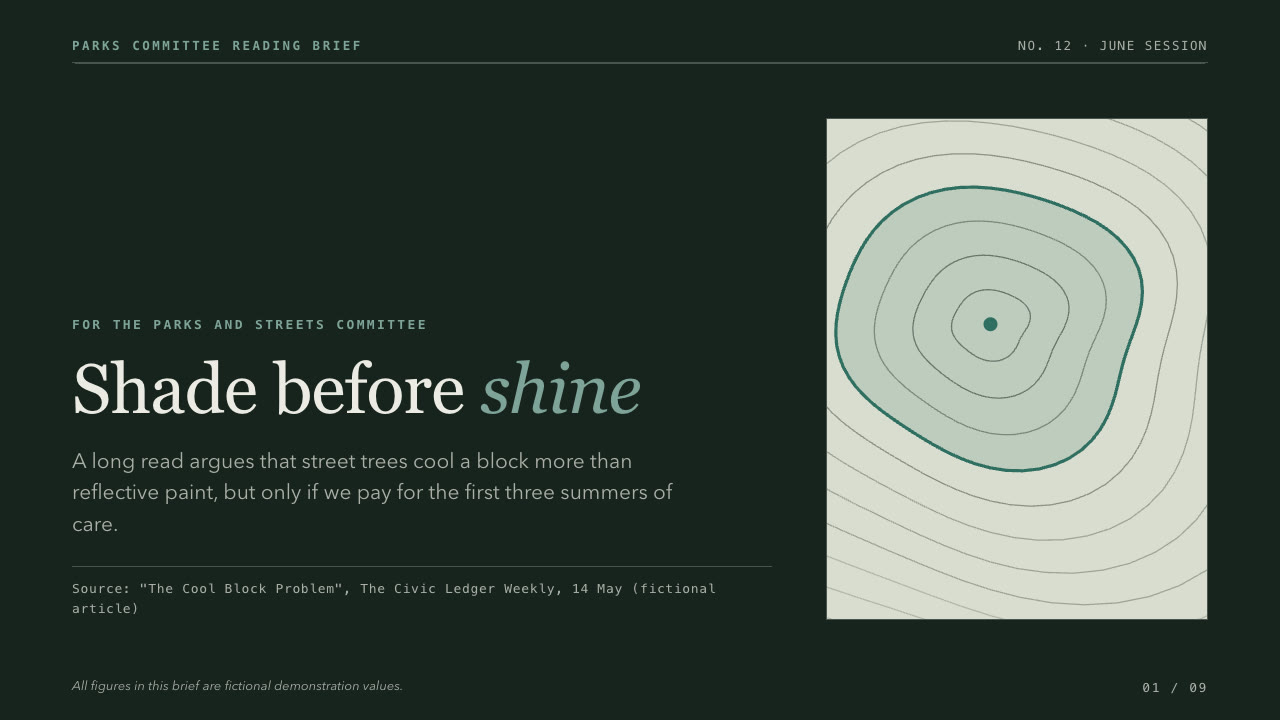
Turn one long read, essay or report into a reading brief a committee can decide on: a masthead, argument beats on a rail, a headline figure, bar charts and a source ledger that keep checked facts, assumptions and open questions apart, two readings, discussion prompts and the decision asked.
Cloudpane Slides
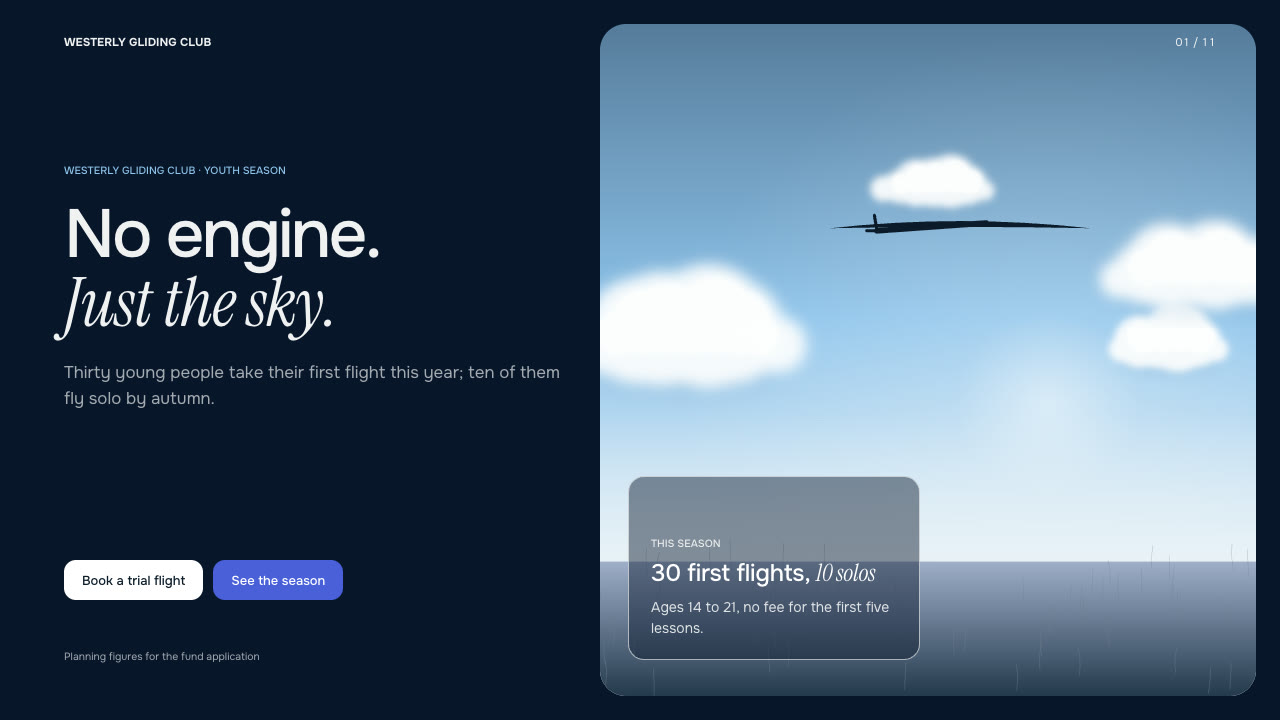
Make explainer and proposal decks that make a public subject feel approachable: open-sky pictures, clear optical glass and anonymous figures, thin-edged translucent glass cards over the pictures, broad mist-white pages, three deep night pages and headings with an italic serif accent.
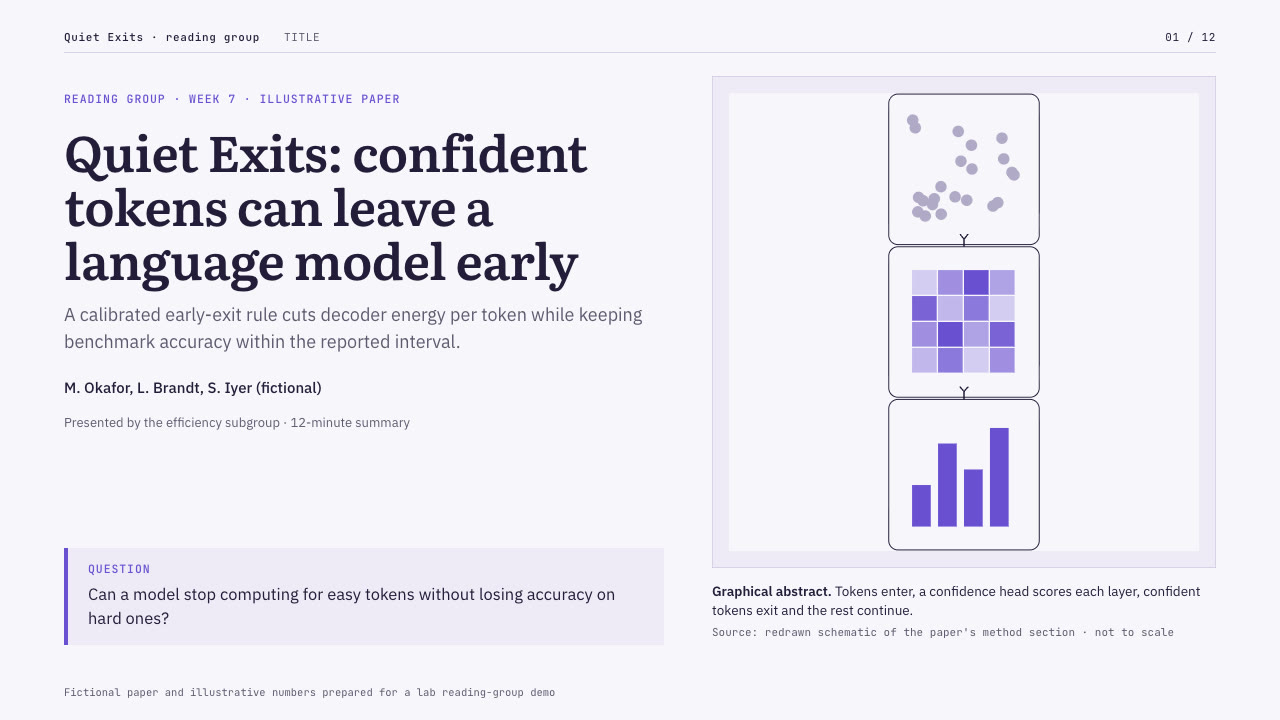
Figure First Slides
Make figure-led research talks such as paper summaries, journal clubs, lab and reading-group reviews and evidence briefings: every content page is built around one figure, chart or table with its caption and source underneath, numbers carry their comparator and interval, and a limits page states what the work can and cannot claim.
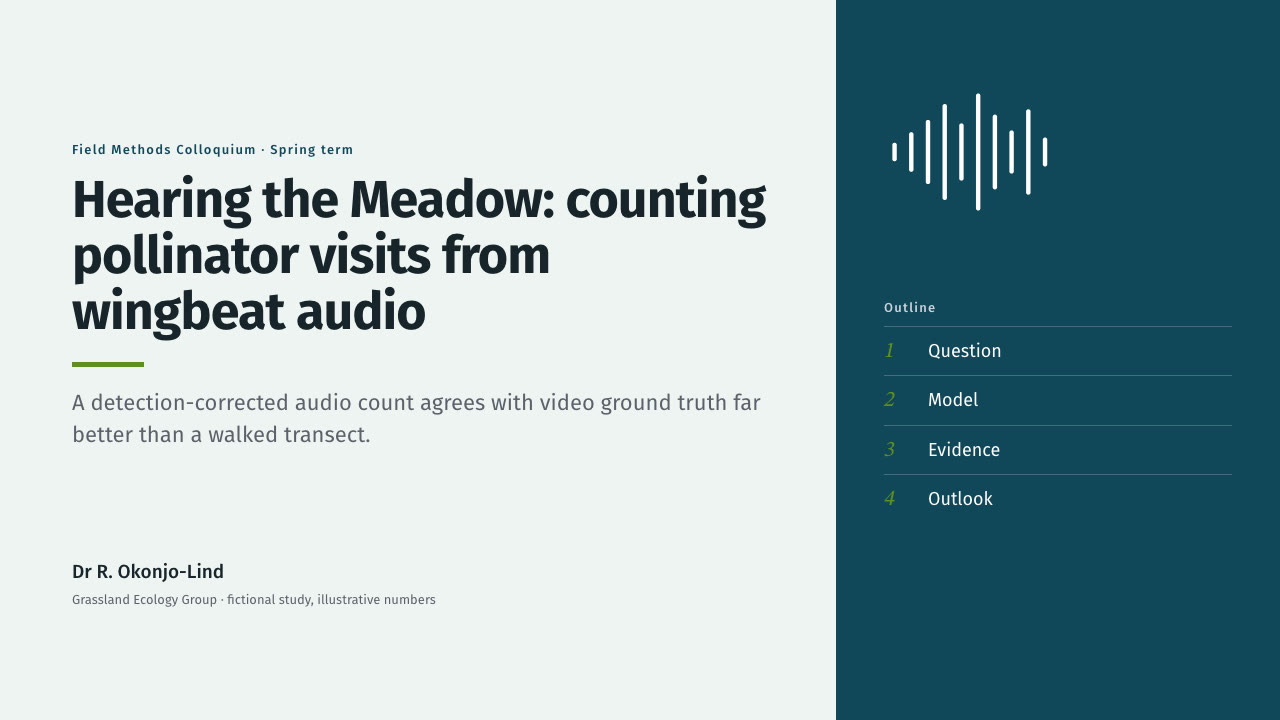
Seminar Math Slides
Turn a paper, thesis chapter or research notes into a projection-ready 16:9 talk for seminars, colloquia, defences and conference sessions: a section strip with the current section lit, equations with spoken readings and term glosses, a method pipeline, a proof sketch, native result bars and tables, plots drawn from data and a progress bar with frame counters.
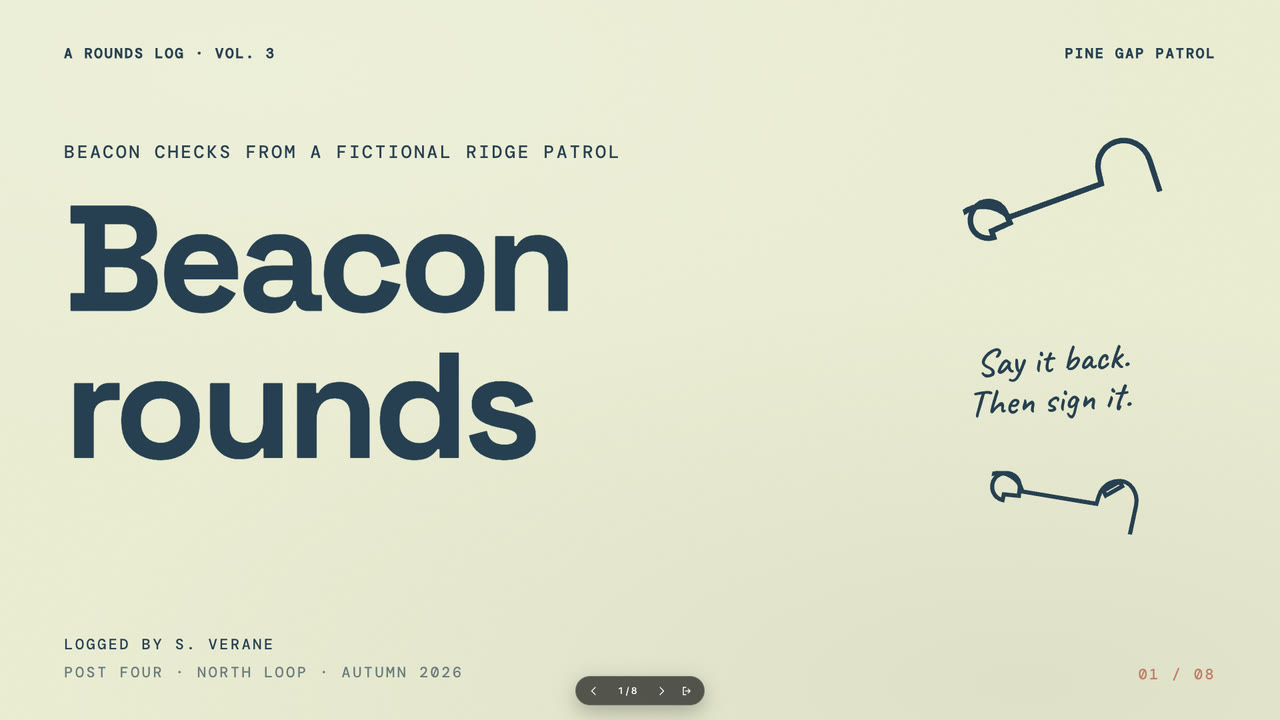
Yellowpad Fieldnotes Slides
Make decks that read like pinned field notes: saturated yellow legal-pad paper, cobalt ink, hand-drawn safety pins, cream pinned cards, handwritten marginalia, mono archival tags and rotated red stamps.