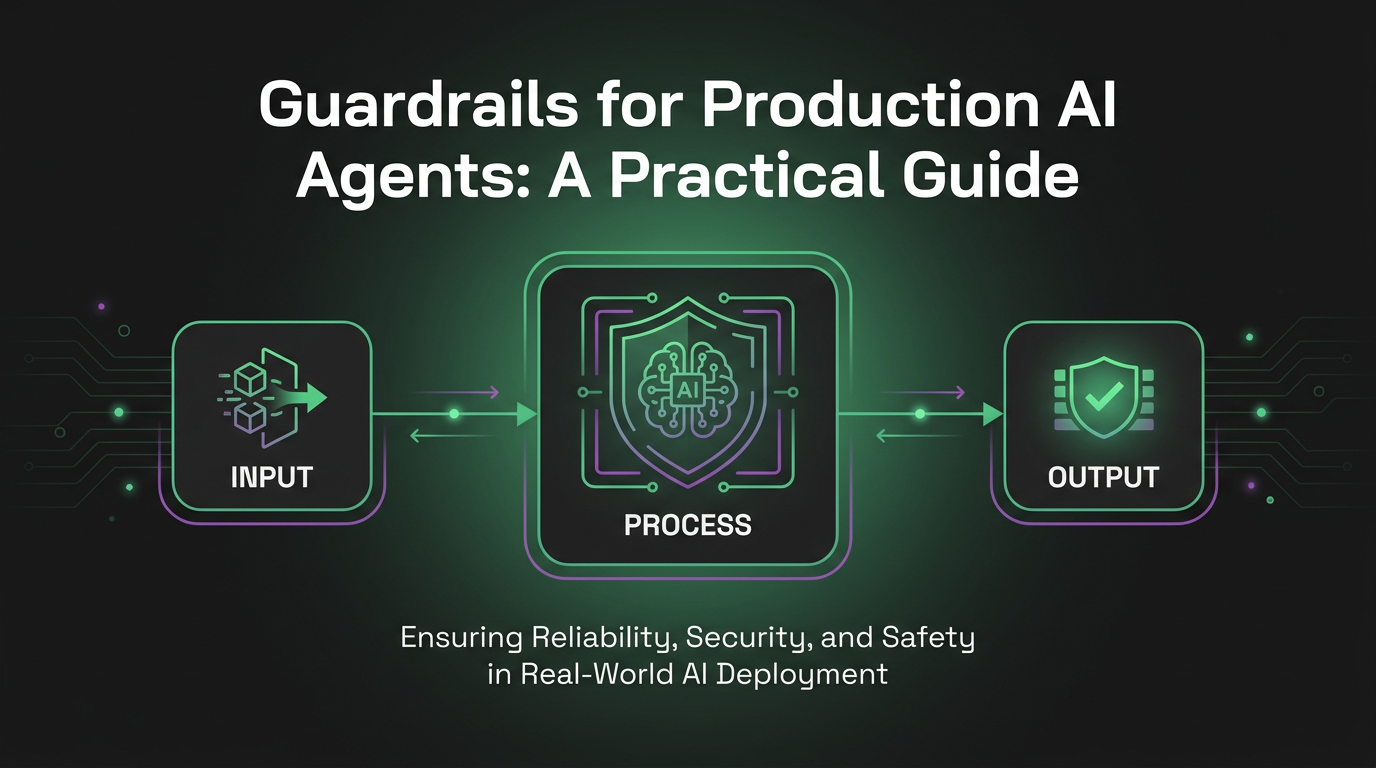
Guardrails for Production AI Agents: A Practical Guide
Real guardrails for AI agents in production: input validation, action allow-lists, sandboxing, cost ceilings, and human-in-the-loop. Patterns you can ship.
Real guardrails for AI agents in production: input validation, action allow-lists, sandboxing, cost ceilings, and human-in-the-loop. Patterns you can ship.
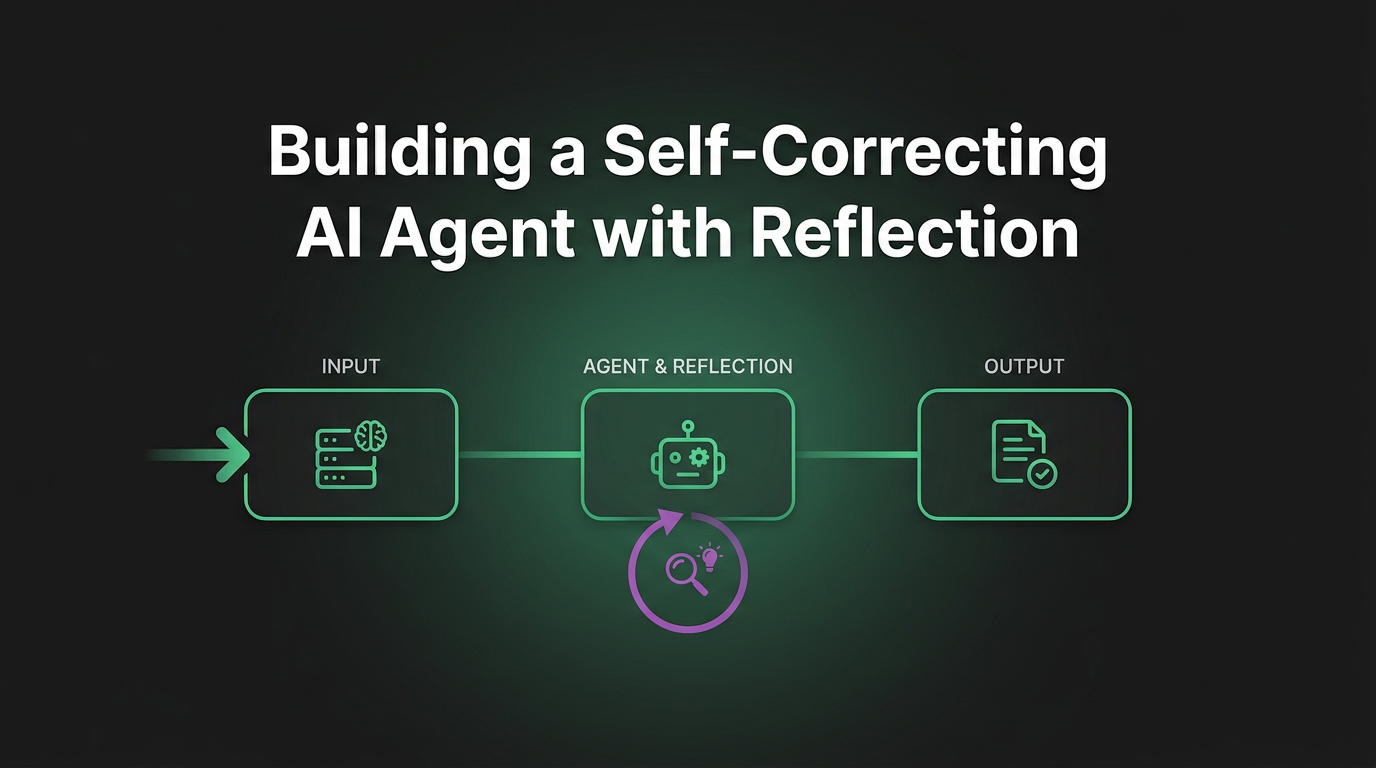
How to build a self-correcting AI agent using the reflection pattern and persistent memory. A runnable Python loop that critiques and fixes its own output.
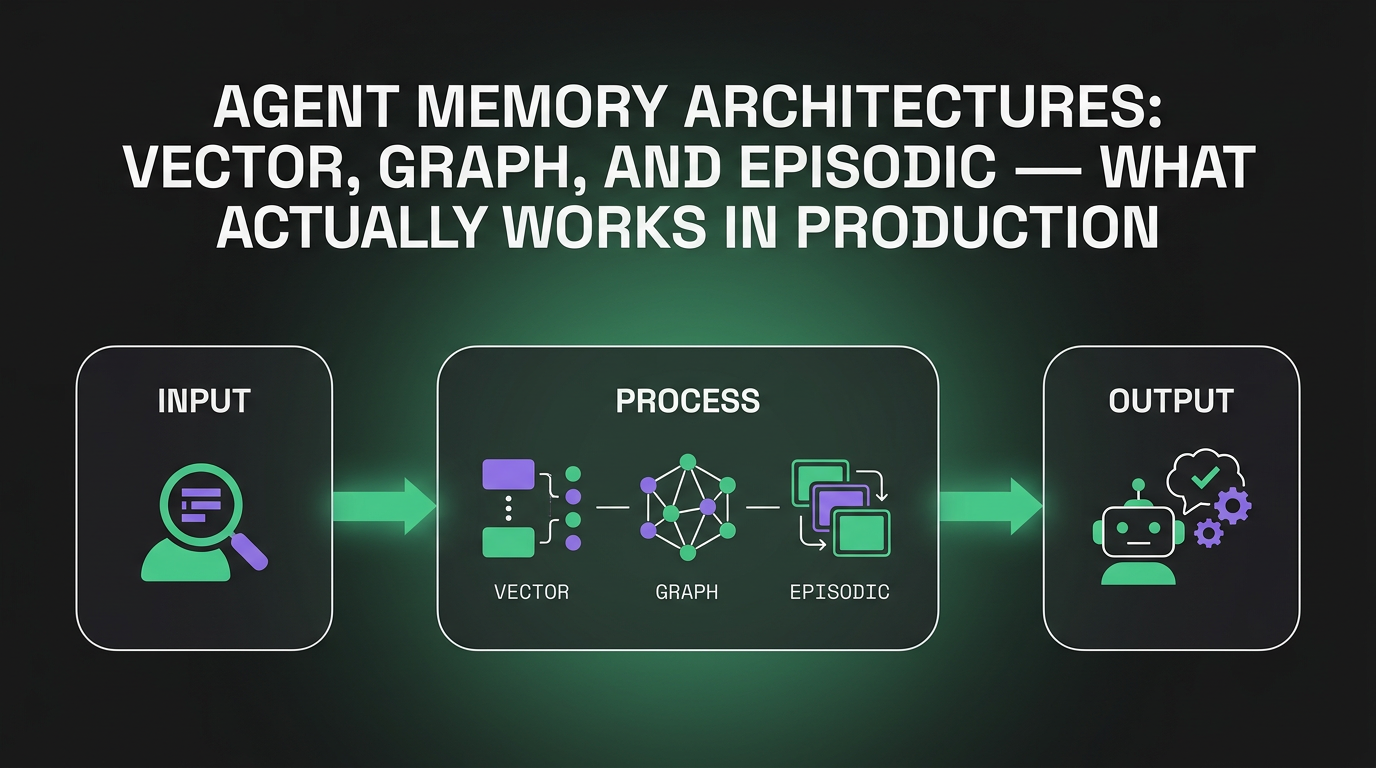
Compare the three agent memory architectures in 2026 — vector recall, knowledge graphs, and episodic buffers — with real latency numbers, failure modes, and a decision guide.
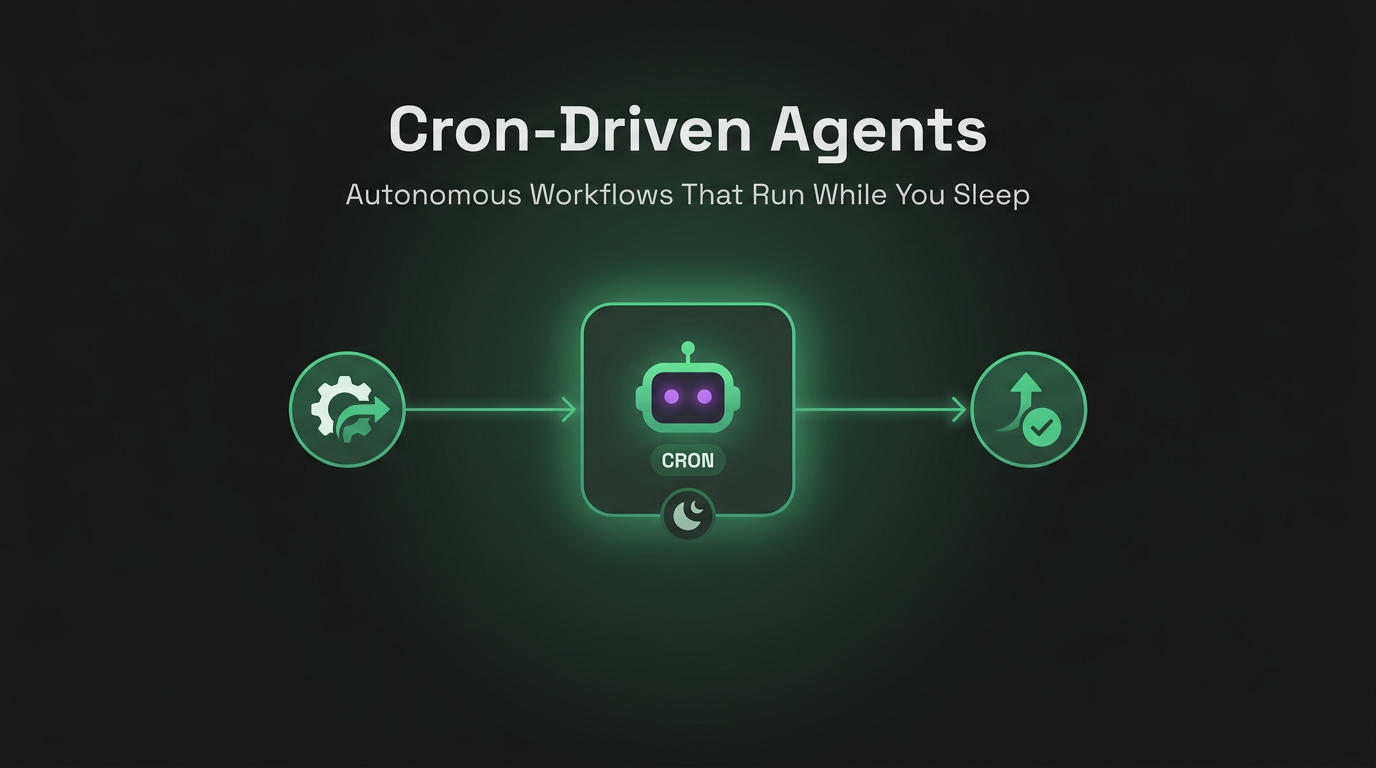
How to build cron-driven AI agents that run autonomously on a schedule in 2026: the architecture, idempotency and failure handling, and the cost traps of always-on automation.
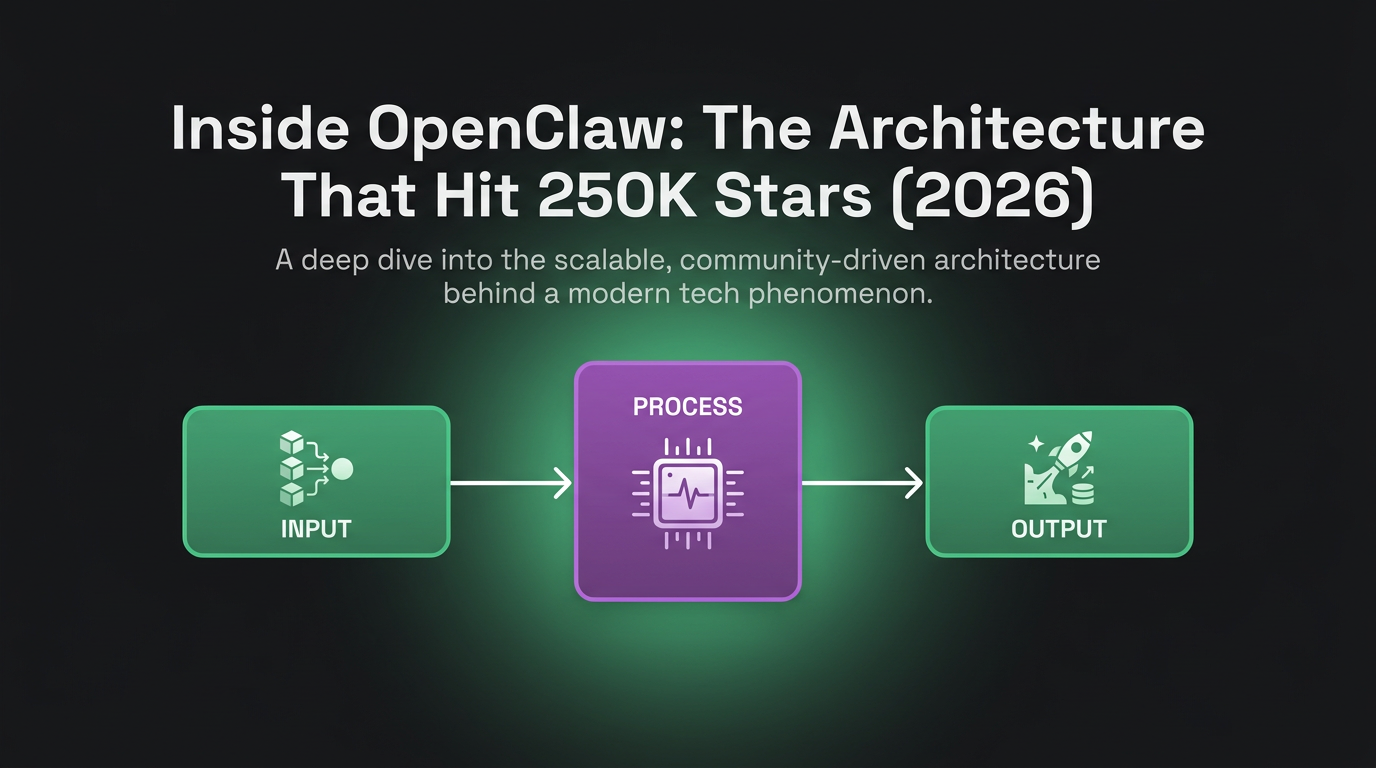
An architecture teardown of OpenClaw: the three-layer pipeline, the seven-stage agentic loop, and why a self-hosted chat gateway became one of the fastest-growing repos ever.
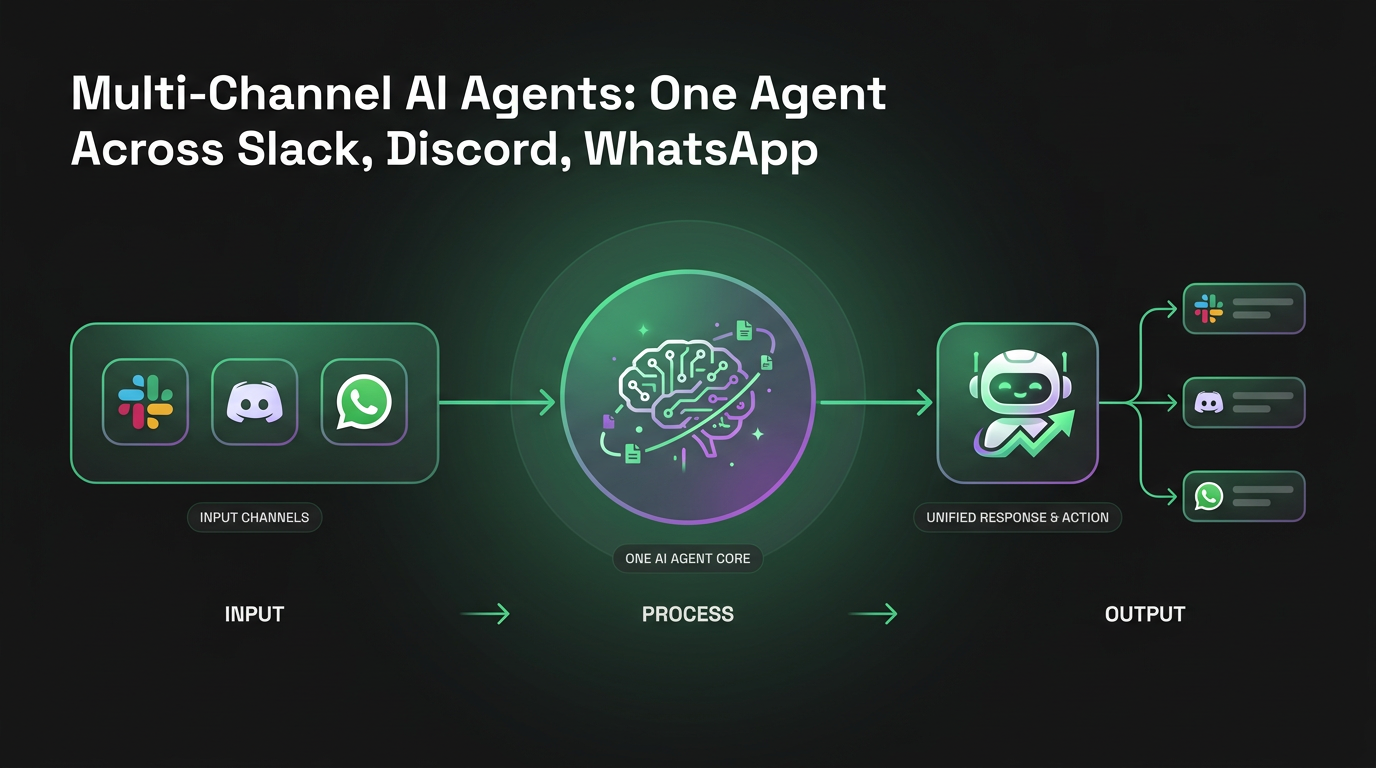
How to run one AI agent across Slack, Discord, and WhatsApp in 2026: the gateway pattern, session identity, per-channel quirks, and the state-sync problems nobody warns you about.
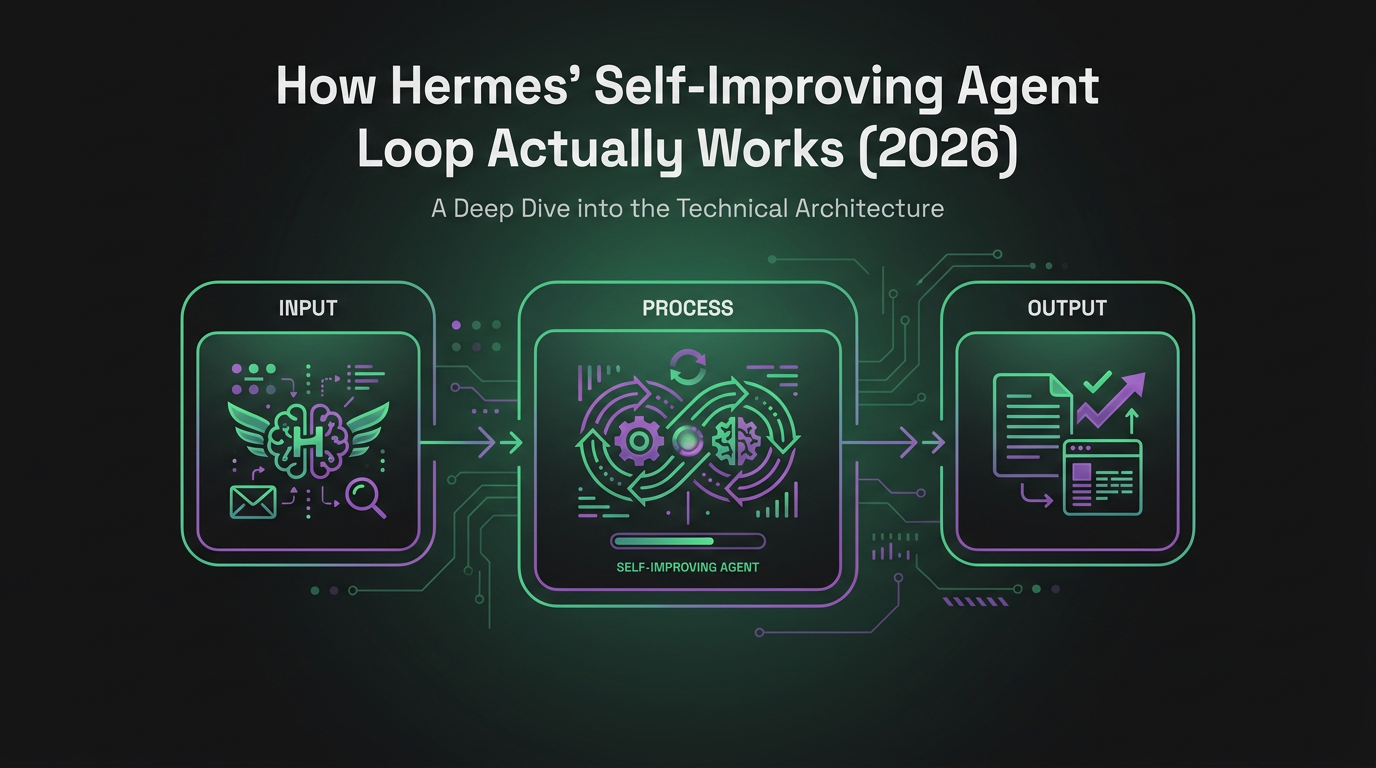
How Hermes Agent's self-improving loop works in 2026: the skill-generation mechanism, what it actually persists, and where the 40% task-time gains come from.