Best Open-Weight LLMs for AI Agents in 2026 (Compared)
A head-to-head guide to open-weight LLMs for agents in 2026: Kimi K2.6, DeepSeek V4, GLM-5.1, Qwen 3.6. Which to pick for tool-use, context, or cost.
SandBase Notes
Insights on AI agents, model routing, and building production-ready AI systems.
A head-to-head guide to open-weight LLMs for agents in 2026: Kimi K2.6, DeepSeek V4, GLM-5.1, Qwen 3.6. Which to pick for tool-use, context, or cost.
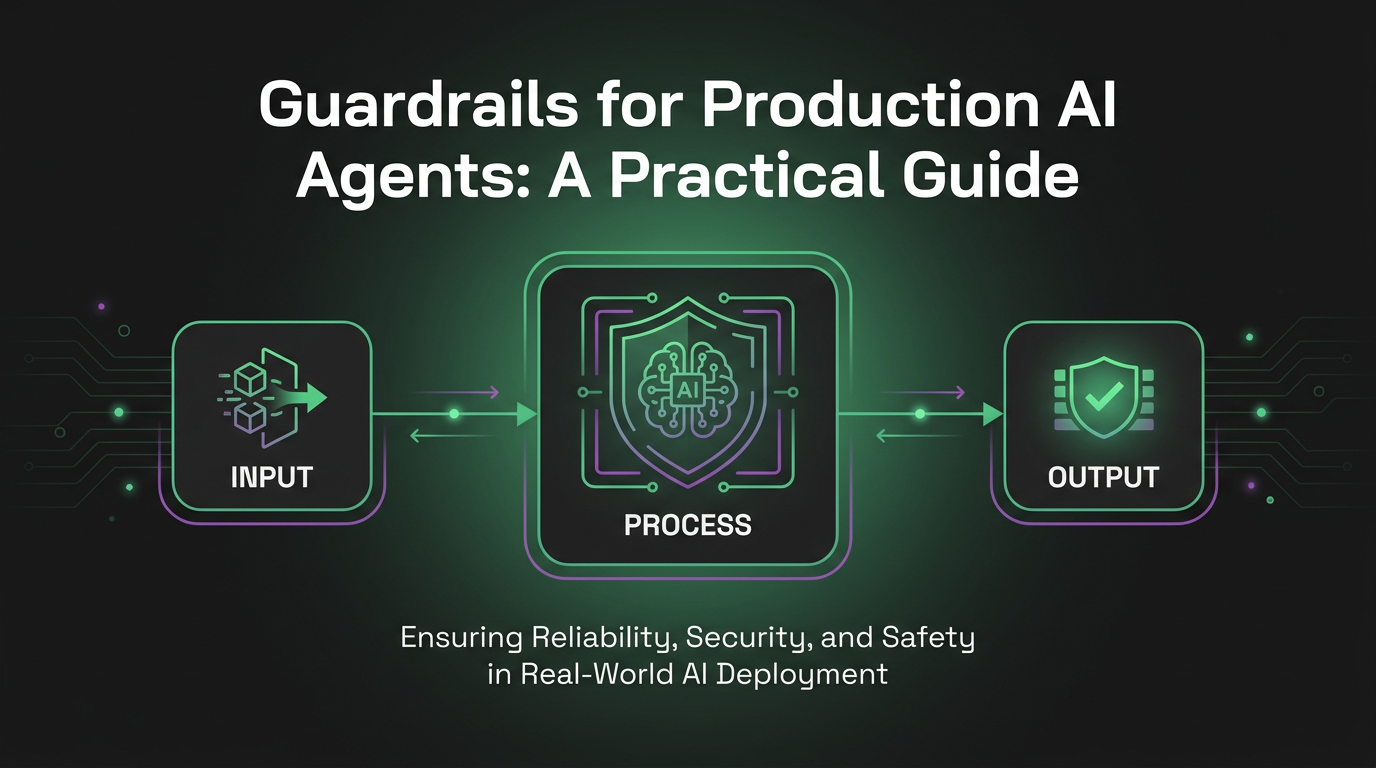
Real guardrails for AI agents in production: input validation, action allow-lists, sandboxing, cost ceilings, and human-in-the-loop. Patterns you can ship.
Qwen 3.6 is Alibaba's open-source LLM that punches above its size on SWE-bench. Why a smaller, efficient model is often the smarter agent default.
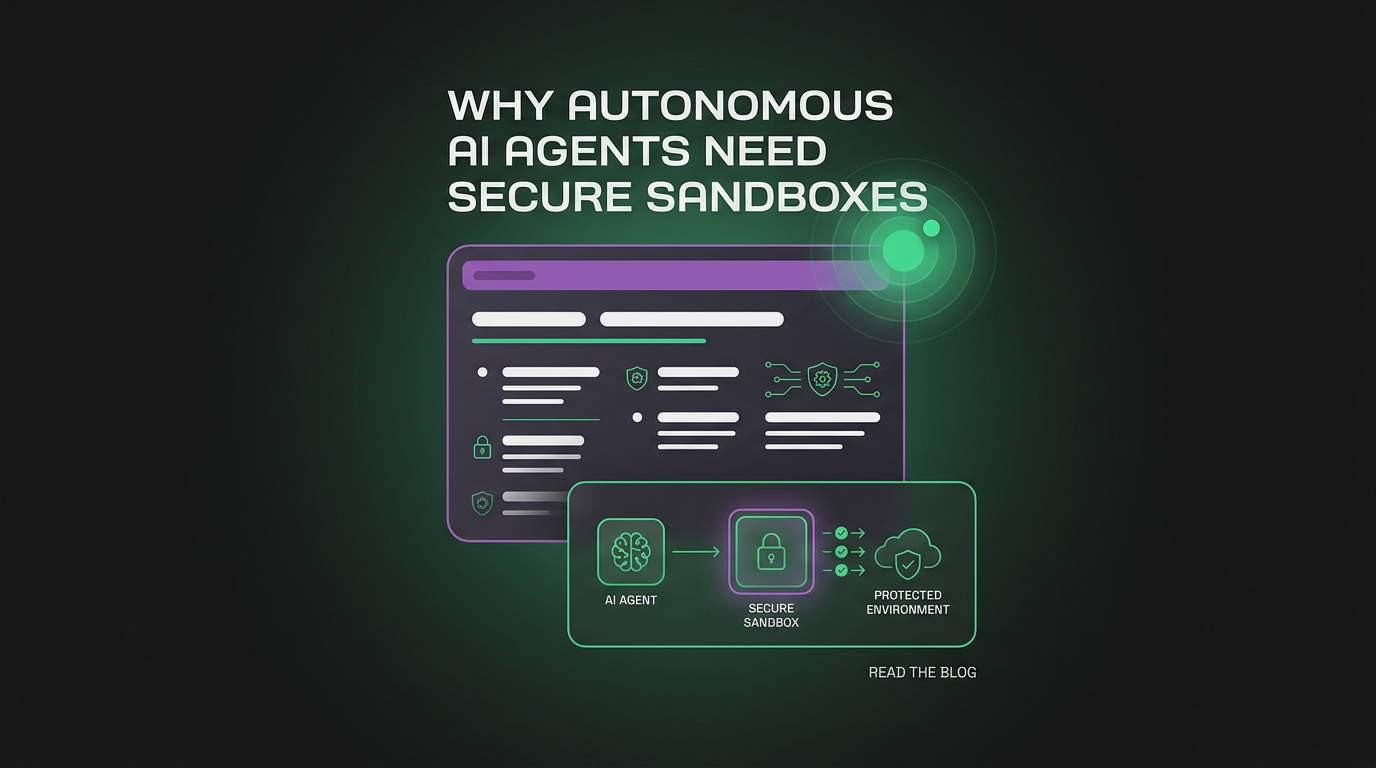
Autonomous AI agents that run code and shell commands need isolation. Why sandboxes are non-negotiable in production, the isolation levels, and how to choose.
A comparison of AI sandboxes for agent development in 2026: E2B, Modal, Daytona, and self-hosted options. Cold-start latency, isolation, and pricing.
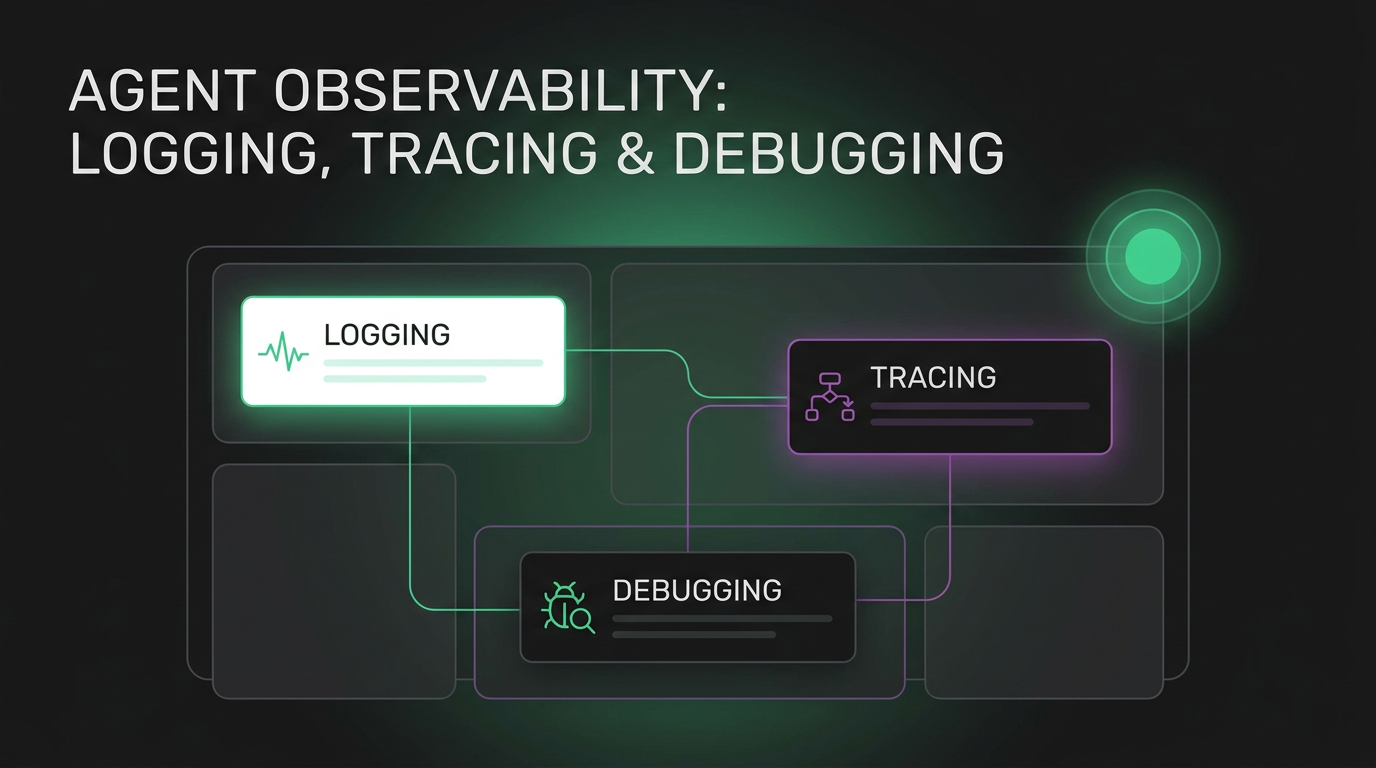
How to debug AI agents in production with structured logging, distributed tracing, and span-level cost tracking. What to capture and what to ignore.
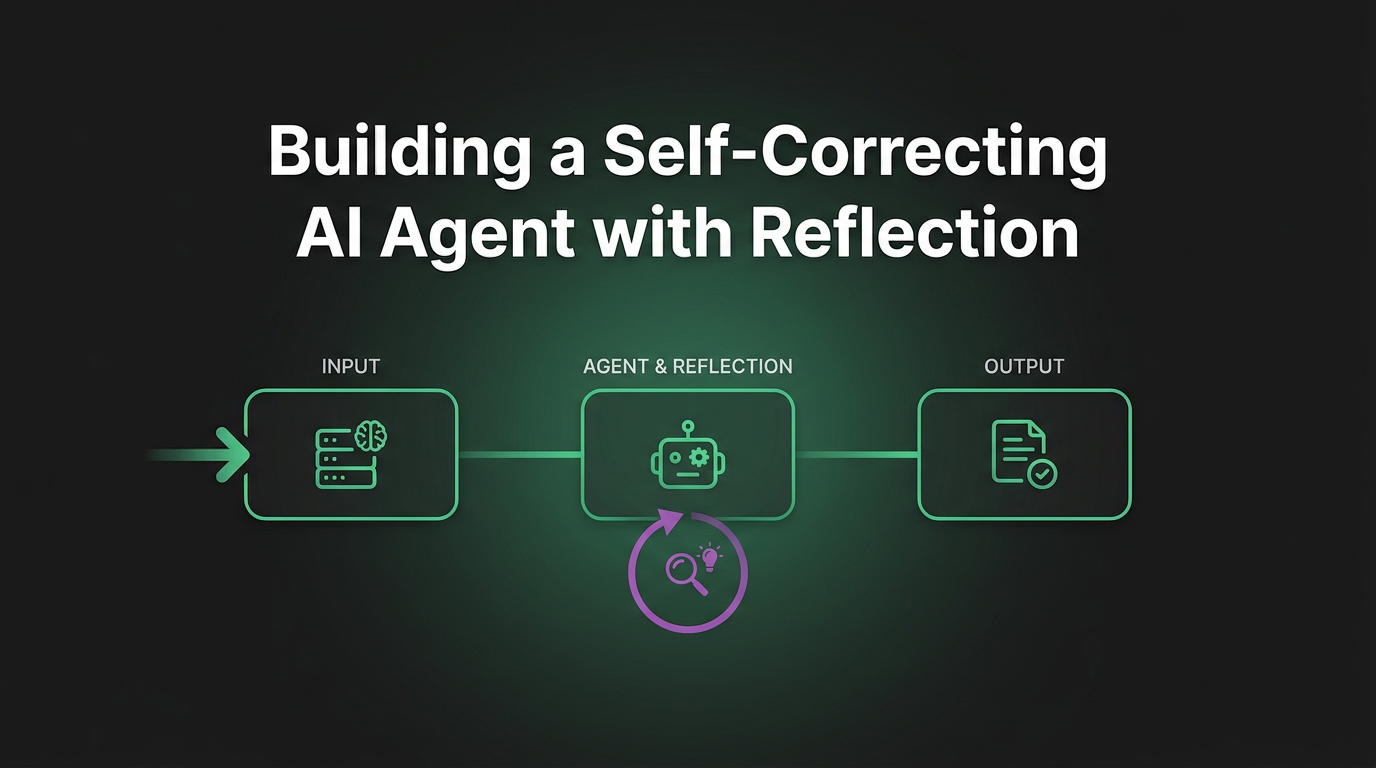
How to build a self-correcting AI agent using the reflection pattern and persistent memory. A runnable Python loop that critiques and fixes its own output.
A head-to-head comparison of AutoGen and CrewAI for multi-agent systems in 2026: architecture, developer experience, cost, and when to pick each.
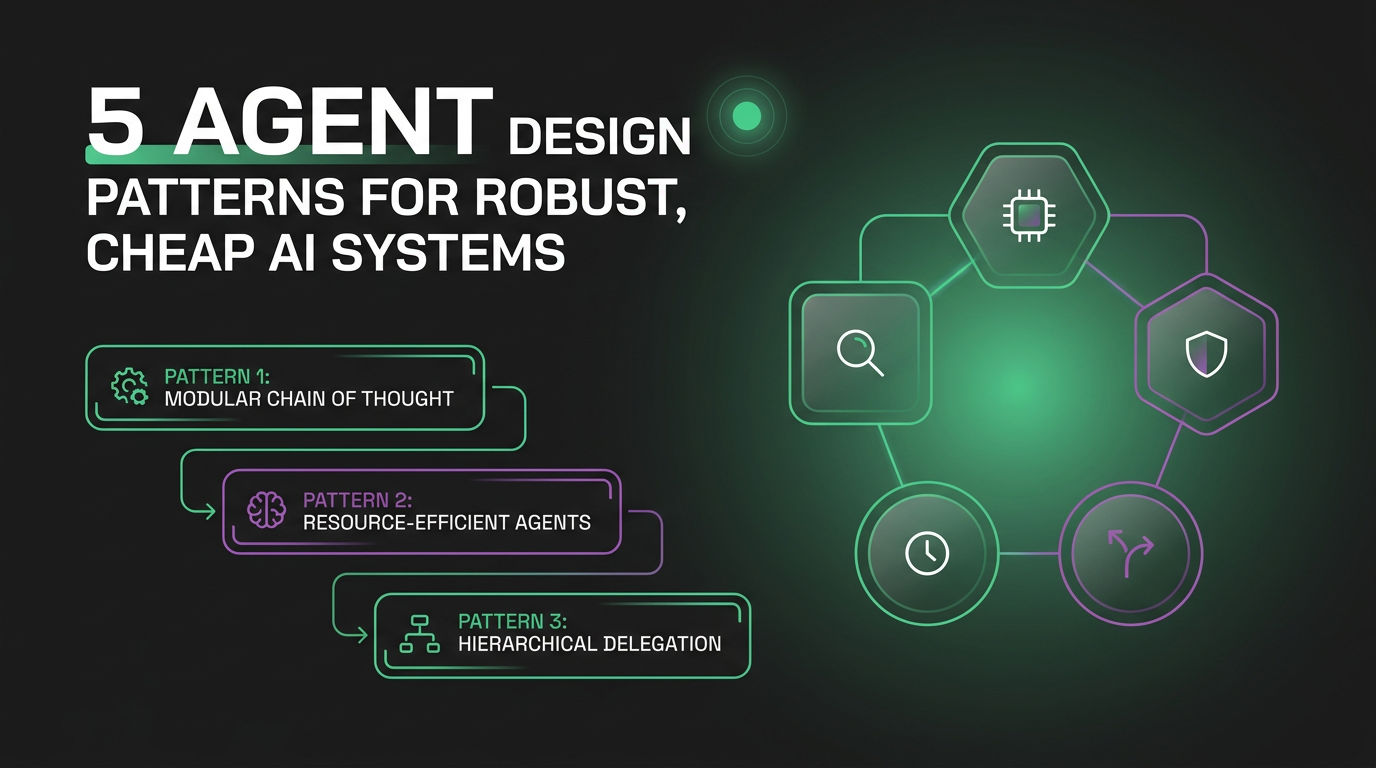
Five agent design patterns for reliable, low-cost AI systems: ReAct, Plan-and-Execute, Reflection, Router, and Tool-First, with trade-offs for each.