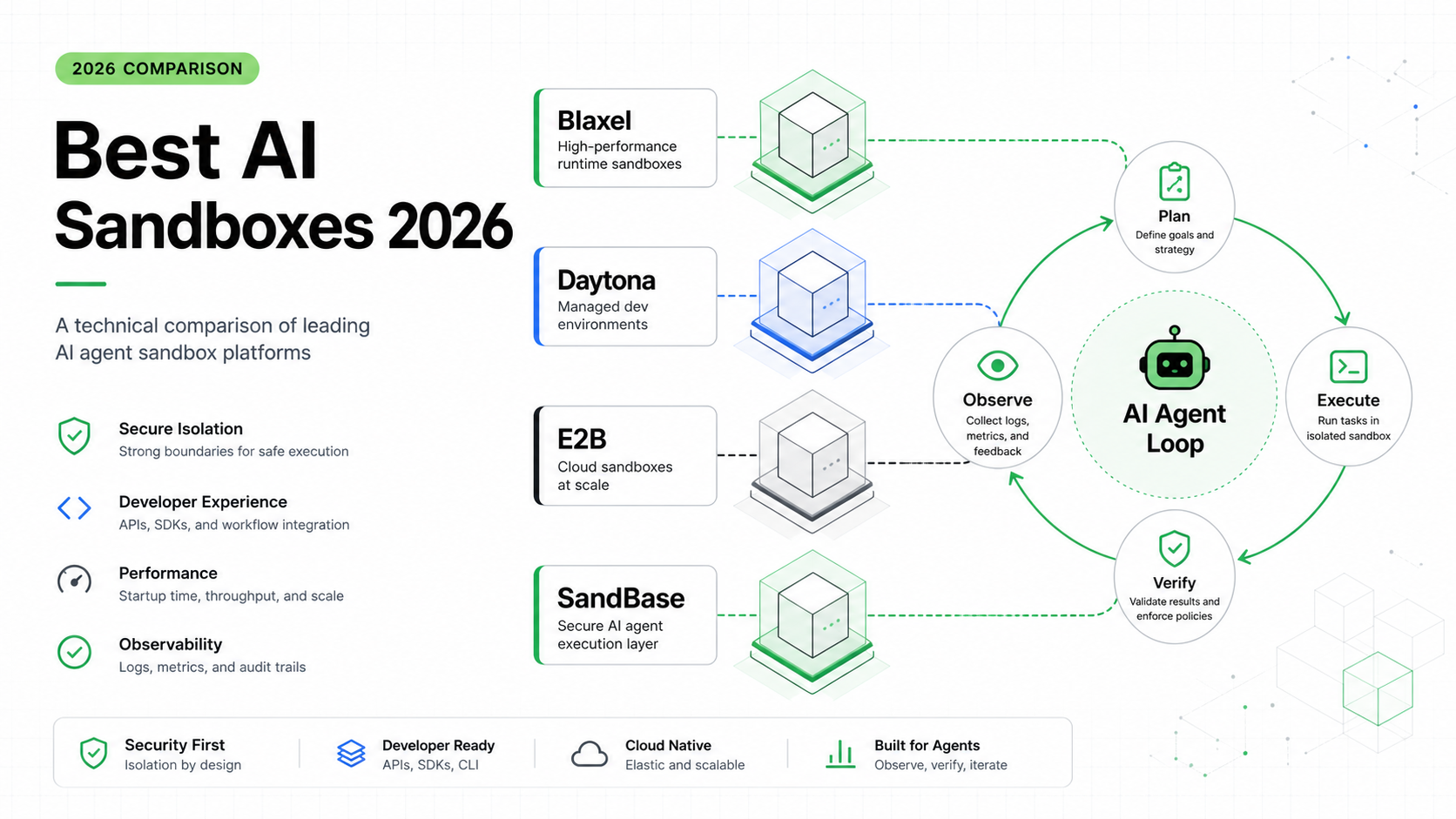
Best AI Sandboxes for Agents in 2026
Compare Blaxel, Daytona, E2B, and SandBase for AI agent sandboxing in 2026, from code execution to runtime policy.
Compare Blaxel, Daytona, E2B, and SandBase for AI agent sandboxing in 2026, from code execution to runtime policy.
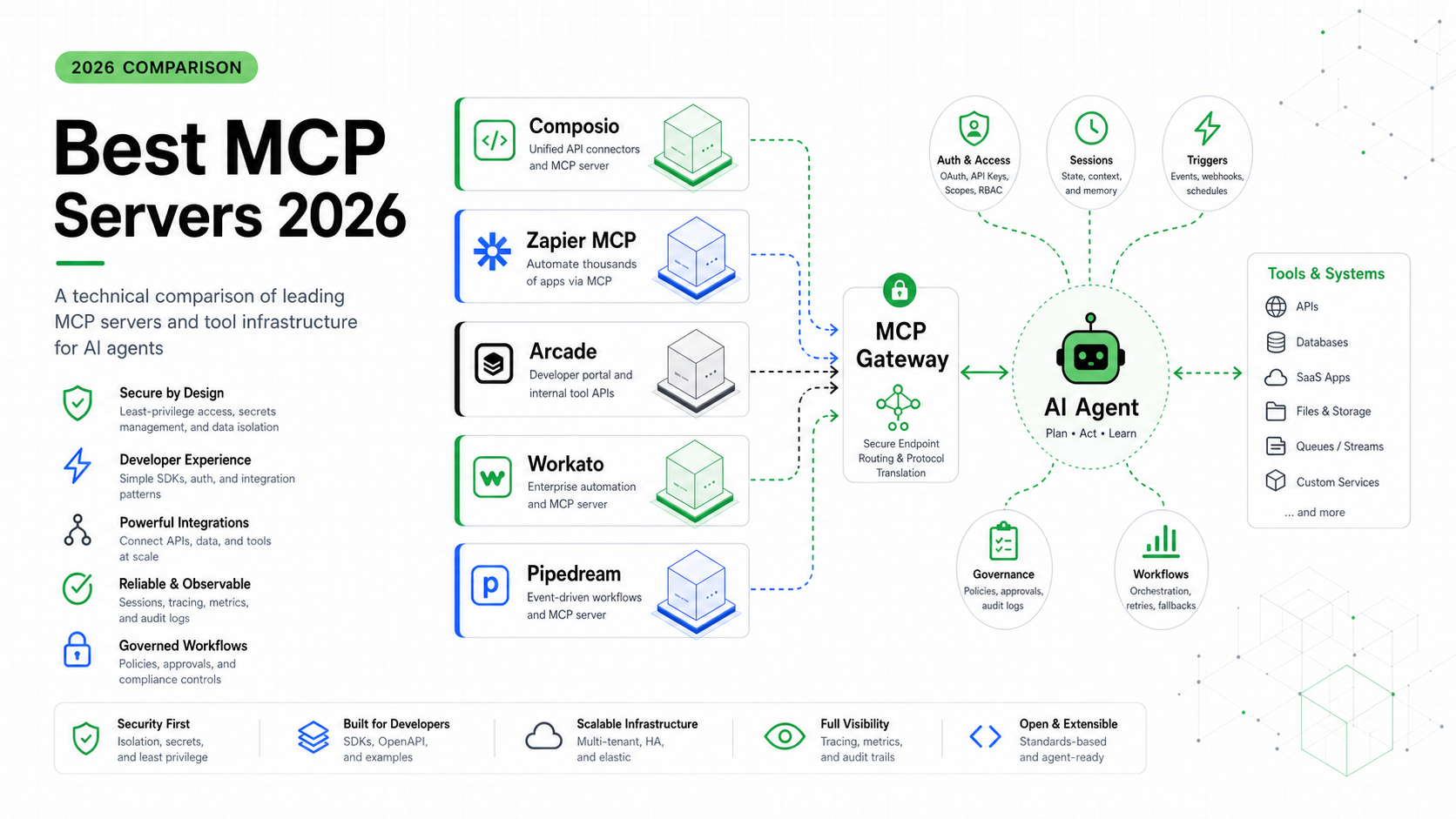
Compare the best MCP servers and tool infrastructure platforms for AI agents in 2026: Composio, Zapier MCP, Arcade, Workato, and Pipedream.
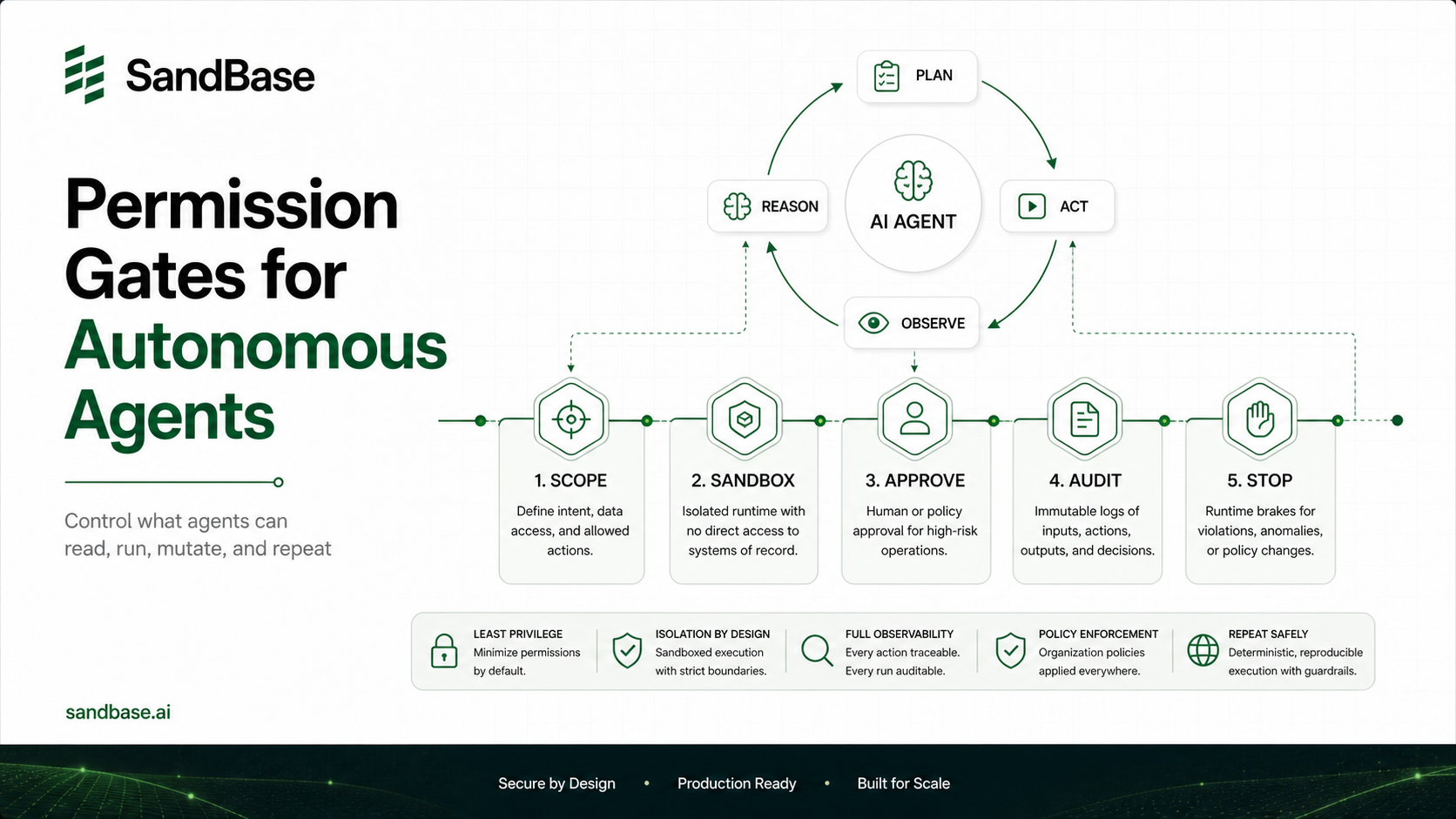
Pre-action authorization checks every AI agent tool call before it runs. Learn how to gate reads, writes, code execution, and loops.
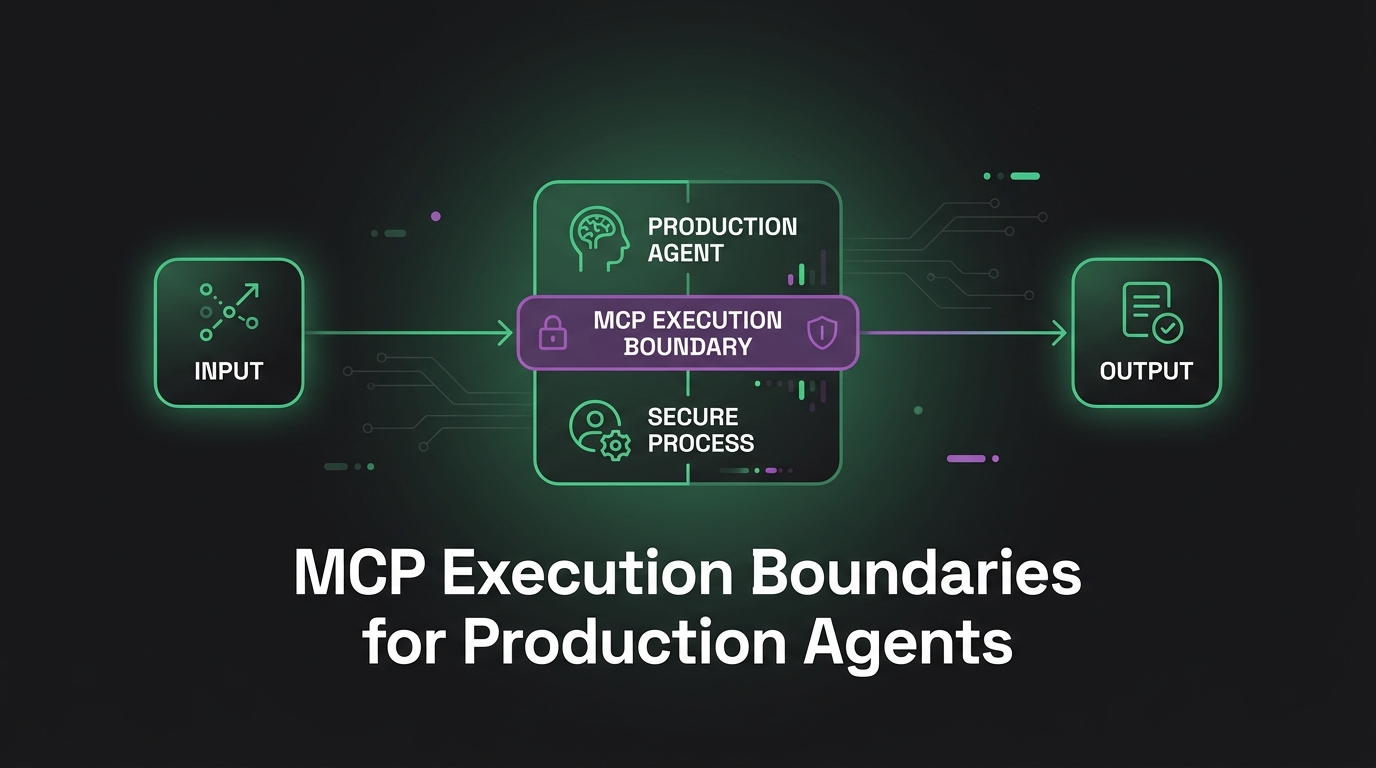
MCP execution boundaries help production AI agents use tools safely. Learn what to control after tools are connected and before loops run.
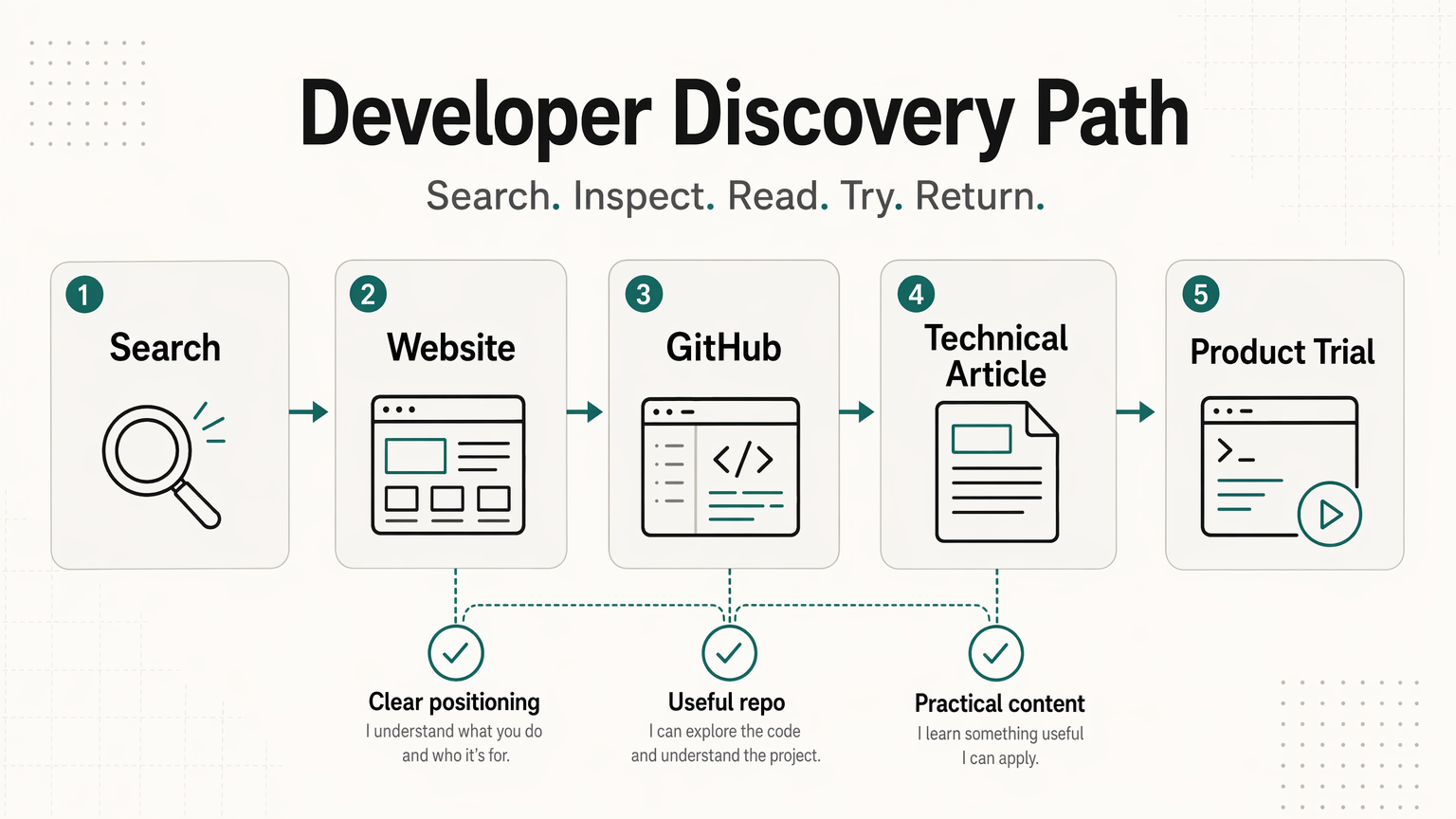
A short SandBase product update on agent-first messaging, model registry updates, runtime examples, status visibility, and open-source agent infrastructure assets.
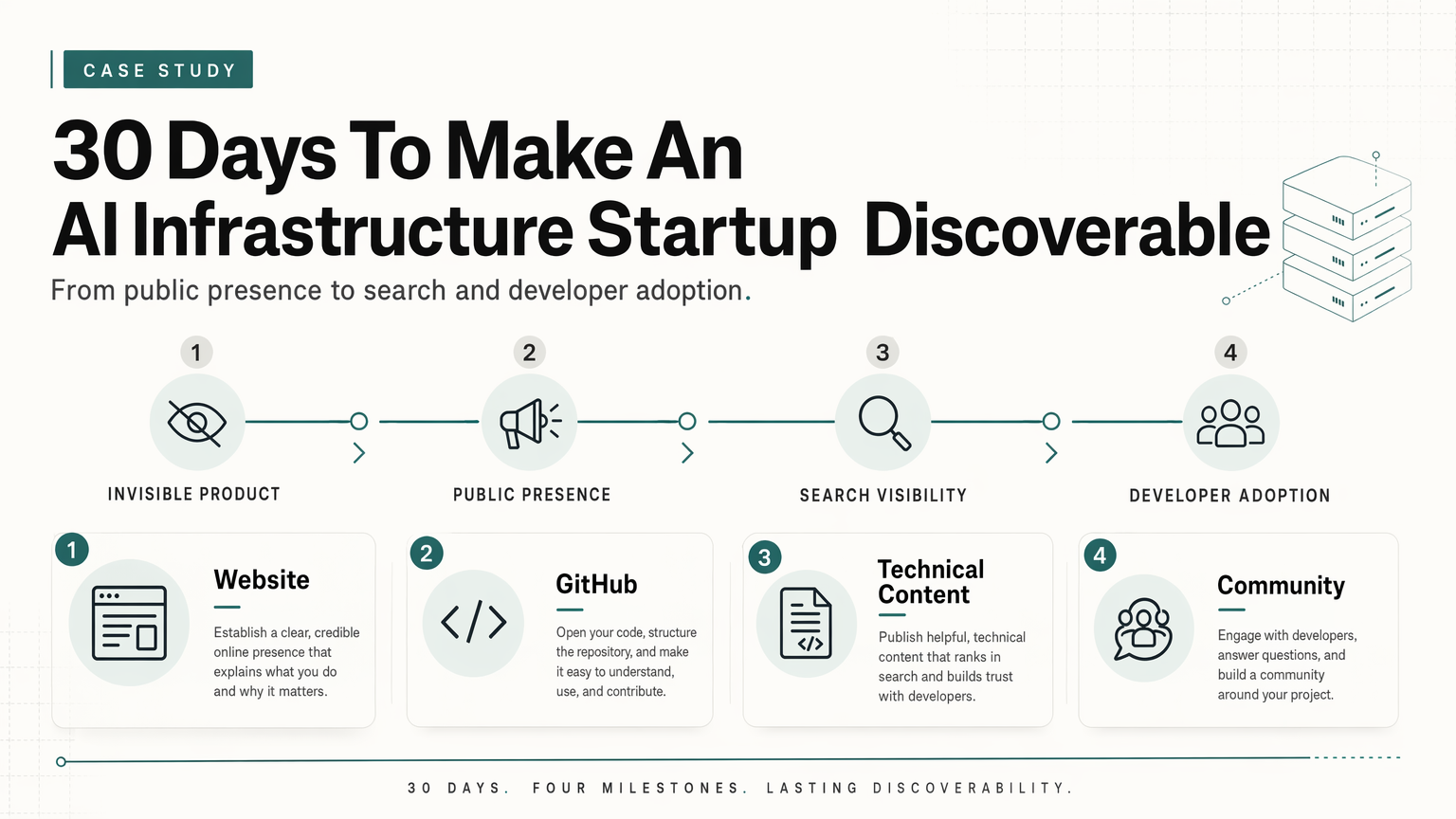
A practical recap of how SandBase used 30 days to build public presence, technical content, open-source assets, and the first search visibility baseline.
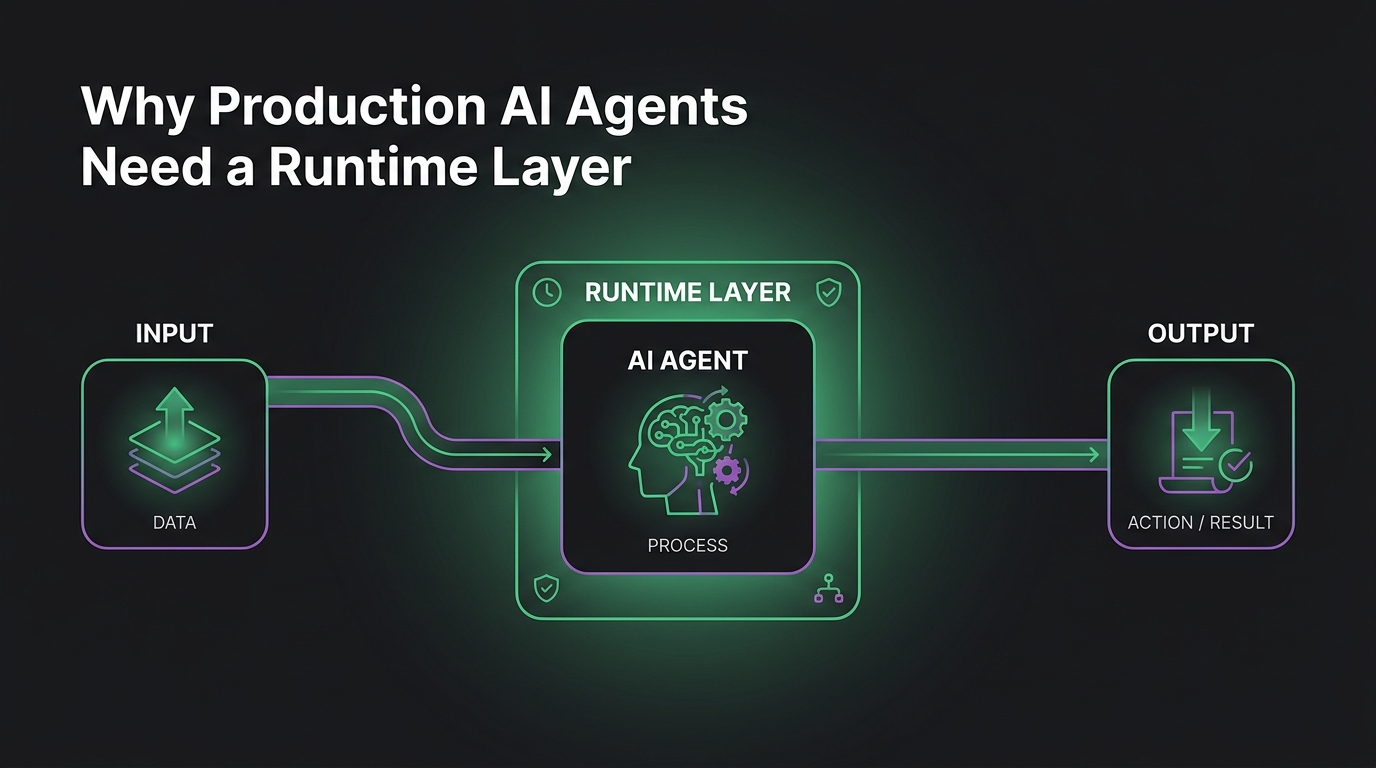
The agent runtime layer is the production infrastructure between your framework and model. Why it decides durability, isolation, and recovery.
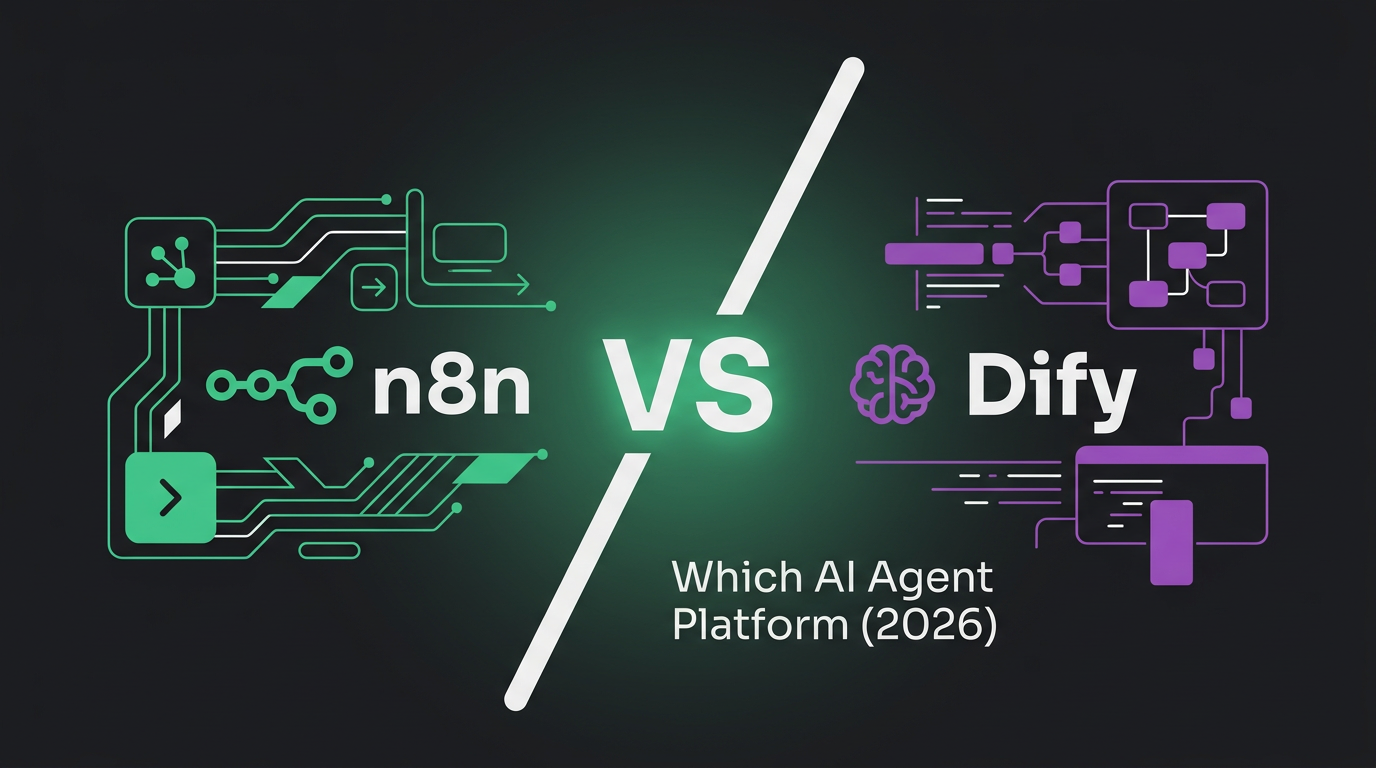
n8n vs Dify compared for 2026: automation-first platform with AI vs AI-first agent platform. Which to choose for building agents and workflows.
LiteLLM vs OpenRouter compared for 2026: self-hosted open-source gateway vs managed routing marketplace. Which model gateway fits your agent stack.
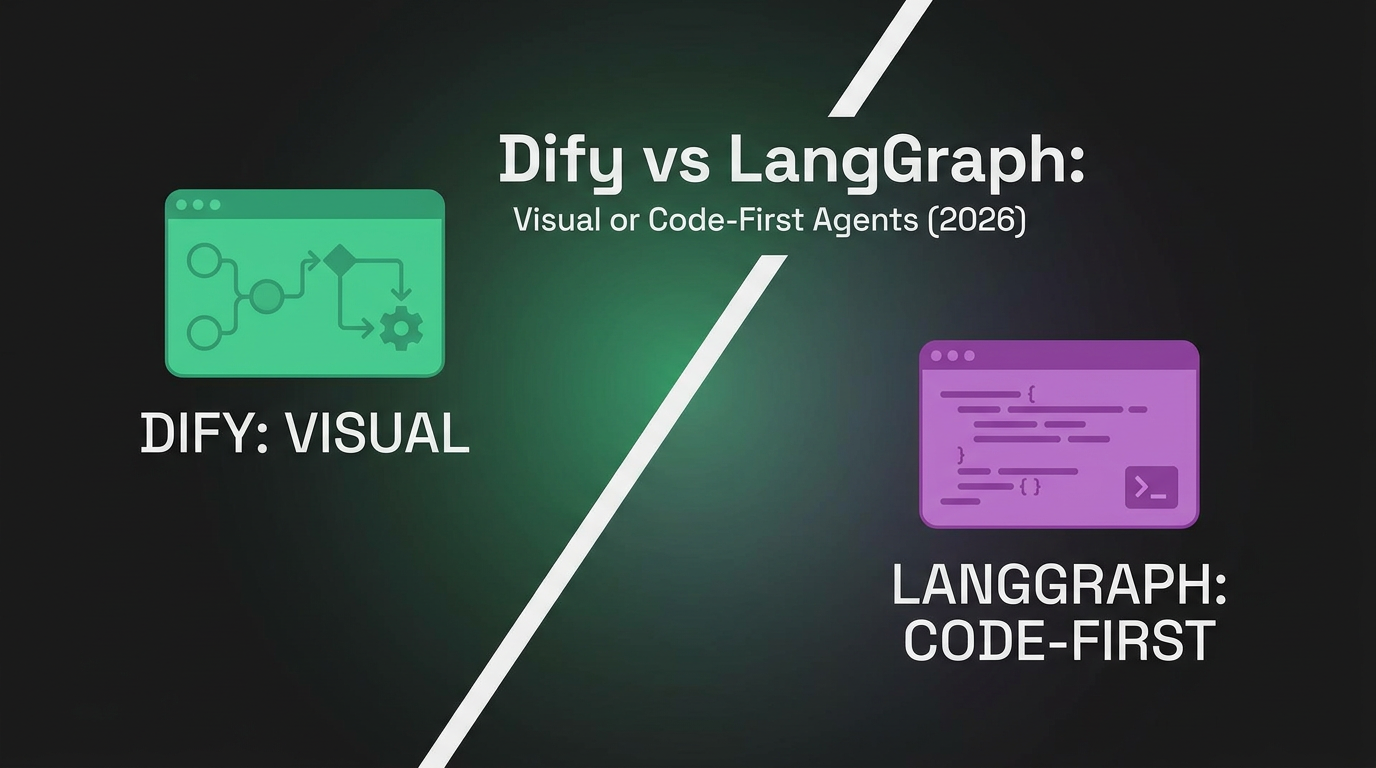
Dify vs LangGraph compared for 2026: visual workflow builder vs code-first graph orchestration. Which agent framework fits your team and use case.
vLLM vs SGLang compared for agent workloads in 2026: throughput, latency, prefix reuse, and which inference engine to run for which use case.
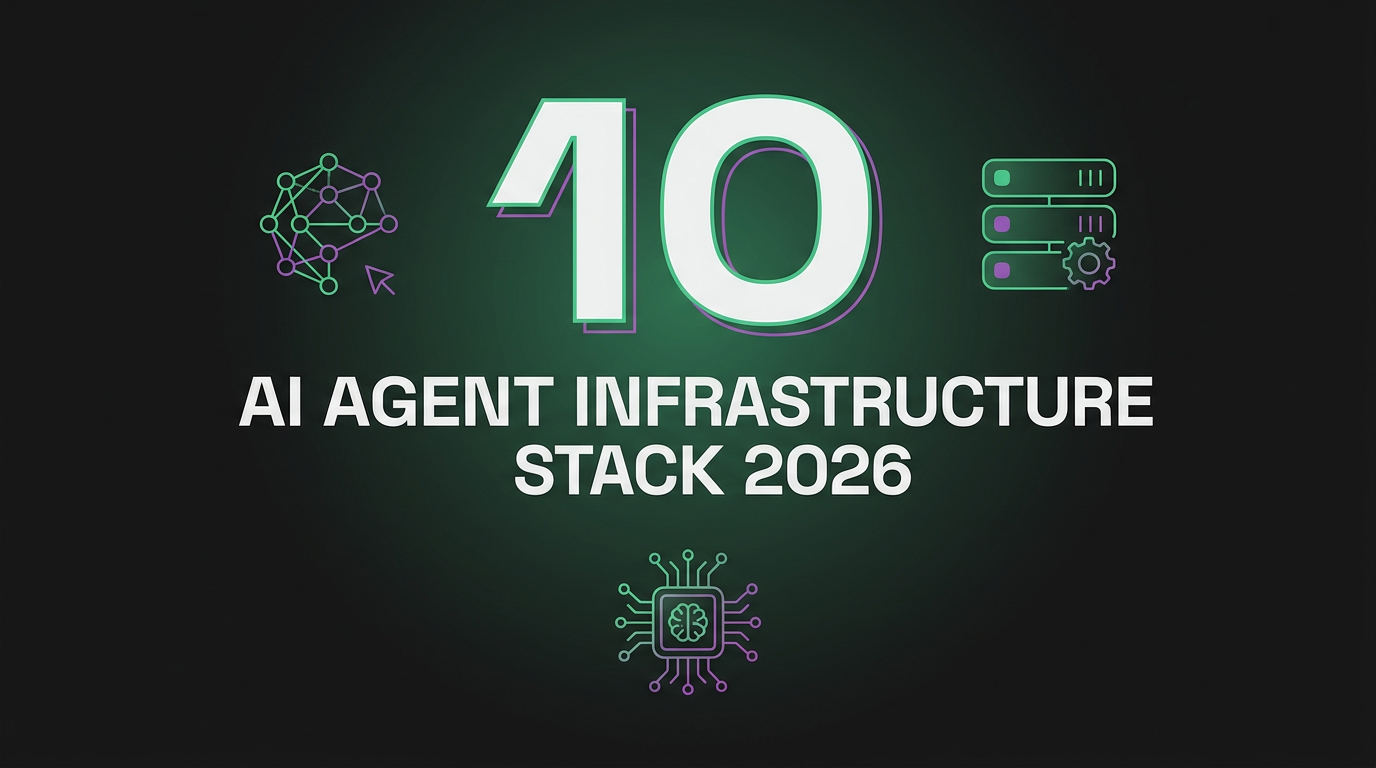
A map of the 2026 AI agent infrastructure stack: inference engines, model gateways, agent frameworks, and dev environments, with the right tool for each layer.
What Coder is, how it provides governed cloud workspaces for developers and AI agents, and why enterprise agents need this layer.
What DeerFlow is, how ByteDance built an open-source SuperAgent harness for multi-hour tasks, and what 'harness' means for agent infrastructure in 2026.
What Dify is, how its visual workflow builder works for agent development, and where it fits in the agentic AI stack in 2026.
What LangChain and LangGraph are in 2026, how LangGraph's graph-based agent orchestration works, and when to use them vs newer alternatives.
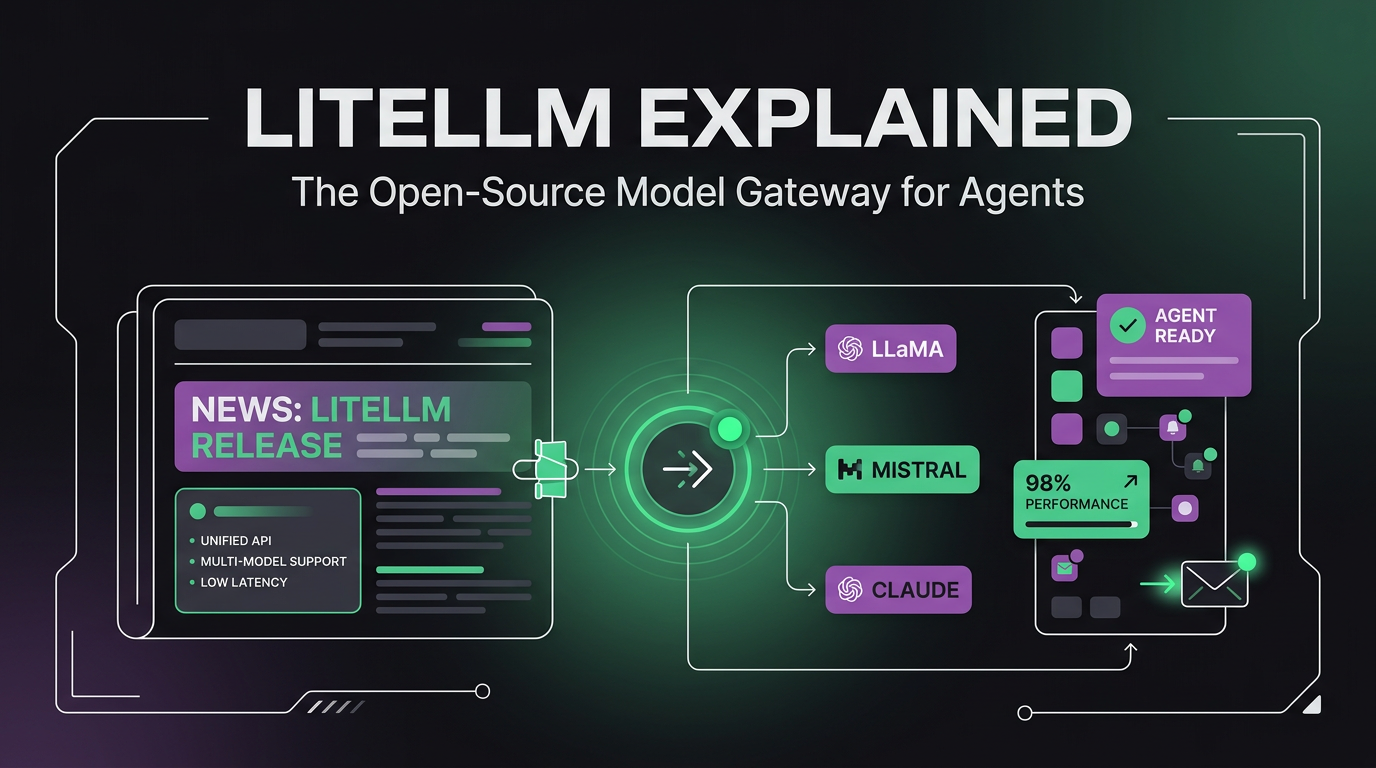
How LiteLLM works as an open-source proxy for 100+ LLM providers, with routing, cost tracking, and failover for agent stacks in 2026.
What Mastra is, how the Gatsby team built a TypeScript-native agent framework, and why it matters for JS/TS developers building agents in 2026.
What n8n is, how its 70+ AI nodes enable agent workflows, and when to choose it over Dify or code-first approaches for building AI automation in 2026.
How SGLang works, why RadixAttention gives agents faster prefix reuse, and when to choose it over vLLM for production inference in 2026.
How vLLM works under the hood, why PagedAttention matters for agent workloads, and where it fits in a production agent infrastructure stack in 2026.
What Warp 2.0 is, how it evolved from AI terminal to agentic development environment, and why it matters for developers working with coding agents in 2026.
Claude Opus 4.7 for AI agents in 2026: SWE-bench numbers, where it wins on coding tasks, what it costs, and when to reach for a cheaper model.
DeepSeek V4 ships a 1M-token context window under MIT at a fraction of frontier pricing. When the huge context earns its keep for agents, and when it's a trap.
Google's Gemini 3.5 Flash trades a little reasoning depth for big wins in speed and cost. Where a fast model is right for agents, and where it hurts.
Zhipu's GLM-5.1 took the top SWE-bench Pro spot among open-weight models in 2026. What the benchmark measures, where it fits, and how to use it.
Moonshot's Kimi K2.6 is a 1T-parameter open-weight MoE model for agents. What it's good at, where the params help, and how to wire it into a loop.
A head-to-head guide to open-weight LLMs for agents in 2026: Kimi K2.6, DeepSeek V4, GLM-5.1, Qwen 3.6. Which to pick for tool-use, context, or cost.
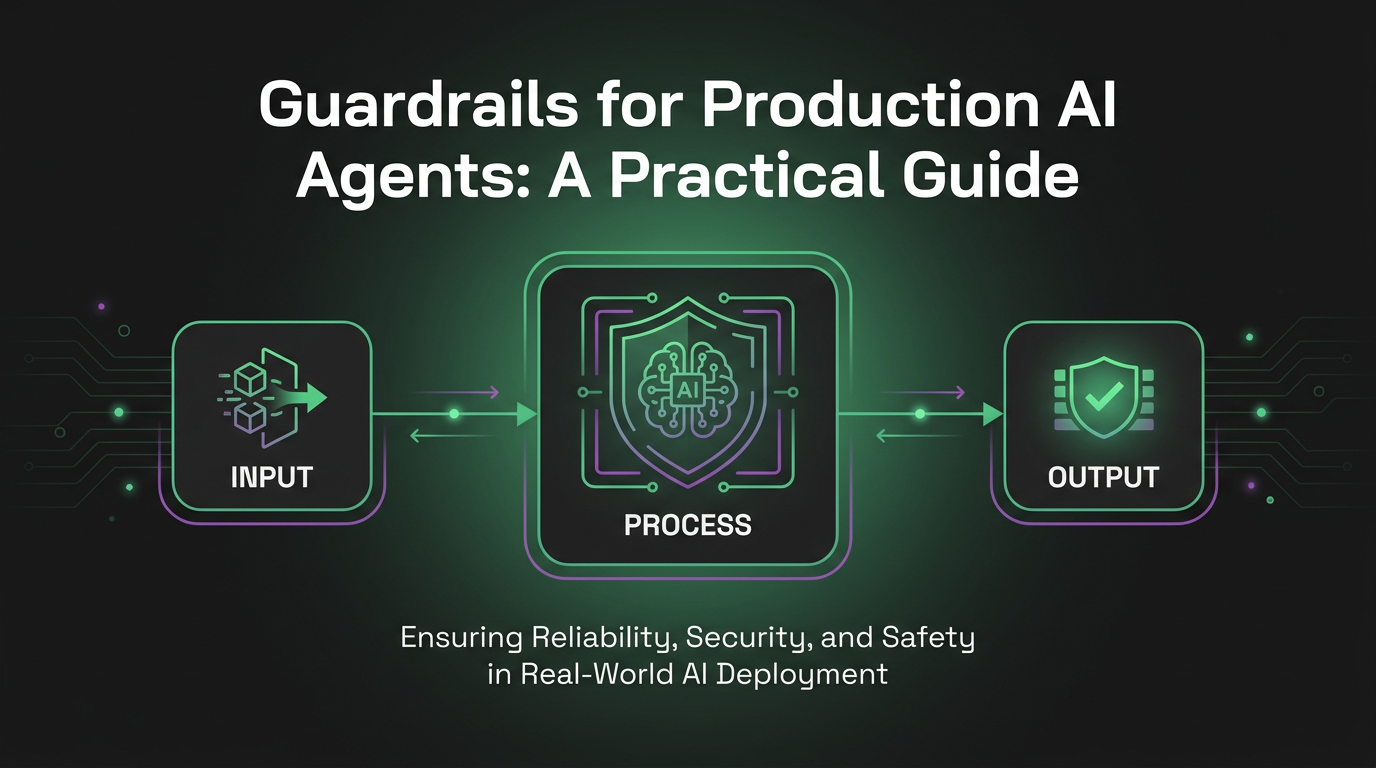
Real guardrails for AI agents in production: input validation, action allow-lists, sandboxing, cost ceilings, and human-in-the-loop. Patterns you can ship.
Qwen 3.6 is Alibaba's open-source LLM that punches above its size on SWE-bench. Why a smaller, efficient model is often the smarter agent default.
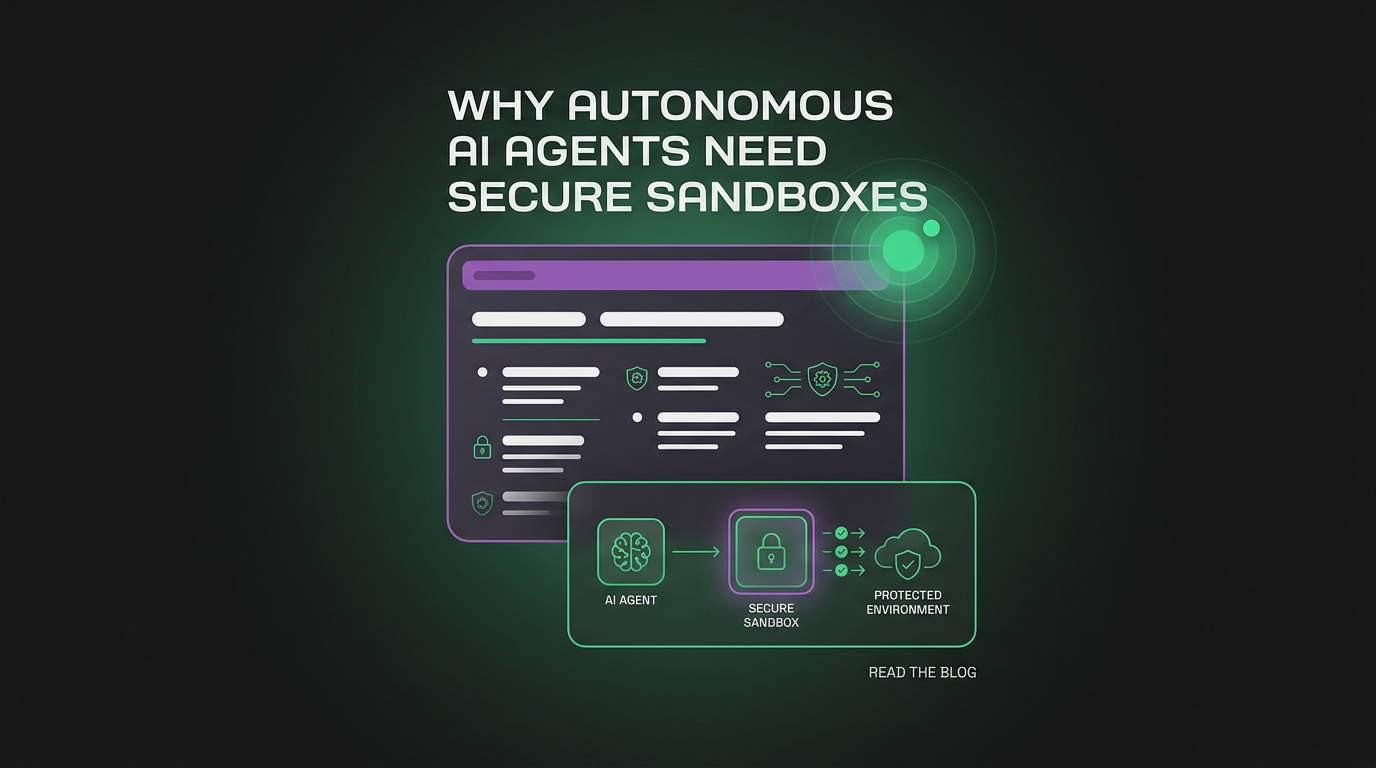
Autonomous AI agents that run code and shell commands need isolation. Why sandboxes are non-negotiable in production, the isolation levels, and how to choose.
A comparison of AI sandboxes for agent development in 2026: E2B, Modal, Daytona, and self-hosted options. Cold-start latency, isolation, and pricing.
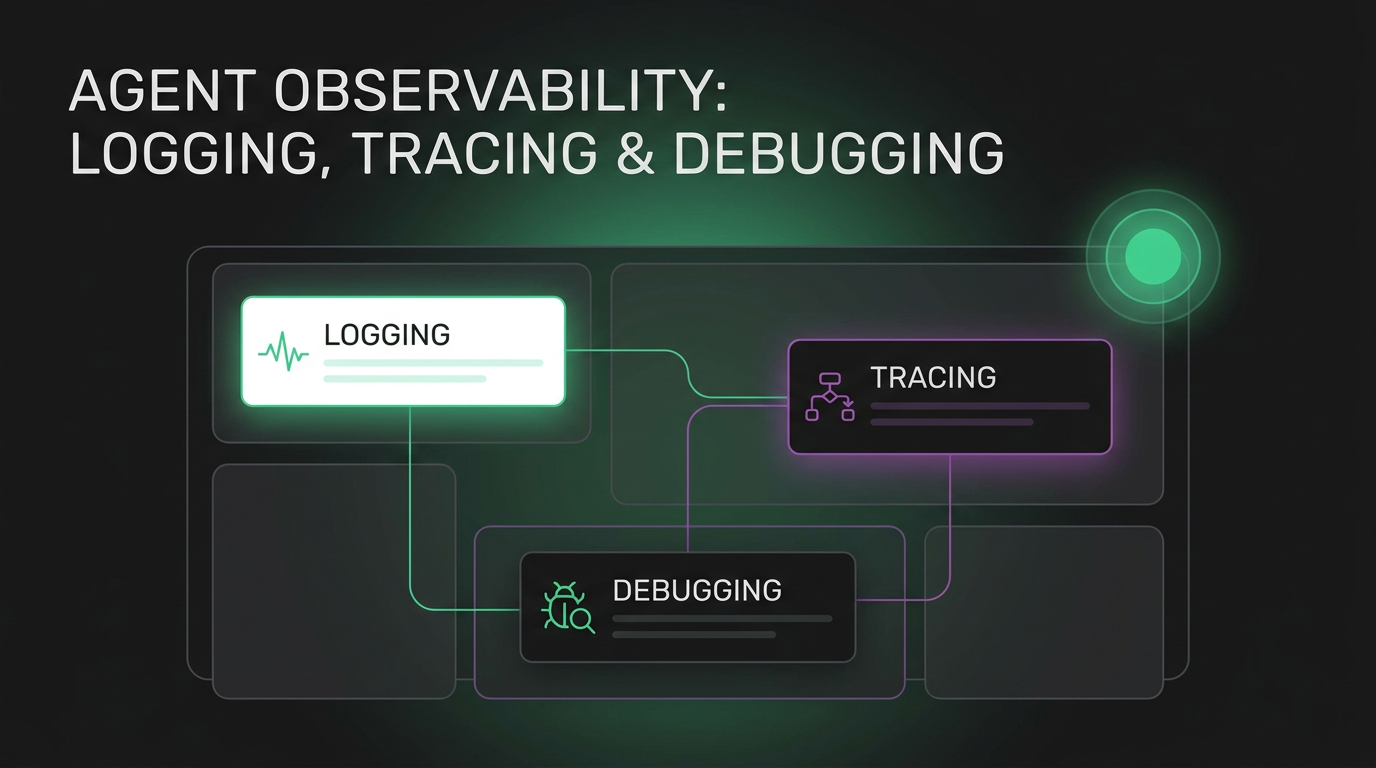
How to debug AI agents in production with structured logging, distributed tracing, and span-level cost tracking. What to capture and what to ignore.
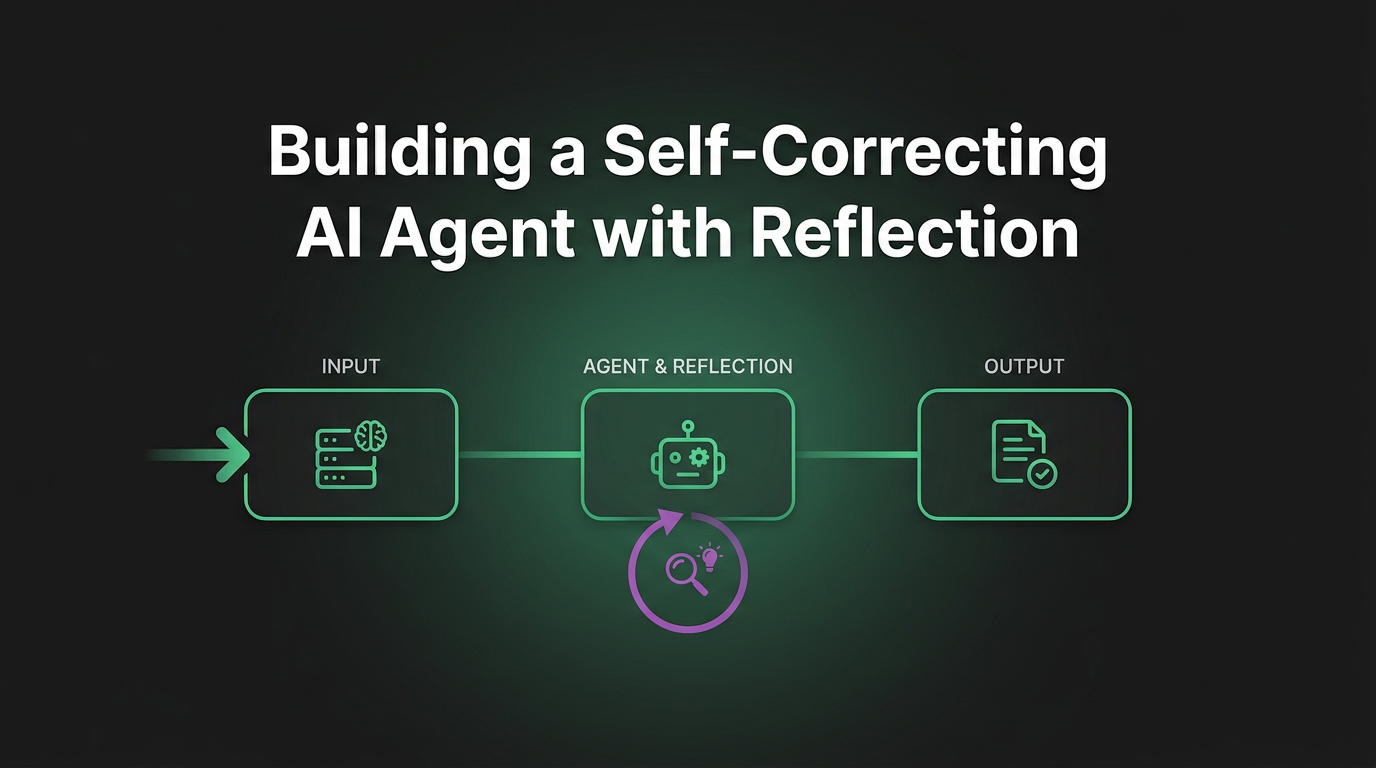
How to build a self-correcting AI agent using the reflection pattern and persistent memory. A runnable Python loop that critiques and fixes its own output.
A head-to-head comparison of AutoGen and CrewAI for multi-agent systems in 2026: architecture, developer experience, cost, and when to pick each.
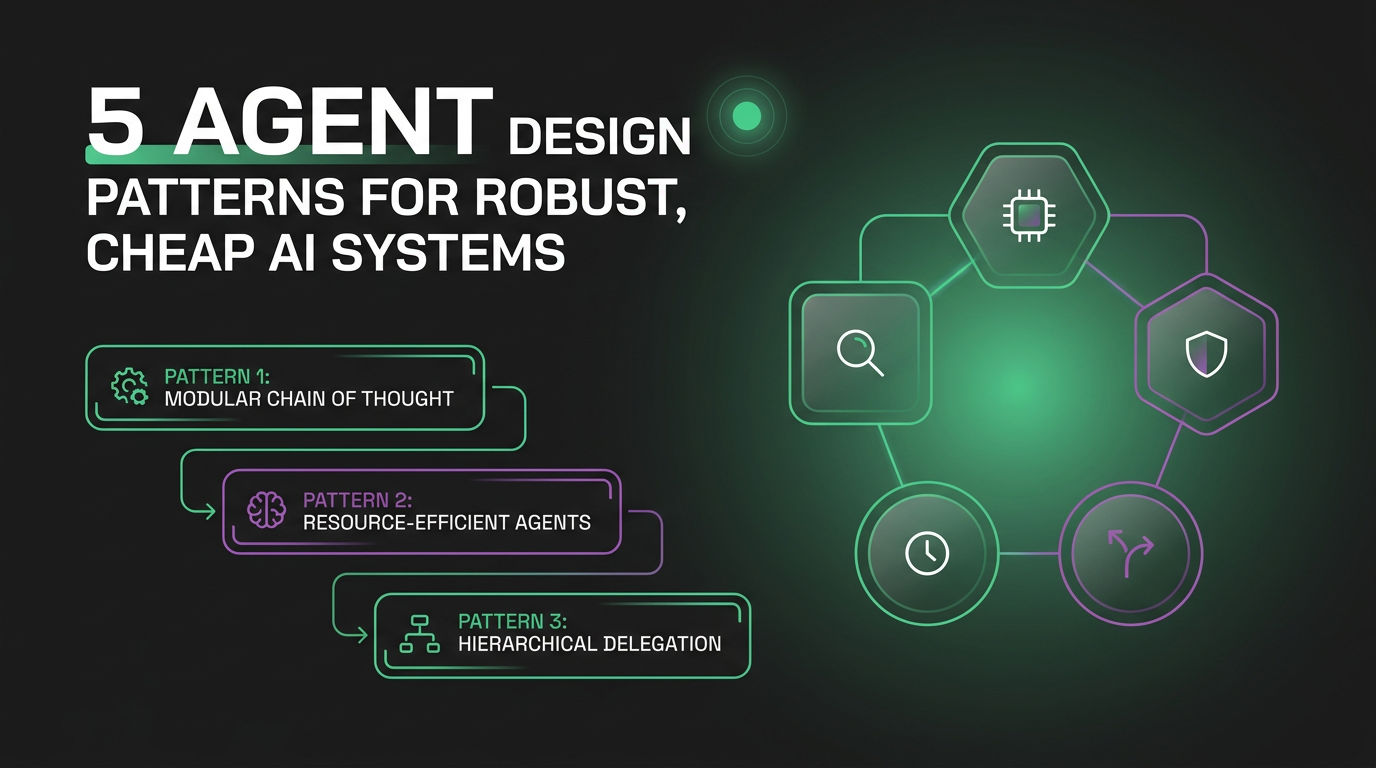
Five agent design patterns for reliable, low-cost AI systems: ReAct, Plan-and-Execute, Reflection, Router, and Tool-First, with trade-offs for each.
Claude Sonnet 4 vs GPT-4o for AI agents: tool-calling reliability, long-context behavior, cost, and latency. Which model to pick for which agent.
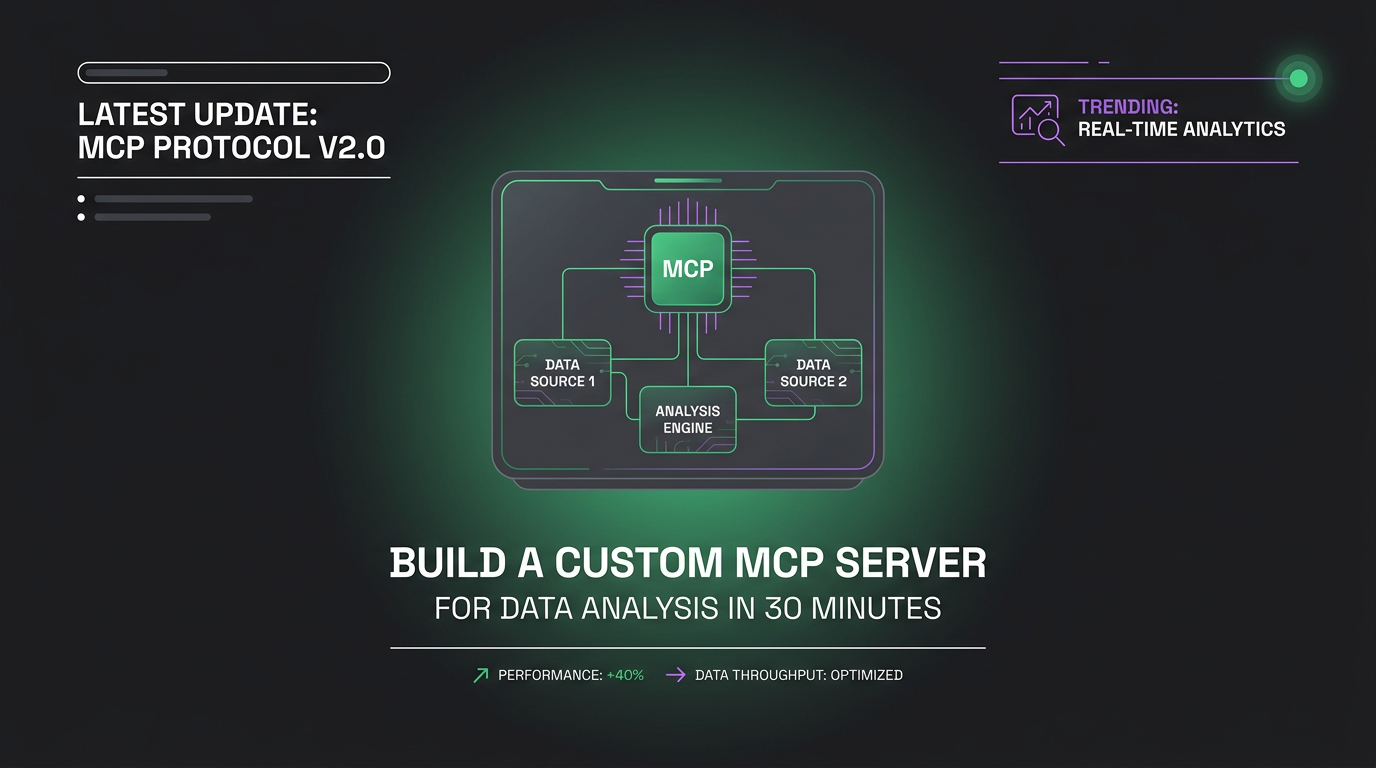
Build a custom MCP server that lets any AI agent run data analysis on your CSVs and databases. A complete, runnable TypeScript walkthrough.
A teardown of how OpenHands, the open-source AI coding agent, plans, edits files, and runs code in a sandbox: the event-stream and action-observation loop.
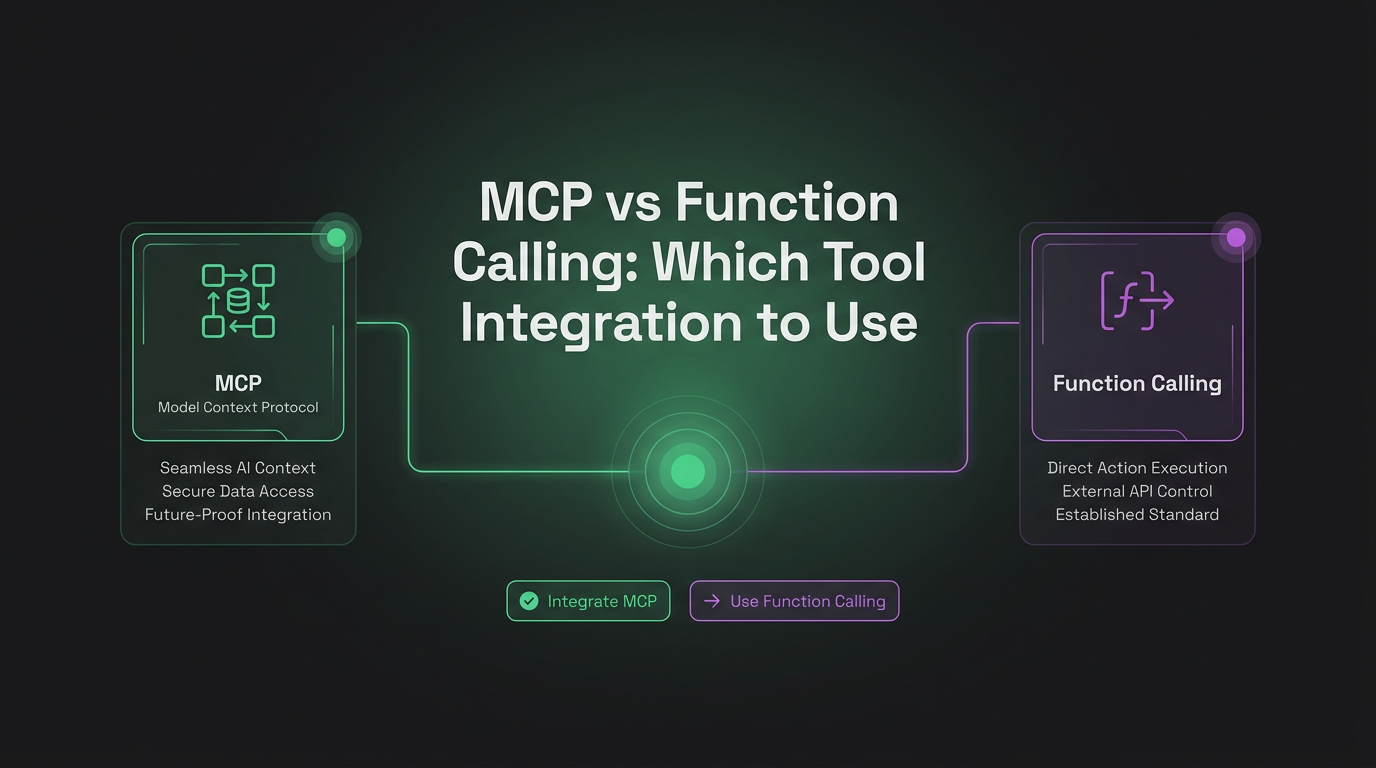
MCP vs function calling for AI agents: they solve different layers of the same problem. When to use each, how they compose, and the token-cost trade-off.
A ranked, opinionated guide to the 10 best open-source AI agent frameworks in 2026, with honest trade-offs, ideal use cases, and what each one gets wrong.
Claude Code vs Codex vs OpenClaw compared for 2026: codebase understanding, SWE-bench scores, terminal workflow, and which terminal coding agent fits your work.
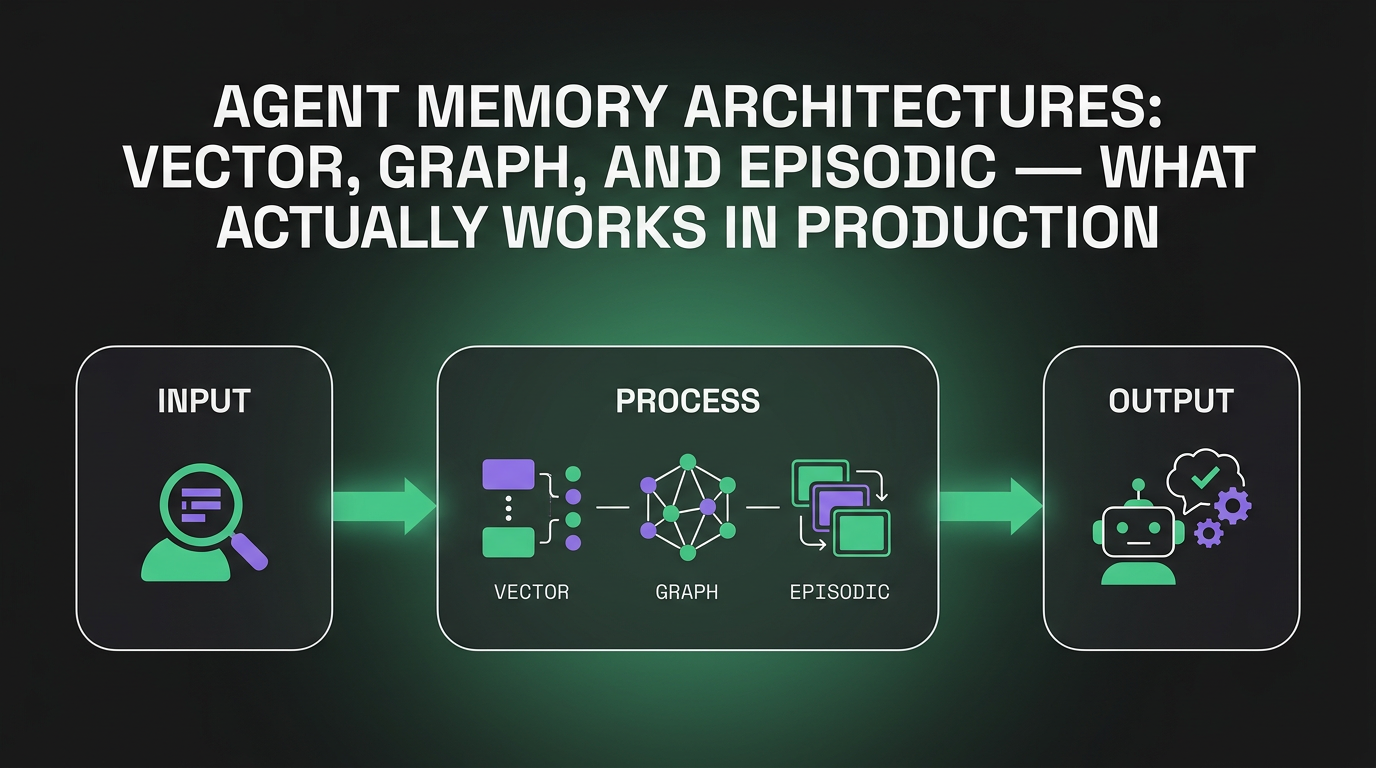
Compare the three agent memory architectures in 2026 — vector recall, knowledge graphs, and episodic buffers — with real latency numbers, failure modes, and a decision guide.
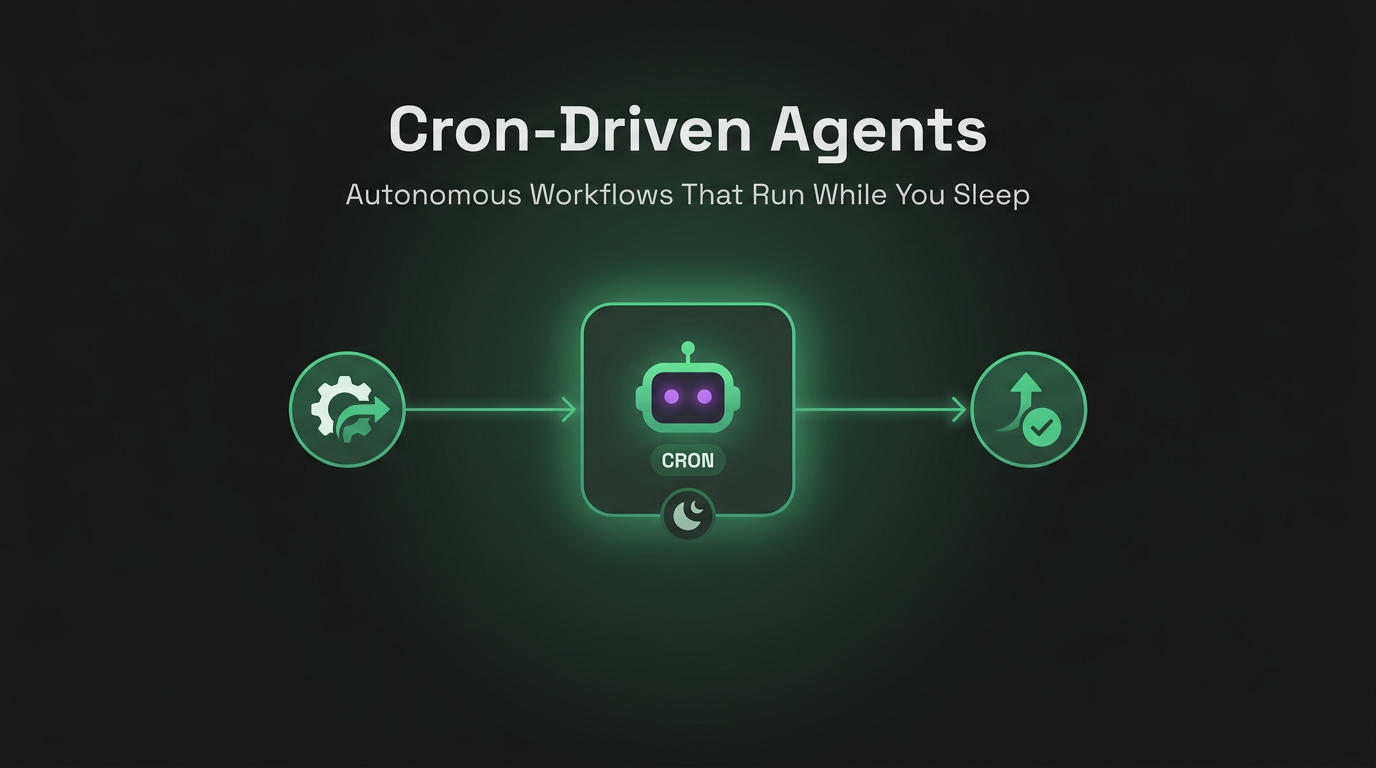
How to build cron-driven AI agents that run autonomously on a schedule in 2026: the architecture, idempotency and failure handling, and the cost traps of always-on automation.
Deep comparison of Hermes Agent and OpenClaw, the two fastest-growing open-source AI agent frameworks of 2026, covering architecture, memory, extensibility, and best use cases.
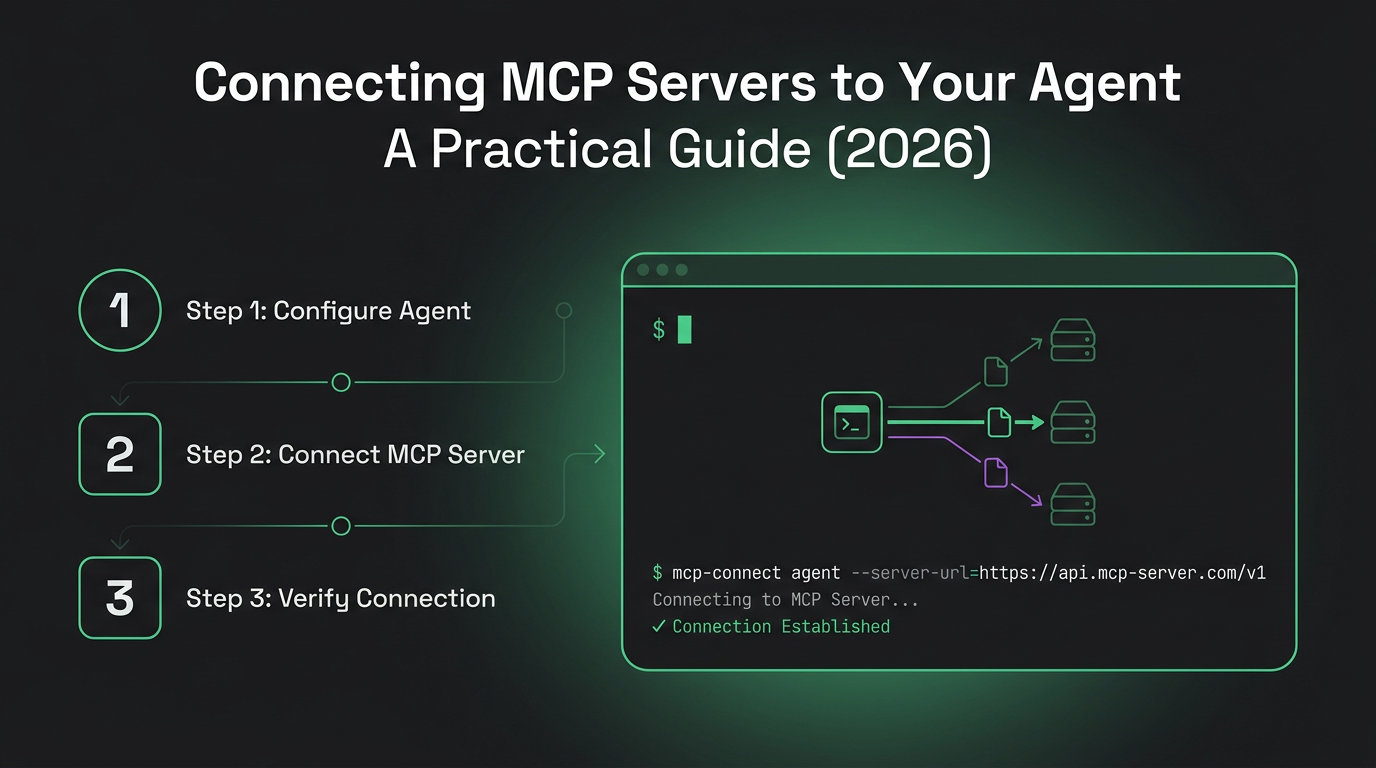
A practical guide to connecting MCP servers to your AI agent in 2026: transports, the connection lifecycle, real config, and the schema-bloat gotcha that costs you tokens.
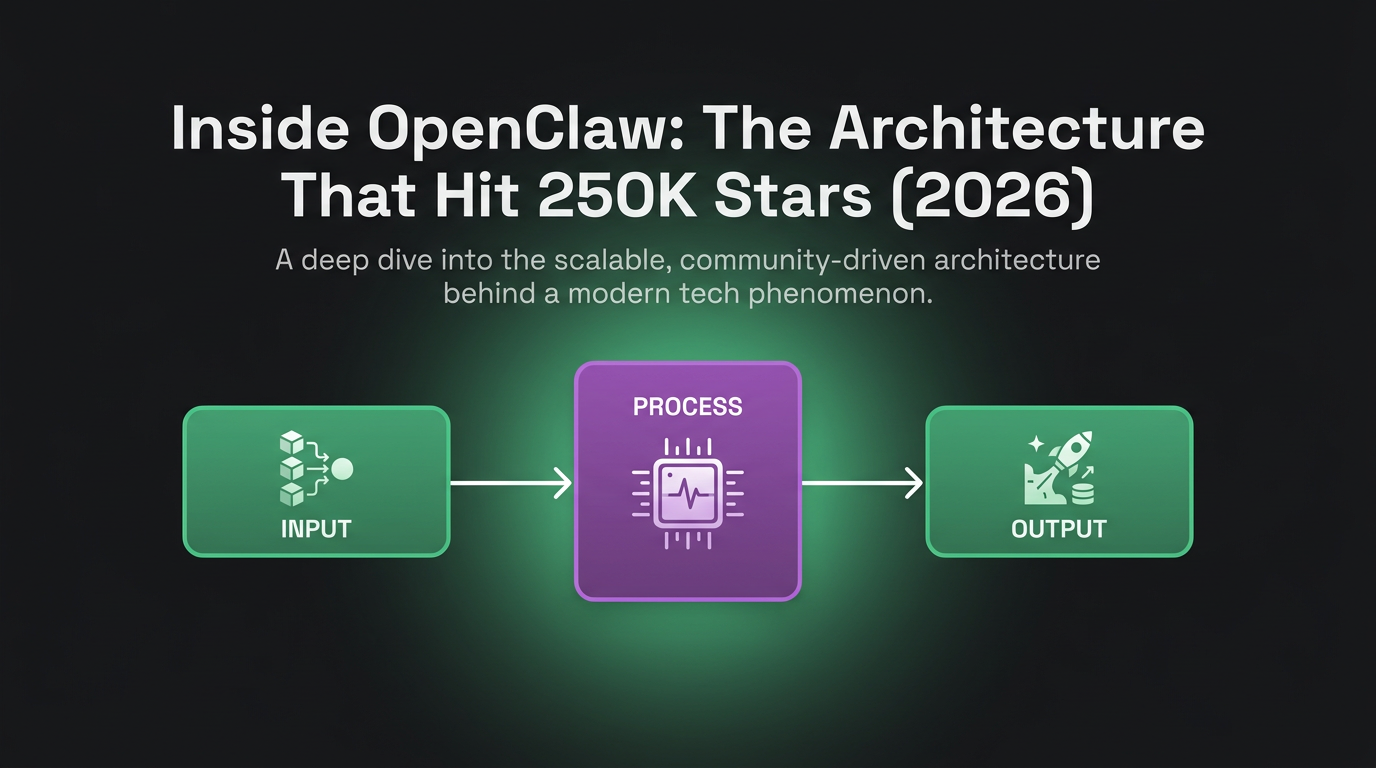
An architecture teardown of OpenClaw: the three-layer pipeline, the seven-stage agentic loop, and why a self-hosted chat gateway became one of the fastest-growing repos ever.
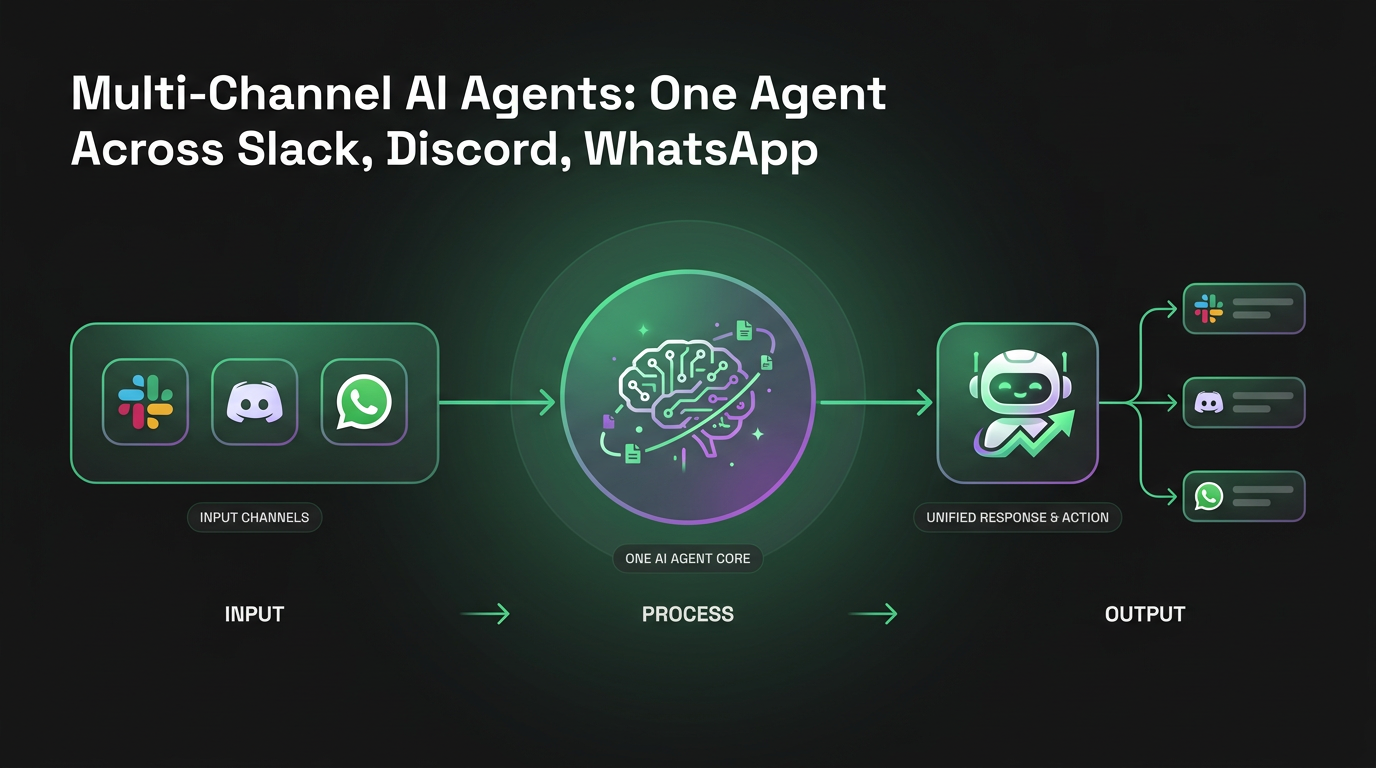
How to run one AI agent across Slack, Discord, and WhatsApp in 2026: the gateway pattern, session identity, per-channel quirks, and the state-sync problems nobody warns you about.
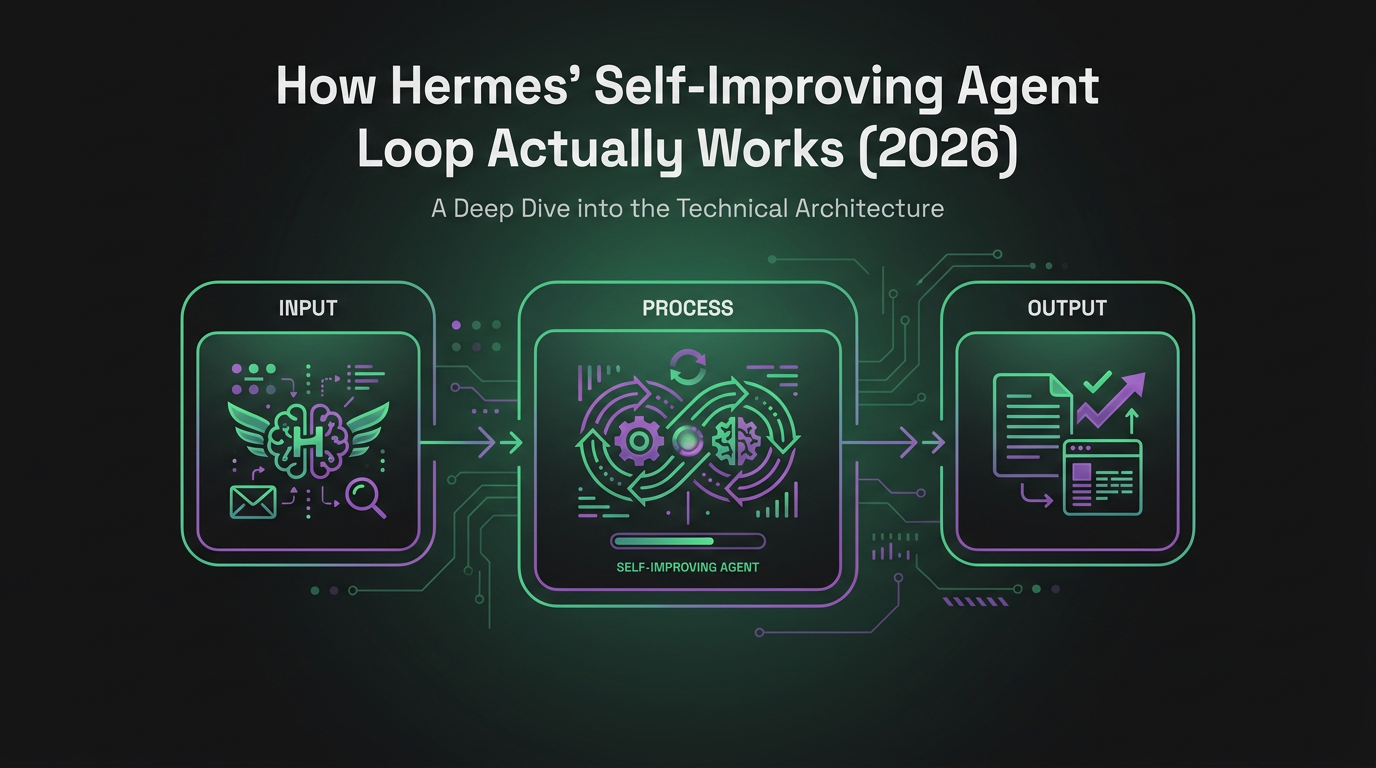
How Hermes Agent's self-improving loop works in 2026: the skill-generation mechanism, what it actually persists, and where the 40% task-time gains come from.