
Education
Explain knowledge, history and scientific mechanisms.
Explore Education ↗Build illustrated explanations and learning materials that make each step easier to follow.
Esplora gli Skills ↓
Explain science through visible causes, transformations and results.
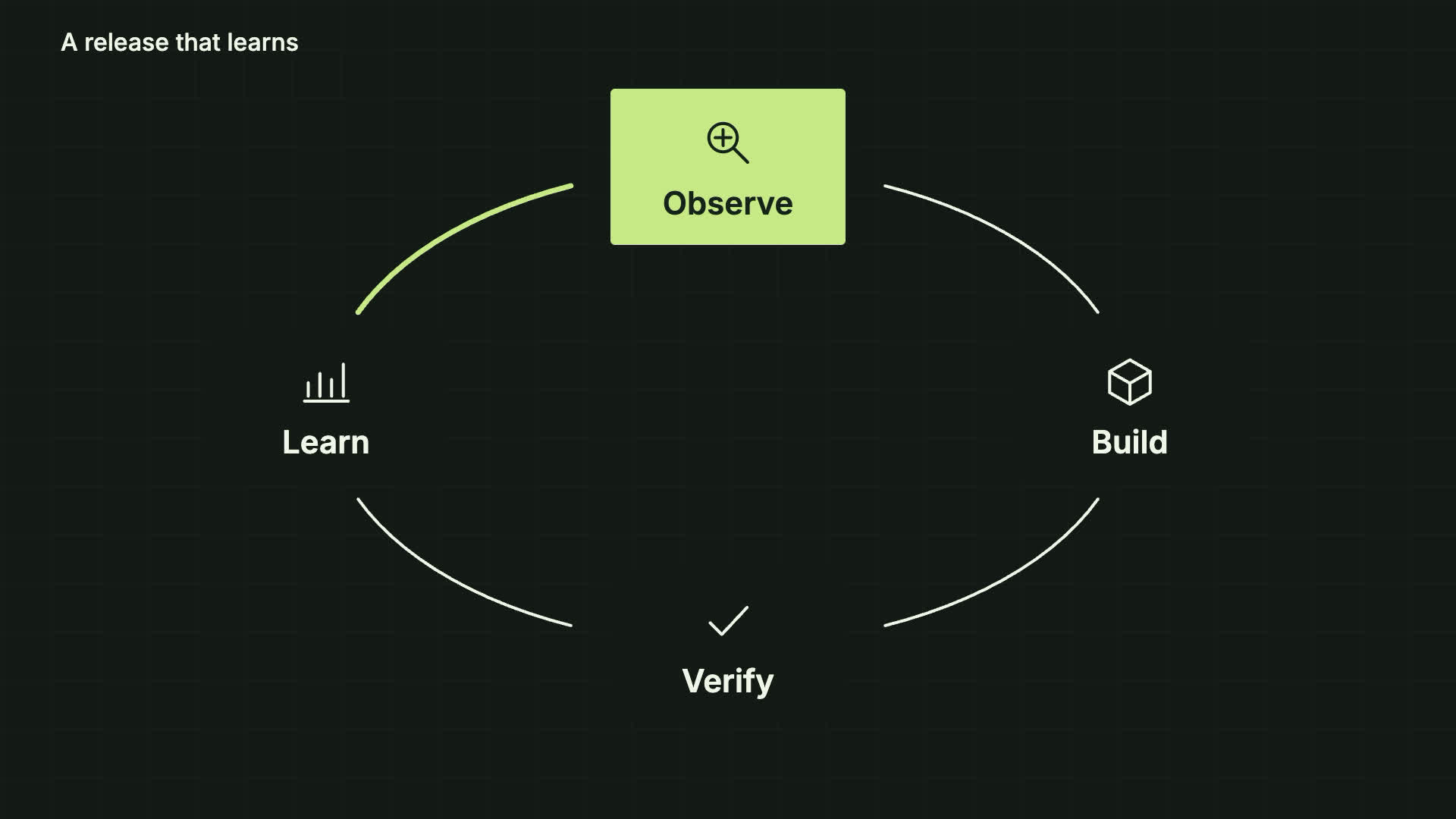
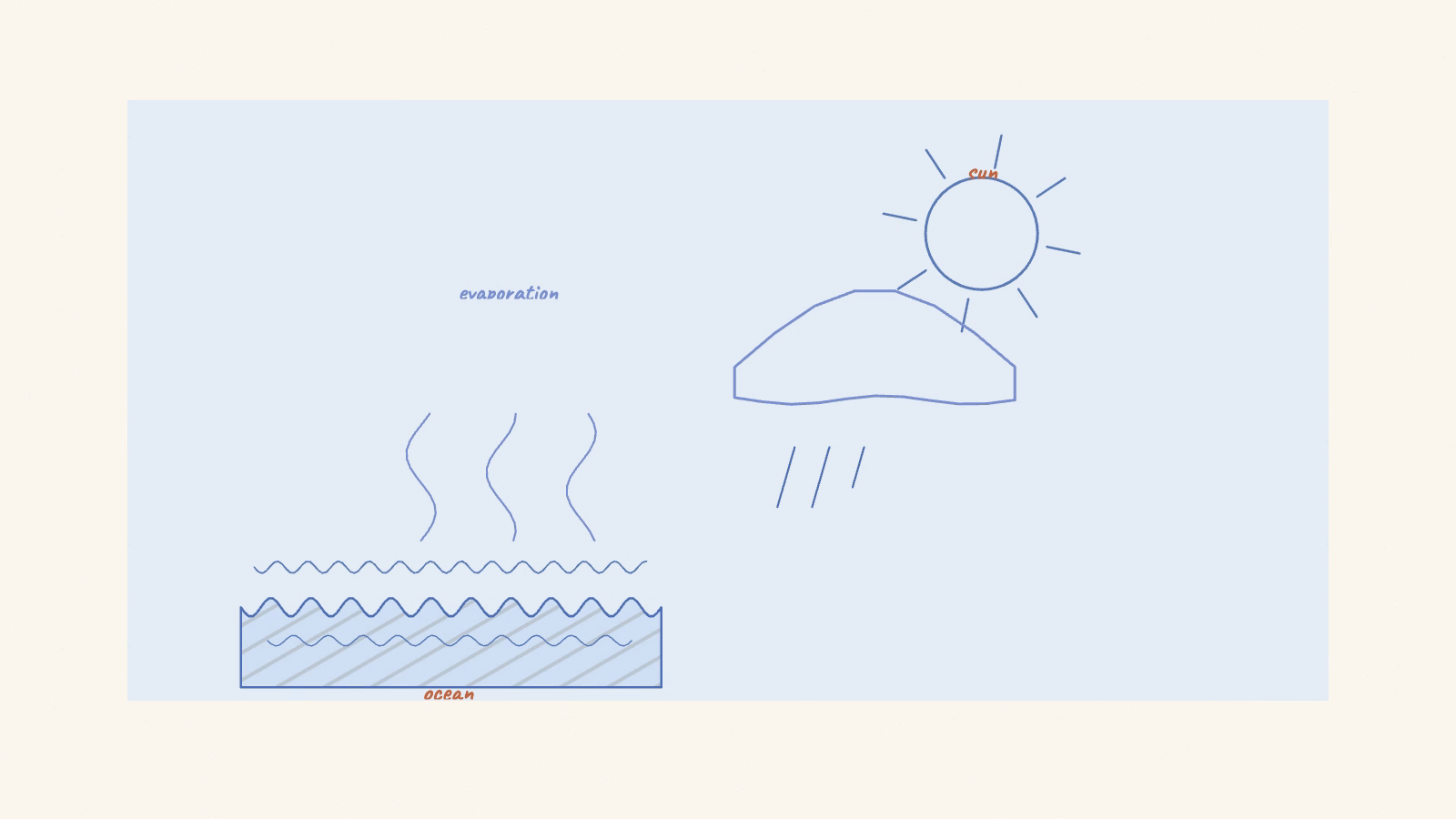
Explain a cycle: build each stage, close the loop, then reveal the takeaway.
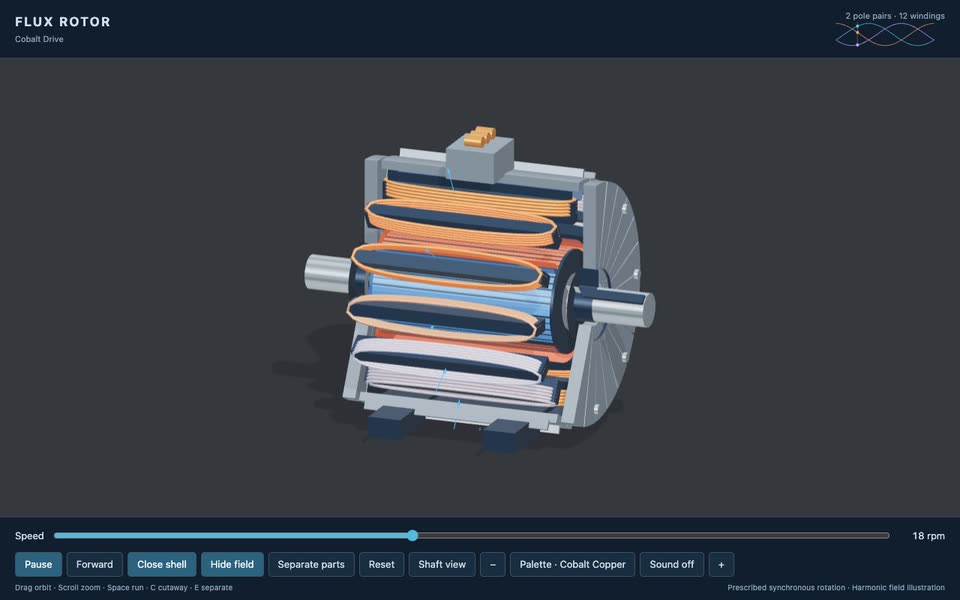
Inspect an original motor with real winding groups, alternating magnet sectors and a keyed shaft. Balanced phase currents drive prescribed synchronous rotation, material colors and spatial harmonic markers. Open the actual cutaway and separate six components offline. This display does not solve torque, efficiency or magnetic finite elements.
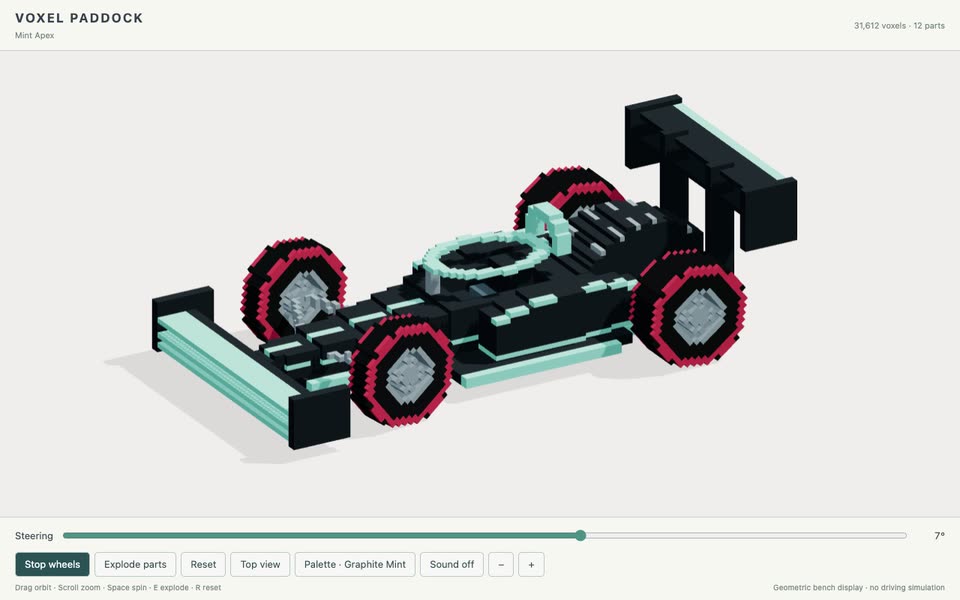
Inspect an original open-wheel vehicle built from procedural cubes. Spin actual wheels on a stationary display, turn nominal geometric steering and separate twelve component groups. Edit bounded dimensions, voxel density and three palettes offline. This is not a driving or aerodynamics simulation.
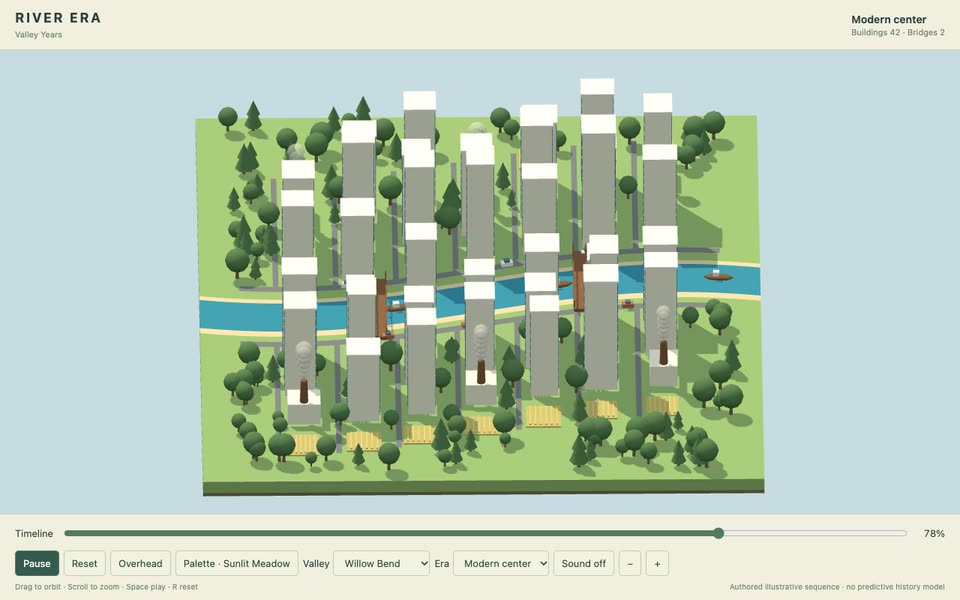
Scrub an authored river settlement timeline from camp and farms to town, workshops and speculative towers. Actual seeded geometry changes reversibly; boats and vehicles follow the same river and bank equations. This is an illustrative sequence rather than predictive history.
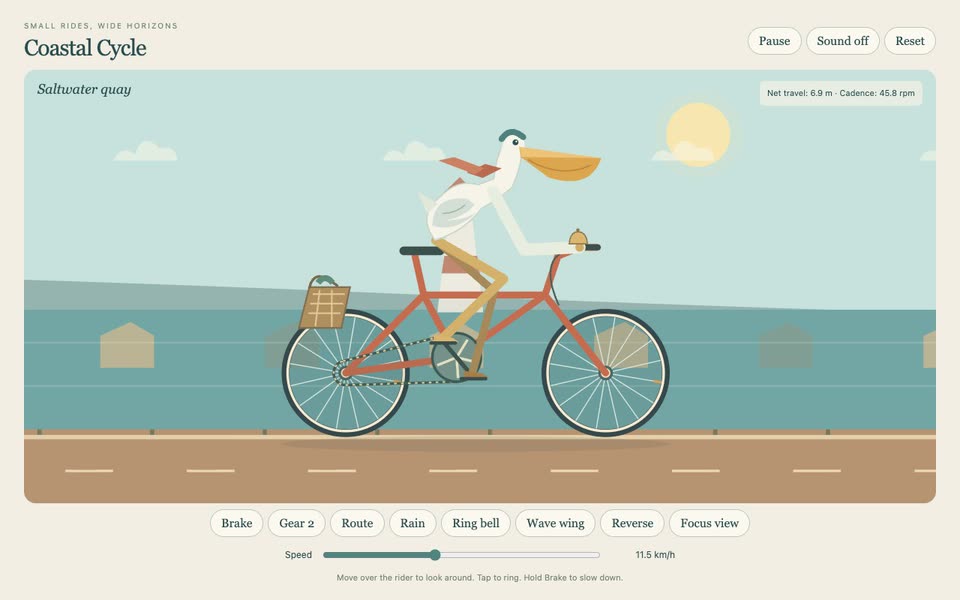
An authored SVG pelican rides a coral bicycle beside the sea. Measured travel drives the wheels, gear ratio drives the crank, and solved joints keep both feet on their actual pedals. Brake, reverse and explore three coastal palettes offline.
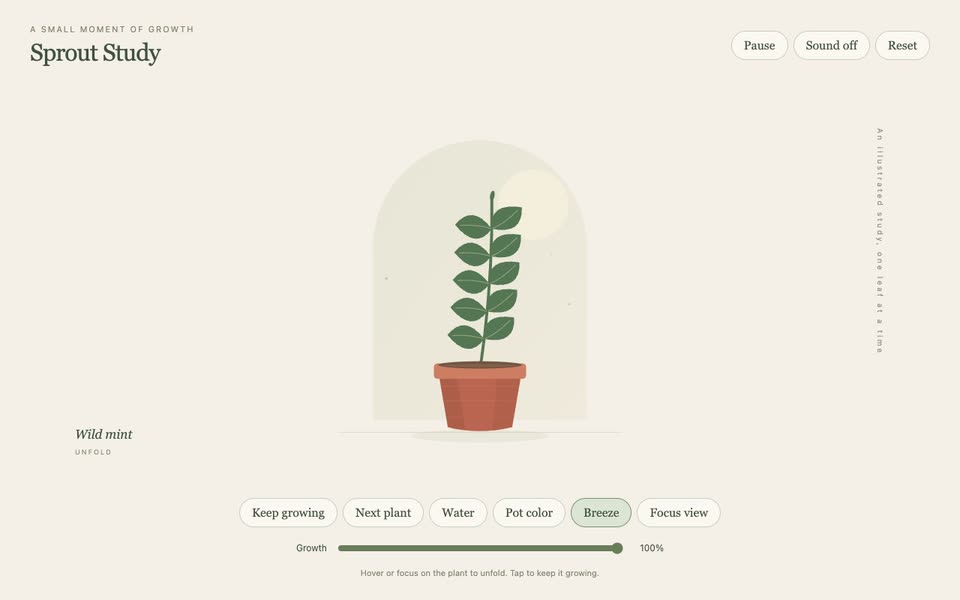
A quiet SVG botanical illustration. Hover or focus to grow the continuous stem, unfold leaves in sequence and fold them again. Touch hold, exact growth scrubbing and editable plants in one offline HTML.
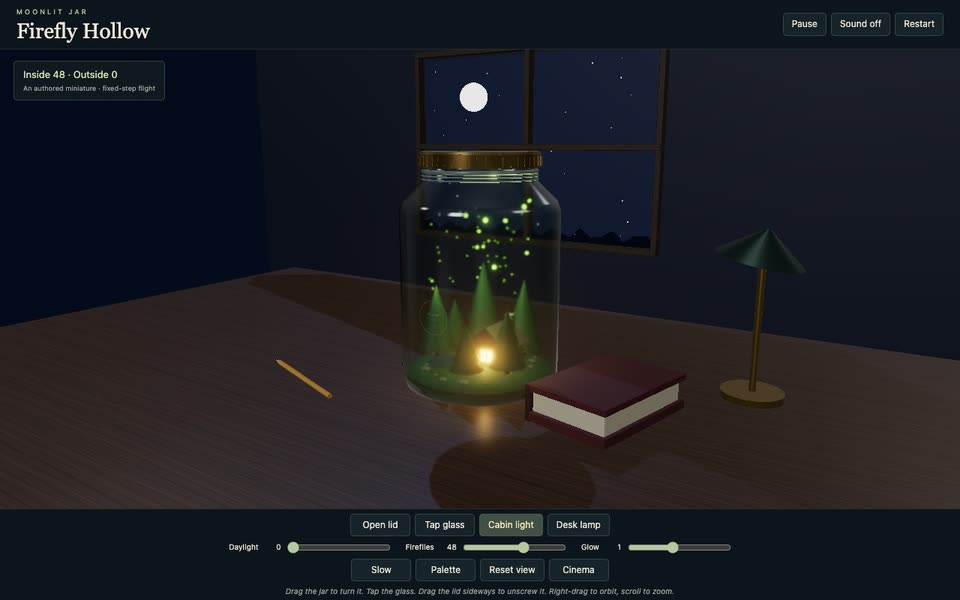
Turn a thick glass miniature, scatter glowing fireflies and open its brass lid. Actual particles leave through the neck and return before it seals. A moonlit cabin, forest and real local lights in one offline HTML.
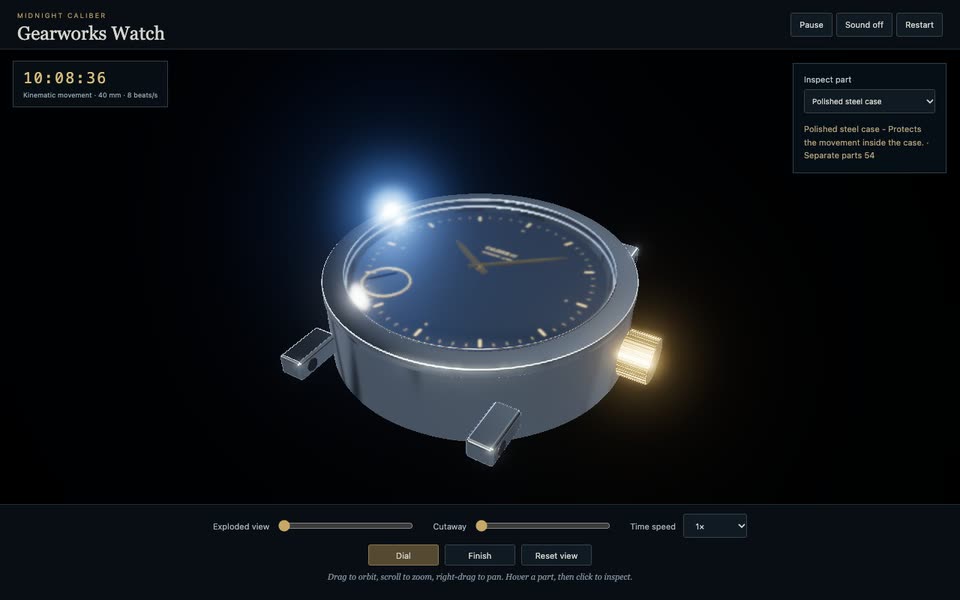
Inspect a kinematic mechanical watch with actual meshed tooth ratios, 54 components, axial explosion, material cutaway and bilingual mouse/touch controls. One offline HTML with optional synthesized tones.
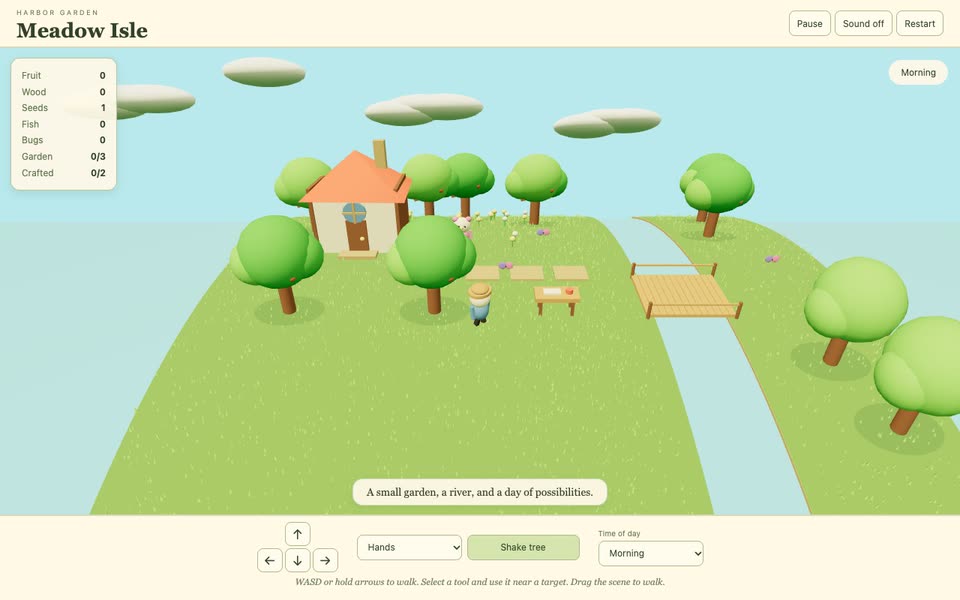
Walk a curved garden, harvest fruit, share gifts, catch butterflies, fish, grow flowers and craft furniture. Four lighting states and one offline HTML with bilingual keyboard and touch controls.
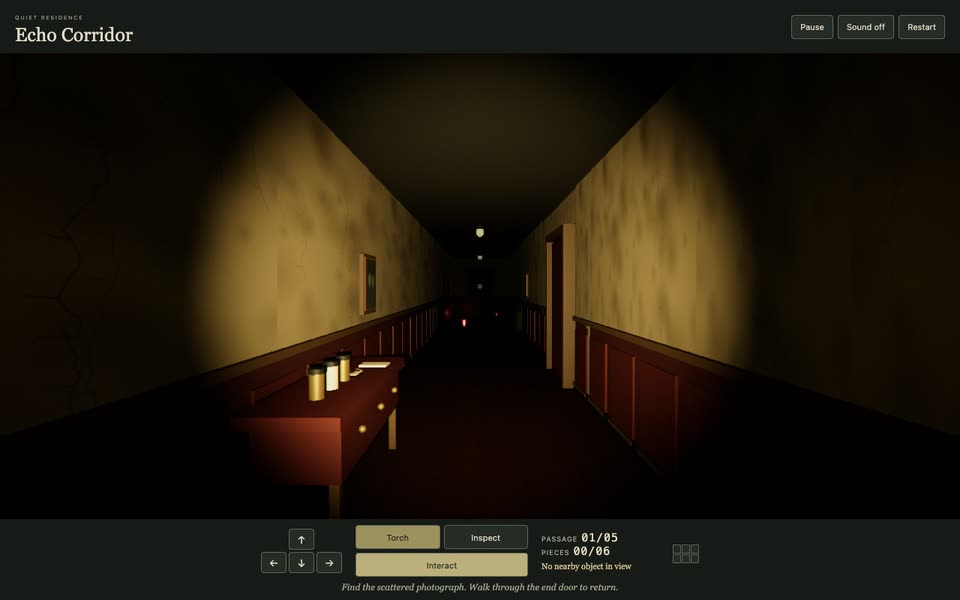
Walk an aging residence, inspect nearby objects and recover six photograph fragments across five changing passages.
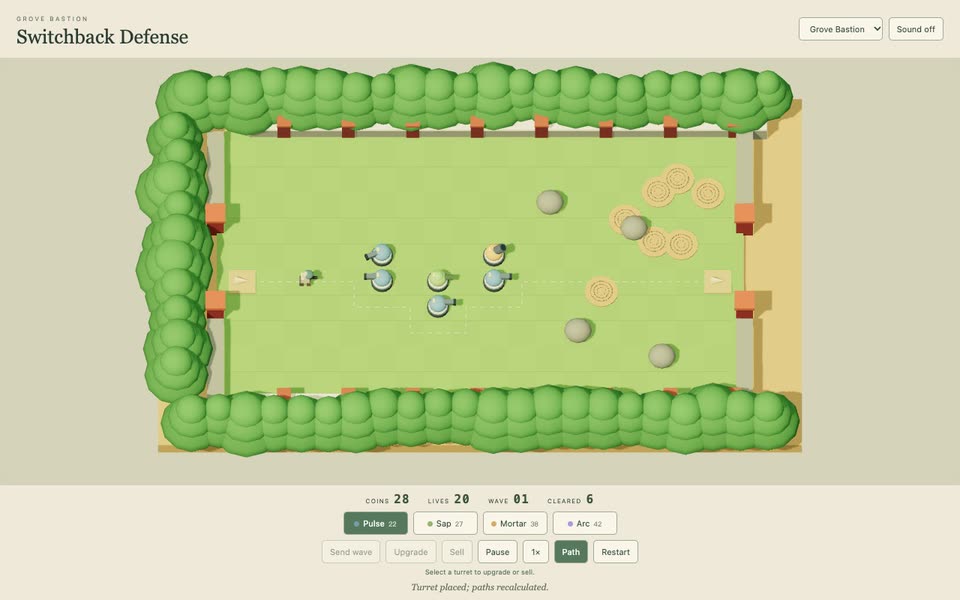
Place turrets to bend enemy routes through a woodland battlefield. Actual A* paths, combat and upgrades drive the defense.
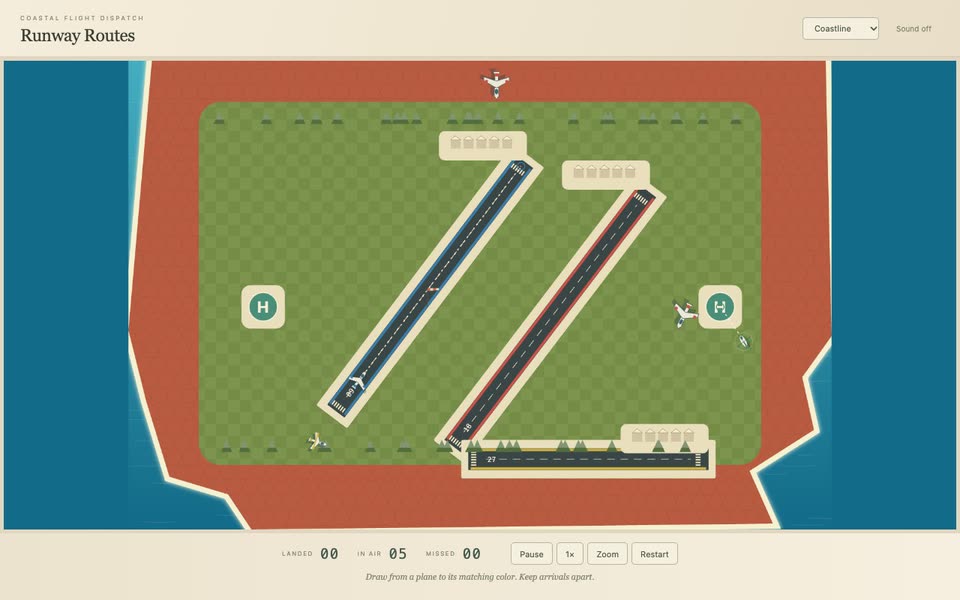
Draw real approaches and guide four aircraft classes to color-matched runways and helicopter pads.
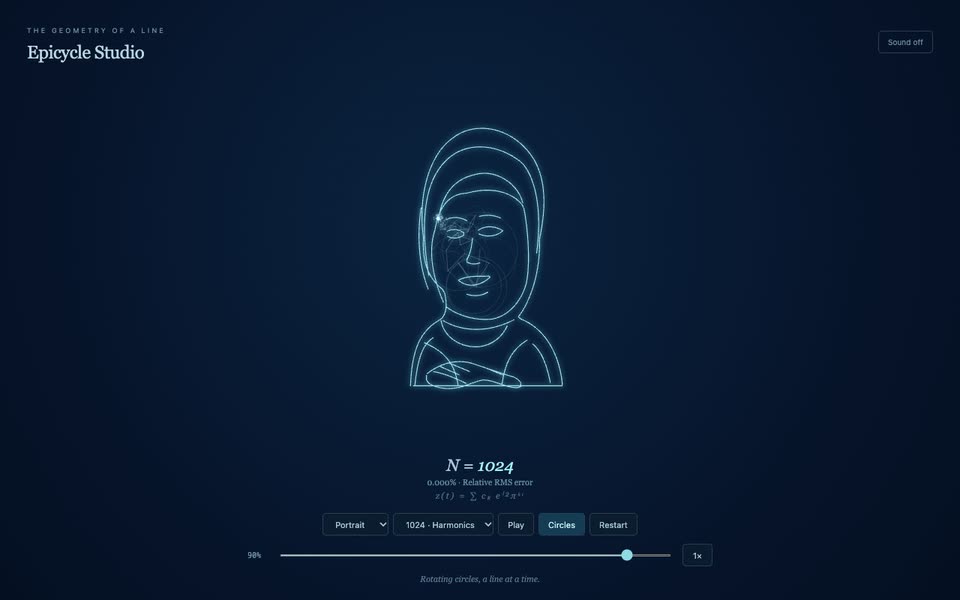
Turn rotating circles into luminous drawings with a real Fourier transform and an interactive reveal.
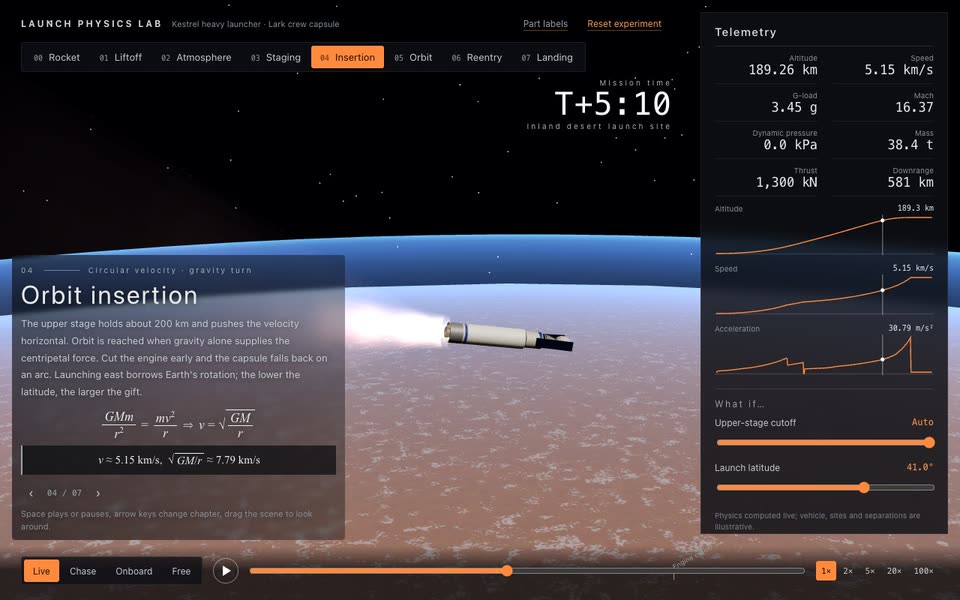
Fly three rocket missions in 3D with live physics: a crewed launch and parachute return, a first stage landing on a drone ship and a super-heavy booster caught by the tower. Change payload, reserve, engines or burn timing and watch each mission succeed or fail.
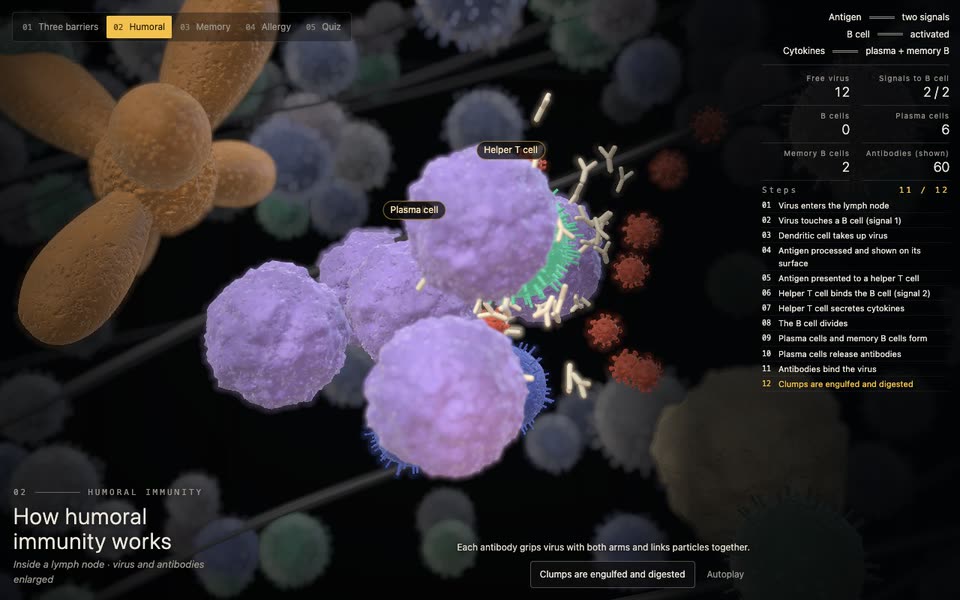
Step through the immune system at cell scale in 3D and switch off a cell type or signal to see the process fail.
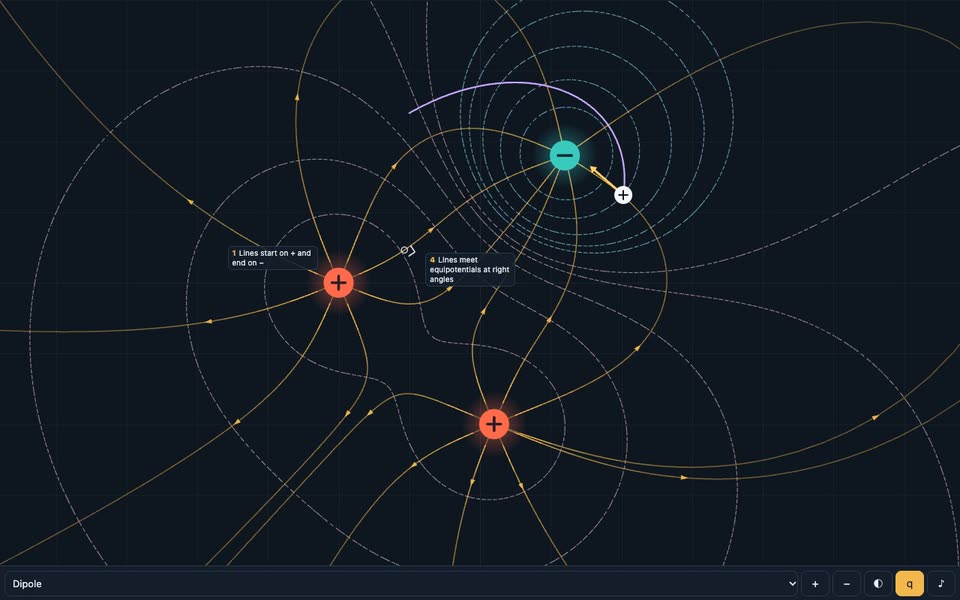
Drag point charges and watch Coulomb field lines, voltage contours and a test charge's force recompute live.
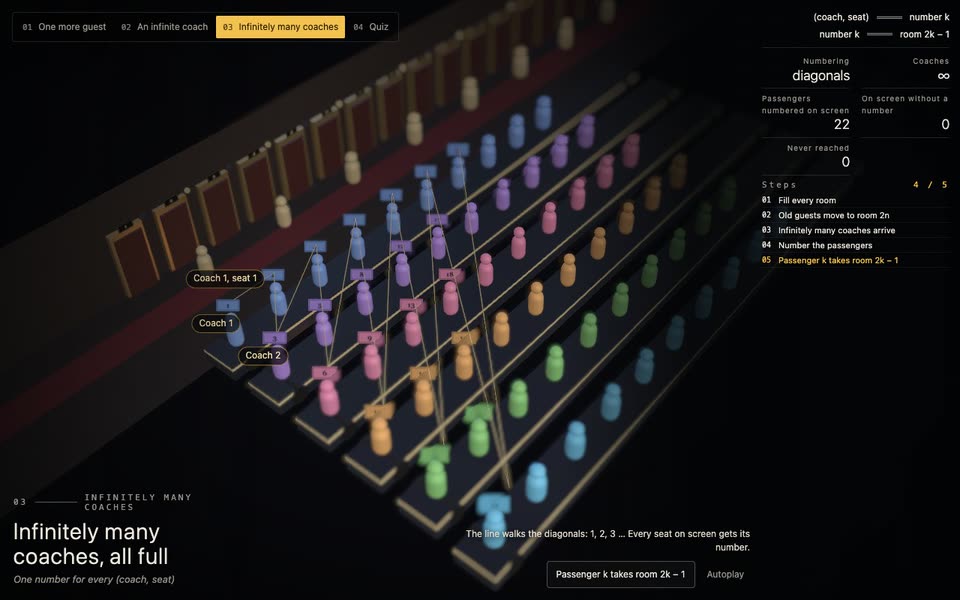
Step through Hilbert's hotel in 3D: make room for one more guest, fit an infinite coach, number infinitely many coaches, and try a rule that visibly fails.
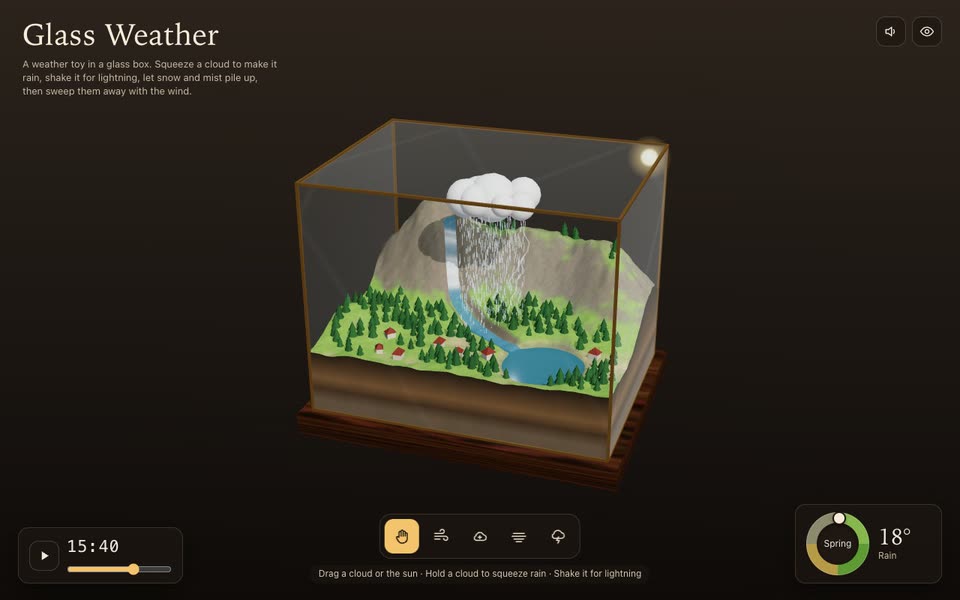
A weather toy in a glass box: squeeze a cloud to rain, shake it for lightning, drag the sun and turn the seasons, let snow and mist pile up and brush them away with the wind.
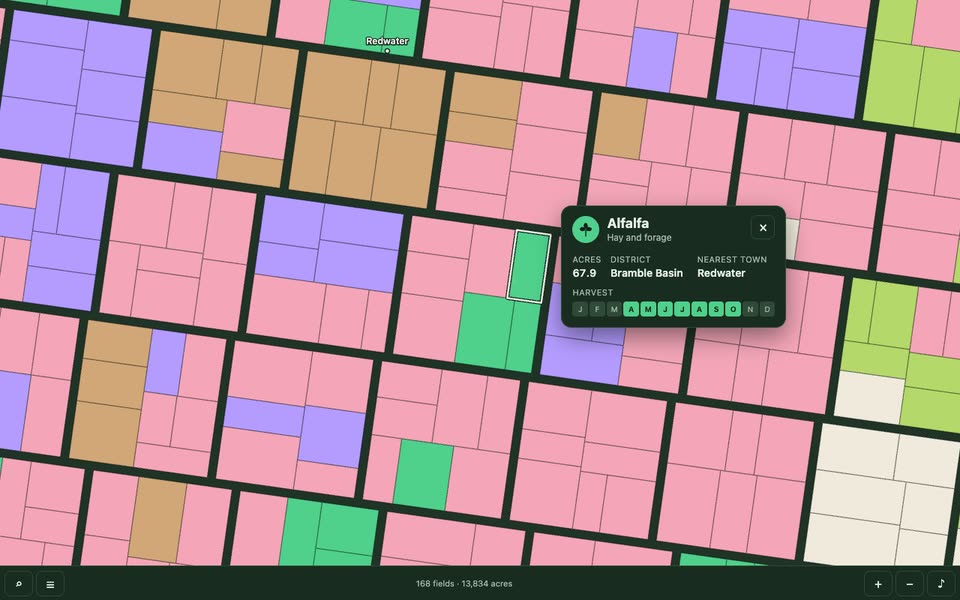
Zoom across a valley of crop fields where markers spring apart, the legend counts what is in view and search ranks where each crop grows.
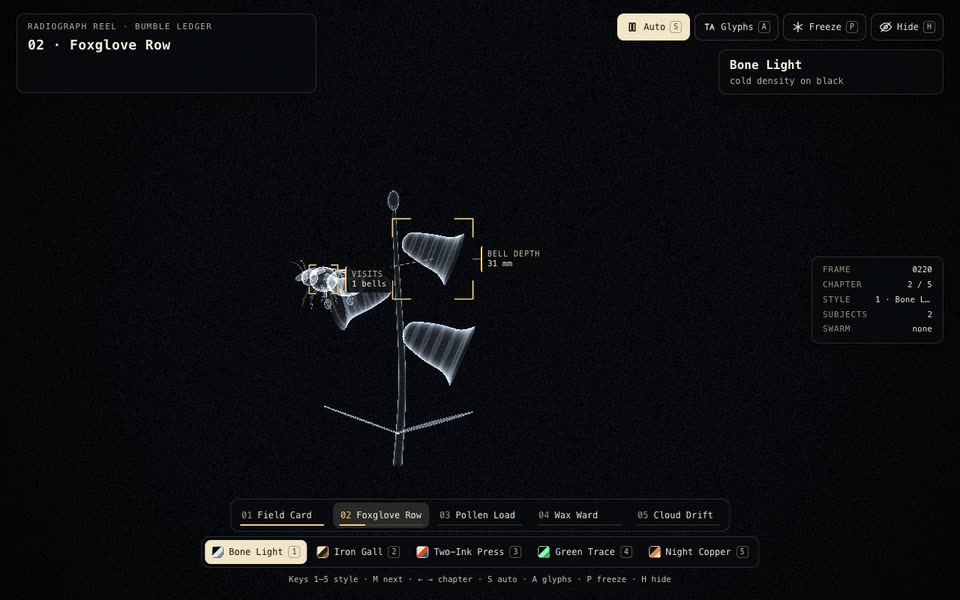
A specimen film reel: procedural bees, flowers and a wax comb glow as X-ray density, print in five switchable film styles with tracking labels, and a swarm morphs between formations.
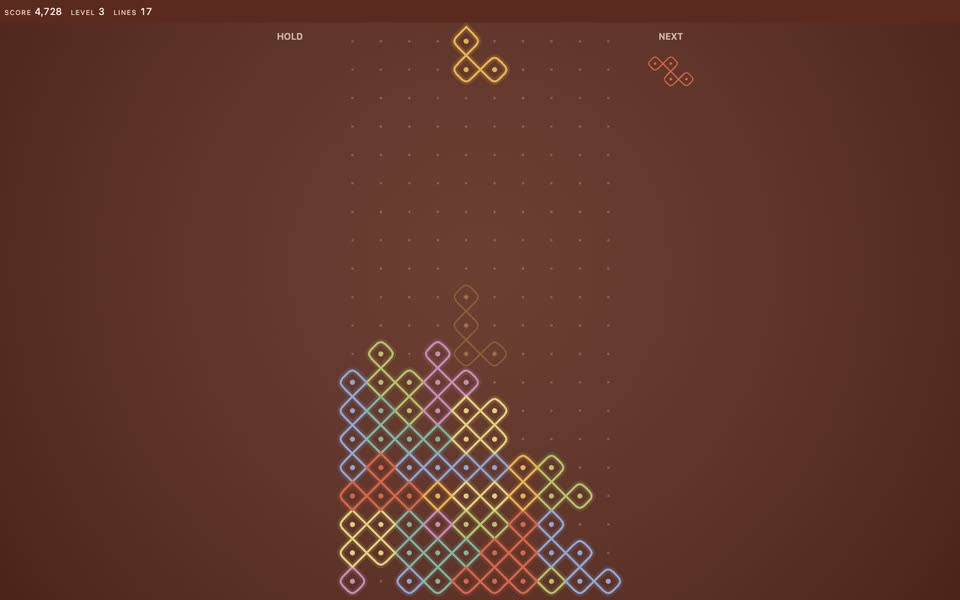
Play a falling-block puzzle whose board is drawn as a sikku kolam line pattern: joined cells cross into a diamond lattice and free sides loop around the dots.
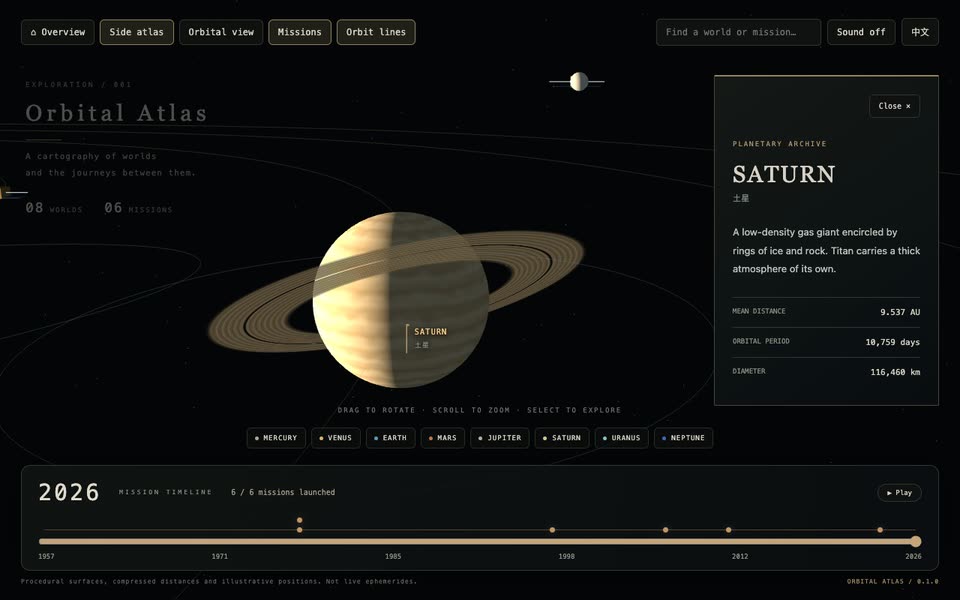
Explore worlds and spacecraft missions in an interactive 3D atlas with focus cameras, orbital views and a launch timeline.
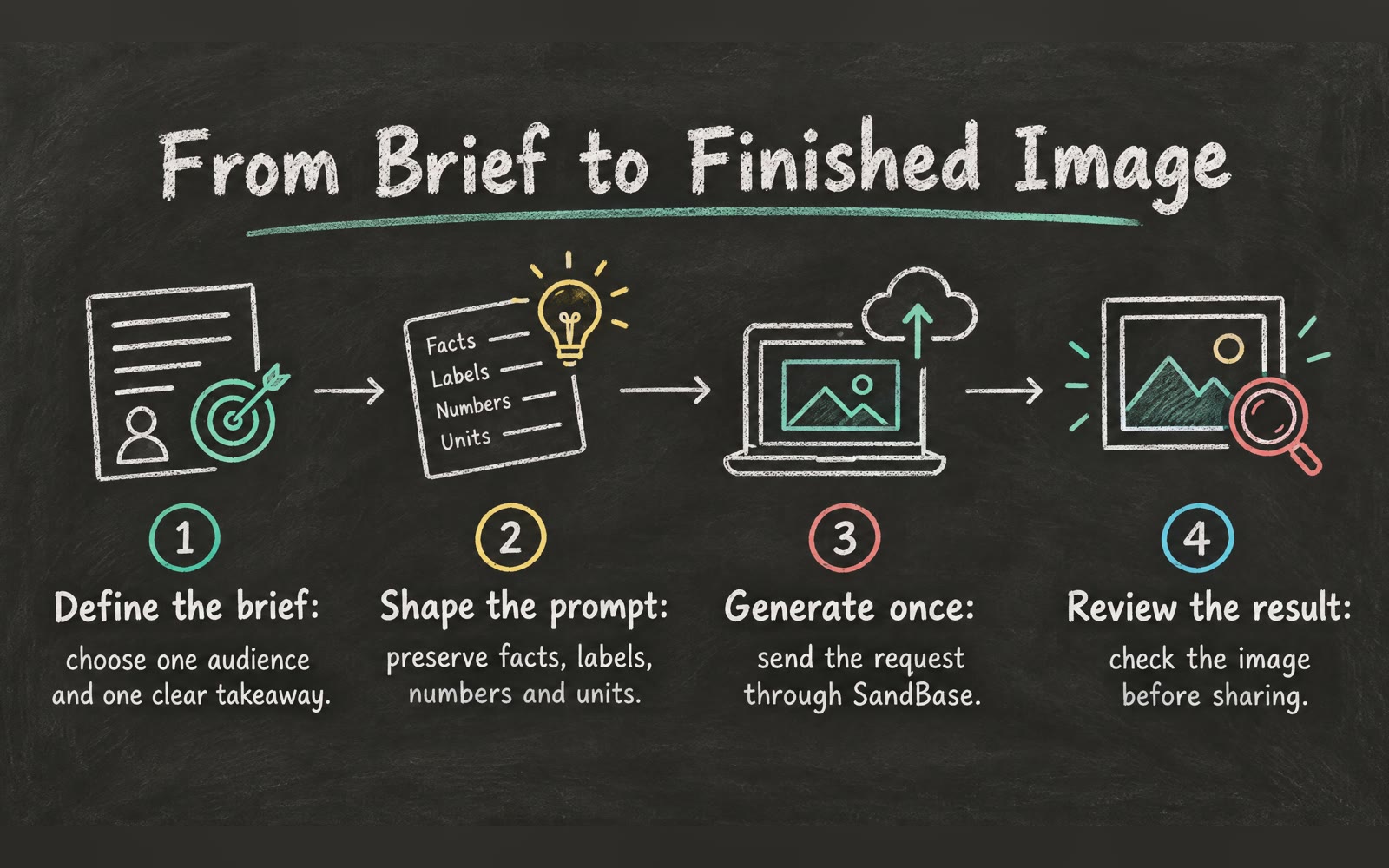
Turn a topic and a few verified facts into a hand-drawn visual explanation.
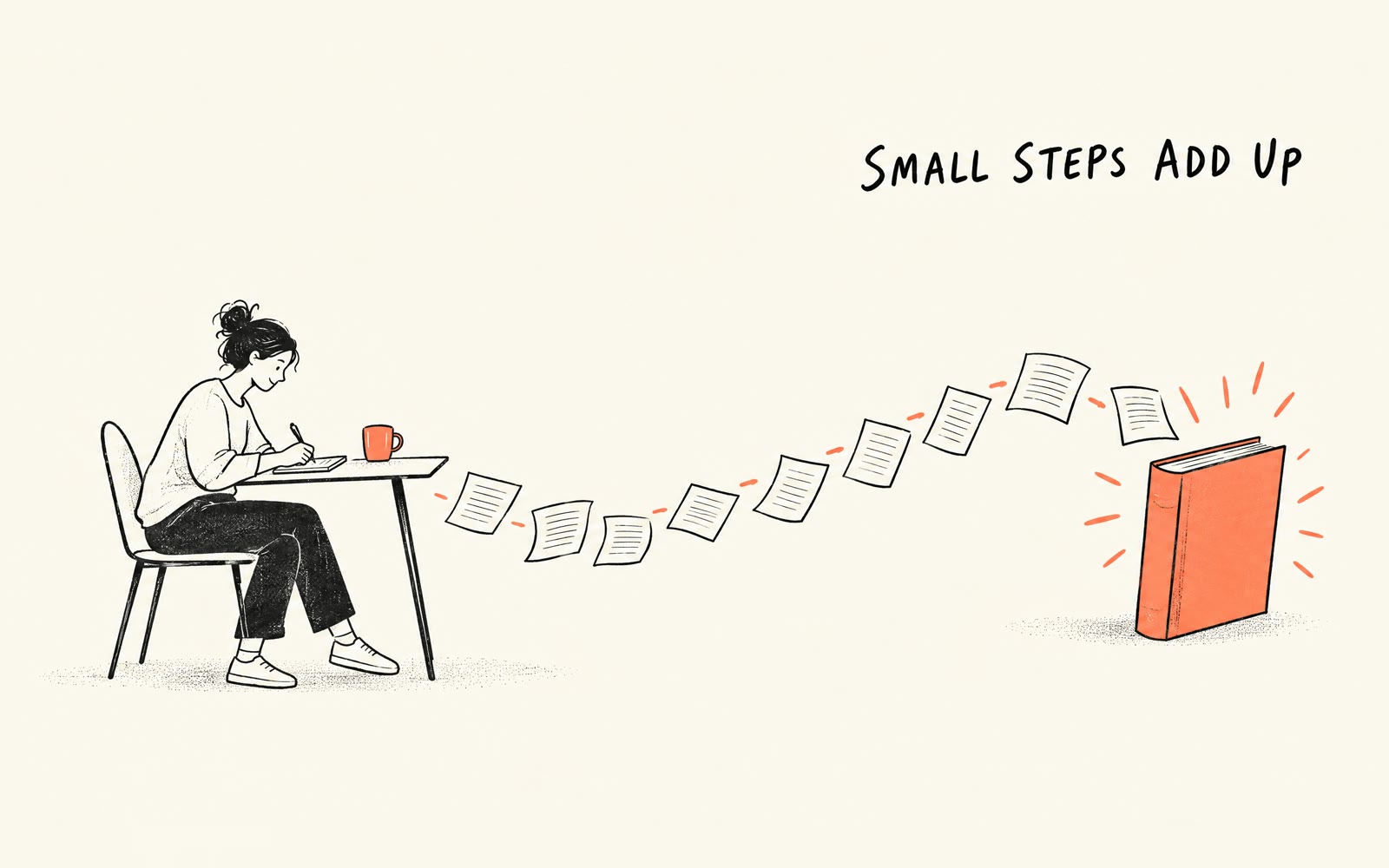
Turn one message into an airy 16:9 editorial illustration: black ink outlines, light halftone texture, lots of white space and a single accent color.
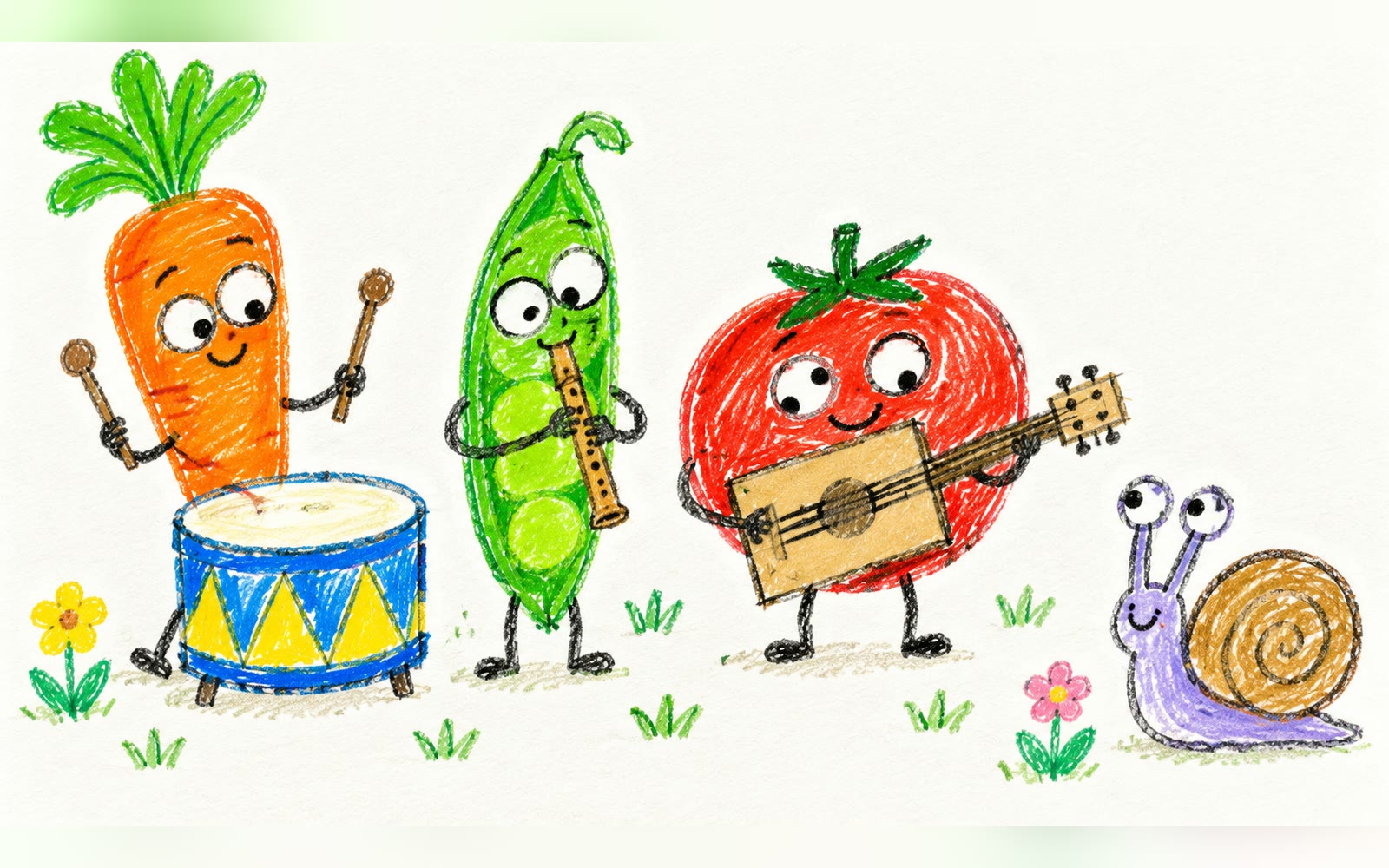
Turn a small scene into a lovably clumsy 16:9 crayon-and-colored-pencil drawing: wobbly outlines, scribbled fills and cheerful original characters on white paper.
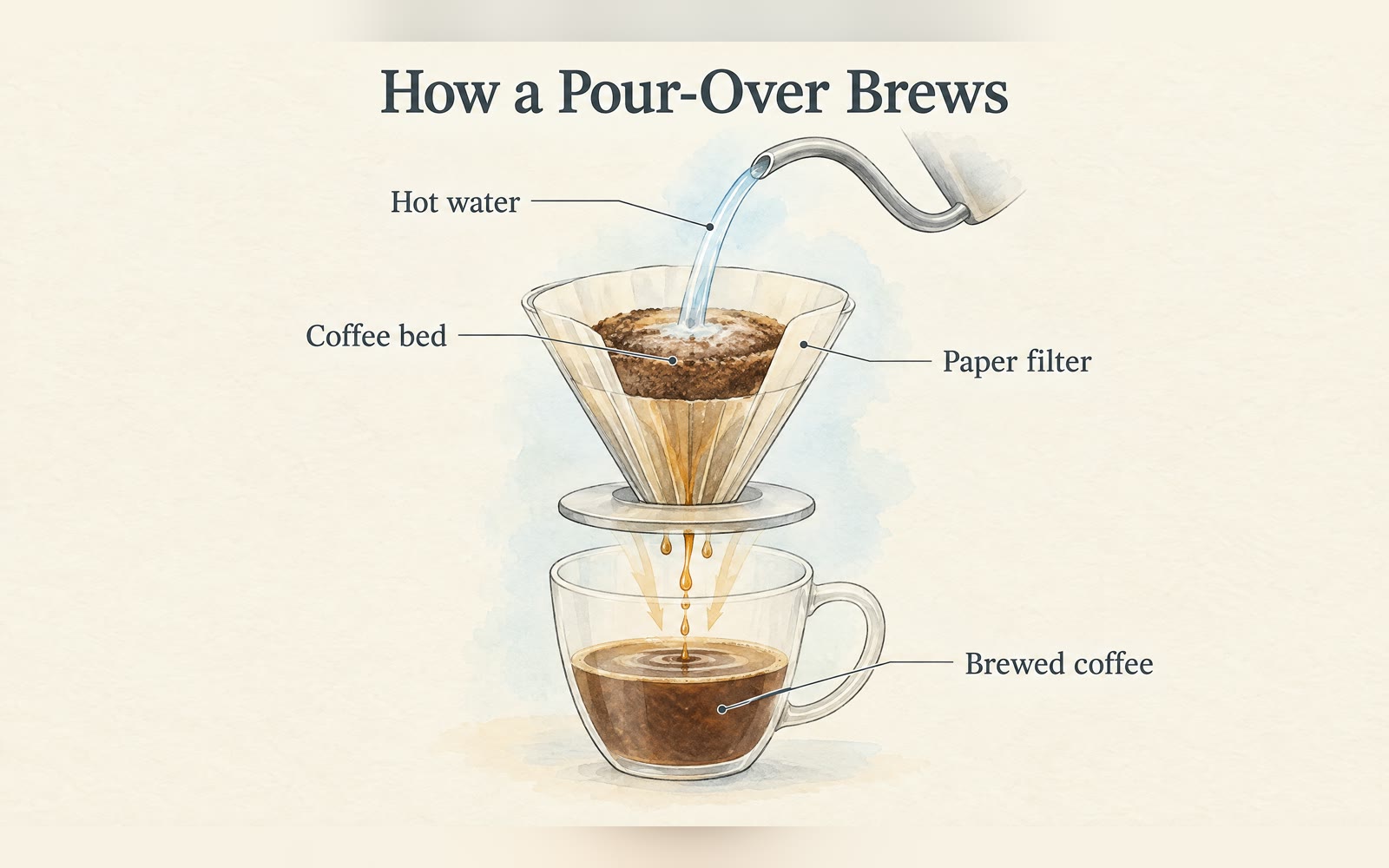
Turn a verified mechanism into an approachable 16:9 concept diagram: translucent color washes, fine linework, a title and three to five exact labels.
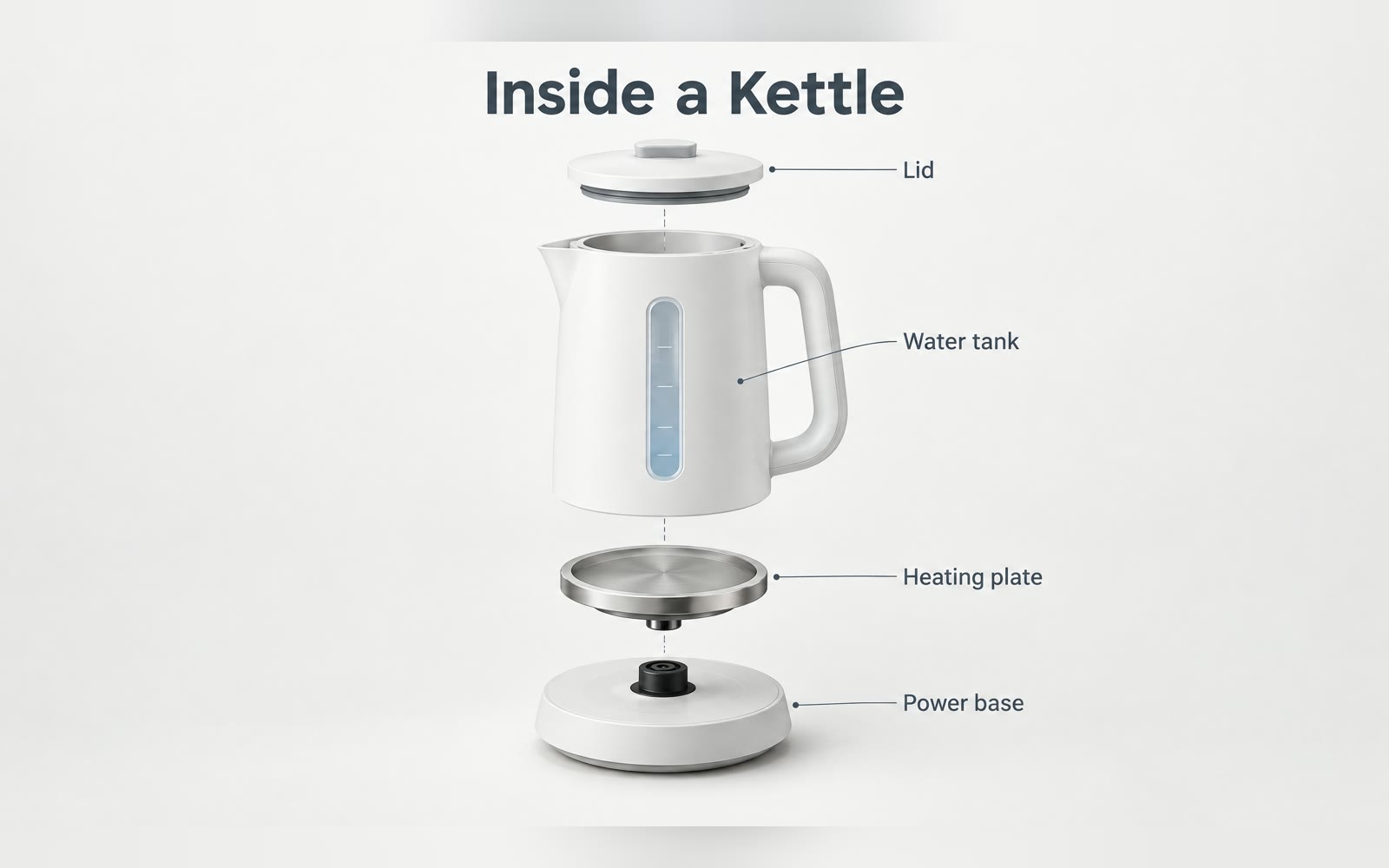
Turn a household appliance into a polished 16:9 exploded-view poster: part groups separated along one axis, with a title and three to five exact labels.
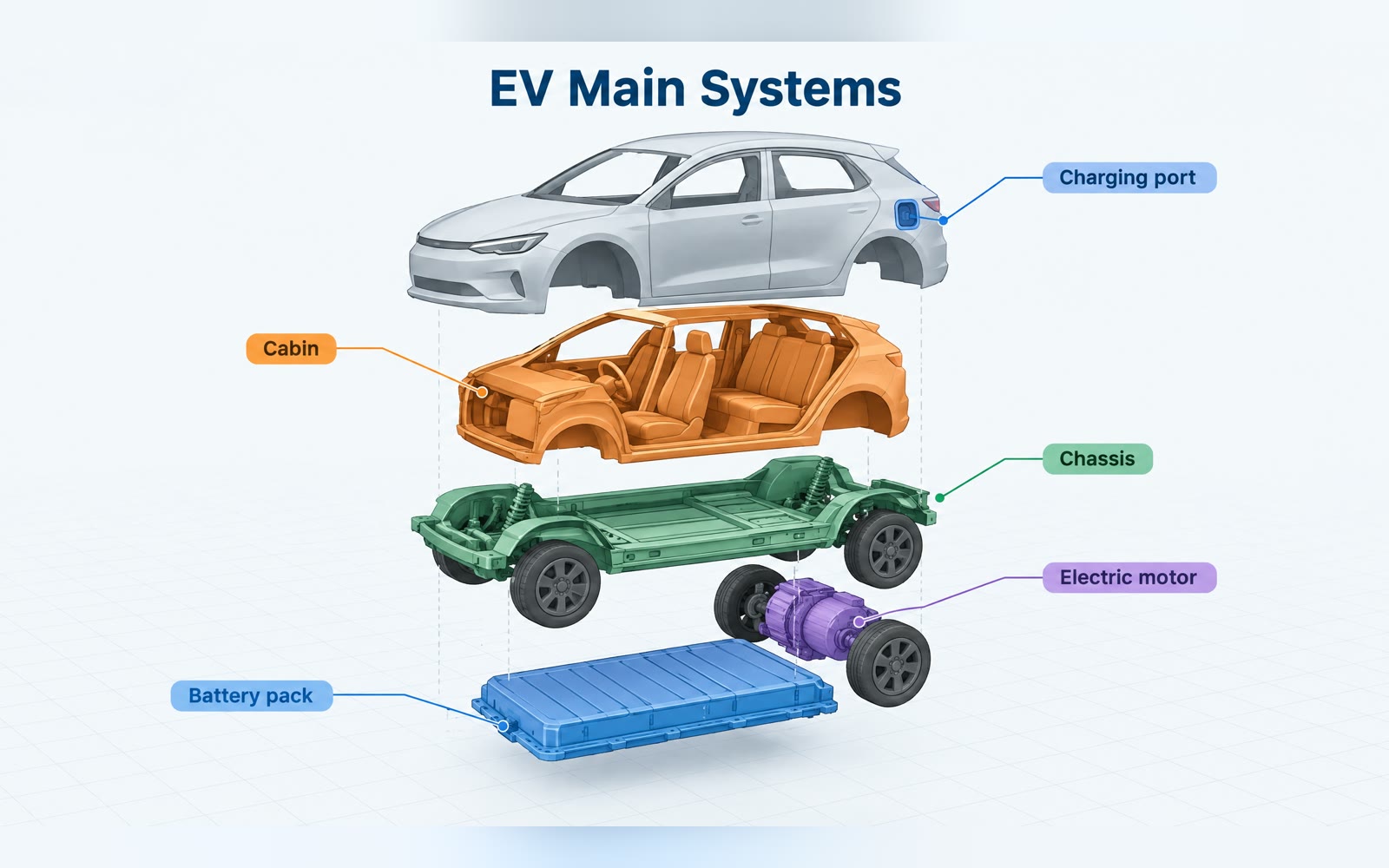
Turn a fictional electric vehicle into a 16:9 isometric exploded view of its major systems, color-coded, with a title and three to five exact labels.
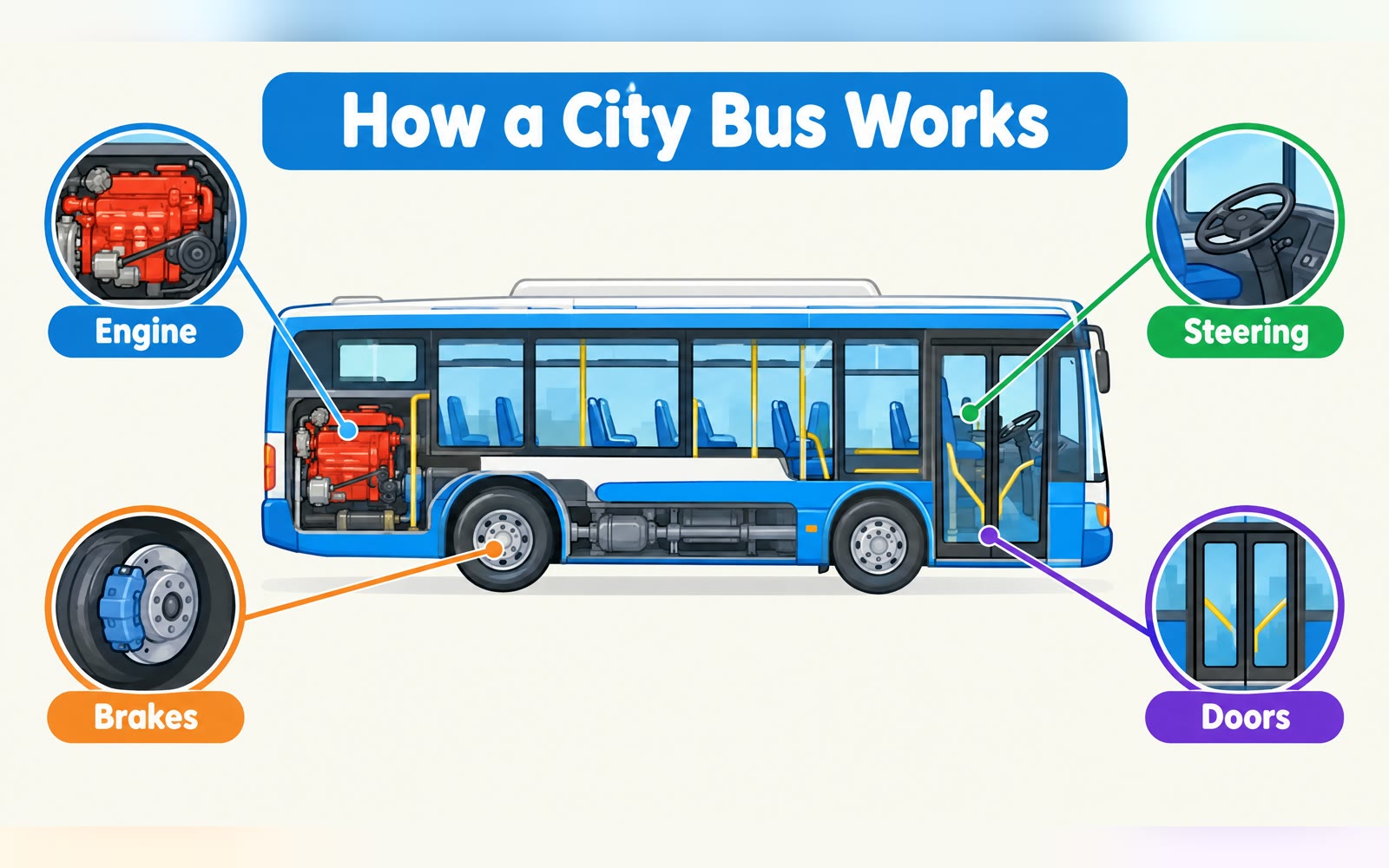
Turn a fictional vehicle into a classroom-ready 16:9 anatomy poster: a side-profile cutaway with tidy detail windows, a title and three to five exact labels.
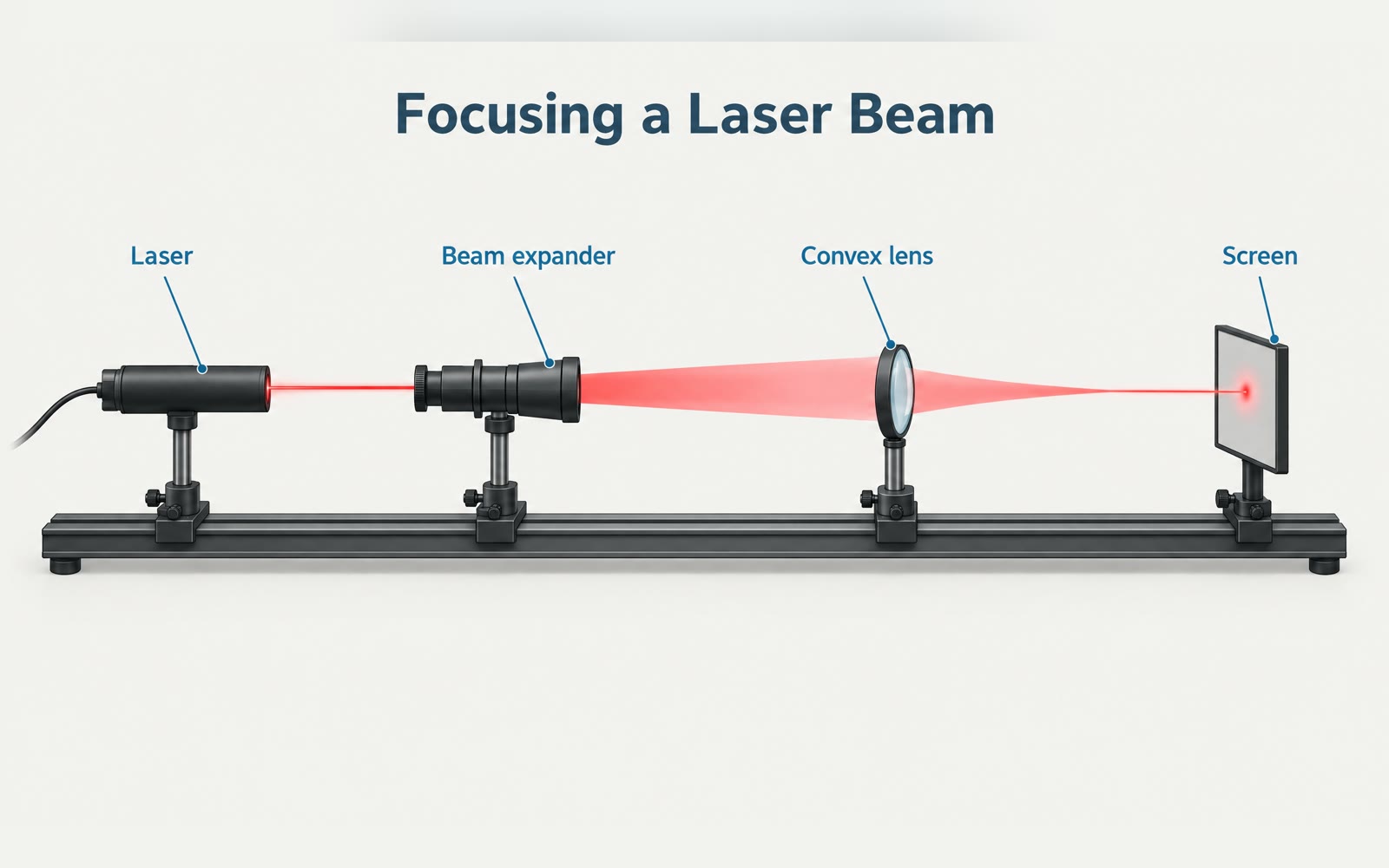
Turn a verified optical setup into a 16:9 bench diagram: components in strict left-to-right order, one clear beam path, a title and three to five exact labels.
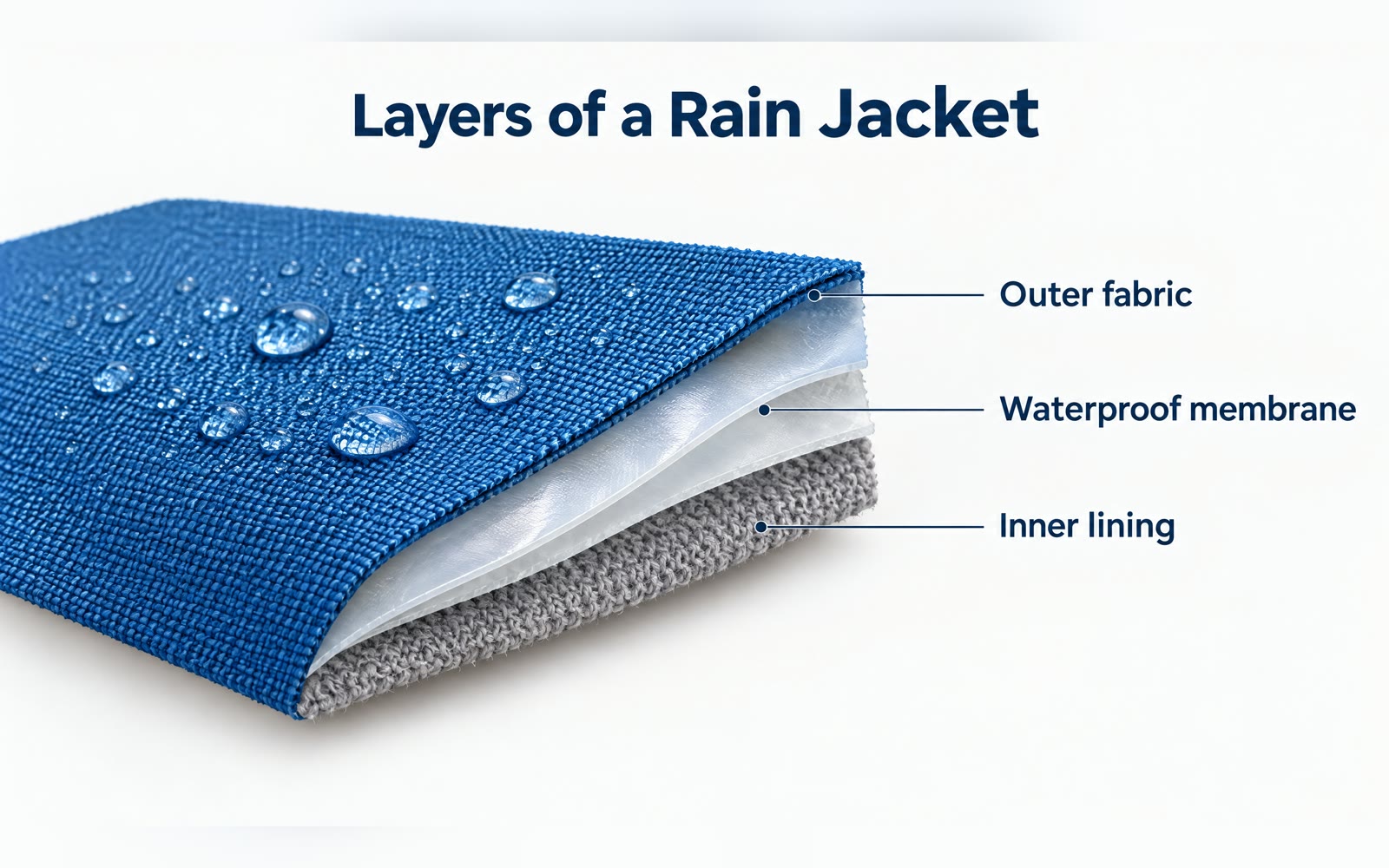
Turn a material's layer stack into a clear 16:9 cutaway: every layer exposed in order, with a title and three to five exact layer labels.
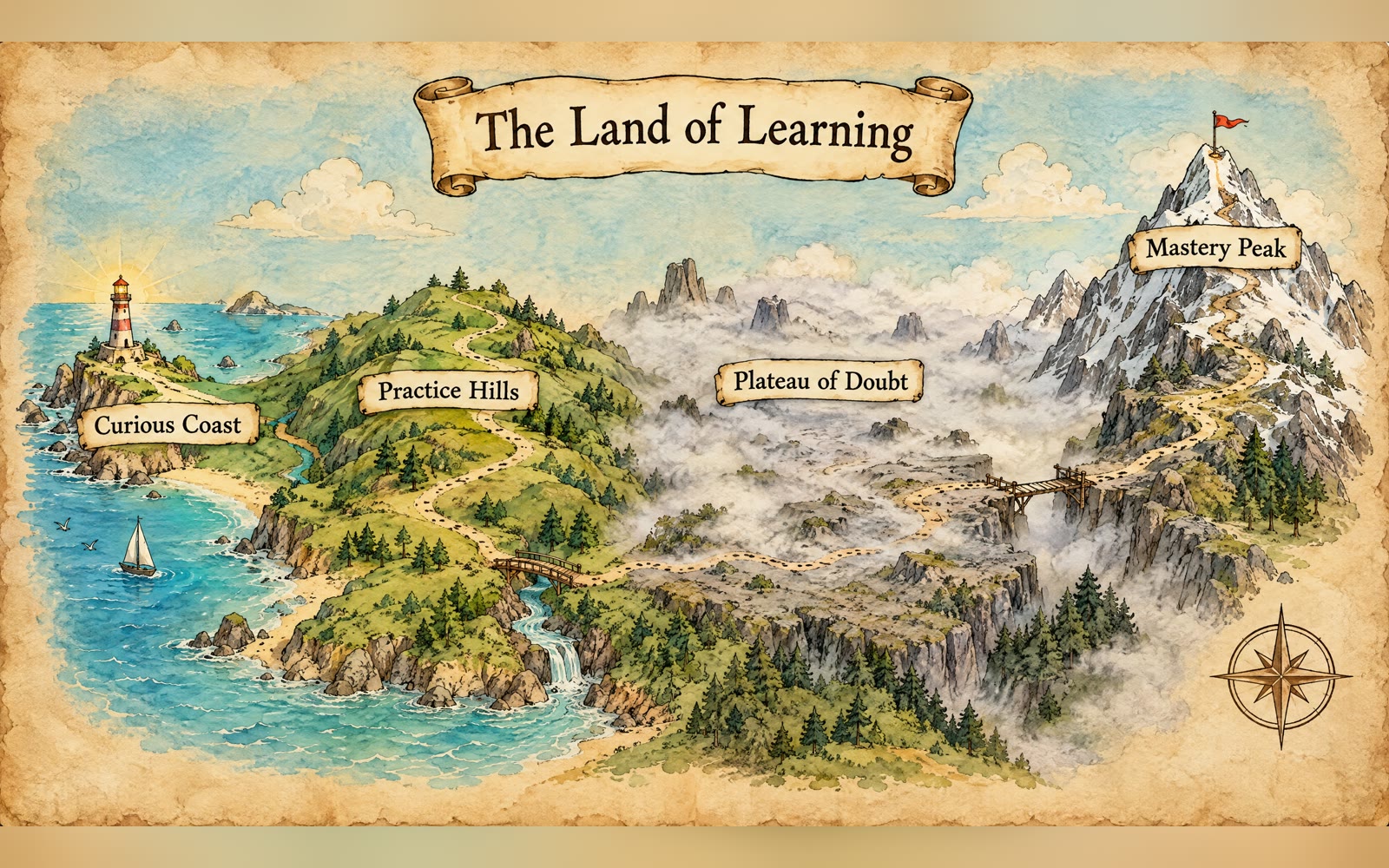
Turn an abstract theme into a 16:9 illustrated fantasy map: three to five named regions on one route, landmarks and a title cartouche.
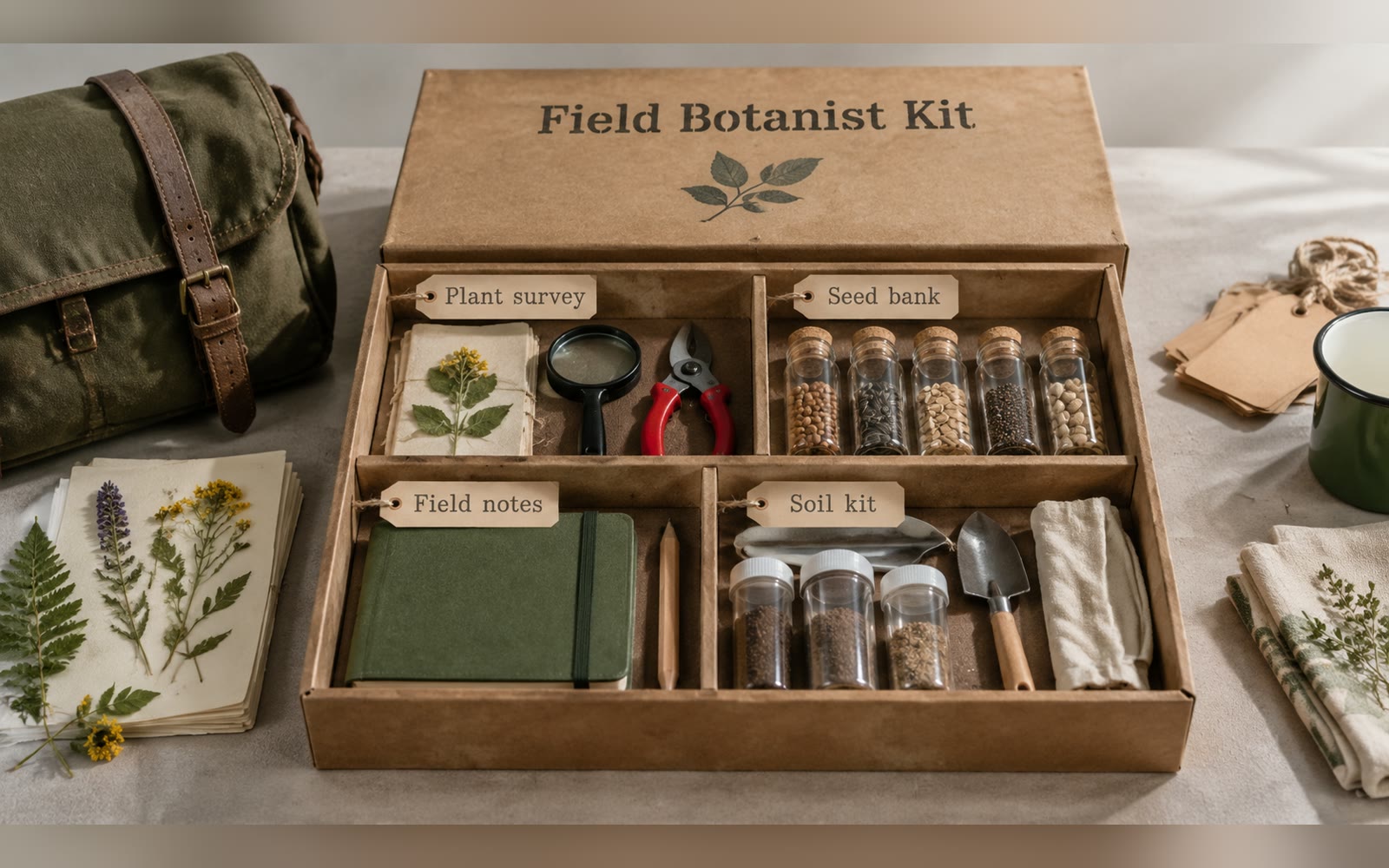
Turn a fictional professional profile into a 16:9 tactile archive object with a stenciled title and three to five exact tag labels, and no codes.
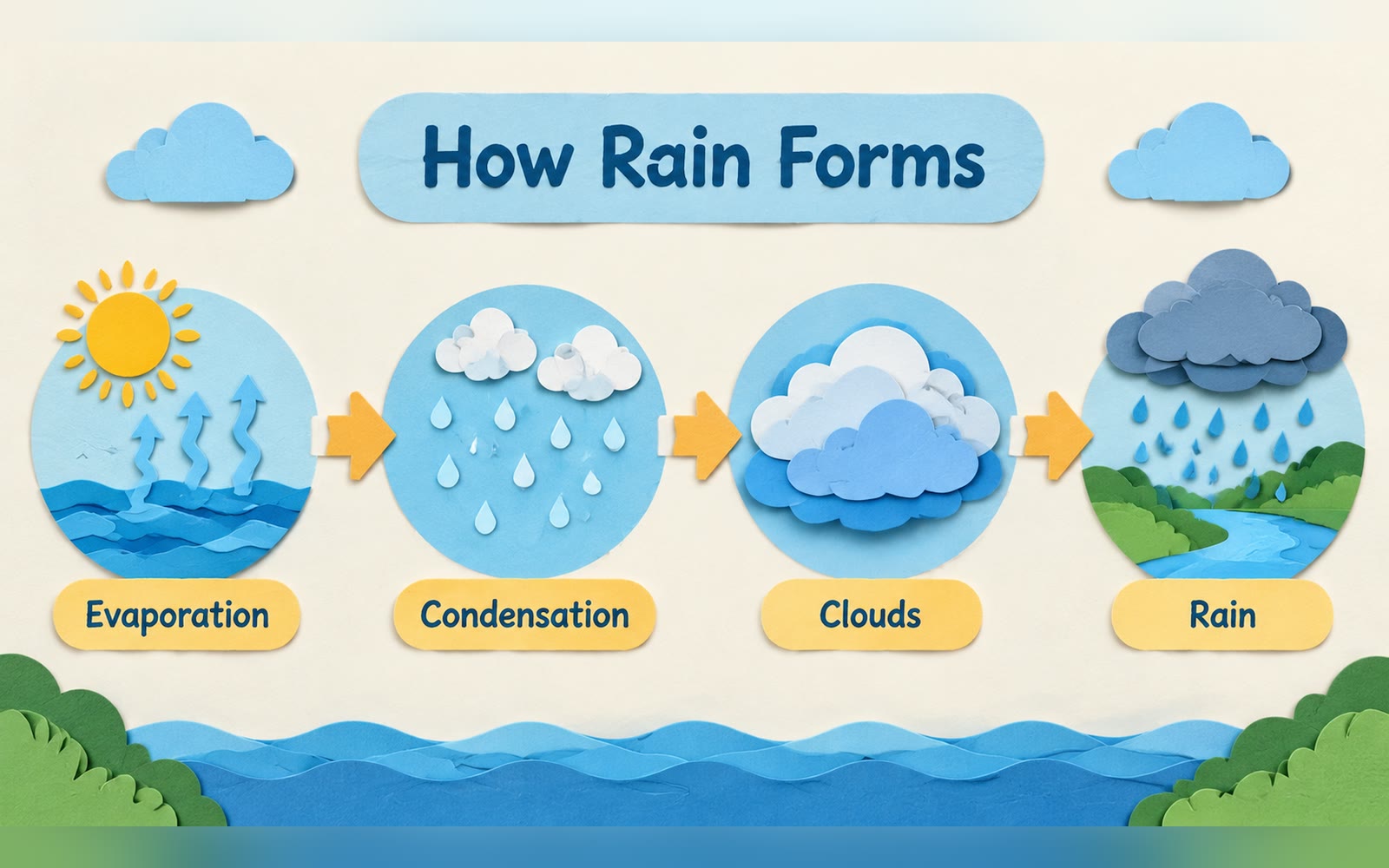
Turn one verified scientific process into a 16:9 layered paper-cut explainer: three to five stages in soft shadowed paper, with a title and exact stage labels.
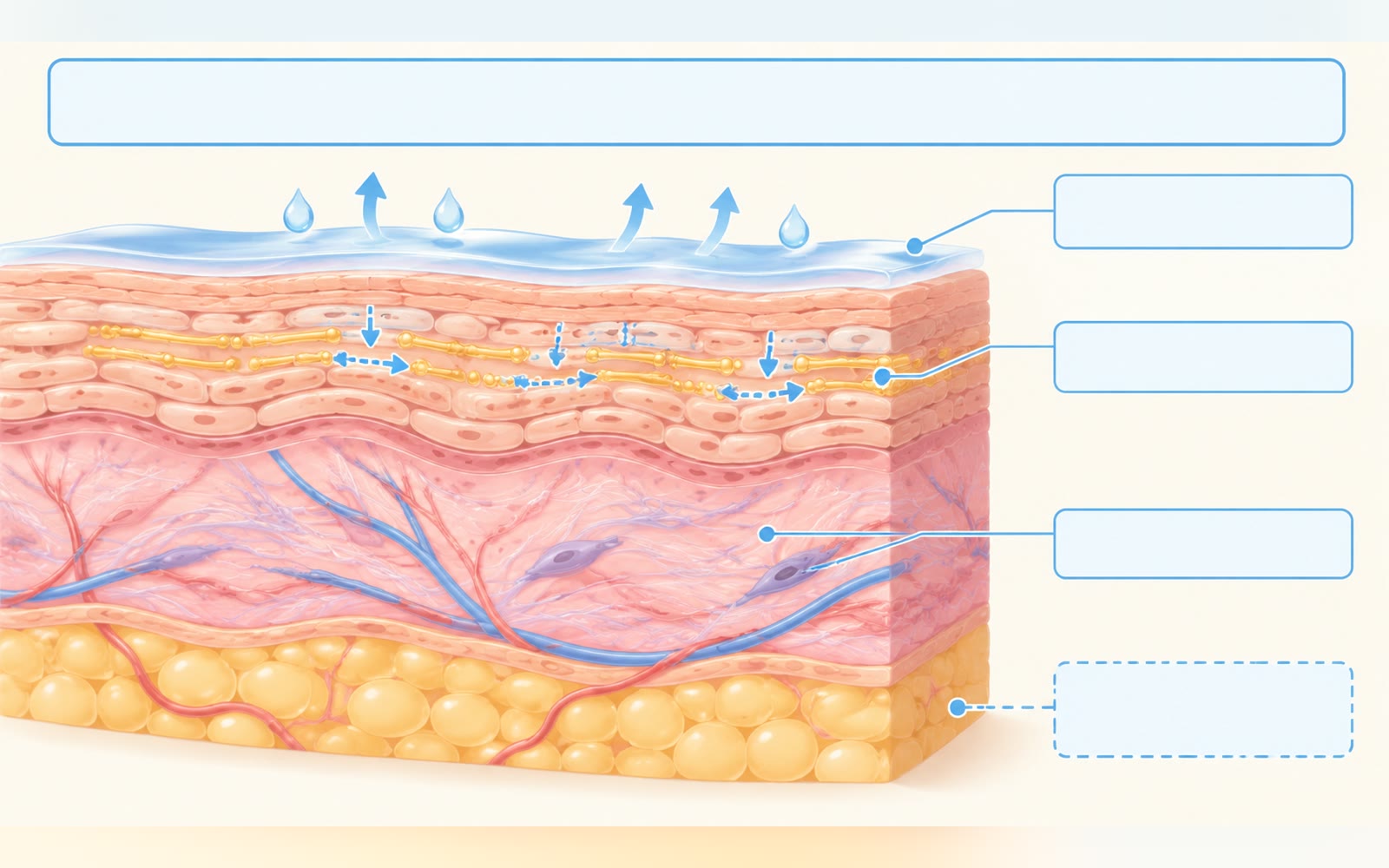
Turn an approved skin mechanism into a text-free 16:9 cross-section base image with claim-status arrows and three to five blank annotation areas.
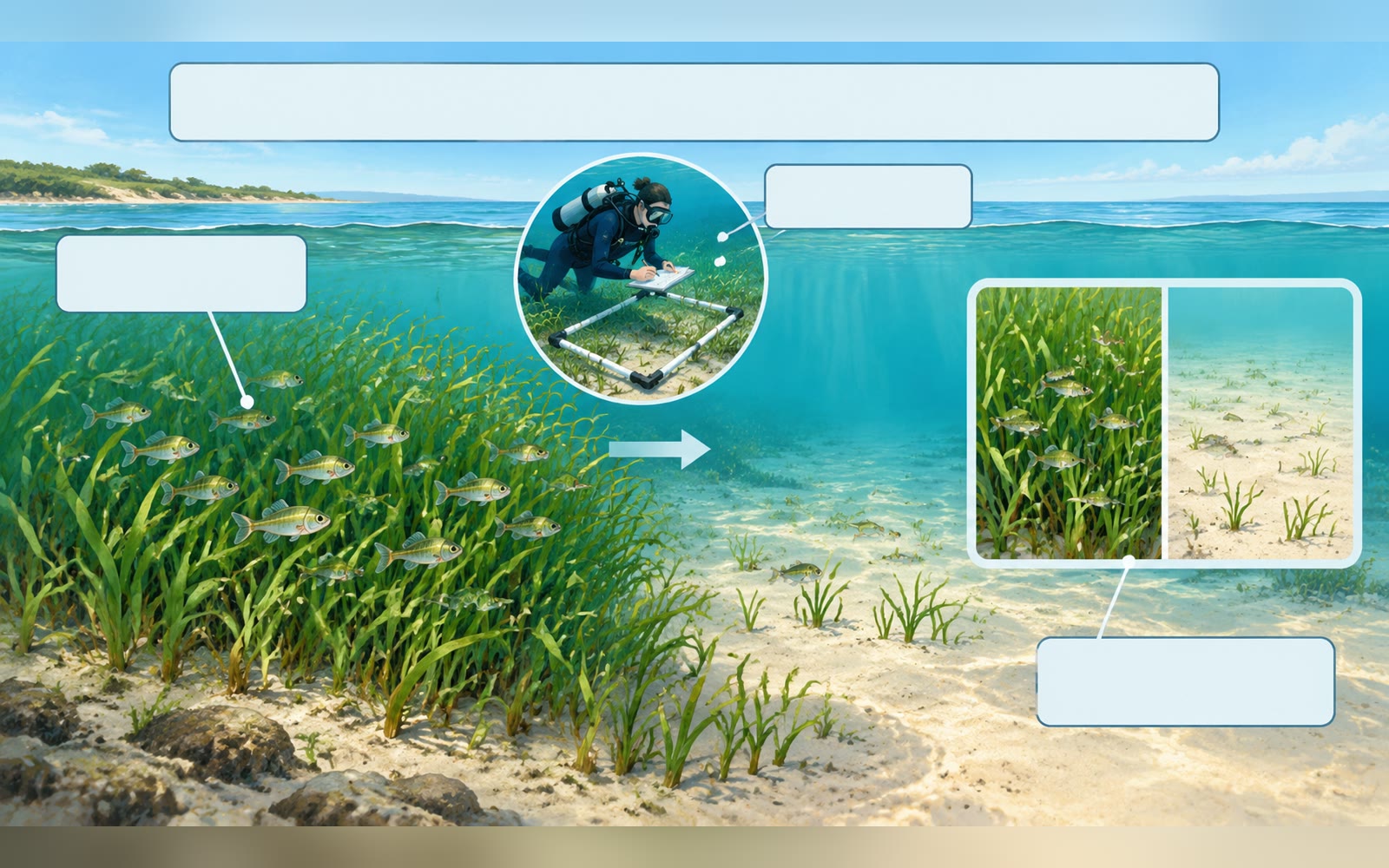
Turn verified marine findings into a text-free 16:9 poster base image: habitat, species, method and observation in one reading order, with three to five blank annotation areas.
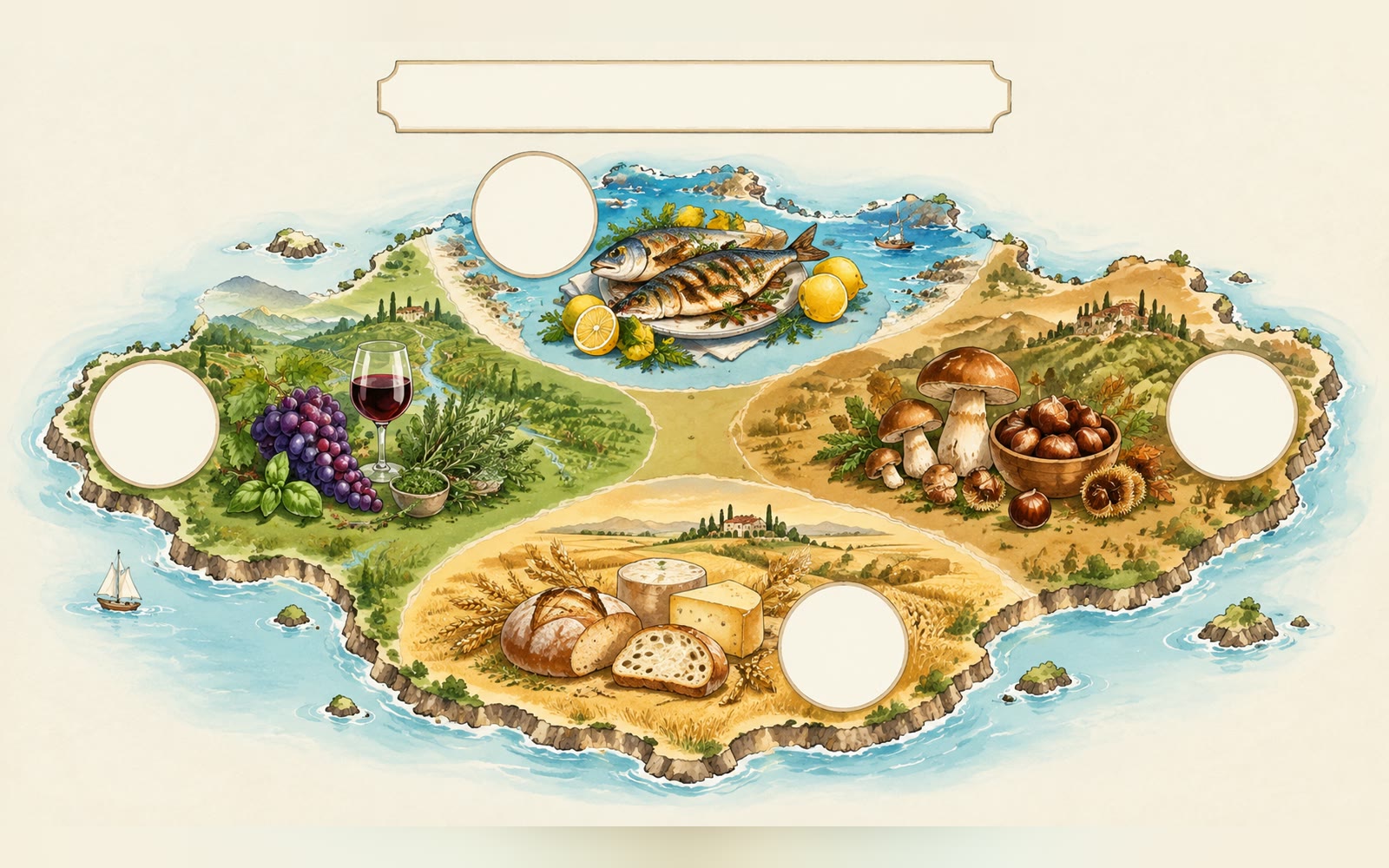
Turn a region's food areas into a text-free 16:9 flavor map base image with restrained geography, ingredient clusters and three to five empty profile badges.
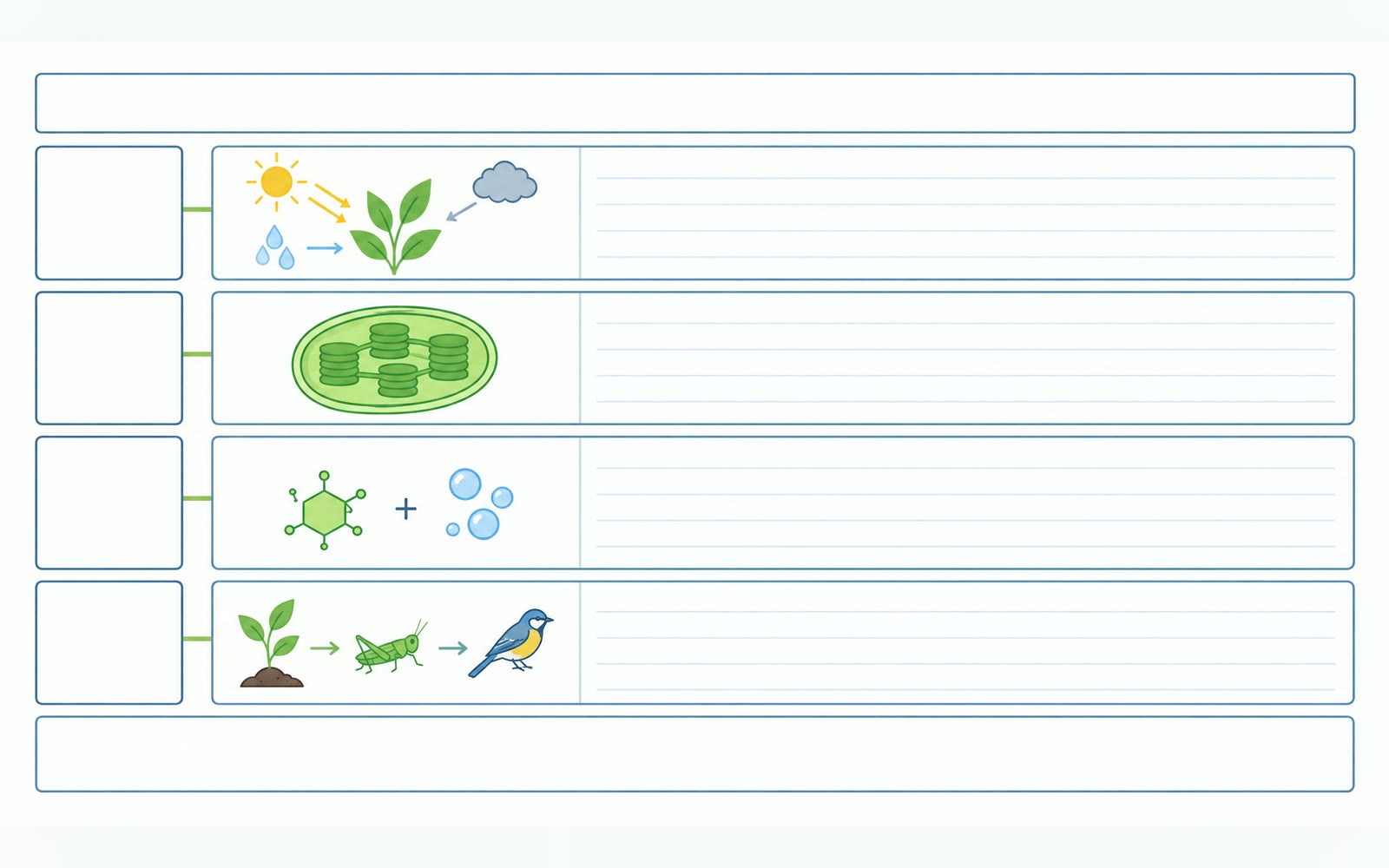
Turn one topic into a text-free 16:9 study sheet layout: a cue column, matching note modules with simple visuals, a summary band and a title band, all blank.
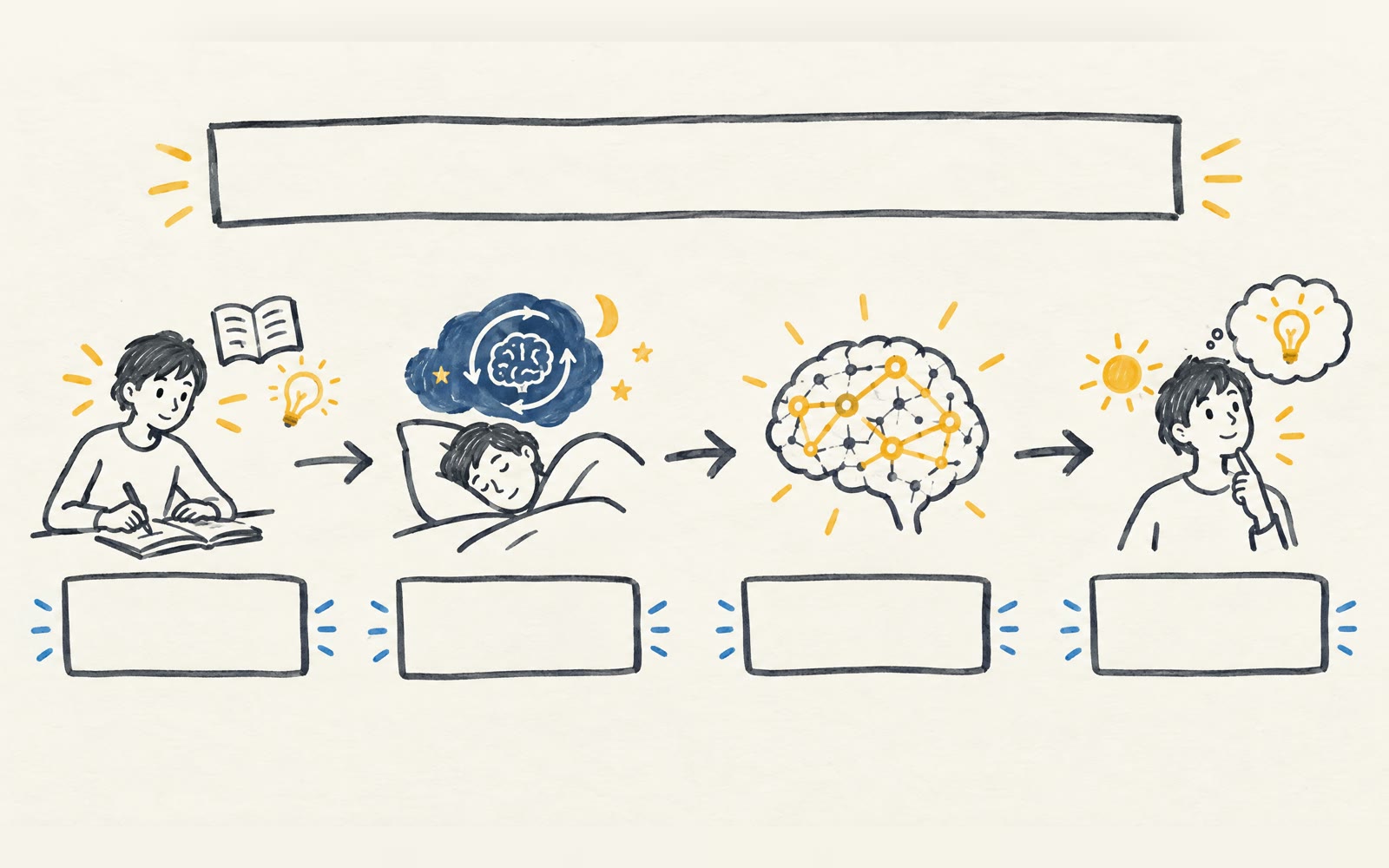
Turn a teaching claim into a text-free 16:9 marker-drawn infographic base with organic lines, original sketches and three to five empty evidence blocks.
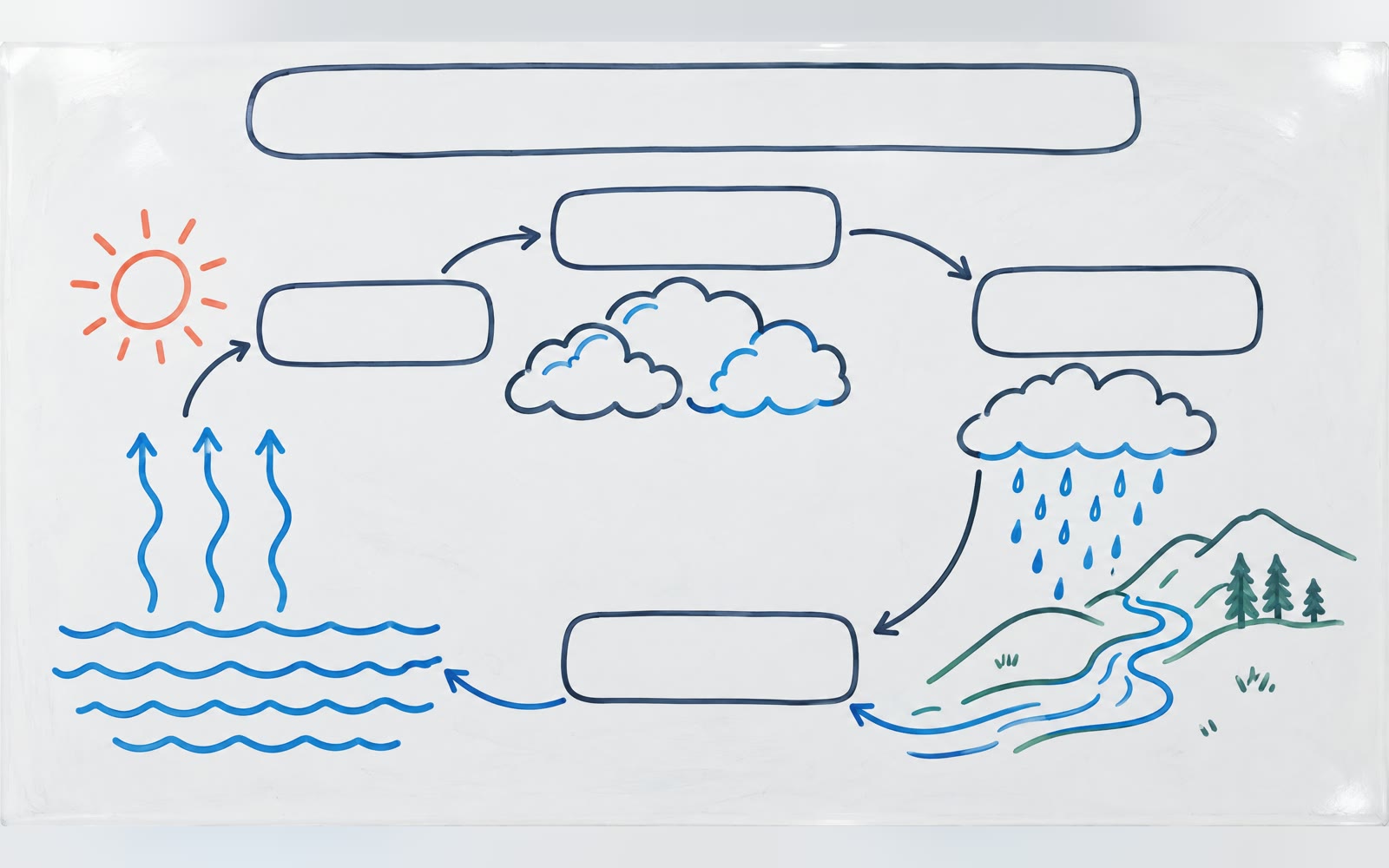
Turn a lesson into a text-free 16:9 whiteboard sketch: one central drawing, three to five empty callout boxes joined by arrows and an empty title area.
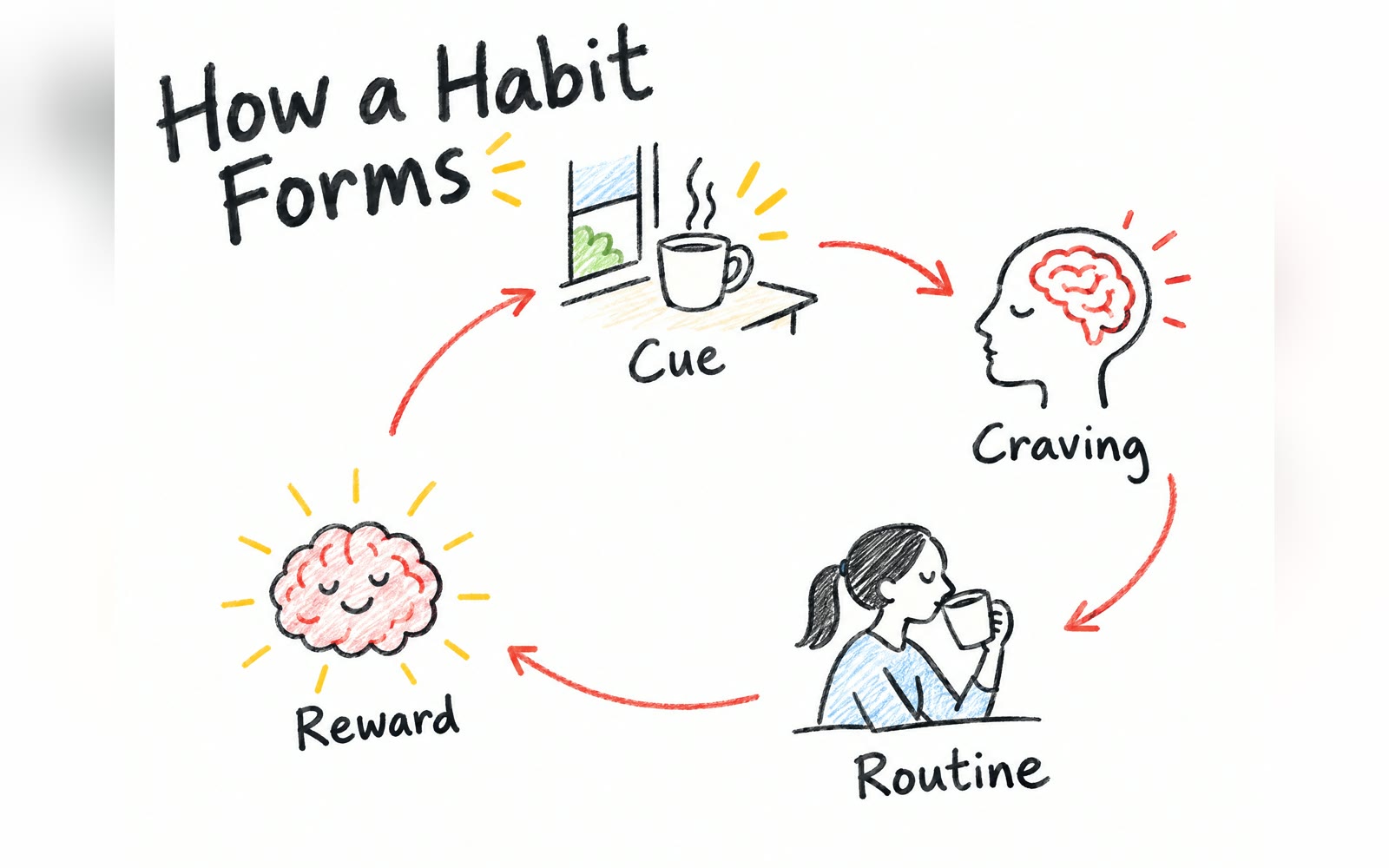
Turn source text into one 4:3 hand-drawn sketchnote: illustrated nodes, thin pencil lines, sparse color, a large title and three to five exact labels.
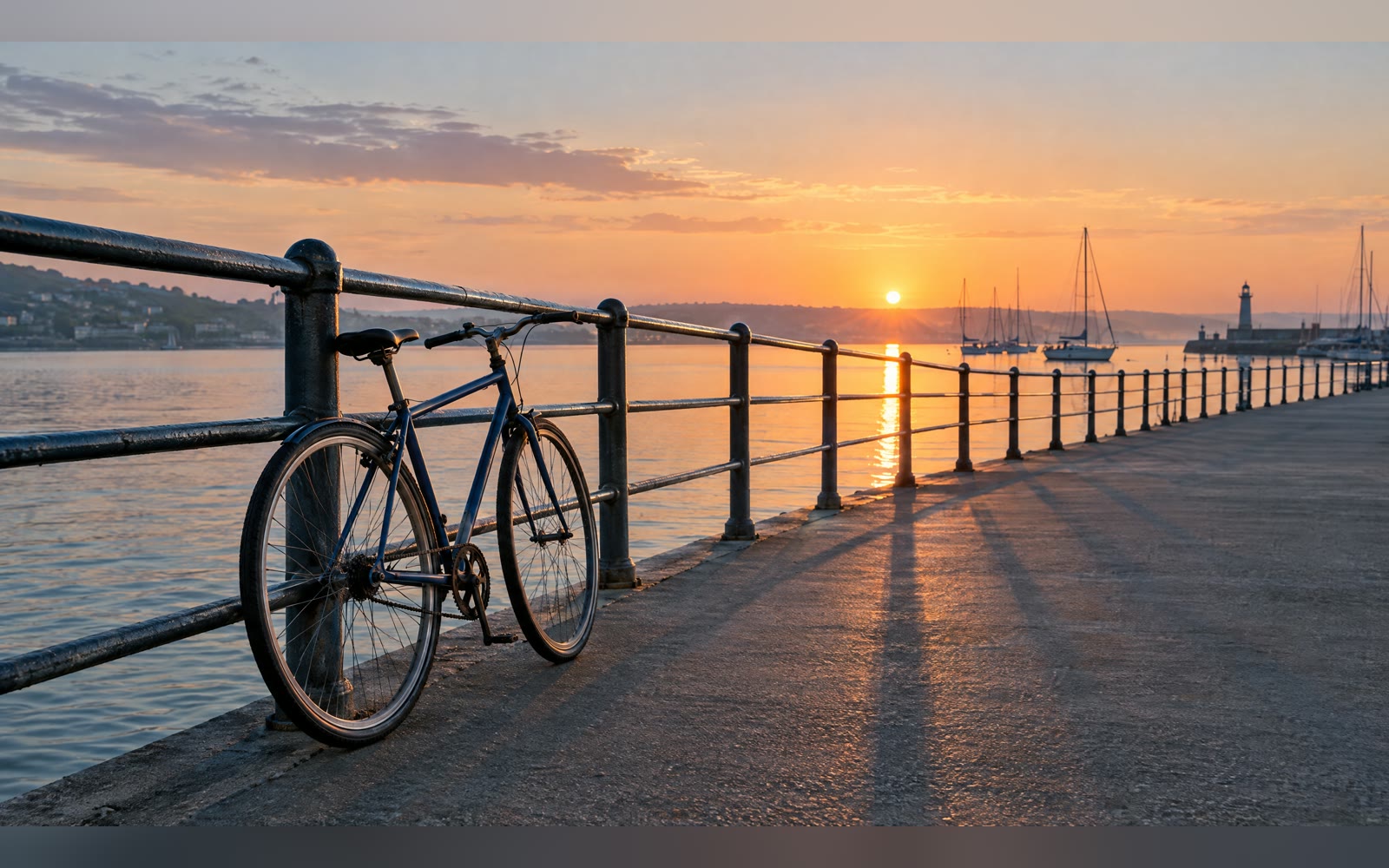
Turn one subject and three composition principles into three photographic 16:9 studies with the same setup, so you can compare how composition changes the feeling.
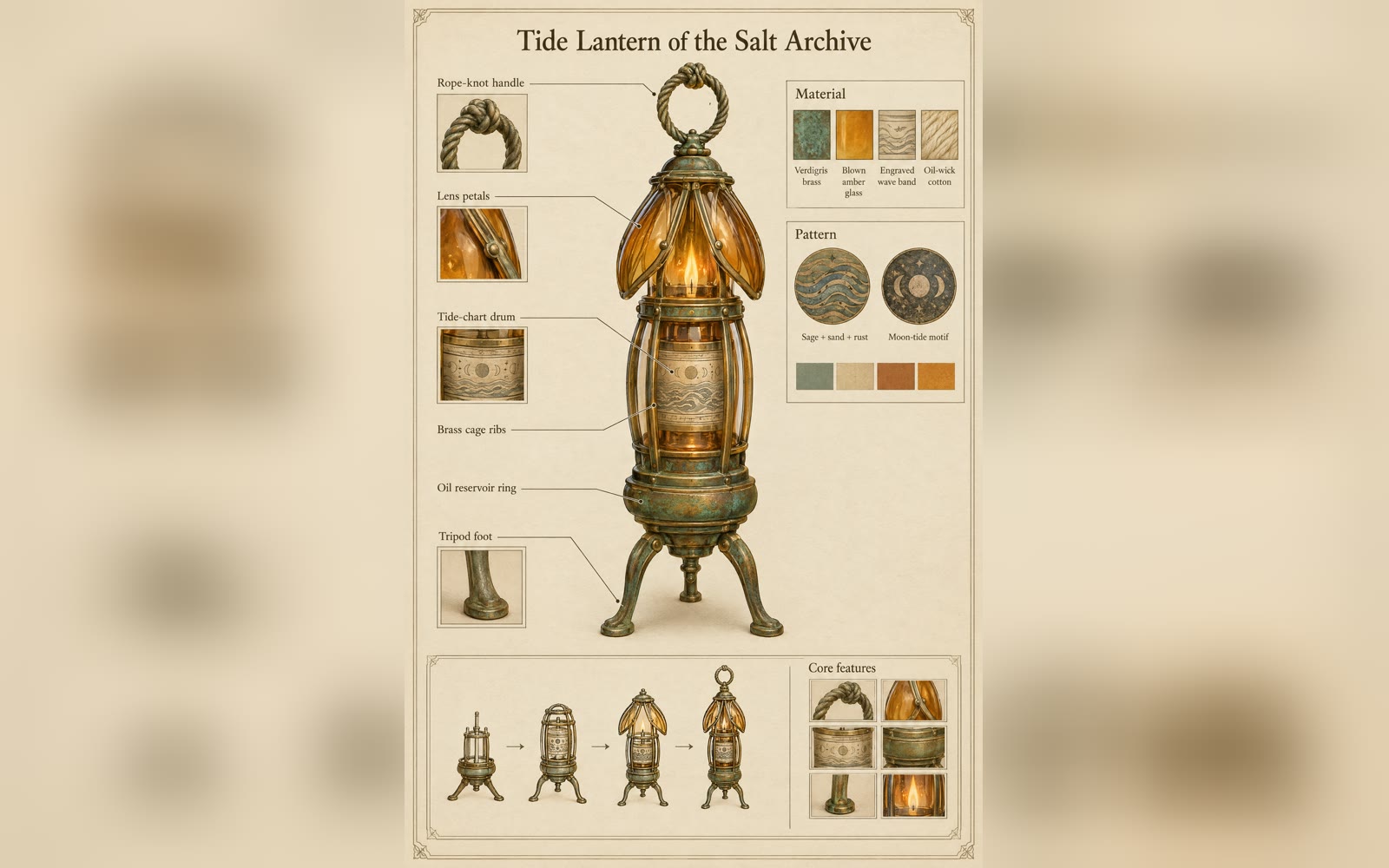
Turns a fictional heritage object into a museum-catalog specimen plate with labelled parts.
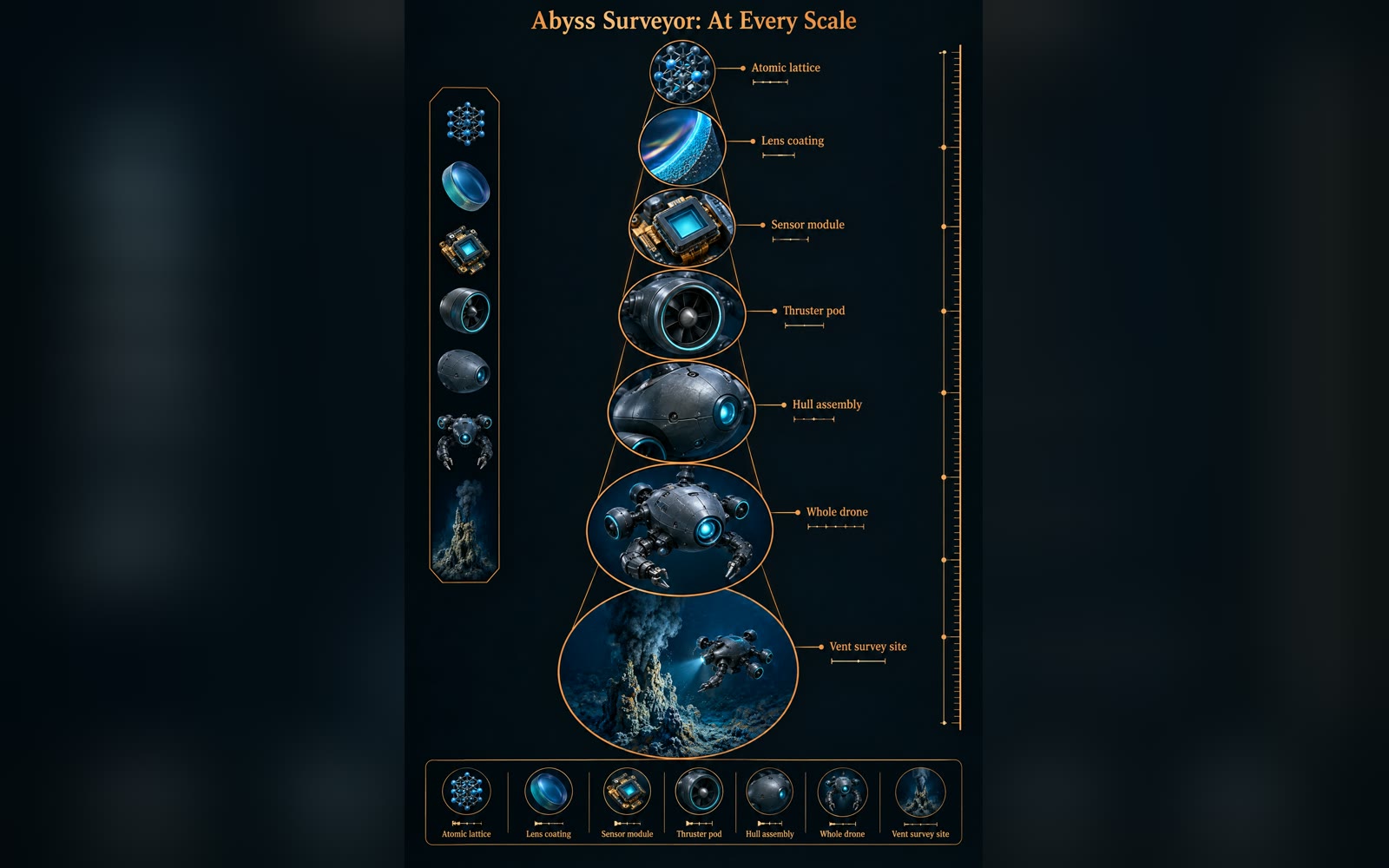
Turns a fictional subject into a zoom-ladder infographic that magnifies it at every scale.
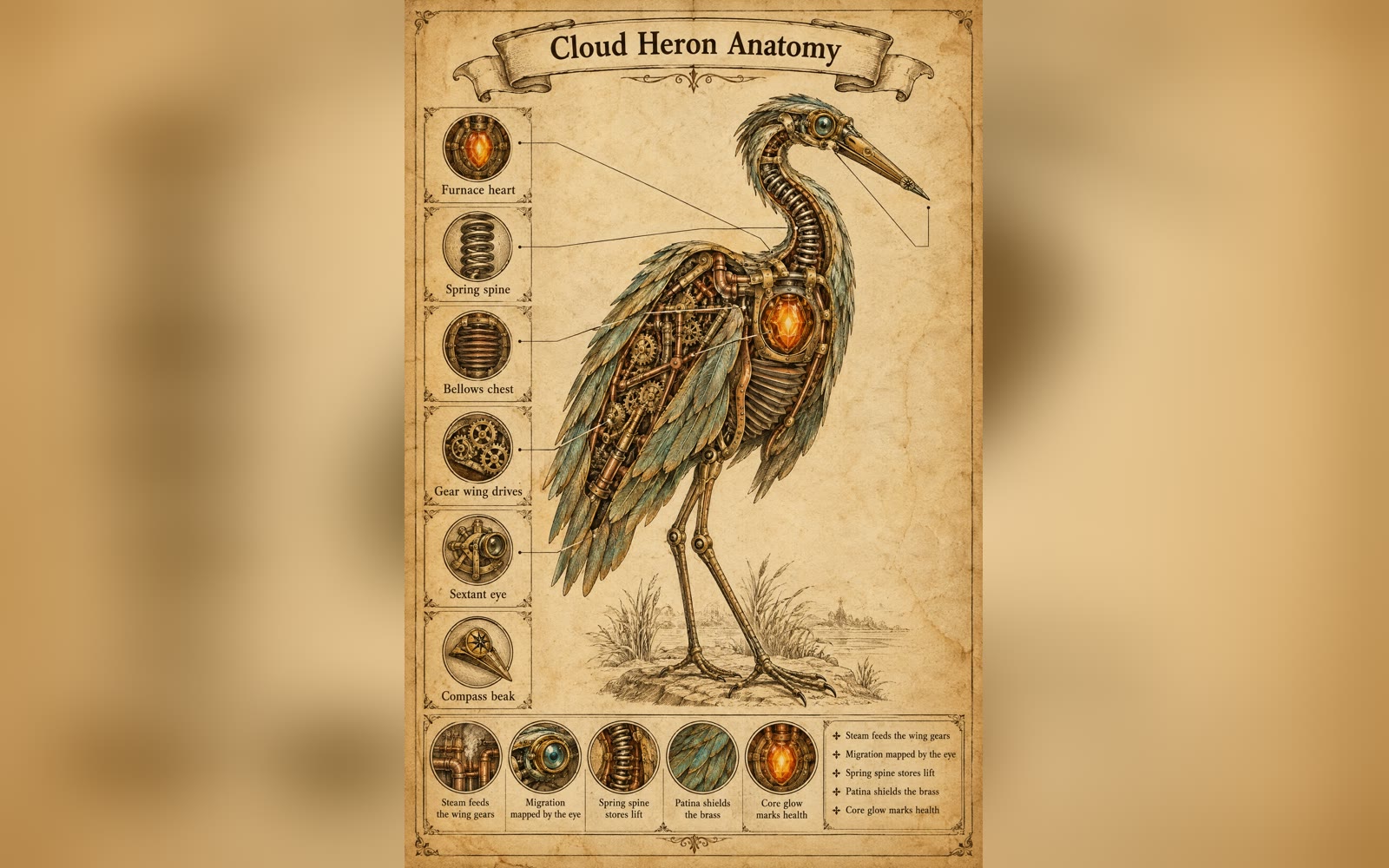
Turn a fictional creature or machine into a vintage engraved anatomy plate: a cutaway subject on aged paper with a banner title, legend modules and a findings strip.
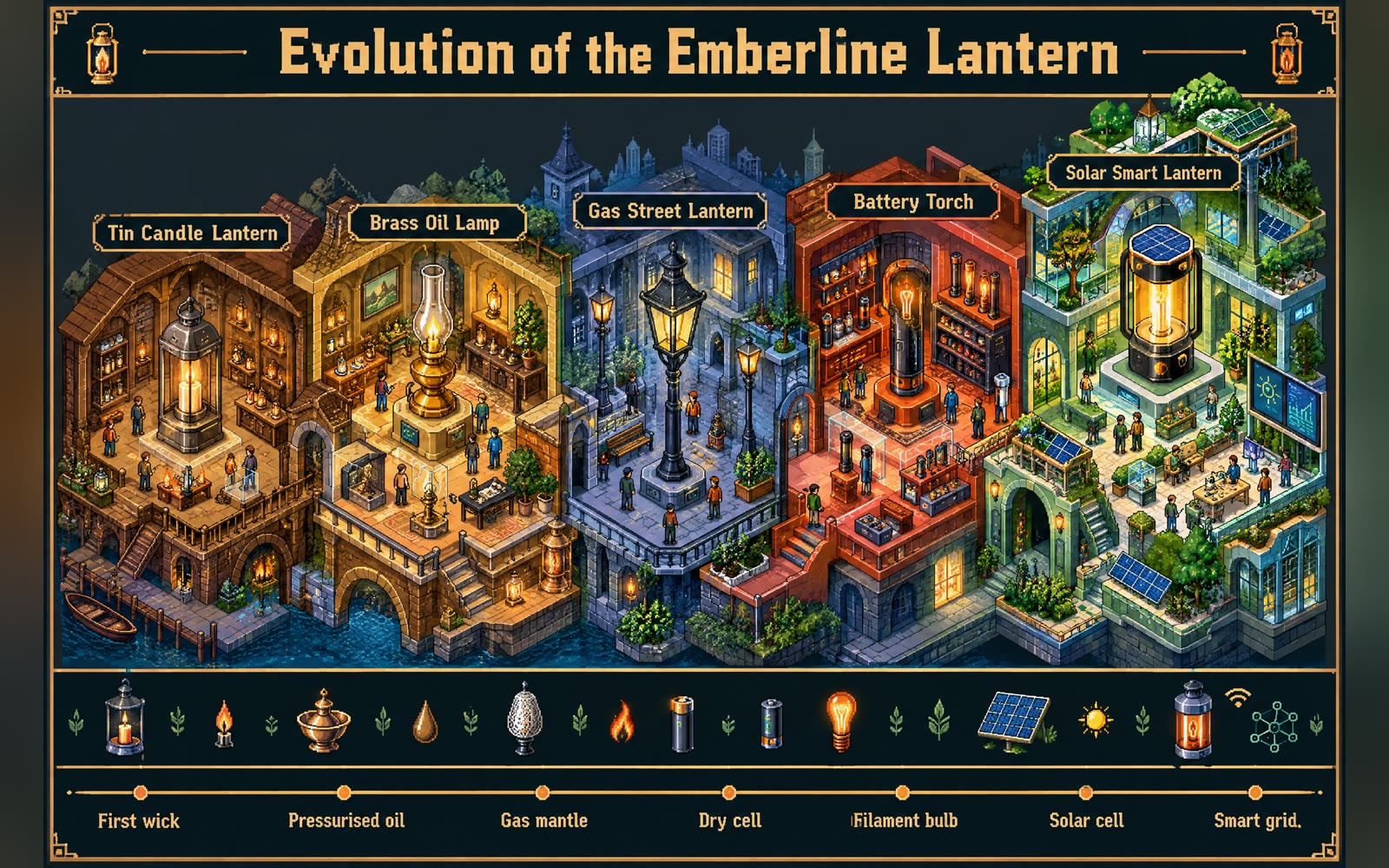
Turn a fictional progression into an isometric pixel-art museum poster: a left-to-right row of pavilion zones, one per stage, with a pixel title and a milestone timeline.
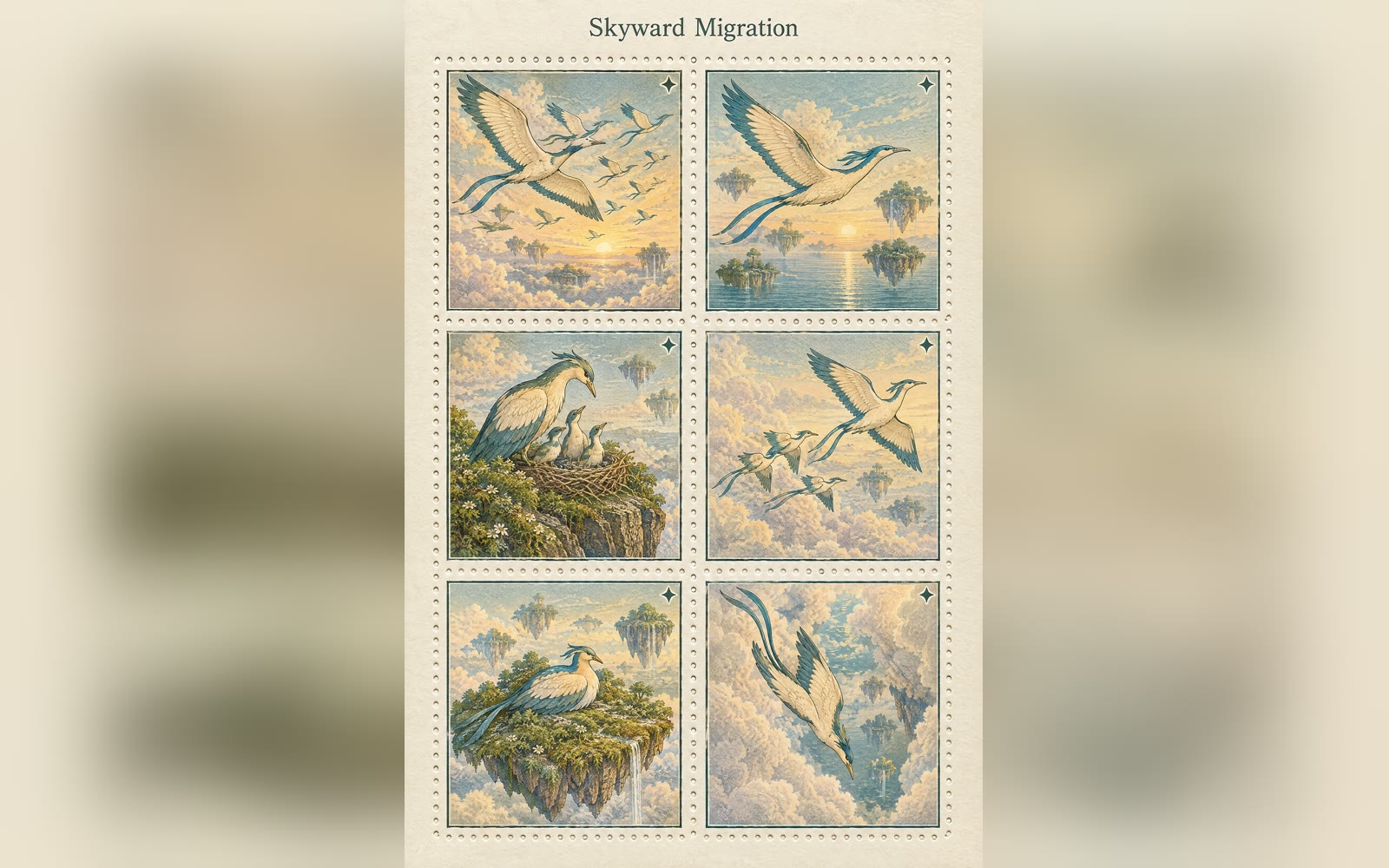
Turn one invented theme into a block of illustrated postage stamps on gummed paper.
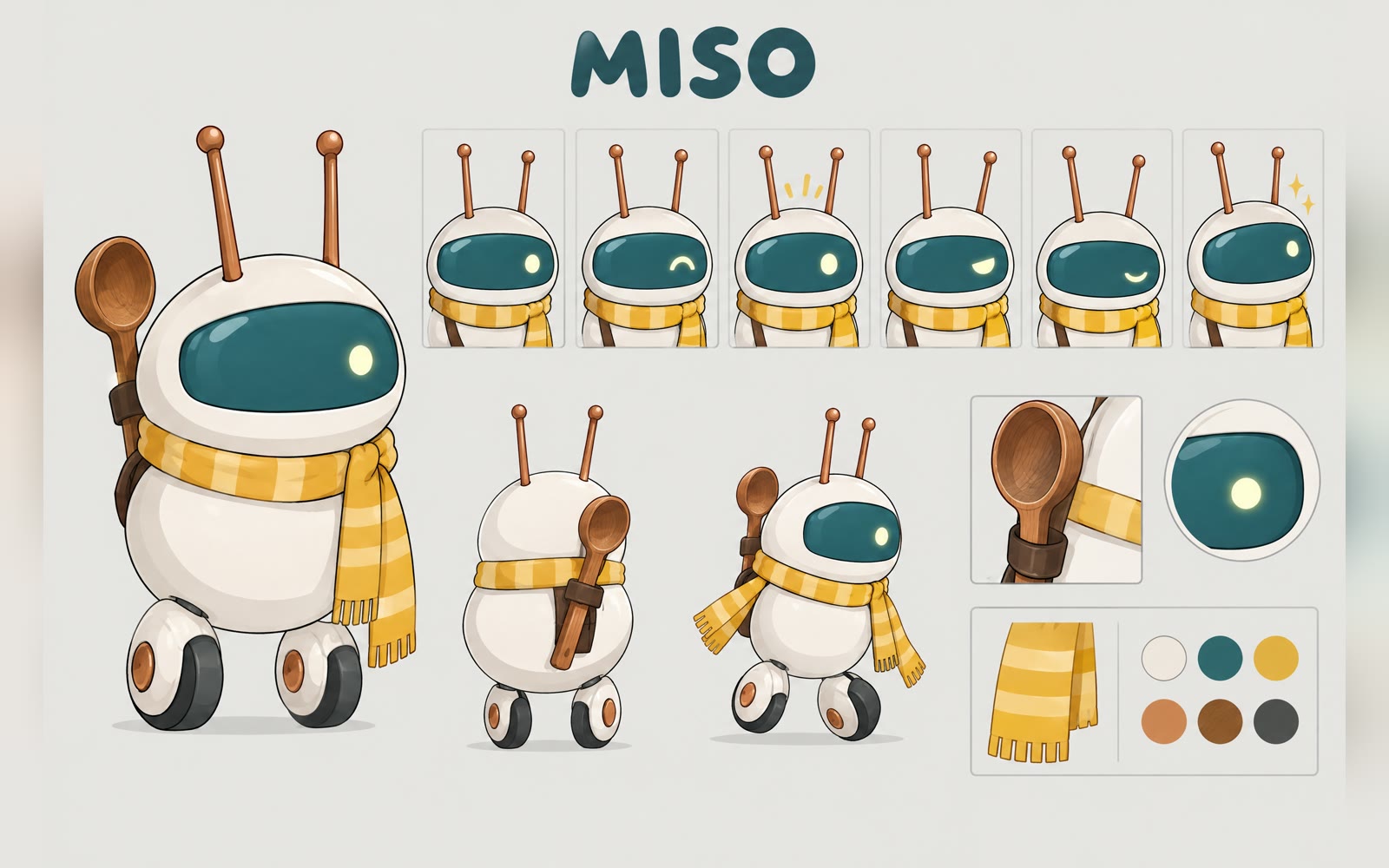
Pin down one invented character on a single model sheet for consistent reuse.
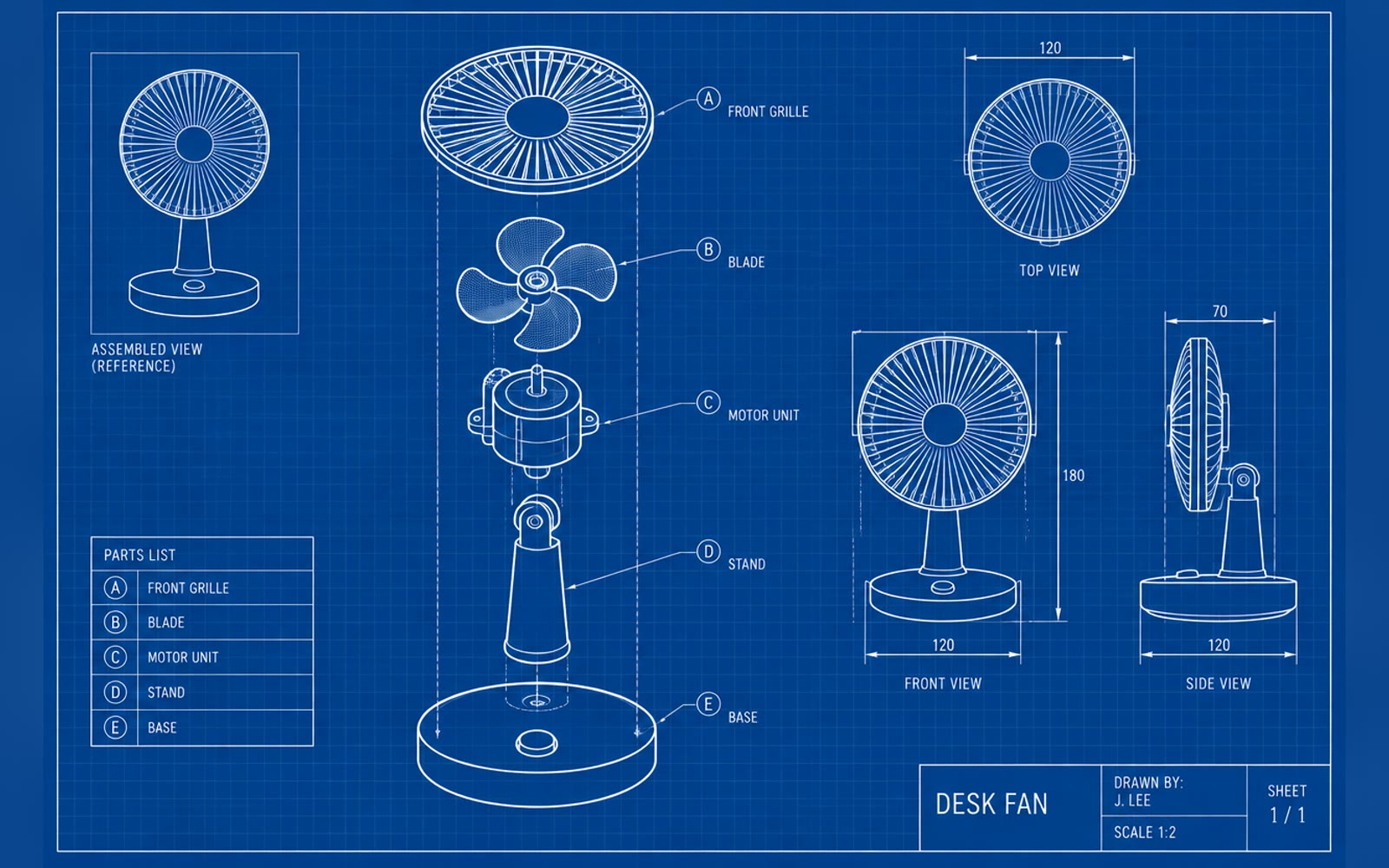
Turn a photo of any everyday object into a white-on-blue engineering blueprint — orthographic views, an exploded breakdown or a sectioned cutaway, with letter callouts, dimension lines and a title block.
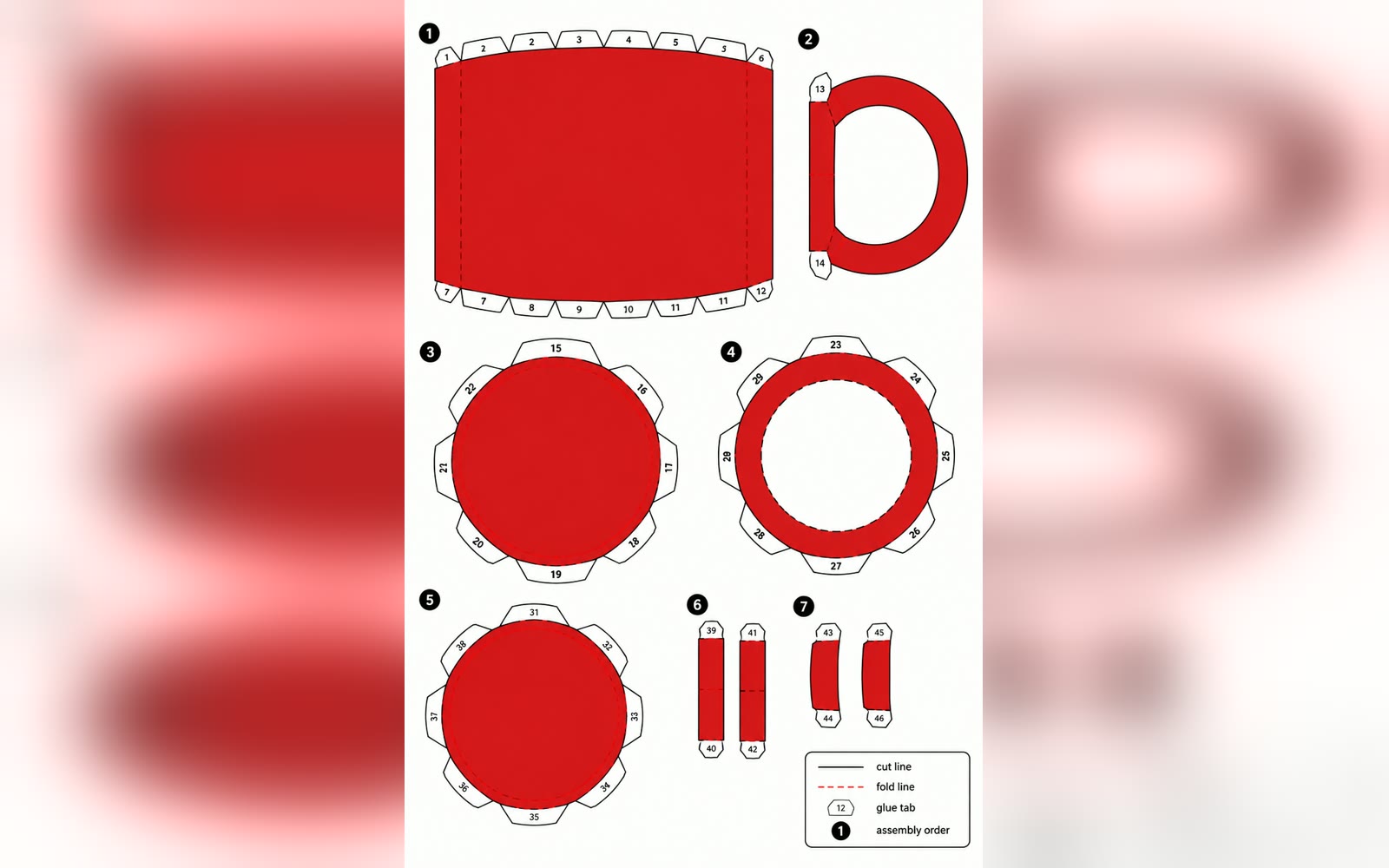
Turn a photo of any small object into a printable papercraft net — flat pieces with cut lines, fold lines, numbered glue tabs and assembly order, laid out on white card.
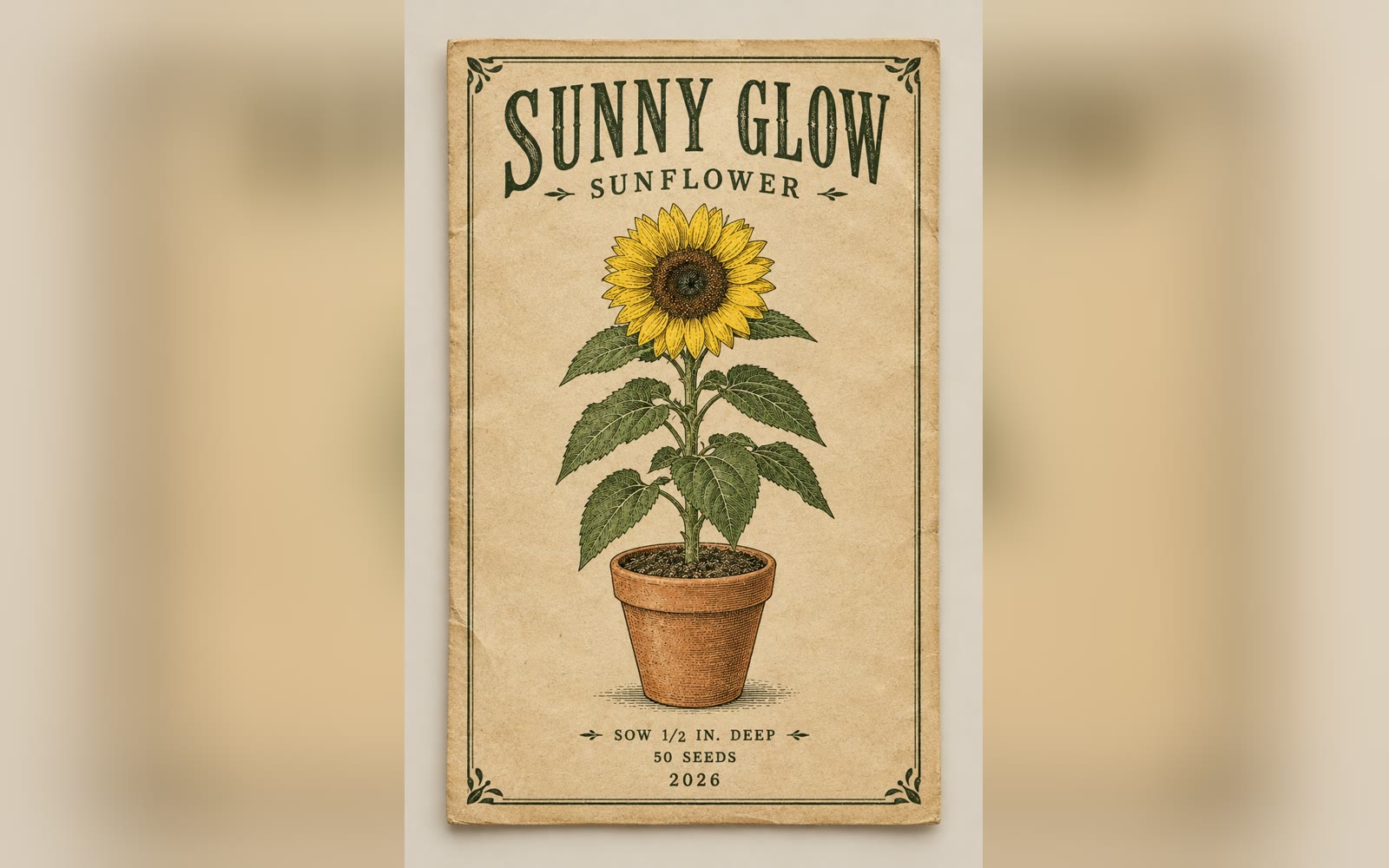
Turn a photo of your own plant or flower into a vintage seed-packet cover — a hand-drawn botanical plate on a kraft envelope with an invented variety name, sowing note and year.
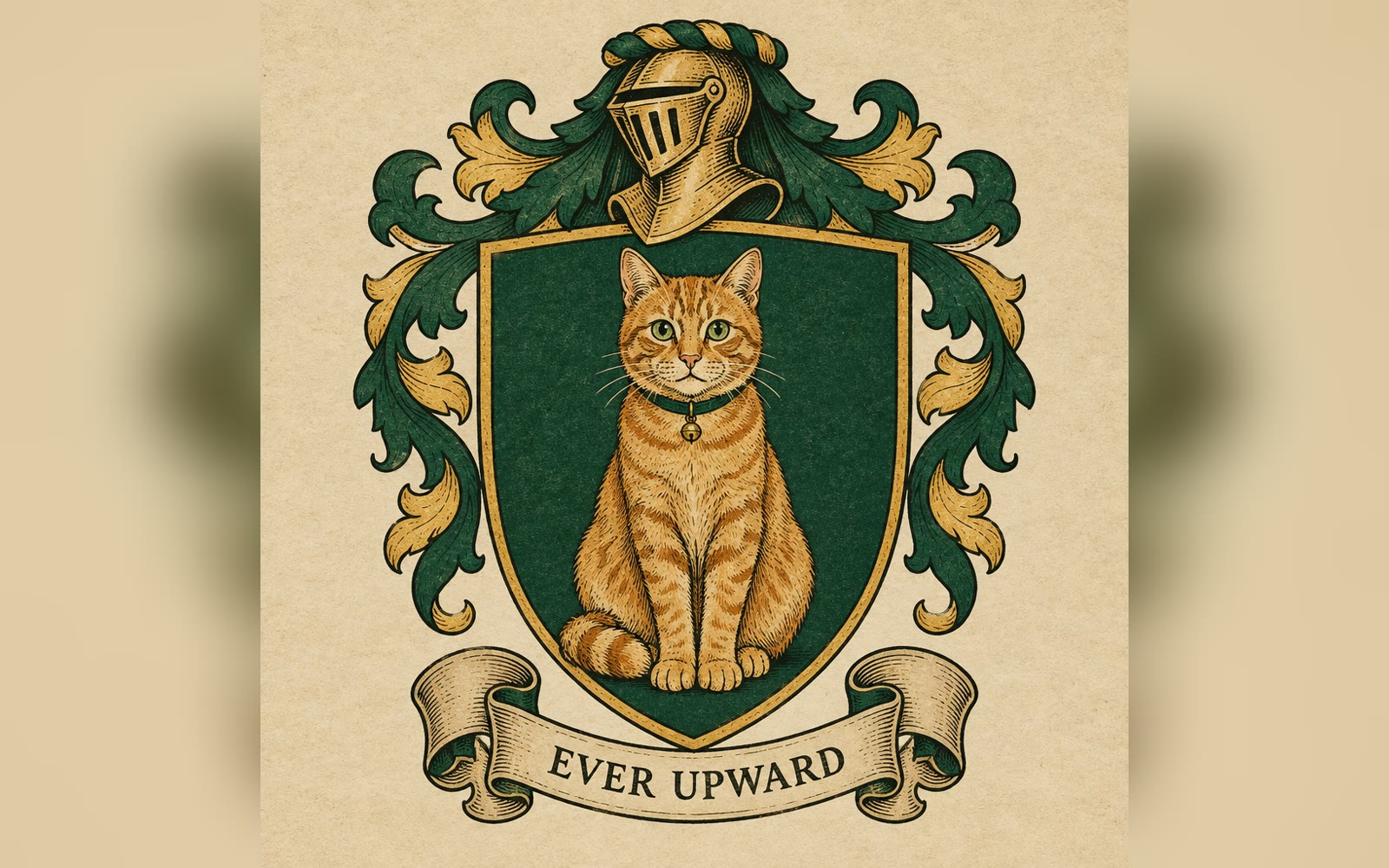
Turn any photo — a pet, a person, a mascot, a meaningful object — into a heraldic family crest: a shield, roundel or lozenge achievement with mantling and an invented motto ribbon.
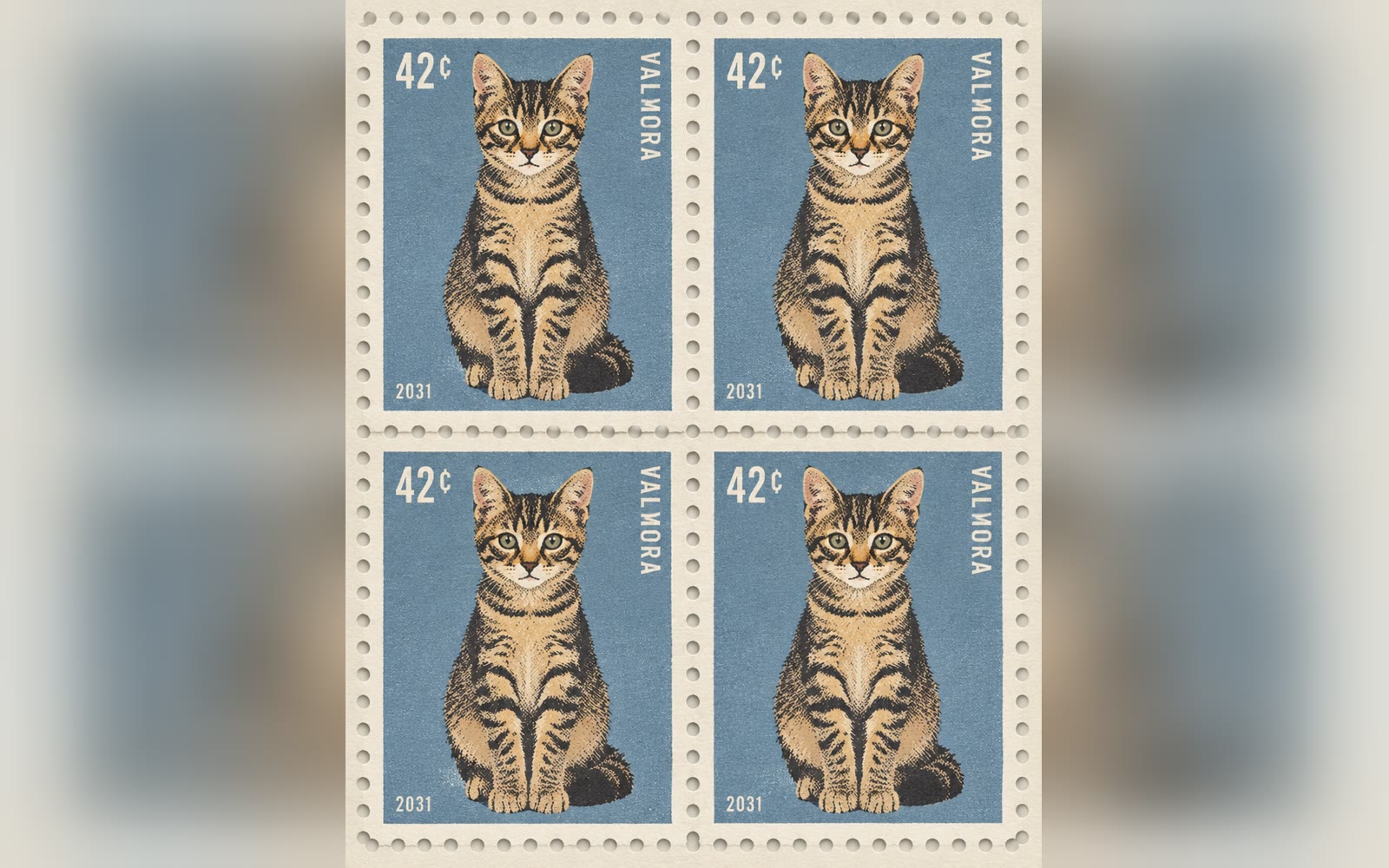
Turn any photo — a pet, a plant, a person, a place — into a printed postage stamp: perforated edge, offset-print grain and invented postal furniture, as one stamp or a 2x2 sheetlet.
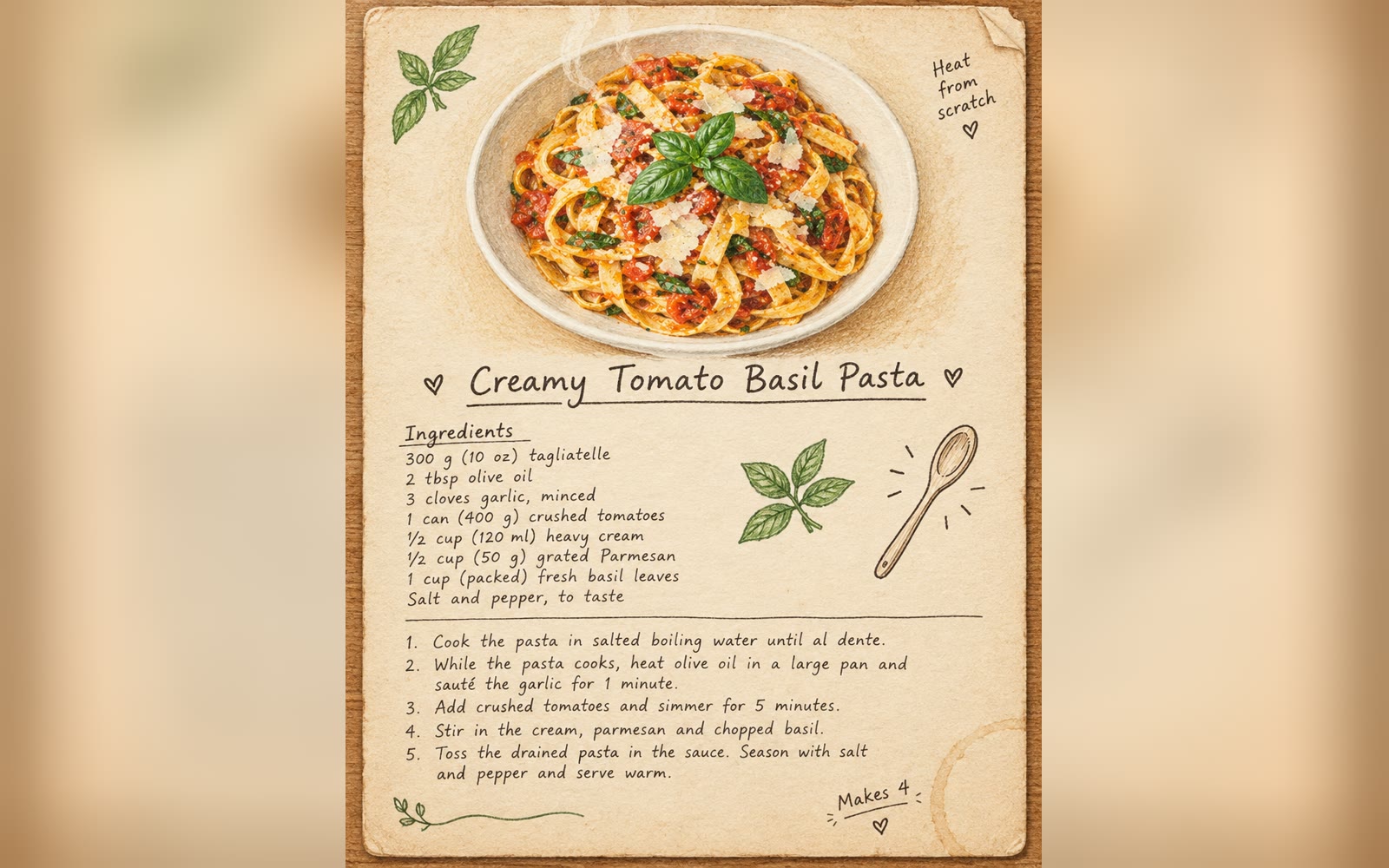
Turn a photo of your own dish into a keepsake recipe card — the dish redrawn as the card's hero picture over a working recipe of invented name, ingredient column and numbered steps.
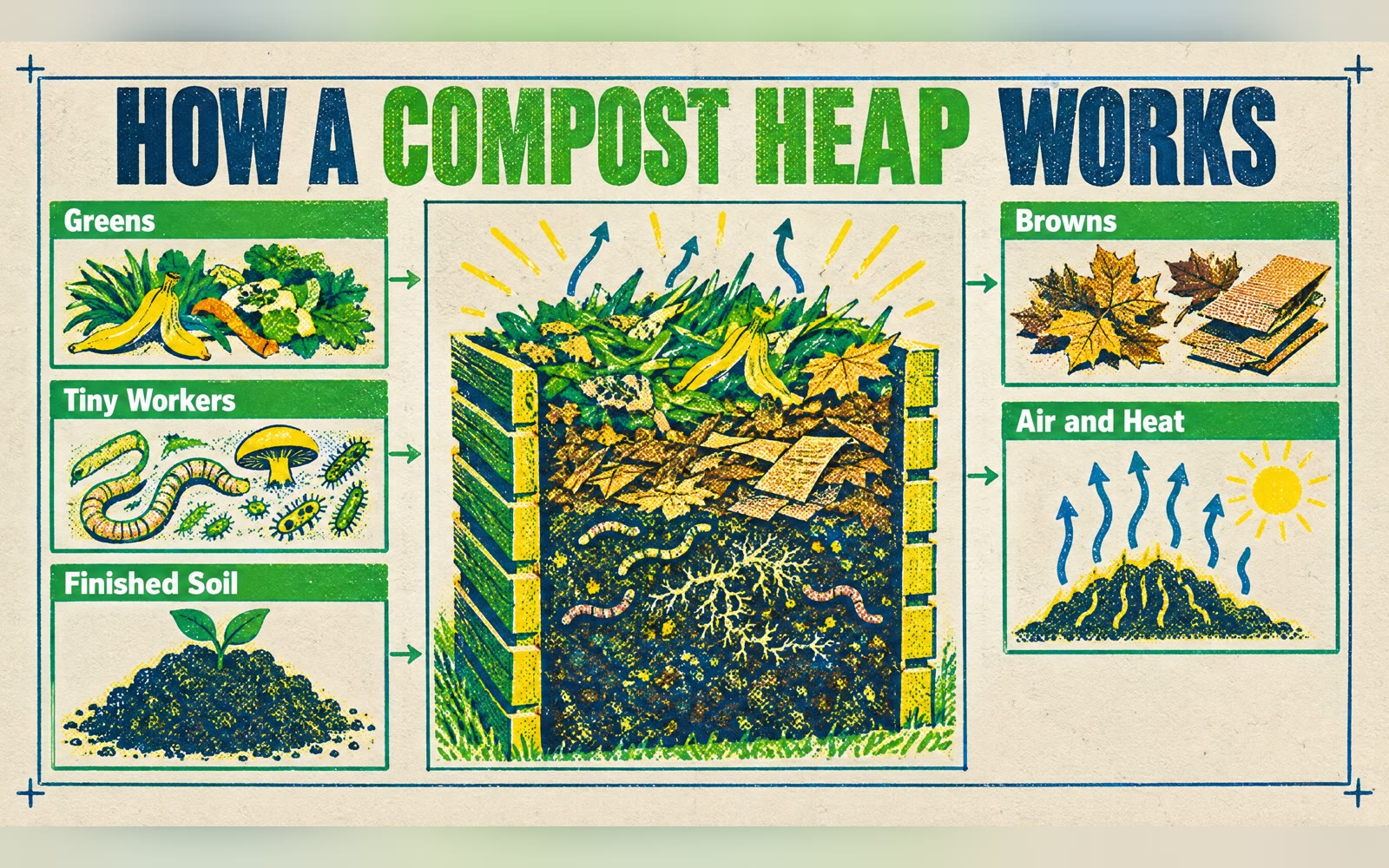
Turn one topic into a 16:9 zine-style explainer spread printed in two or three spot inks.
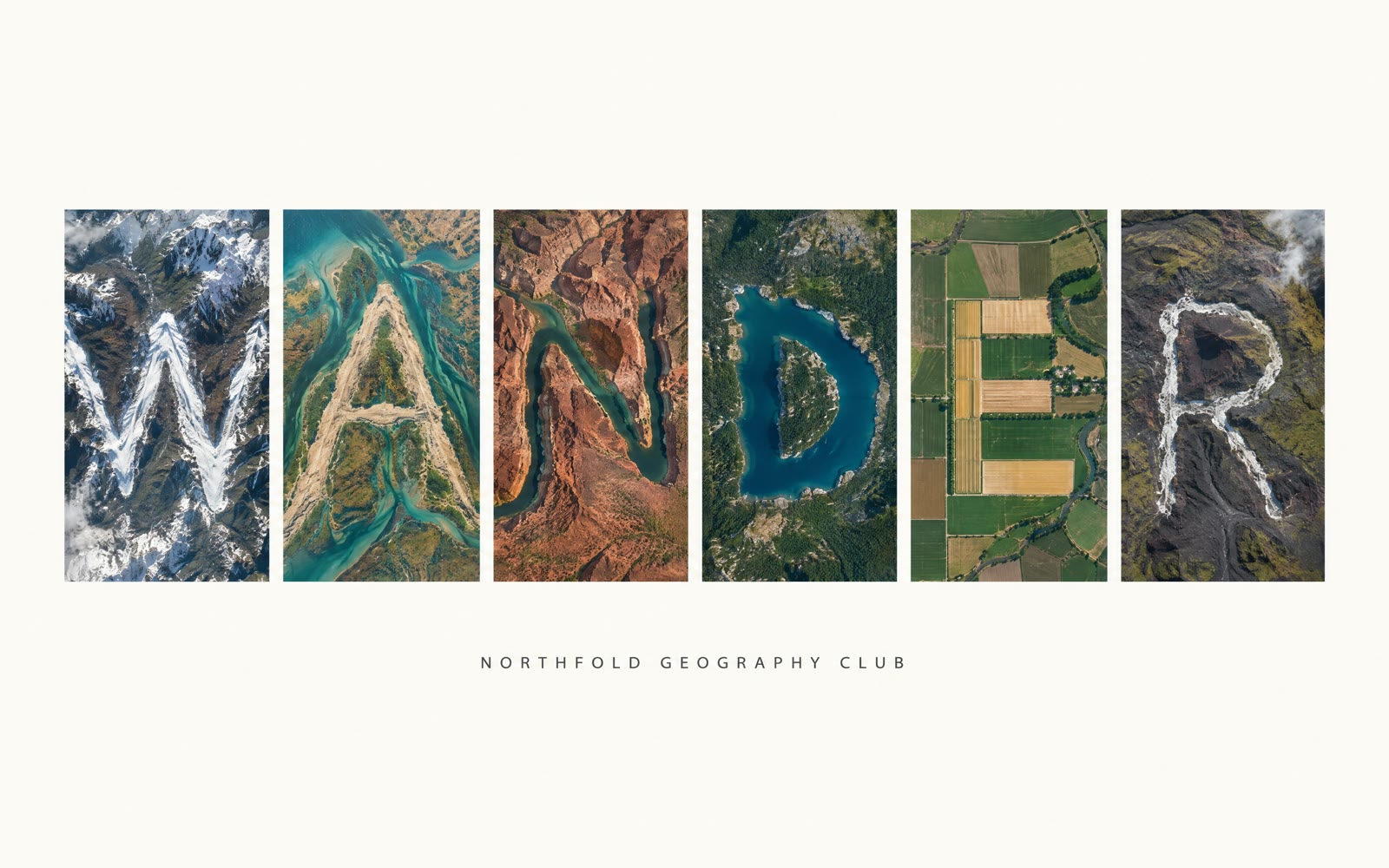
Spell a short word as a row of aerial landscape tiles, each letter formed by rivers, ridges, ice or fields.
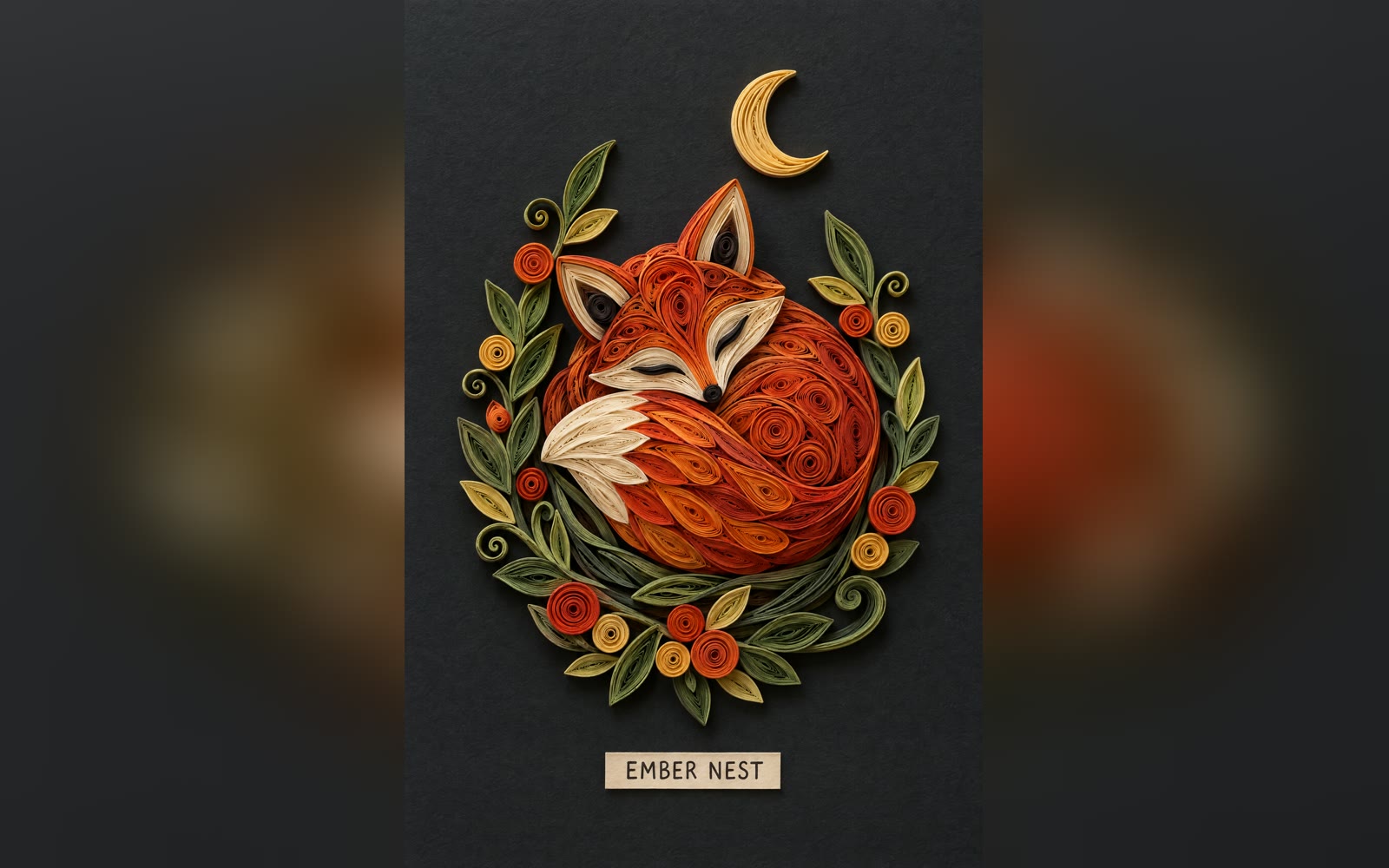
Rebuild one creature, object or small scene as an upright coiled-paper relief sculpture on dark charcoal card.

Turn a show brief into a single-file podcast site with an episode list, episode pages, guests and an about page.
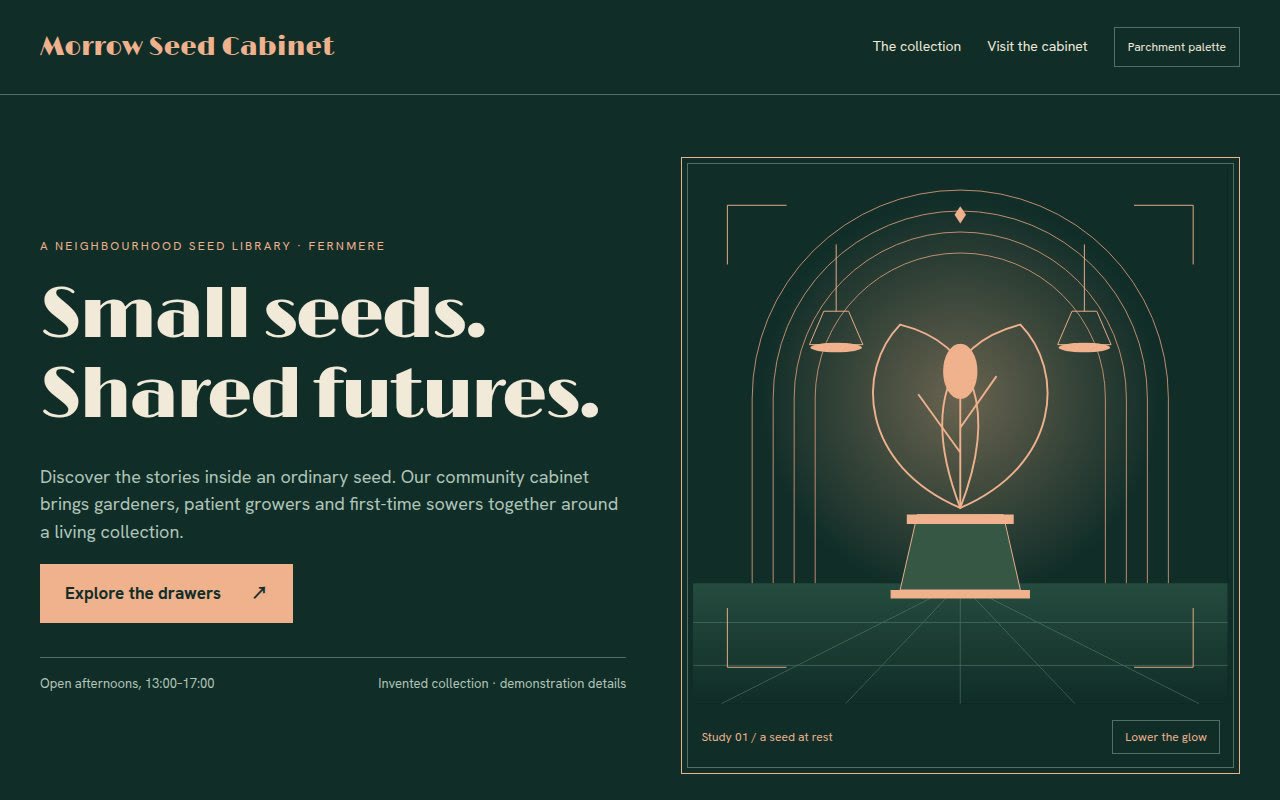
Present a cultural venue, community collection or craft programme with theatrical headings, deep pine surfaces, fine copper frames and an illustrated chamber that visitors can explore at their own pace.

Turn a bio and a list of projects into a single-file editorial portfolio with selected work, teaching, writing and contact.
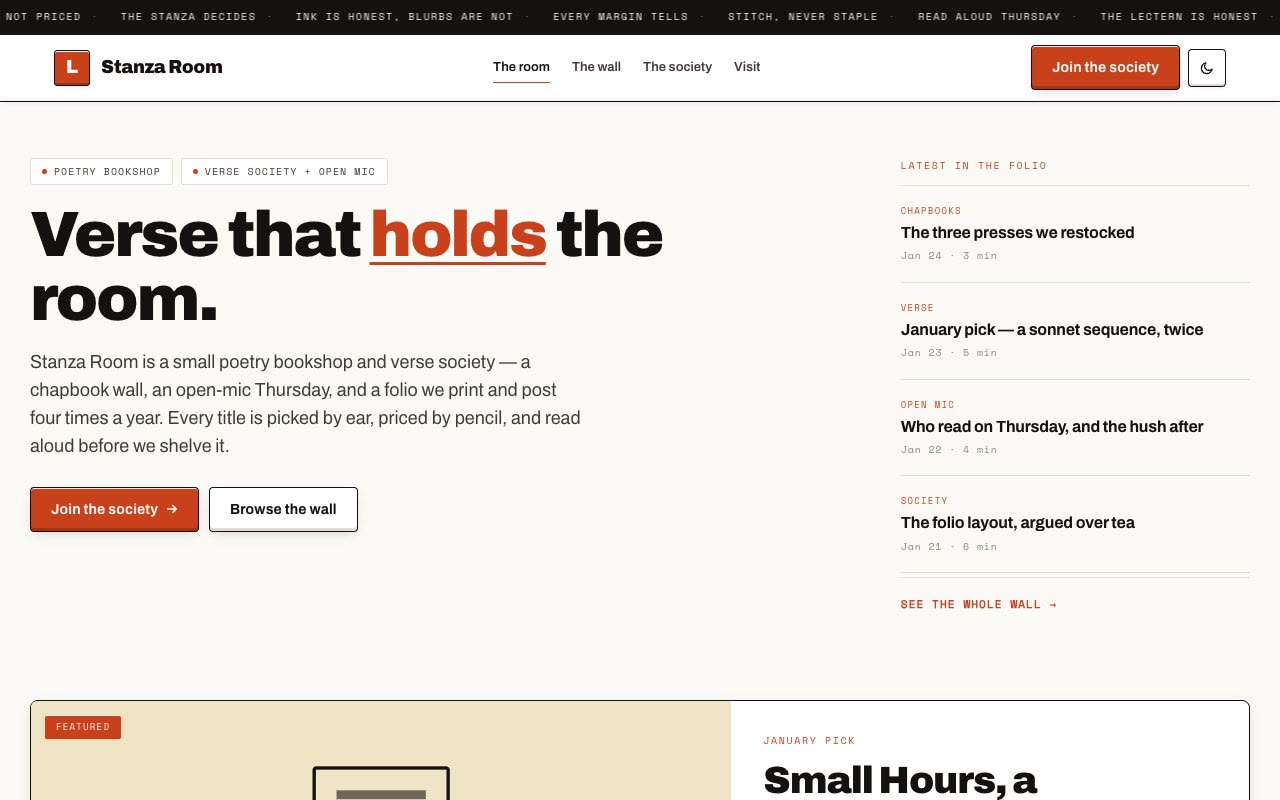
Turn a brief for an independent bookstore, literary salon or reading club into a site with long-form storytelling, chapter sections, book galleries, event calendars and seriffed editorial typography.
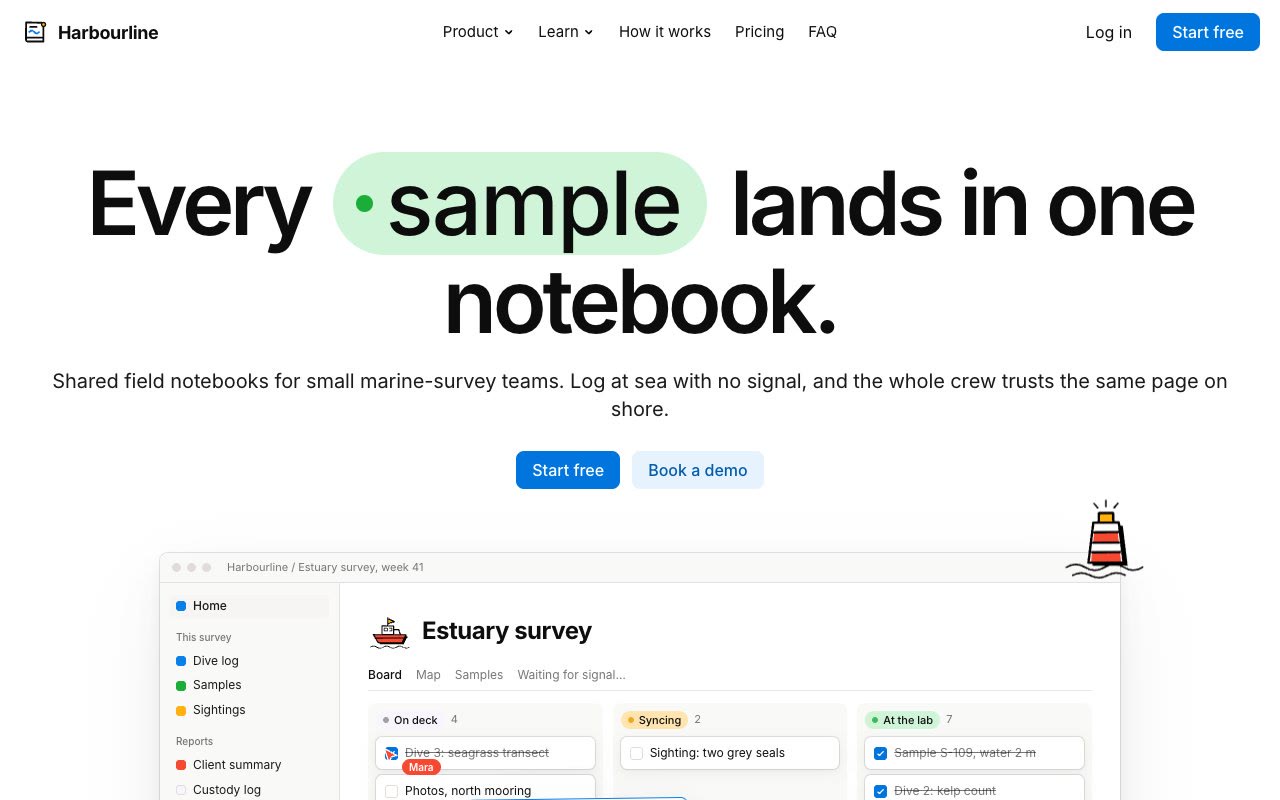
Restyle a site, or build a new one, in a friendly workspace style: white pages, warm grey bands, bold headlines and hand-drawn line art.
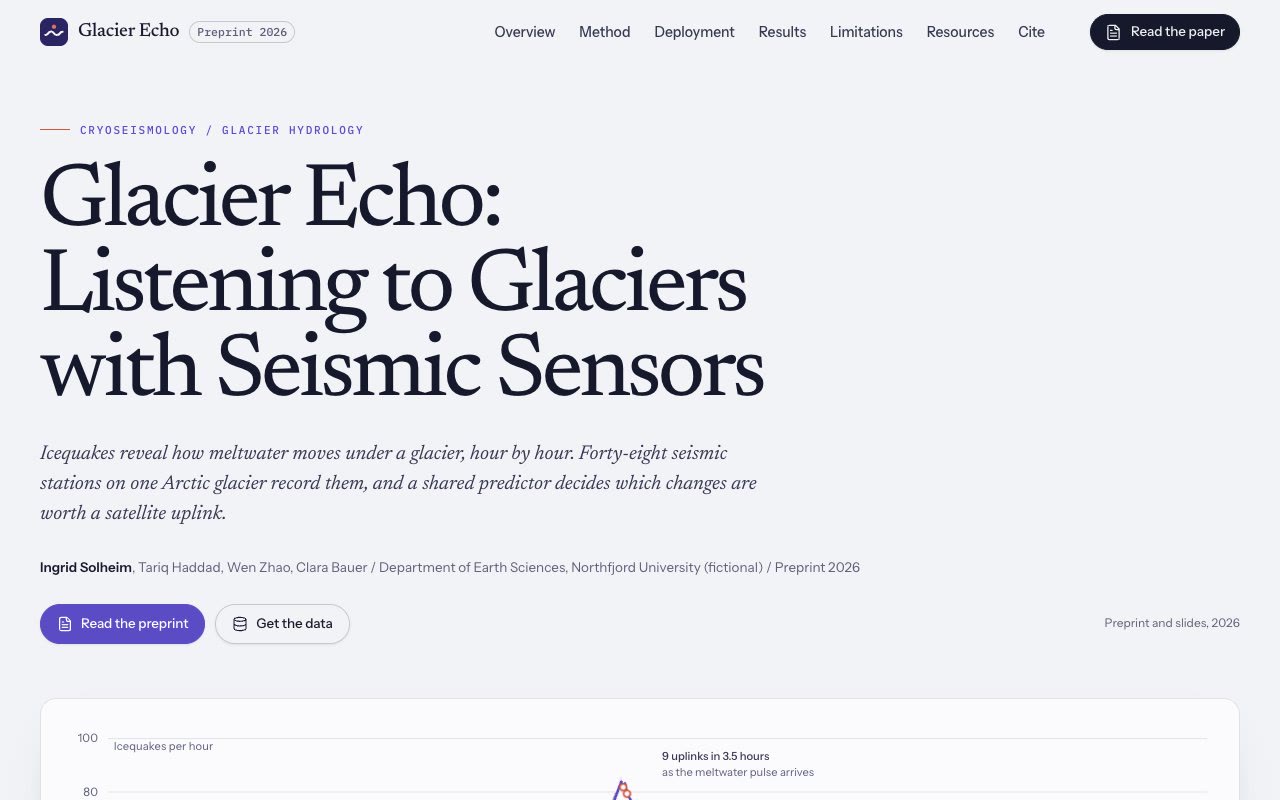
Turn a paper into a single-file project homepage with the abstract, results, paper, code and data pages.
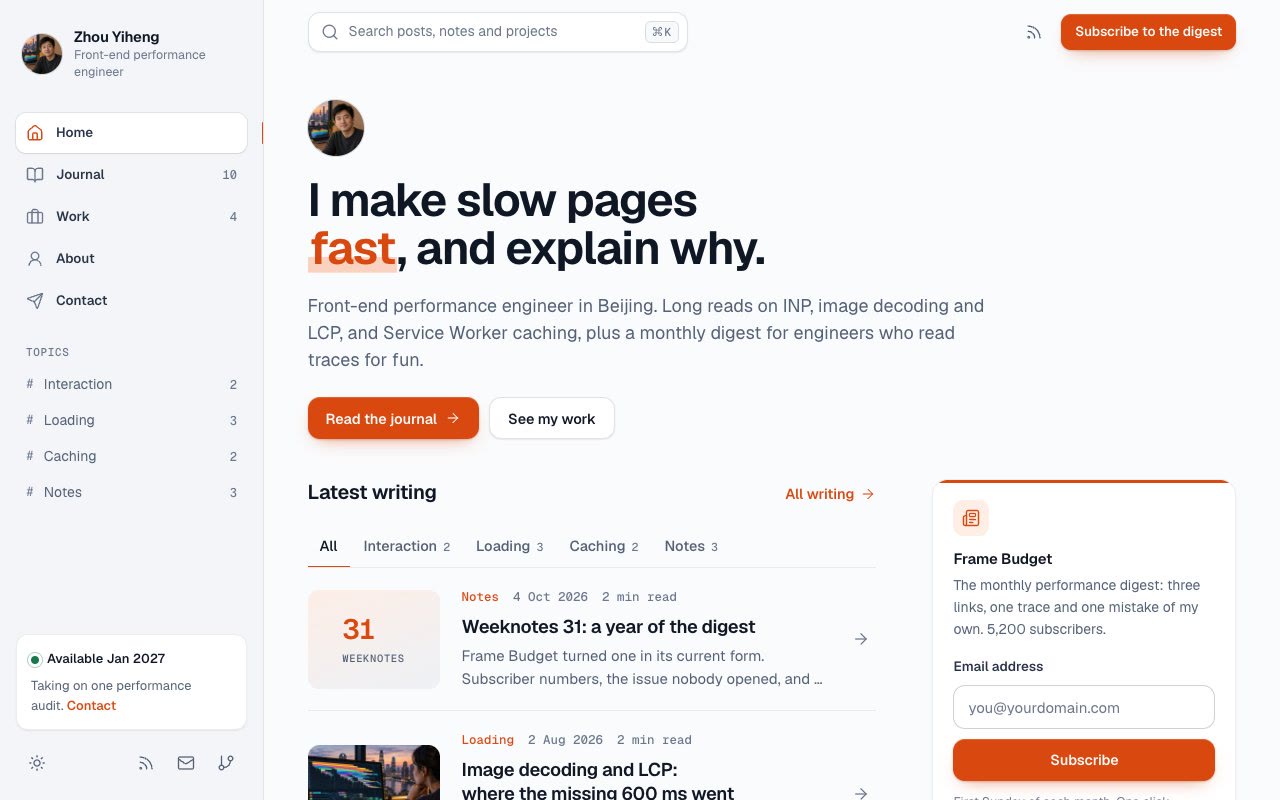
Turn your notes and posts into a single-file developer journal with an index, articles and an about section.

Turn a brief for an audio studio, sound design workshop or music production space into a site with neumorphic soft-emboss buttons, gentle elevation shadows, warm neutral tones and tactile UI.
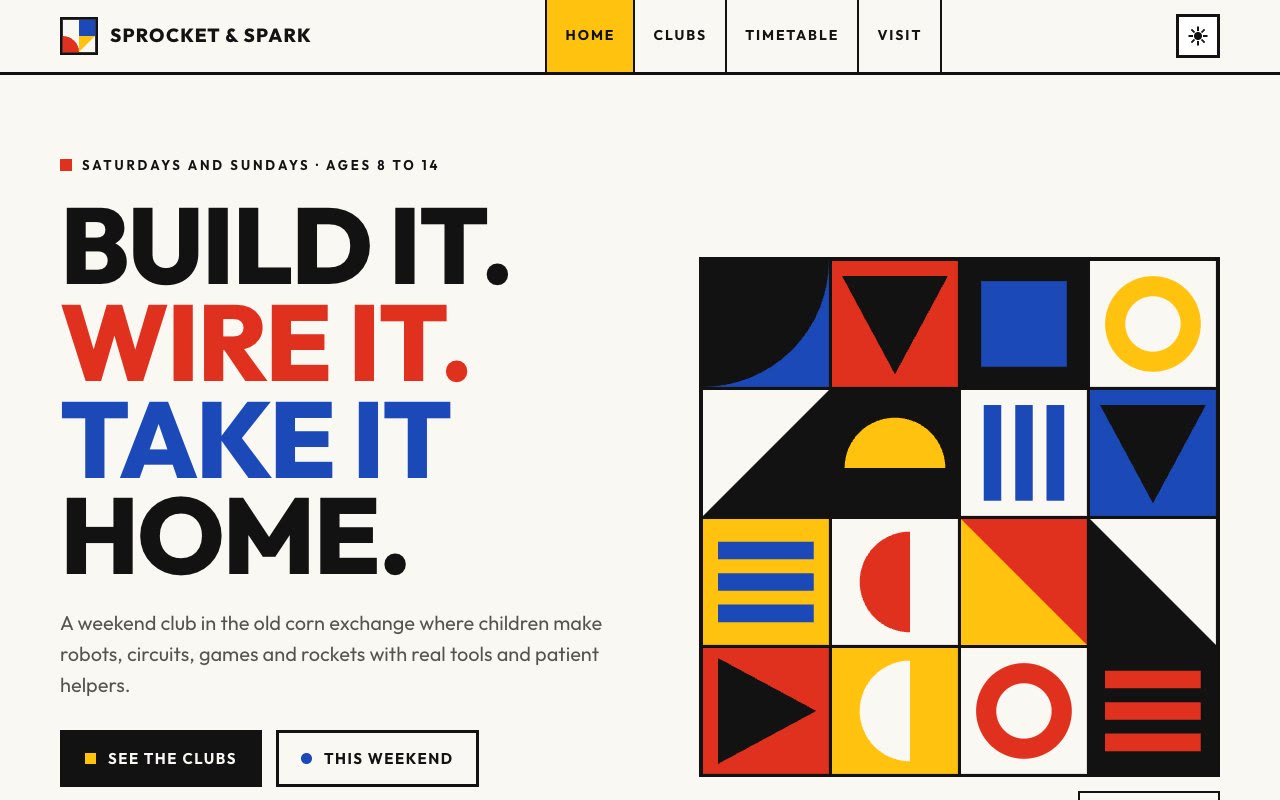
Turn a brief for an evening school, design course, workshop studio or makers’ class into a primary-shape site: warm white ground, thick ink lattice rules, heavy geometric capitals and flat red, yellow and blue circles, squares and triangles drawn in code.
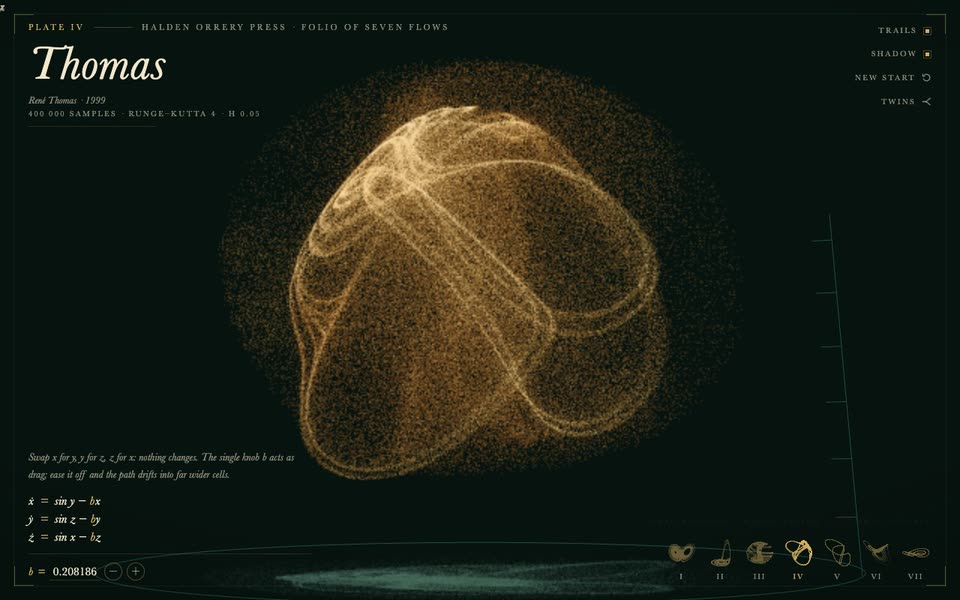
Leaf a folio of seven strange attractors. Each plate runs a real Runge–Kutta integration you can retune with parameter dials, orbit in three dimensions, and split into a twin-trajectory divergence chart.
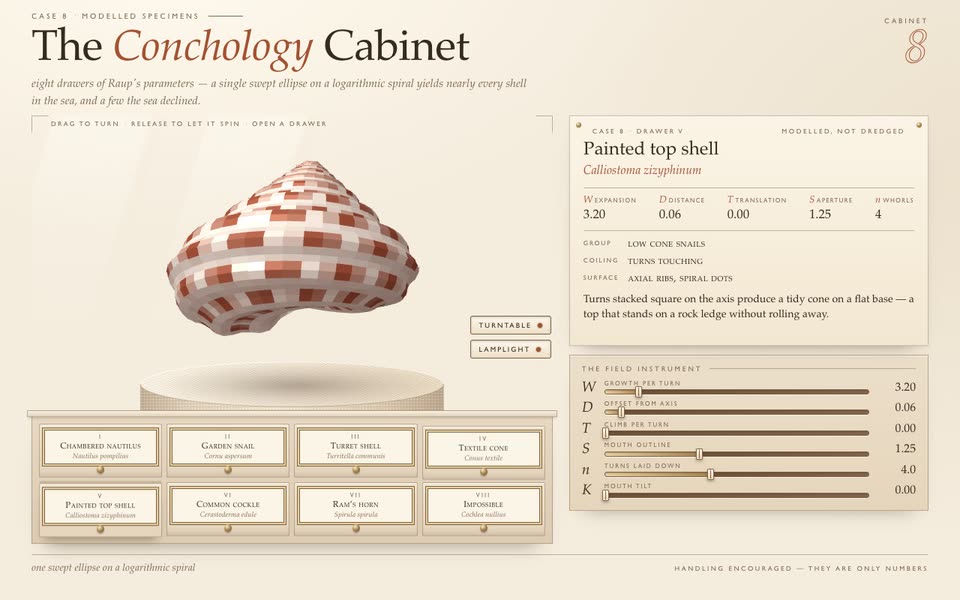
A cabinet of eight generative shells built by Raup's parameter sweep — a generating ellipse slid along a logarithmic spiral. Turn the W / D / T / S / N / K dials and leaf the presets.
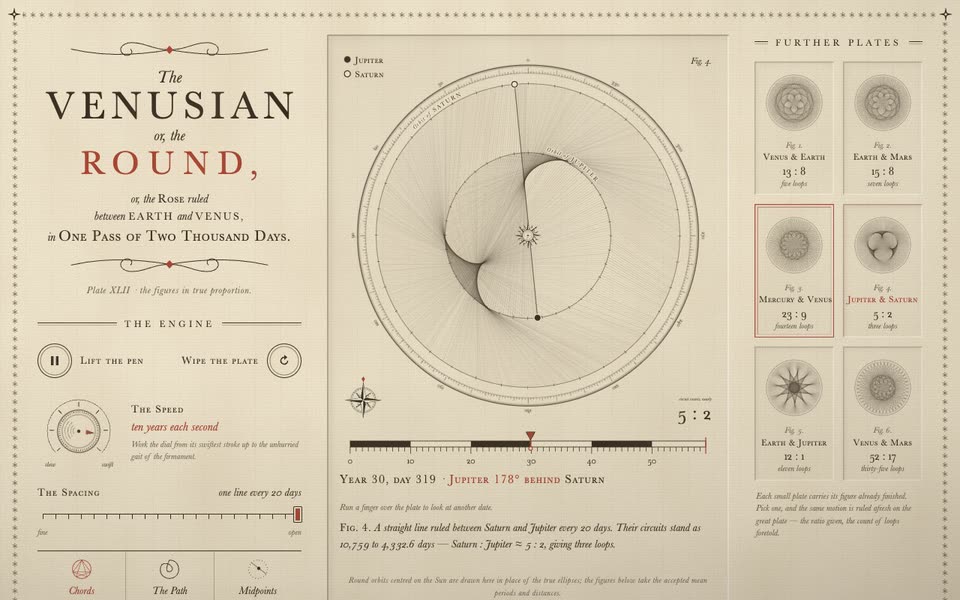
The Venusian round: inferior and superior conjunctions traced as resonant figures — rose curves drawn by the Earth–Venus dance across years, with speed and interval controls.
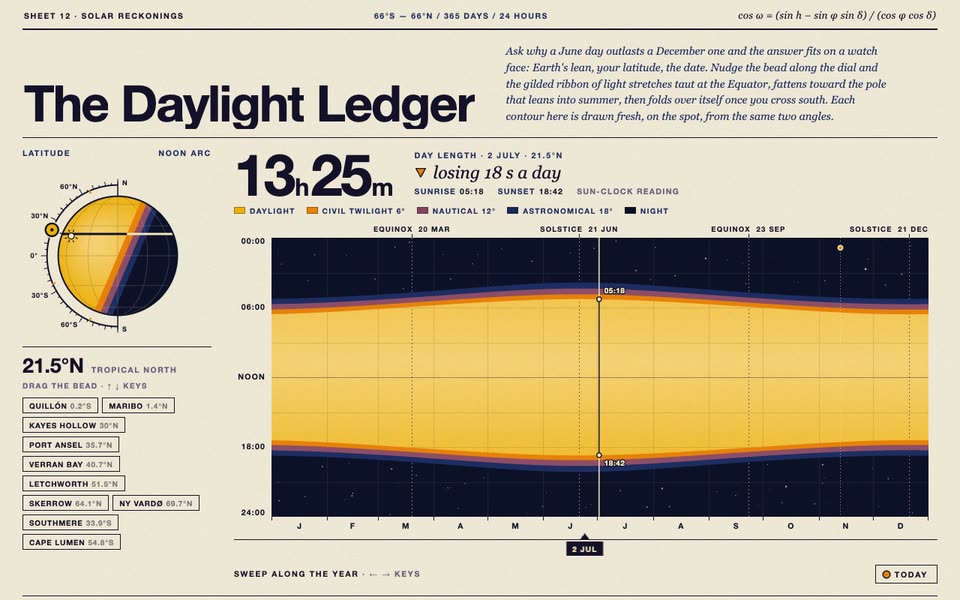
A year of daylight on one plate — closed-form solar declination feeding the half-day-arc formula to paint daylight and three twilight bands across latitude and date.
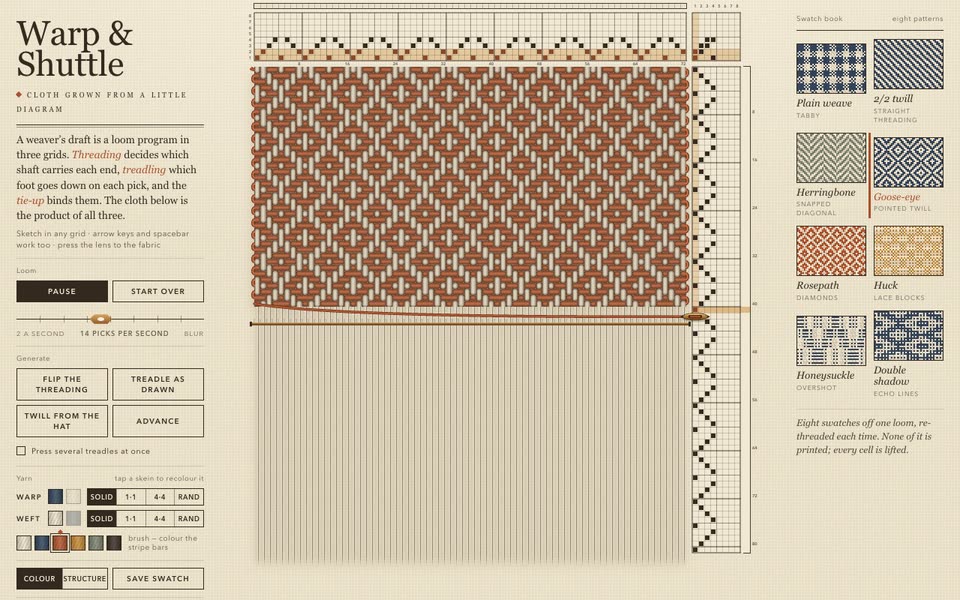
A hand-loom bench. A weaving draft folds into a per-pick lift table; the shuttle lays each weft and the beat pushes it home, cloth growing row by row.
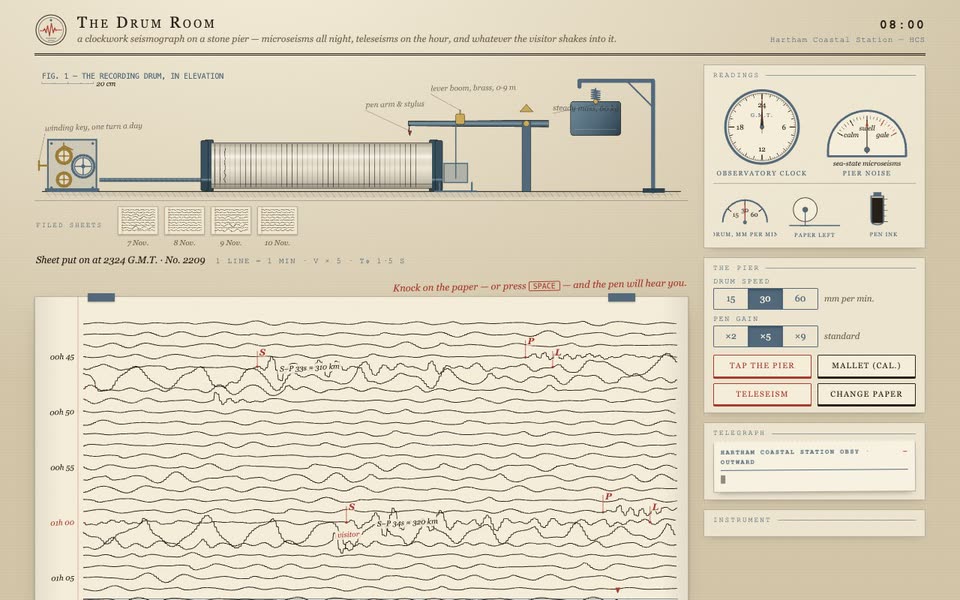
A clockwork drum seismograph recording onto helical paper. One damped oscillator driven by a signal model traces microseisms, teleseisms and calibration pulses.
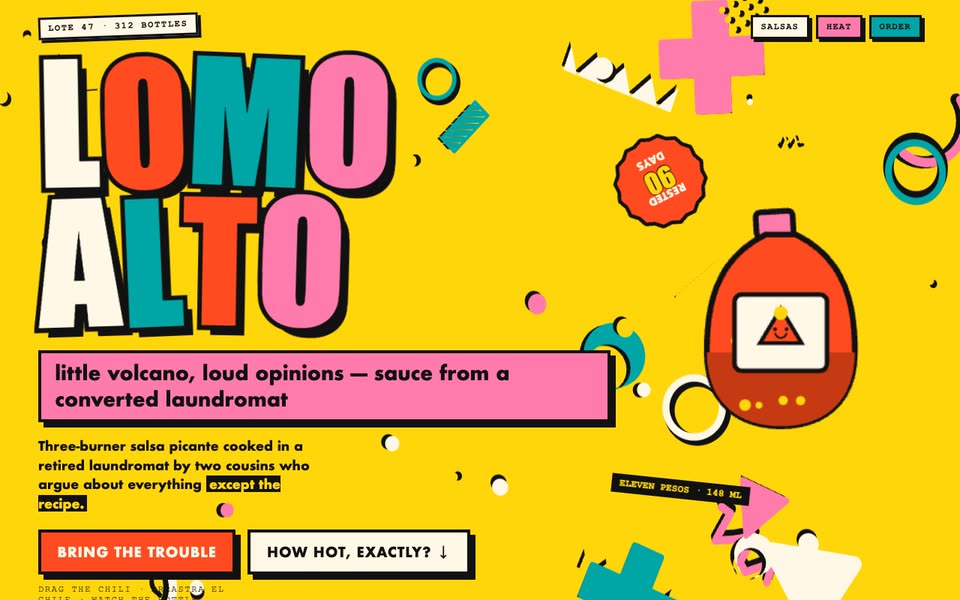
A loud Memphis-Milano landing page for an invented small-batch hot sauce — flat colour fields, scrolling marquee strips, a wax-capped flask and trading-card sauces.
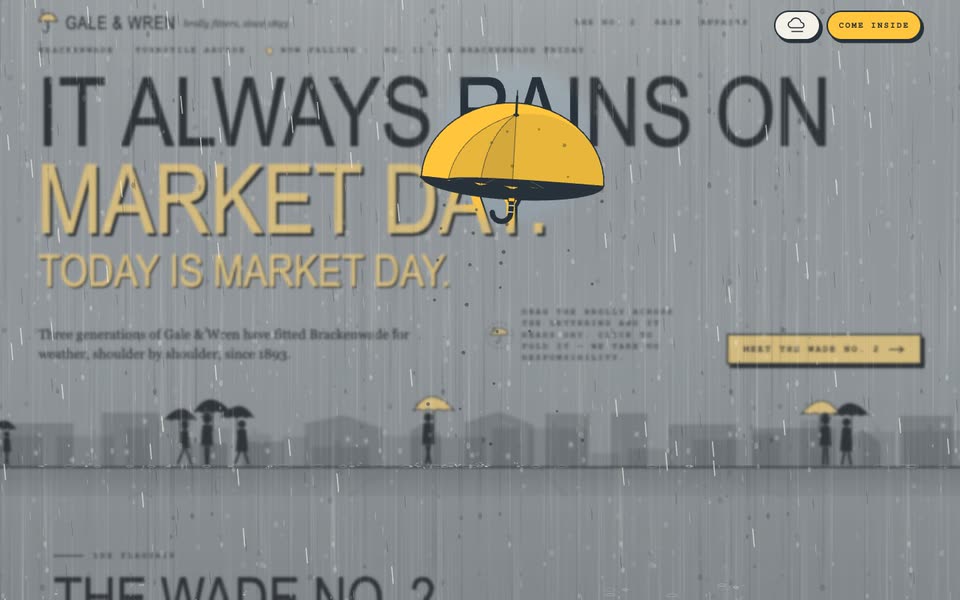
A landing page where the interface is the product — a full-viewport typed-array rain field and a pointer umbrella; drops die on ledges into splash crowns and ripples.
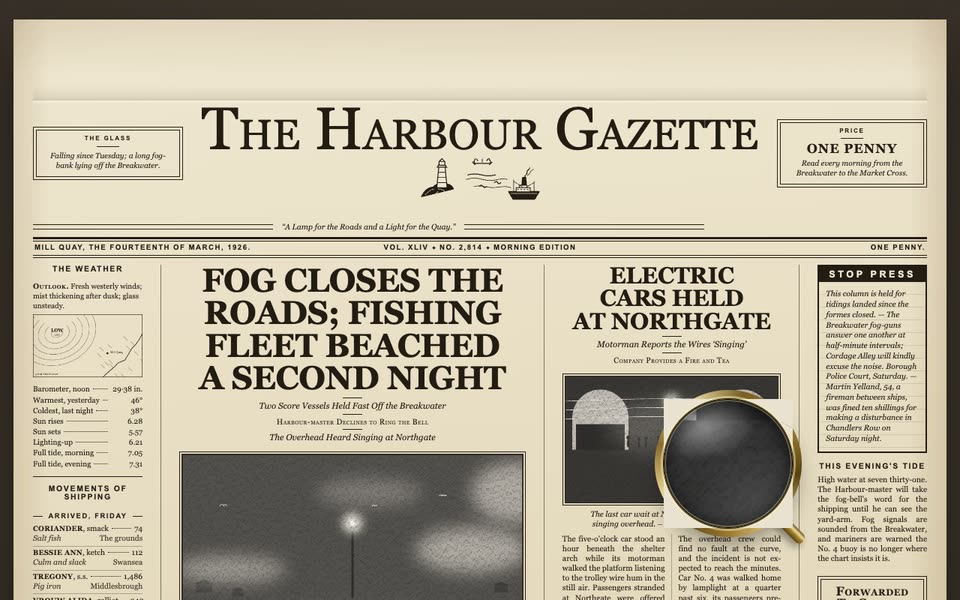
A 1926 newspaper page whose illustrations are seeded monochrome etchings — one rng stream per panel, the same seed reproducing the same engraving; a reseed button for the next edition.
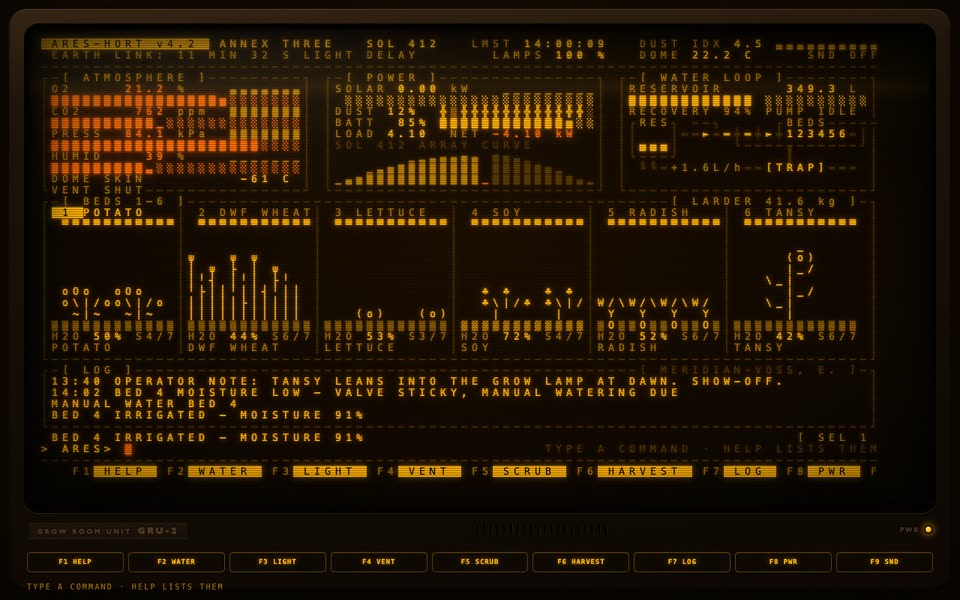
An amber-phosphor operations console for a fictional Mars greenhouse — an 80-column character buffer composed each frame, a Mars-sol clock, and panels for air, power and water.
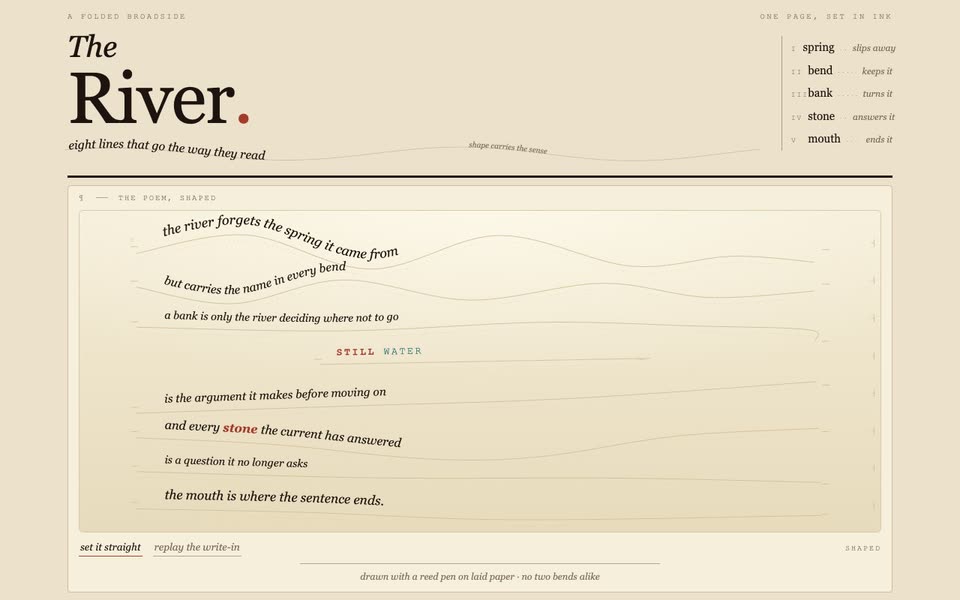
Lines of type laid on curved paths, morphable to a plain reading column. A Catmull-Rom spline carries each line so text never falls off its path.
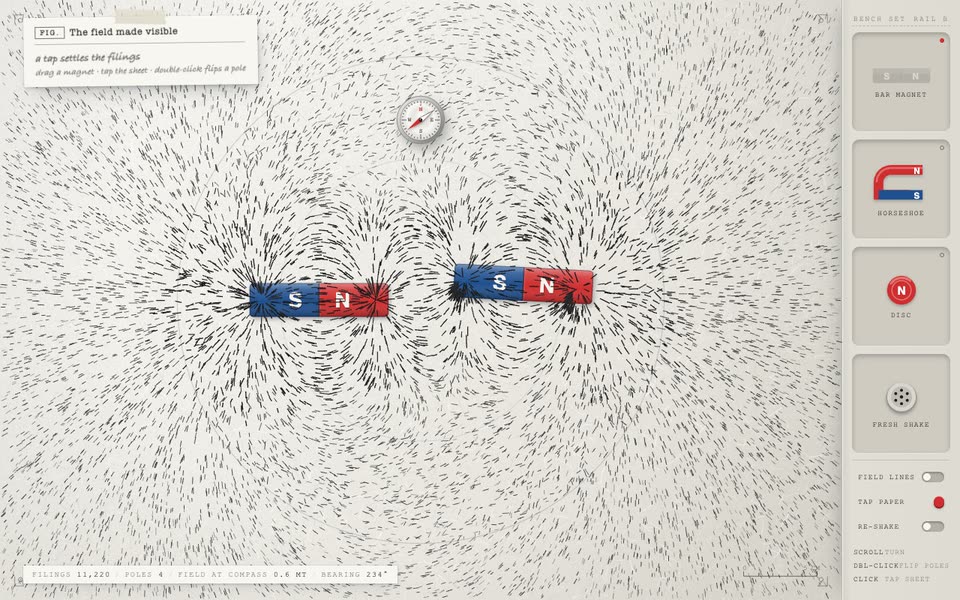
A sheet of paper dusted with thousands of iron filings, each easing toward the local field direction from draggable magnets; a third creep up the gradient into ridges.
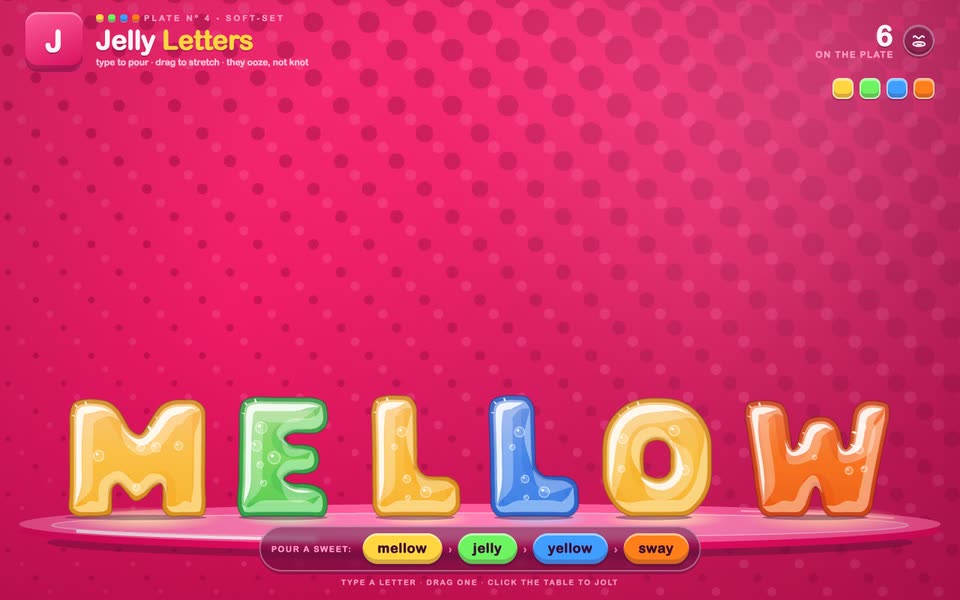
Soft jelly letters on a plate. Each glyph is resampled to point masses held by springs, integrated by verlet with a shape-matching pass that pulls it back to its letter.
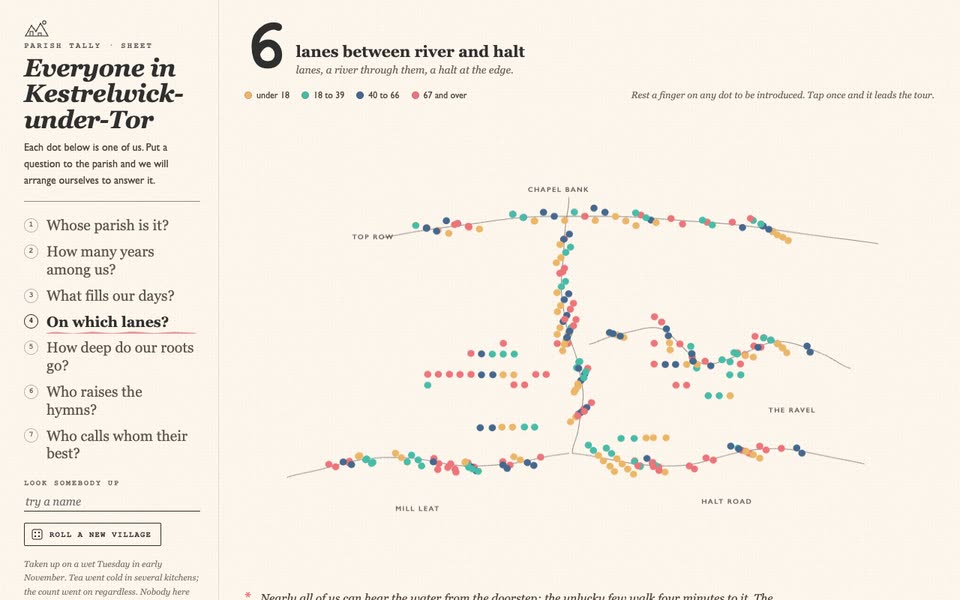
A seeded census of three hundred fictional villagers as a unit chart — seven questions rearrange the dots between a phyllotaxis cluster, a pyramid, occupation groups and a lane map.
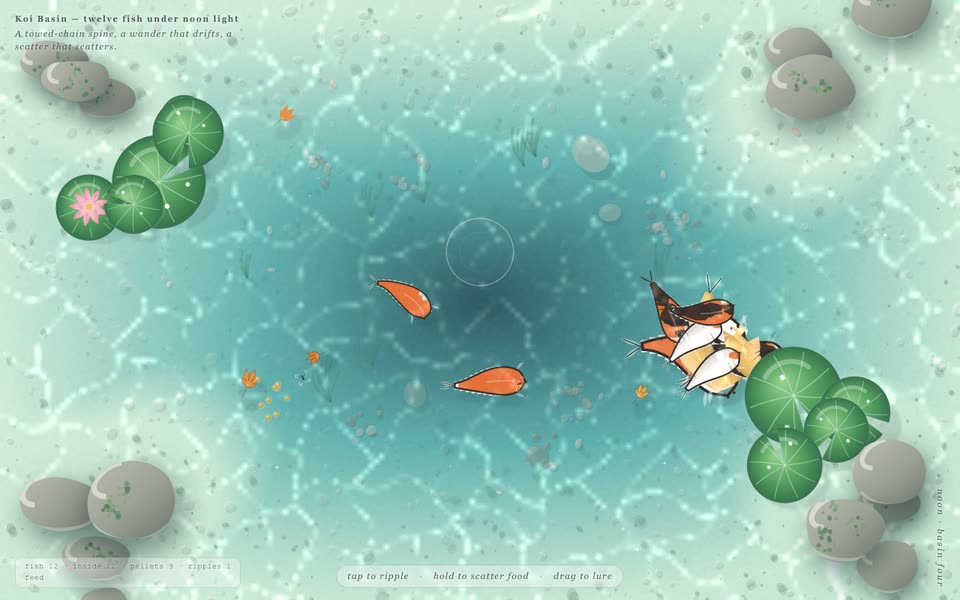
Twelve koi in a basin under noon light. Towed-chain spines with wander, soft walls and pursuit steering; tap scatters them, hold scatters pellets.
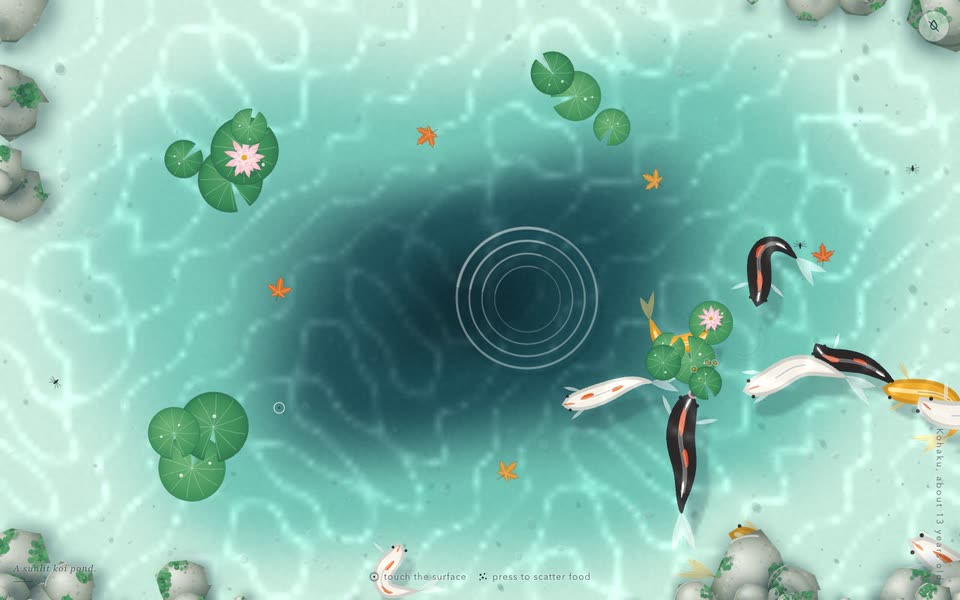
A garden koi pond seen from above at noon. Spine-chain koi flex through bursts and glides; tap makes ripples, hold scatters pellets and the pond feeds.
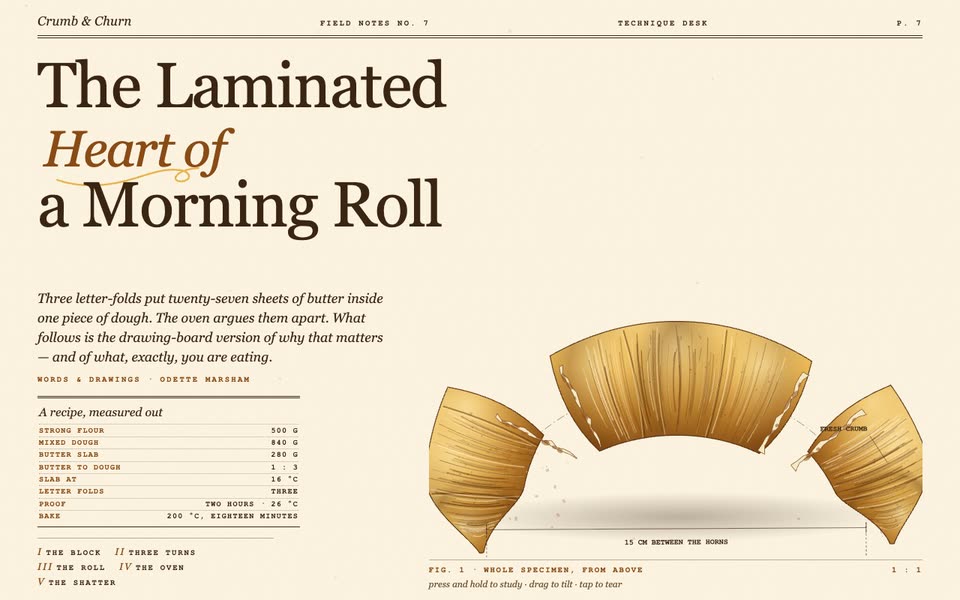
A scroll-driven editorial on lamination for an invented baking magazine. One `bake` parameter eased from scroll drives a parametric croissant cross-section.
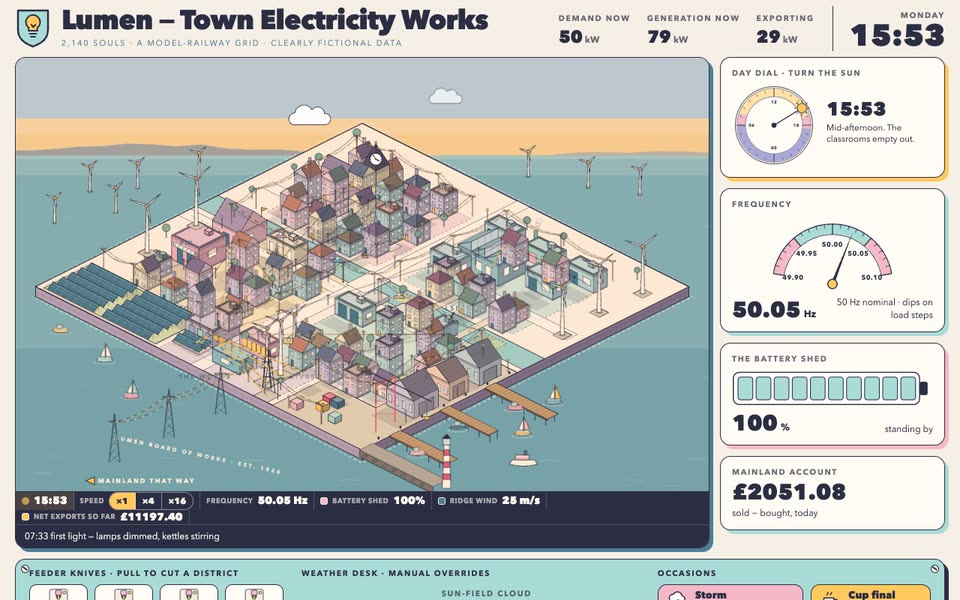
An isometric municipal power board — a toy-model town wired to a substation while a 24-hour supply/demand simulation runs underneath; lit windows and dashes flow along wires.
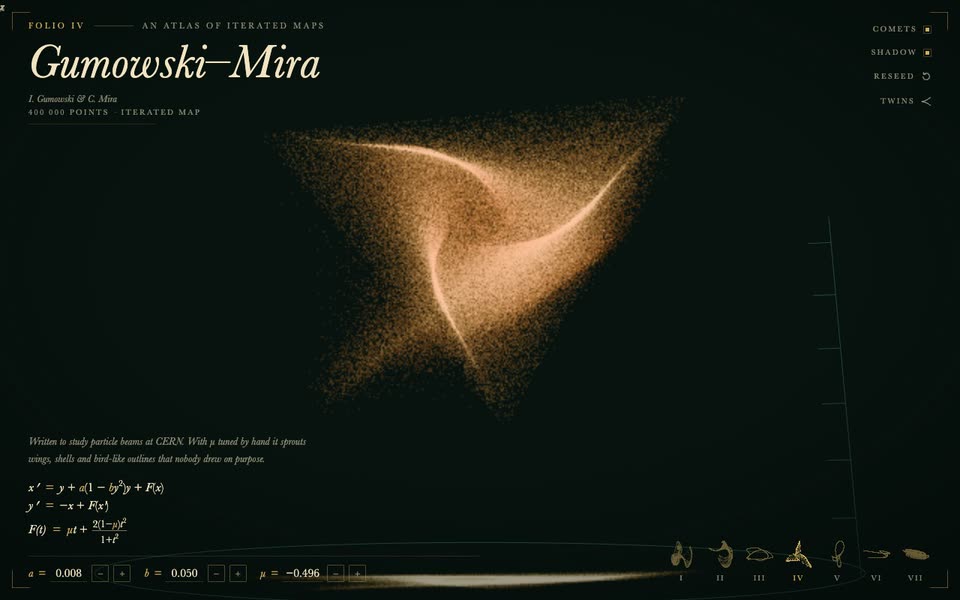
A turnable volume of glowing iterated-orbit plates, one per 2D map — de Jong, Clifford, Gumowski–Mira, Hénon and more — with the same orbit engine as the plate book.
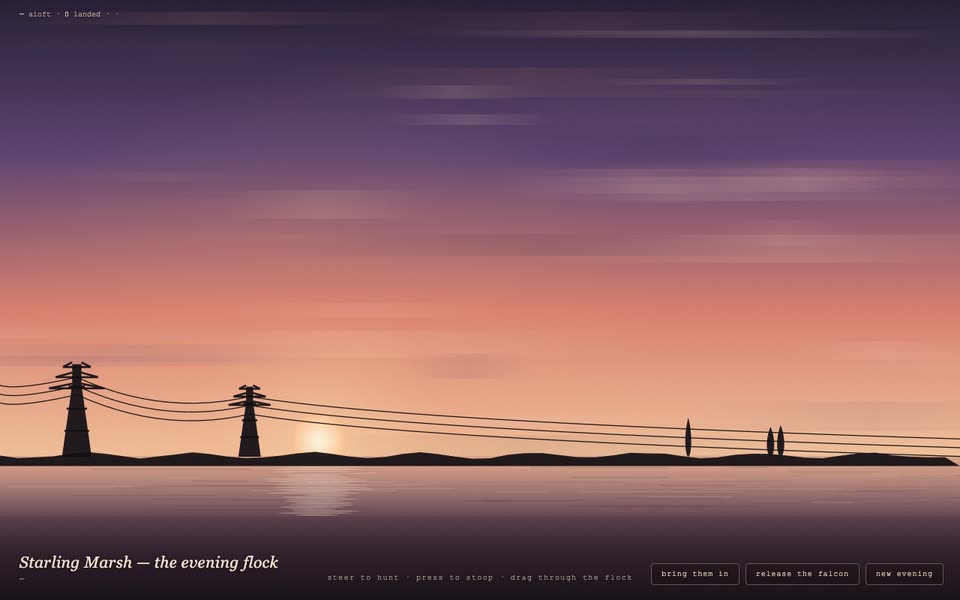
A murmuration of about three thousand starlings on a uniform-grid neighbourhood — two attractor lobes, a stooping falcon, an agitation wave and a pointer raptor.
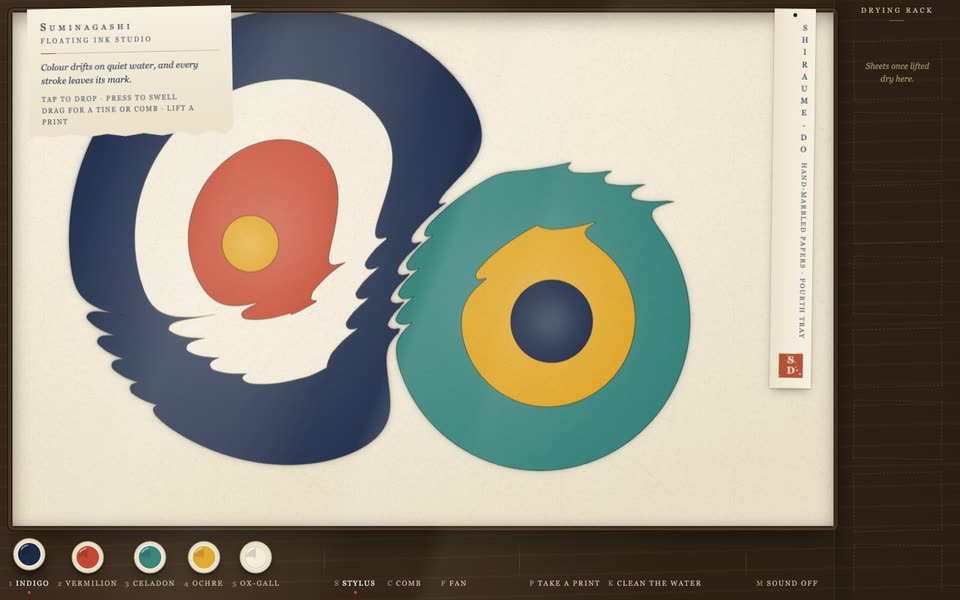
A tray of still water for floating ink. Every drop is a closed outline whose vertices push one another radially; pull a stylus or comb through and vertices slide along.
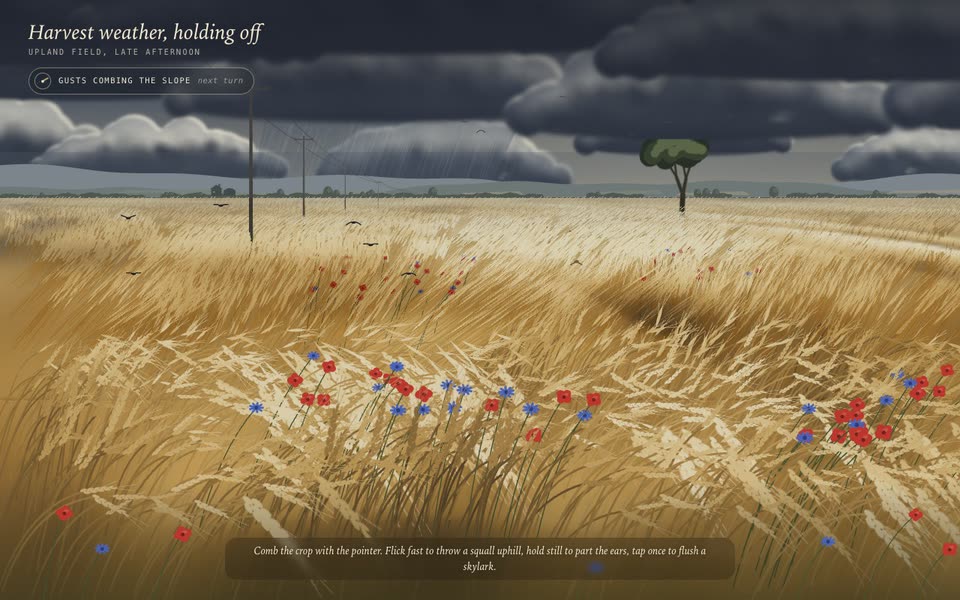
An upland wheat field under a building storm: gust fronts roll across thousands of painted stalks as bands of light and shade, and the crop parts and flattens under your hand.
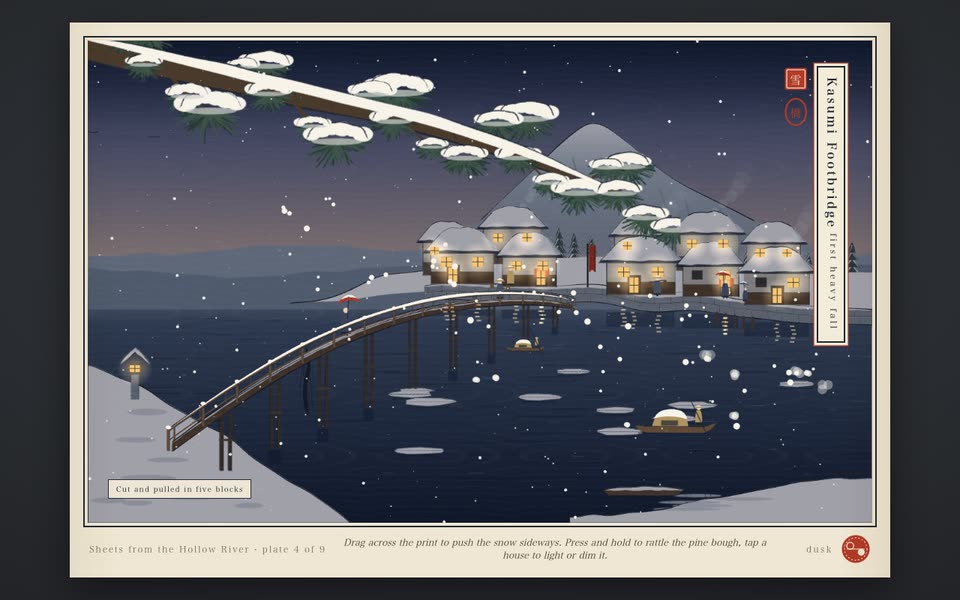
A woodblock-style snow print pulled block by block: a railed footbridge slants across an indigo river toward a lit two-row village, with travellers, a roofed boat and a laden pine bough.
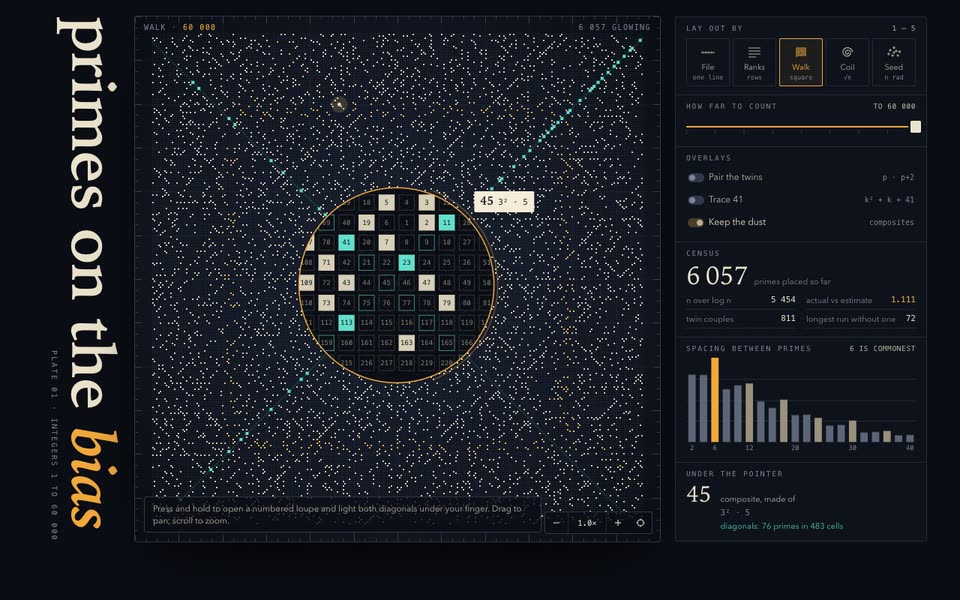
Sixty thousand integers as fine grains on a dark plate, with the primes lit so the diagonal streaks of the square spiral show, plus a loupe, five layouts and a live prime census.
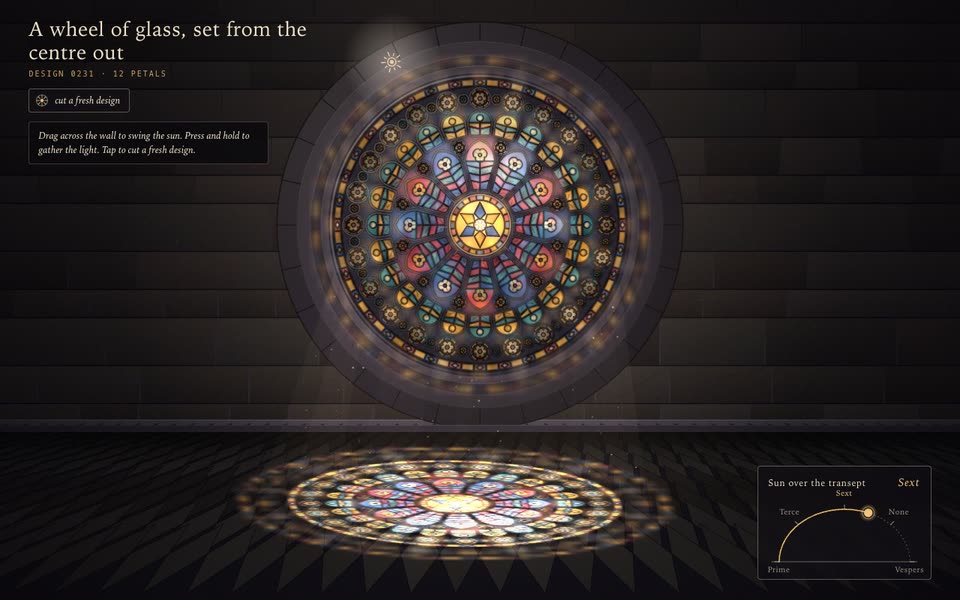
A seeded rose window in a stone wall leads and glazes itself from the centre out, and a movable sun throws its coloured light across the paved floor.
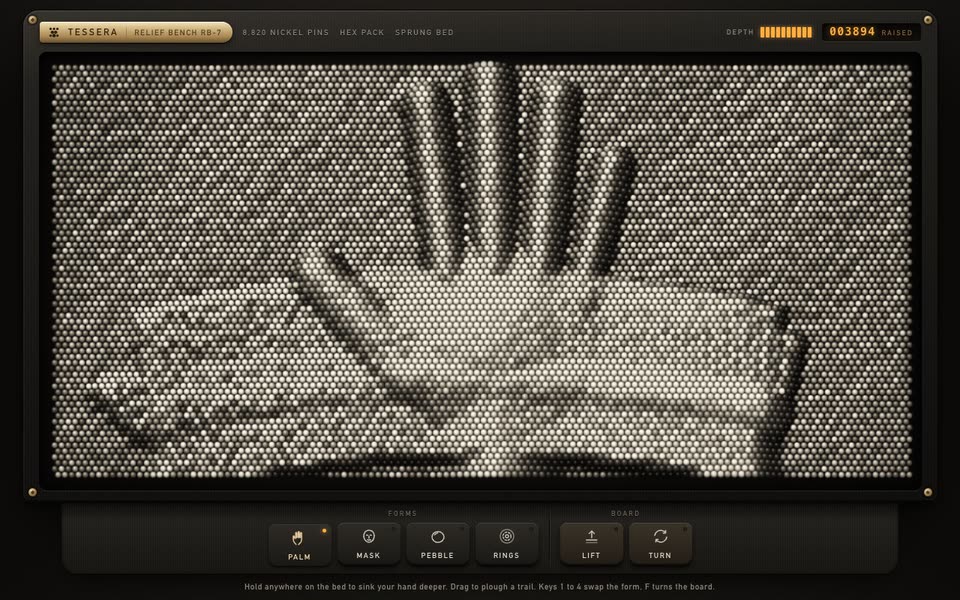
A brass-trimmed bench of about 9,600 sprung pins that a palm, a mask, a pebble or travelling rings press up into lit relief, with hold, drag and a board you can turn.
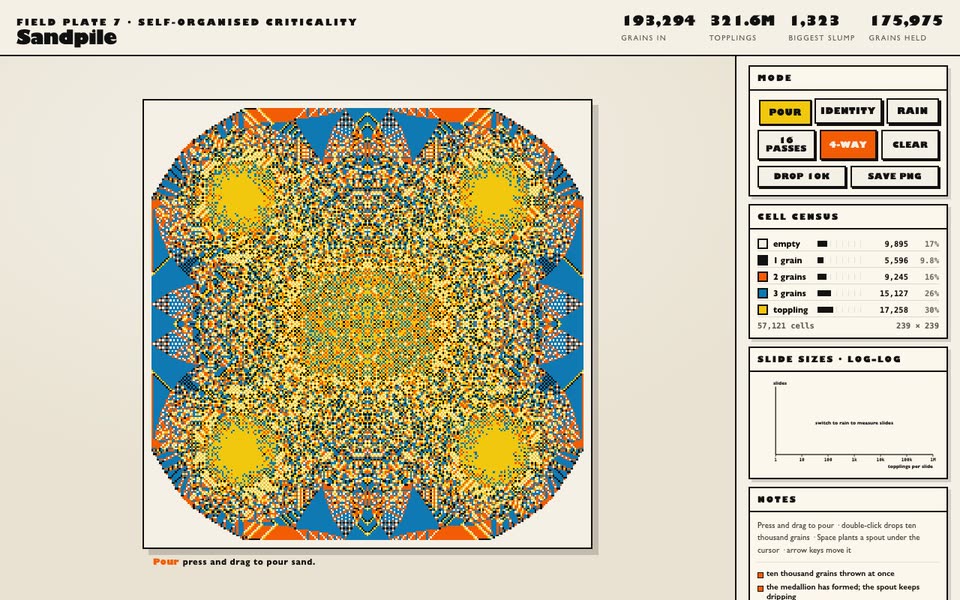
A square sand tray printed like a field plate, where any cell holding four grains tips one grain to each neighbour, so pours, spouts and handfuls grow fractal medallions and rain mode plots every avalanche on log-log axes.
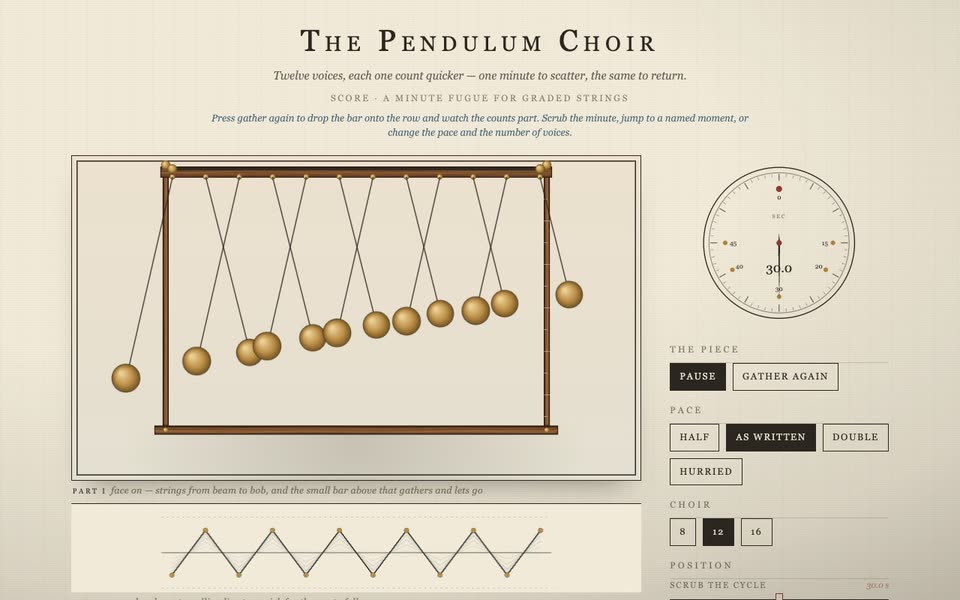
Twelve brass bobs on a timber stand, each making one more whole beat per minute than its neighbour, so the row drifts through four-part, three-part and alternating figures and strikes one shared beat at the sixtieth second.
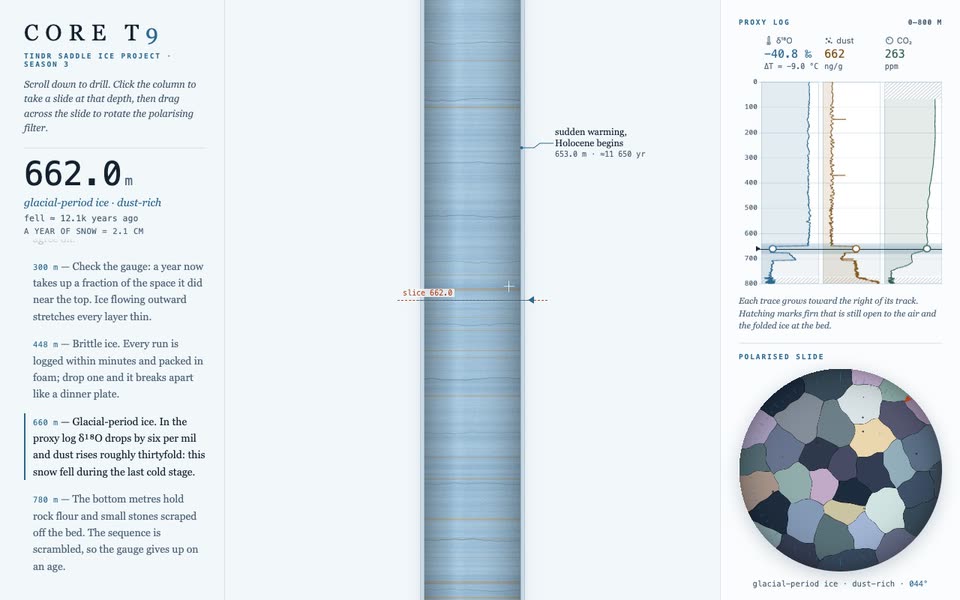
Scroll down an 800 m ice core on a pale arctic page, past firn, bubbly, brittle and glacial-period ice to the debris at the bed, while a proxy log plots δ¹⁸O, dust and CO₂ at the drill depth; click to cut a slide and turn a polarising filter over its crystals.
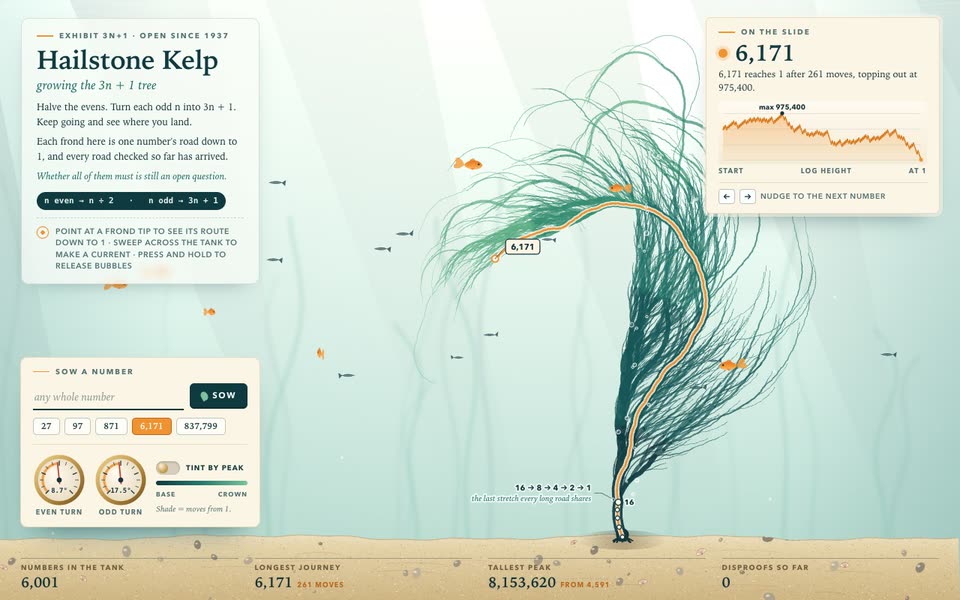
The Collatz (3n + 1) tree grown as a kelp forest in a sunlit tank, where every frond is one number's road down to 1 from a shared holdfast; point at a tip to chart its climb and fall, sow any whole number up to a trillion and turn two brass dials to re-shape the forest.
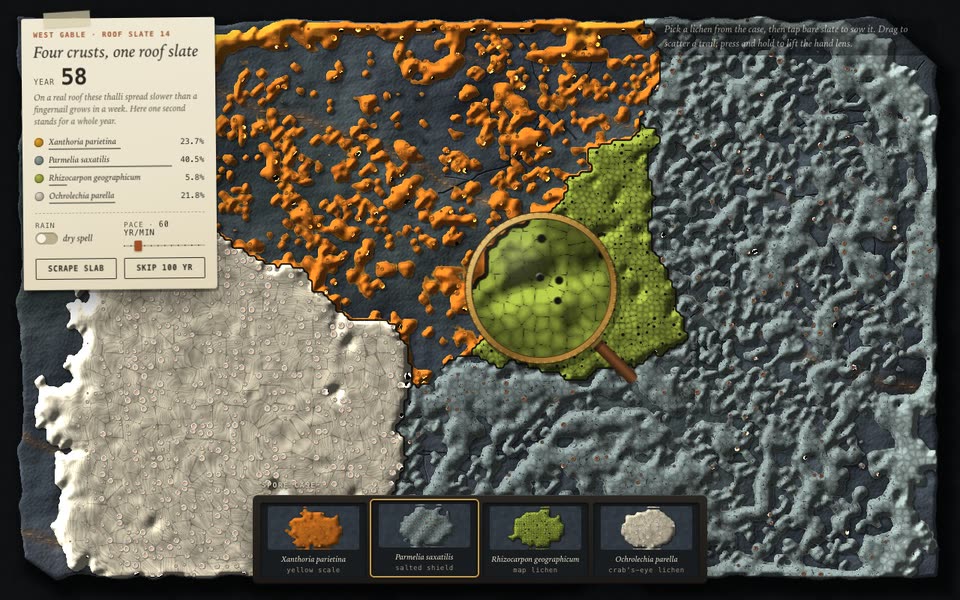
A weathered roof slate colonised in real time by four real lichens through a multi-species reaction-diffusion field, so colonies grow until they meet and hold a dark contact line; sow from a spore case, bring rain, scrape the slab and lift a brass hand lens.
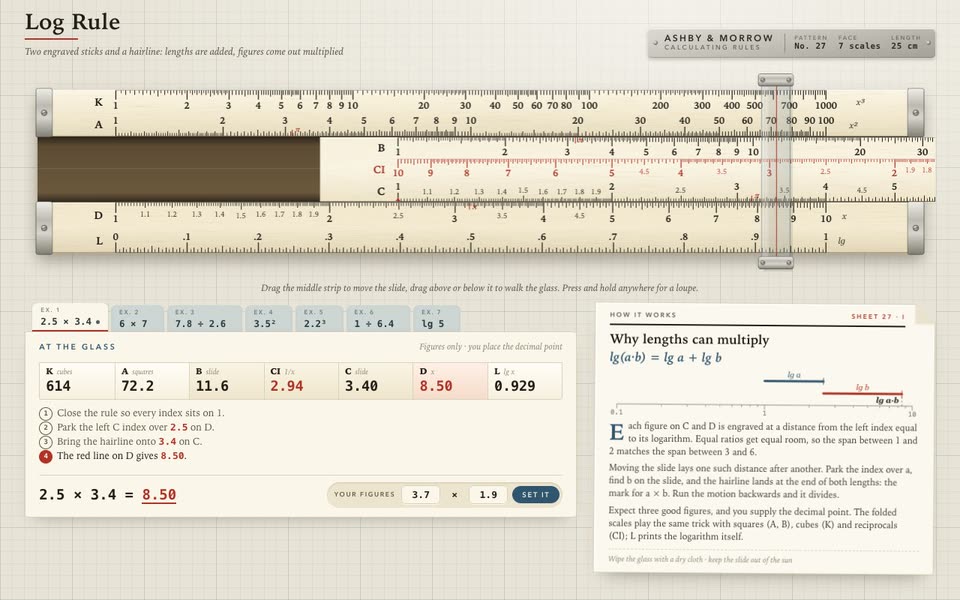
A working slide rule engraved with seven scales (K, A, B, CI, C, D and L) that works its own exercises in multiplication, division, squares, cubes, reciprocals and logarithms, while a readout card shows every scale under the red hairline; drag the slide or the glass to take over.
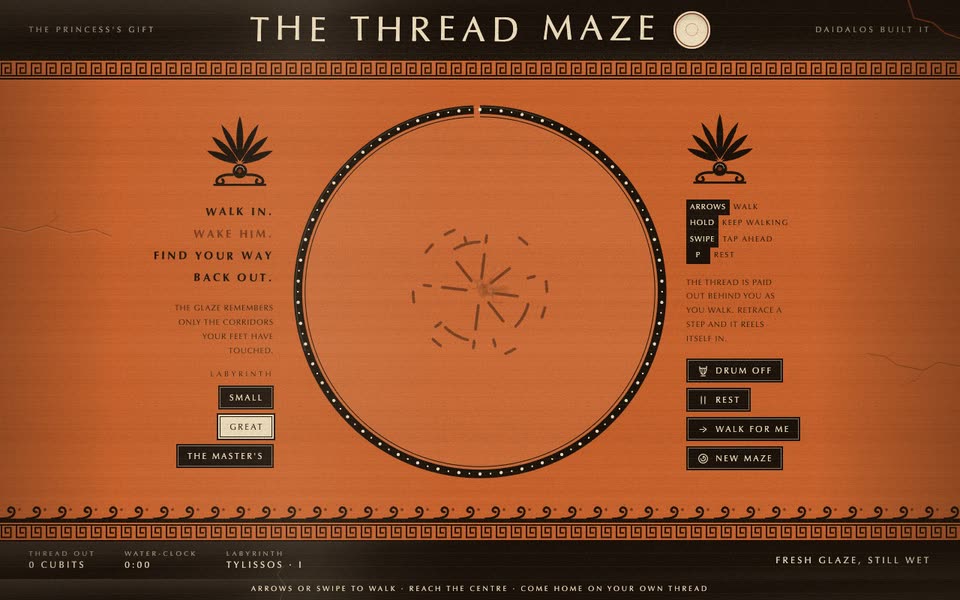
A black-figure tondo bearing a circular labyrinth a walker must enter and escape while a bull-headed pursuer wakes and hunts — rings doubling sectors as they widen.
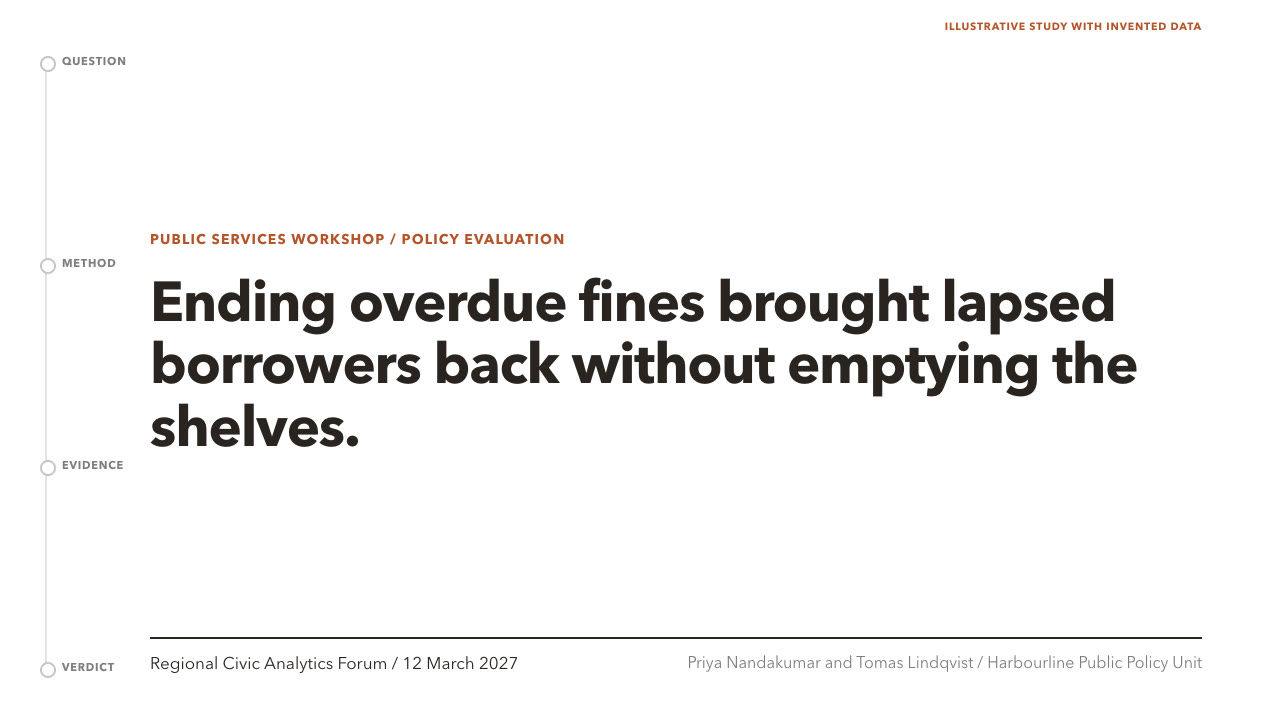
Build a research talk whose titles, read in order, argue one claim from question to verdict, with one cited exhibit per evidence page.
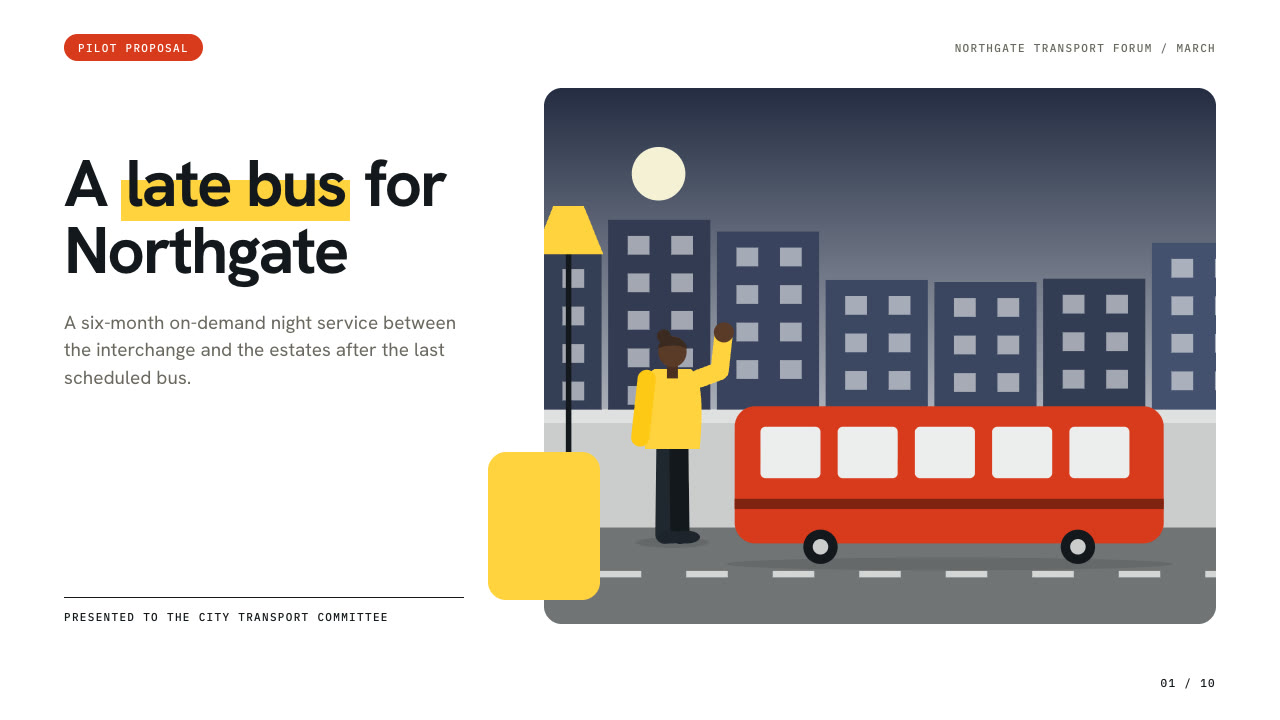
Make the case for a public or community service decision with picture cards, thin bar charts, stat tiles and a clear ask.
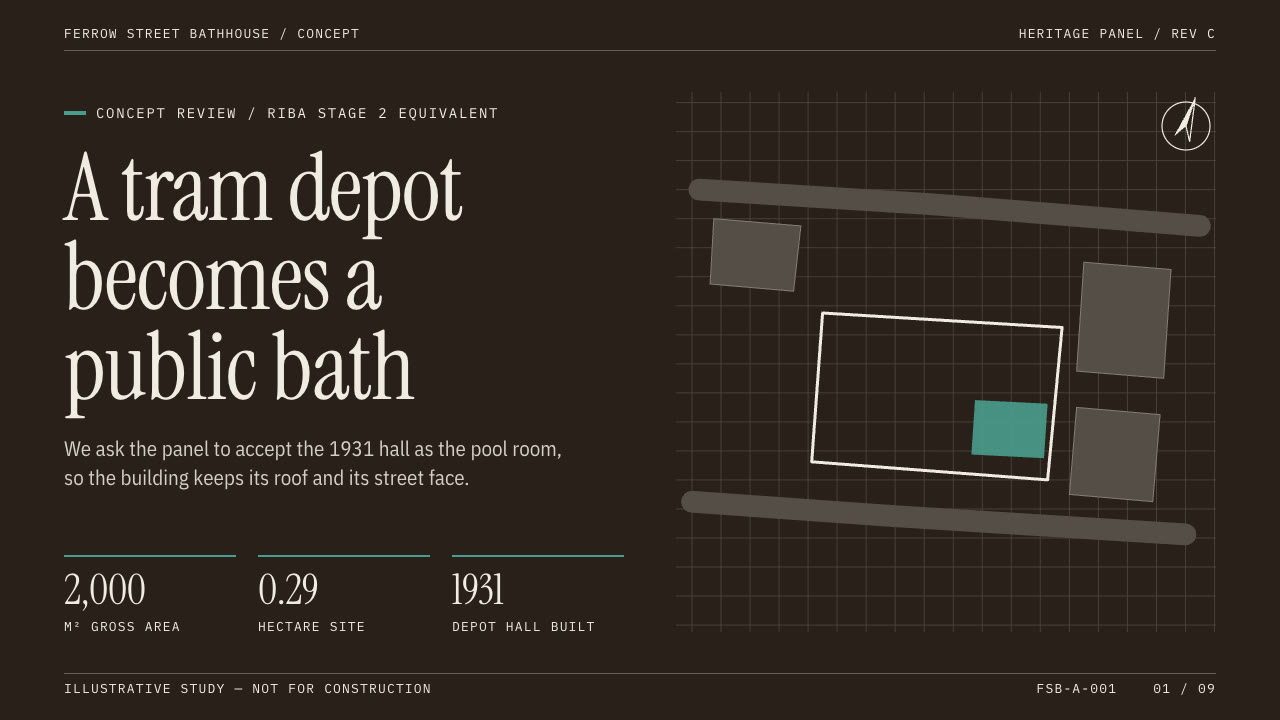
Take an architecture or site-design proposal to a review panel like a drawing sheet: site, massing, plan and section, program, phasing and one clear decision.
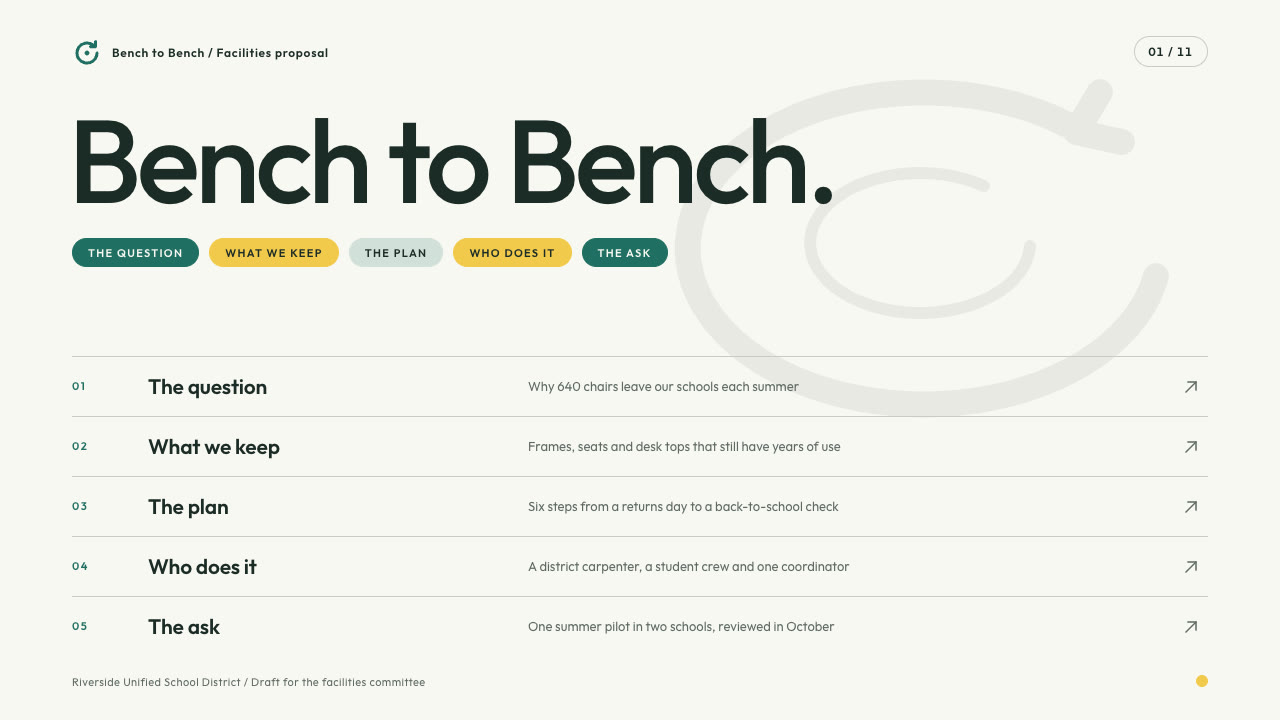
Propose a repair, reuse or take-back step in a light modular deck: rounded cards and pill capsules, an open-ring motif, notched principle cards, a six-step grid and a capsule bar chart.
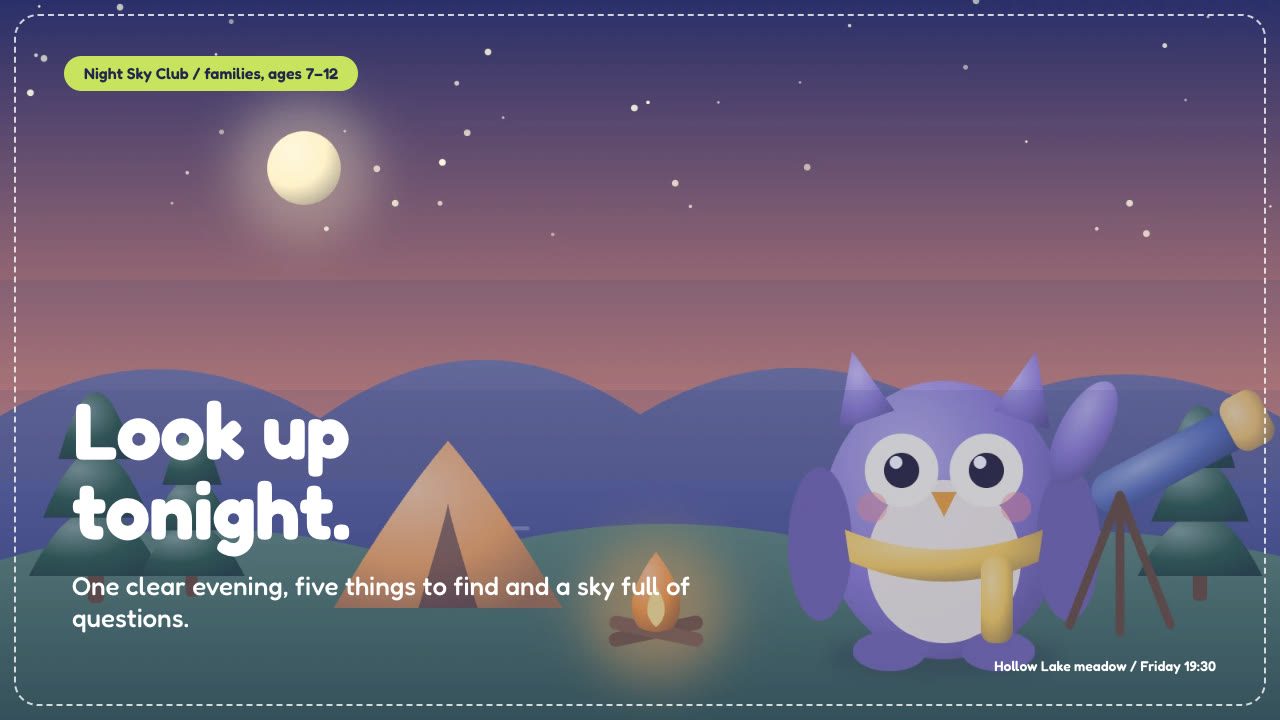
Walk a group through a place, a few habits and a small plan in a warm storybook deck: full-bleed illustrated scenes, cream cloud panels, scalloped headers, a five-disc zig-zag, a framed bar chart, a step path and a question board.
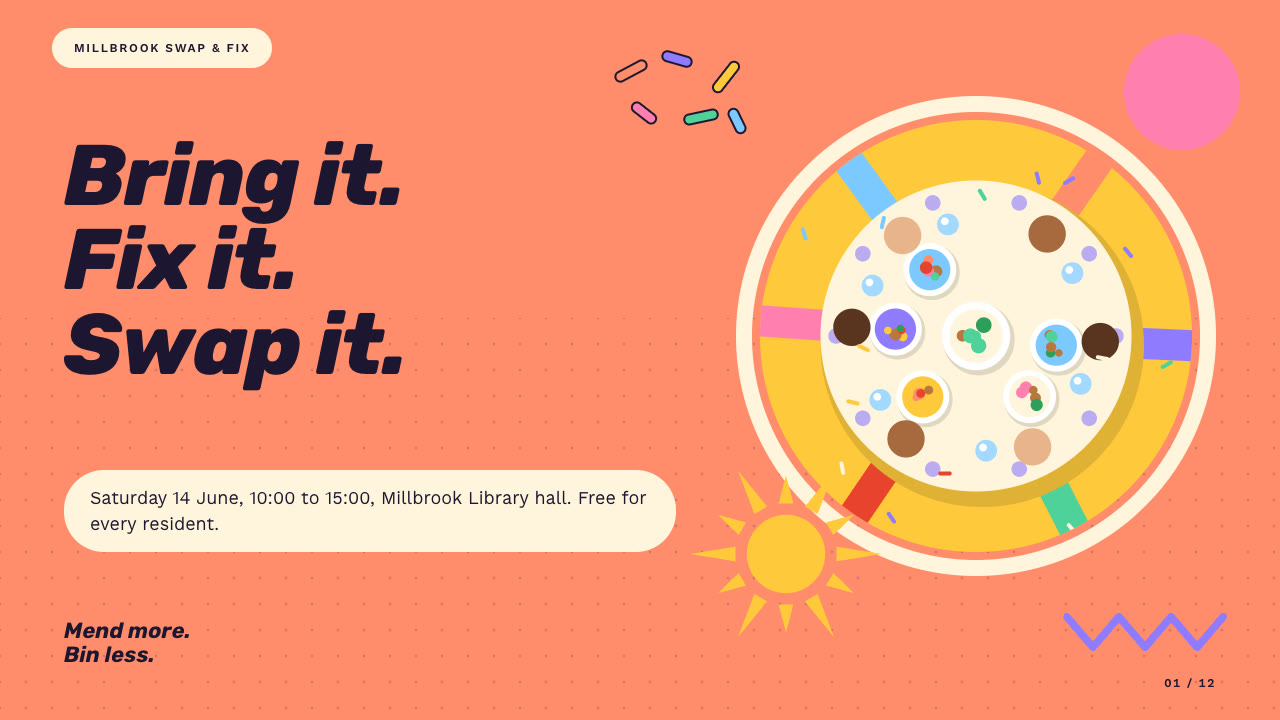
Invite people to a fair, open day or club season, or pitch one, in a bright festival deck: whole-page colour fields with a fine dot grid, heavy slanted headlines, cream cards and tickets, round pictures, and suns, rosettes, rings, bunting and sprinkles.
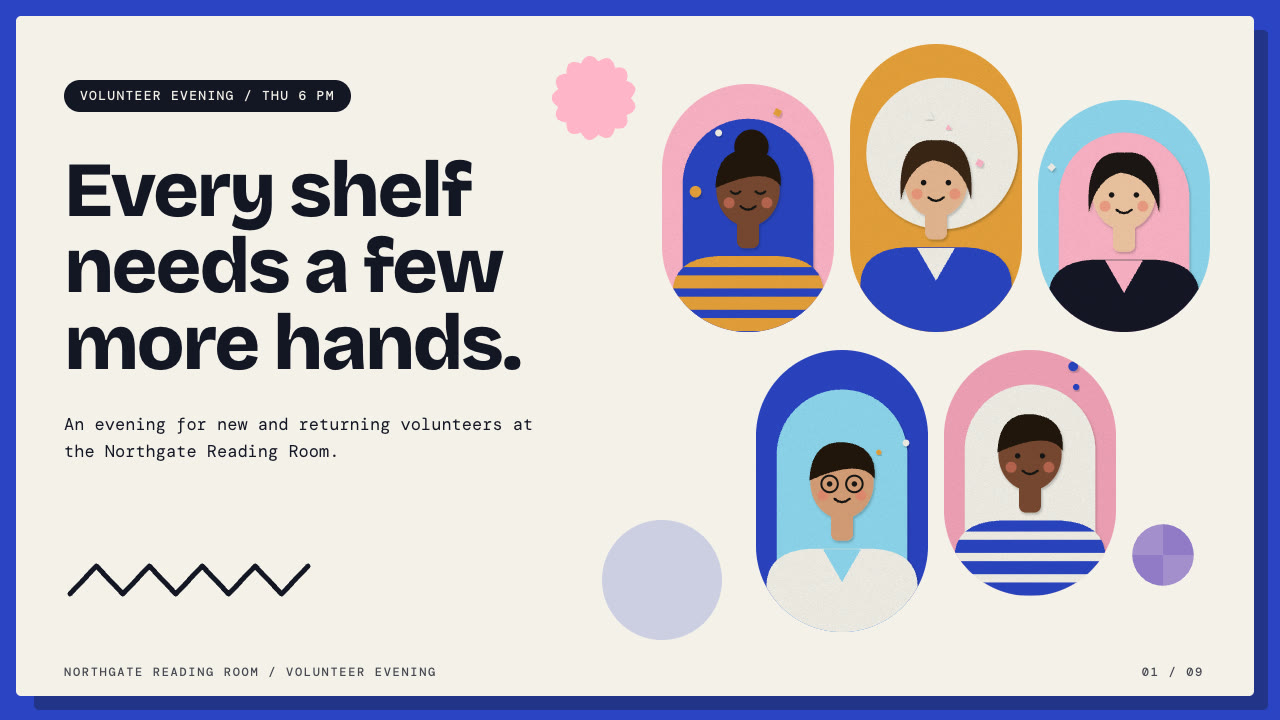
Run a workshop, retro, volunteer evening or listening circle with a cut-paper deck: a coloured board under two paper sheets, heavy grotesk headlines, monospace sentences with one highlighter run, capsule and round picture windows, numbered paper stickers and small cut-out accents.
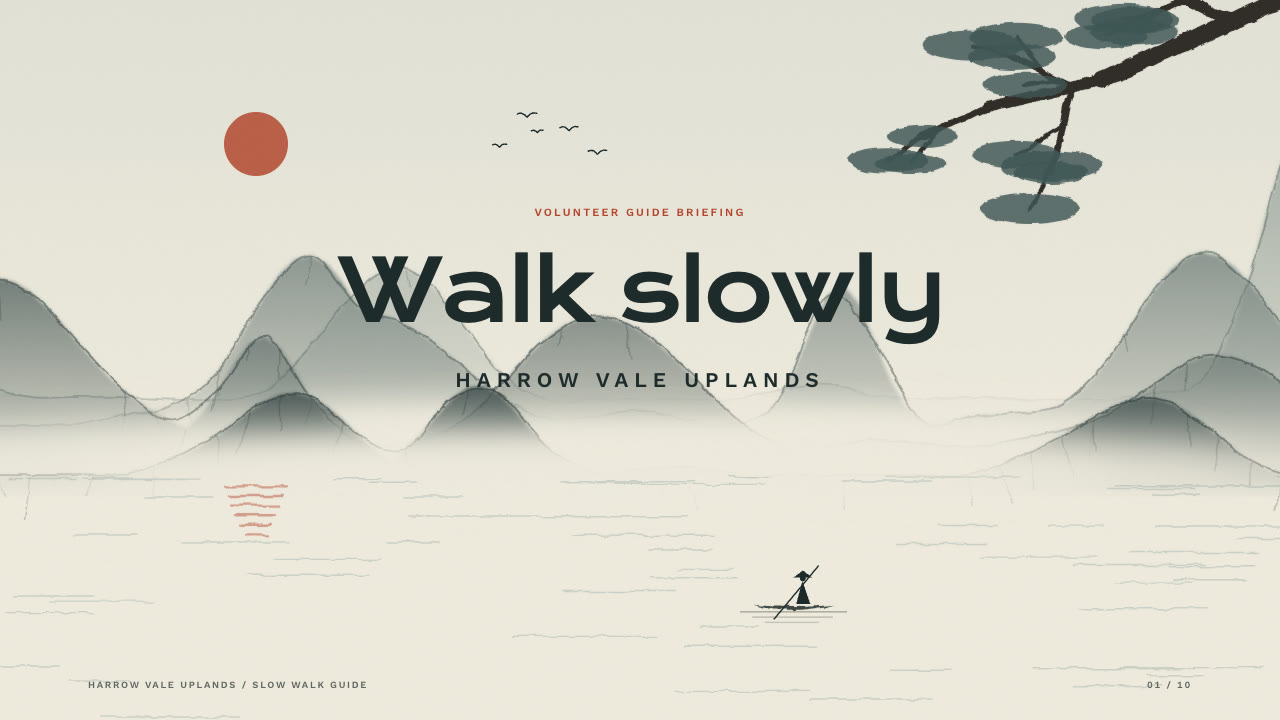
Present a place, a walk, a craft or a cultural programme in an ink-wash idiom: pale layered landscapes alternate with quiet paper pages, a hanging-scroll contents page, a seal-red map with native pins, a sparse timeline, oversized counts and fine gold linework.
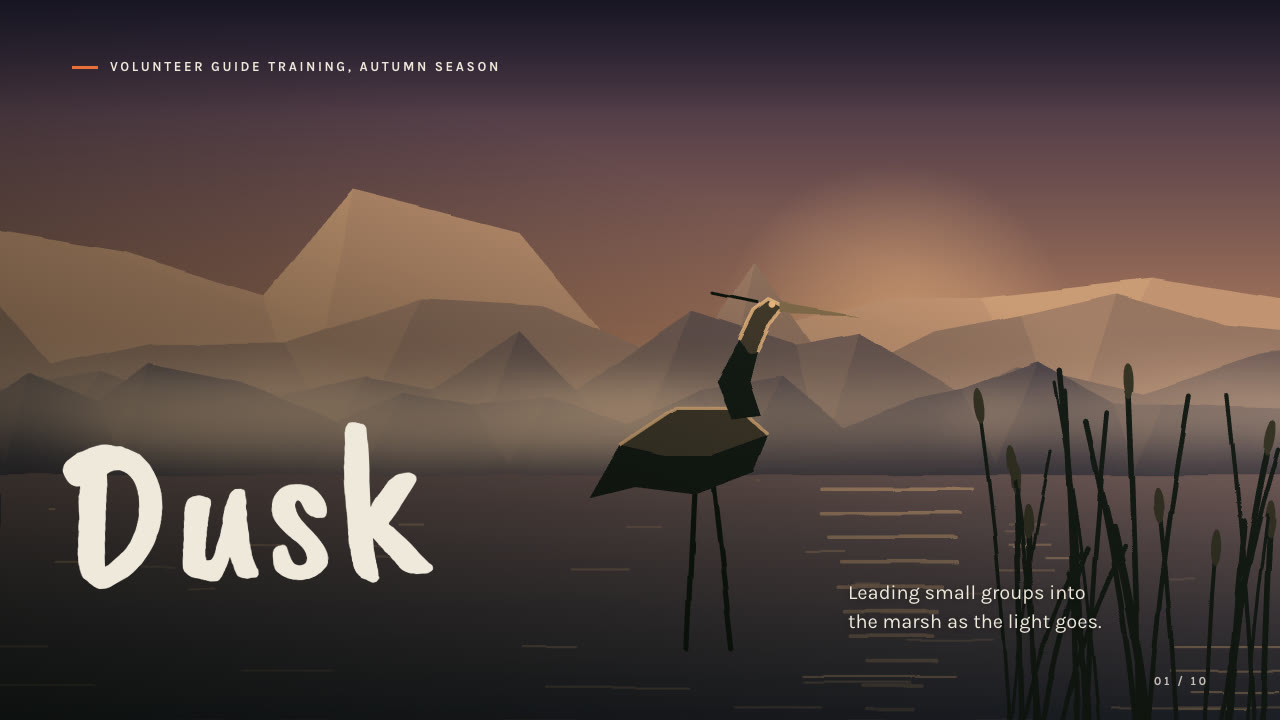
Tell a nature story the way a wildlife film would: full-bleed painted landscapes with animals at dusk, night or in snow, quiet paper pages with framed scenes, a hand-lettered brush headline face, film-strip montages and a ring of six prompts in two accents.
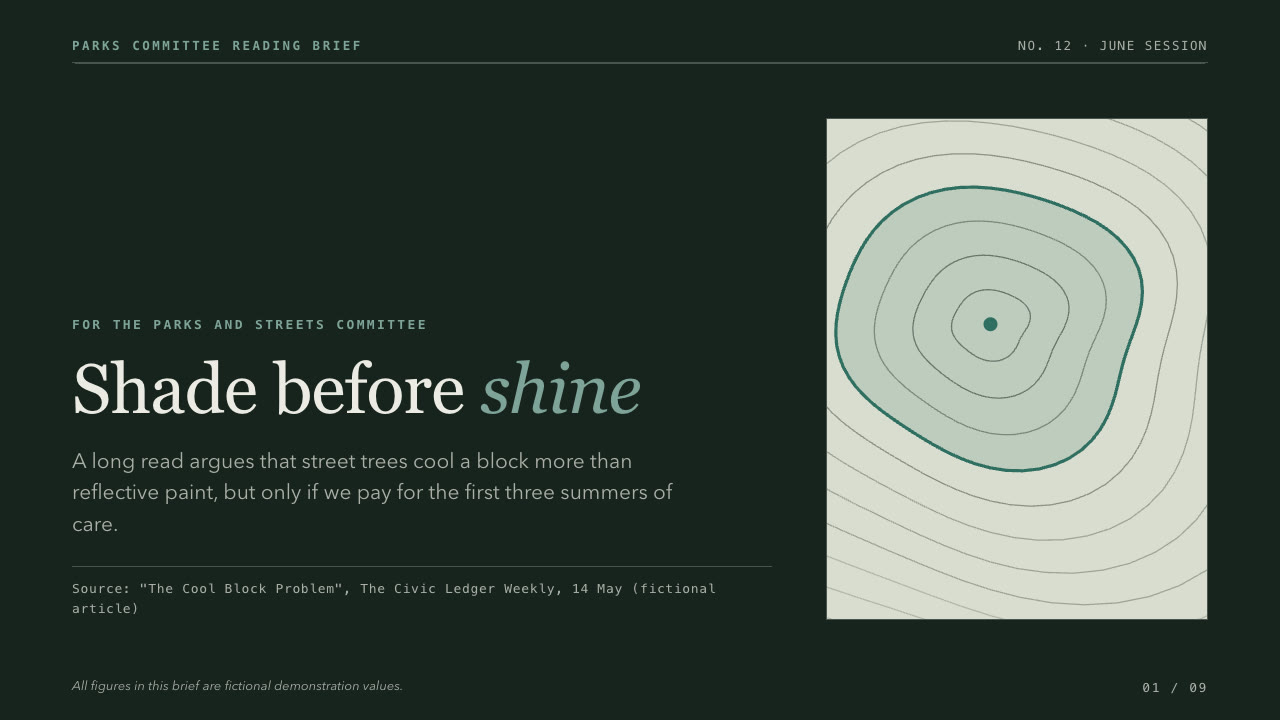
Turn one long read, essay or report into a reading brief a committee can decide on: a masthead, argument beats on a rail, a headline figure, bar charts and a source ledger that keep checked facts, assumptions and open questions apart, two readings, discussion prompts and the decision asked.
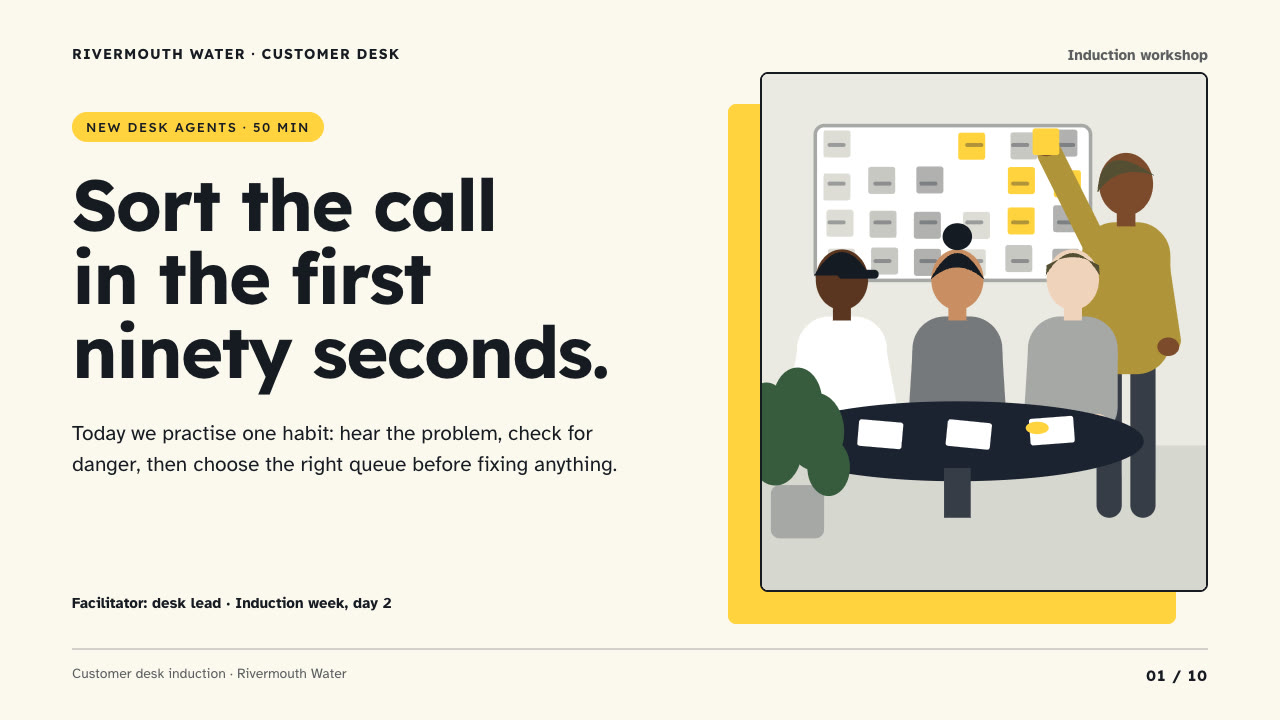
Run a training or workshop where the room does the work: observable outcomes, a real situation to decide on, a small method, votes and timed exercises, a tempting answer beside a stronger one and a written commitment, with a Frame / Try / Reflect strip on every page.
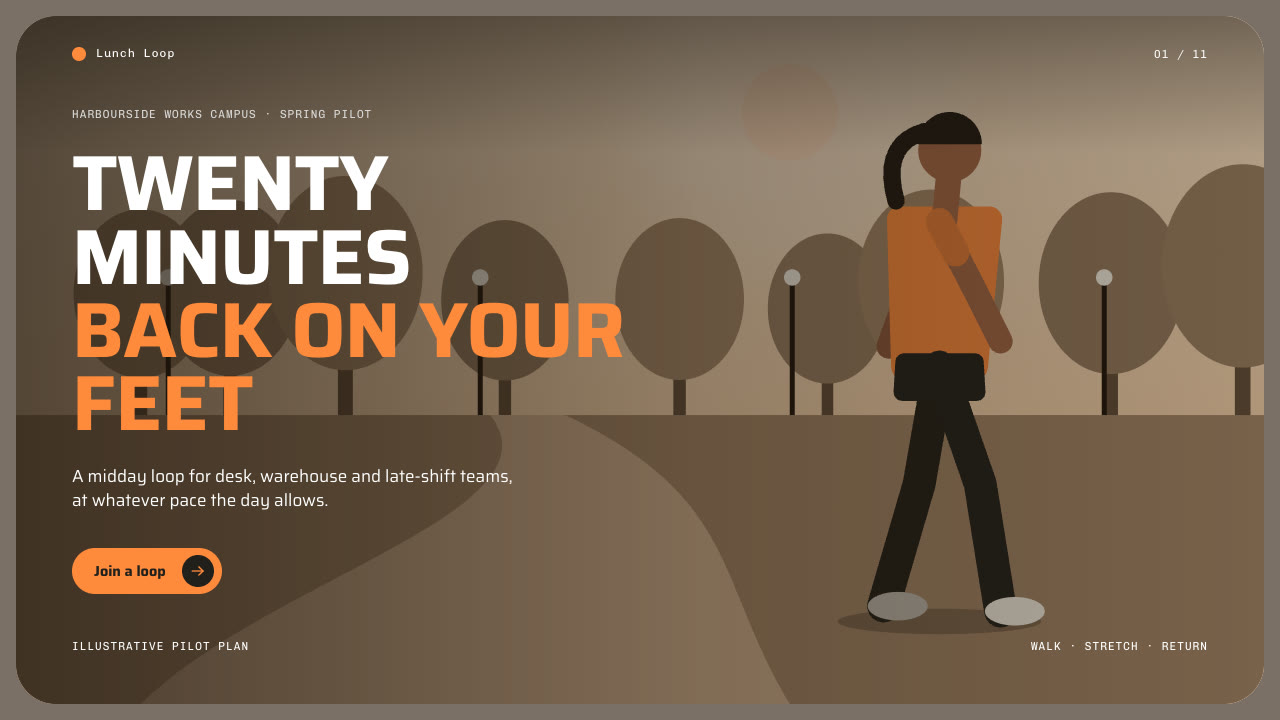
Launch or pitch a programme that gets people moving: one oversized rounded frame per page, drawn outdoor scenes under a flat shade, uppercase headings with an accent run, frosted panels, rings behind cut-out figures, a phone held in hand and oversized chapter cues.
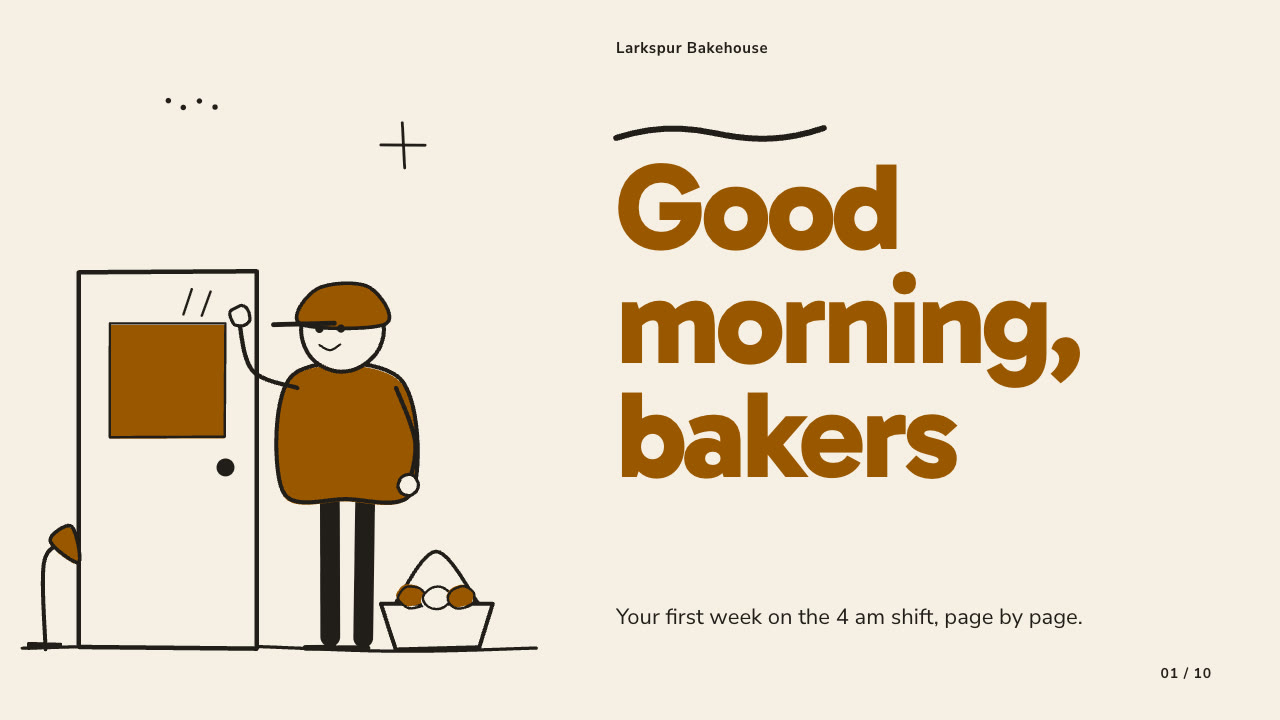
Make onboarding sessions, kickoffs, pilot updates and team plans feel friendly and plain-spoken: one oversized colour headline per page, loose black-marker cartoon people and props, warm paper pages, a few tinted accent pages, timelines, number discs and a simple bar chart.
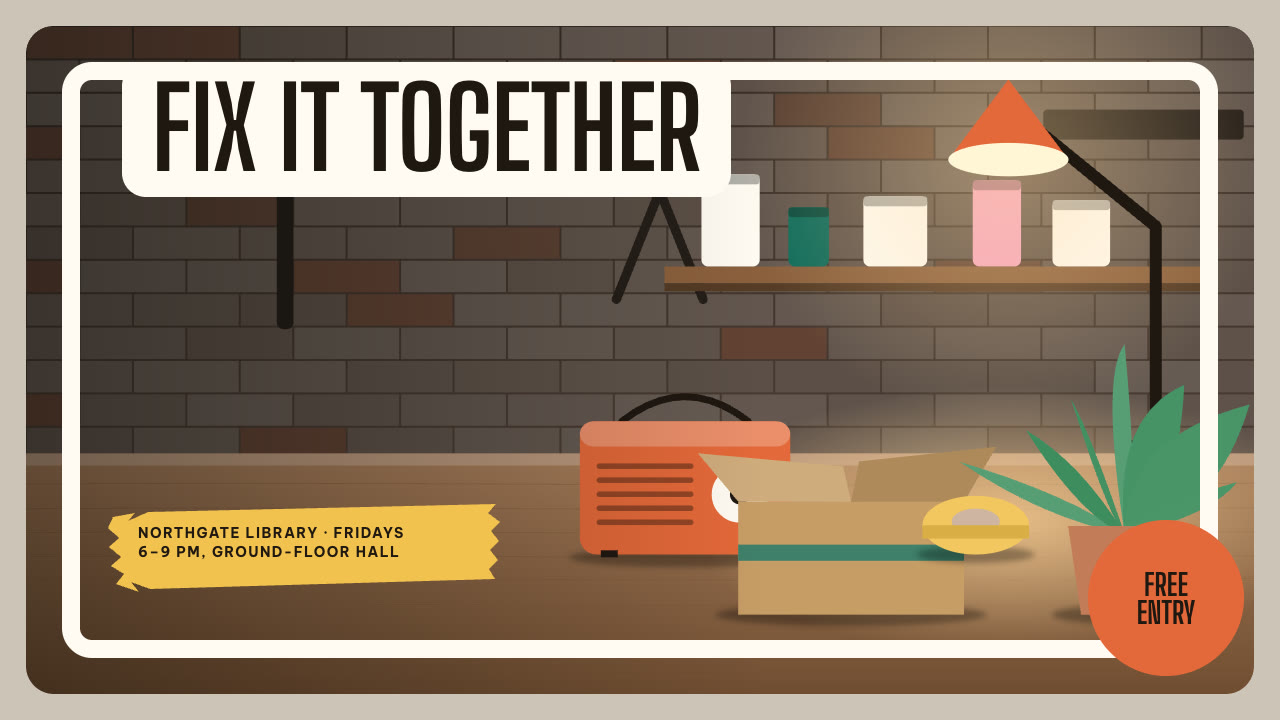
Invite people to hands-on sessions such as repair evenings, prototyping mornings and maker camps: one rounded plate per page whose colour shows the page role, condensed poster capitals, tape labels, sticker badges, highlighted chips, count tiles, time bars and drawn workbench pictures.
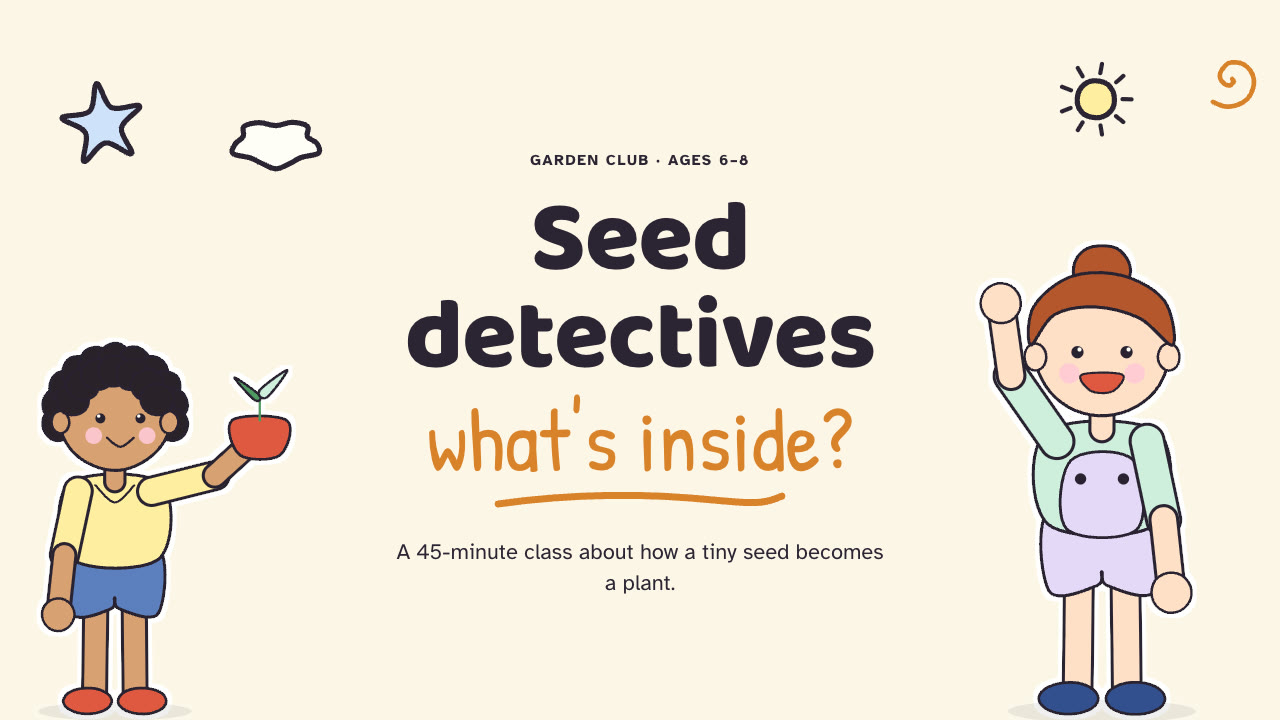
Make cheerful classroom decks for lessons, clubs, library sessions and family workshops: round bold headings, one handwritten accent per page, pastel outlined cards, doodle frames on cream paper and drawn children who stand on the page floor.
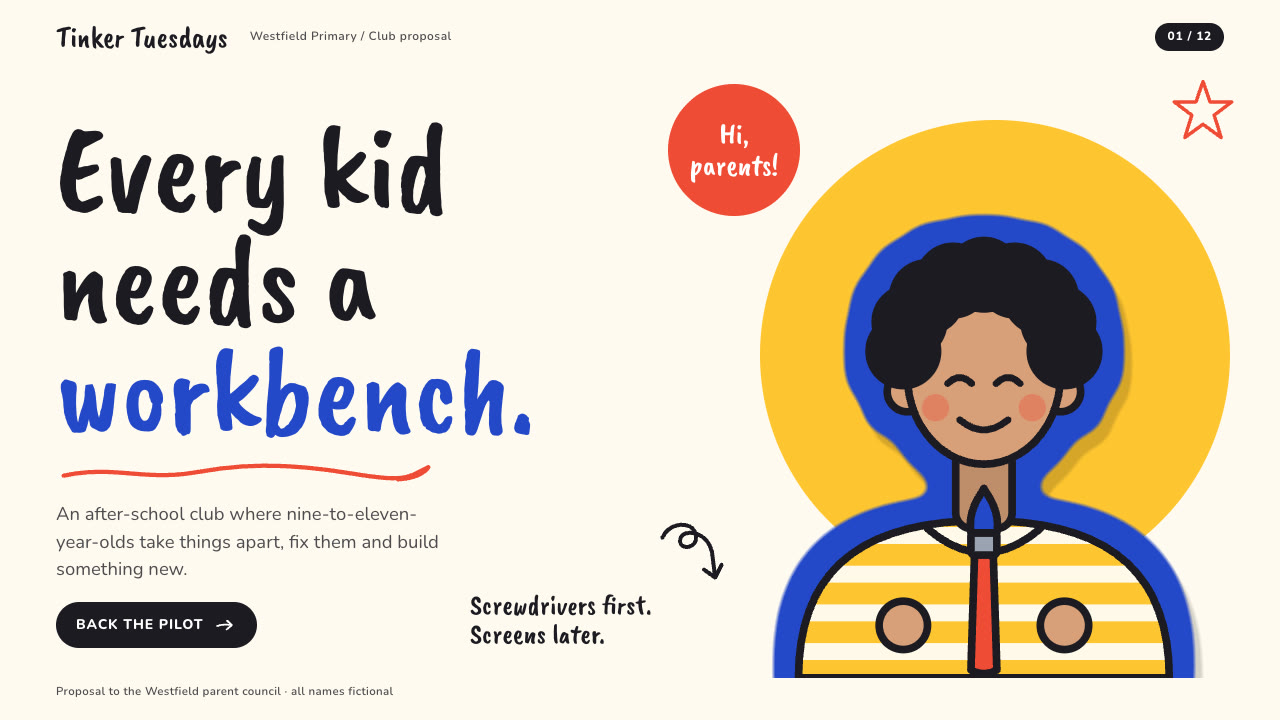
Make bright hand-drawn project decks for maker clubs, school and library programmes, workshops and community pitches: hand-lettered headlines, primary colour panels, cut-paper figures and objects, scribbled underlines, tape, sticky notes, a pinned idea board, a column chart and a native timetable.
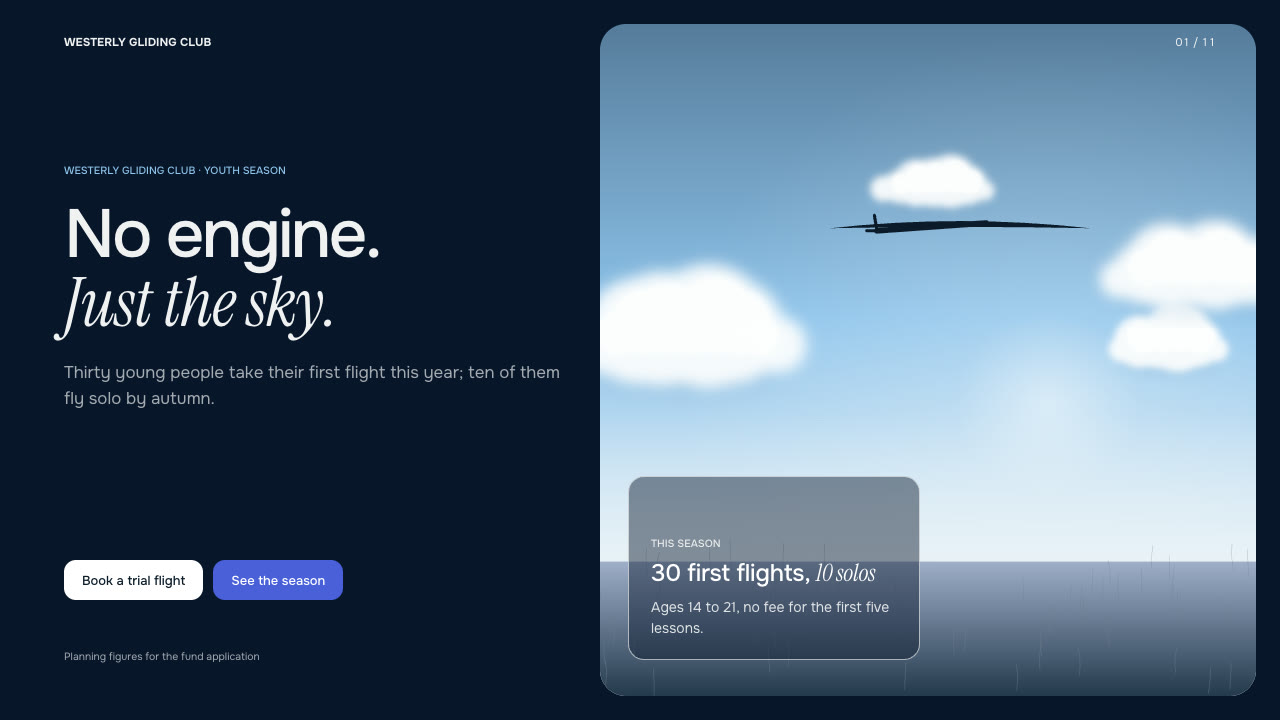
Make explainer and proposal decks that make a public subject feel approachable: open-sky pictures, clear optical glass and anonymous figures, thin-edged translucent glass cards over the pictures, broad mist-white pages, three deep night pages and headings with an italic serif accent.
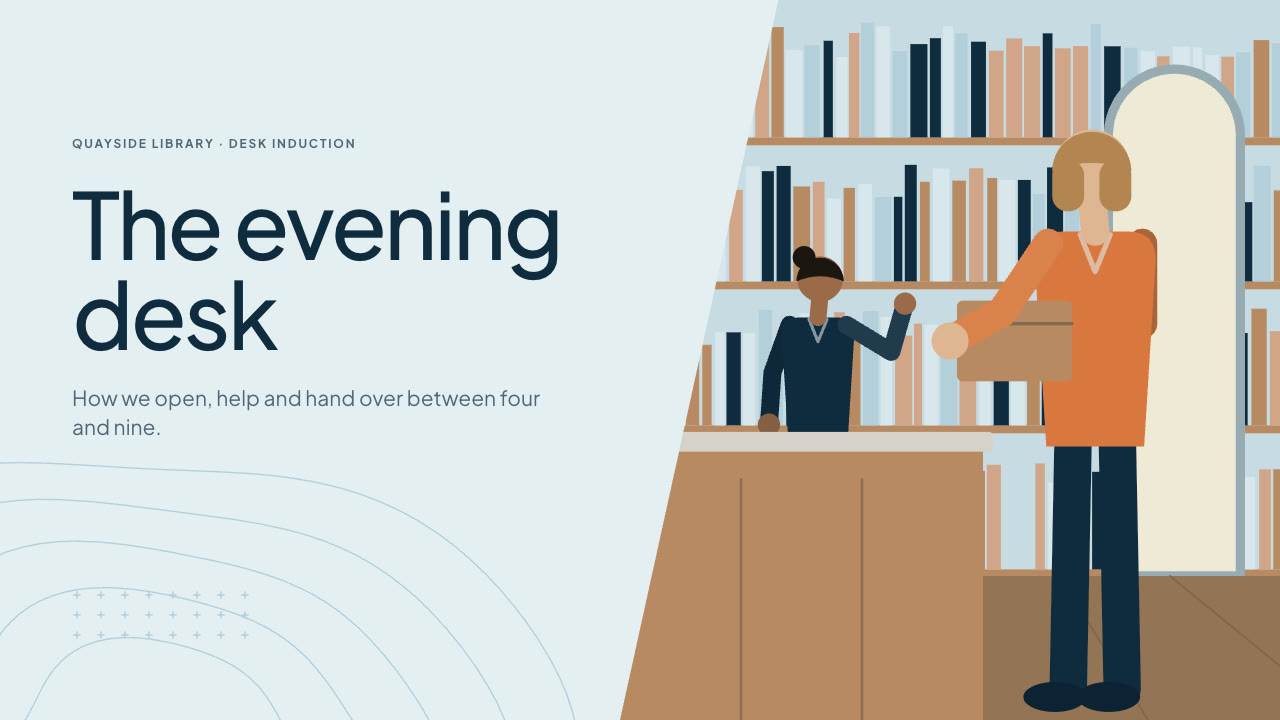
Make training decks for front-line service teams, such as desk inductions, shift handovers, opening routines and volunteer counters: calm light pages with faint contour lines, two dark pages for the service standard and the handover, check rows, habit cards, journey rings, say-instead cards and drawn service interiors.
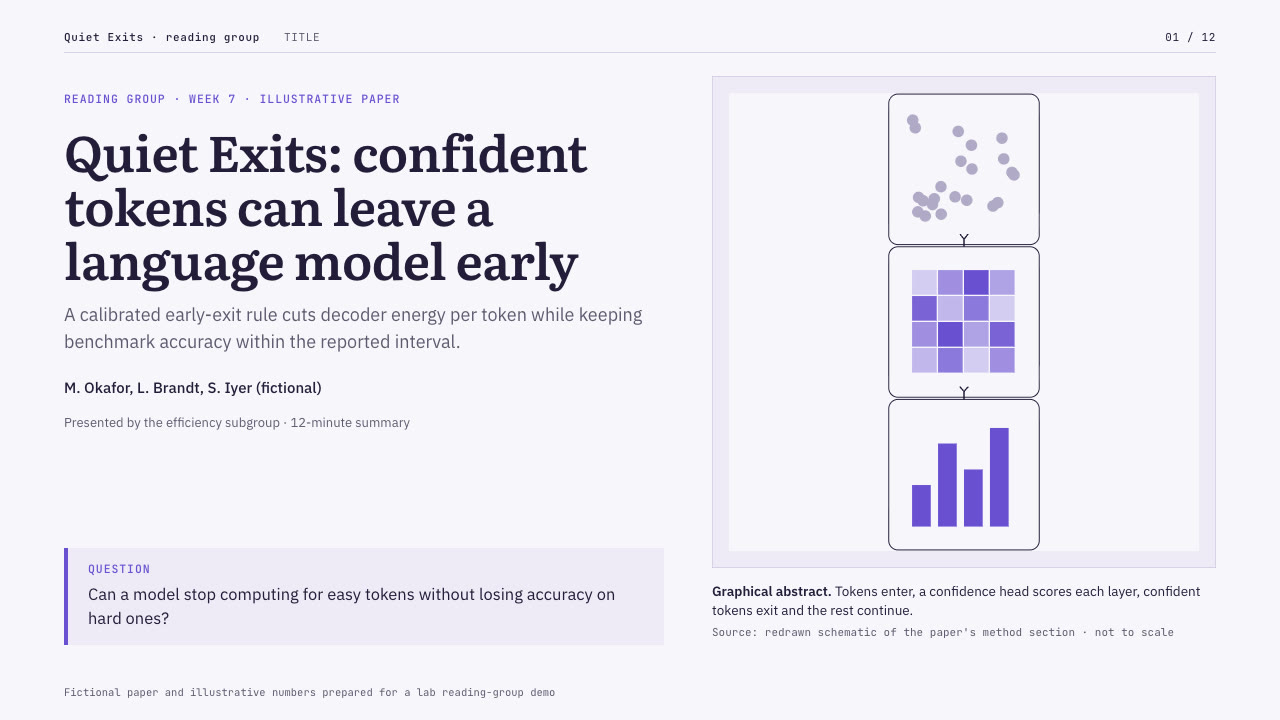
Make figure-led research talks such as paper summaries, journal clubs, lab and reading-group reviews and evidence briefings: every content page is built around one figure, chart or table with its caption and source underneath, numbers carry their comparator and interval, and a limits page states what the work can and cannot claim.
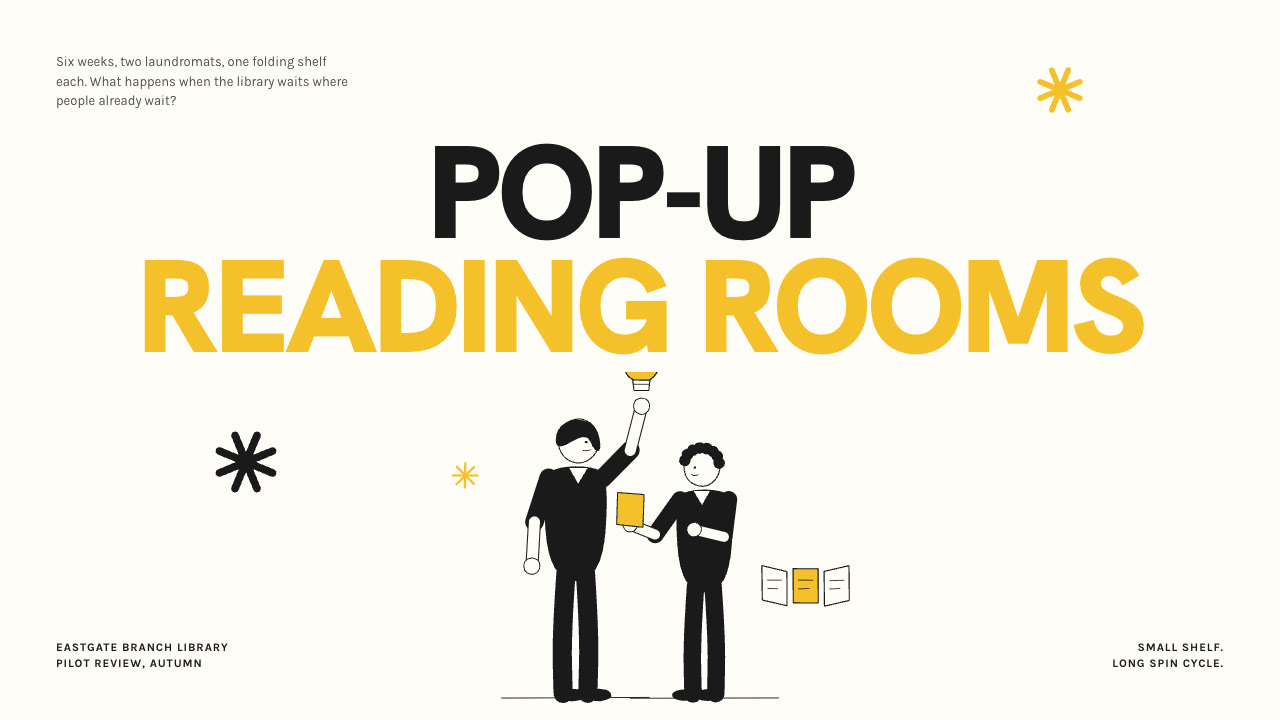
Make bold notebook-style decks for pilot reviews, team experiments, proposals and programme readouts: paper-white pages, heavy capitals with one highlighted phrase, small copy in asymmetric islands, loose asterisks, a fine-pen figure on every page and a native results table.
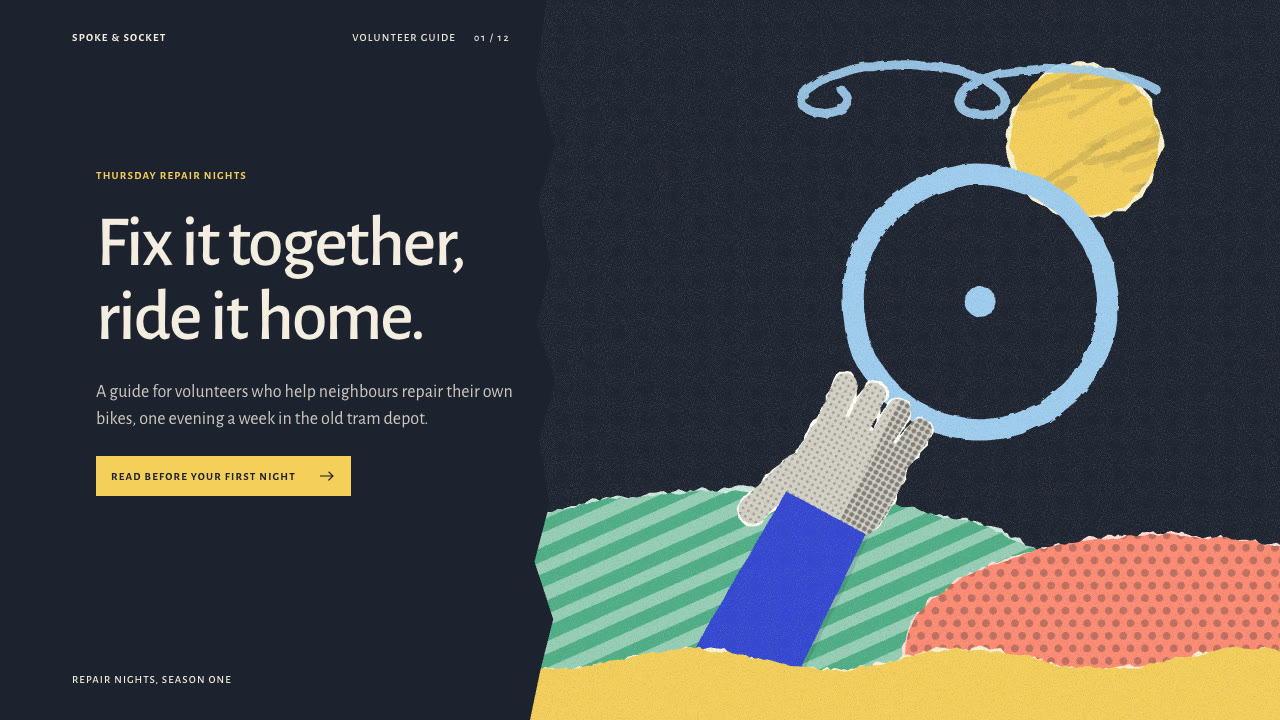
Invite people into a workshop, programme or public meeting with a warm cut-paper deck: cream pages, broad colour bands, offset paper cards and a collage picture on every image page.
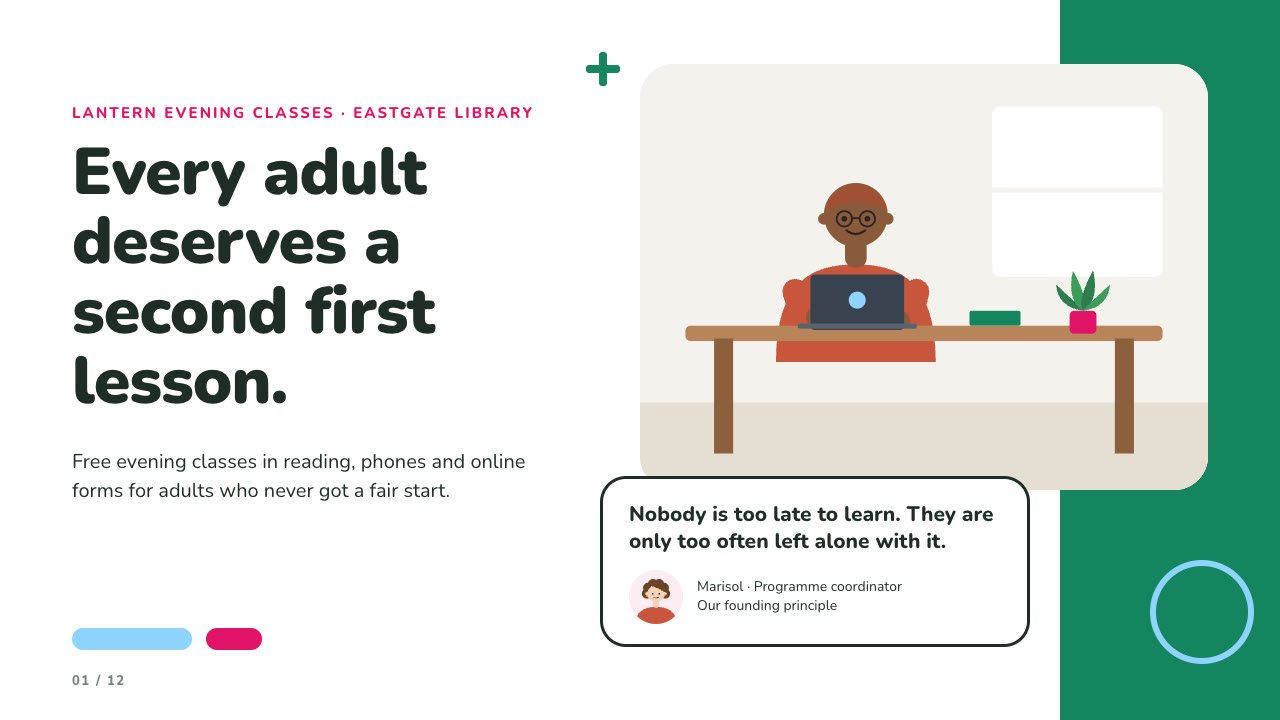
Make bright, friendly decks for learning programmes such as evening schools, cohorts, courses, residencies and onboarding: heavy rounded headings, round portraits on offset colour discs, rounded picture windows, colour-block splits, capsules, rings and plus marks.
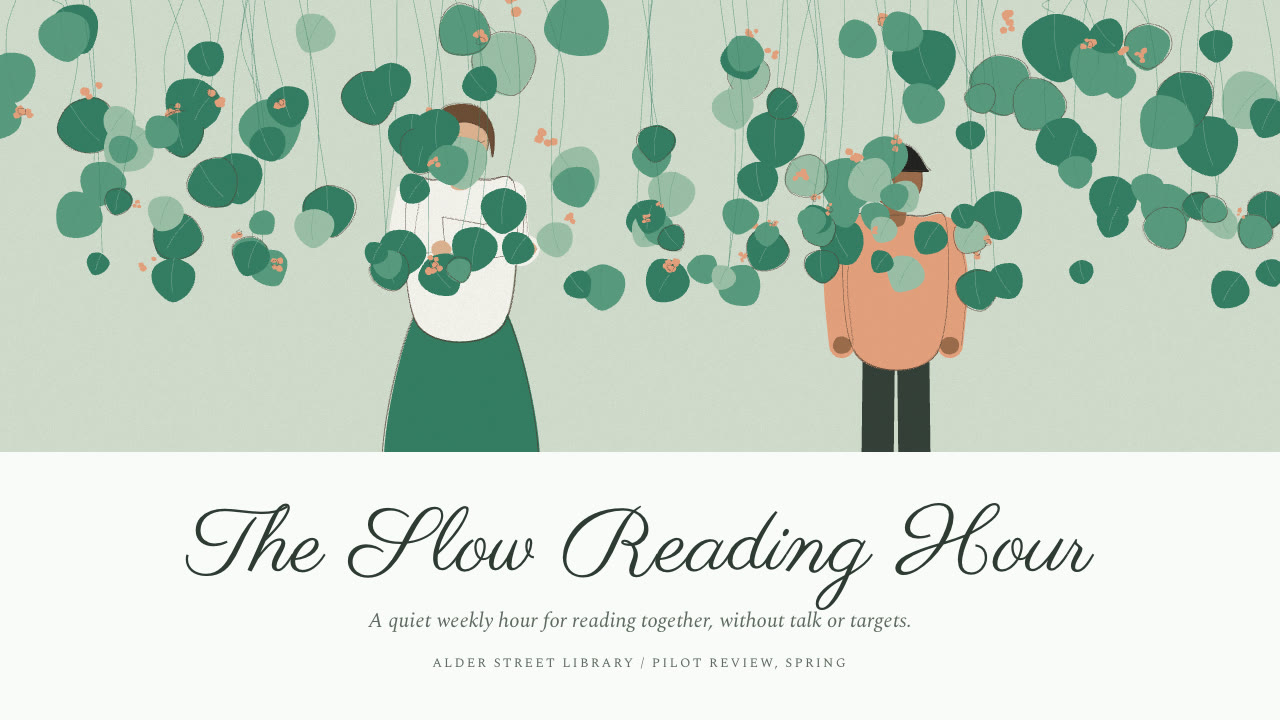
Make calm, illustrated decks for talks that ask people to slow down and look, such as library and reading programmes, garden and nature projects, community learning and seasonal reports: flat leaf-and-figure illustrations, script titles over a plain serif and one small idea per page.
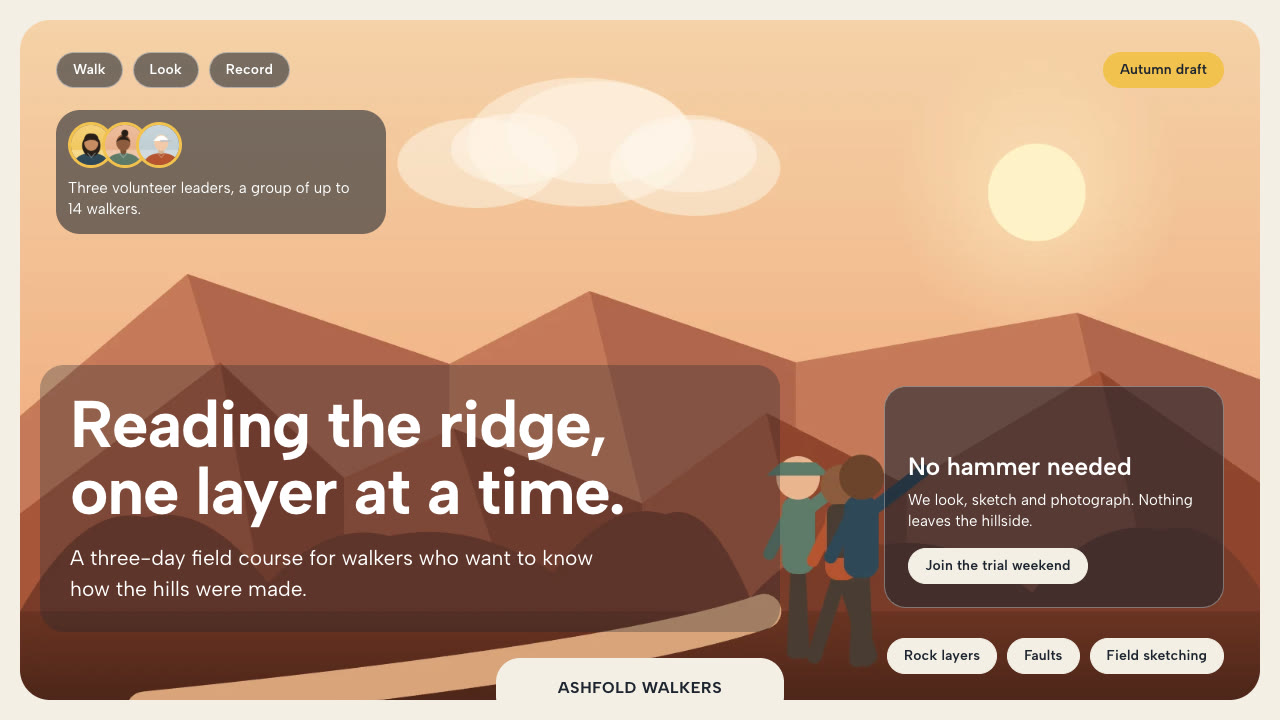
Make warm, picture-led decks for programmes that happen outdoors, such as field courses, walk series, field weekends and evening sessions: rounded picture windows, a framed cover with a ticket tab, smoked plates under captions, compact capsules, small ring portraits, asymmetric picture tiles and a three-stop timeline.
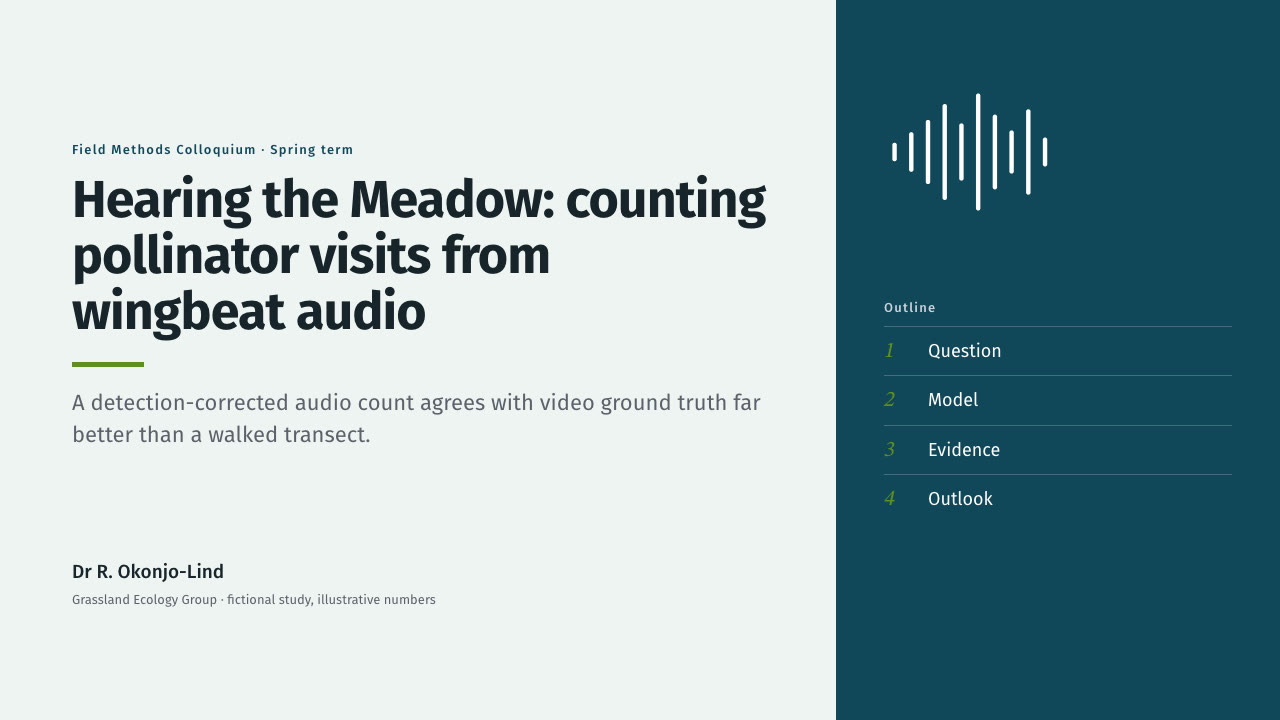
Turn a paper, thesis chapter or research notes into a projection-ready 16:9 talk for seminars, colloquia, defences and conference sessions: a section strip with the current section lit, equations with spoken readings and term glosses, a method pipeline, a proof sketch, native result bars and tables, plots drawn from data and a progress bar with frame counters.
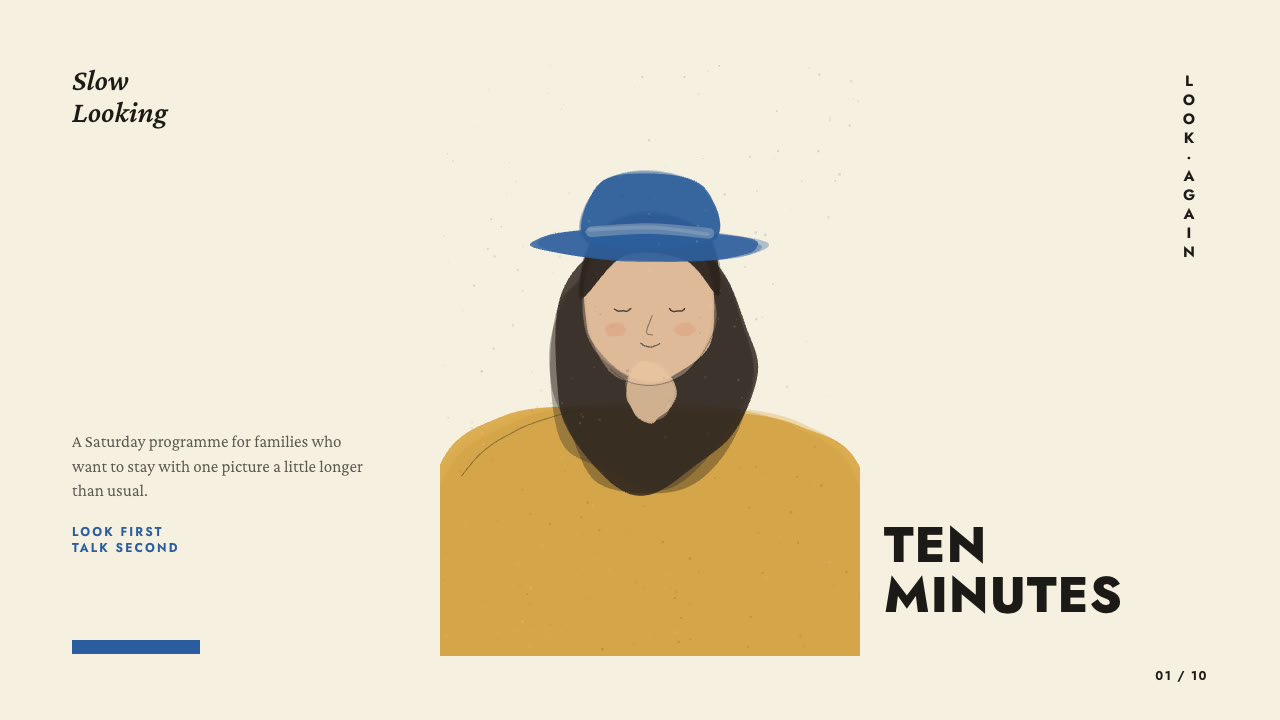
Make calm, picture-book style decks that move in chapters, for workshops, reading and family programmes, community projects and volunteer briefings: warm paper pages, painted gouache-like pictures, very large chapter numerals with a small italic tag, upright stacked spine labels and narrow islands of serif copy.
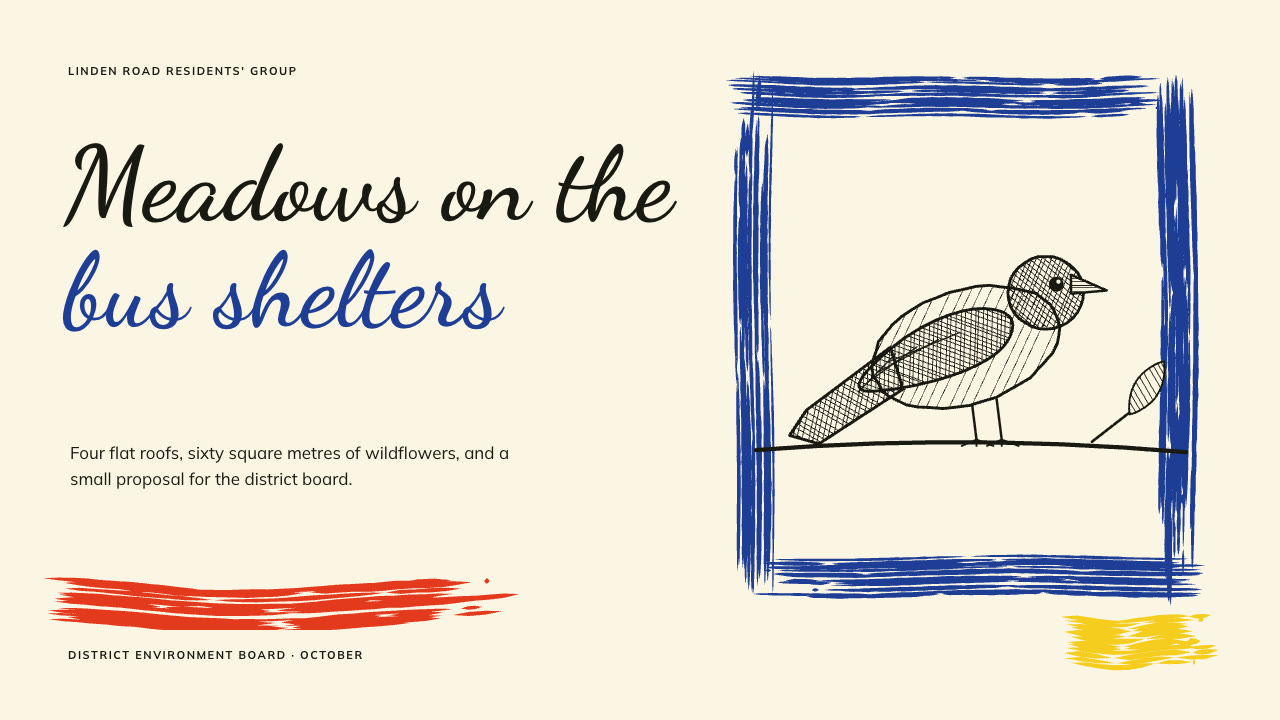
Make decks that look like pages from a naturalist's notebook, for nature, neighbourhood and community projects: warm paper, flowing script headings with one phrase in blue, small sans copy, and a pen-hatched study of birds, sprigs, nests, bird houses, water dishes or planters on a dry-brush ground for every page, with editable tags, numbered markers, connector lines and data bars.
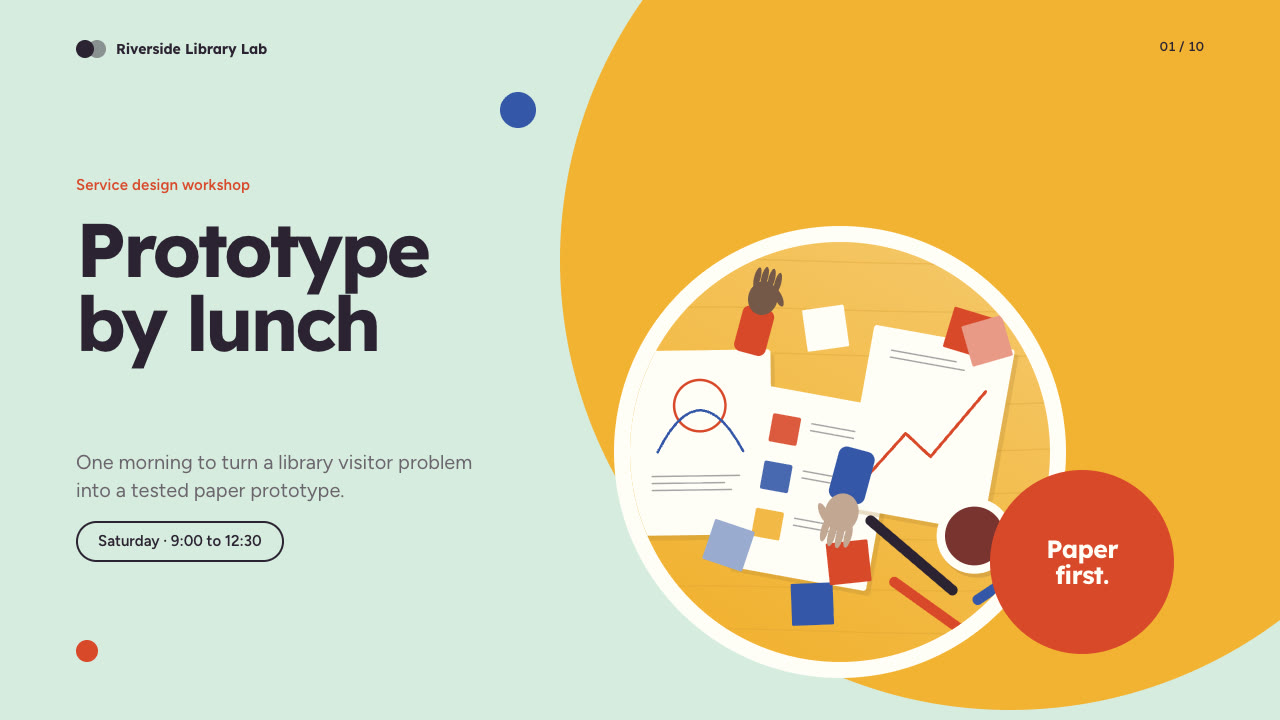
Make cheerful decks for sessions run with a group, such as design and prototyping workshops, volunteer and staff trainings, kick-offs and onboarding mornings, where colour is carried by circles: a giant sun disc on the cover with a round picture and badge, coloured corner discs, round icon badges, round picture windows and outlined pills for times and contacts.
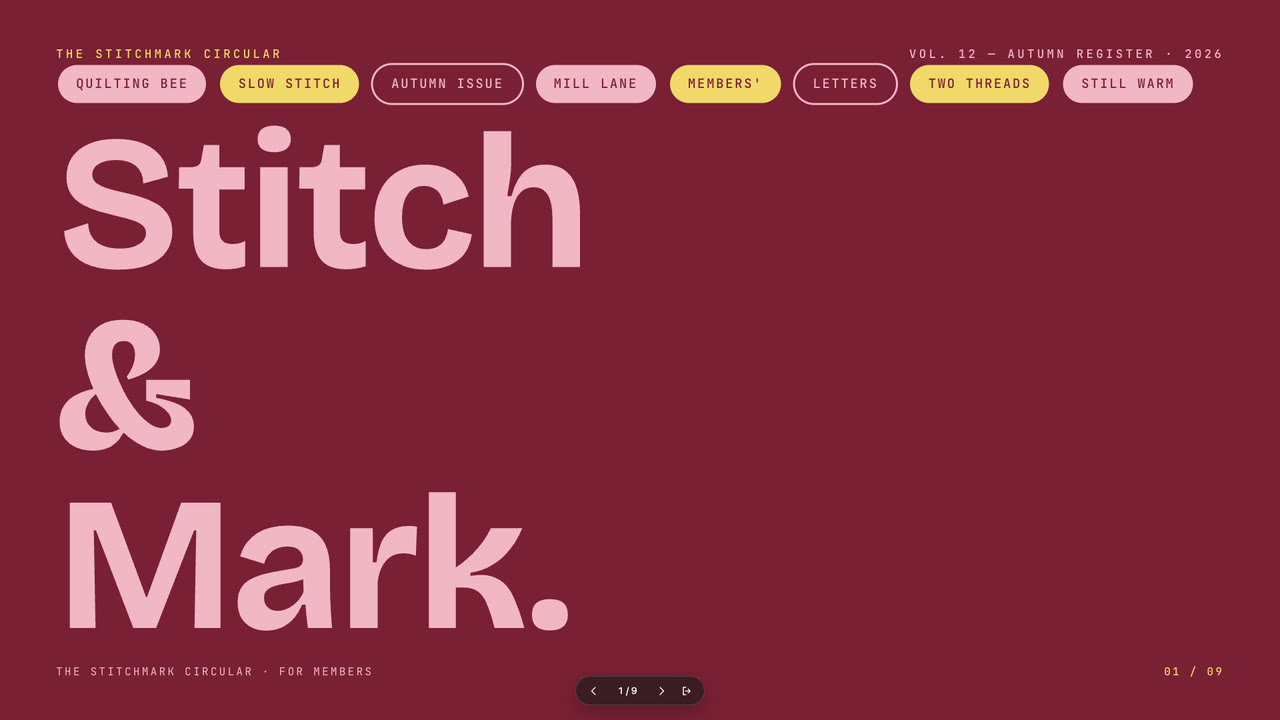
Make decks that read like three-ink seasonal gazettes: berry surface, butter accent and ink type on Bricolage Grotesque and Instrument Serif — a chip-row cover, principle grid, headline figure and colophon.
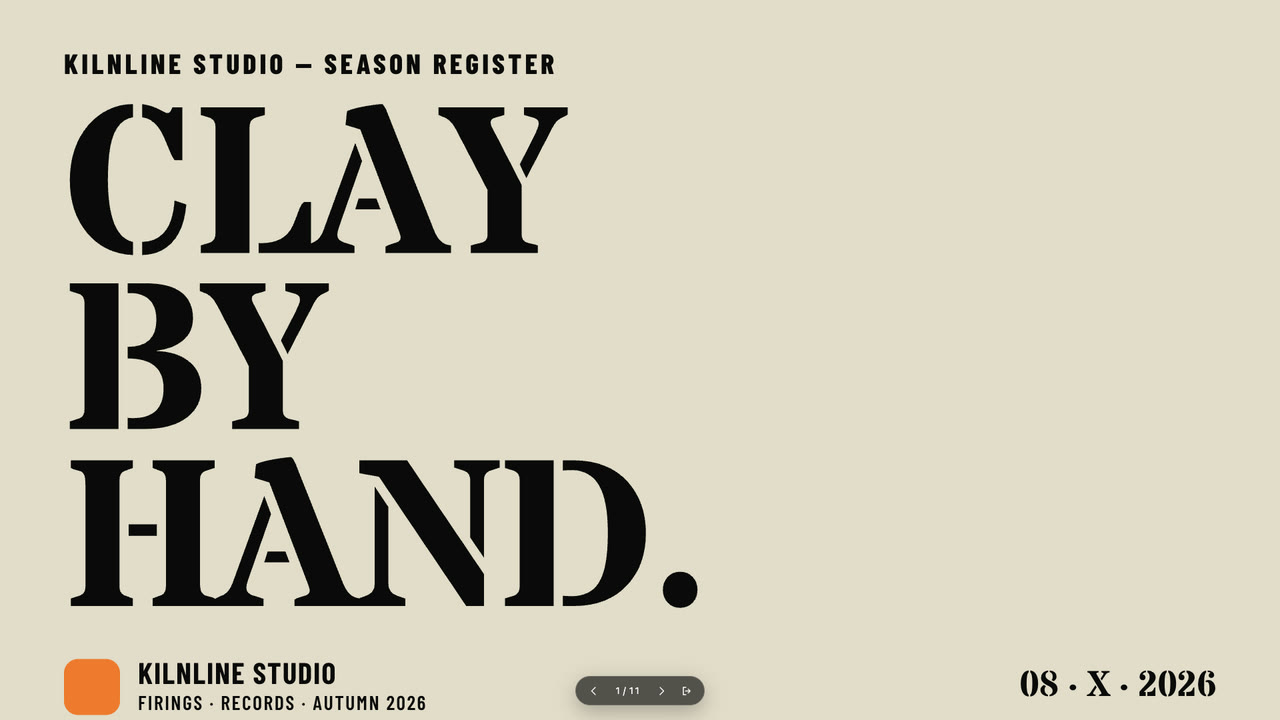
Make decks that read like paper-cut field manuals: cream ledger paper, black stencil condensed titles, two accent inks, blob agenda chips, three-column consults, stepped counts, reach matrices and call cards.
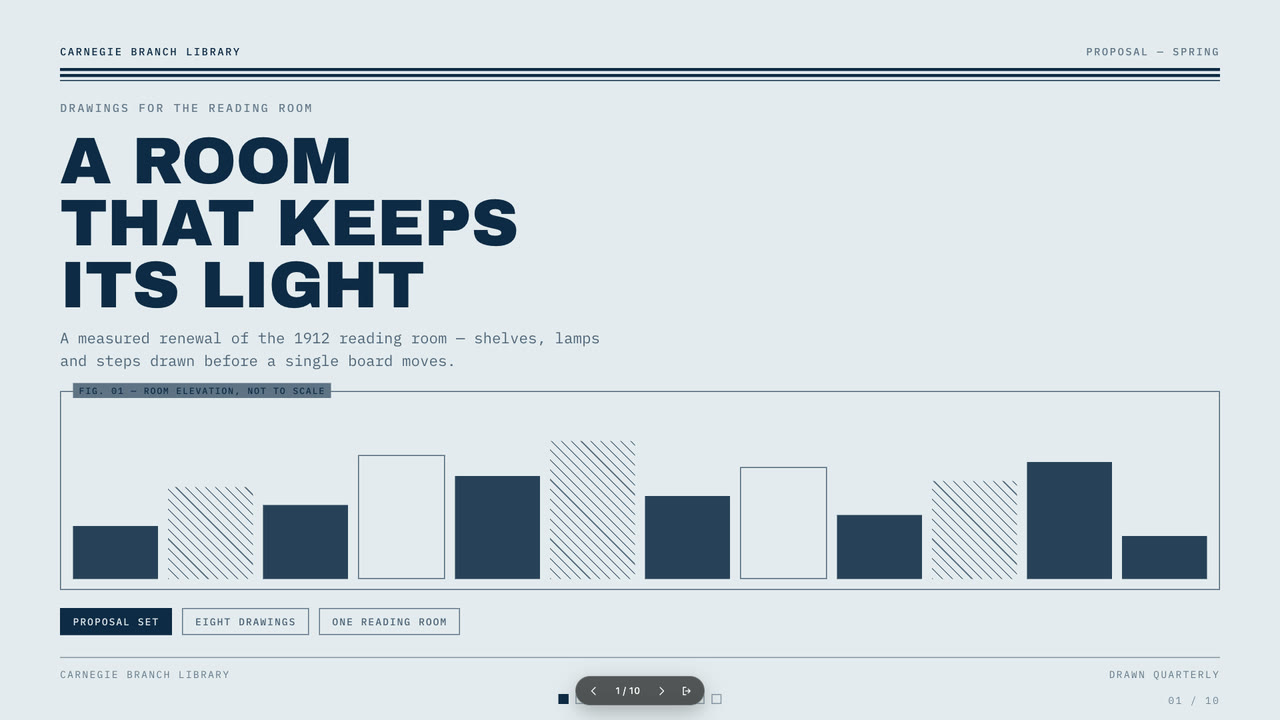
Make decks that read like printed drawing sheets: cream paper pages beside near-black plate pages, a double-rule masthead, uppercase display type, monospace ledger copy, fig.-tagged wireframe figures, hatched fills, X-cross placeholders and dashed checklists.
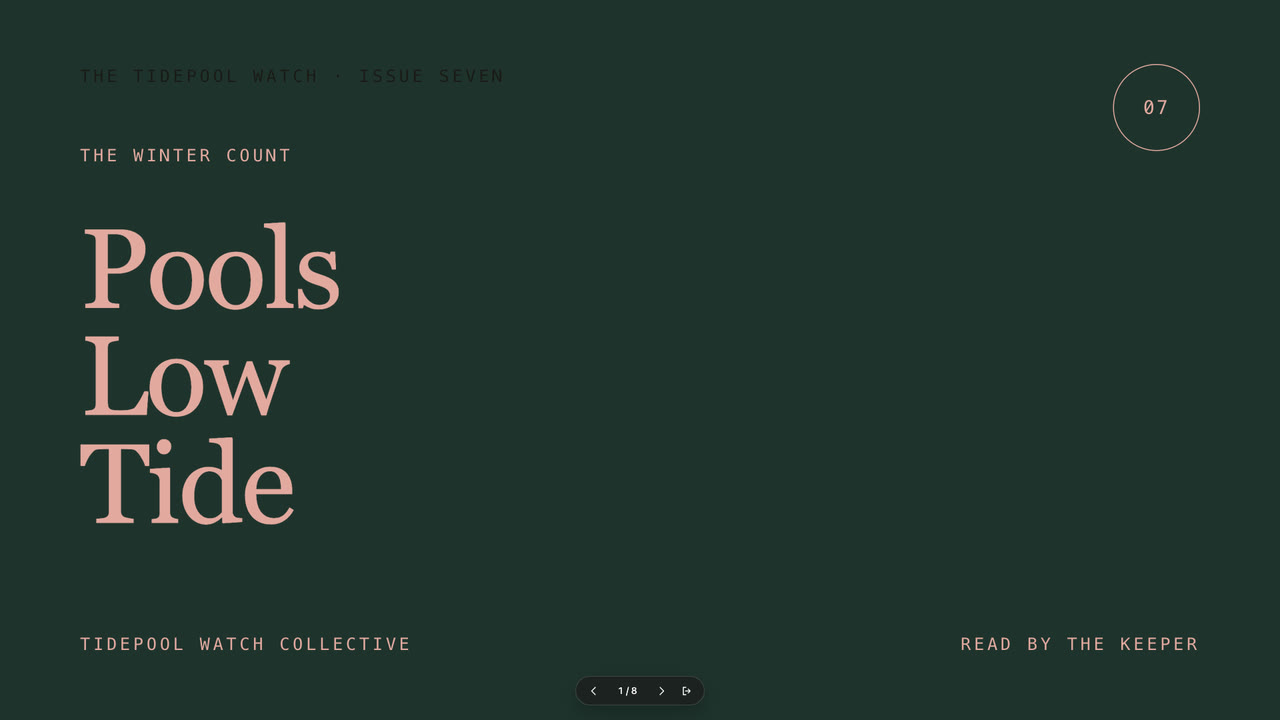
Make decks that read as a printed quarterly or an editorial year-in-review: a three-tone register of deep forest green, dusty pink and oat cream, a tall literary serif with mono chrome, monogram-circle page numbers, mixed filled and outlined tile grids and paired bar charts on a colour field.
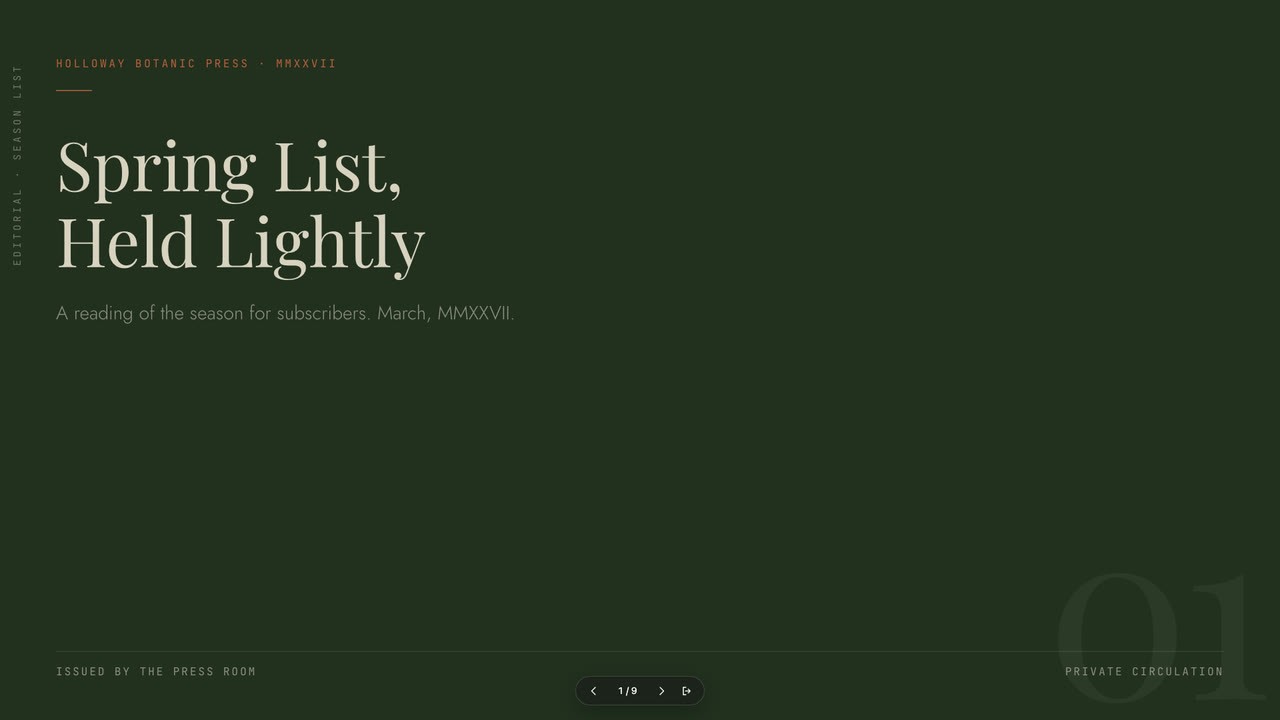
Make decks that read as dark literary monographs: a deep forest canvas with warm bone Playfair serif, Jost-light body, mono hairline chrome, a single terracotta accent as kicker/rule/italic-em/quote-mark/highlight-bar punctuation, ghost watermark numerals, rotated sidebars and parchment light-mode pages.
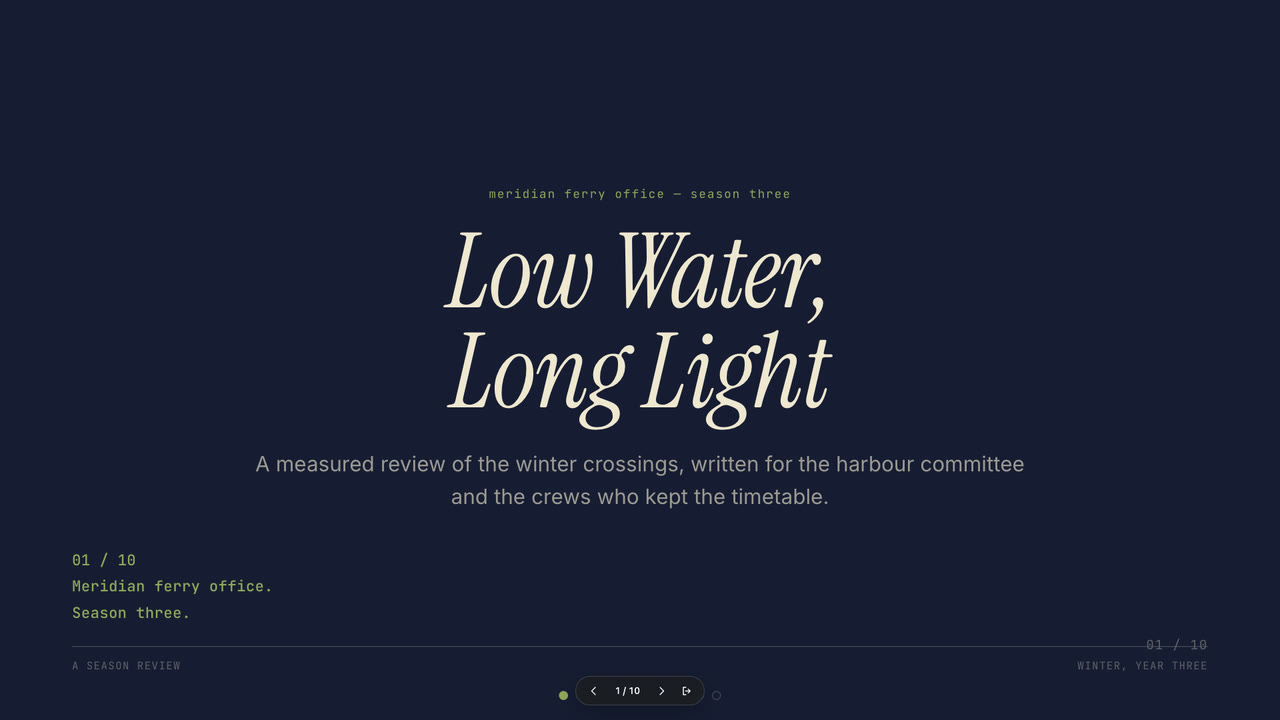
Make decks that read as quiet scholarly essays: one deep indigo register throughout, an italic literary serif for every headline, quiet sans body, typed mono chrome, and a pin-note of small mint mono lines pinned at the bottom-left of every page.
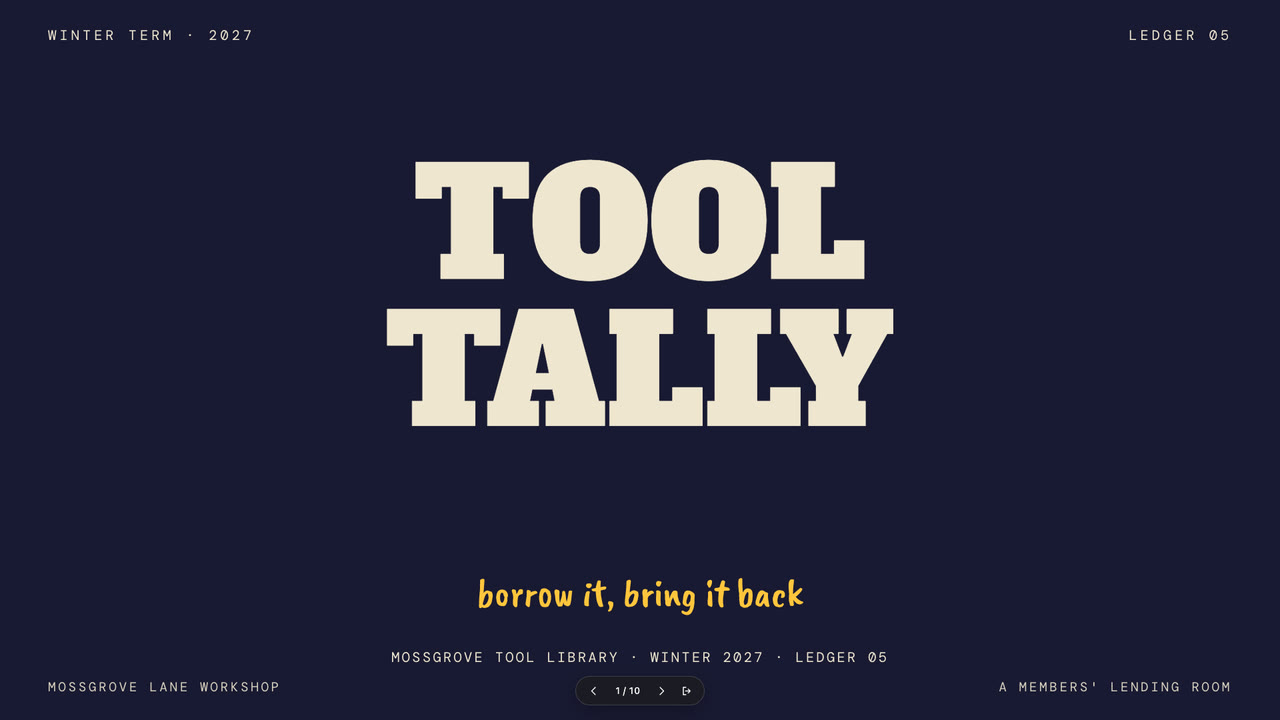
Make decks that read as protest-poster public bulletins: deep cobalt fields with cream type, cream paper pages with cobalt ink, Alfa Slab display headlines, mono capsule chrome, star and diamond ornaments and ruled contents rows.
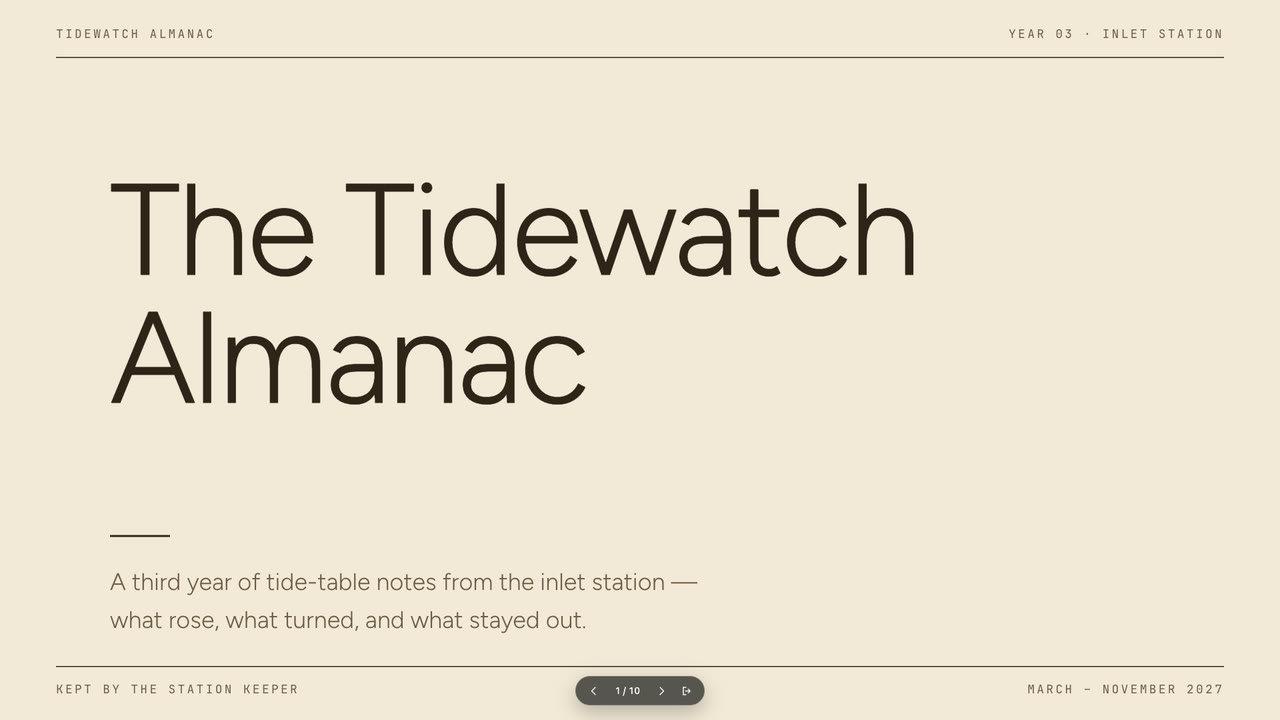
Make decks that read as monochrome field journals: ink on ivory paper, ultra-thin Figtree display headlines, italic Newsreader quotes, mono chrome rows above and below a hairline rule, em-dash marks, framed specimen plates and ruled stat columns.
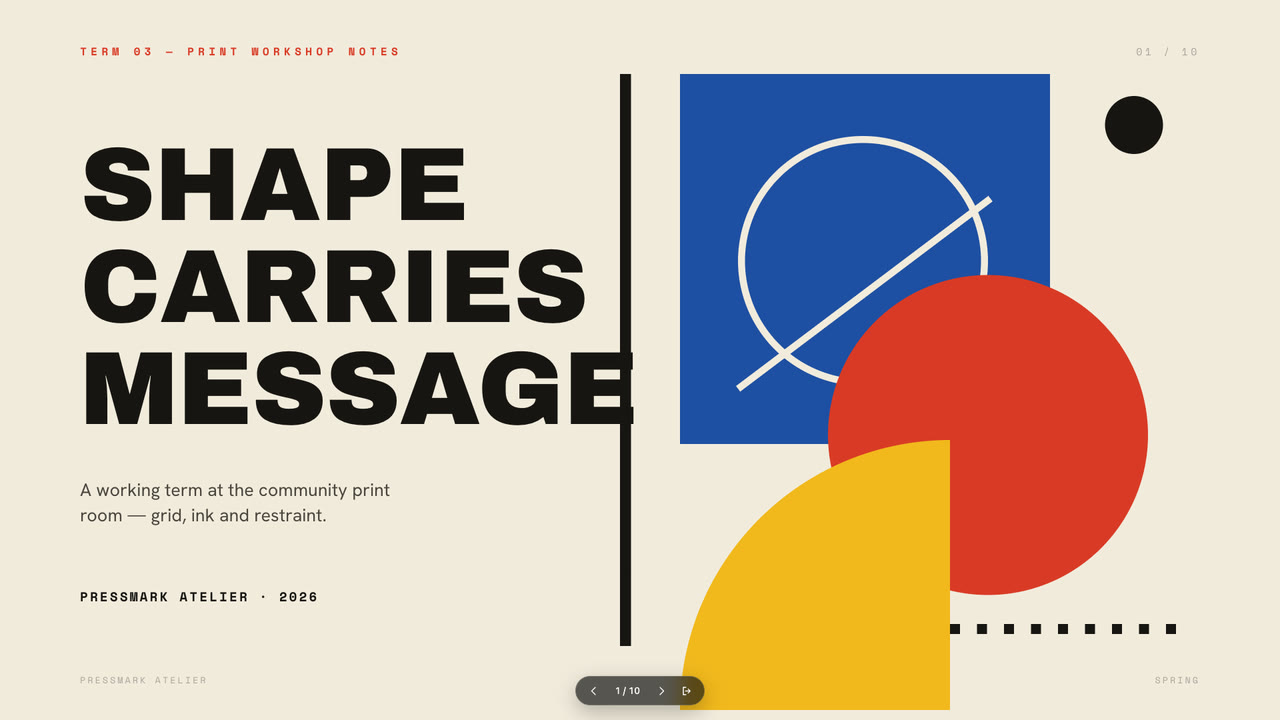
Make decks that read as Bauhaus workshop manuals: warm cream paper under near-black ink with flat red, blue and yellow circles, squares, triangles, quarter-discs, rings and dot-grids, Archivo Black caps, Hanken Grotesk body and Space Mono spaced-caps chrome.
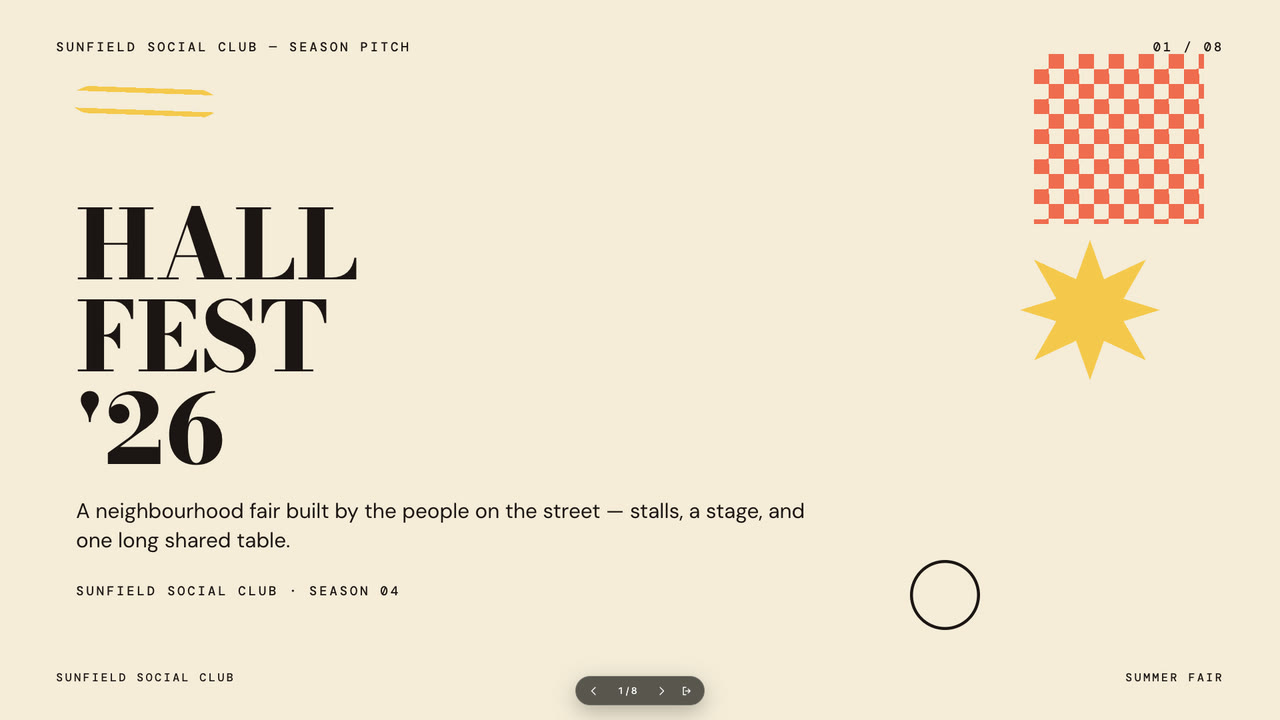
Make decks that read as 90s-candy sticker-card flyers: warm cream paper, saturated pink, teal, yellow, green and coral blocks with 3px ink borders and 8px hard offset shadows, checkerboard, wave and confetti ornaments.
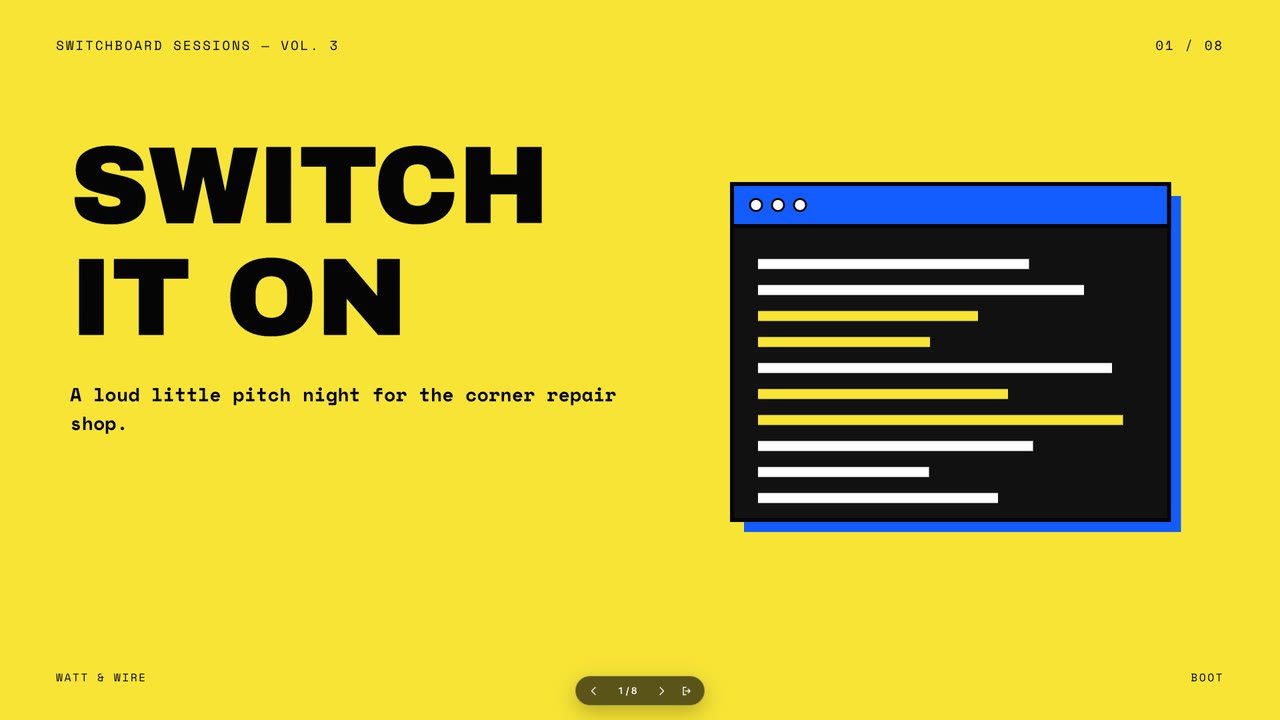
Make decks that read as loud brutalist control consoles: flat fields of warning yellow, electric blue and black, thick ink-outlined panels, tiles and stat blocks, terminal-window and wire-node plate art, Archivo Black uppercase headlines and Space Mono chrome.
Make decks that read as clinical infographic summaries: pure white field, black ink rings and rules, pale blue panels, a single sky-blue accent, numbered circular callouts, pill progress bars and rounded cards.
Make decks that read as sustainability annual reviews: cream field, black ink frames and rules, leaf-green accent fills, deep-green numerals and kickers, mint panels, corner brackets, hard-shadow score cards and line-art ecology clusters.
Make decks that read as cut-paper collage: torn-edge colour plates, gallery-serif display, sticker labels and paper-grain fields for programme briefs and community updates.
Make decks that read as a pinned workshop card wall: lined cream paper, forest-green serif display and flat clay forms — mustard, terracotta and sage discs, sticker labels and pinned note cards.
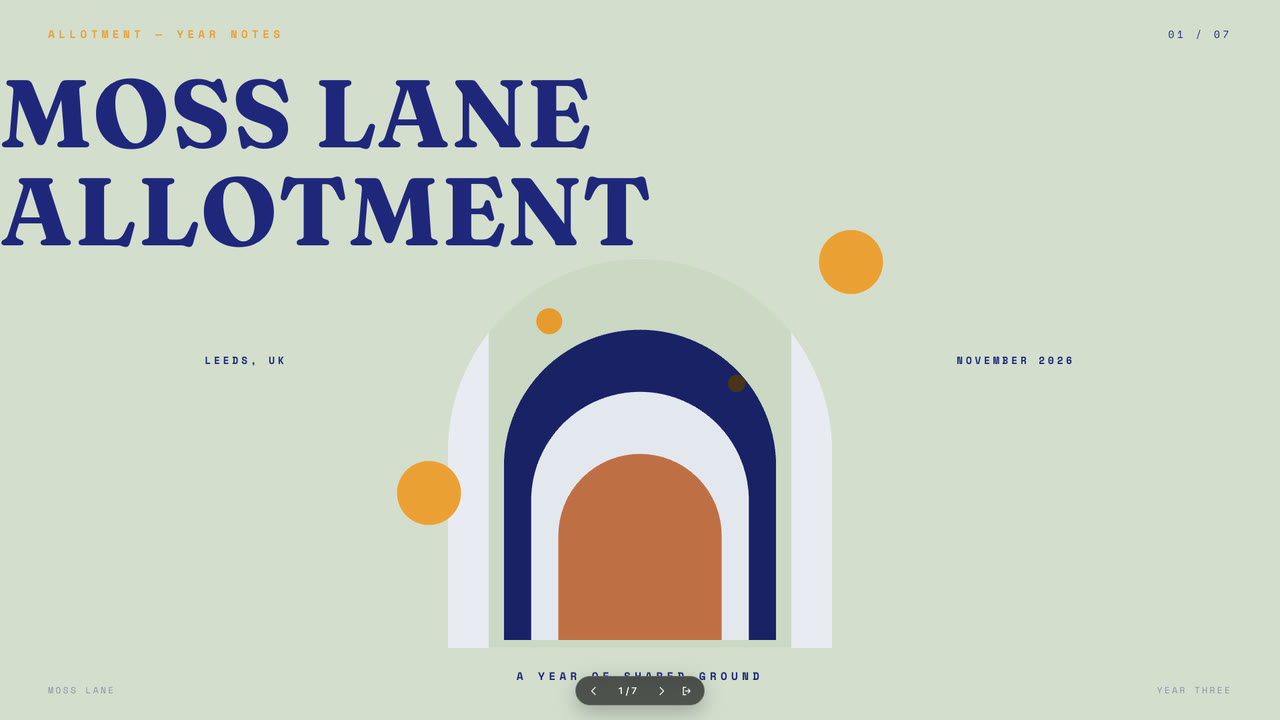
Make decks that read as quiet studio cards: alternating navy and sage fields, a nested-arch window and one orange dot, for workshop briefs and programme updates.
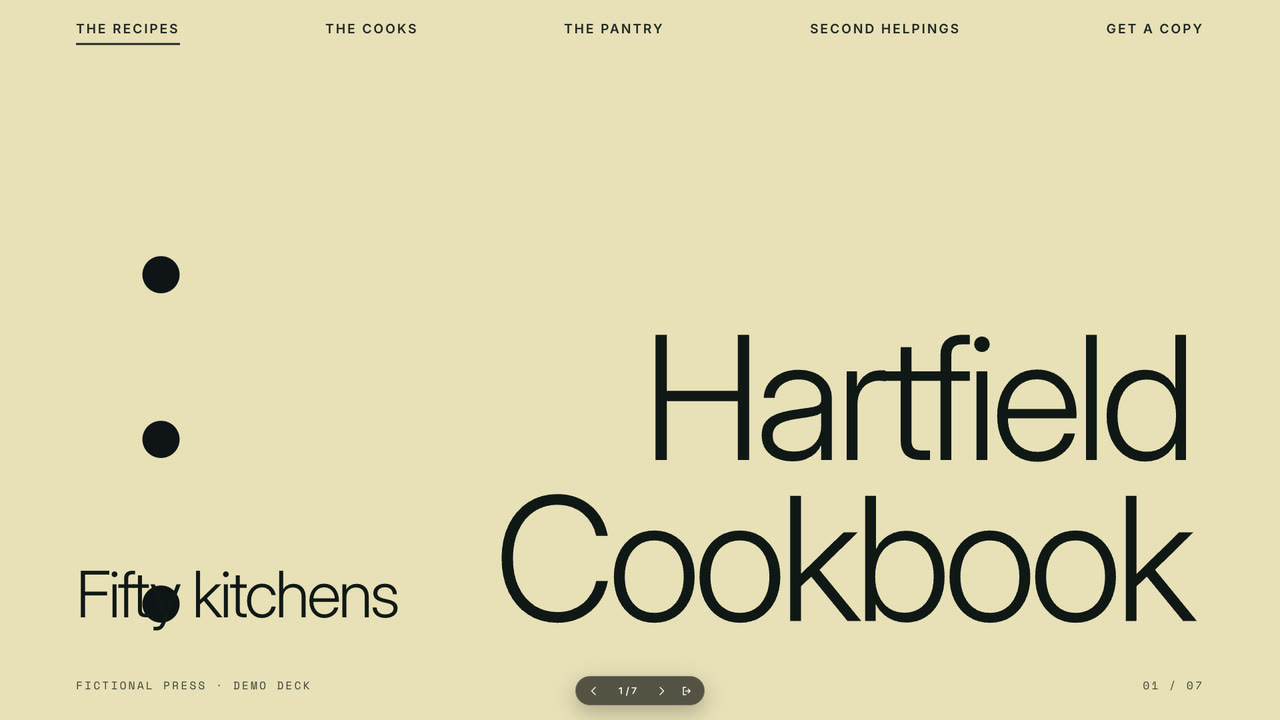
Make decks with a magazine rhythm: rotating pastel page fields, a masthead top nav, bottom folio bar and grayscale photo-card plates for indie-press and editorial briefs.
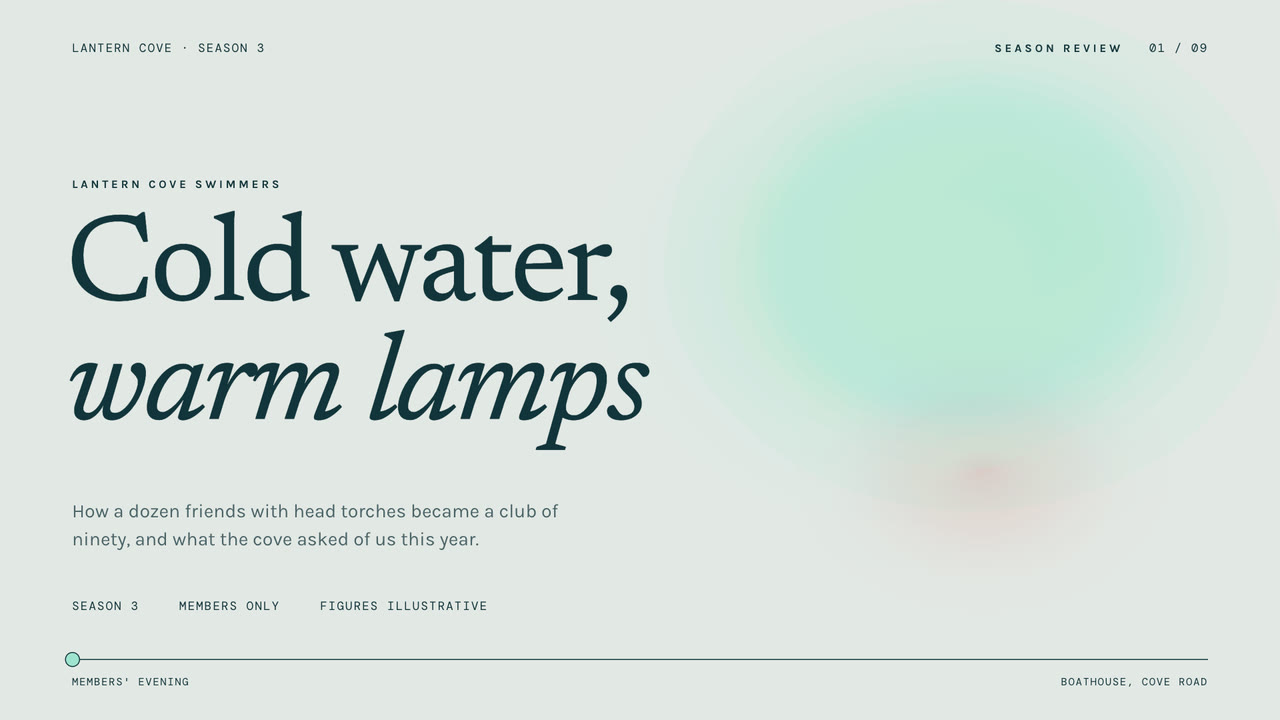
Make calm almanac-style decks: a warm parchment field, deep indigo serif titles, soft citron haze, one highlighted phrase per page and a sun dot riding the foot rule, for seasonal reports and members' meetings.
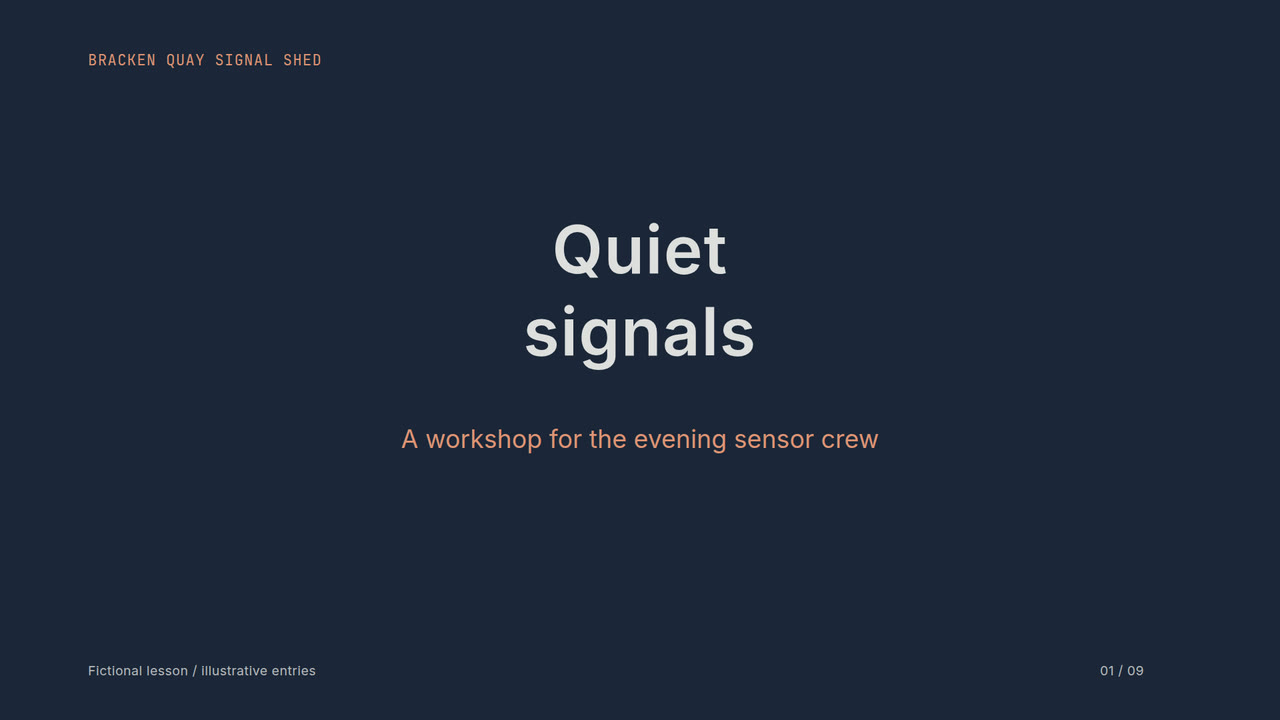
Teach a practical lesson on a midnight canvas with calm sans headings, warm emphasis, charcoal notation wells and editable registers.
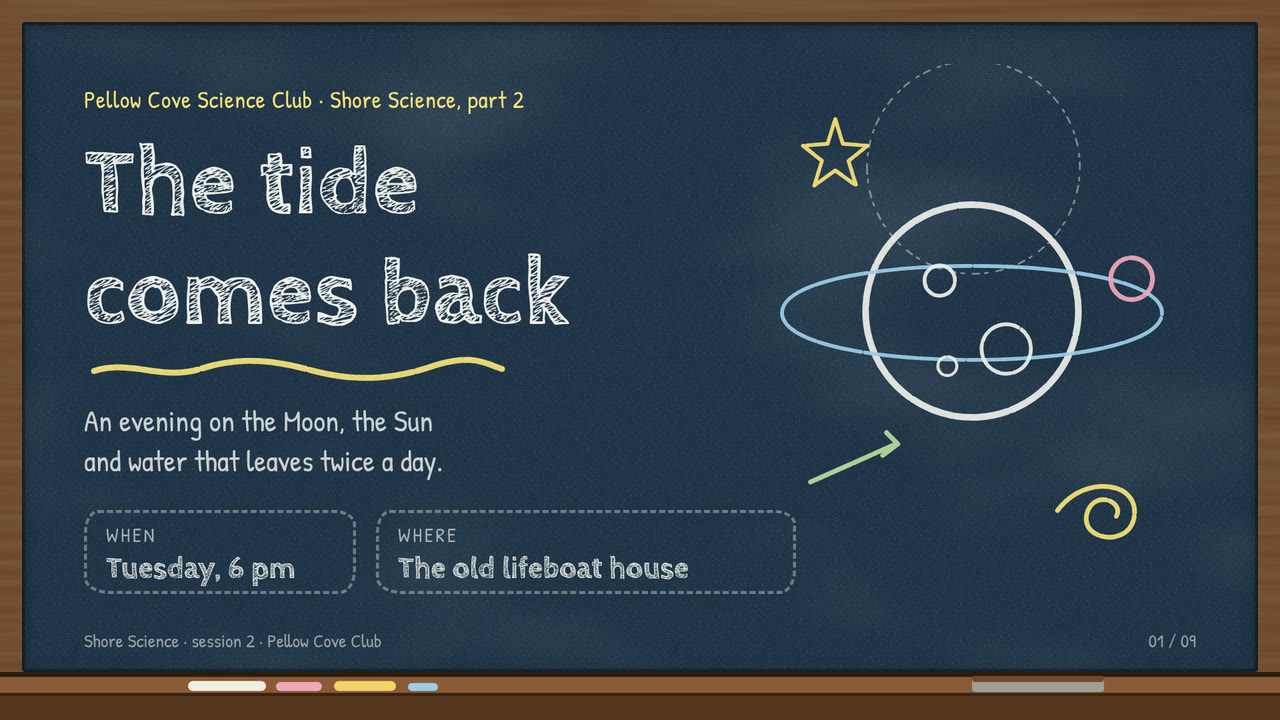
Teach a class, workshop or club session on a chalk slate board, with hand-lettered chalk headings, a wooden frame and chalk tray, dashed chalk boxes, ringed steps, hatched chalk bars and drawn diagram plates.
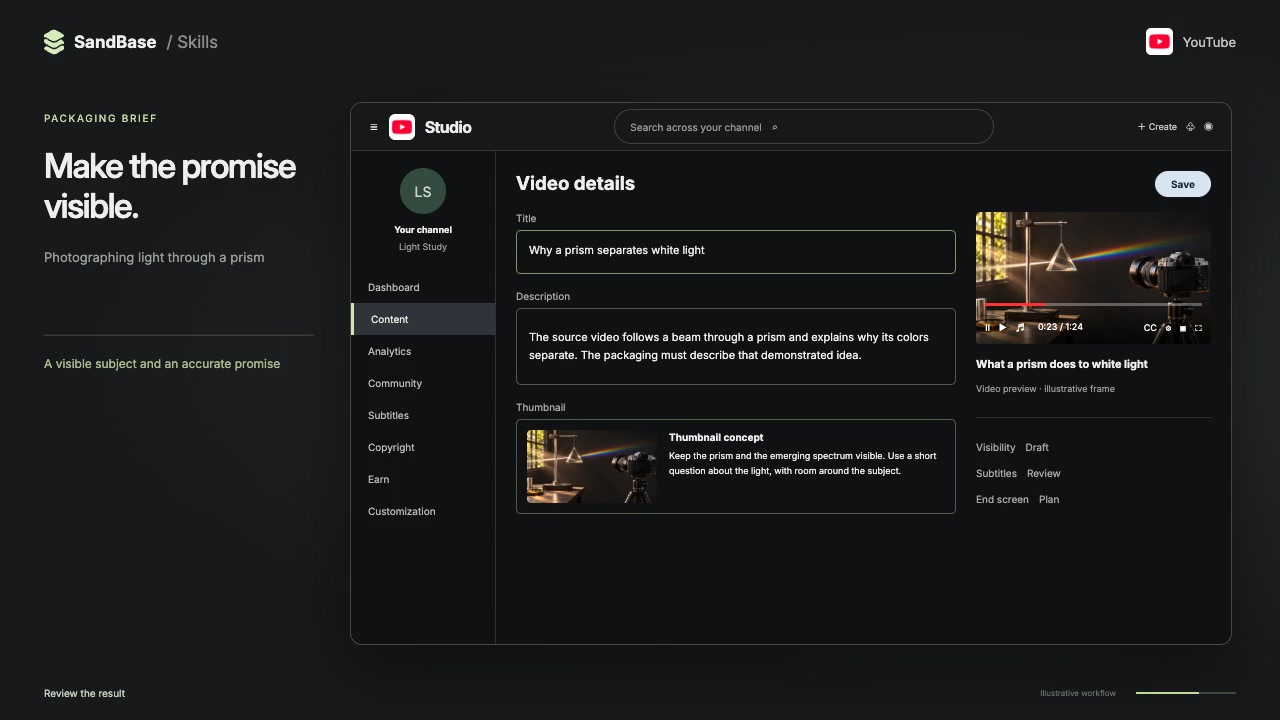
Grounded titles, real thumbnail candidates, selected PNG/JPEG and description
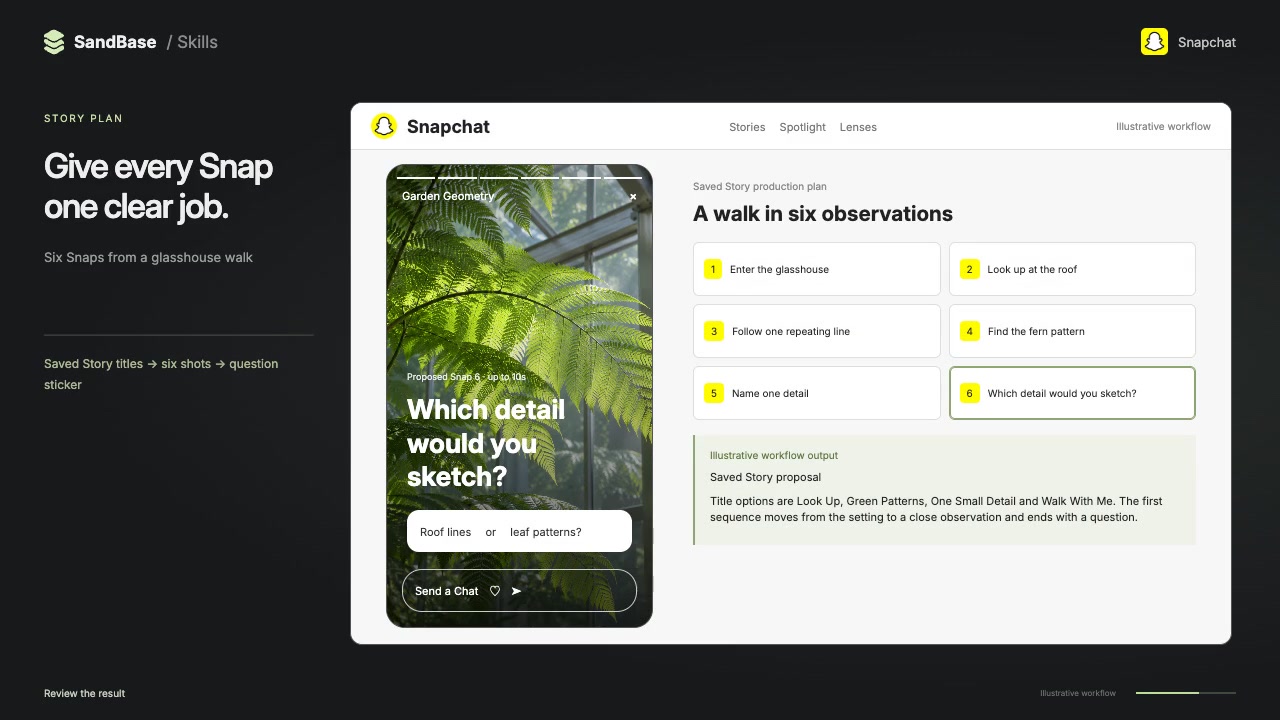
Plan a set of saved Snapchat Stories named the way a strong public profile names them, and script the first one snap by snap.
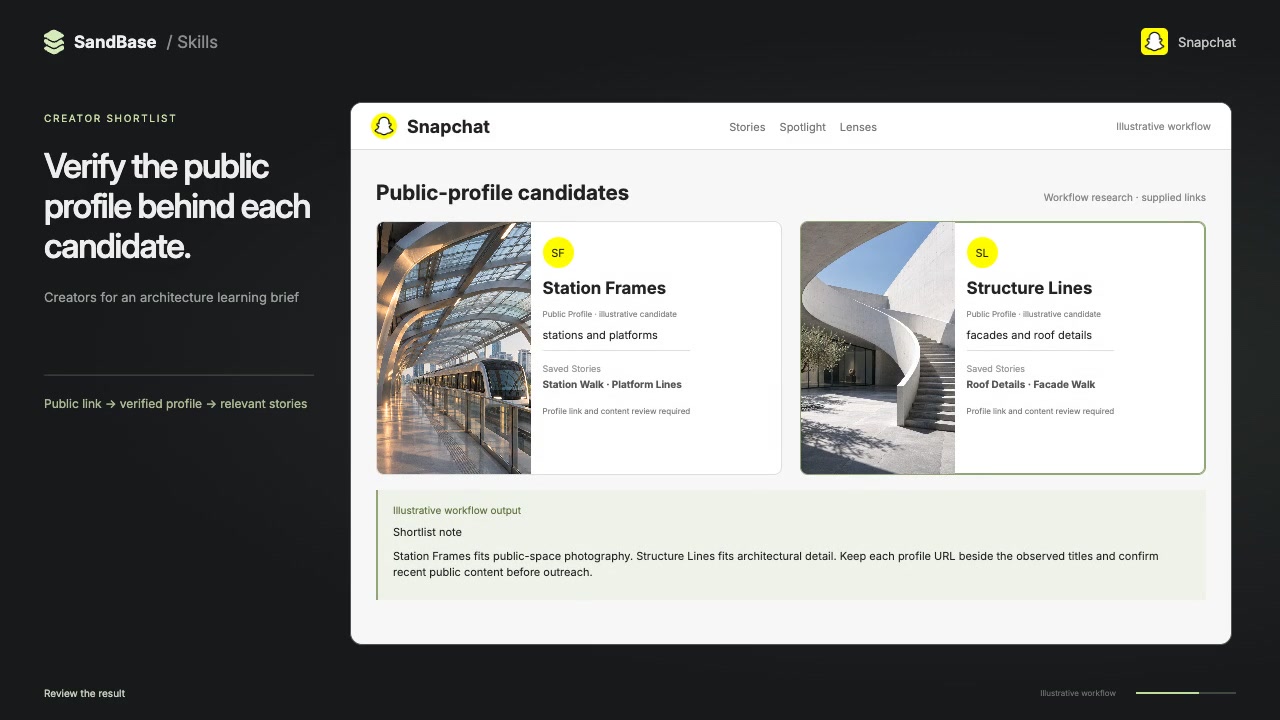
Find Snapchat accounts that are actually alive — web-found candidates are verified one by one, and the empty shells get dropped.
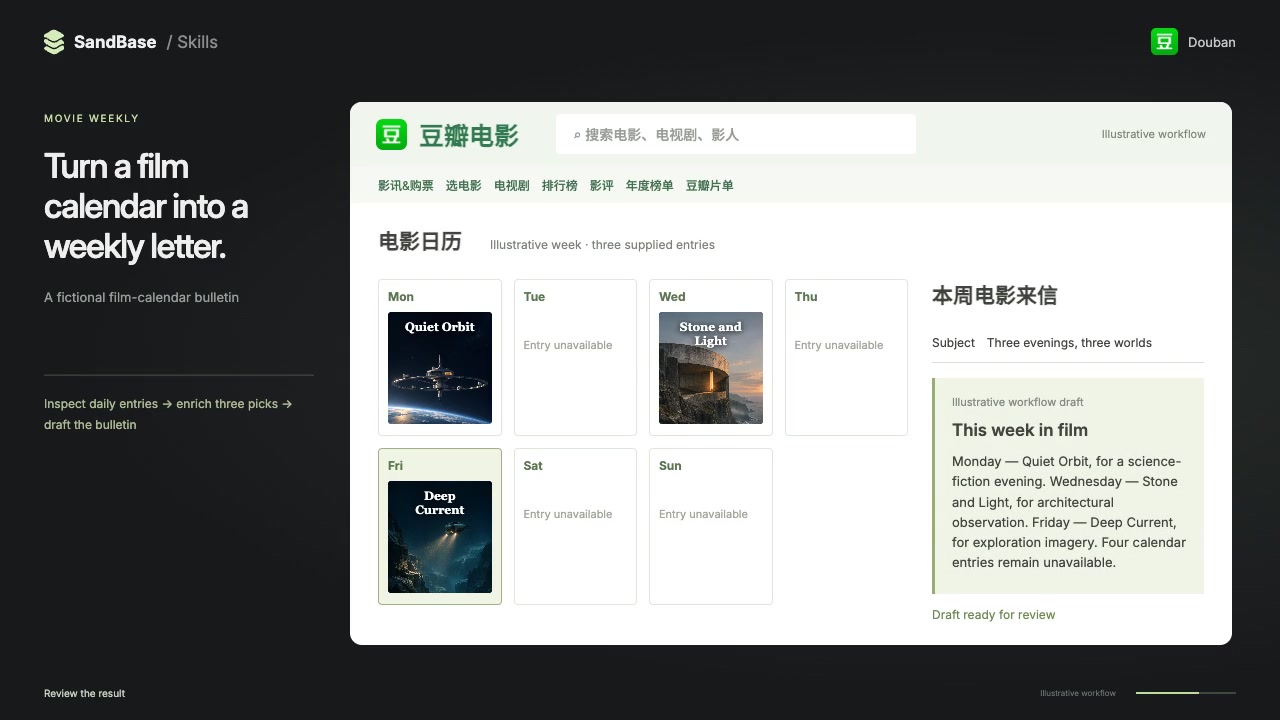
Turn the daily Douban movie calendar into a weekly bulletin with three picks, without hand-collecting every day's entry.

Recap a film year or awards season with real numbers — what each film cost, earned and won — without assembling the table by hand.
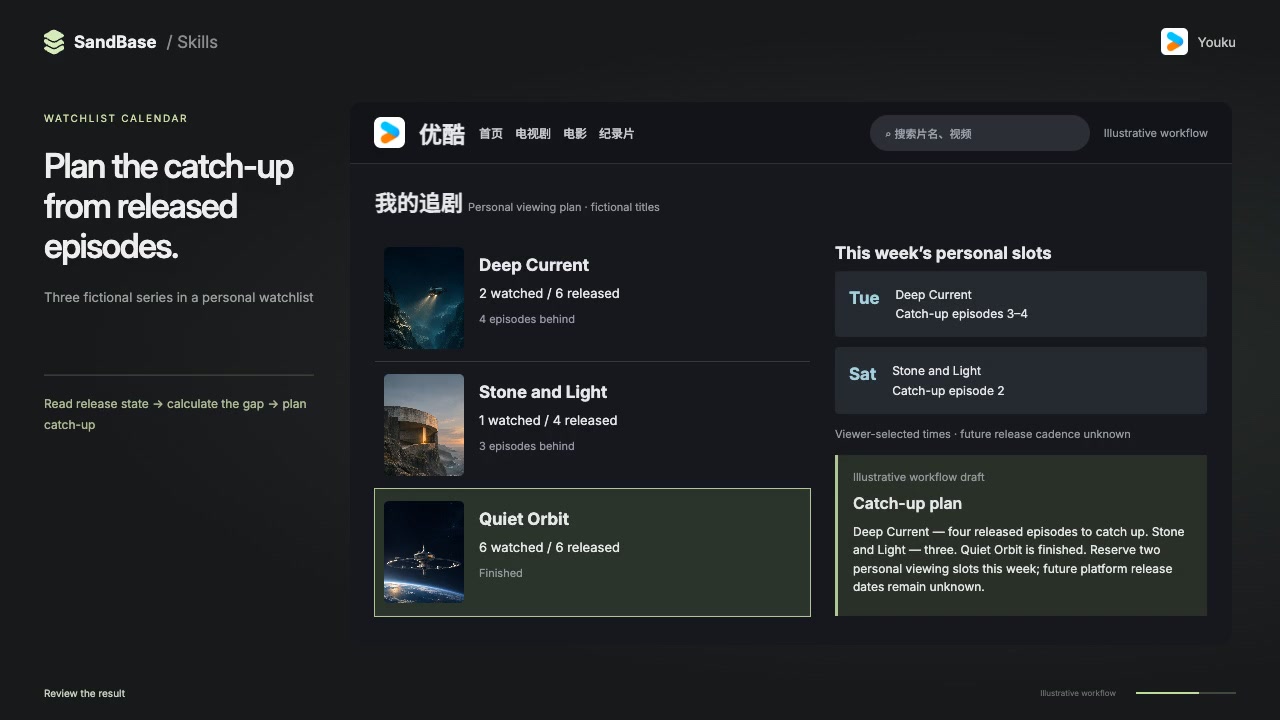
Keep several Youku series straight — which episode you're on, how many are out, and when the next ones land.

Draft a Zhihu answer that actually answers the asker's question — built on the thread's own evidence and the gap the top answers left.
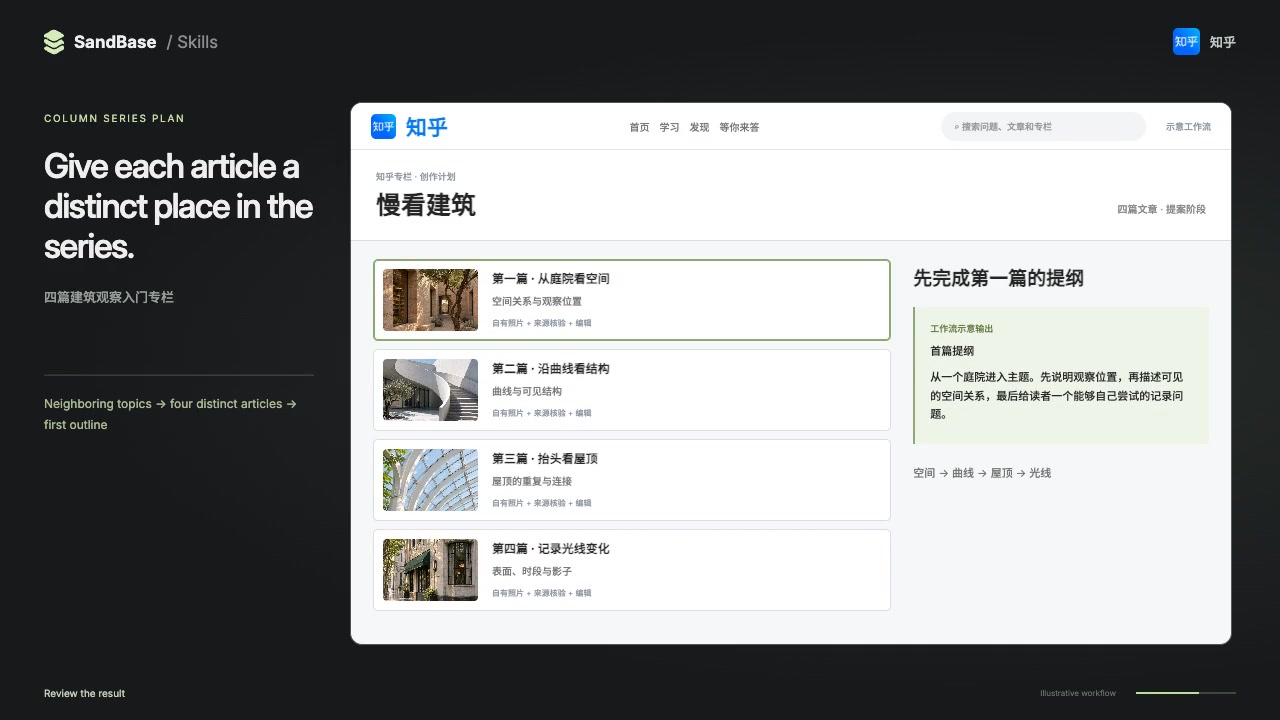
Plan a multi-piece series for your own Zhihu column — angled against the neighbouring columns that already win the niche.
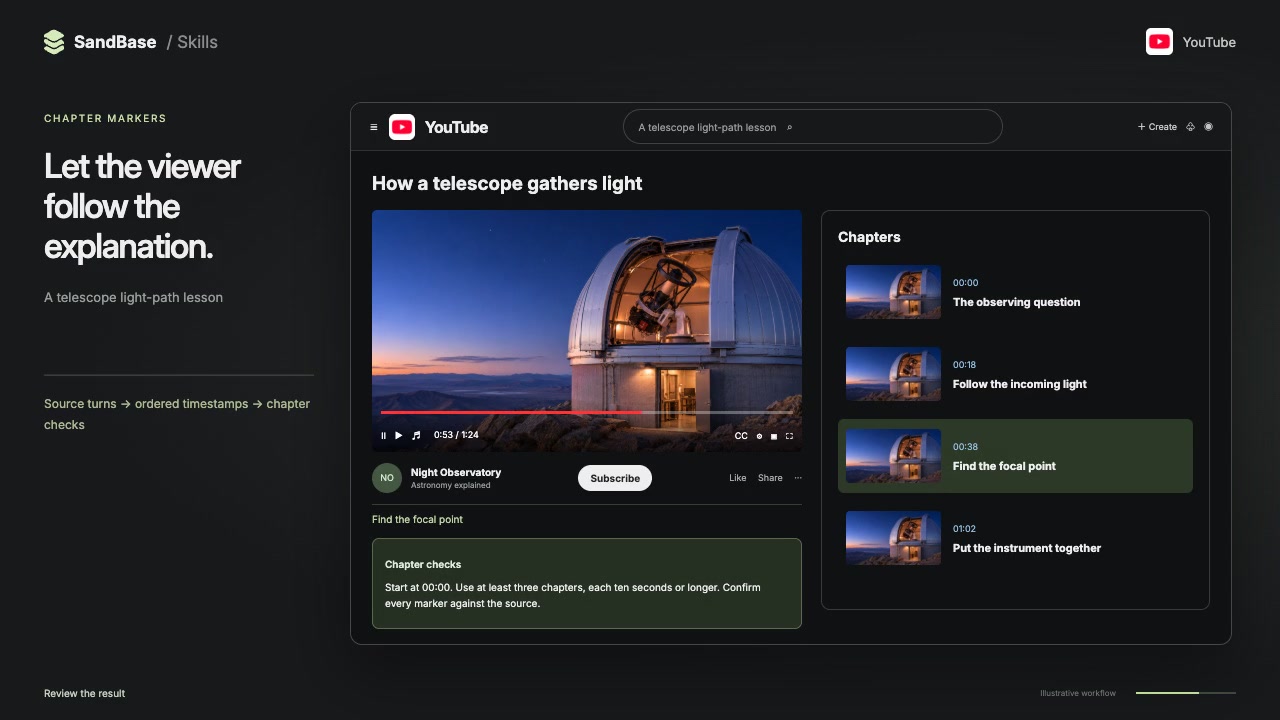
Write chapters from the video’s own transcript that follow YouTube’s rules, so they actually appear on the progress bar.
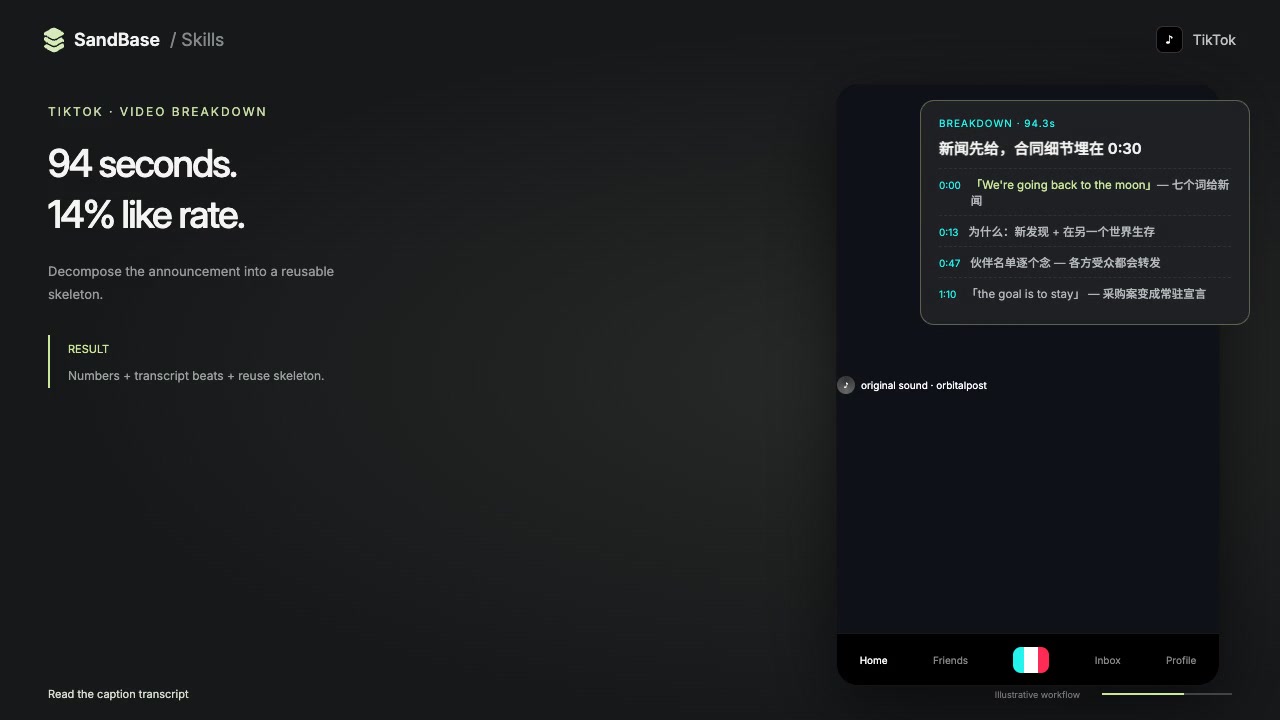
Tear down one TikTok video — numbers, transcript, script structure and comments — into a skeleton you can reuse.
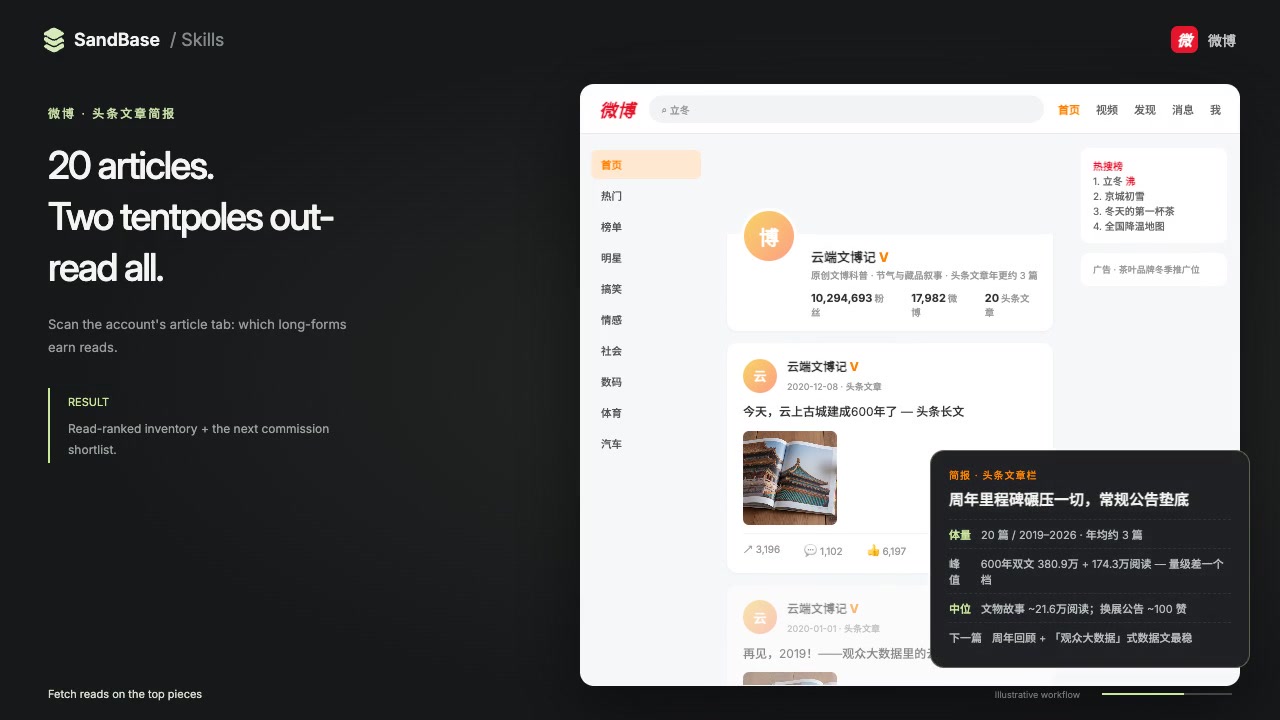
Review one account's Weibo long articles — titles, reads and engagement — and say which subjects and forms earn reads for it.
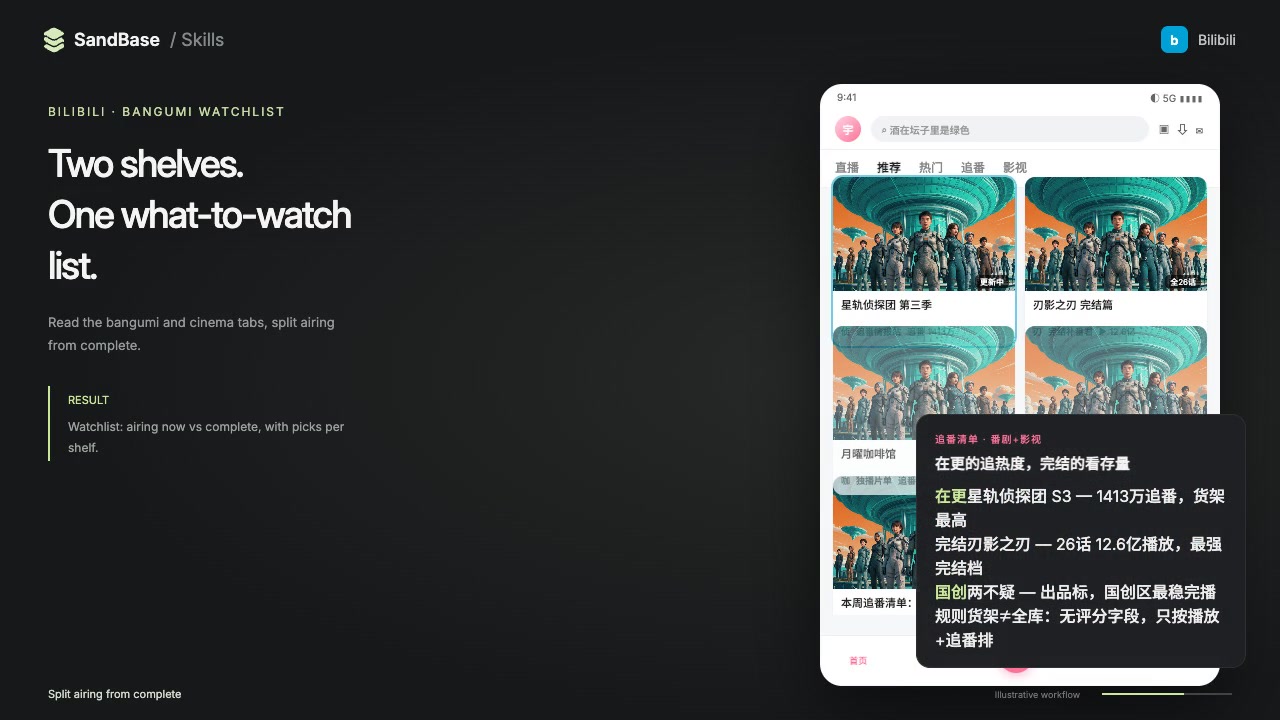
Build a what-to-watch list from Bilibili's own anime and cinema shelves — update text, views, follows, badges — split into airing vs complete.

Write a filmable Bilibili script modelled on a real video's proven mechanics — the subtitle's hook and beats, the danmaku peaks, what the comments took away — not a generic template.

Read how an uploader's public collections actually work — naming, episode counts, whether views are even or head-loaded — then plan a new one in the same grammar.

Walk into a confirmed interview with real company data and rehearsed evidence instead of improvising.
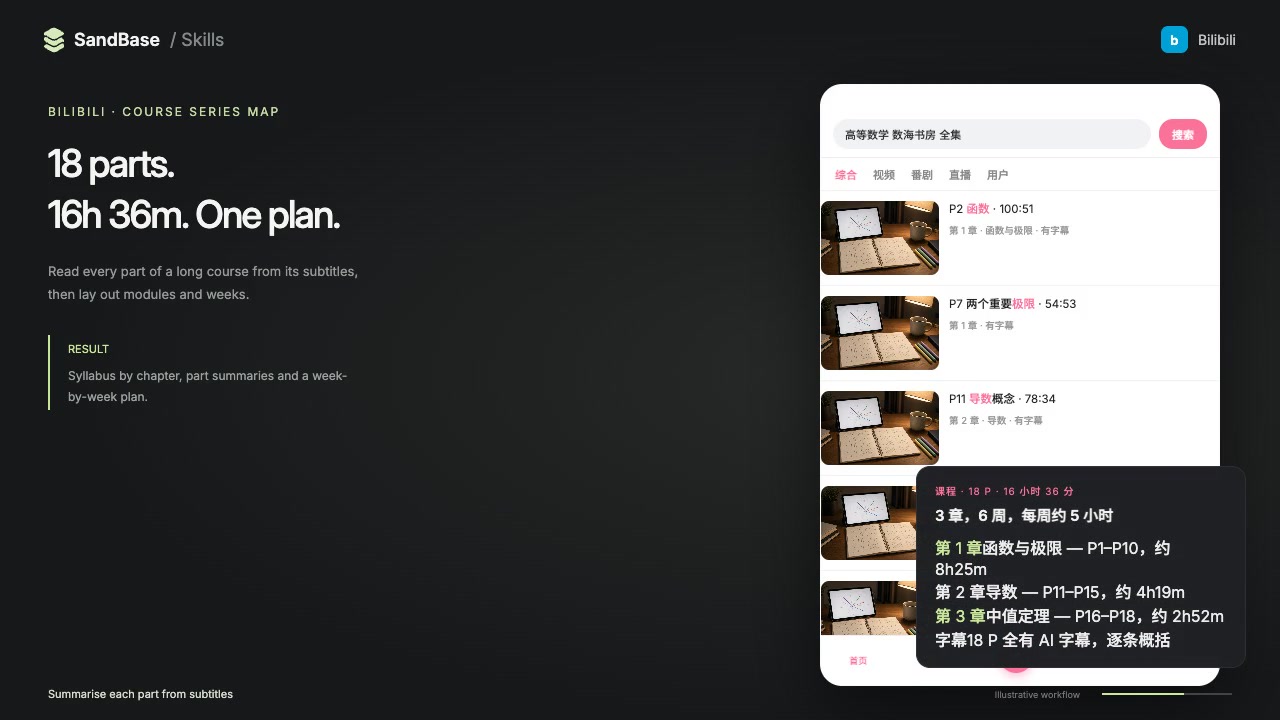
Turn a long multi-part Bilibili course into a study plan.

Turn answers you already wrote on Reddit into a blog or help article without losing sources, corrections or other people's privacy.
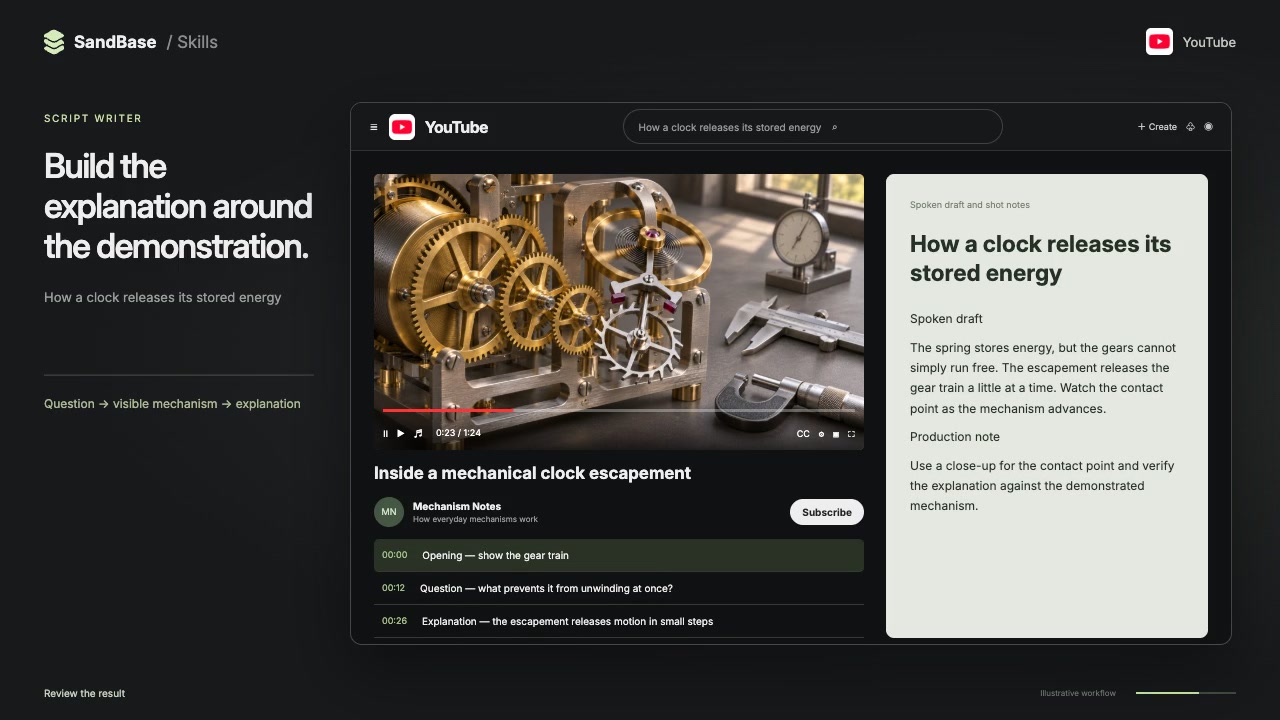
Turn supplied notes into a spoken script with a promise-to-payoff check and estimated runtime.
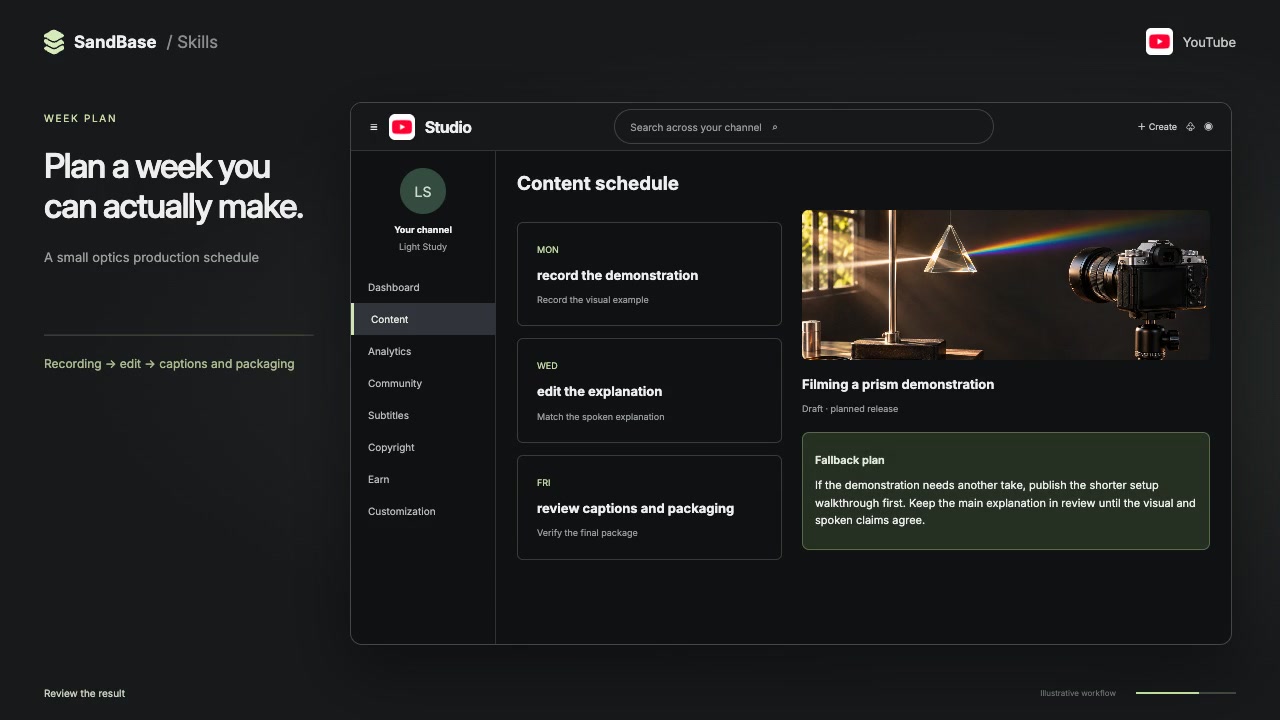
Fit unfinished work and fixed deadlines into the hours a creator actually has.
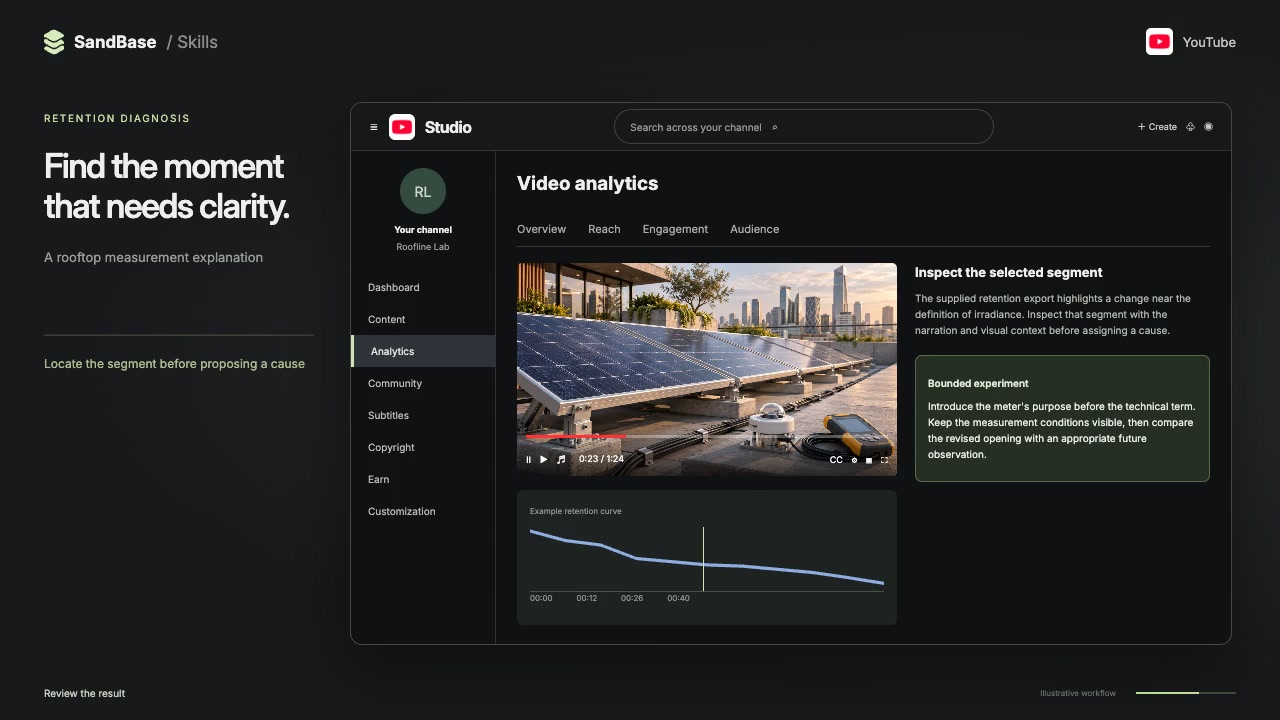
Use a supplied retention curve and transcript to choose one problem and one change to test.
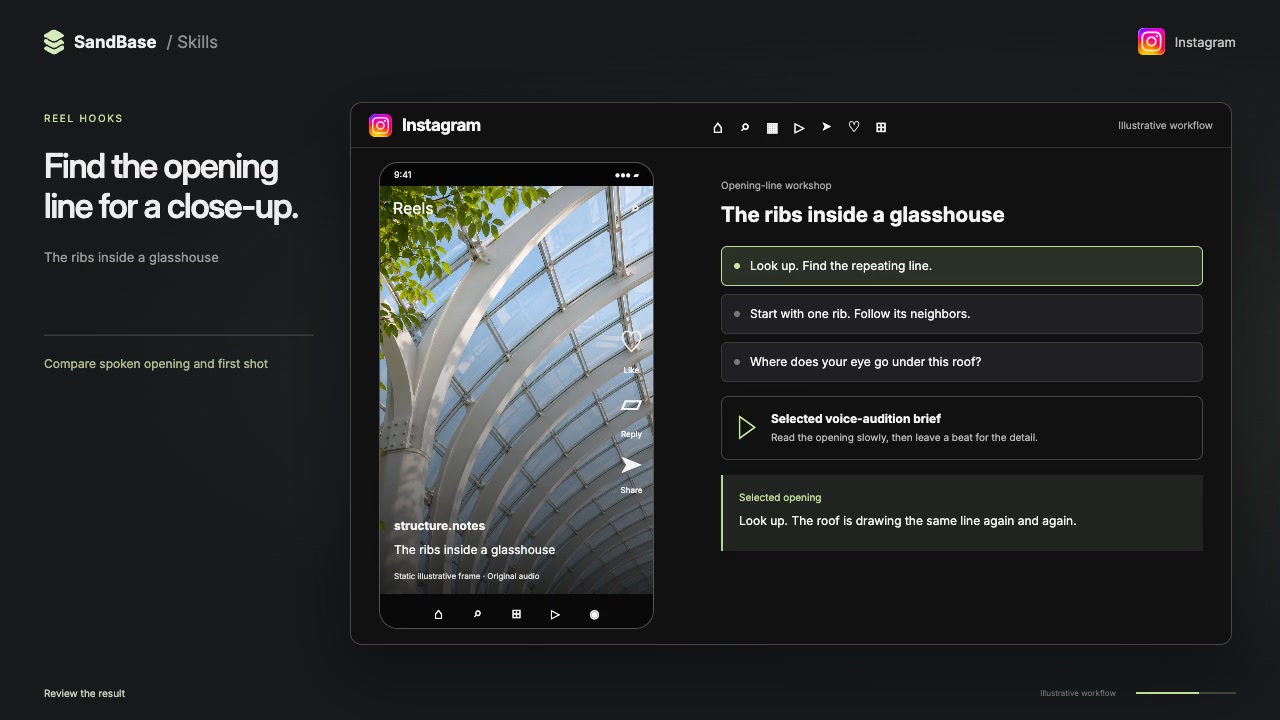
You have a Reel planned but the first line you would say is vague or promises more than the video shows.
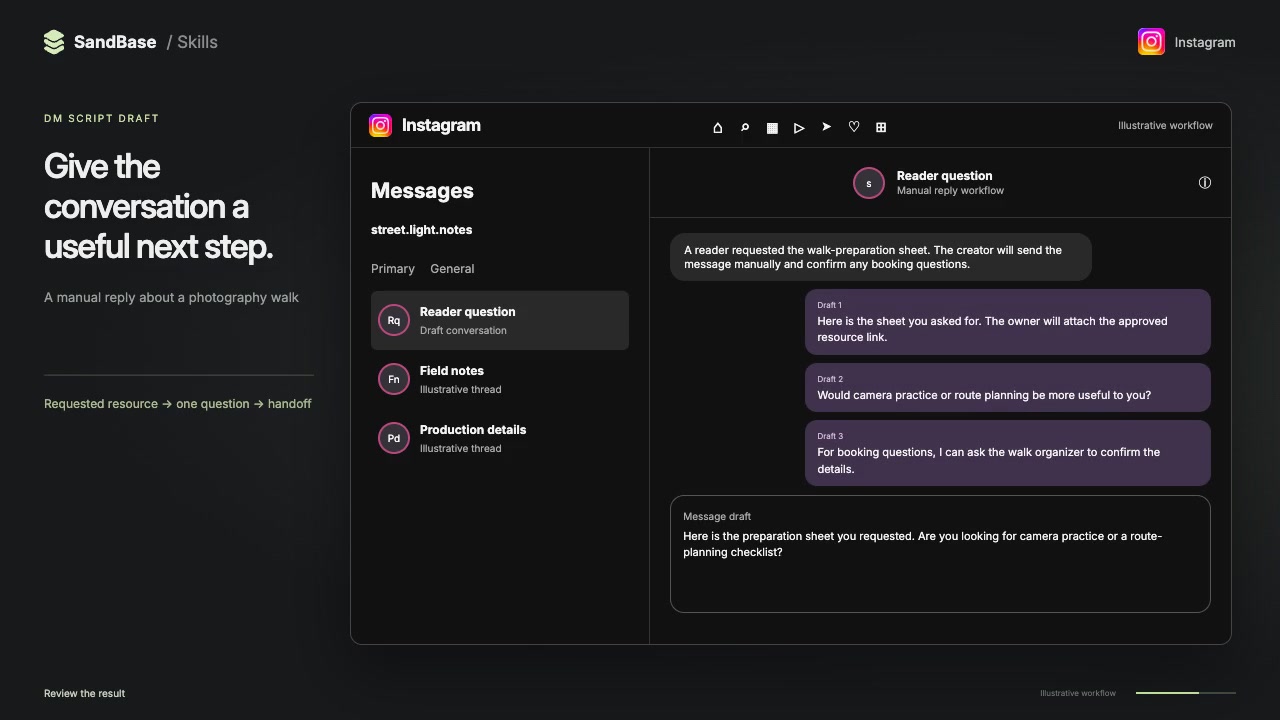
People ask for your resource in comments or Story replies, and you need a short message flow that delivers it and asks one useful question.
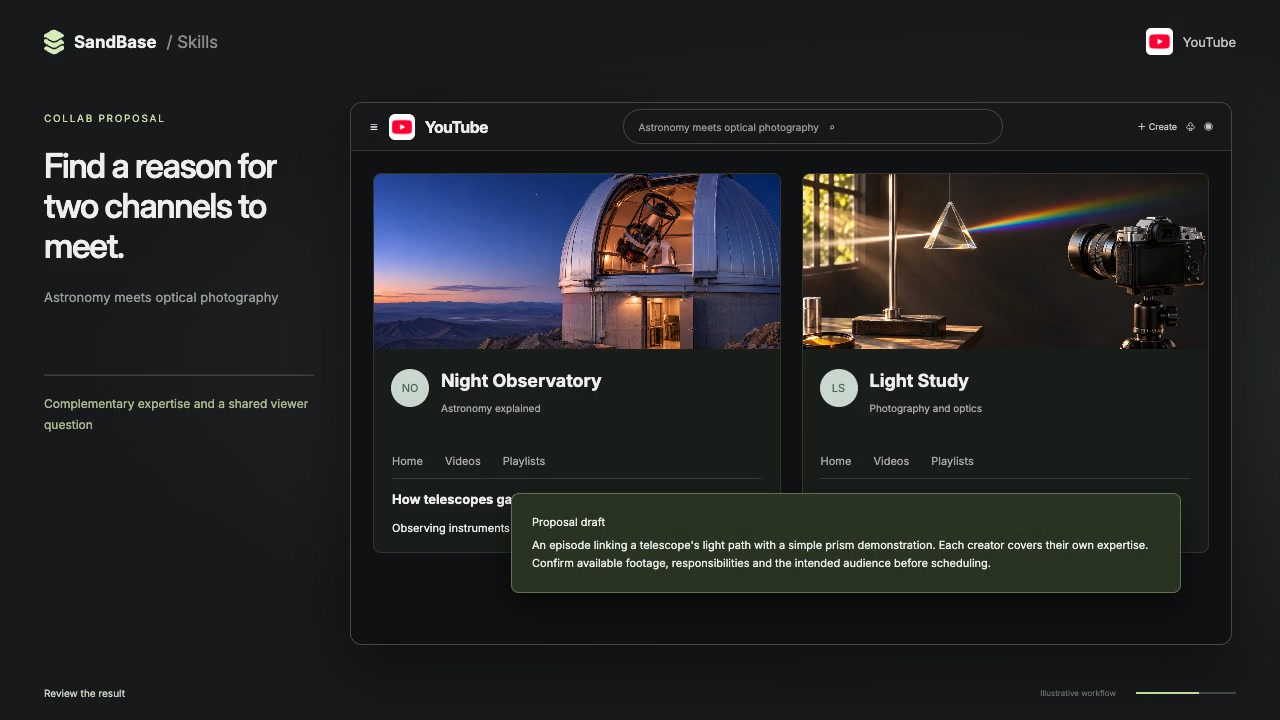
Give a potential channel partner a concrete reason and workable scope to collaborate.
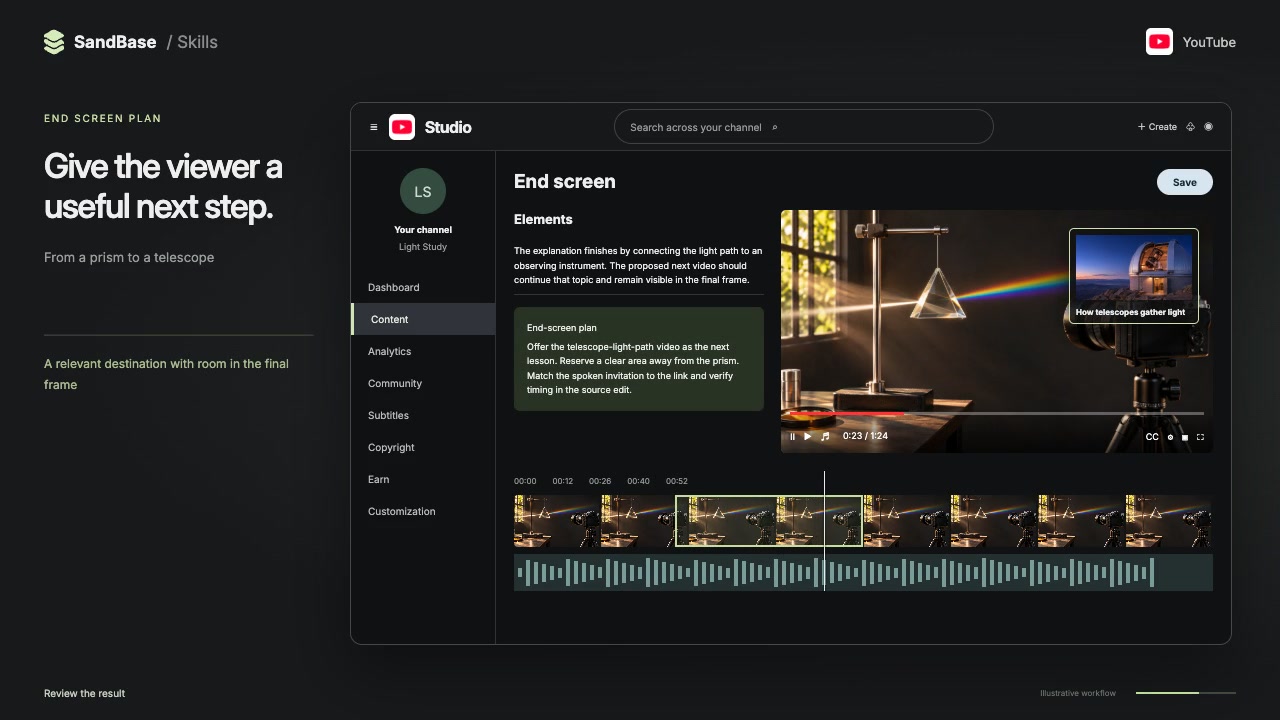
Connect a video ending to a useful next step with words and timing the editor can use.
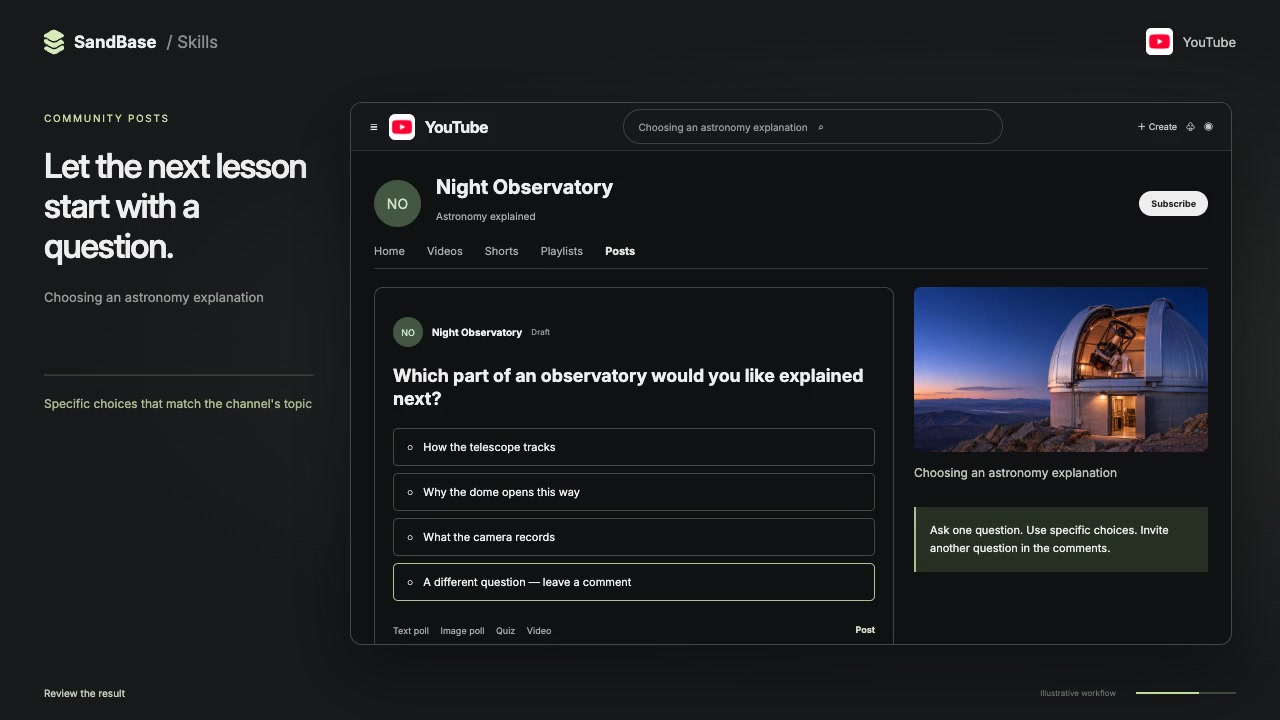
Turn confirmed creator facts into community updates, polls or image captions.

Reconcile supplied creator earnings and compare explicit scenarios before choosing an experiment.
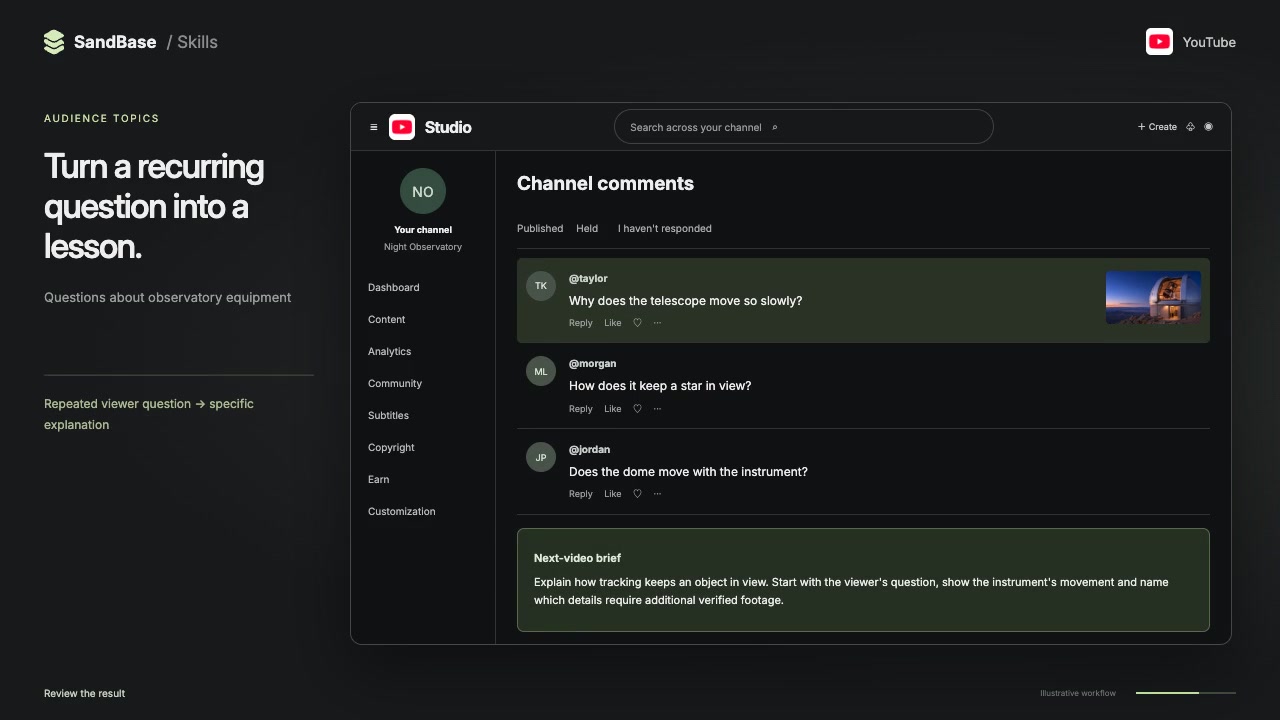
Find the next useful video question in a bounded comment sample.
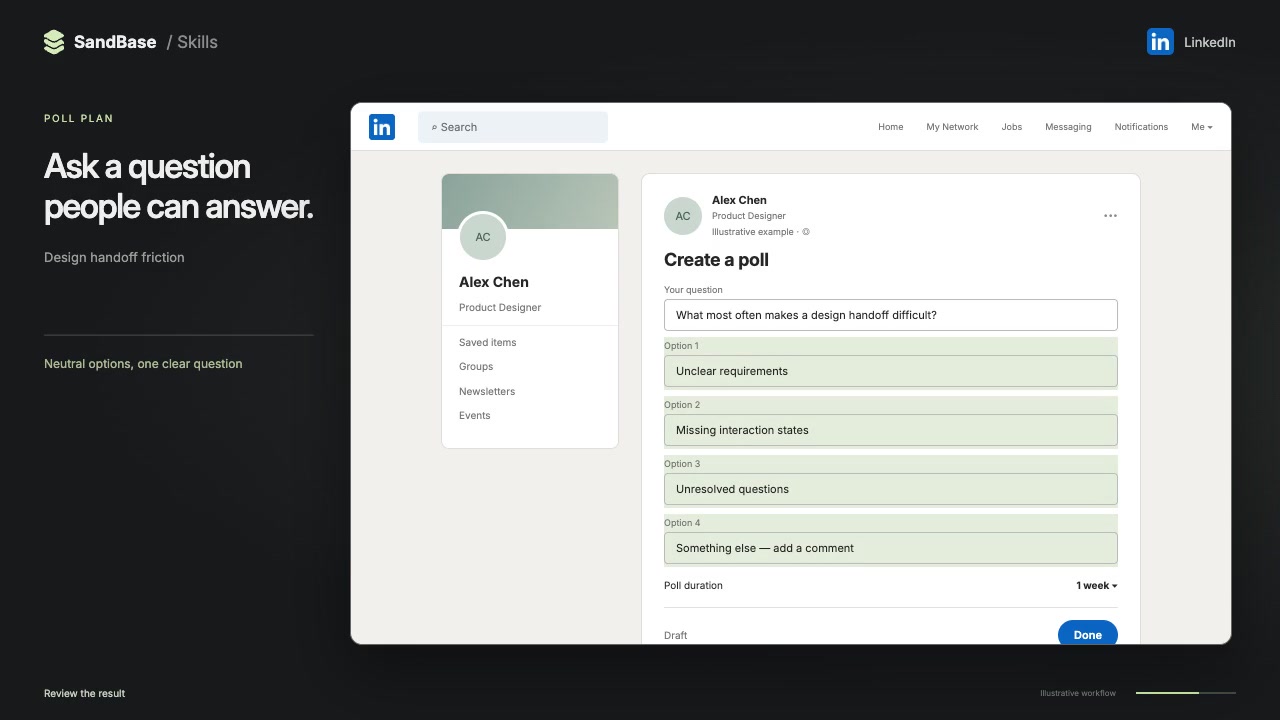
Use a professional poll to prioritize a concrete next step.
Hold a chapter heading while a light completes a circuit around its panel.
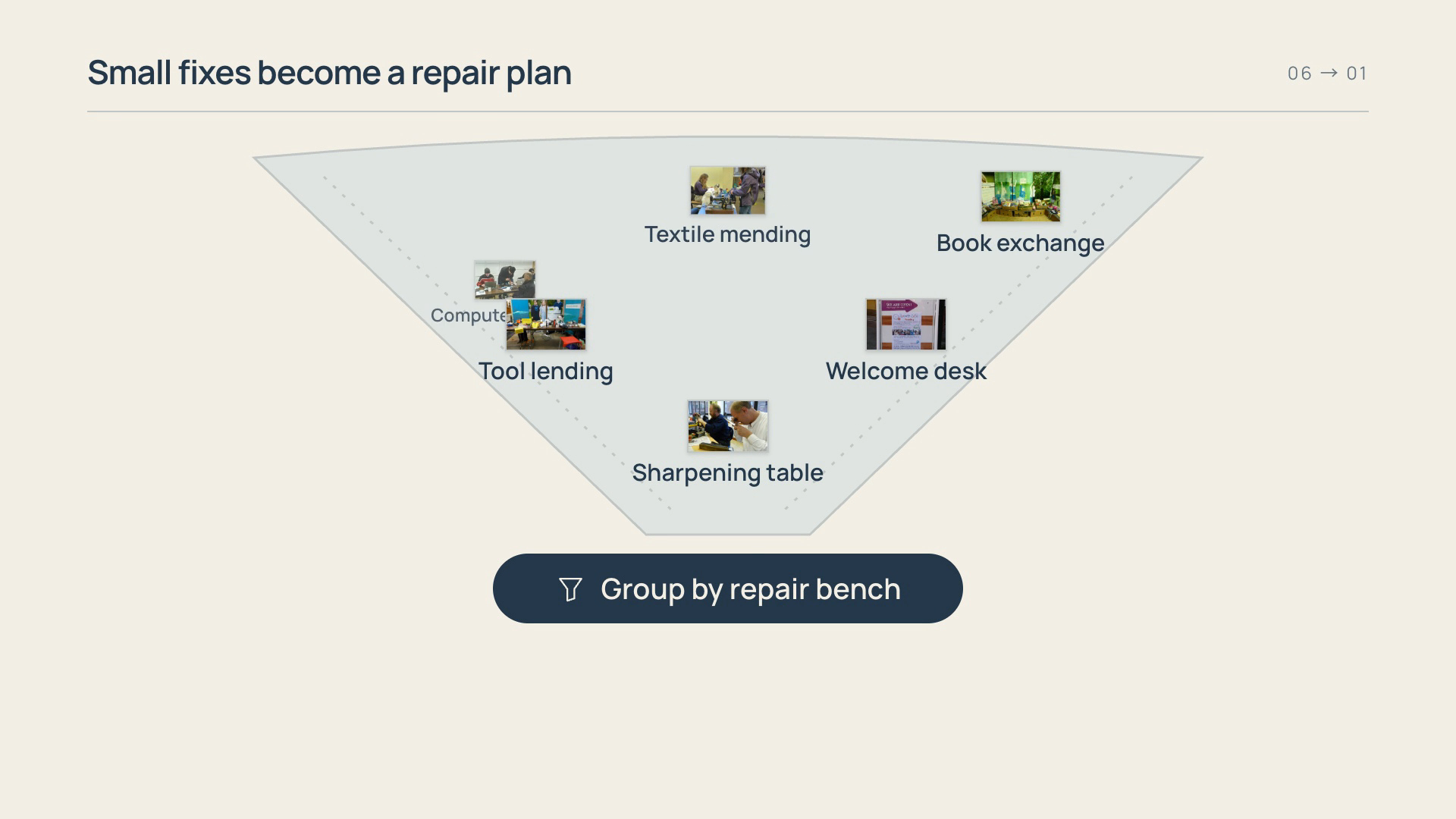
Collect visible signals, show a processing step and resolve into a useful result.
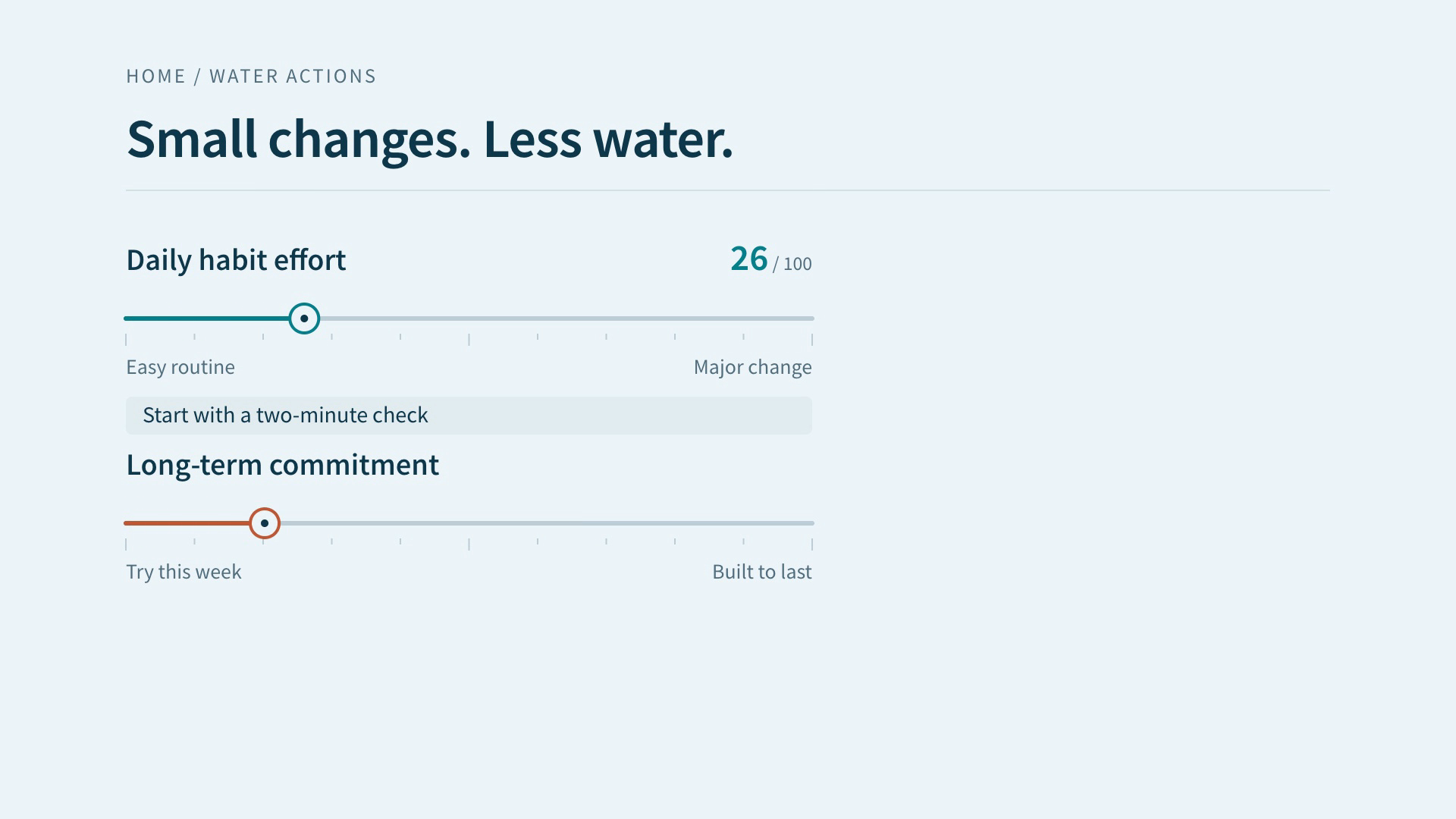
Move two numeric scales in sync and connect their readings to contextual symbols.
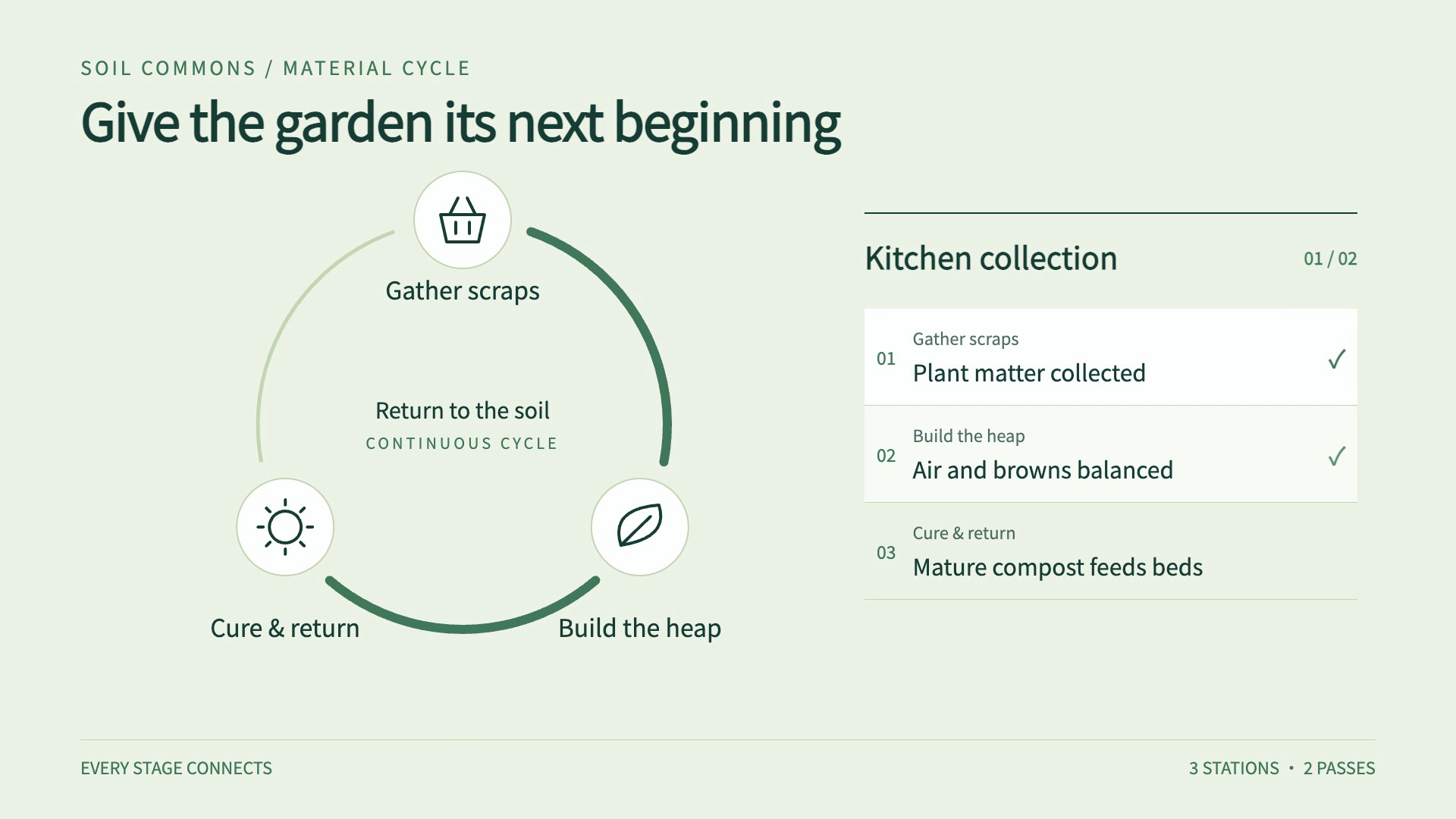
Advance through persistent stations, close the route and confirm completion in a synchronized ledger.
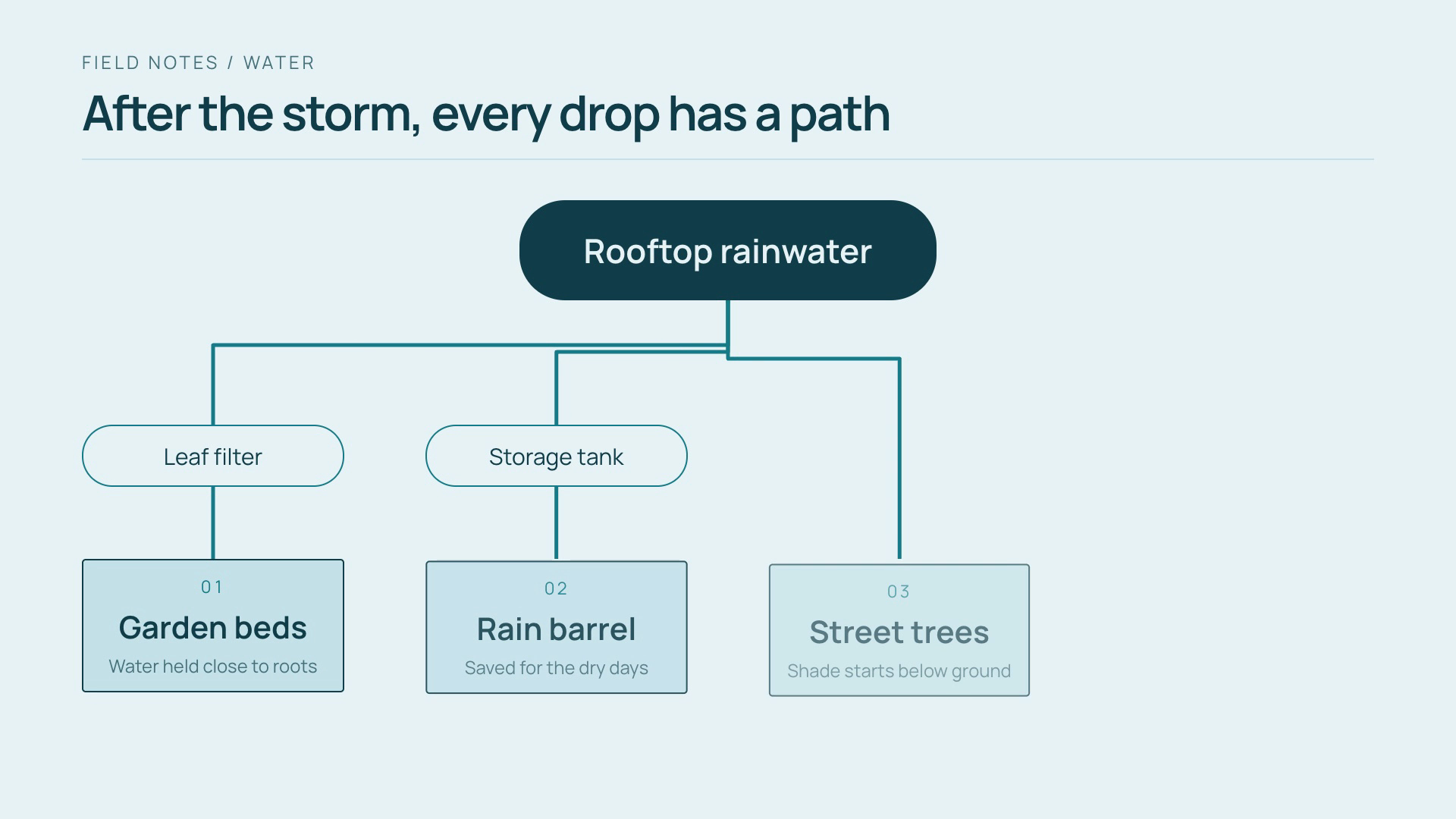
Reveal causal routes from one or two origins through processing stops to clear outcomes.
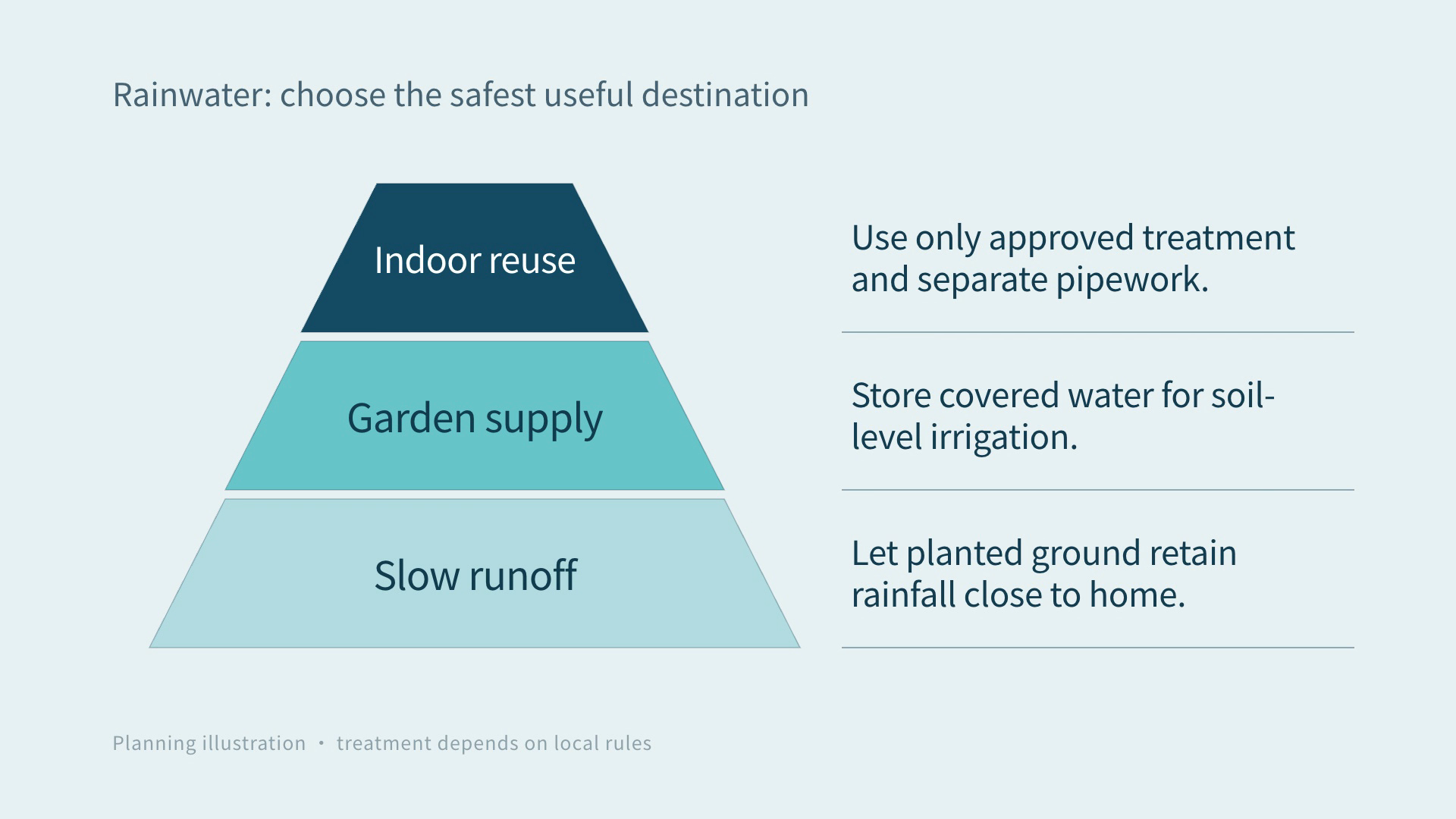
Build an ordered trapezoid hierarchy with paced headings and aligned explanatory notes.
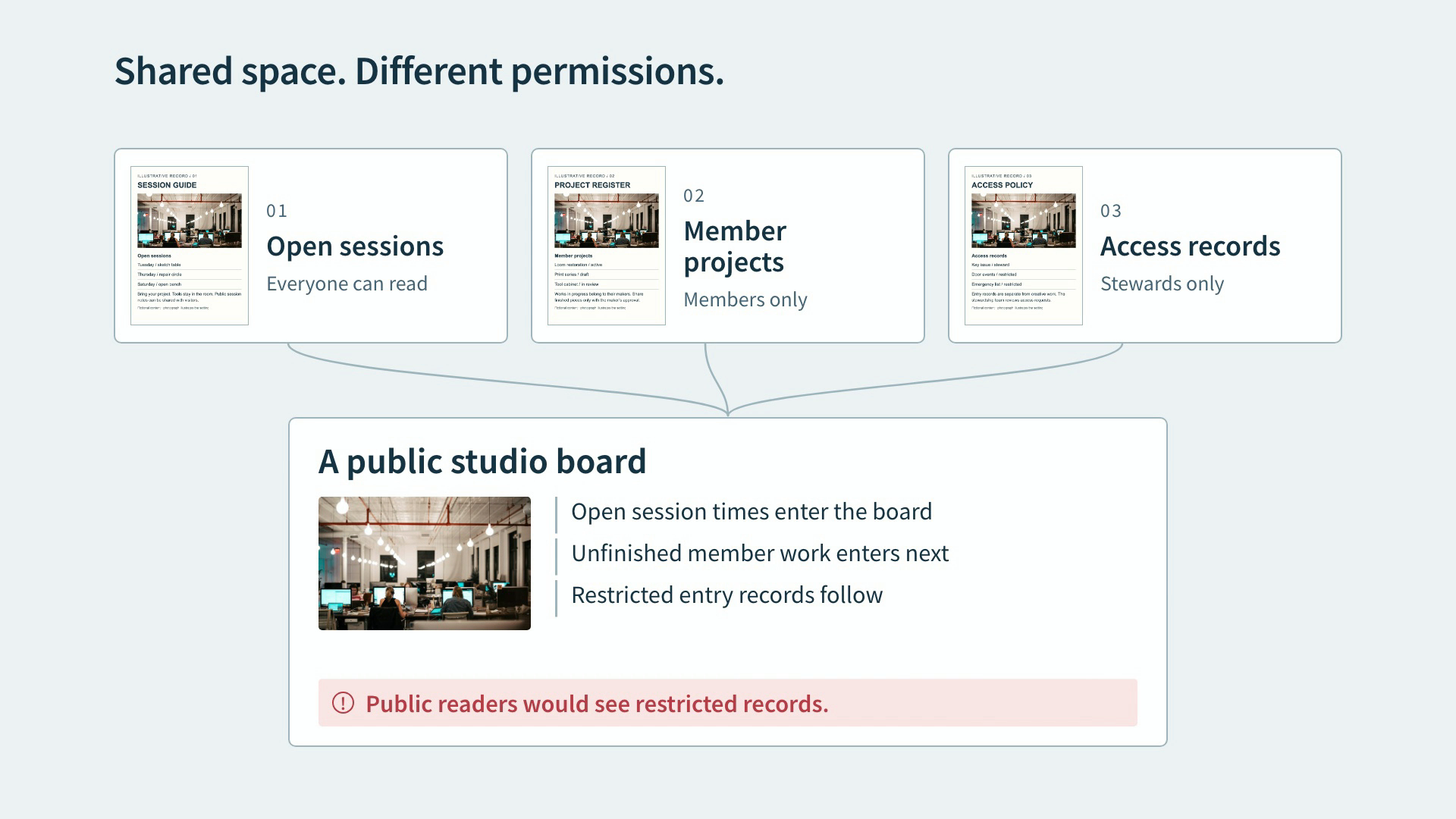
Show three document scopes mixing into one output and reveal a permission conflict inside it.
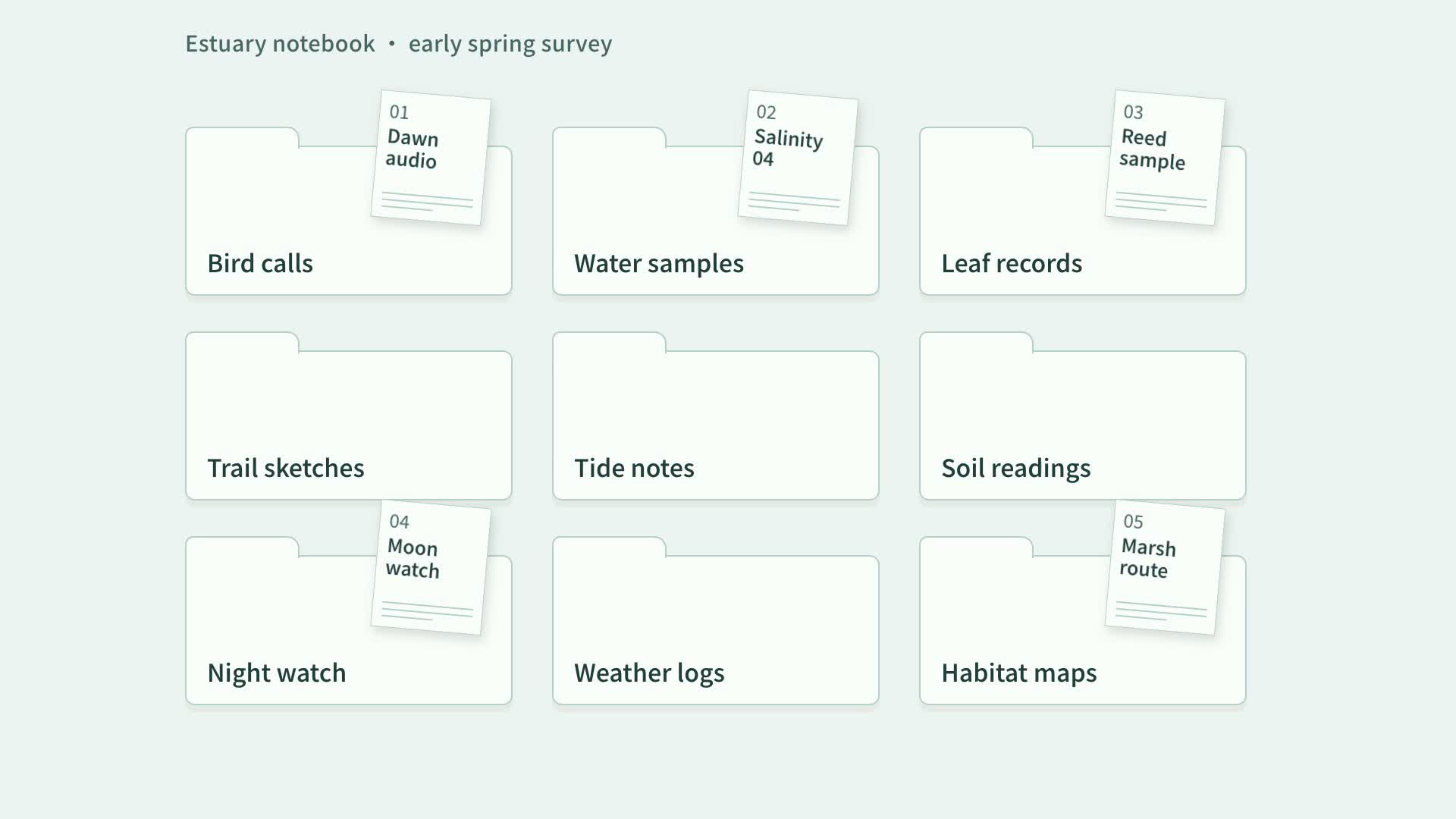
Send papers to explicit destinations in a stable nine-folder grid, with a visible receipt acknowledgement.
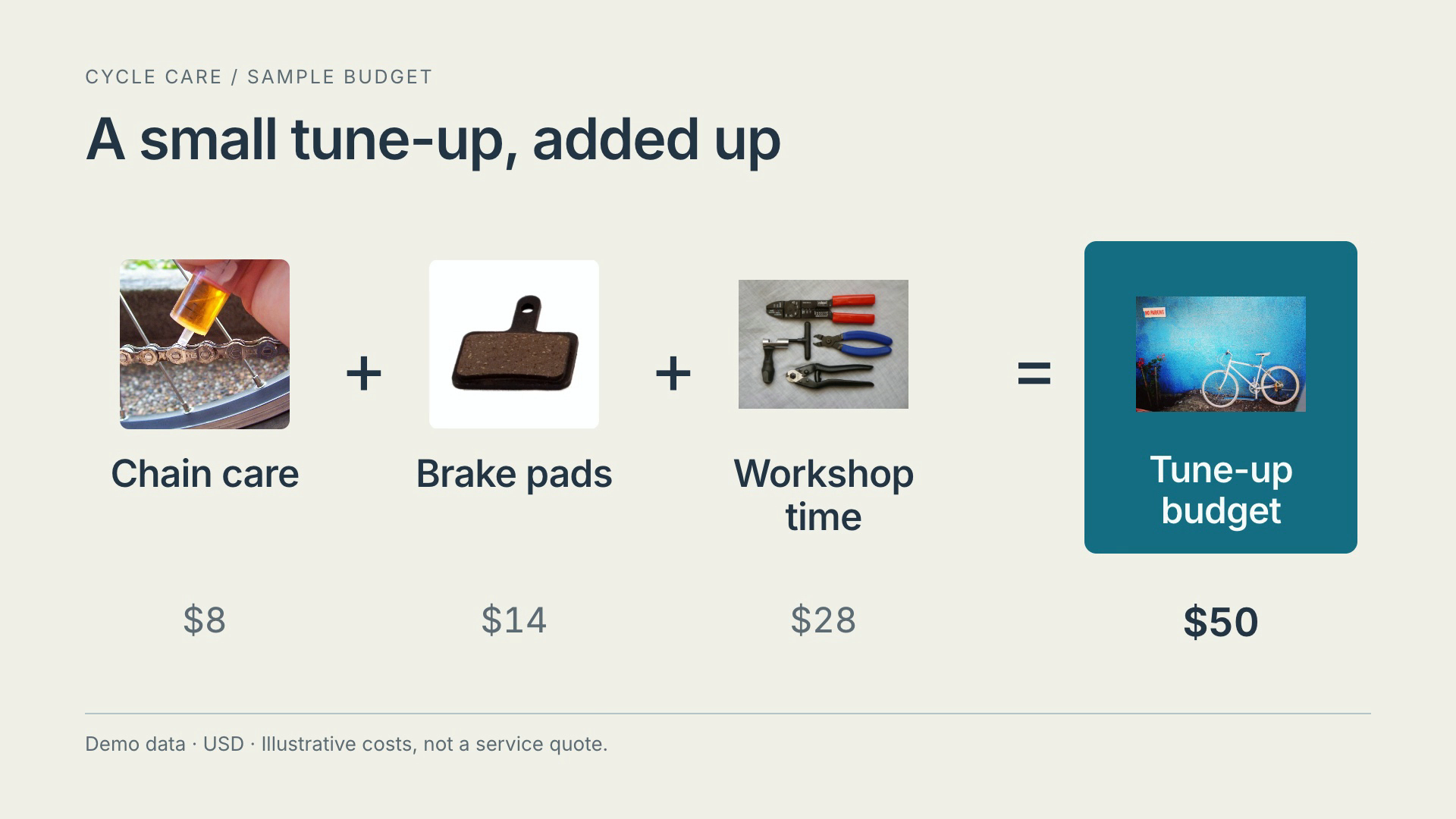
Assemble photographed parts with plus and equals signs, then reveal their quantities and total.
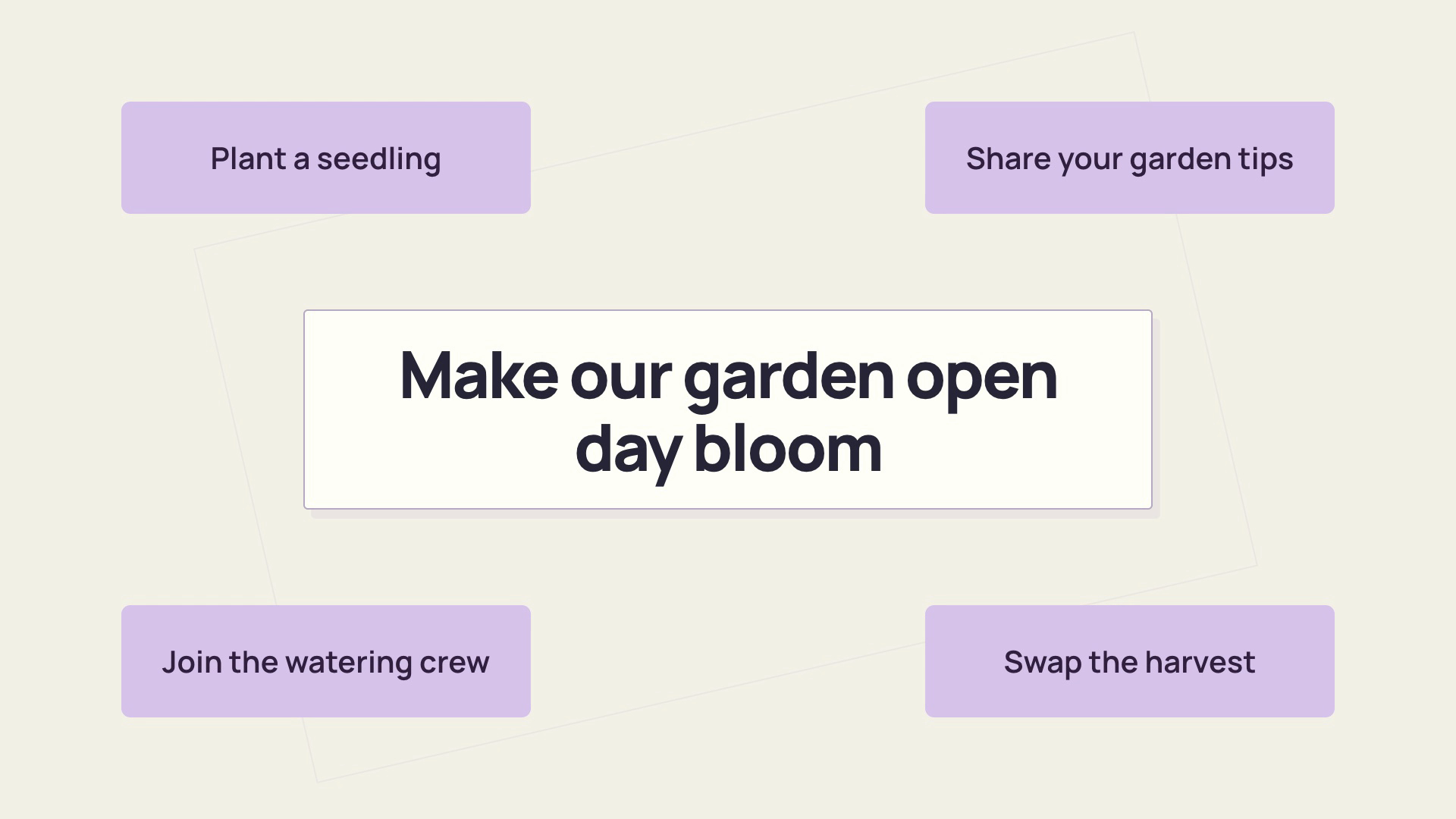
Keep one central message steady while four surrounding action notes appear in order.
Reveal a concise list one thought at a time, then hold the complete sequence for reading.
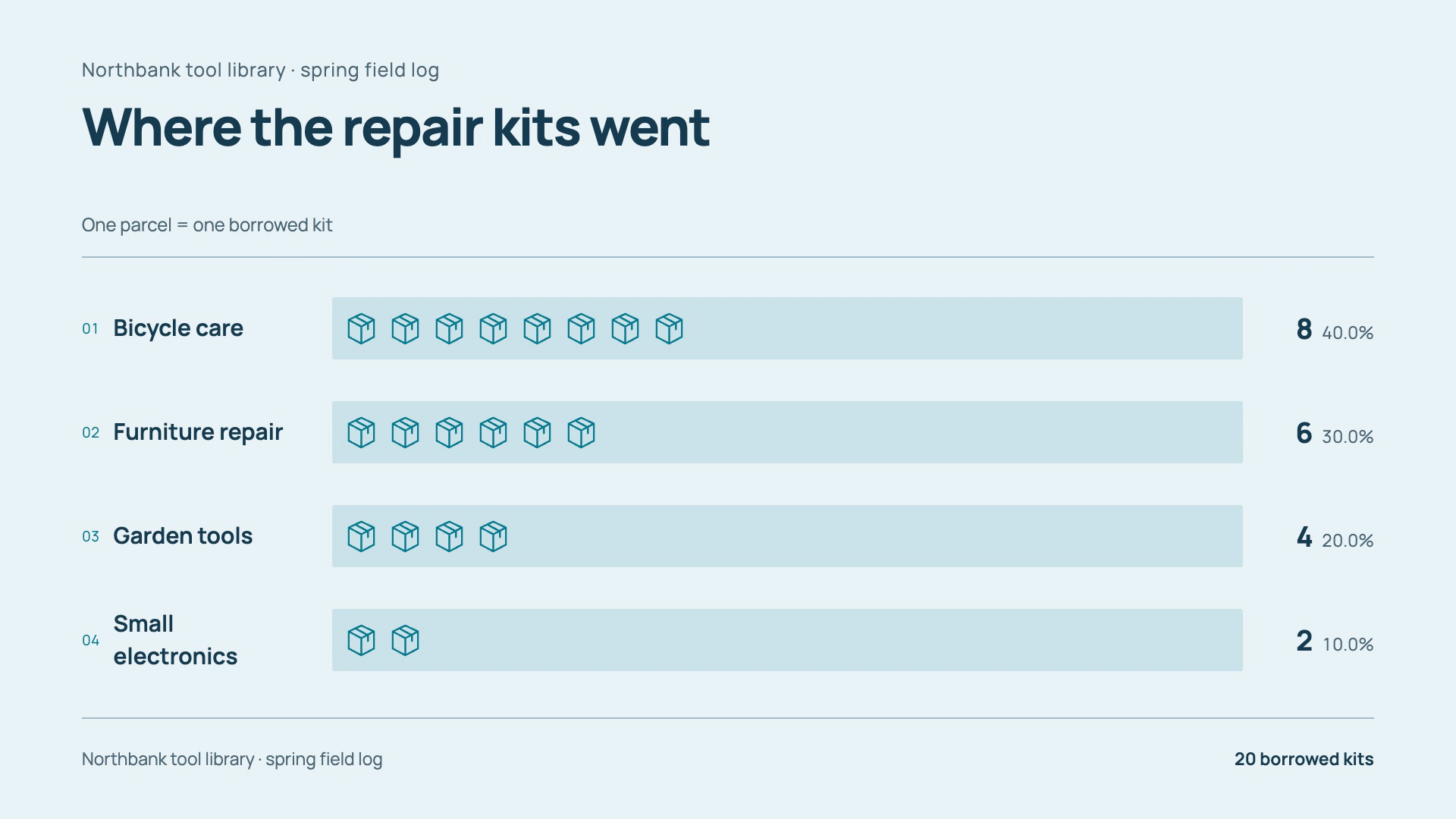
Fill one category with countable icons, follow the ledger downward, then reveal the complete distribution.
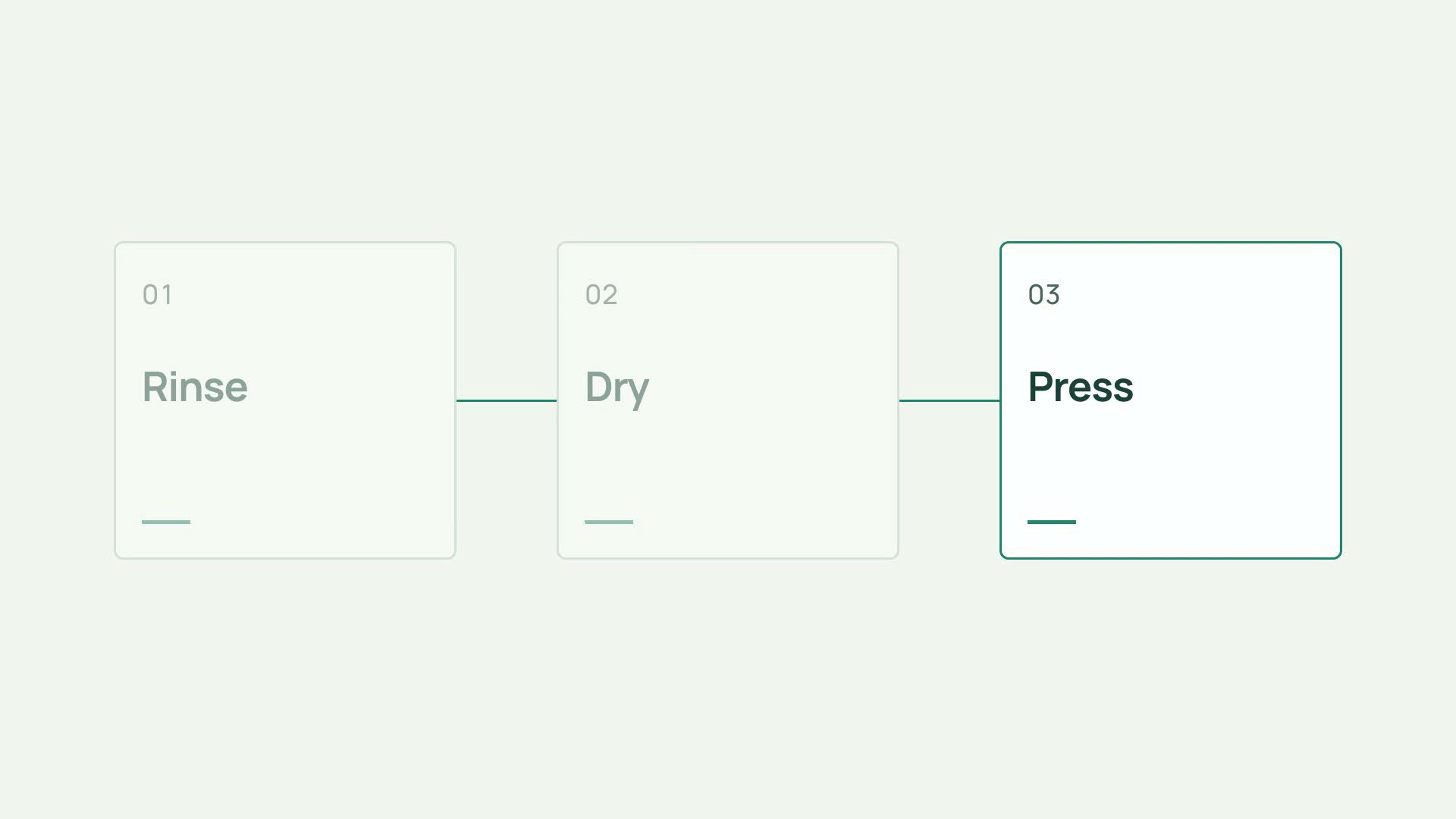
Pass emphasis through three linked action cards, then reveal a chapter numeral and headline.
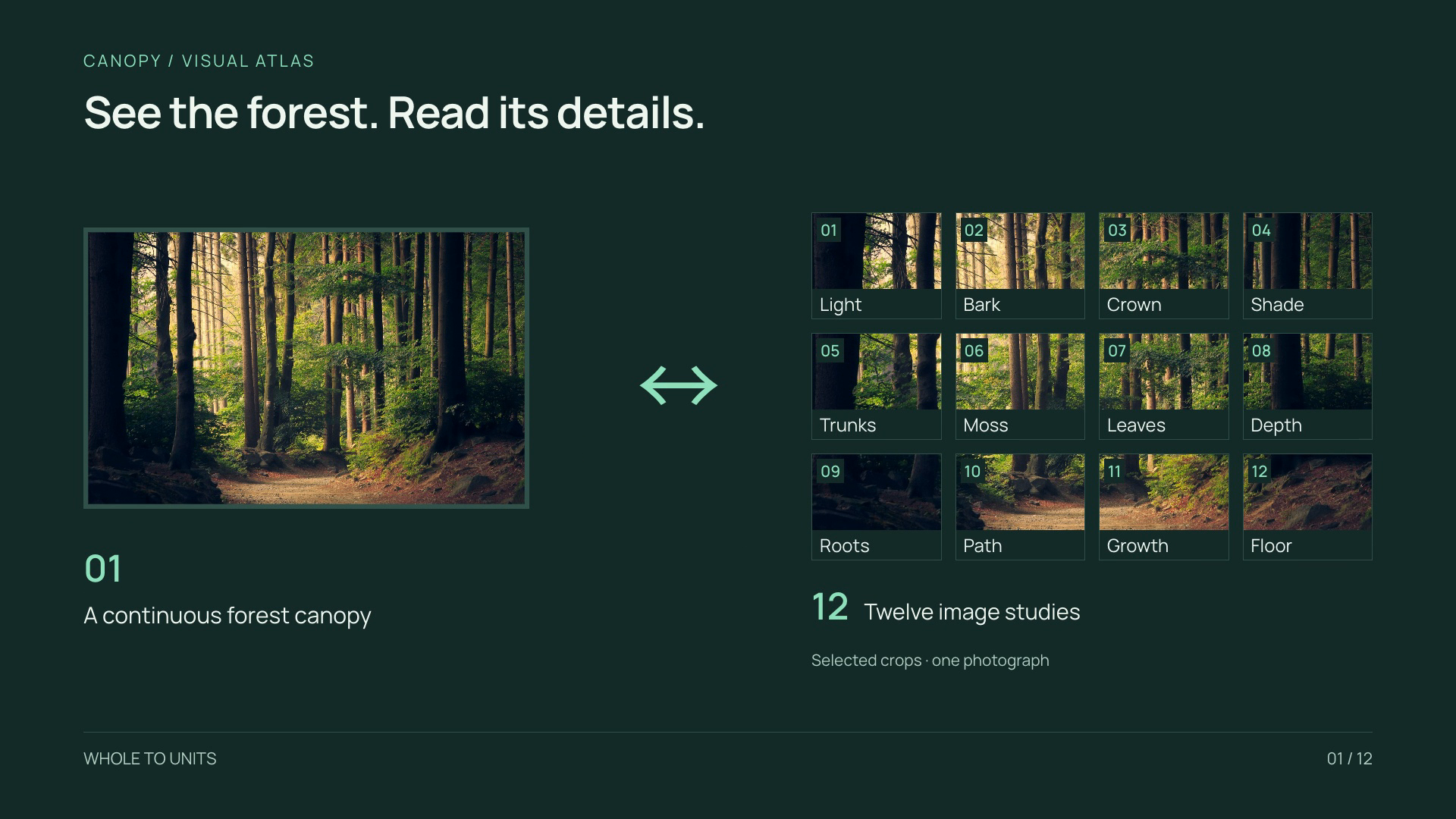
Contract one photograph into a stable anchor, then reveal its counted image studies in order.
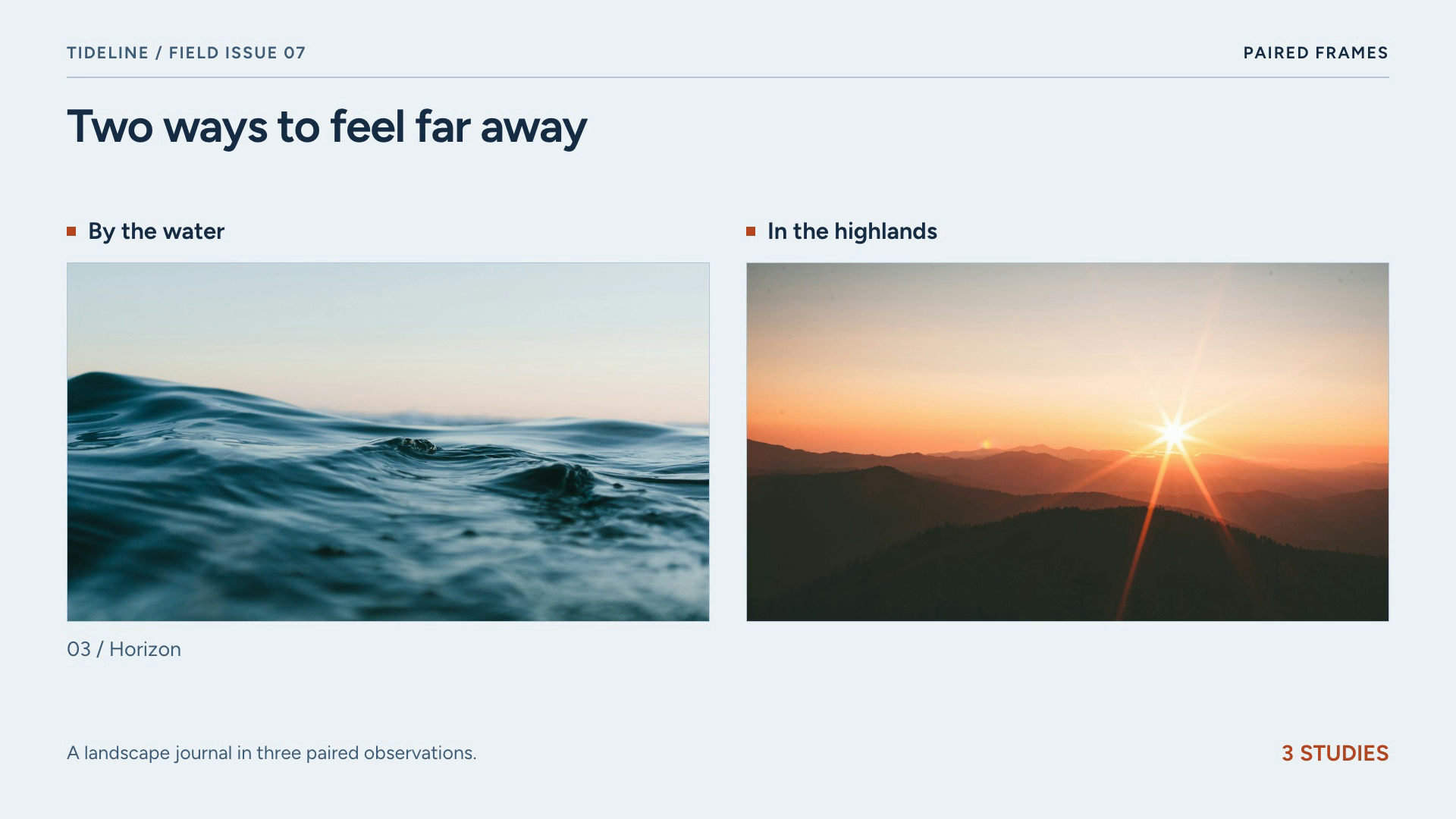
Keep two column headings anchored while paired photographs and annotations change together.
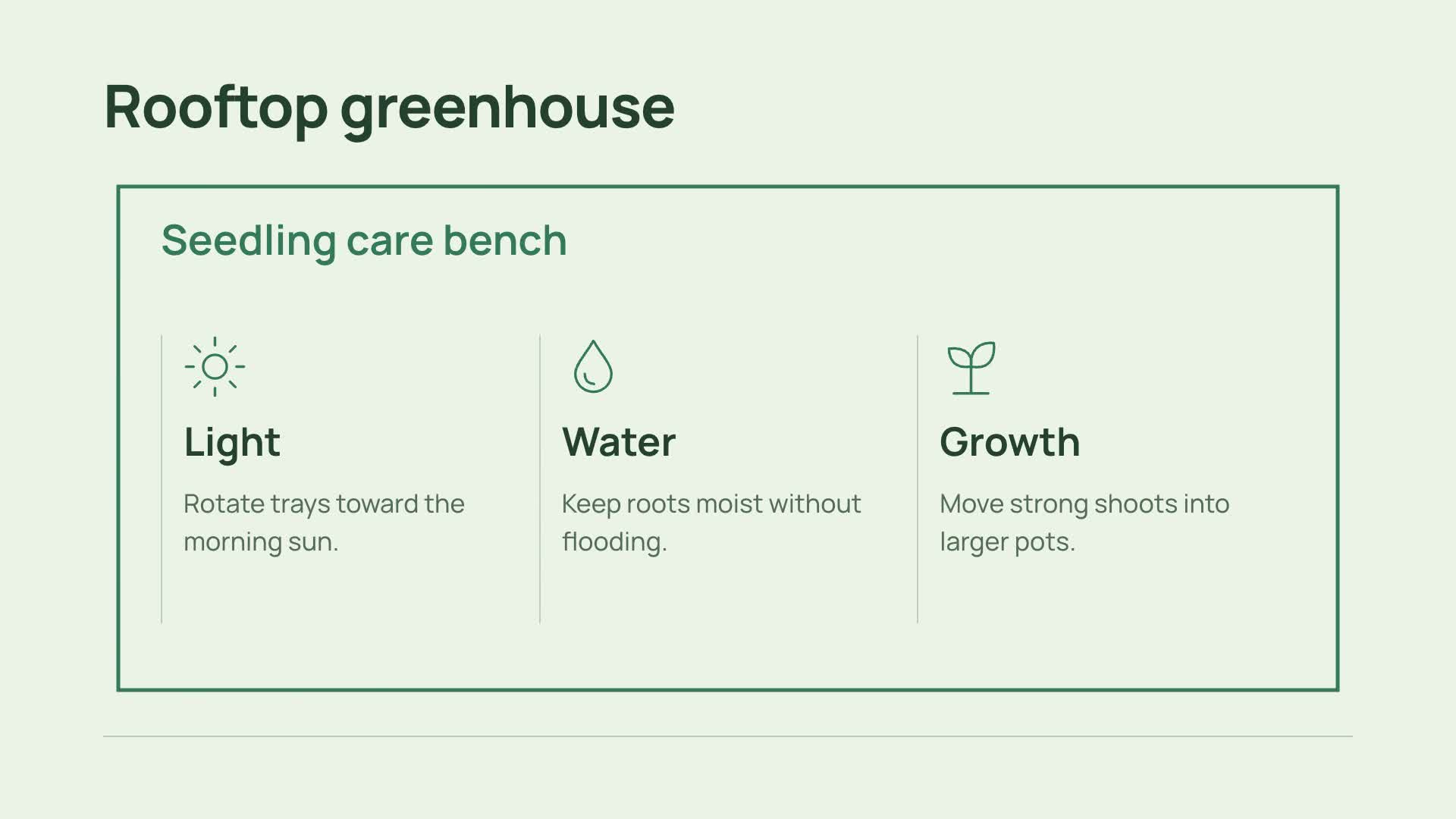
Reveal meaningful activity columns inside a named area, then draw one boundary that makes their shared membership clear.
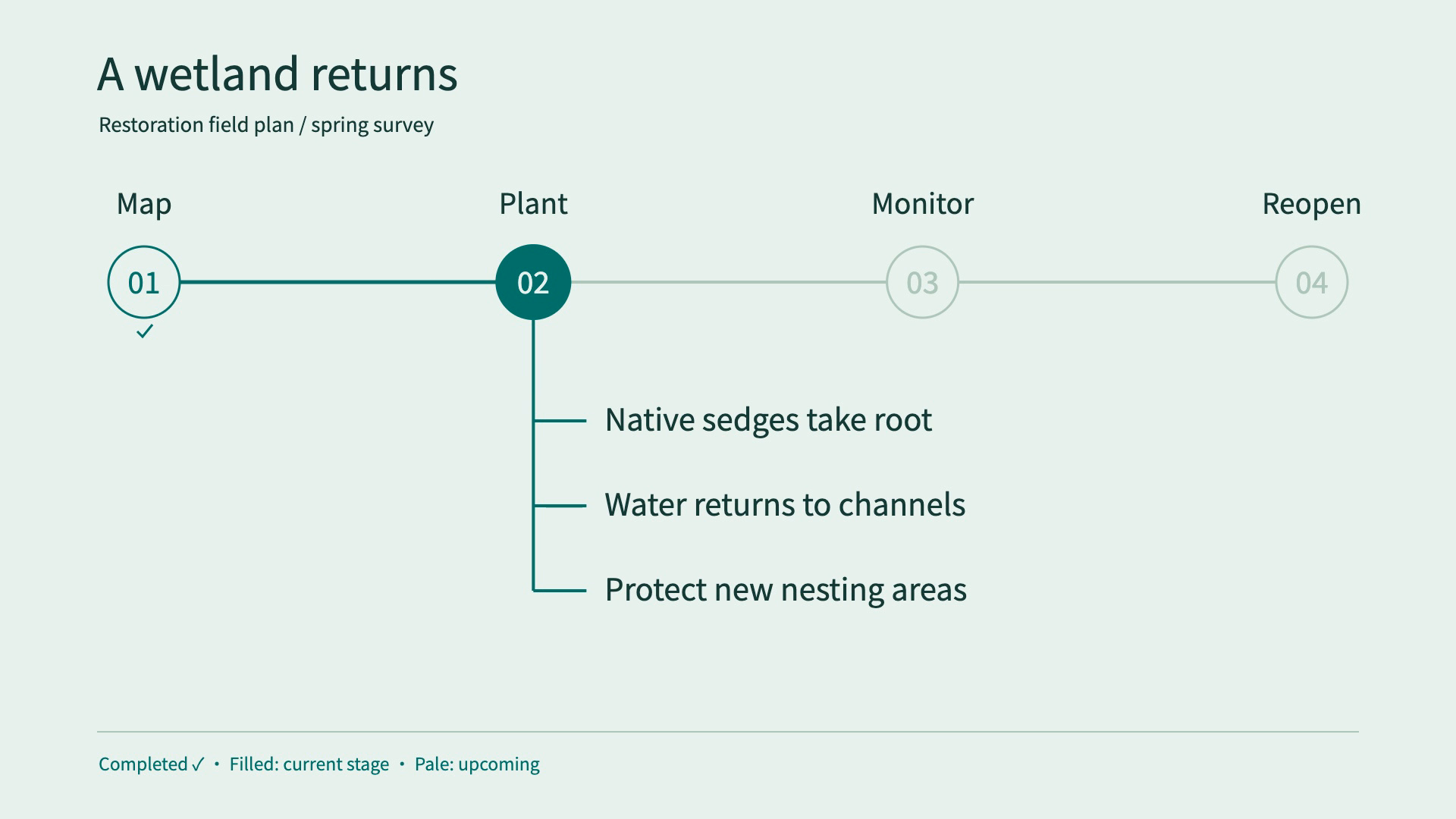
Follow a numbered process and connect the selected stage to readable details through a continuous stem and branches.
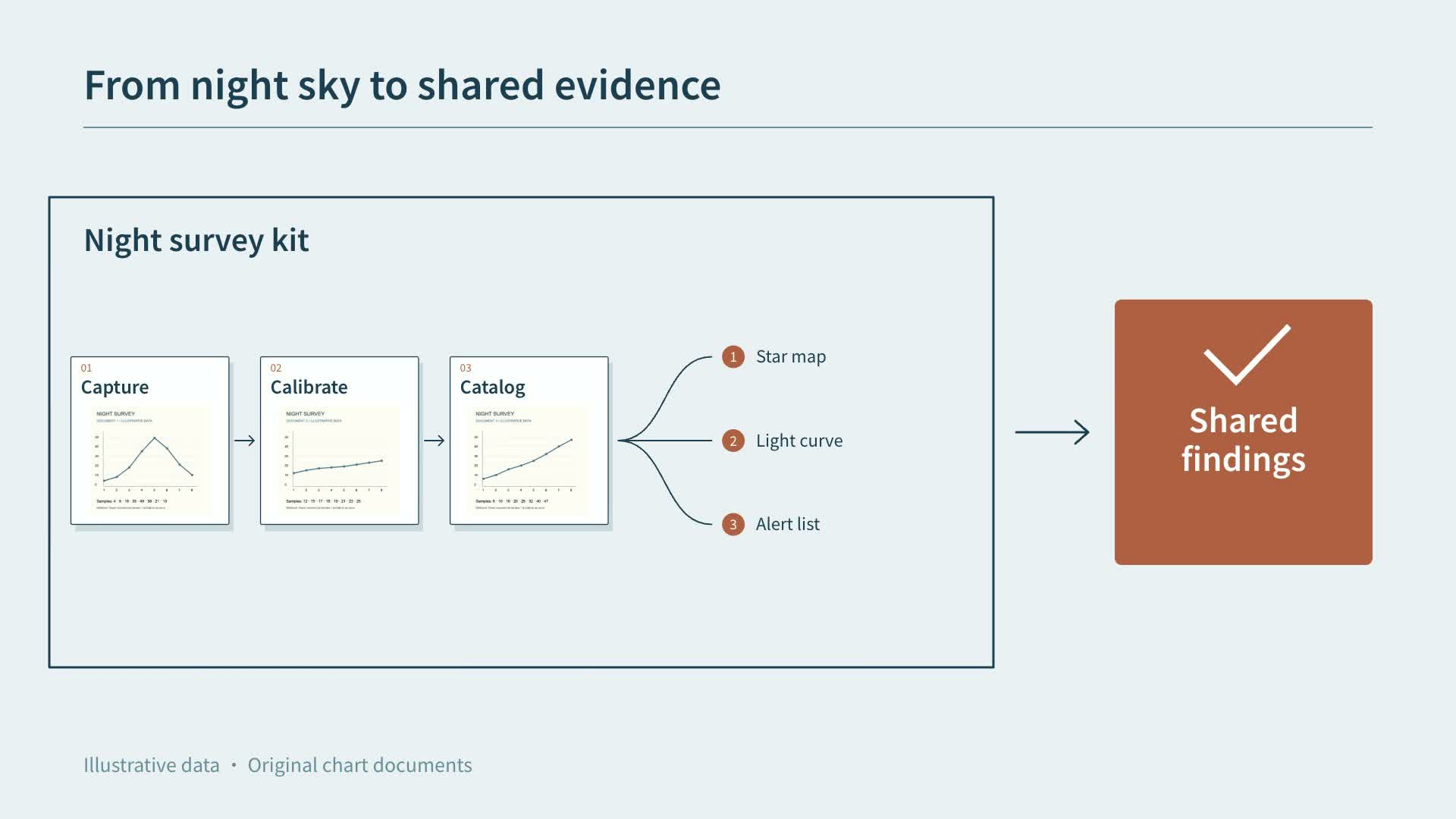
Explain how a sequence of documented operations forms a reusable process that produces a separate benefit.
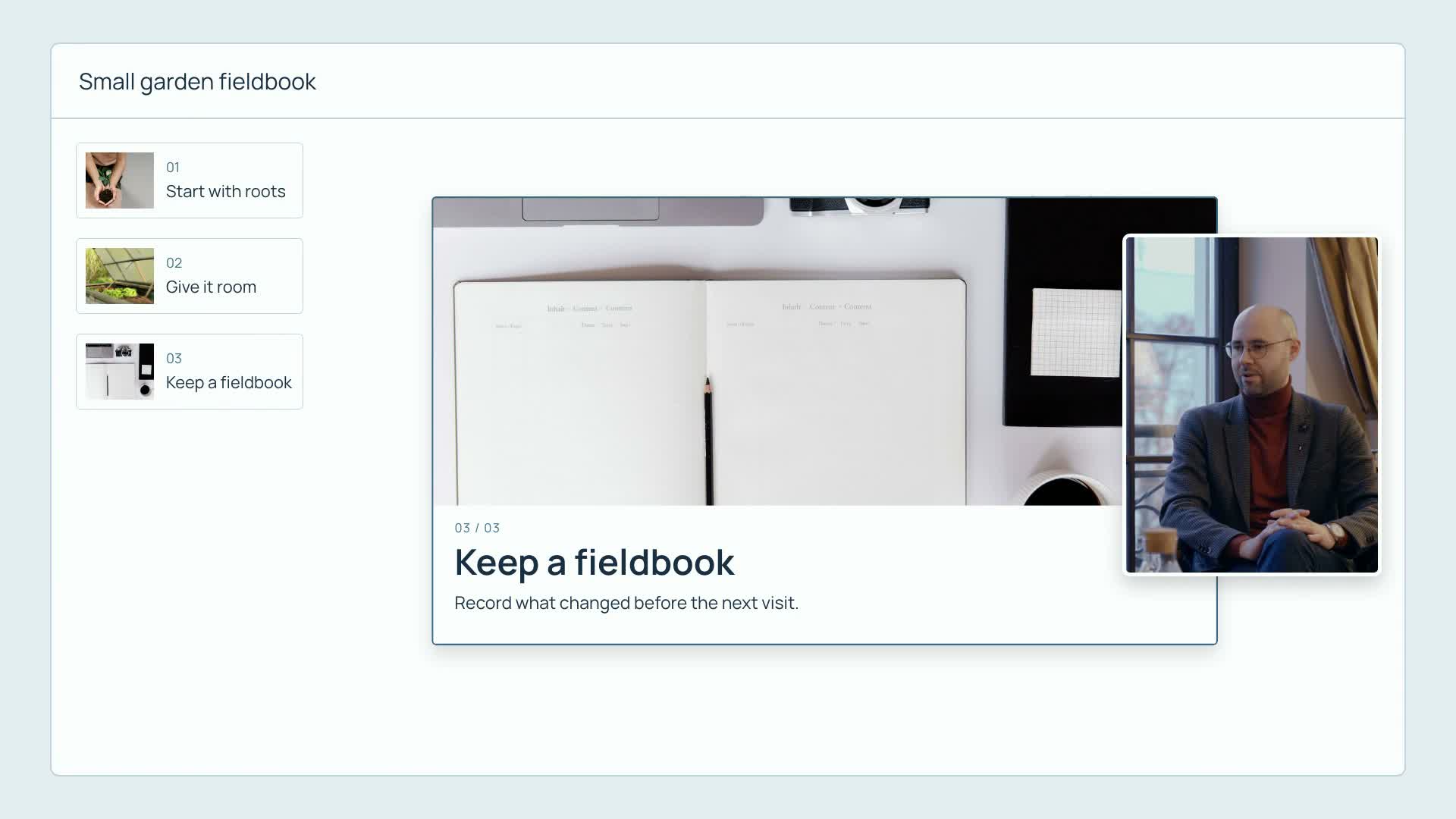
Compose a photographic three-page lesson beside a continuous human presenter, then reveal the surrounding deck workspace.
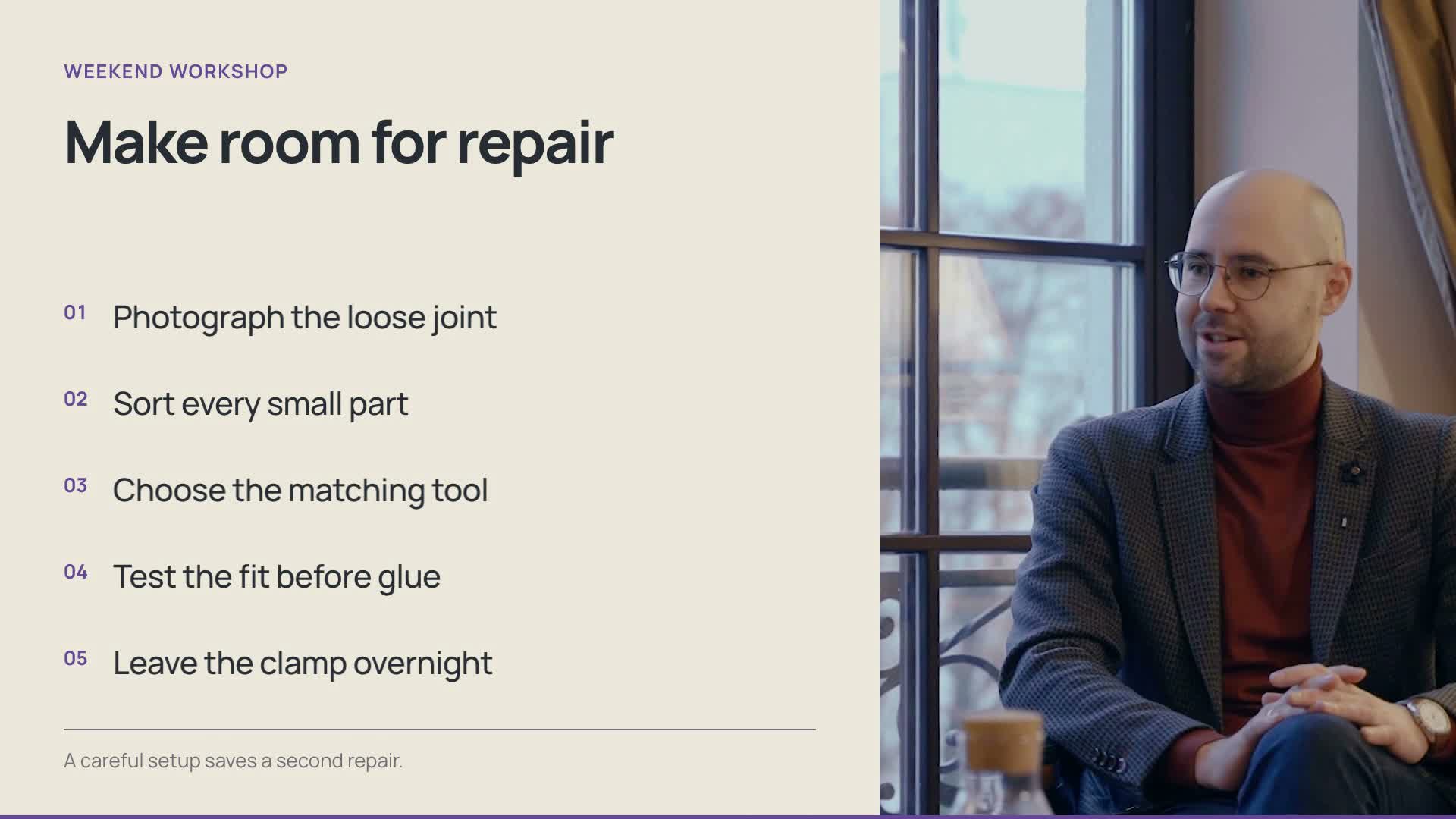
Create a short split-screen explanation with continuous presenter footage and a growing, persistent list.
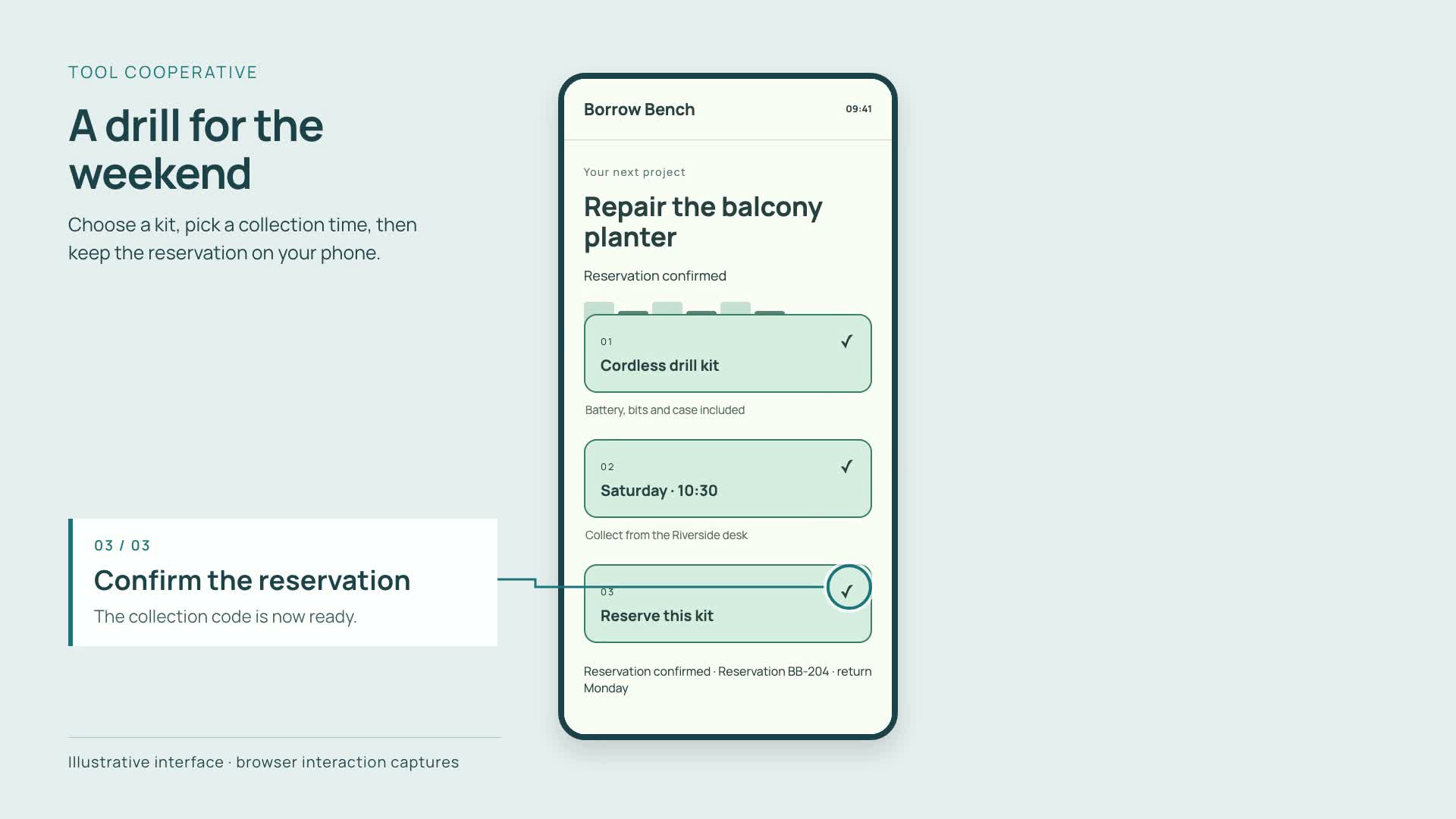
Create an editable mobile walkthrough with a travelling target ring, linked instructions and synchronized screen states.
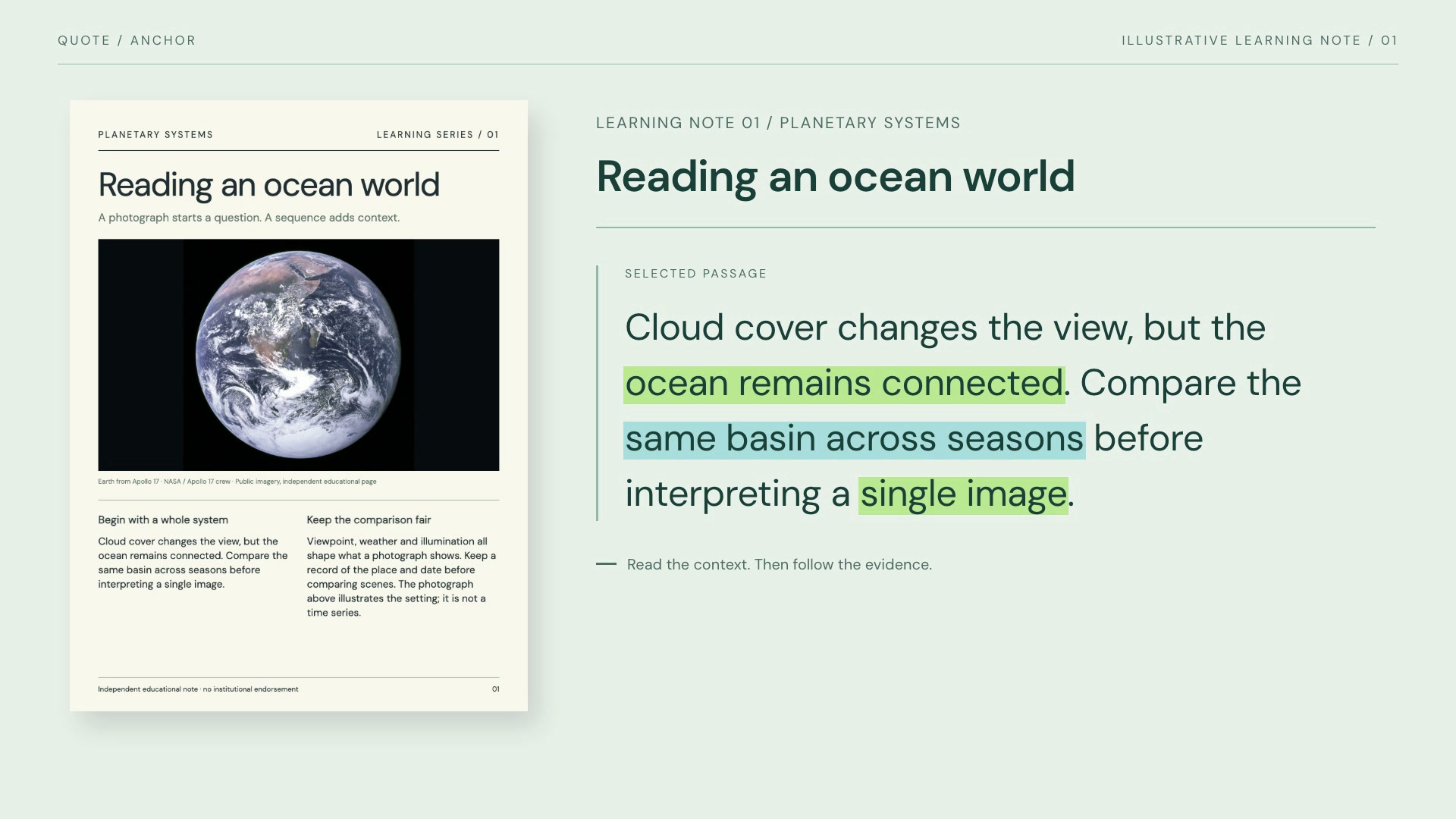
Turn a document page and a short passage into an editable evidence-reading film with a persistent citation, an enlarged excerpt and line-aware marker sweeps.
Stage a photographic wall checklist with a camera reframe, continuous human foreground and a gradual focus shift.
Show how identical information changes when a browsing layout becomes a timed presentation, using editable HTML, SVG, GSAP and HyperFrames.
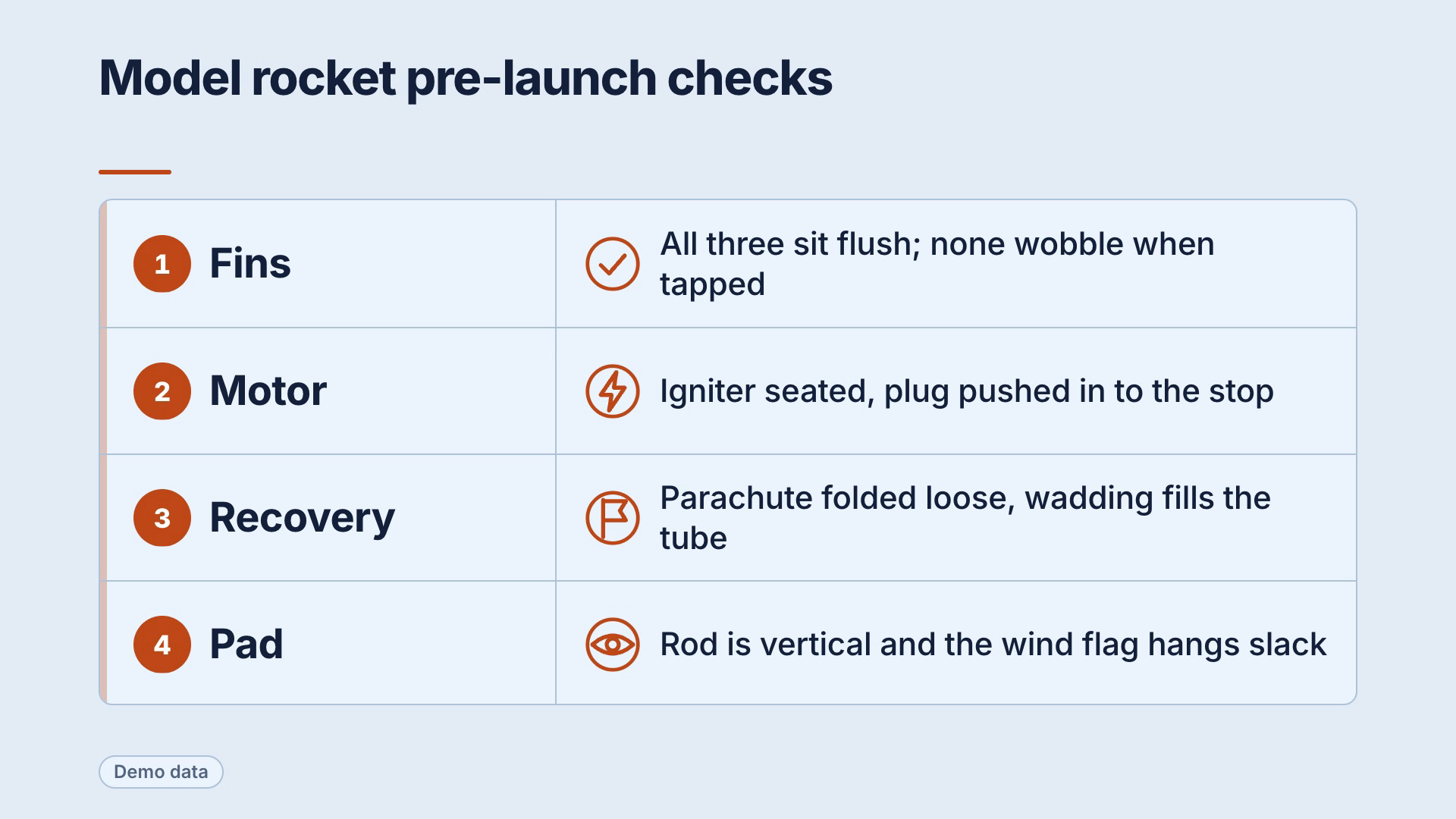
Slide a ruled two-column table into view, then fill it row by row, a short lead cell first and its matching proof cell right after, ending on a calm hold. 1920x1080 HyperFrames video, 2-5 rows, optional synthesised cue sounds.
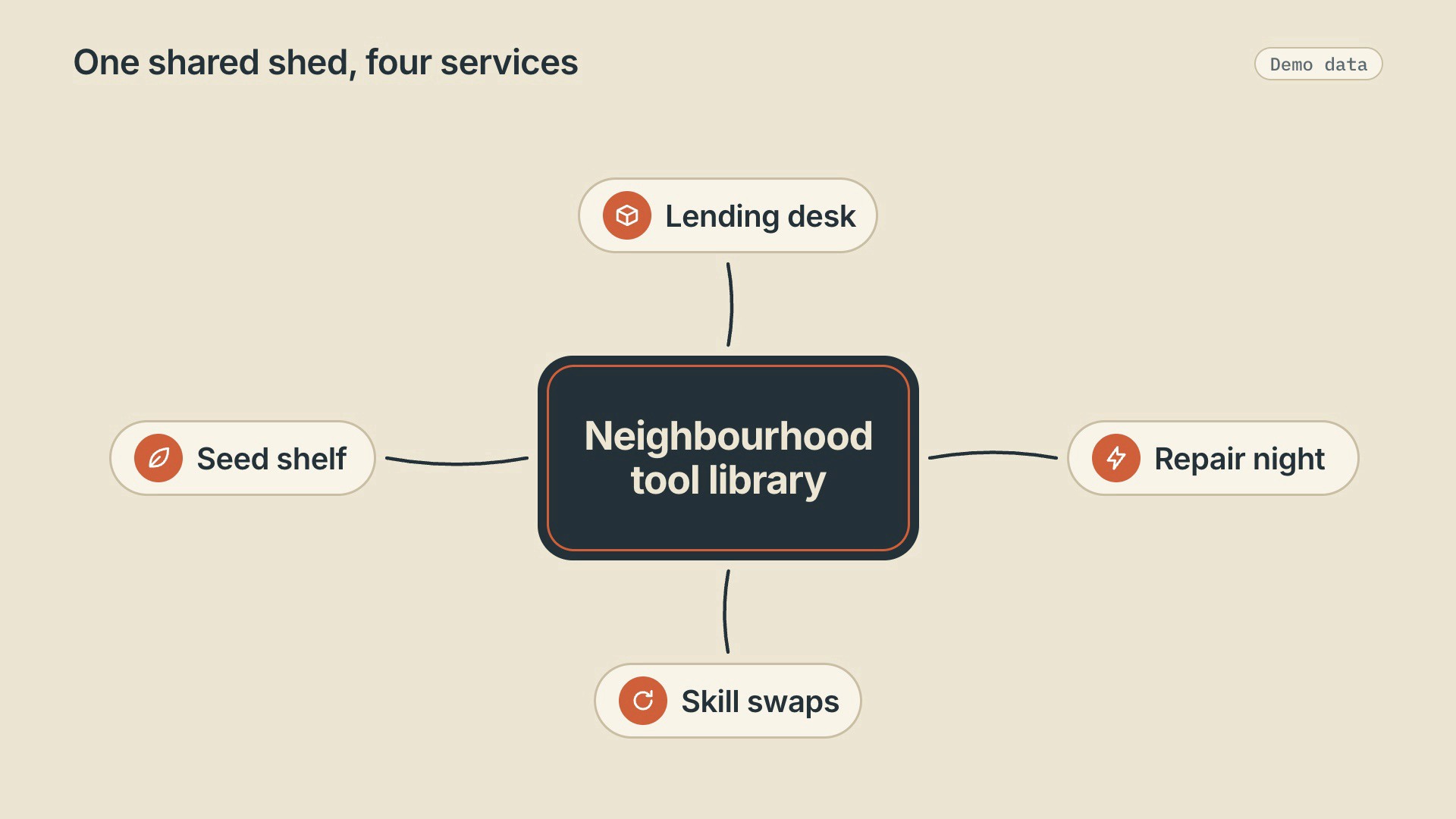
Show one central idea and 3-6 related parts as a 1920x1080 hub-and-spoke film. The hub resolves first, then each route draws out and its node lands, in order. HyperFrames render with optional synthesised cue sounds.
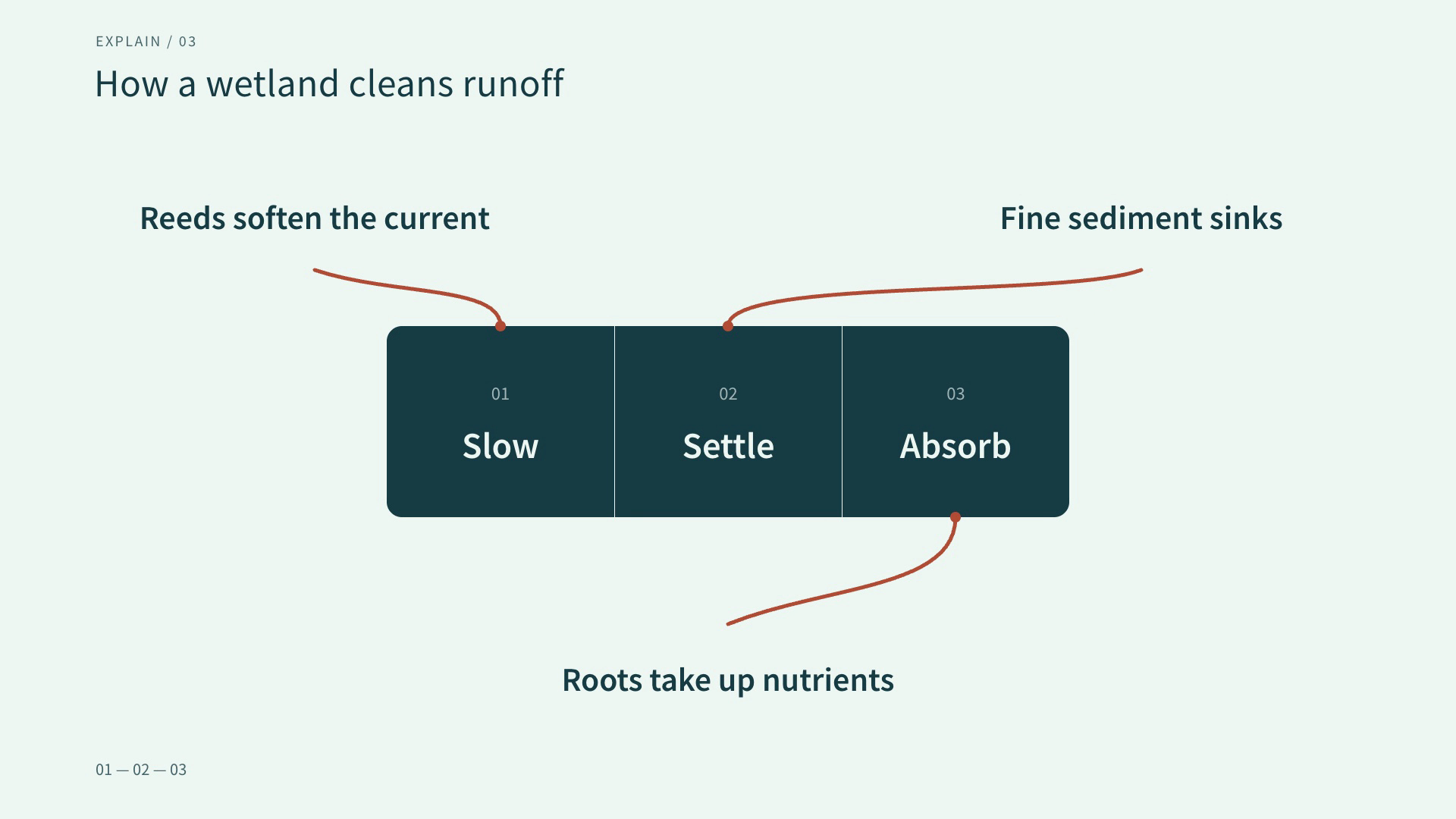
Build a concise annotated process film with three fixed segments and sequential curved explanations.
Explore science archives through real tool inputs, perspective screen walls, photographic iris glitches and animated glyph fields.
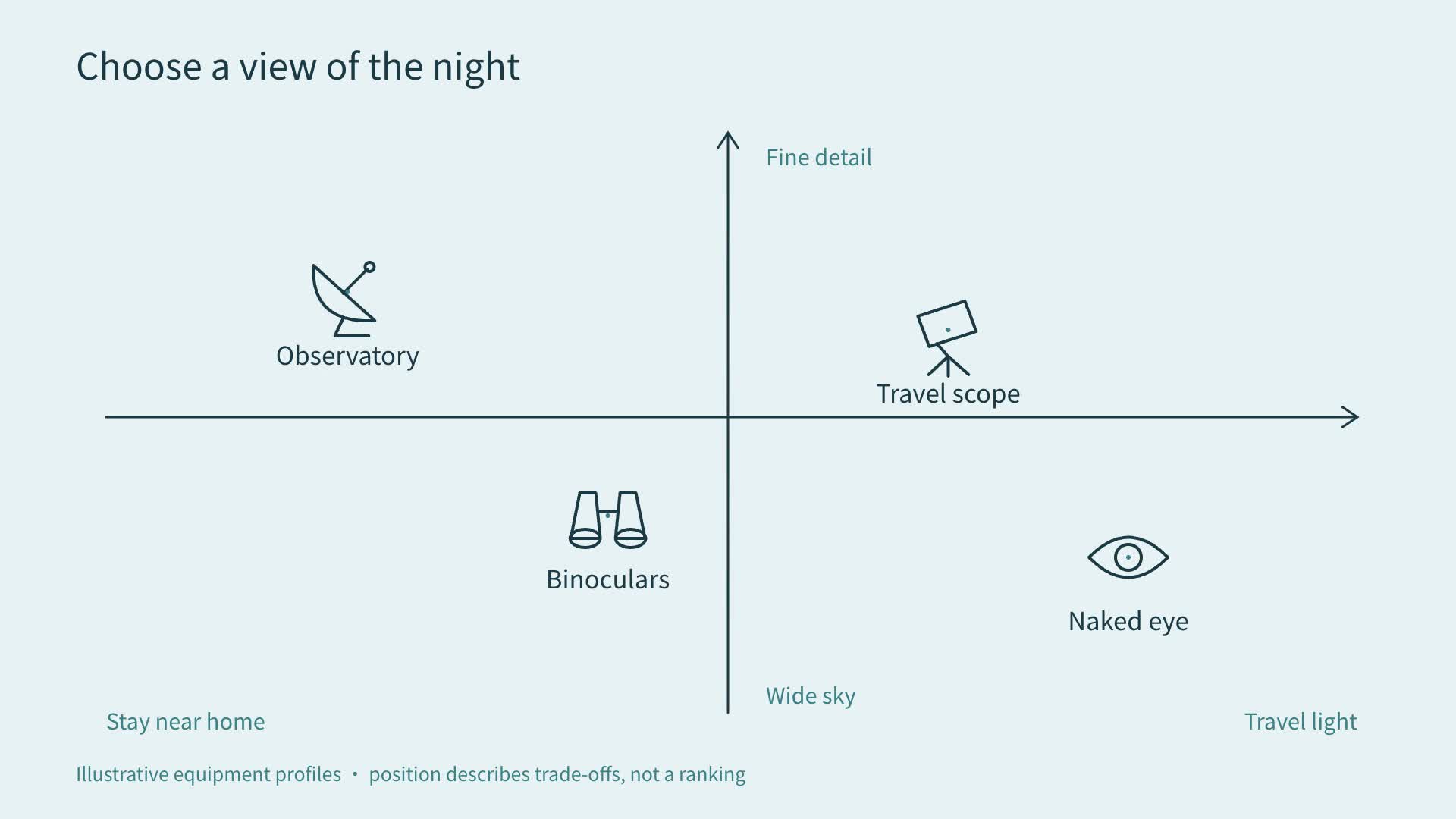
Place recognizable symbols at literal coordinates on two continuous dimensions, then reveal them for comparison.
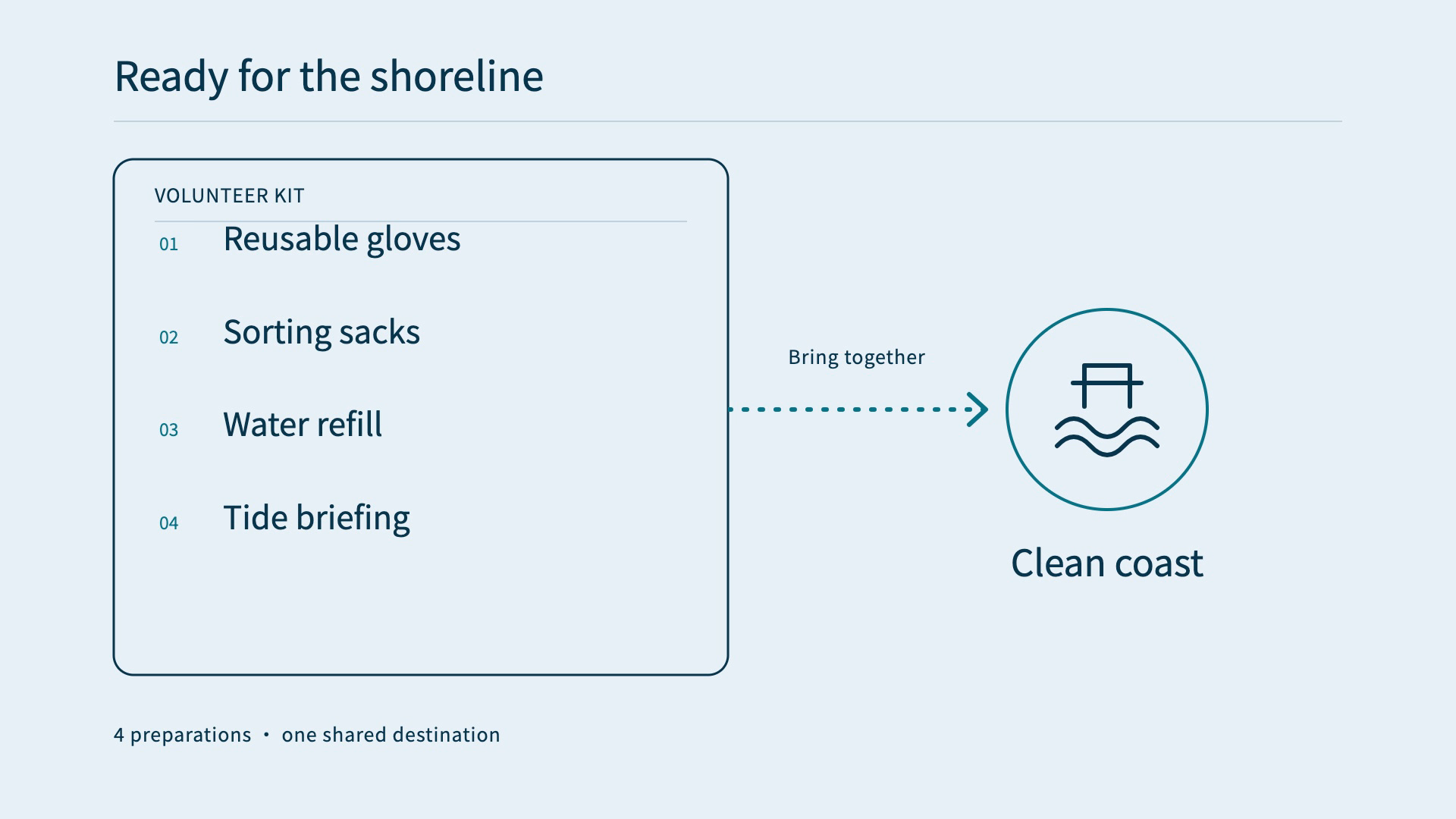
Bring a preparation list together through one bridge, then reveal a shared destination.
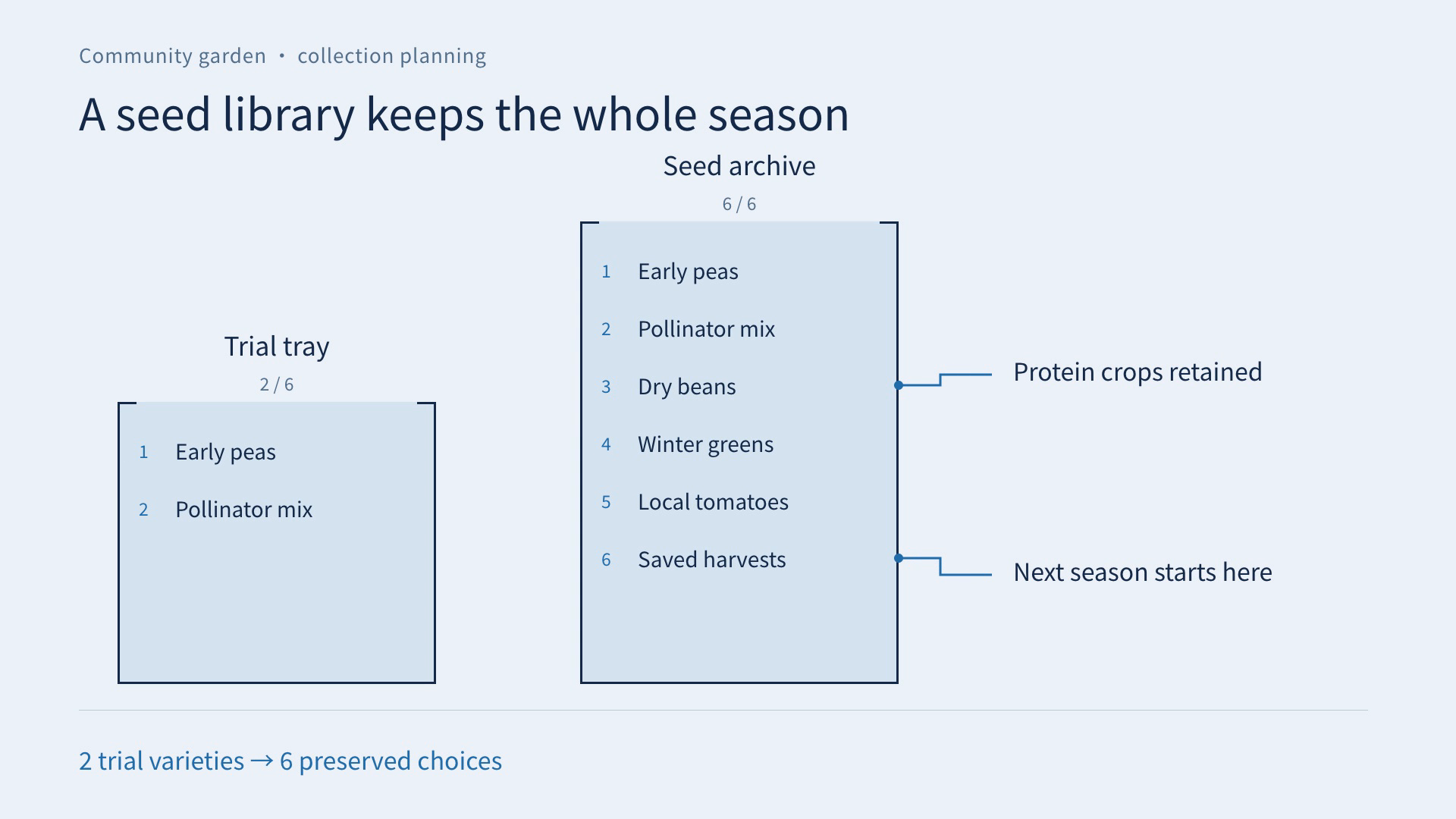
Compare unequal accumulation in two bounded spaces, then connect explanatory notes to selected rows.
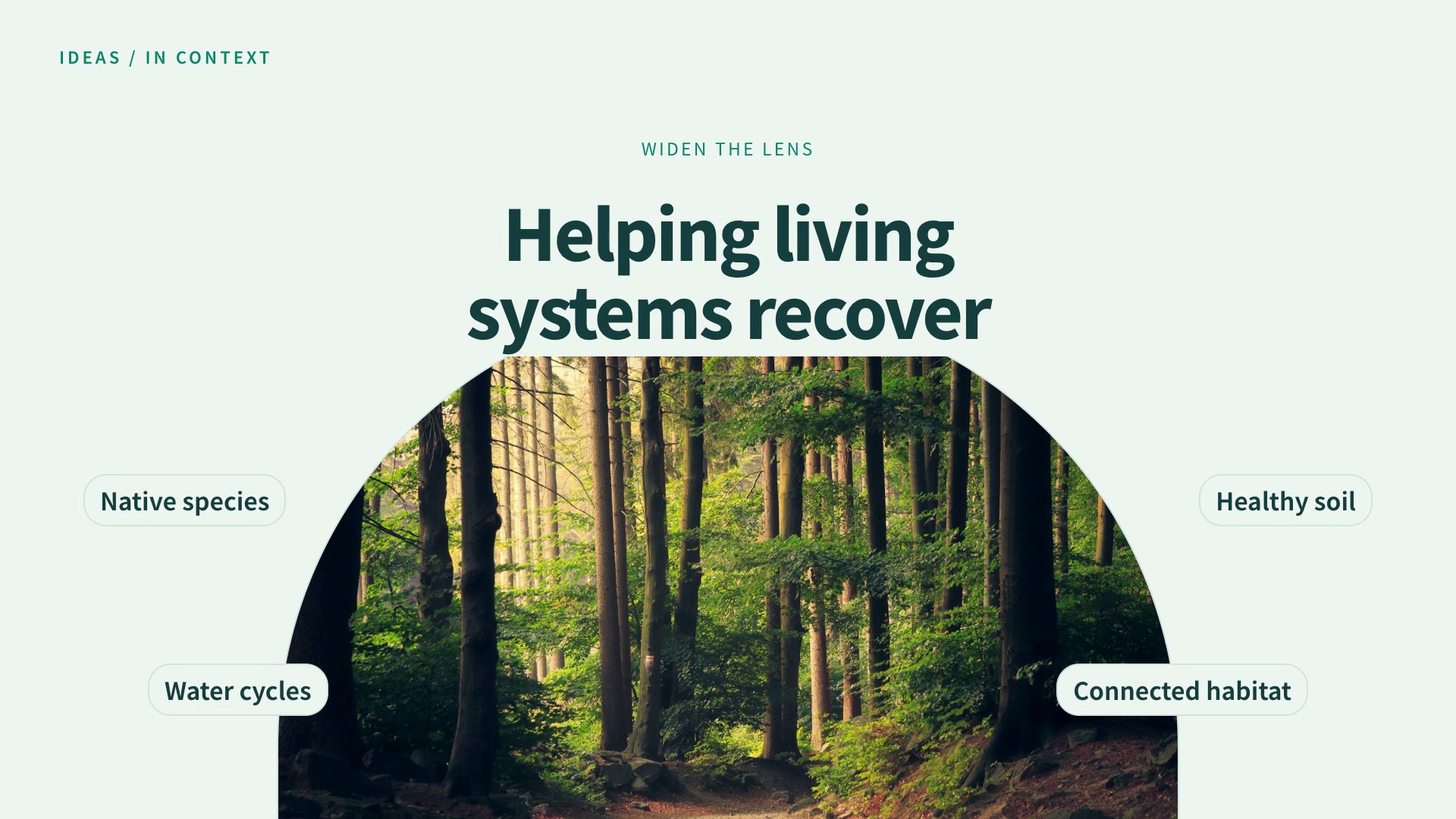
Cross out a narrow reading,clear the old group,and reveal a broader meaning grounded in an arched photograph with supporting facets.
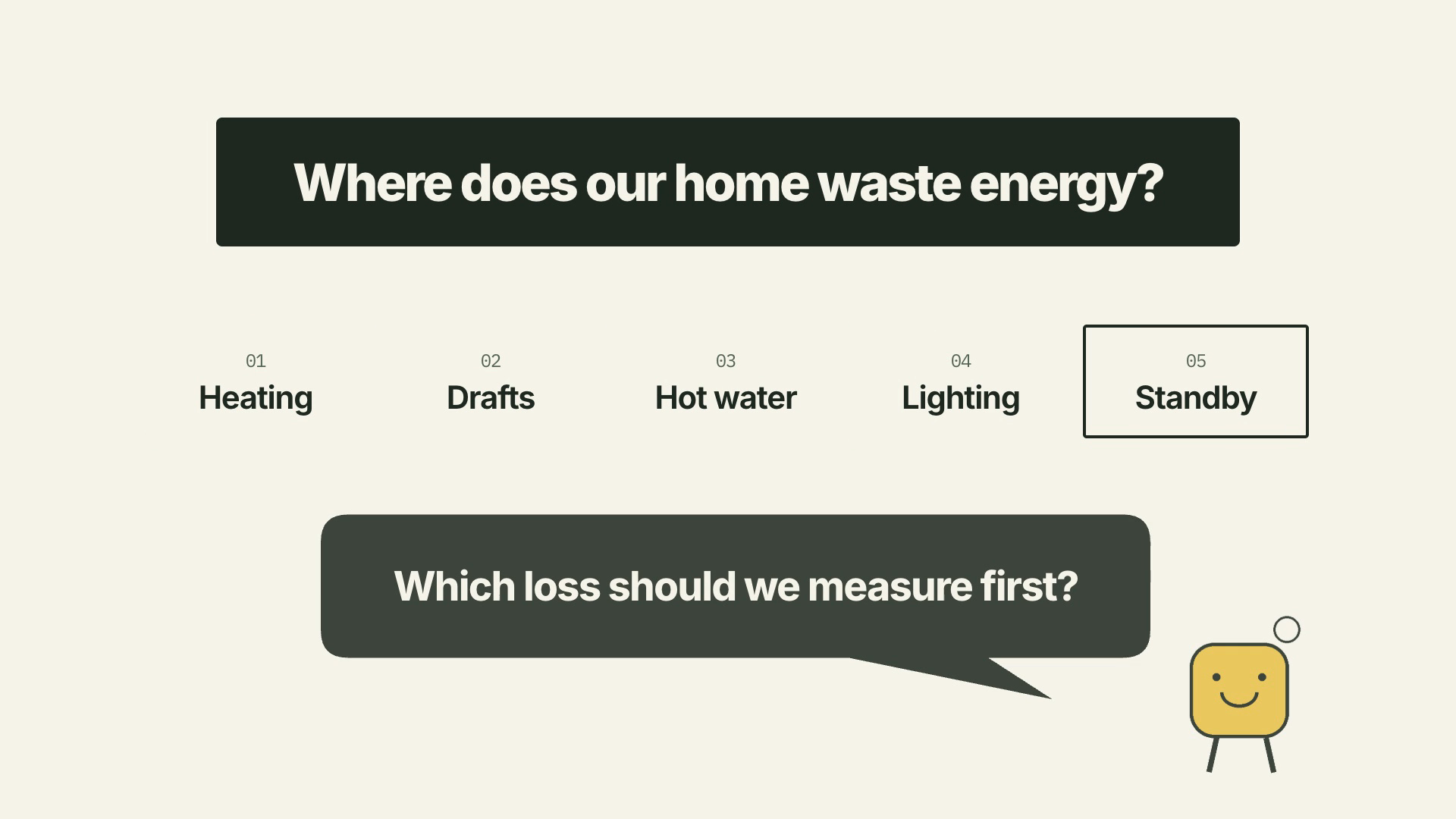
Break one question into dimensions, scan each one and resolve into a focused next question.
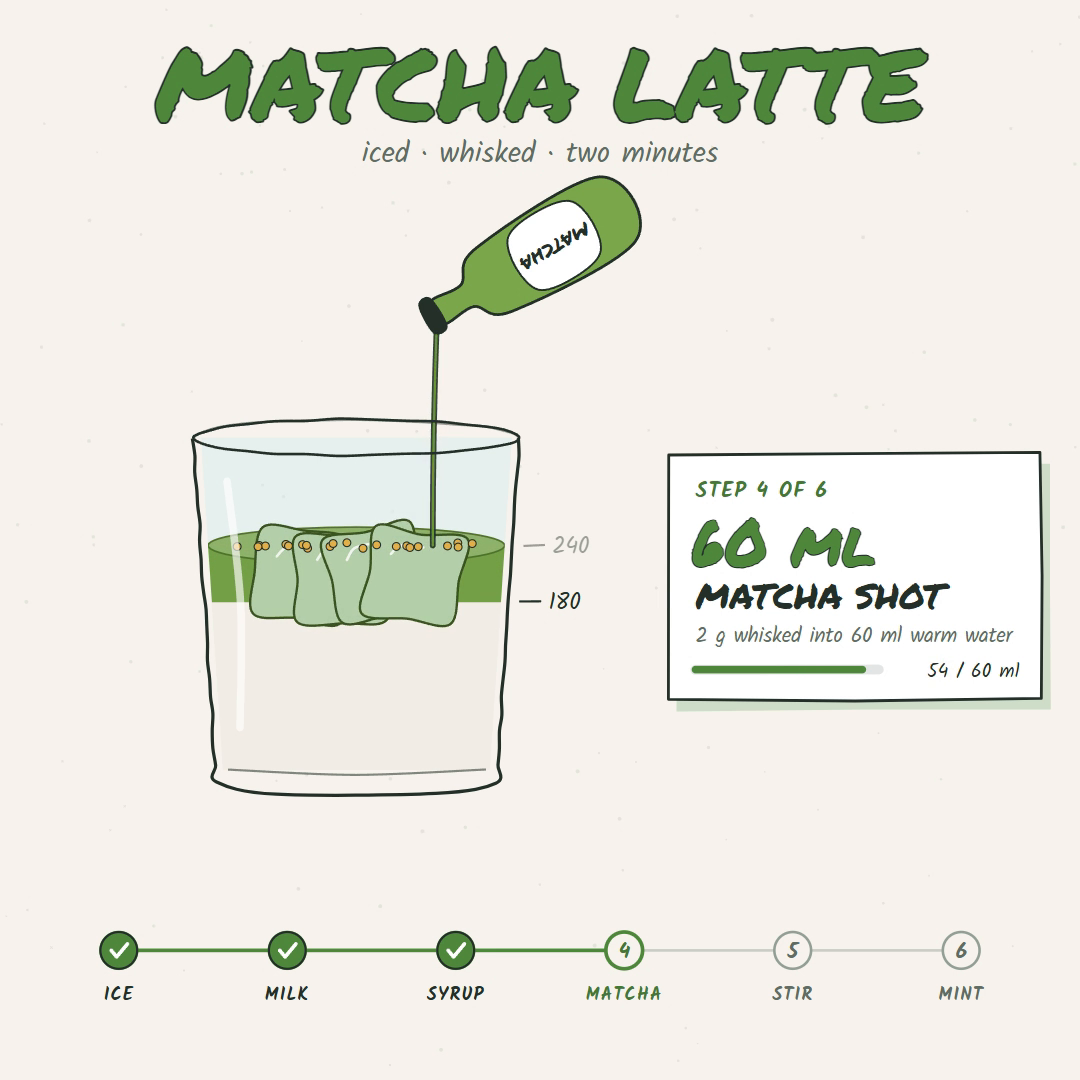
Turns an ordered recipe into a hand-drawn motion graphic where a cutaway vessel fills, layers, stirs and gets garnished step by step while a card counts each amount and a tracker ticks the steps off.
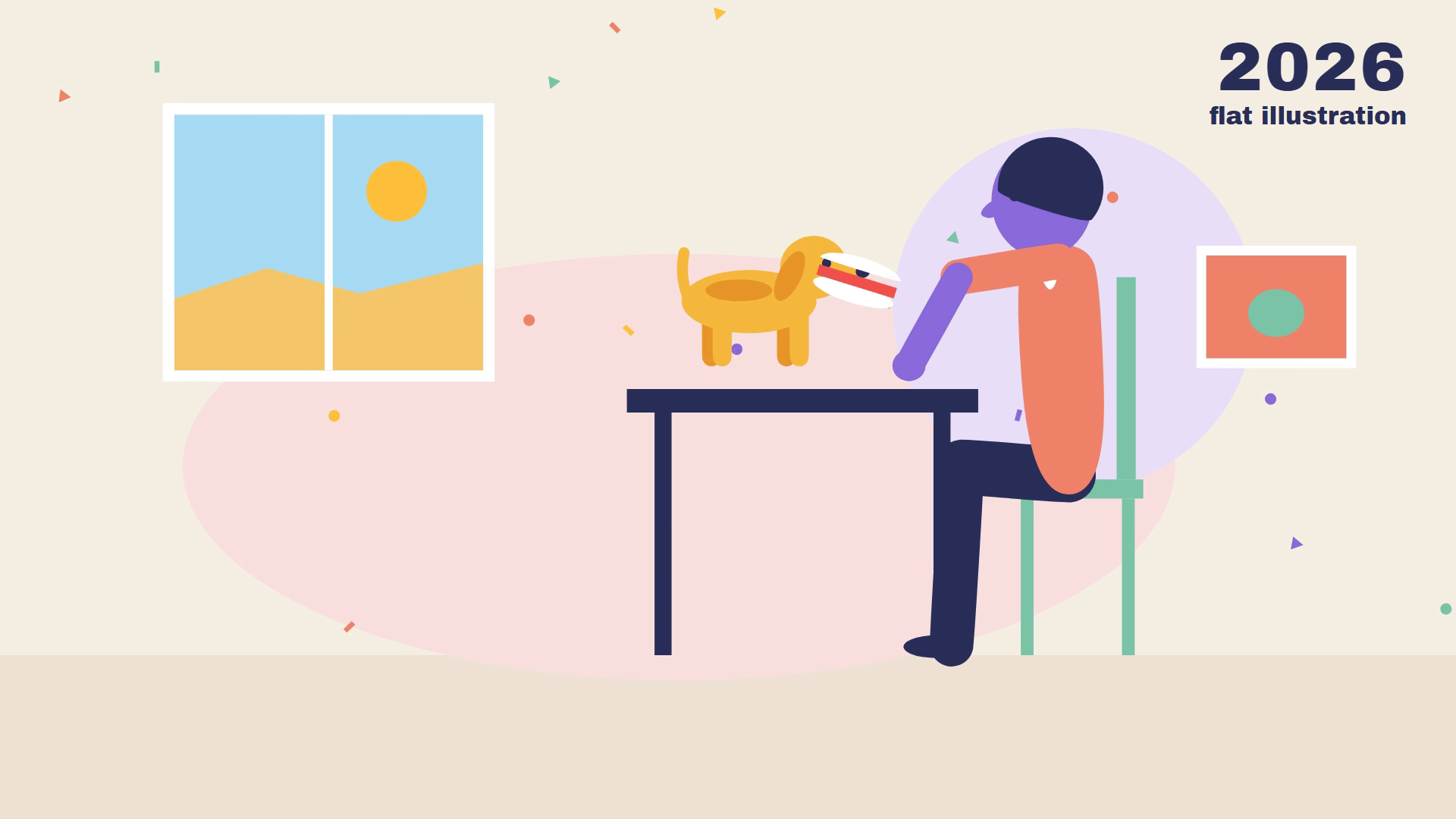
Repaints one seated-figure scene chapter by chapter in a different period look while a counter rolls through the years and a companion edges closer until a final gag.
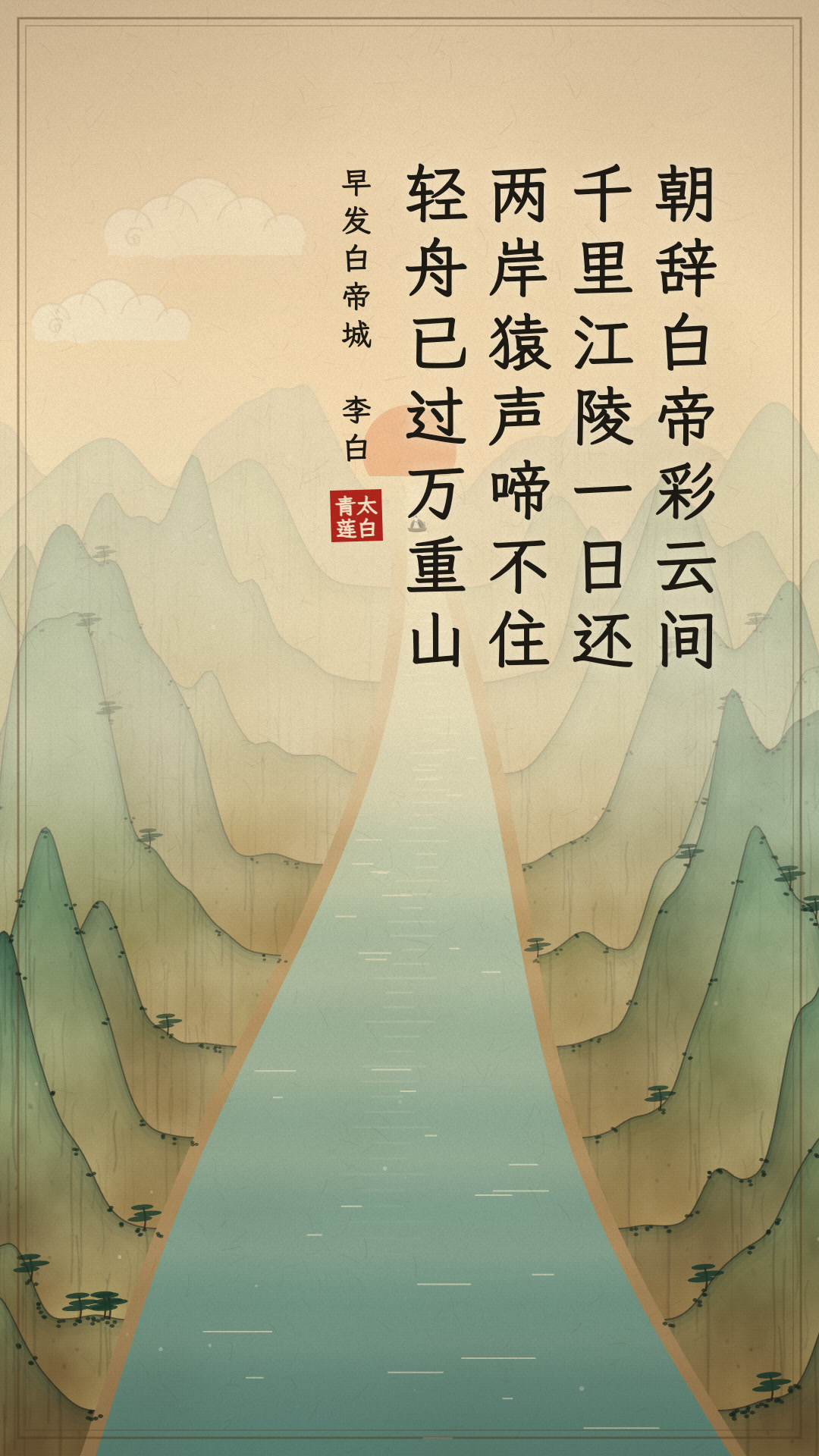
One classical Chinese poem becomes a vertical ink-painting film drawn in code: a short backstory prologue, one shot per line chosen by the poet's mood, matched transitions and the whole poem as a scroll.
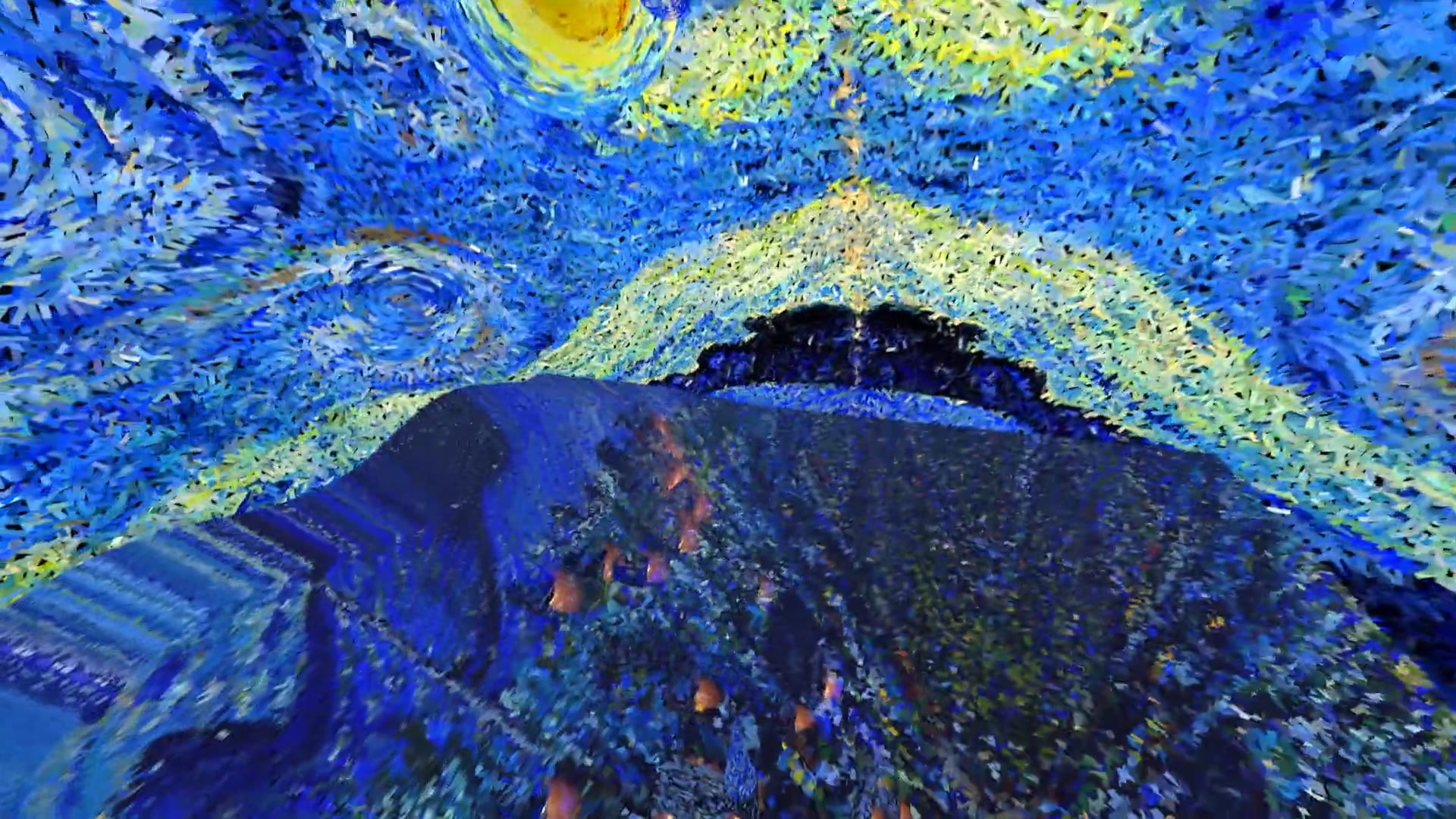
One painting becomes a single-take camera flight through a 3D world built from its own brush strokes: the picture bursts into a tunnel of strokes, the camera flies over its ground, water and hills, through the clouds and into one point, then the painting reassembles.
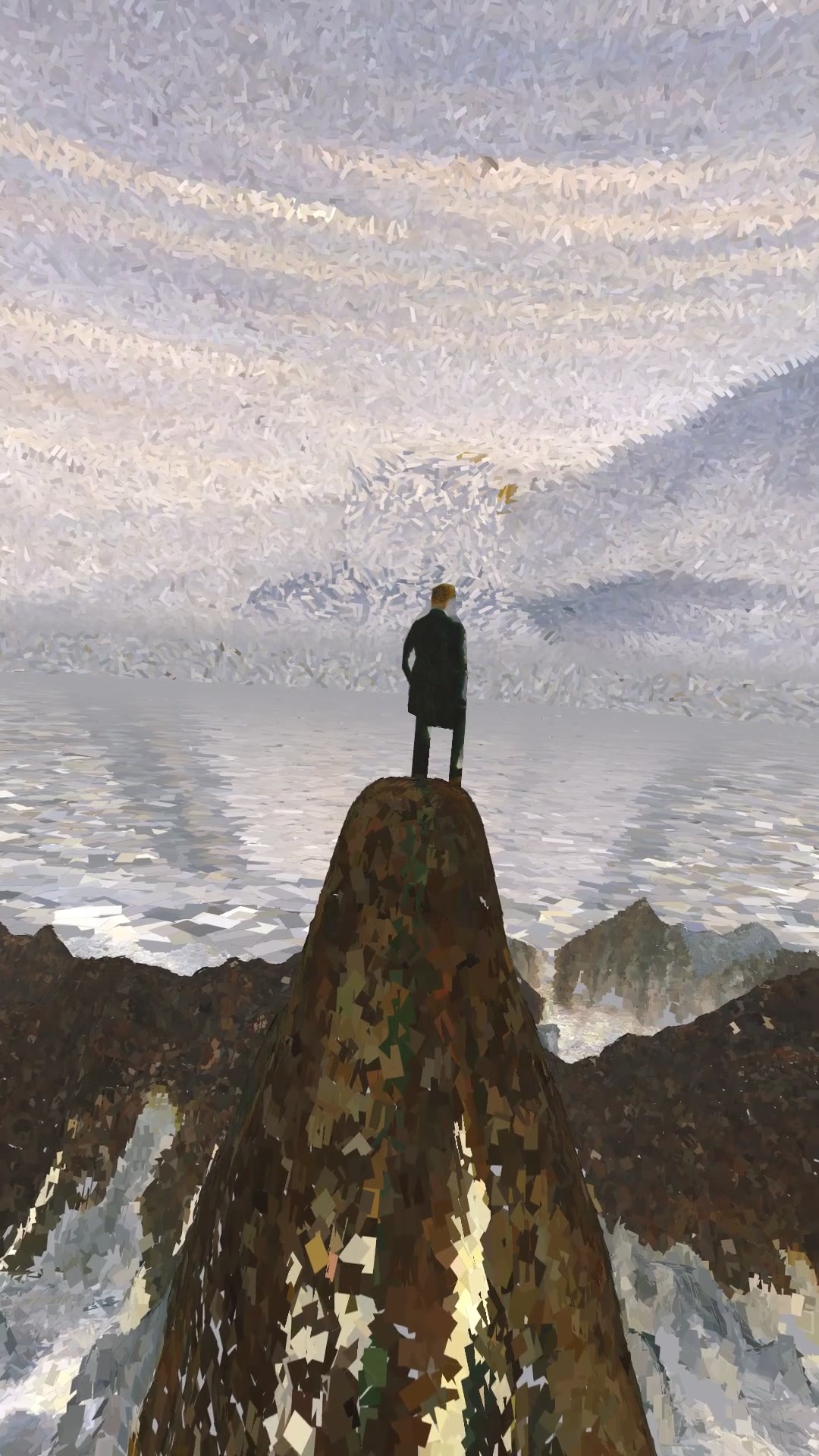
A vertical narrated short about one painting: the camera flies through a world built from its brush strokes while a voice tells what critics say it is about, one line per shot.
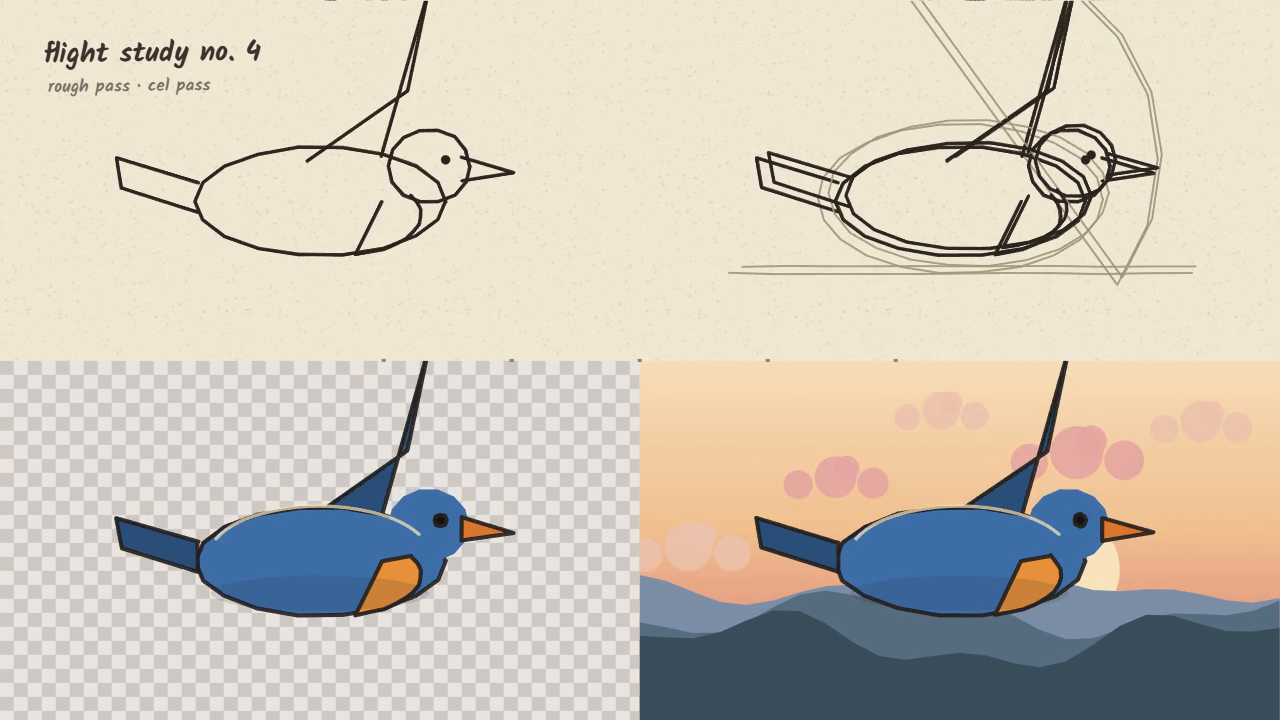
A desk-flipbook film authored in one sheet.json — a single subject (bird, fish or paper plane) rocks through its pose cycles while the film flips between two render passes of the same frame: a loose construction sketch on paper with guide lines, and a flat cel-shaded finish over a painted backdrop (sunset ridge, pond or night). Every redraw re-jitters its strokes from the seed, a tick strip marks the pages along the top edge, and the whole clip renders deterministically by HyperFrames.
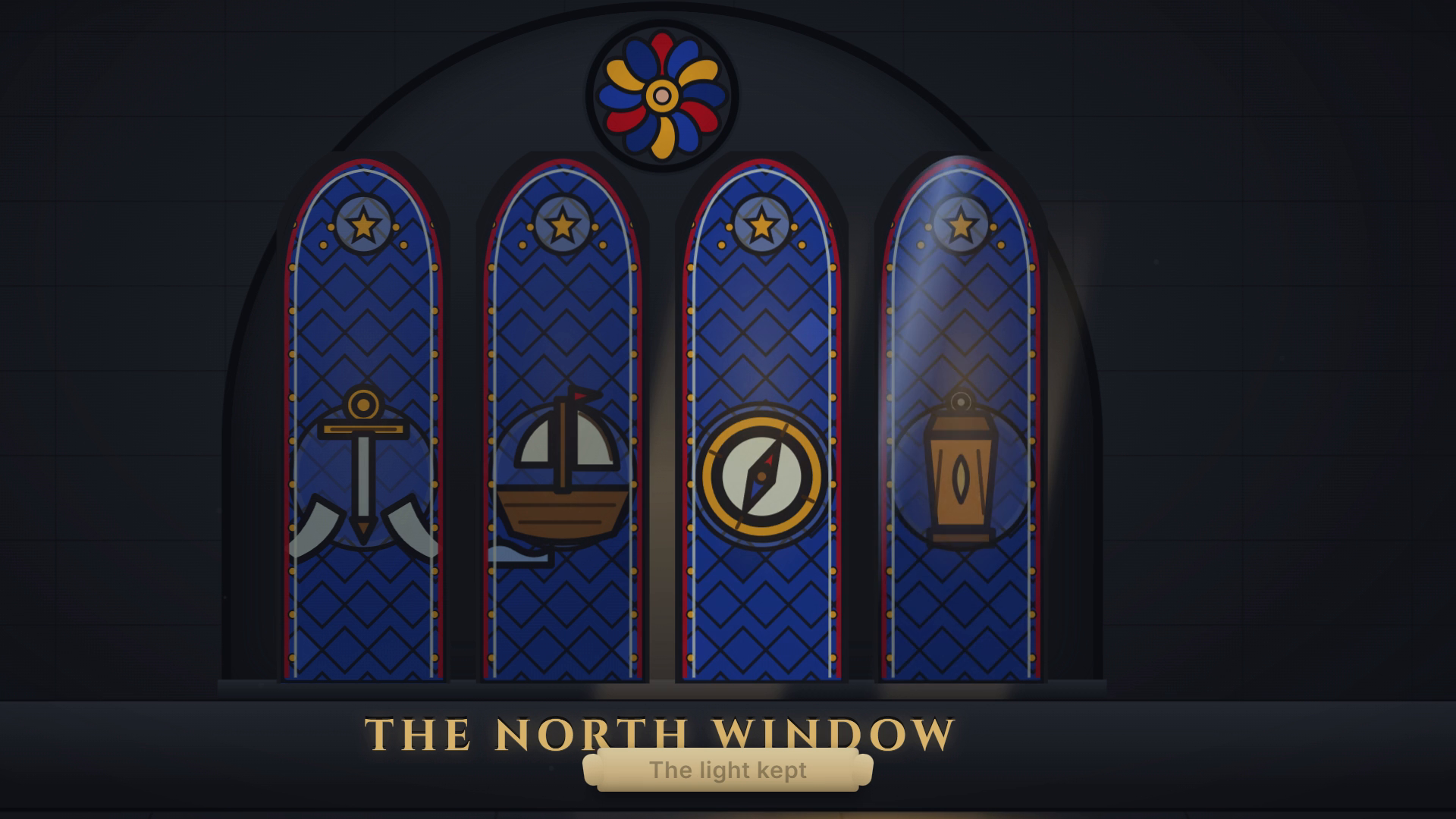
A leaded-glass window in a dark stone hall lives only where the sun touches it: a moving band of light wakes each lancet in turn, throws coloured light onto the flagstone floor and gilds the carved title, then dusk falls and one pane keeps its own warm glow.
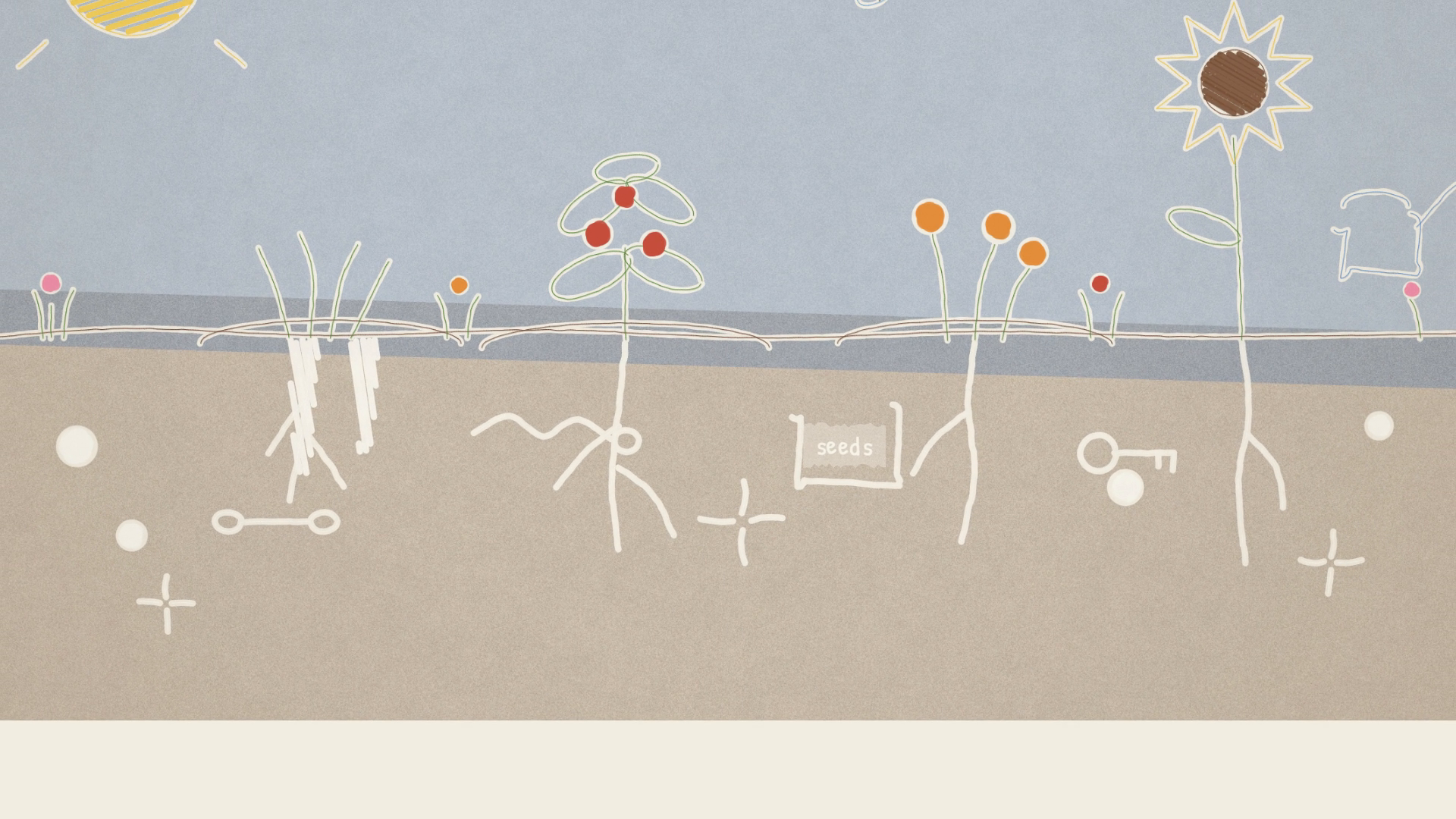
A picture-book page draws itself in wax crayon on toothy paper; when a watercolour wash sweeps over it, every crayon mark resists — and the white-wax marks nobody saw appear out of nowhere.
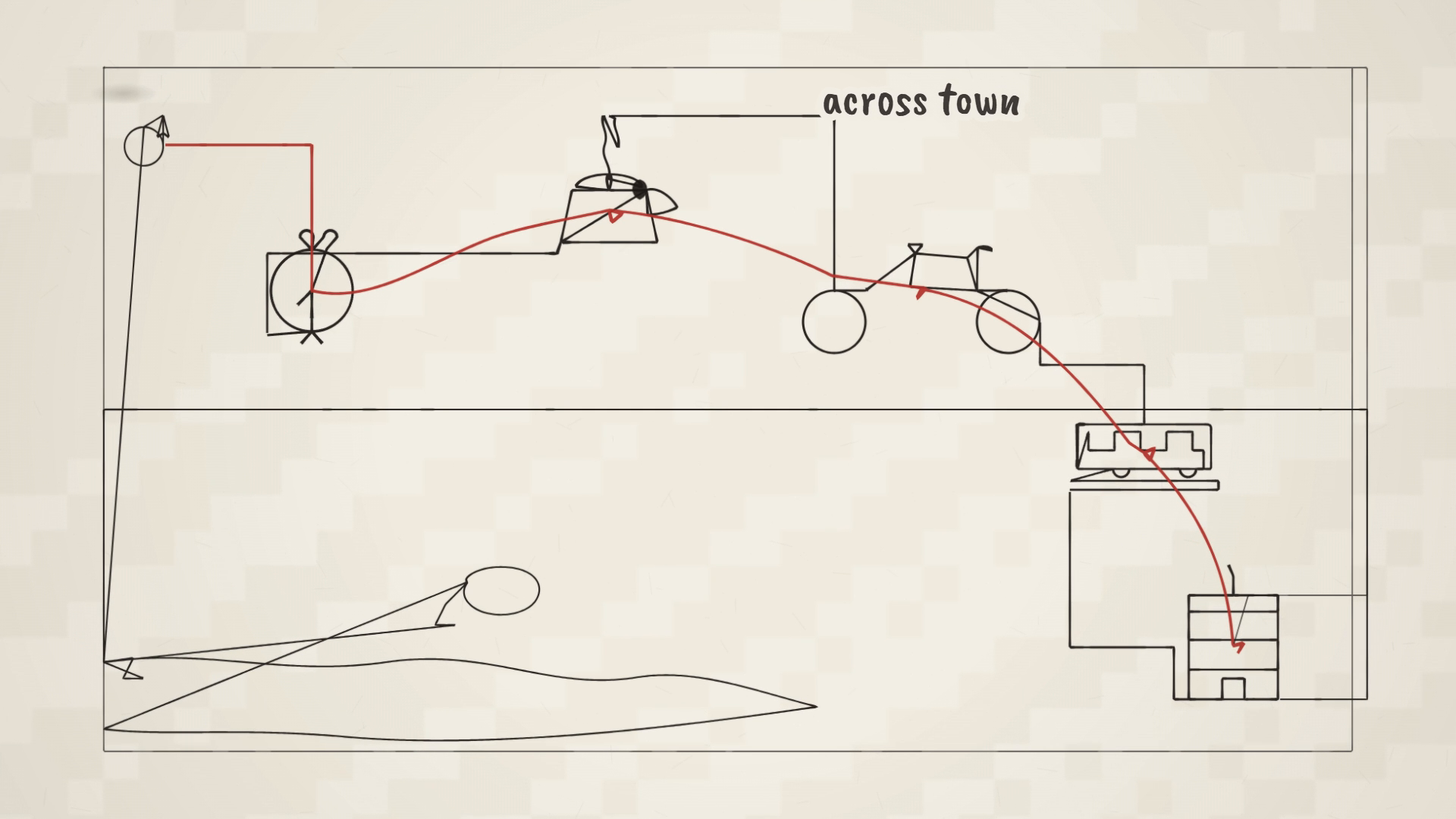
Turn a stroke sheet into a silent one-line film where everything on screen is a single ink line that never leaves the paper — the nib is tracked by a lagged camera, scenes morph instead of cutting, stops pool into teardrop blots, captions write themselves on, and the pull-back reveals what the whole line was drawing.
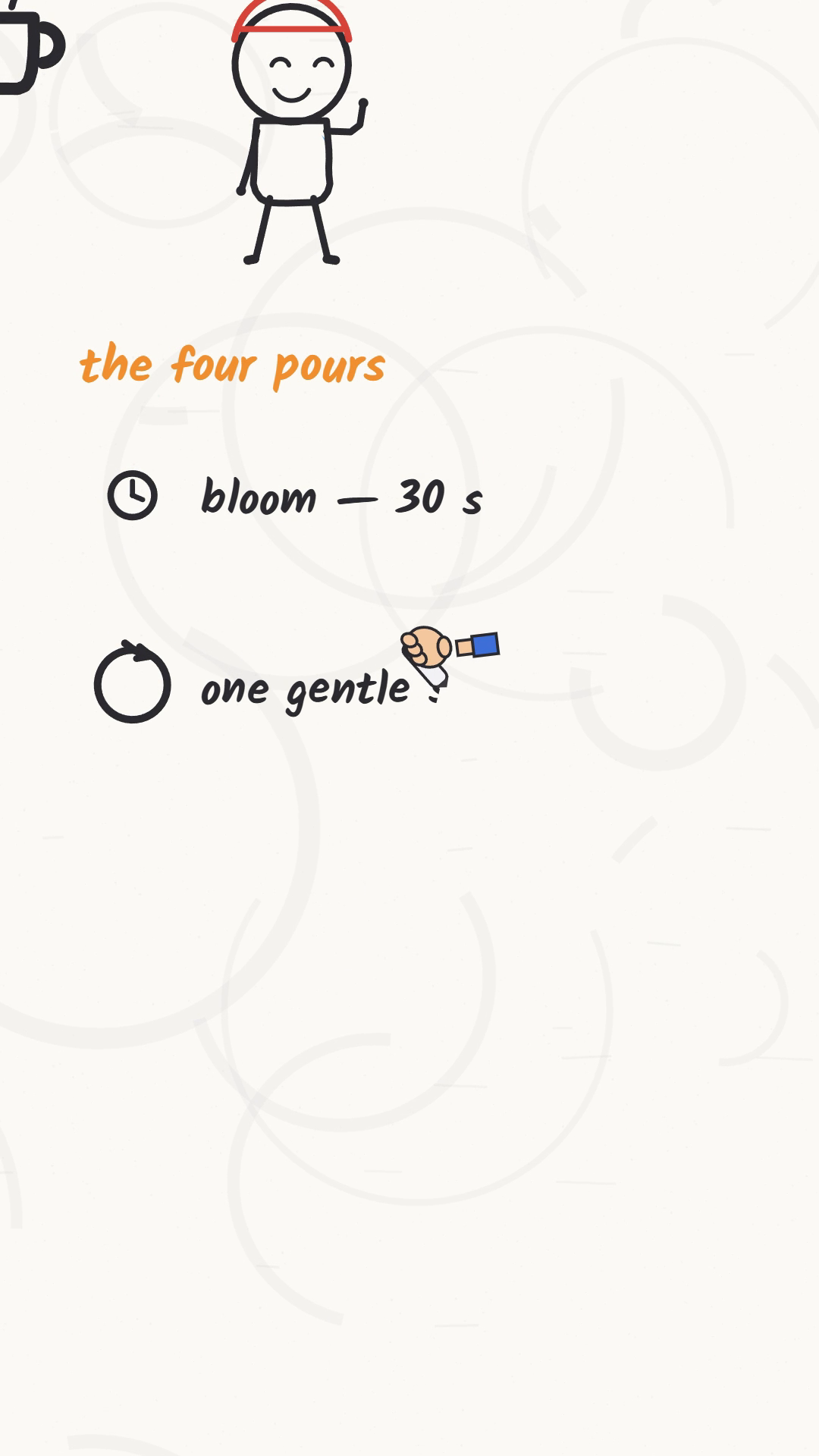
Turn an explainer into a hand-drawn board: a cartoon hand with a marker writes every letter, sketches every icon and arrows between ideas, the camera pans across a big world-space board instead of cutting slides, and an eraser wipes a finished chapter into a faint ghost — sheet-driven, silent, deterministic.
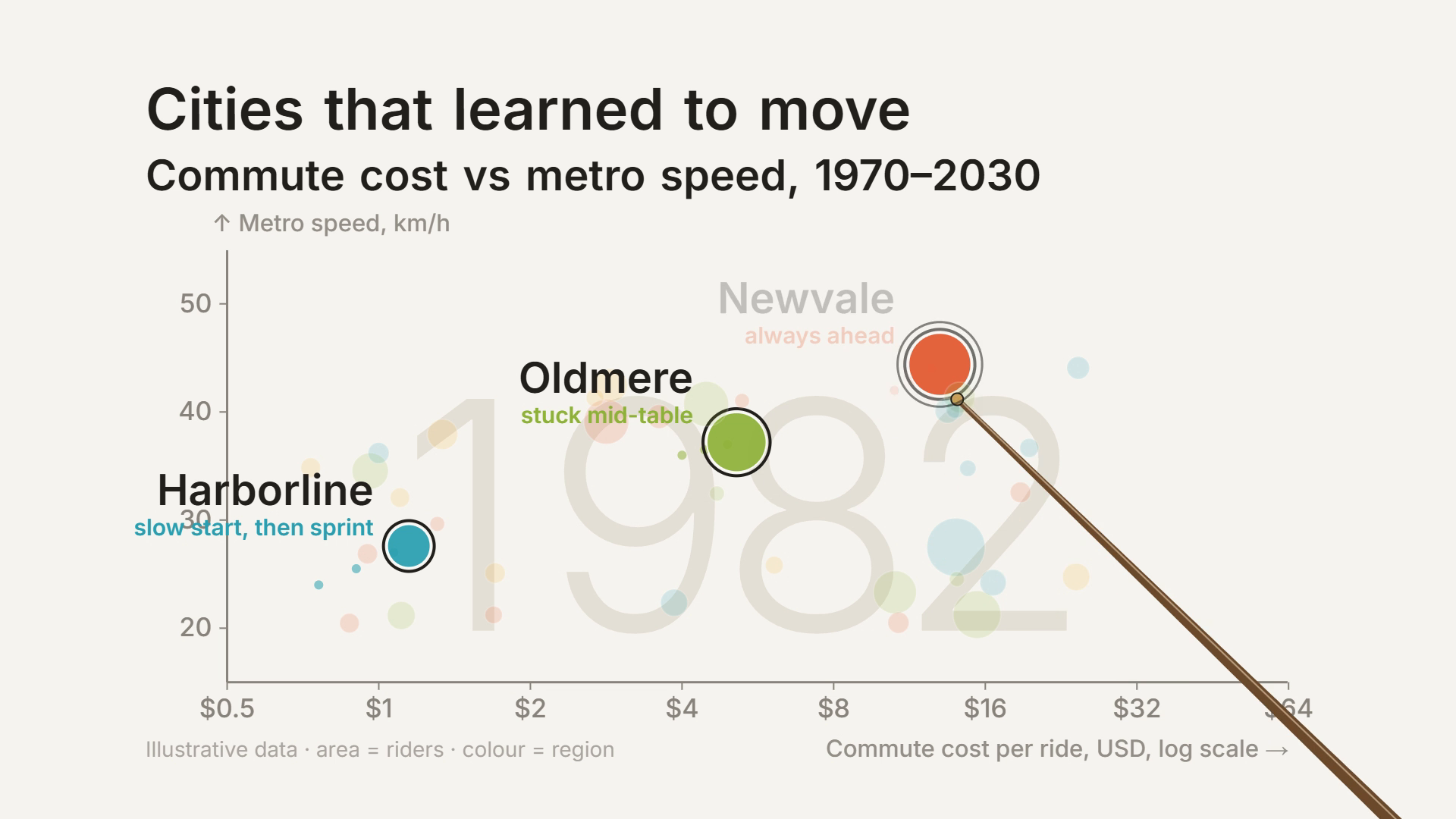
A narrated bubble-chart sting. One scatter plot is the whole stage: a giant year odometer rolls behind the bubbles while a piecewise time map races, eases into holds and rewinds. A wooden pointer stick reaches in and taps the narrated bubbles — they keep ink rings and dotted trails while everything else dims — and the ending rewinds time once more while the axes rescale into the story's range. Silent, deterministic, frame-seekable.
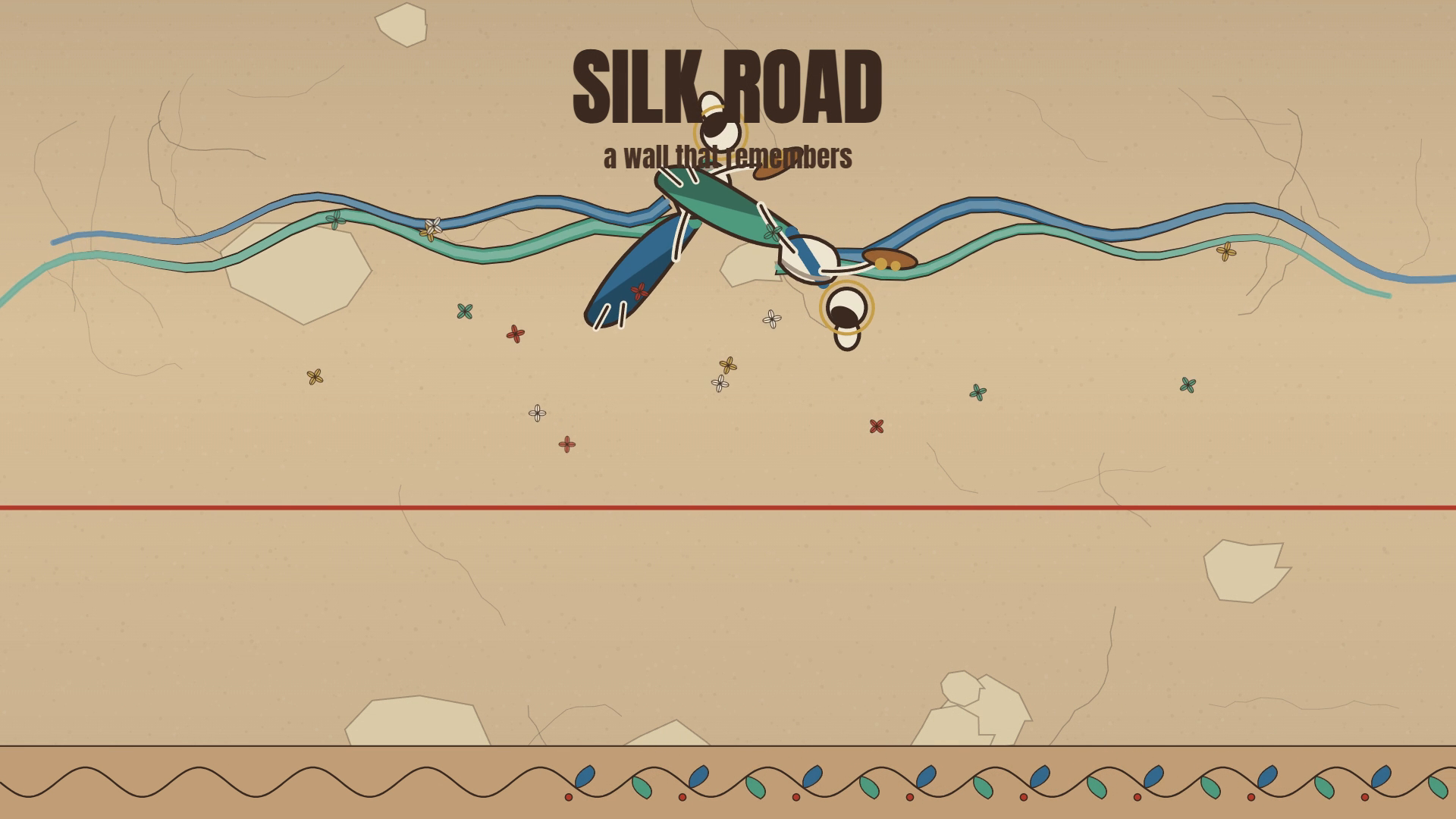
Paint a mineral-pigment mural on an earthen wall — flying figures glide in on S-arcs trailing ribbons that sample the flight path's history, everything appears in painting order (ink, flat colour, banded shading, gold), a narrative frieze scrolls right-to-left, and a caisson of nested squares opens onto the end frame. One JSON sheet; silent; deterministic; 16:9.
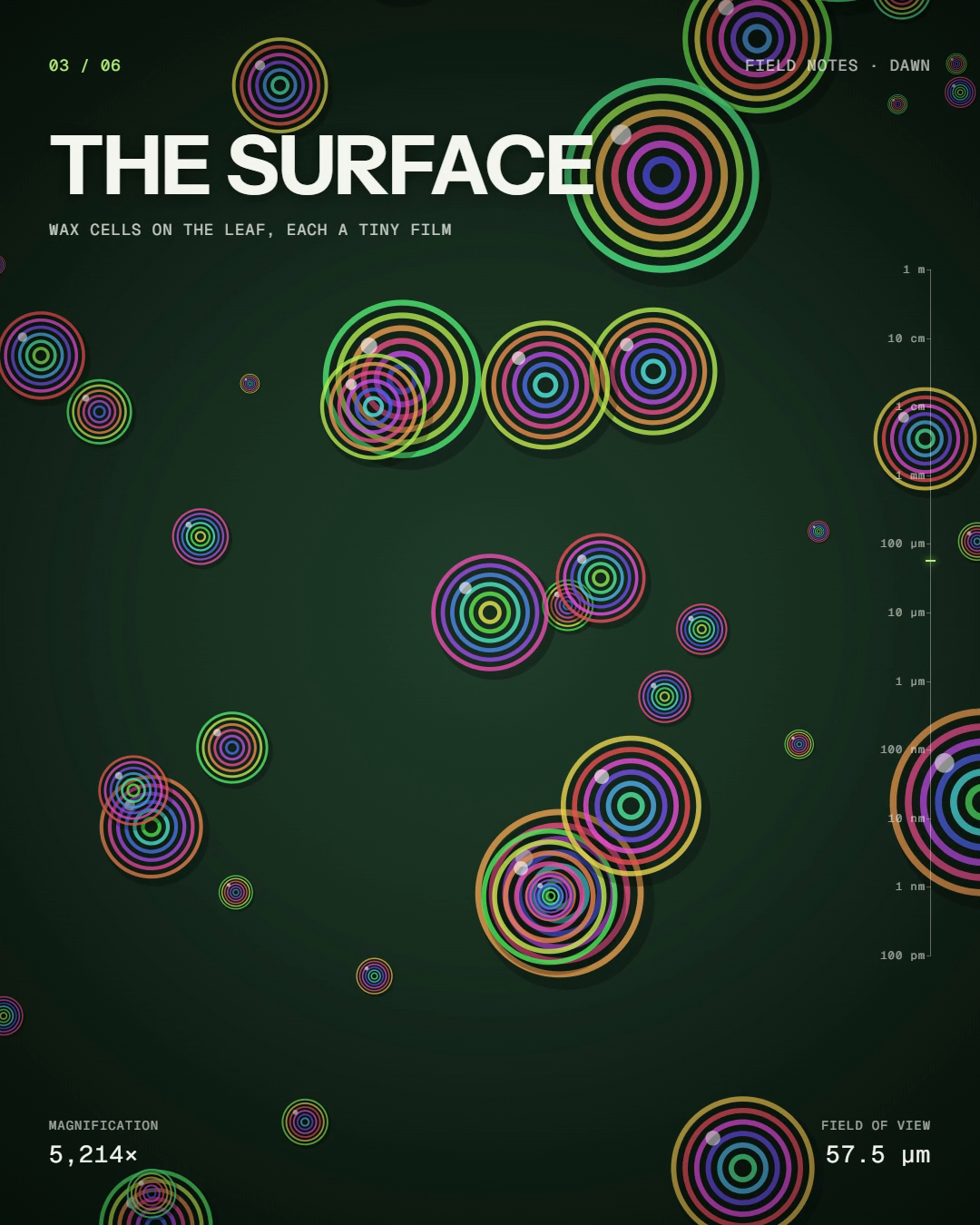
Dives from an everyday scene down through ever smaller levels with real sizes on screen, each level opening from the centre of the last, under a live magnification and field-of-view HUD, then pulls back so the film loops.
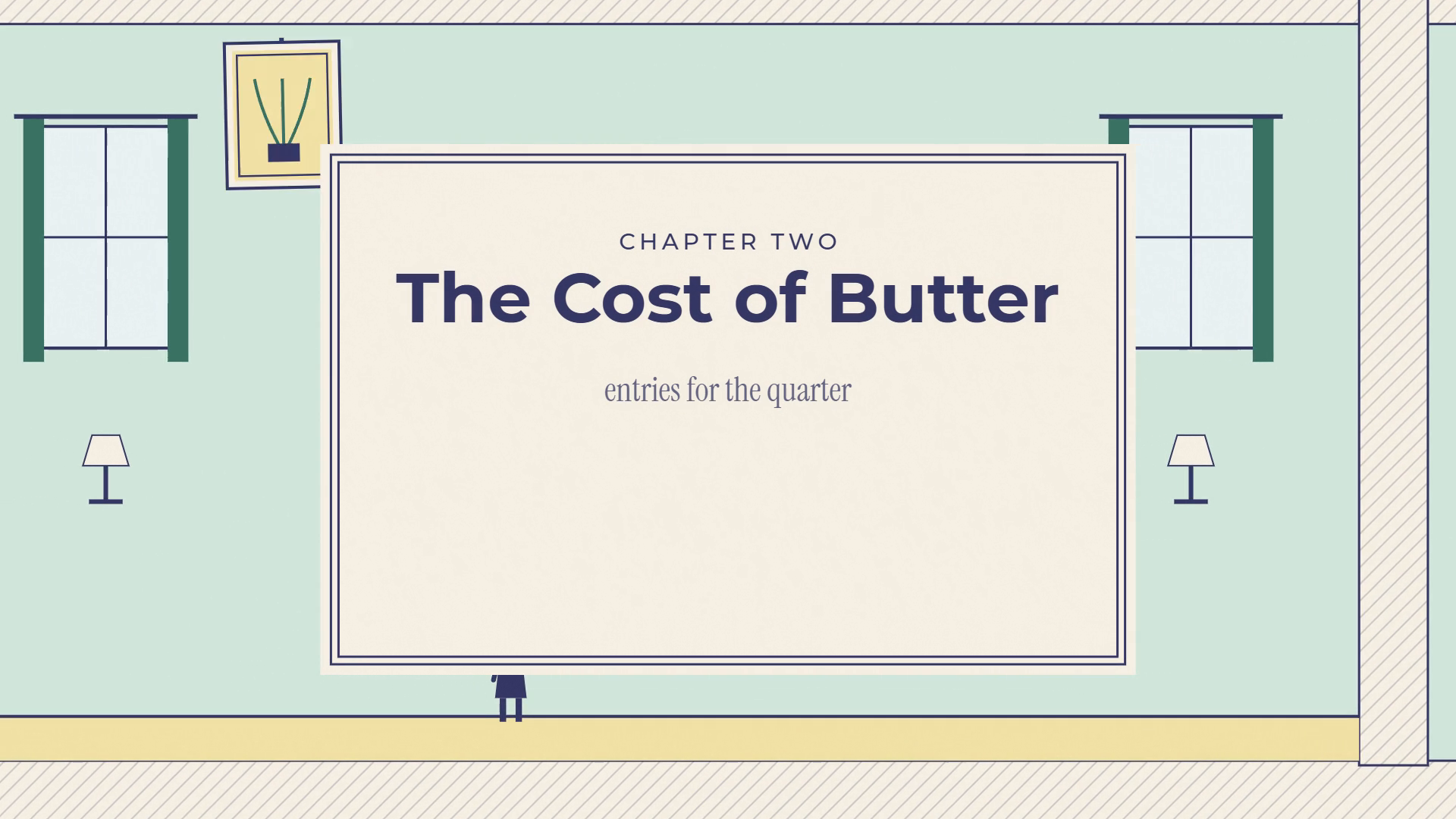
A chaptered miniature-world teaser maker: planimetric cutaway rooms mirrored about the centre line in three pastel triads, ivory chapter cards that cut in like turned pages, framed pictures that drop onto nails and swing to rest, sconces that click on, a stage curtain parting from the centre, one slow push per chapter, and 9-frame whip pans between chapters. Author a JSON sheet of chapters and props; render a silent 16:9 MP4 locally.
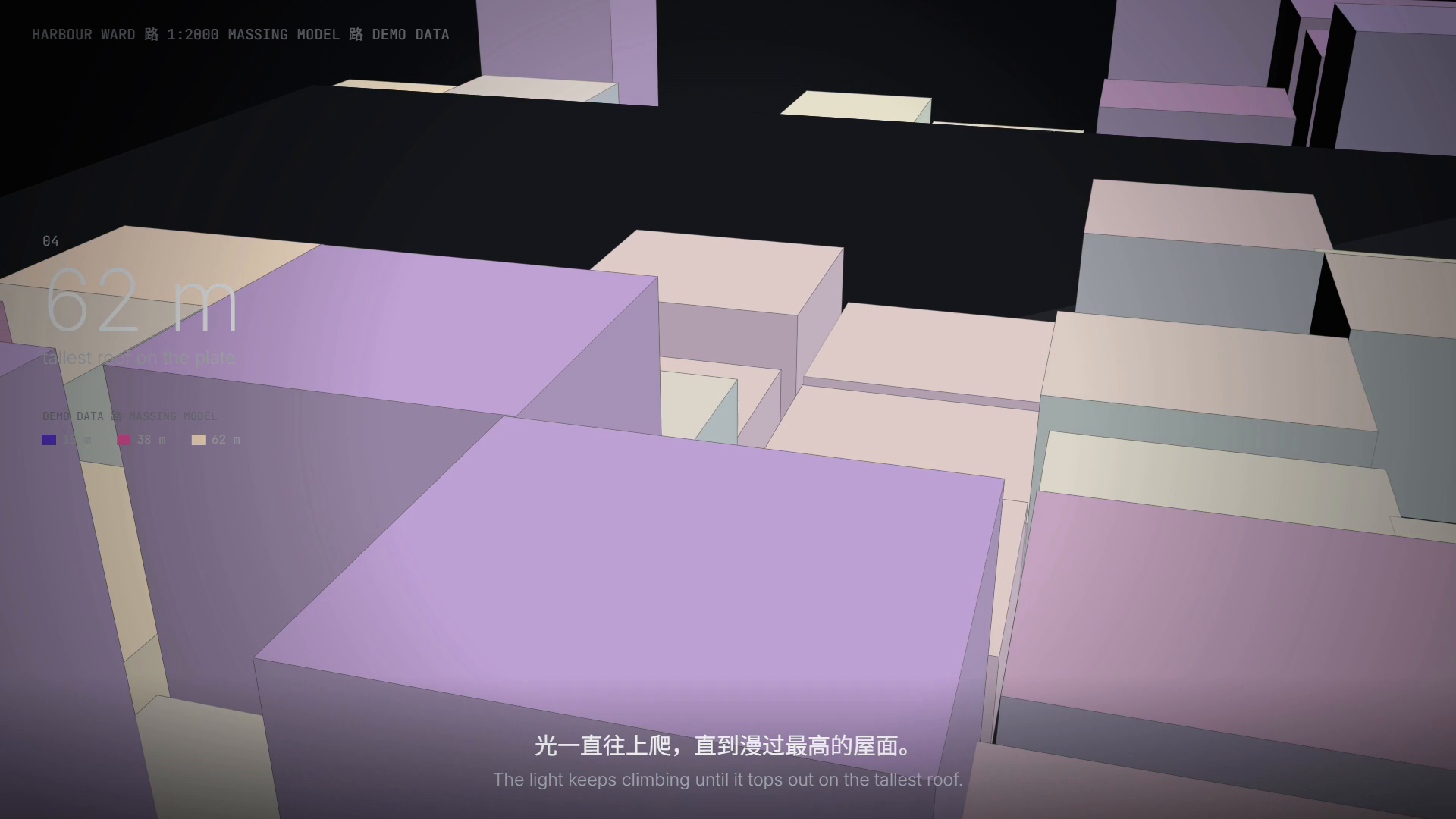
A pure-white massing model of a district sits on a plinth in a dark room while a projector paints data onto it as light, one layer at a time.
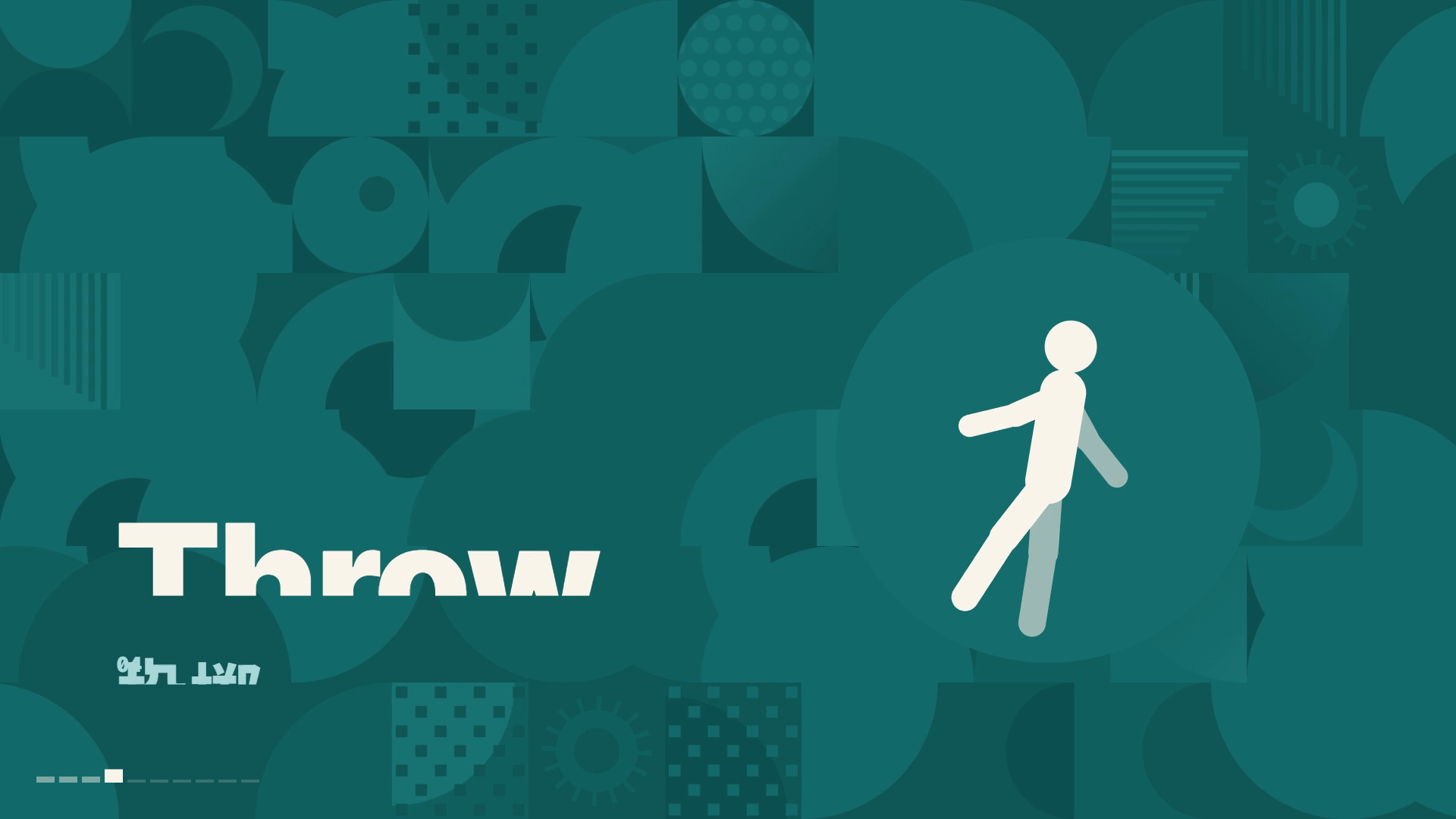
A beat-locked flash-card catalogue film — a sliding square-grid pattern of circles and motifs, round-capped-bar pictograms with a disc head acting out one verb each, and 900-weight bilingual titles that slide up out of masks. Every cut lands on a beat. One JSON sheet drives items, chapters, palette and tempo; silent; deterministic; 16:9.
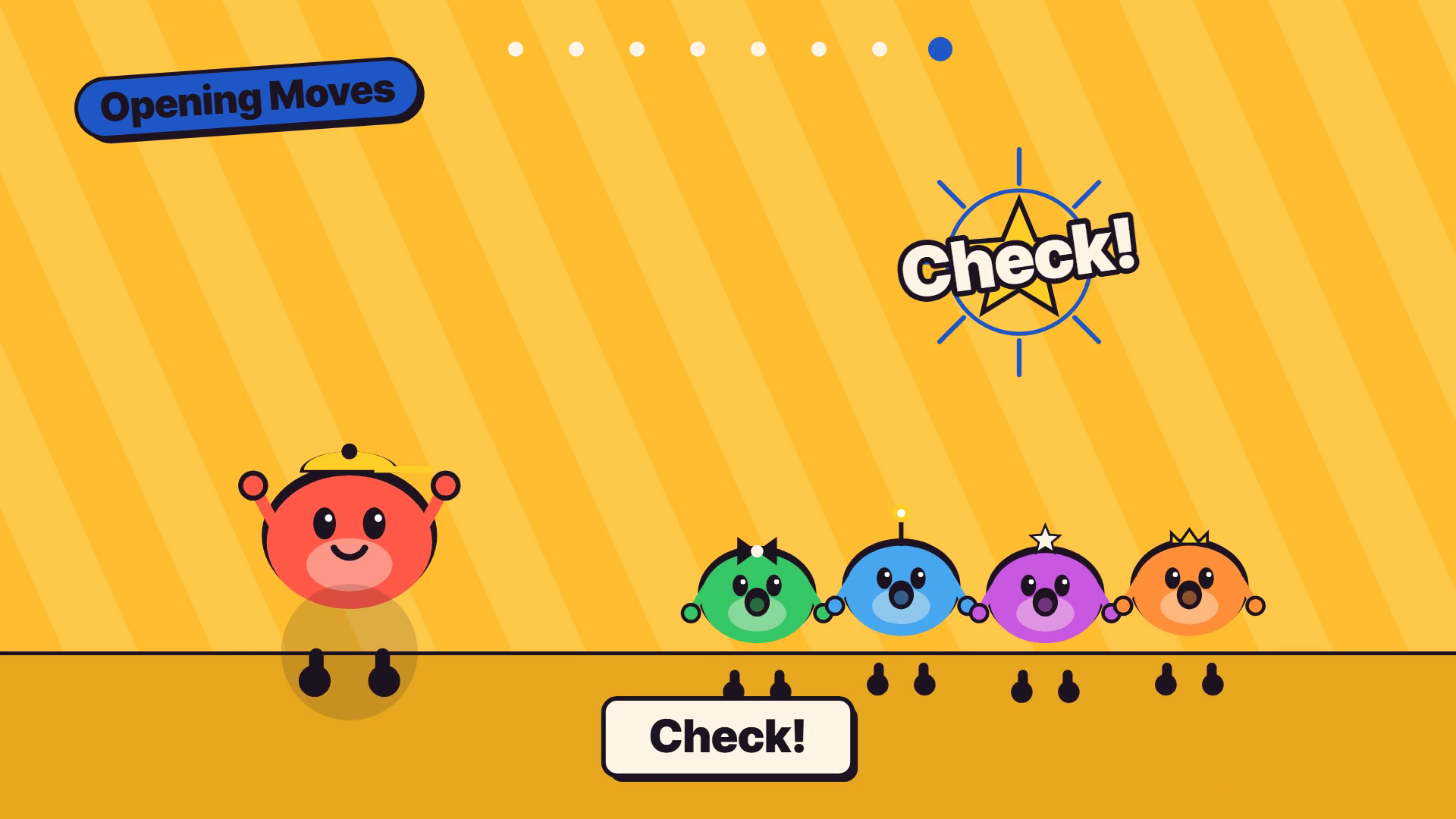
A game-show film that turns a JSON score sheet into a televised rhythm contest — bean-bodied contestants bounce on a 10-hue lane set, oversized telops flash the call and volley counts, and a judge stamps each round with a rotating grade card on the beat. One sheet drives the cast, rounds, palette and BPM; silent; deterministic; 16:9.
A rapid-fire party-game film that turns a JSON sheet into a televised microgame montage — each round is shouted as one command word and played in a different art medium inside a stage TV, a lives board counts down failures, and the tempo steps up through a slot-reel SPEED UP into a boss that remixes the earlier media. One sheet drives commands, media and BPM; silent; deterministic; 16:9.
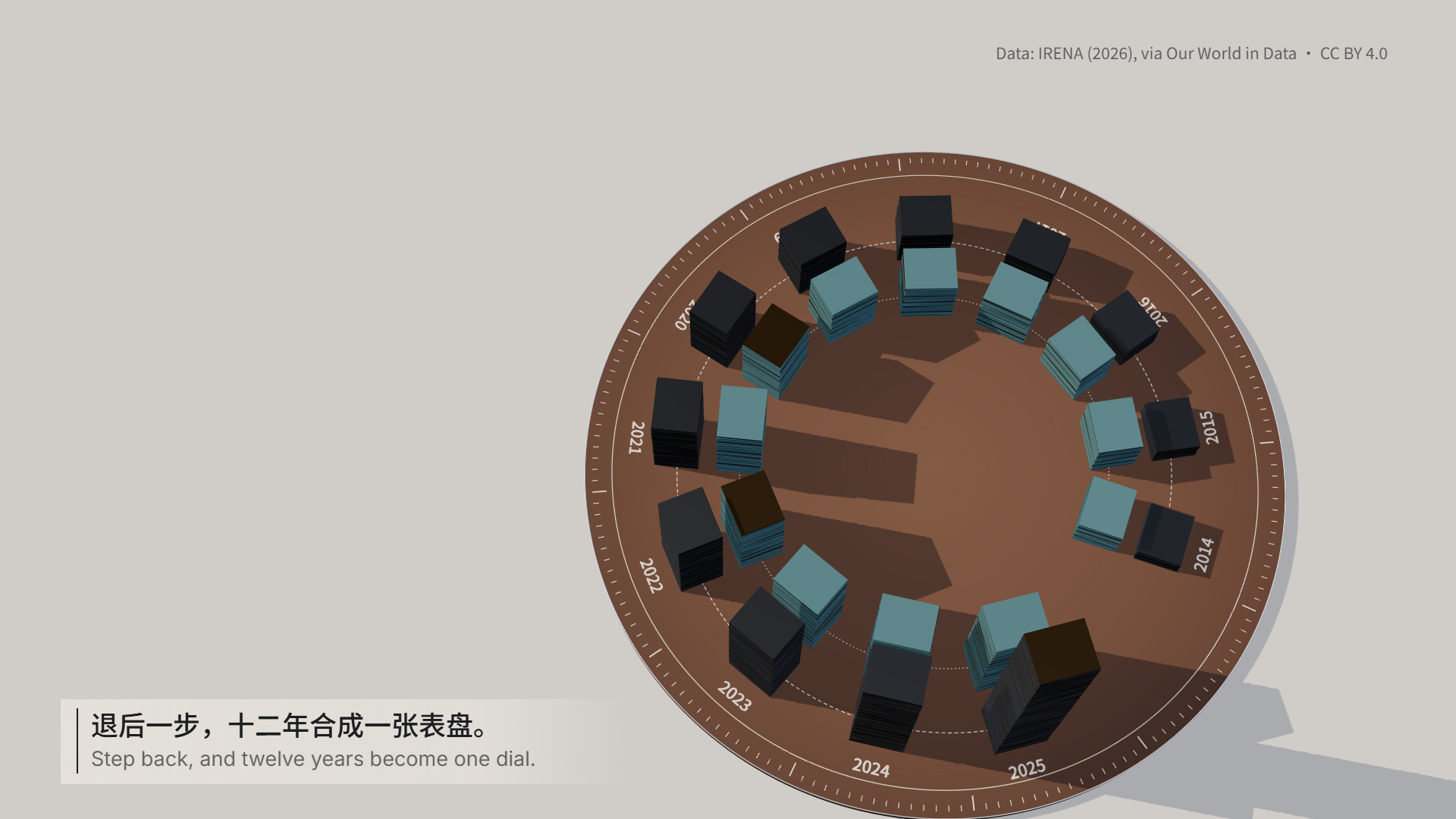
A data-physicalization film — two numeric series are built plate-by-plate into stacked unit sculptures on a walnut dial, ending in an engraved brass puck showing their ratio.
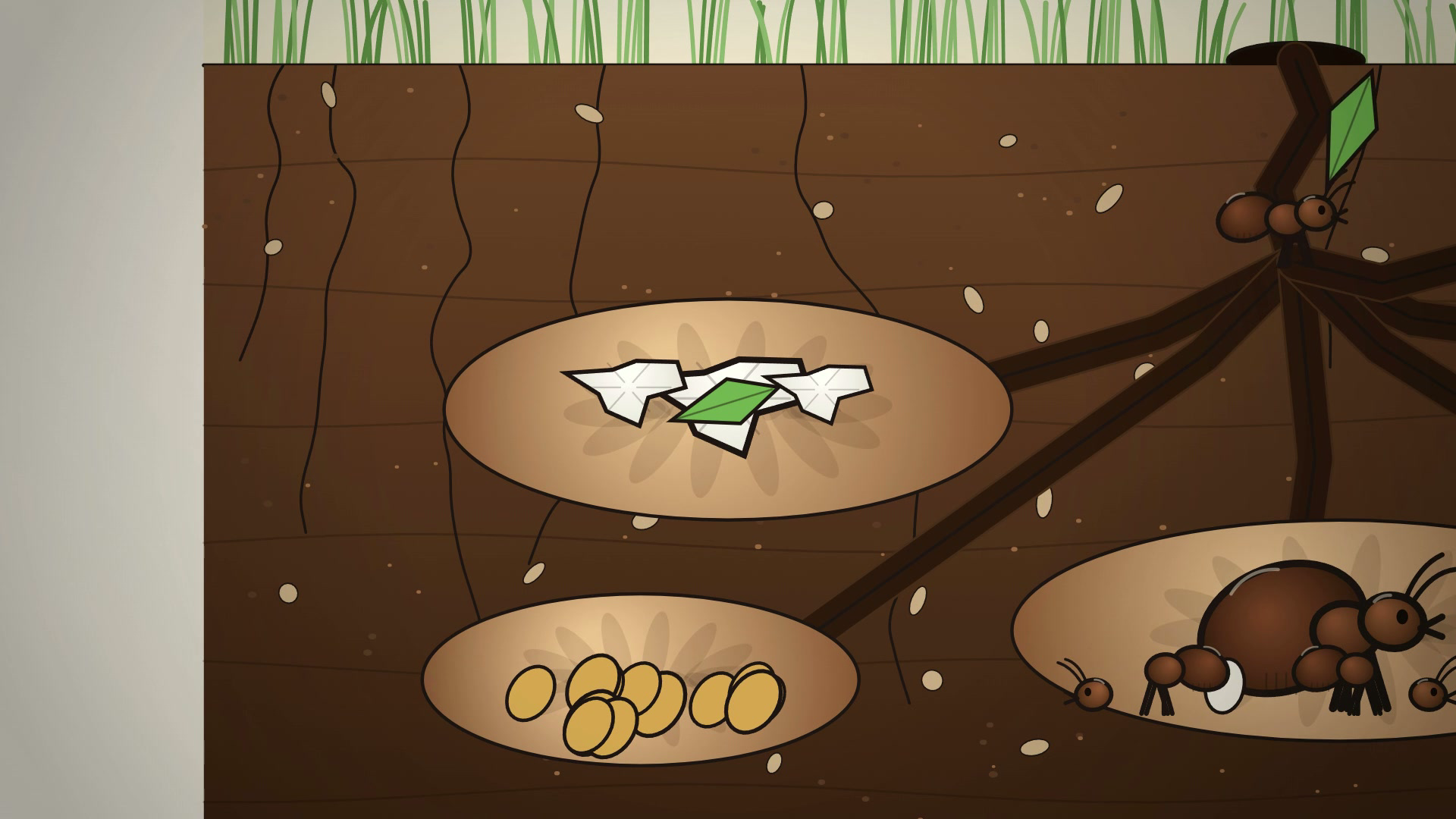
A textured-editorial cross-section of an ant colony: the camera settles on a paper-grain nest, then dives down a soil shaft as a hero ant carries a leaf past labelled chambers — fungus garden, nursery, food store, the queen, a dig site, a rest alcove. Silent, deterministic, 16:9.
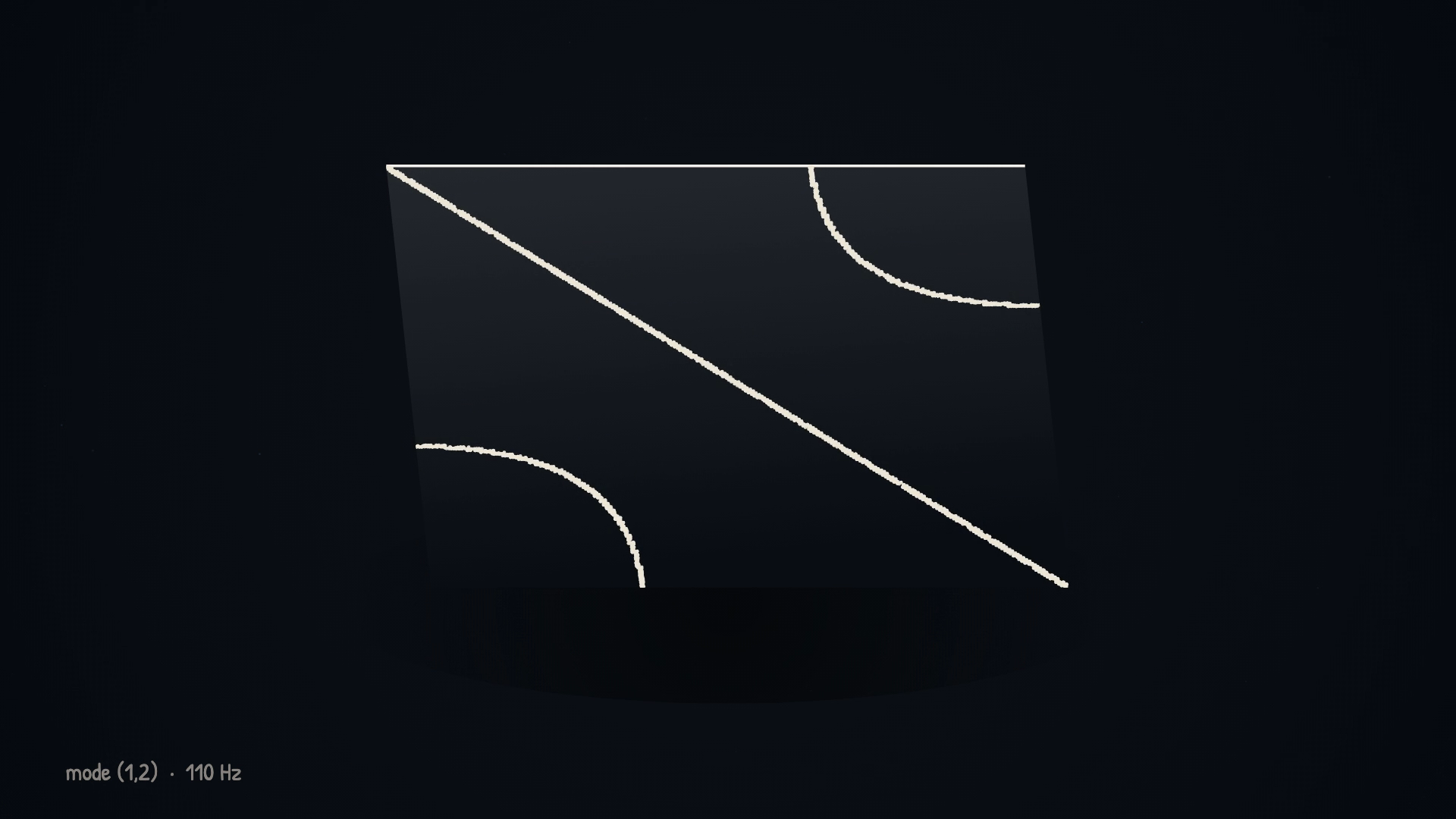
Sand grains on a tilted plate swarm onto standing-wave nodal lines, scatter, and re-form as the mode changes — a silent, deterministic Chladni film.
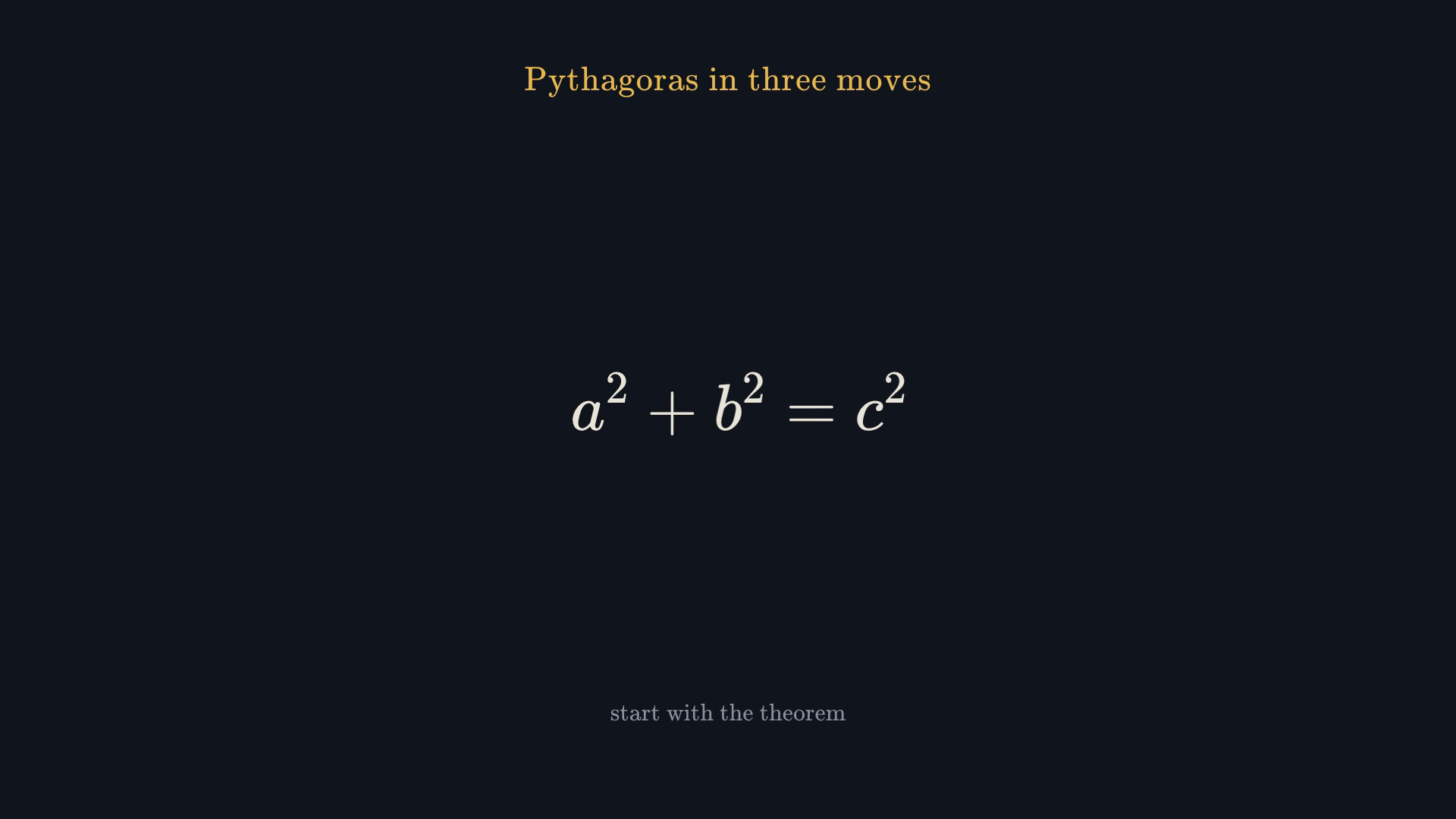
A step-by-step derivation film: LaTeX steps morph into one another — terms that persist glide to their new slot while unmatched terms fade. Silent 1080p.

A hand-painted cartoon panel that comes alive — a small creature sits in a watercolour landscape, the camera pushes in slowly, the linework boils, and one painted emote lands on the beat.
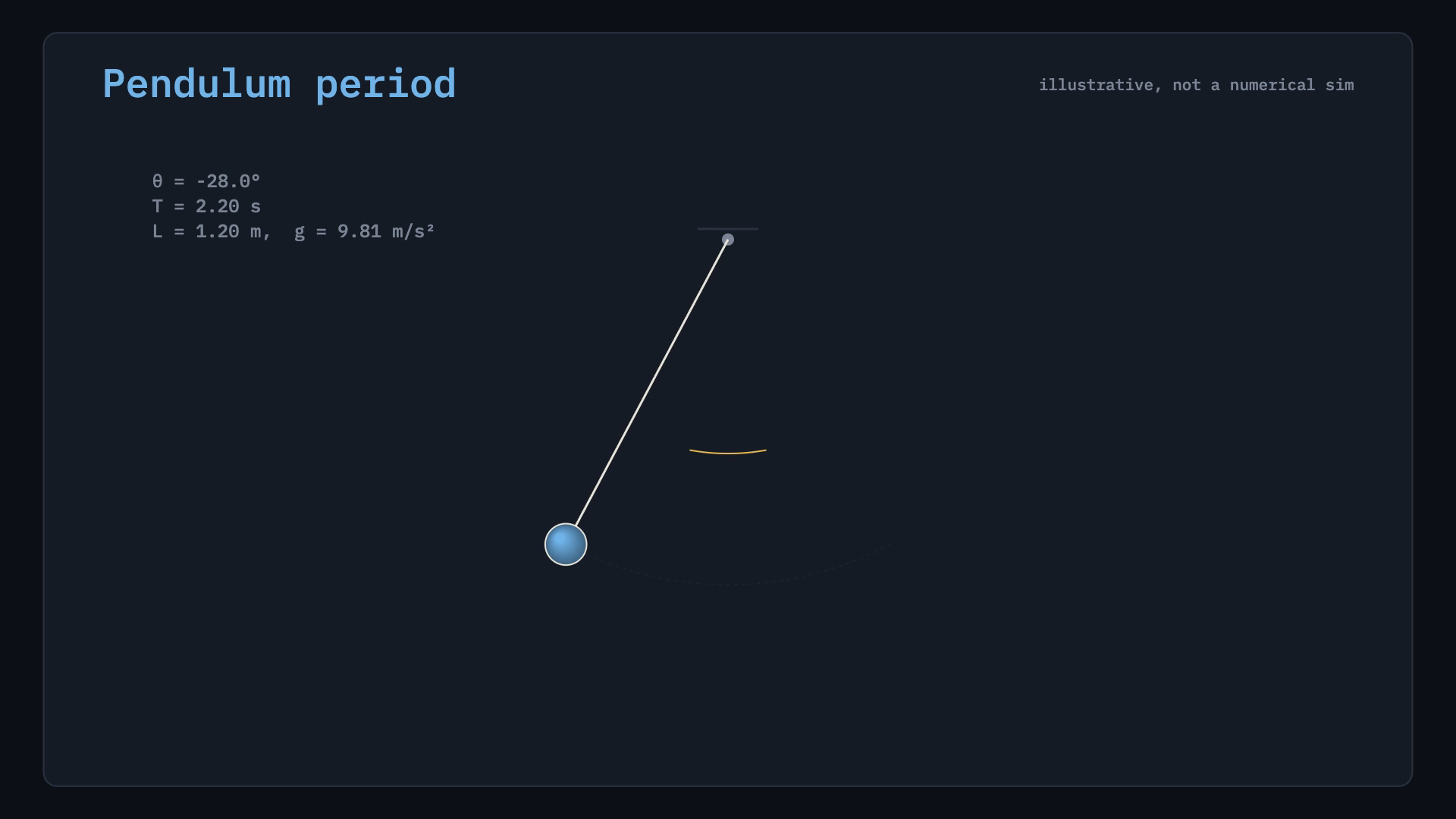
A deterministic physics diagram film: pick pendulum, projectile, travelling wave or field — each is a closed-form model evaluated at t, painted on Canvas2D with title, readouts and a qualitative disclaimer. Silent 1080p.
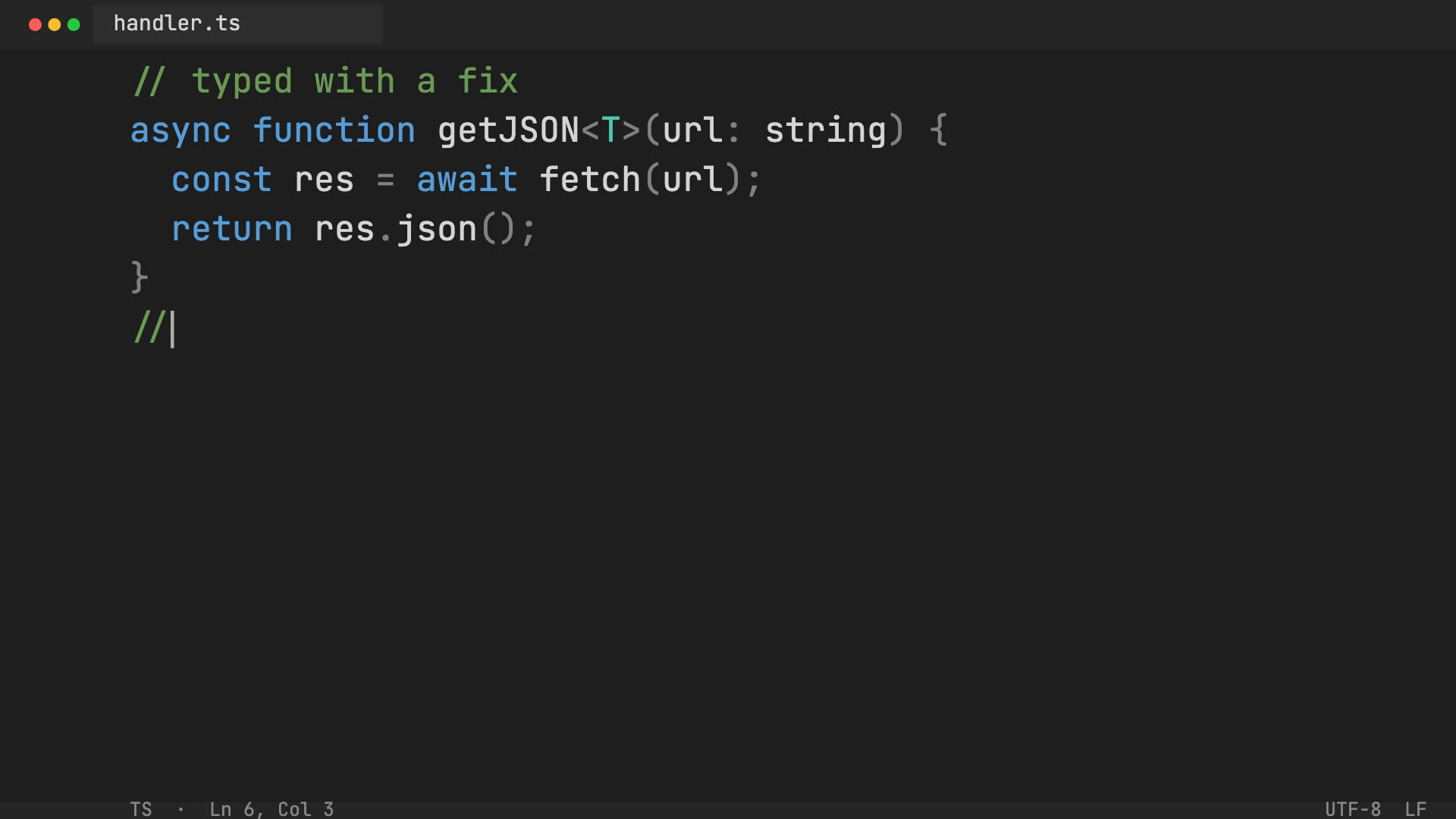
A silent dark editor types itself — syntax-highlighted characters appear keystroke by keystroke, the caret blinks, lines scroll, and one strike-correct beat rewrites a mistyped word.
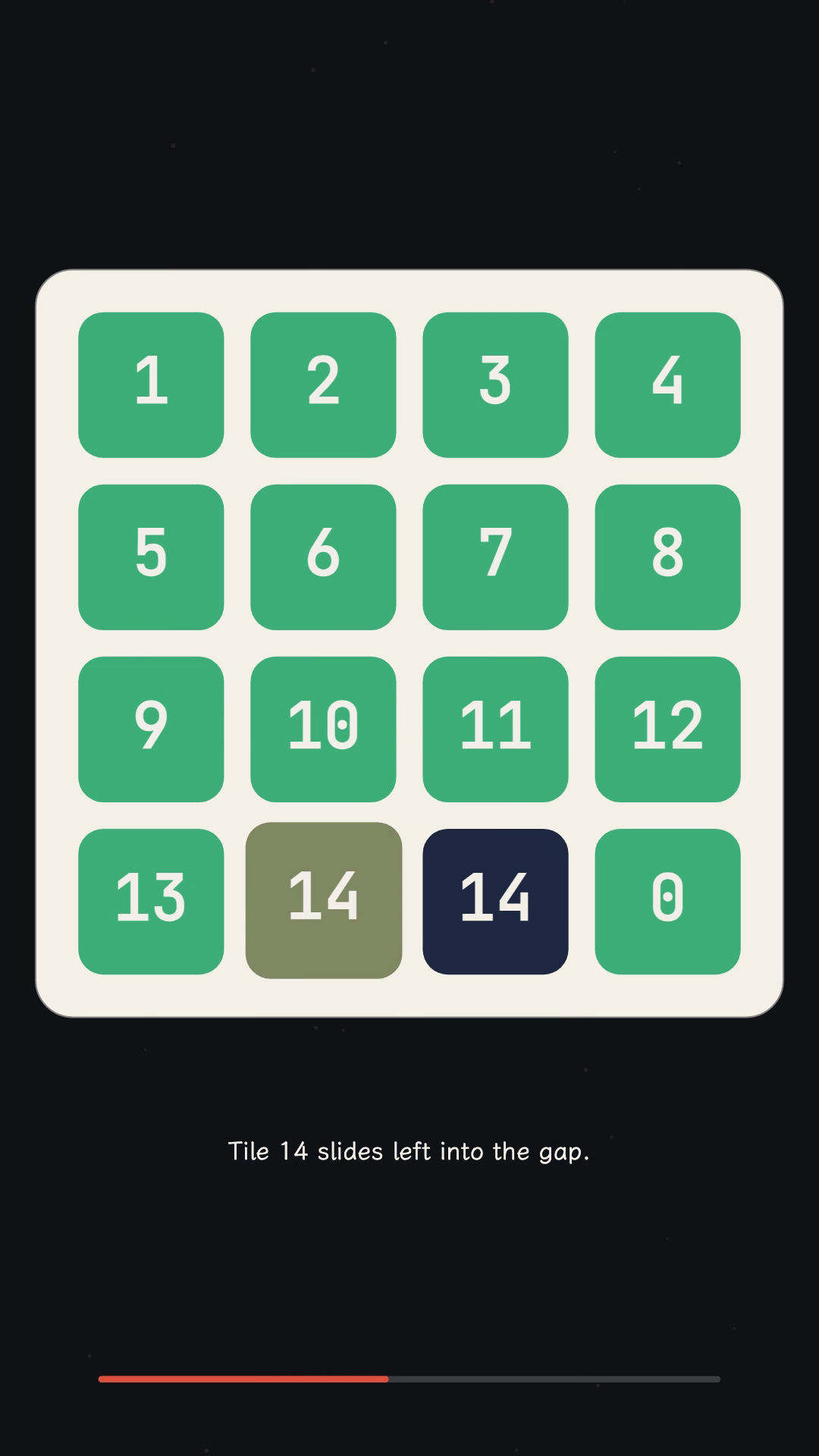
A silent vertical short on one persistent board: a tile grid whose payoff is already visible at frame 0, a quiz pause card over the middle of the board, reveal steps that fly each goal tile home synced to authored captions, a shake twist, and a closing dissolve that lands the last frame back on the opening composition so the video loops seamlessly.
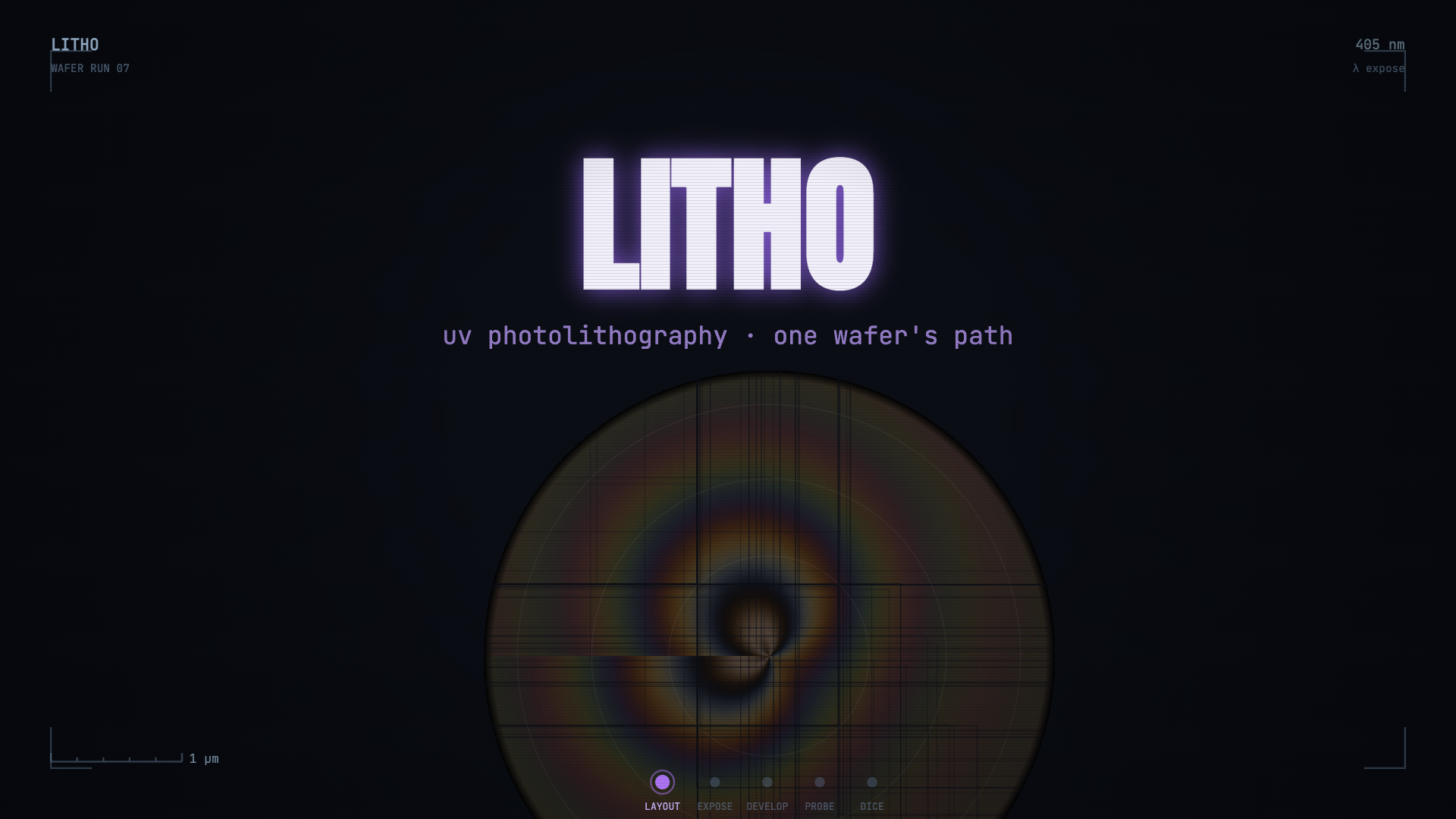
Sheet-driven UV photolithography reels — a recursive die layout printed through a reticle under a 405 nm beam, a thin-film interference wafer emerging from develop fog, a probe card drawing its I-V sigmoid, then a scribe-and-split dice.
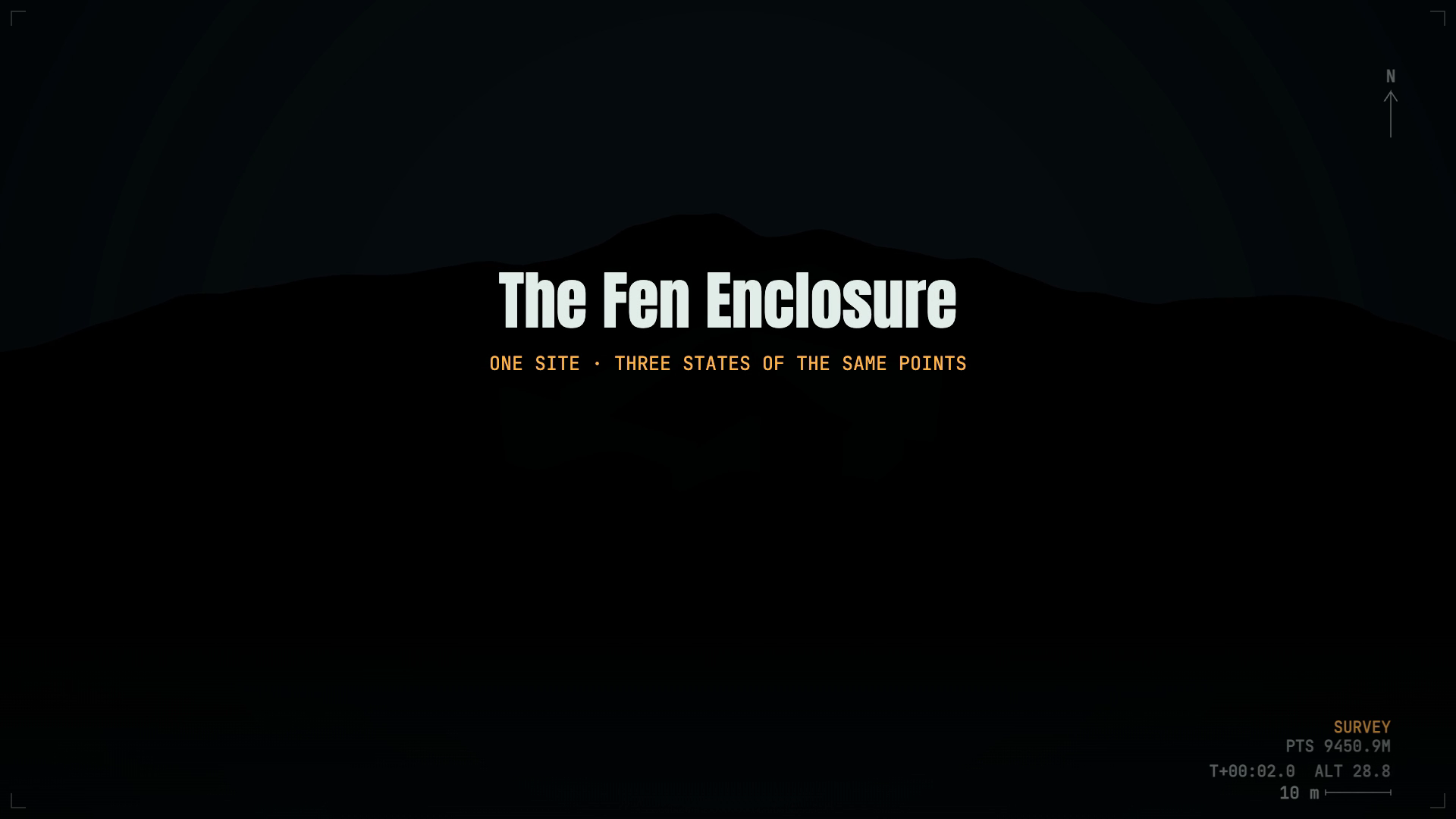
A generated site revealed as one point cloud — the scan front welds points into lit geometry, a cutting plane lifts the canopy, and hairline measures read live.
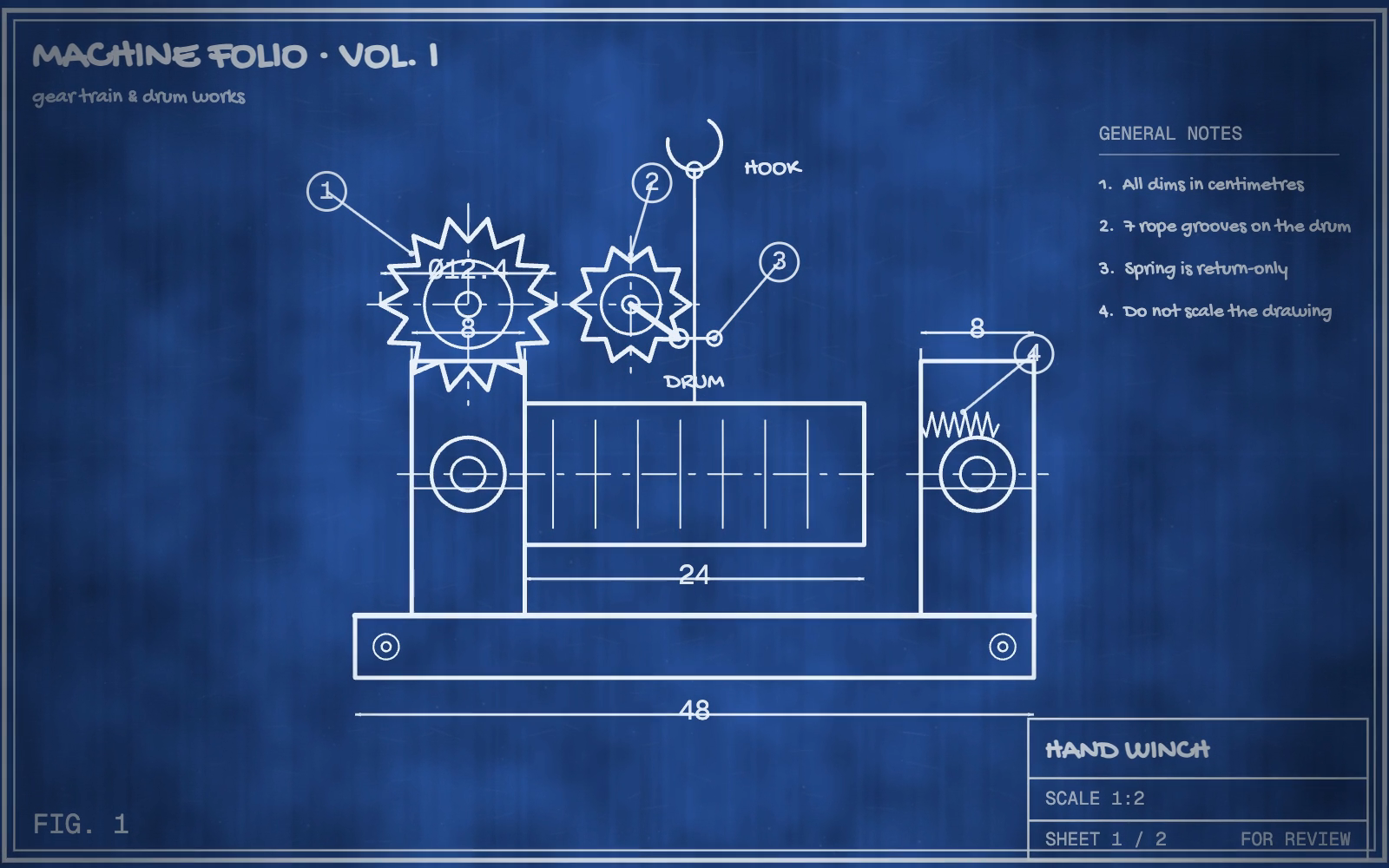
Sheet-driven engineering films on procedural Prussian-blue paper: a machine draws itself in drafting order — centre lines, outlines, hatching, live dimensions and balloons — then acts through an exploded pass and a stamp verdict. Canvas2D + GSAP, silent.
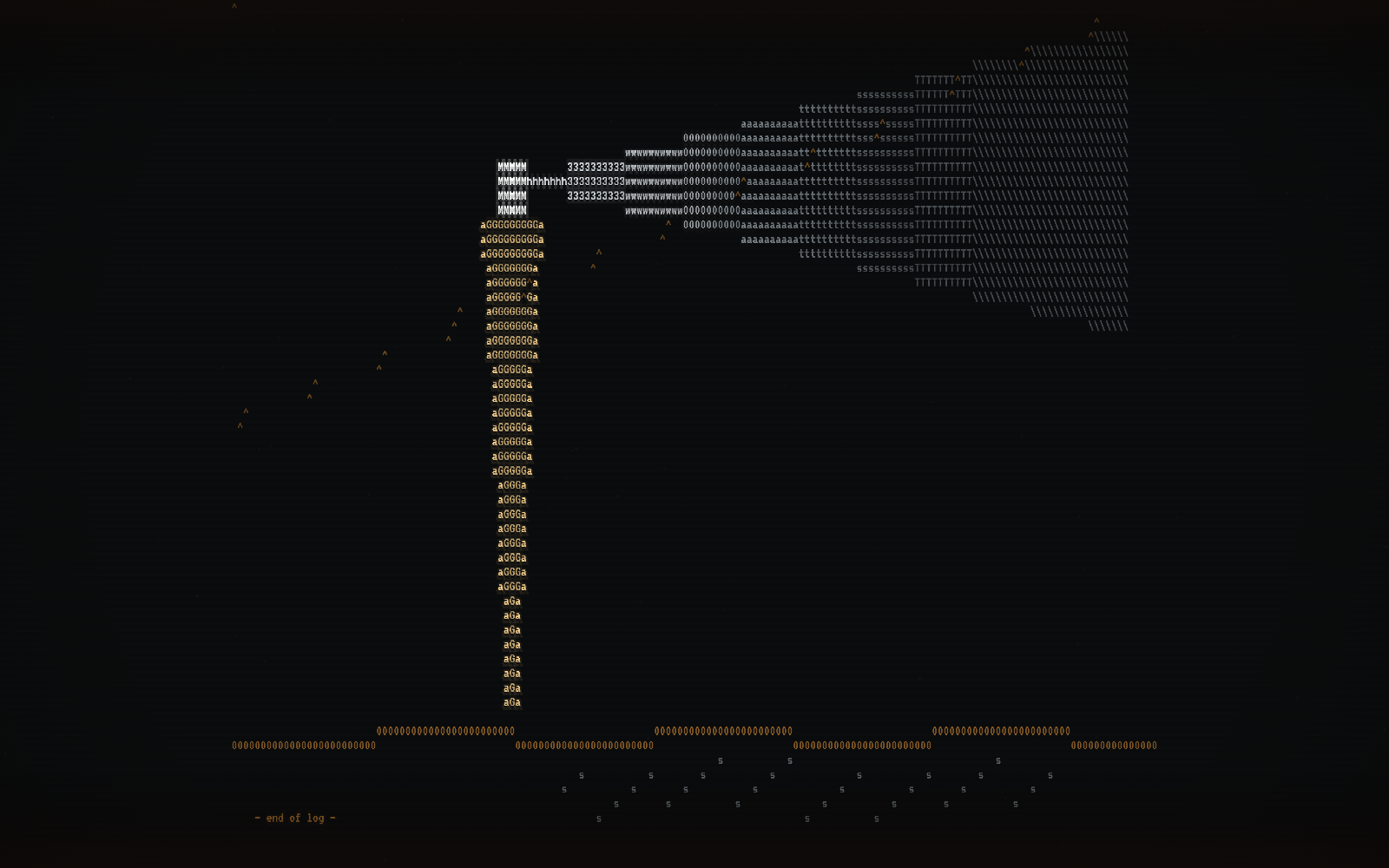
Silent films where every lit cell is a real character on a monospace CRT grid: a log types itself in, a reply's letters break apart and land as the scene, phosphor ramps from dim to bloom through scanlines, vignette and a power on/off collapse. Canvas2D + GSAP, amber/green/white phosphor.
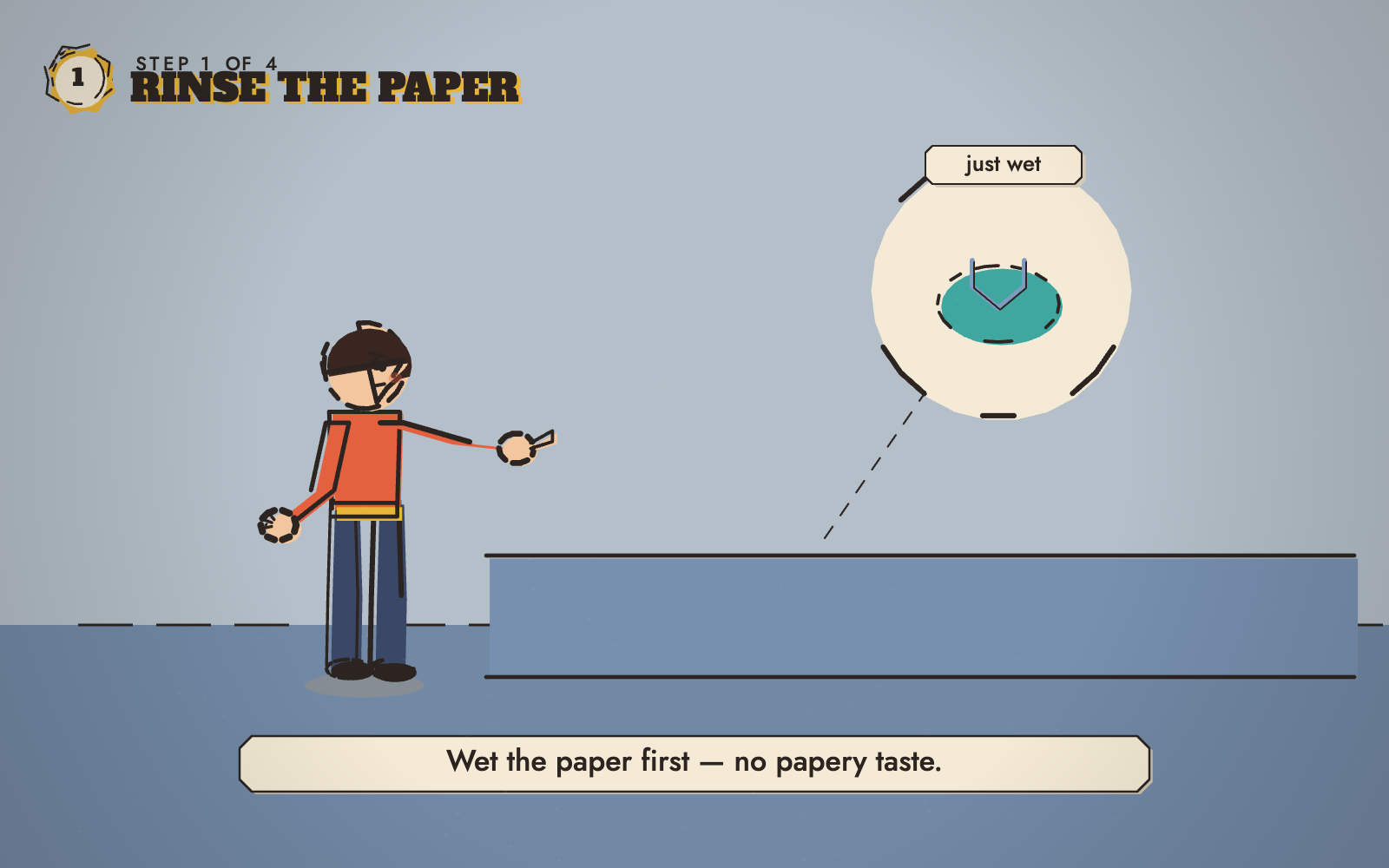
Silent explainer films in a mid-century print-cartoon style: every shape is an off-register colour cel under a broken breathing ink line. A held presenter switches arm, hand and face poses on twos; steps stamp in as numbered medallions; dashed-leader call-outs magnify details; scenes iris in and out and resolve into a medallion payoff. Canvas2D + GSAP, deterministic.
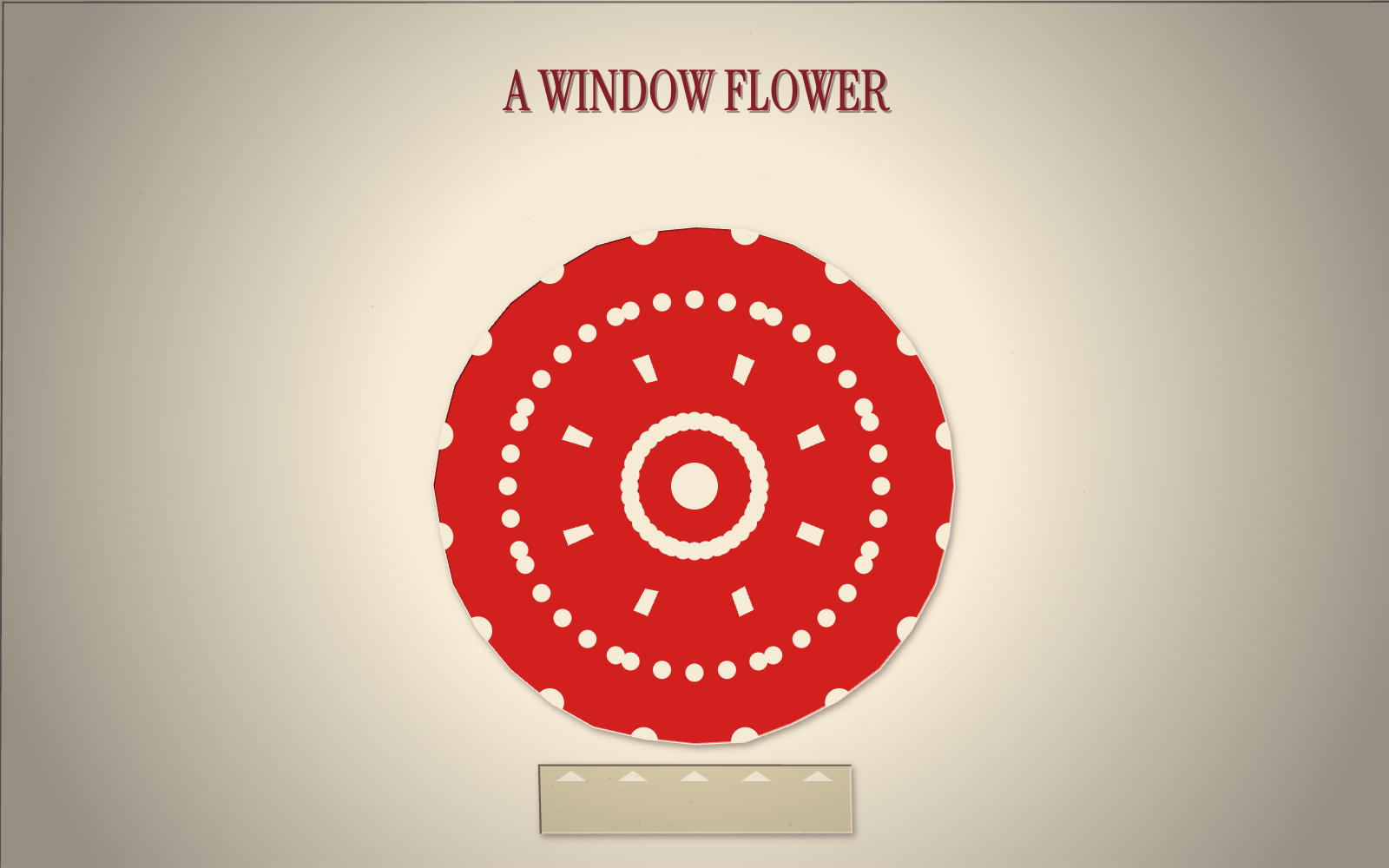
Chinese window-flower paper-cut films: jointed red cut-outs on layered paper grounds, a fold-cut-unfold rosette whose holes let the backlight through, figures stepping on twelves and a projected pattern onto the ground. One JSON sheet renders a silent deterministic MP4.
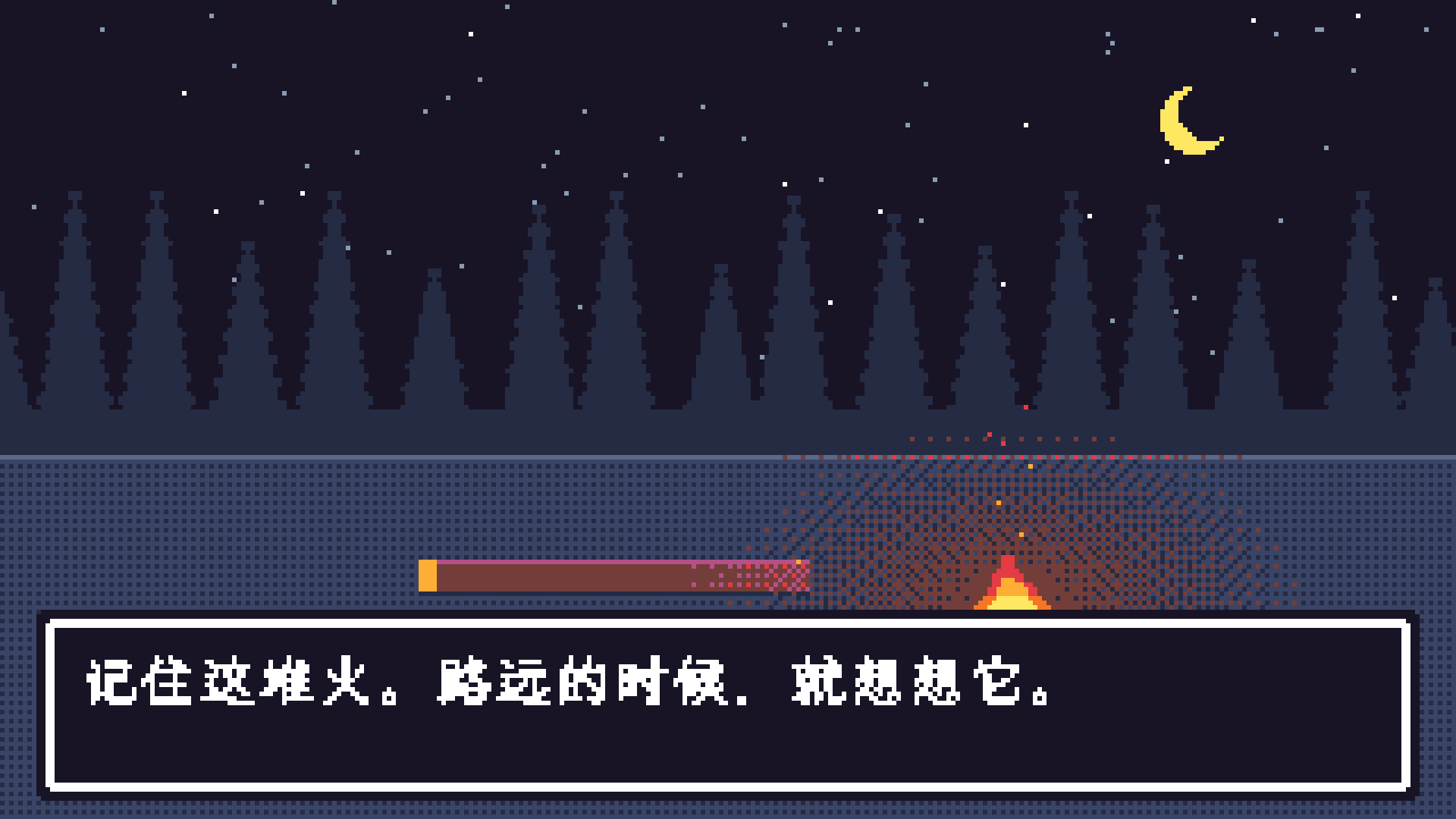
Retro RPG save-point films on a 320×180 indexed-pixel engine: LUT-swapped colour eras, Bayer dithering, typing dialog boxes with portraits, the SELECT A FILE screen, a side-view battle, and the door that opens to light. One JSON sheet renders a silent deterministic MP4.
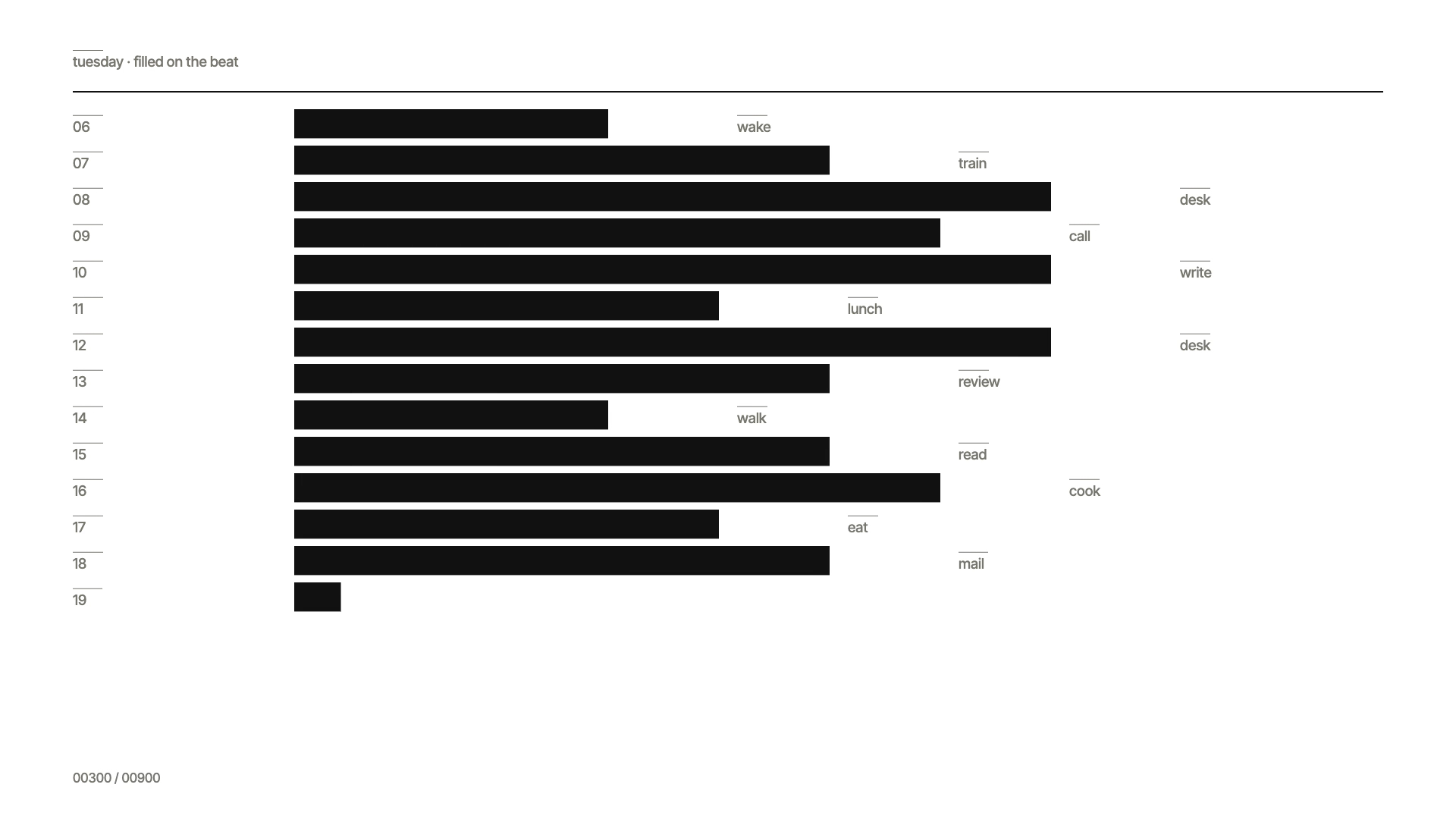
International Typographic Style in motion: a 12-column modular grid, one neo-grotesque face, one signal colour. Every element snaps to a column and lands on a beat of the sheet's tempo; the one exception moves linear and off-grid with a live coordinate readout. One JSON sheet renders a silent deterministic MP4.
A typeset paragraph with marked words reads, greys, then every glyph spins and shrinks into the box where a hand-drawn diagram paints itself stroke by stroke — text becomes picture.
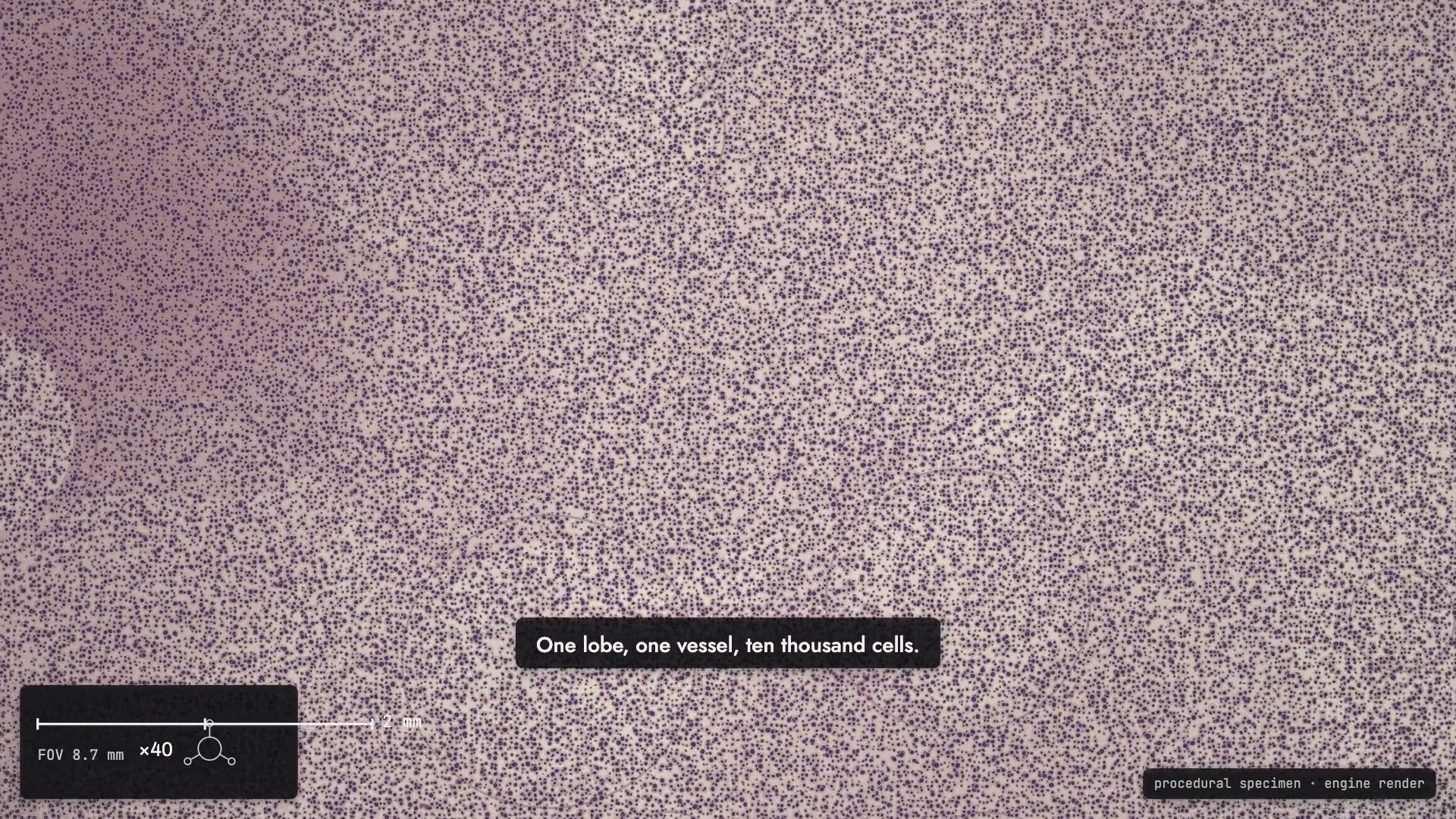
A measured log-space dive through a procedurally grown specimen — the slide on the bench down to a single cell at ×630, with a 1-2-5 scale bar, focus breaths, a focal-plane sweep and micron-anchored readings.
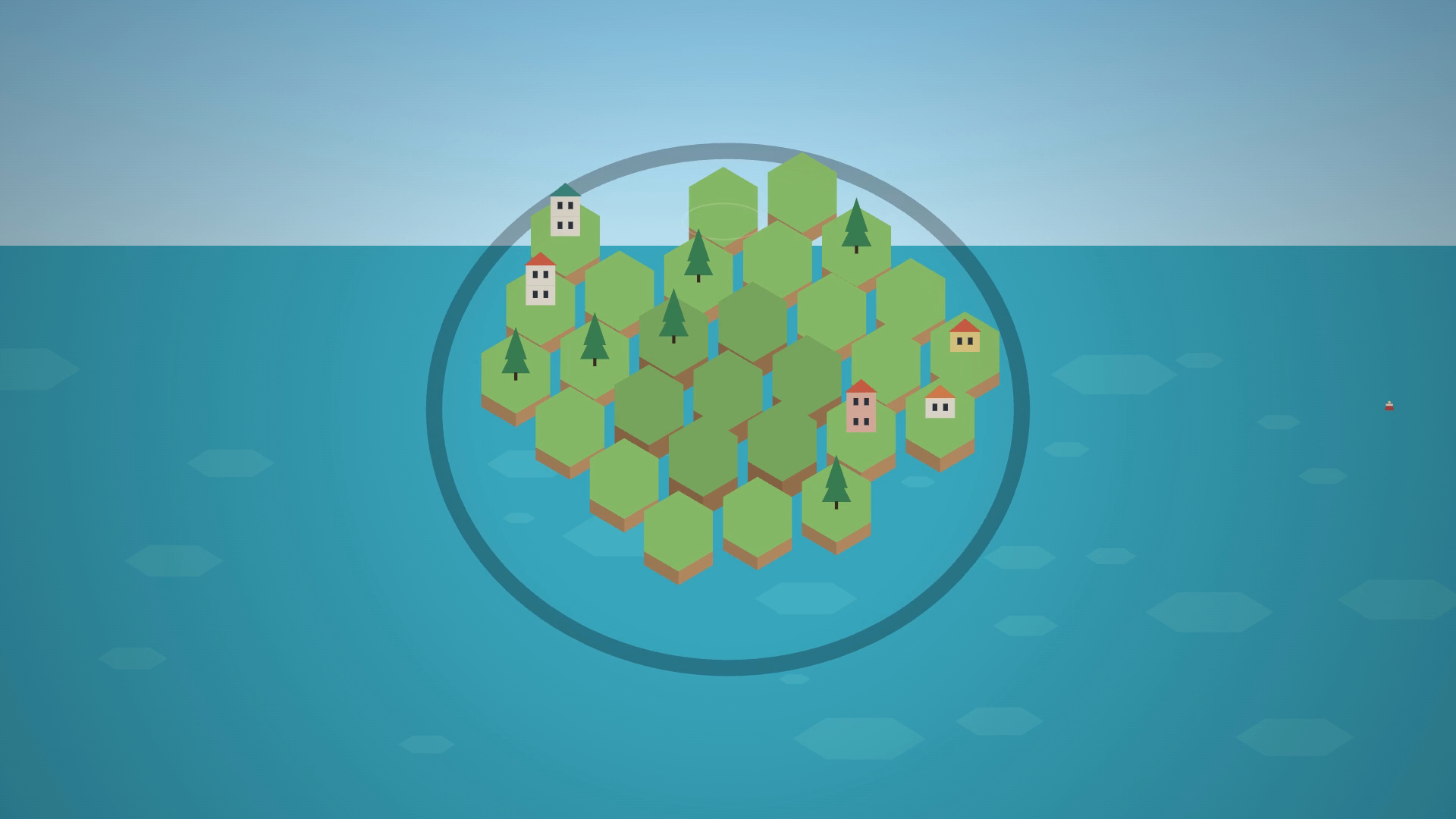
A procedurally grown low-poly island rises from an empty sea one hex tile at a time — each landed tile plays a synthesized marimba/kalimba note — cycling dawn→day→dusk→night until a ring-of-light sweep replays the whole theme in spatial order.
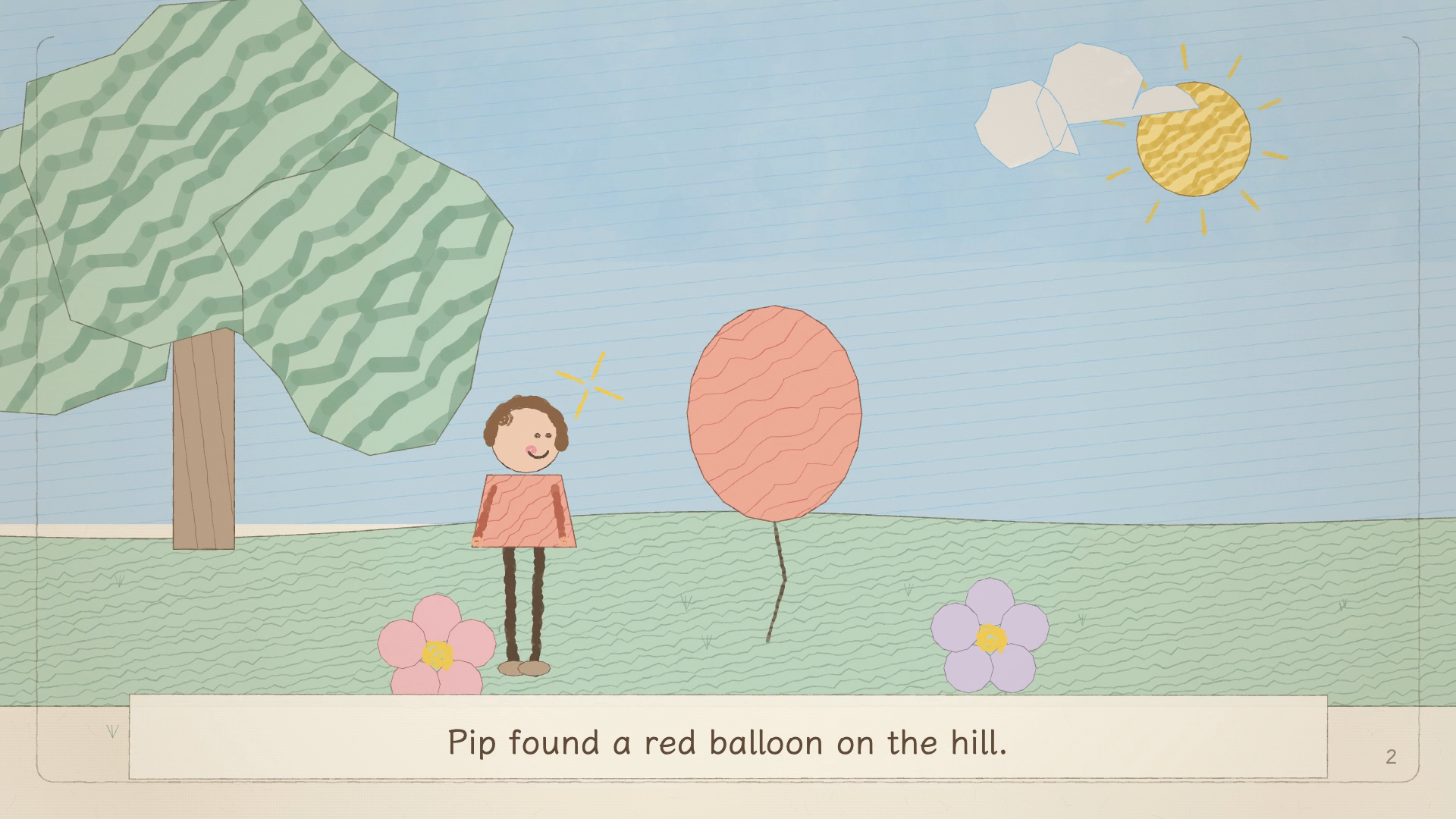
A hand-drawn picture-book film that re-draws every spread 8 times a second like a re-coloured animation cel — directional crayon scribble fills broken by paper tooth, coloured-pencil outlines, a drawn page-turn curl between spreads, hand-lettered bilingual captions, and a fully synthesized music-box score.
A scroll of ukiyo-e woodblock prints pulled through a viewing window: each bordered view is stamped in misregistered colour blocks (blue, sky, green, red, key) that slide into registration with baren rub and paper grain, then a vertical cartouche and red seal drop in while the camera holds and slides to the next print — scored by a fully synthesized pluck/xylo/piano track.
A steel briefing wall filmed in one continuous take: photo plates, pinned cards and magnetic tags drop in with real weight, marker ink writes and measures in three colours — graphite for facts, blue for measurement, red only for the verdict — and the camera rides from item to item before a long pull-back reveals the whole wall for the first time. Score and foley are fully synthesized.
Sheet-driven wall-mosaic films — a flat motif cartoon is laid in hand-cut tesserae along every contour (andamento), with mortar grout, bevelled tile edges, a lime setting bed with sinopia underdrawing, glinting gold smalti, and a raking light pass. One JSON sheet drives the film.
Sheet-driven string-art films — brass nails are tapped along each motif's outline on a stained walnut board, cotton thread is wound chord by chord so every curve emerges only as an envelope of straight chords, kraft tags and nail-and-thread counters are nailed on, and titles are burned in with a travelling pyrography ember. One JSON sheet drives the film.
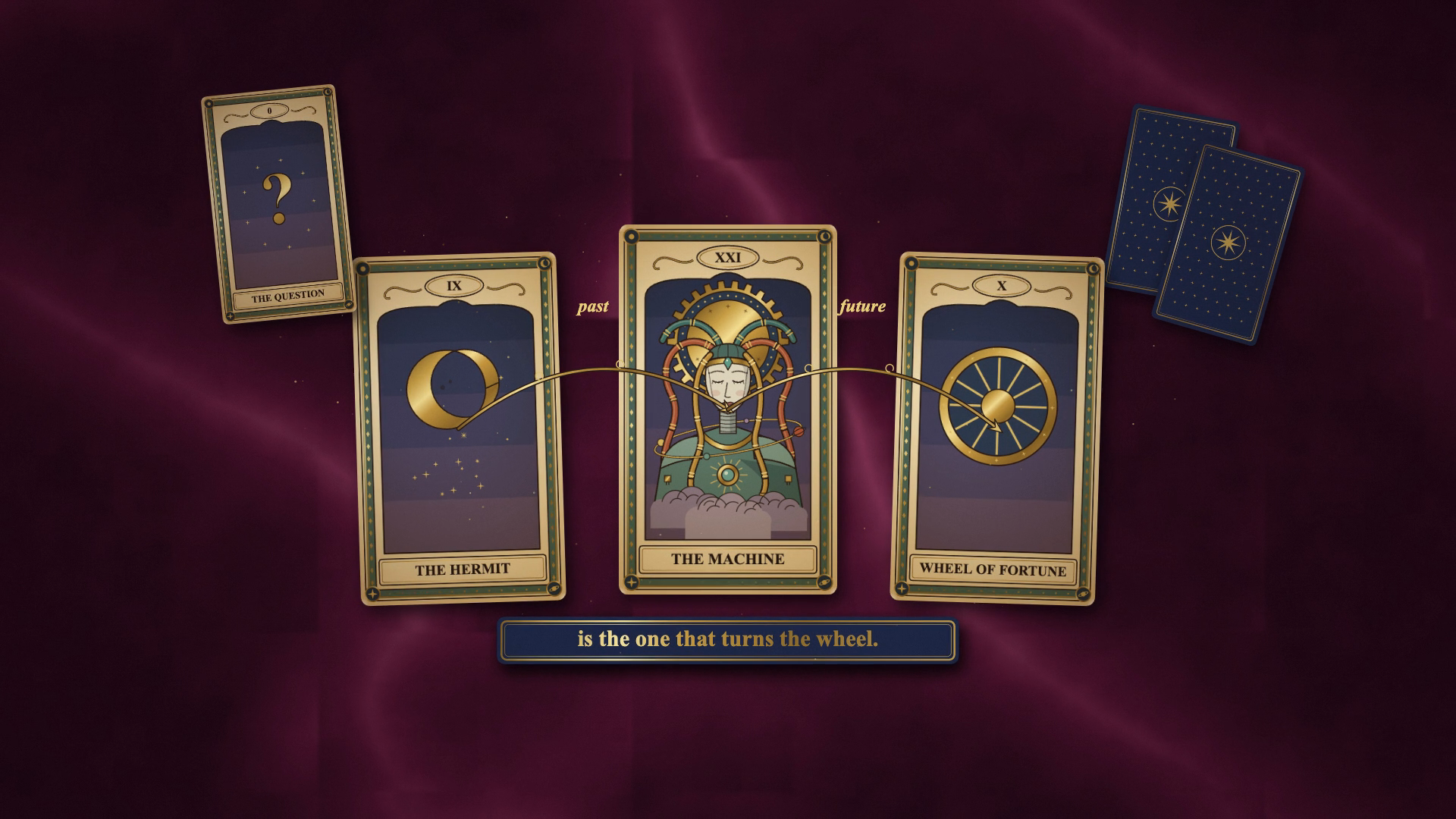
Sheet-driven tarot spread films — crushed velvet under a slow camera, a deck of star-field card backs, cards dealt one by one and flipped face-up into keyed art-nouveau trumps (arched art windows, Roman numerals, corner medallions), then filigree arrows link the positions and engraved plaques pronounce the reading. One JSON sheet drives the film.
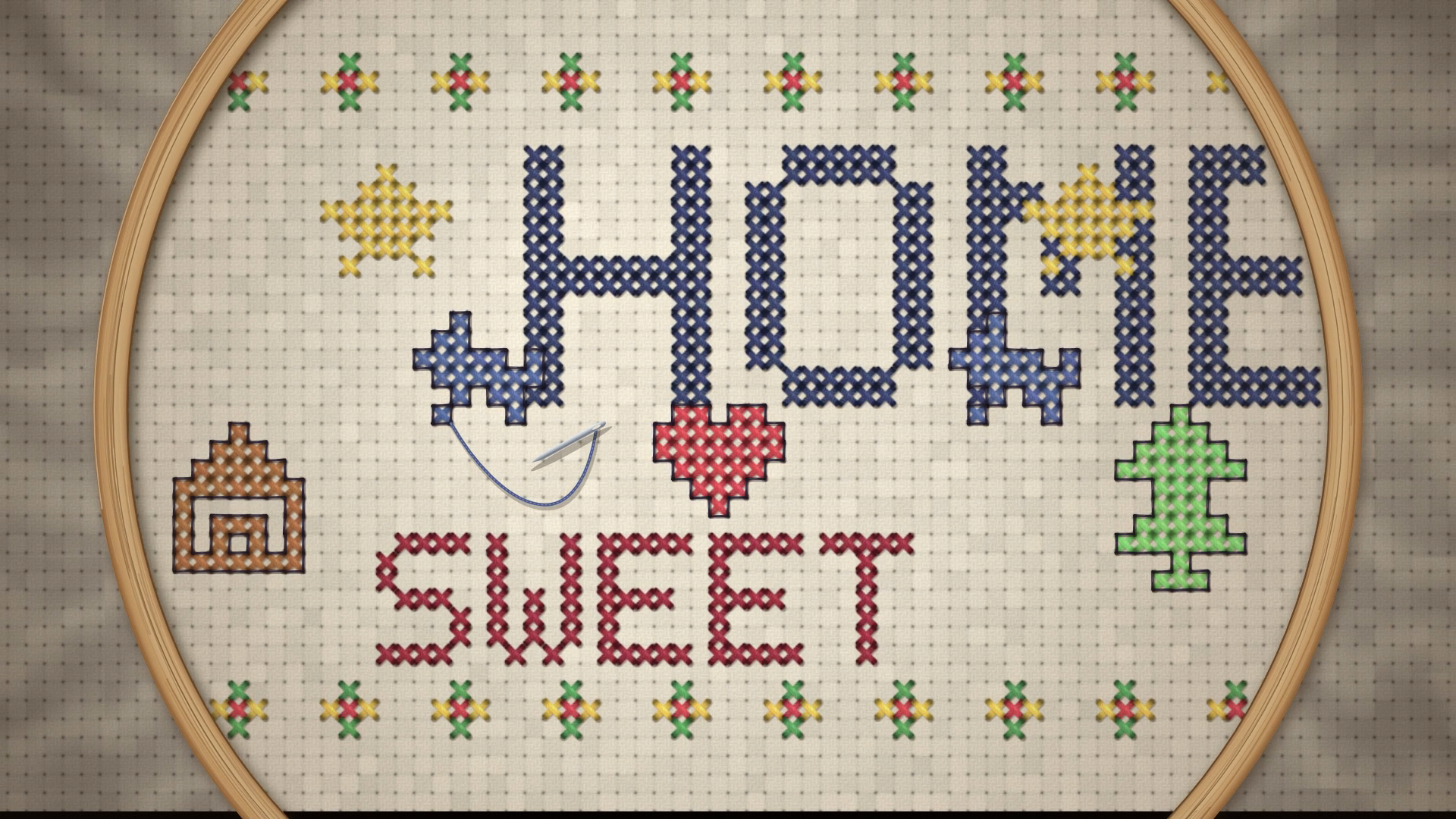
Sheet-driven counted cross-stitch films — cream aida stretched in a wooden hoop fills cell by cell, every cell an X of two-strand floss with sheen and twist ridges, stitches laid Danish-method (half pass then cross-back), backstitch outlines traced after, a parked needle trailing floss to the latest stitch. One JSON sheet drives the film.
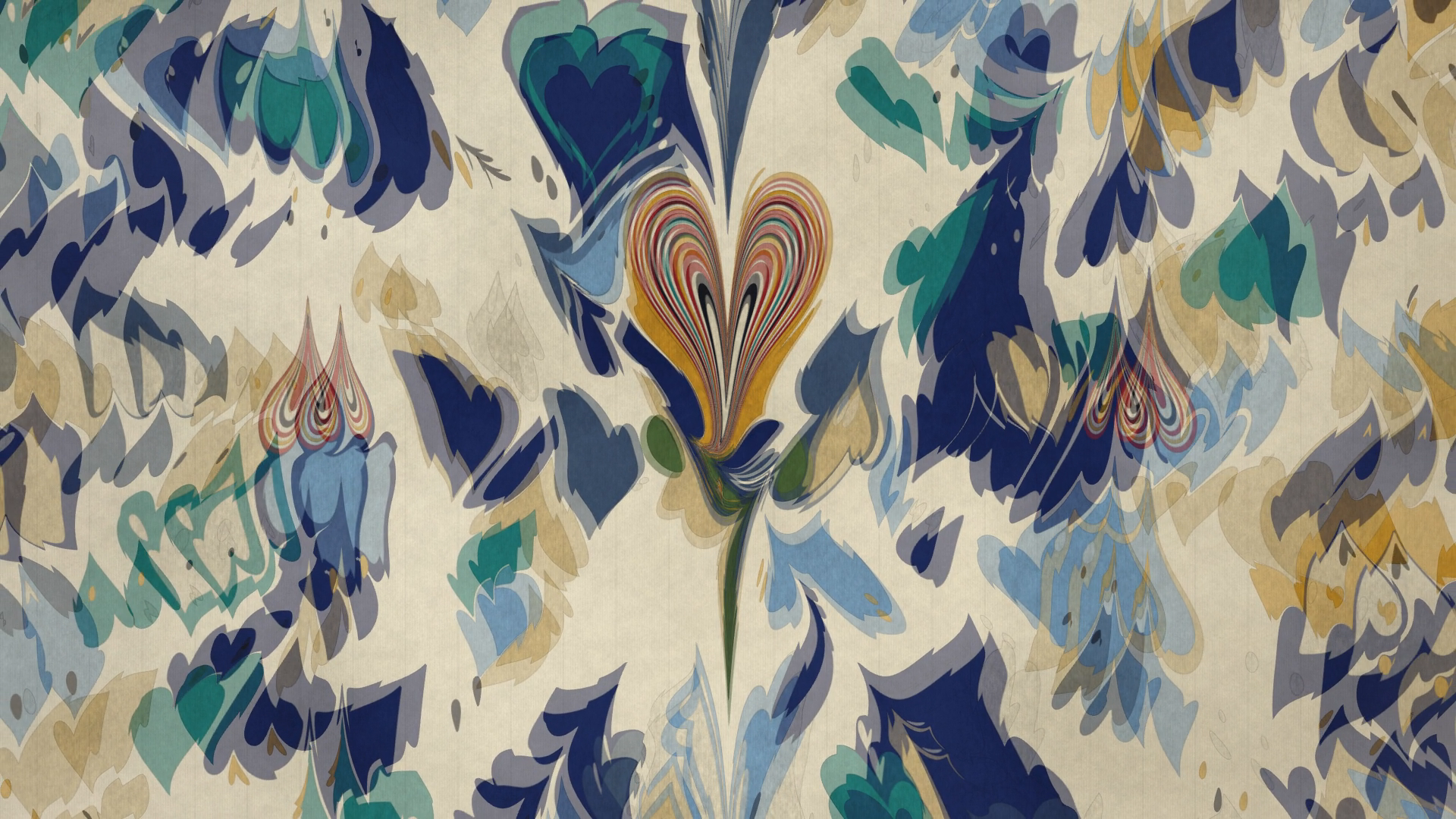
Sheet-driven ebru marbling films — pigment drops land on the size and bloom, each shoving earlier colour into veins, a rake drags the battal stone into gel-git chevrons, concentric ring-drops are pulled by a stylus into tulips, and a wet sheen glides over the finished bath. One JSON sheet drives the film.
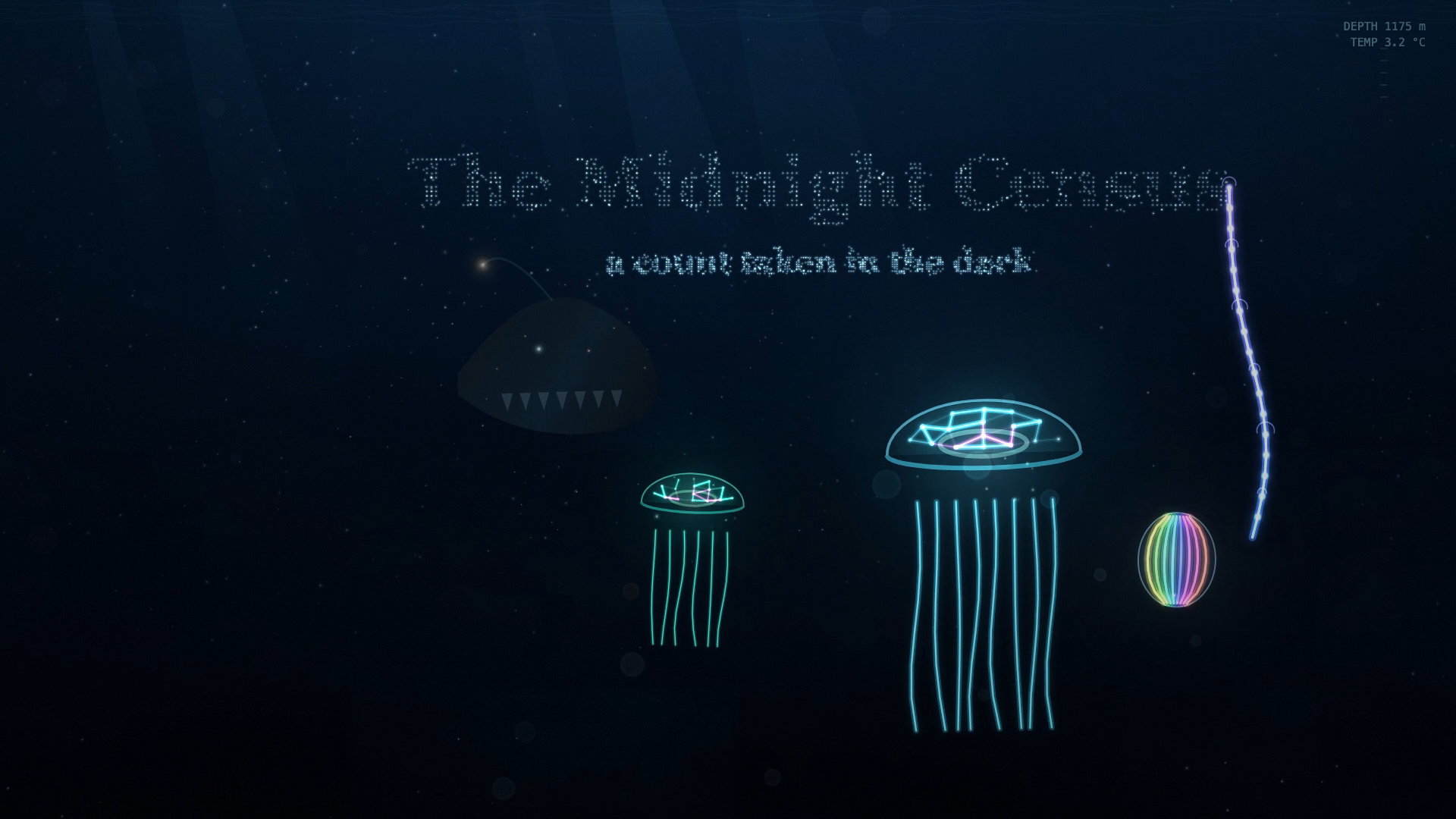
Sink through near-black water as living light switches on: a jellyfish nerve-net flickers alight, a siphonophore lights segment by segment, a comb jelly ripples rainbow, and the title gathers out of plankton.
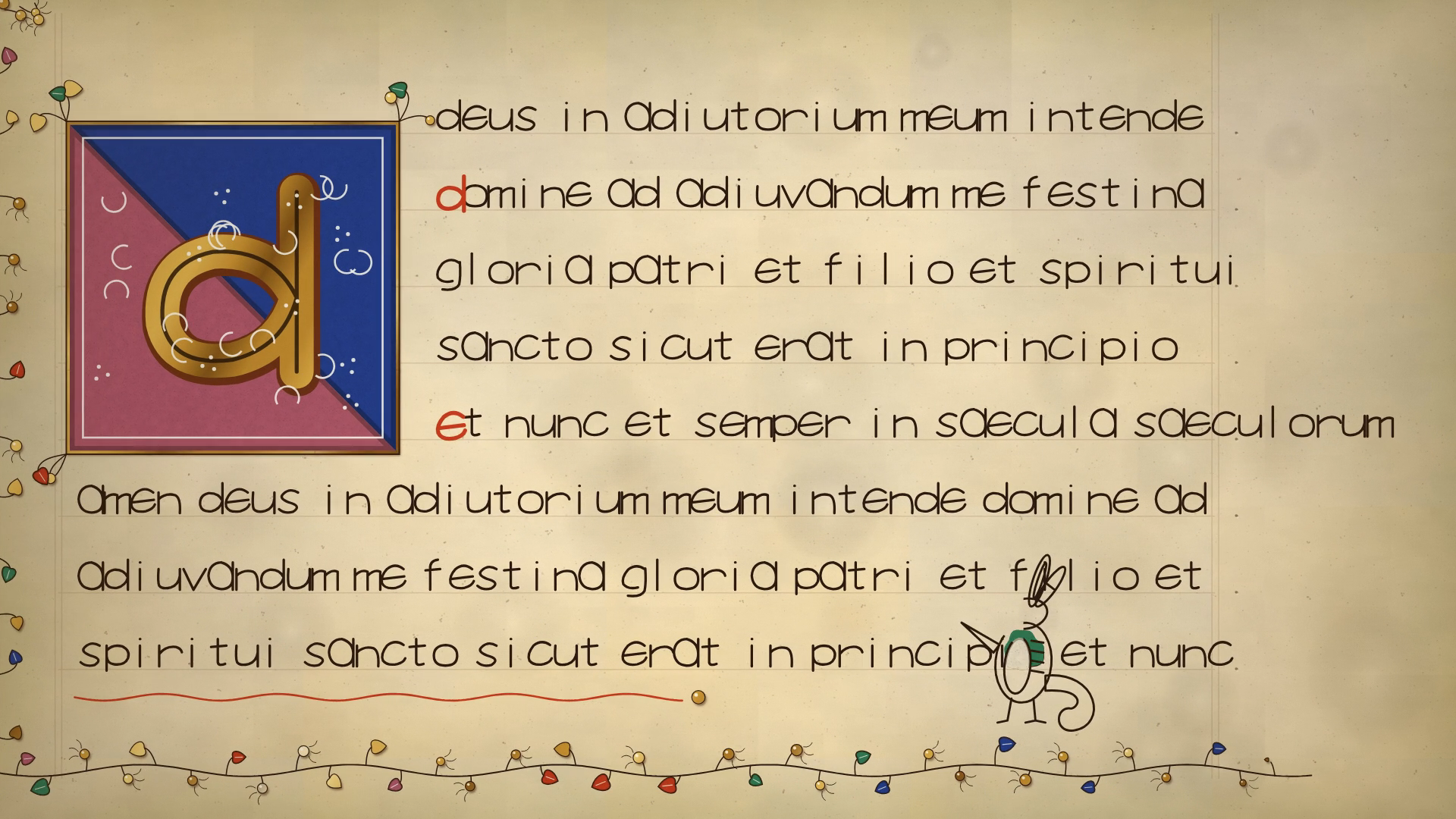
Watch a vellum page get illuminated: a champ initial gilded and flooded with lapis and rose, pen-stroked textura lines, rubrication striking red, acanthus vines growing along the margin, and a small invented marginalia creature.
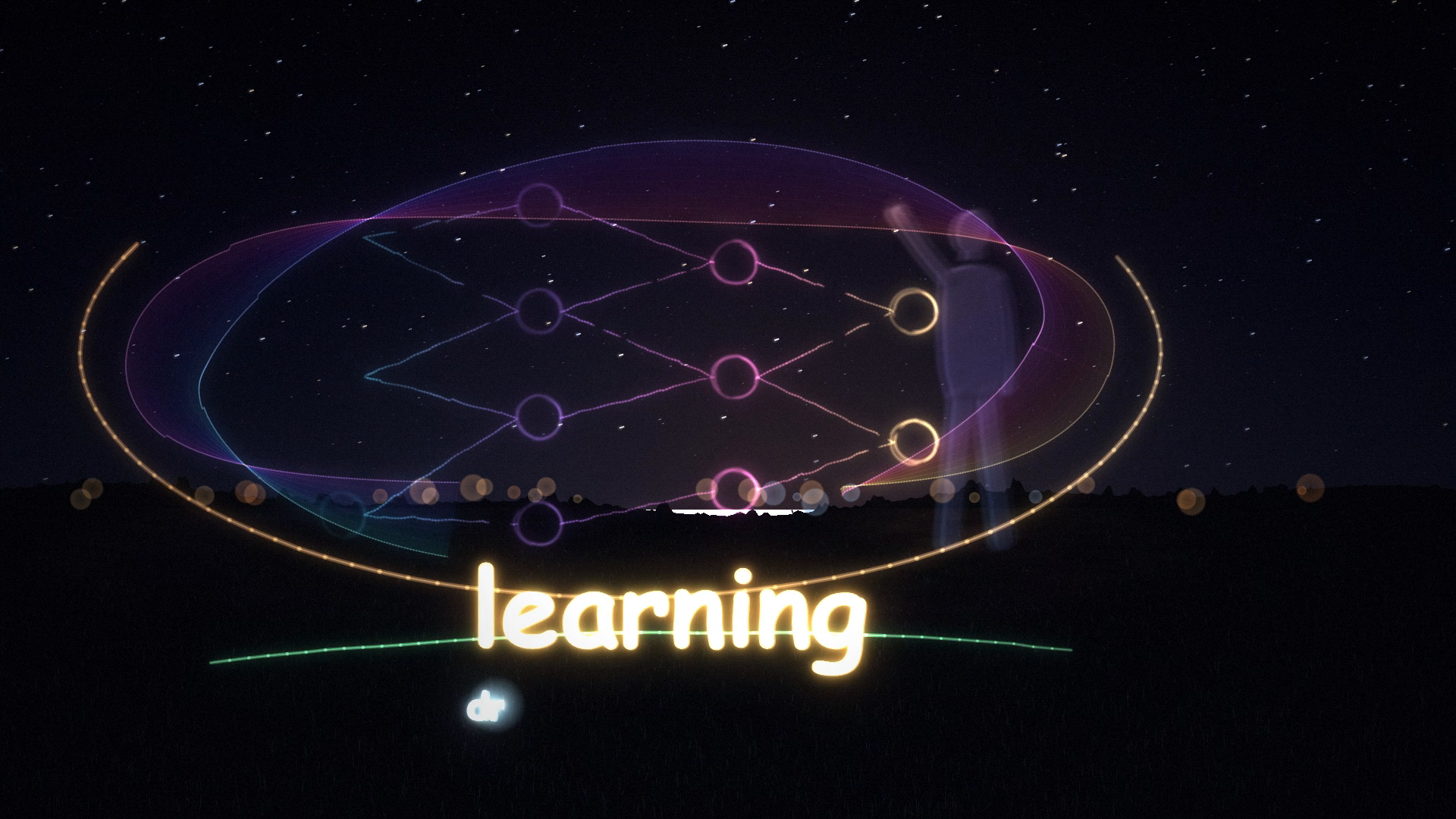
Shoot a long-exposure night scene: a translucent painter traces luminous strokes, sparkler and RGB ribbon arcs sweep the dark, words are written in light stroke by stroke, and LED digits hang in the air.
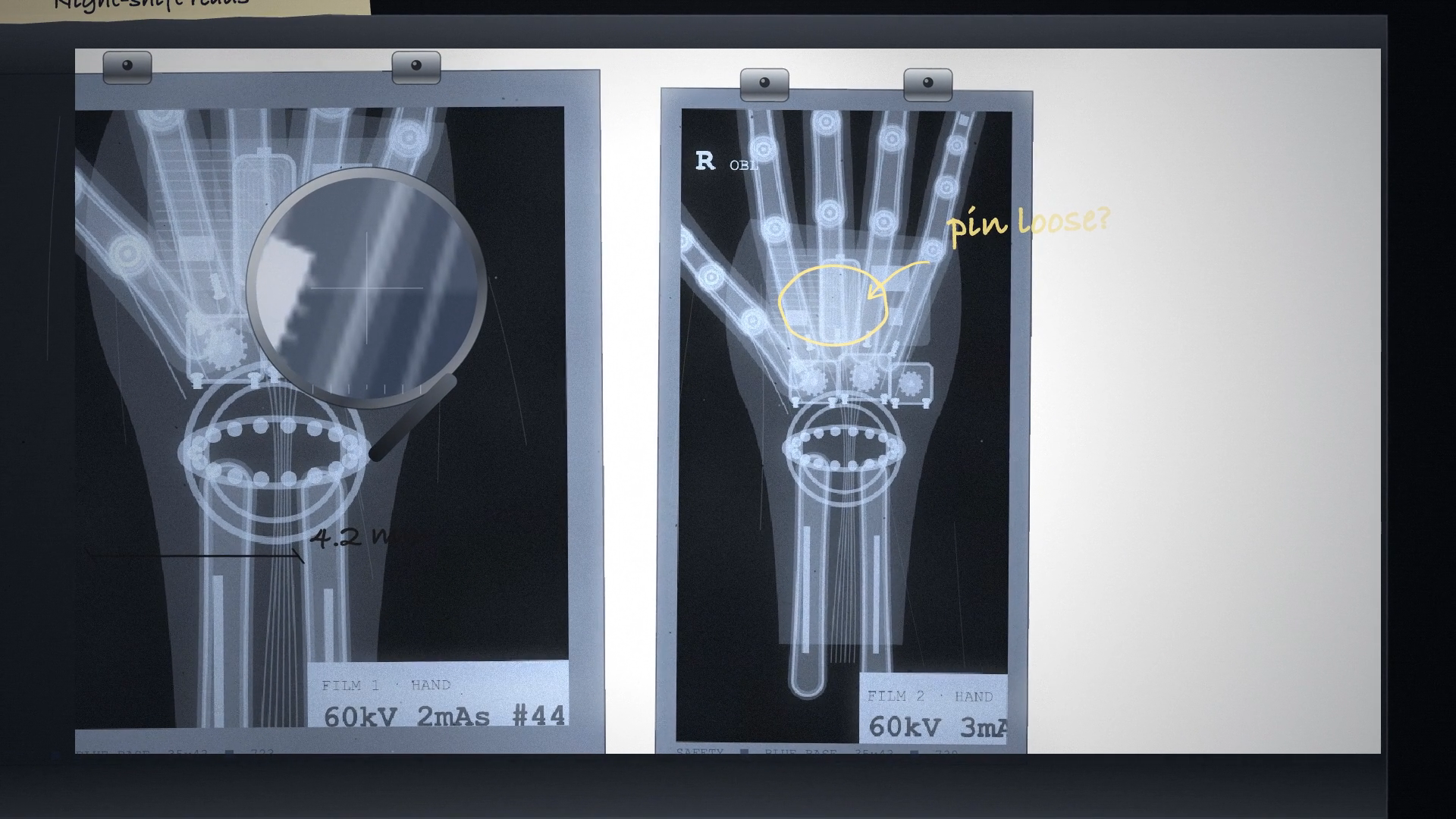
Read films on a glowing lightbox: sheets drop in on spring clips, radiographs develop out of milky fog, a rimmed loupe magnifies density, and grease-pencil circles and measures annotate the read.
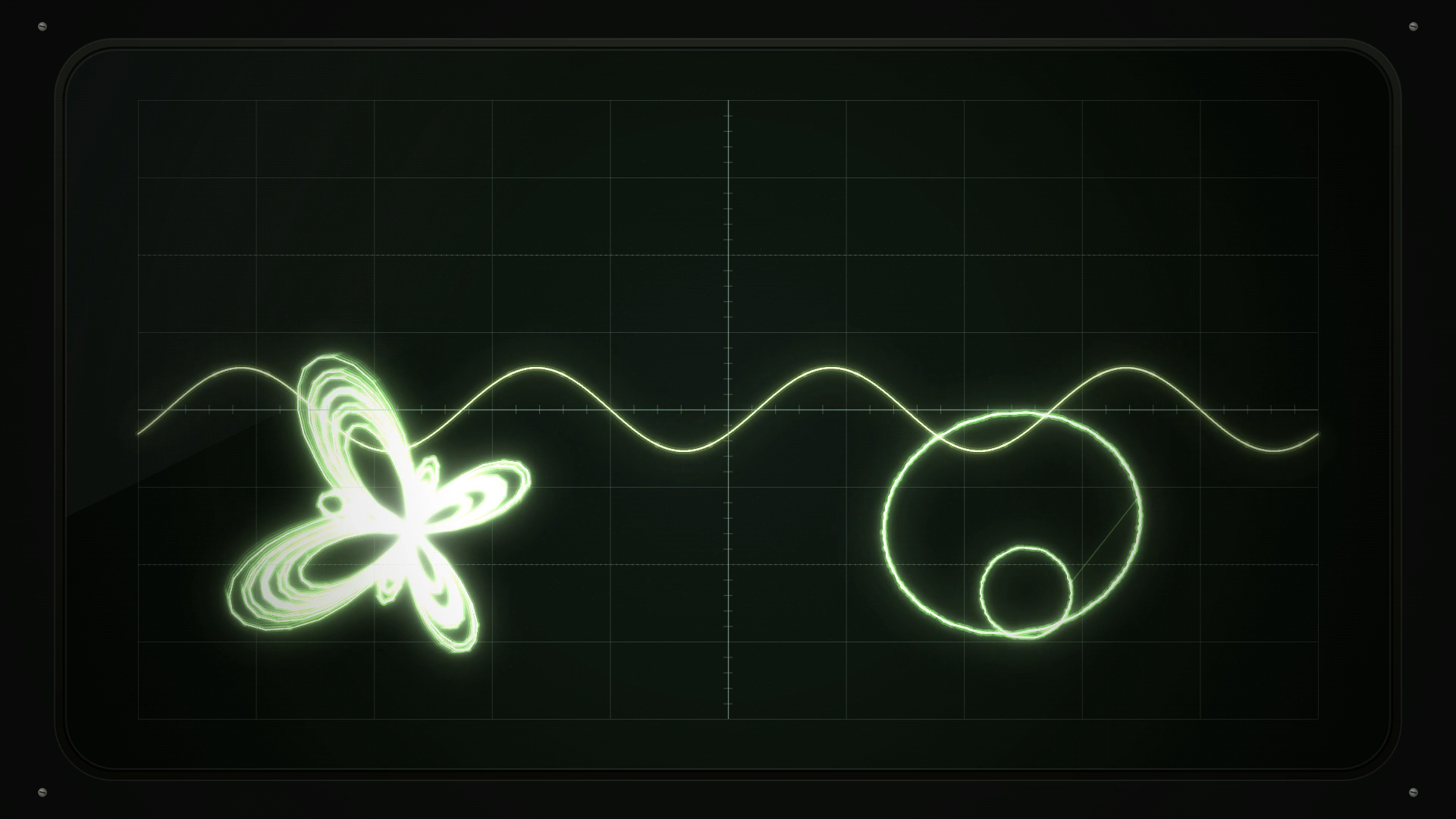
Draw figures the way a real vector scope does: one XY beam writes spirals, Lissajous figures, orbitals and stroke-glyphs across a phosphor graticule — corners flare, retrace stays dim, trails persist.
Engrave an invented certificate pass by pass: fibred paper slides in, a woven rope border traces itself, rosette rings draw as single progressing strokes in two inks, a hatched portrait medallion and microtext borders complete the plate.
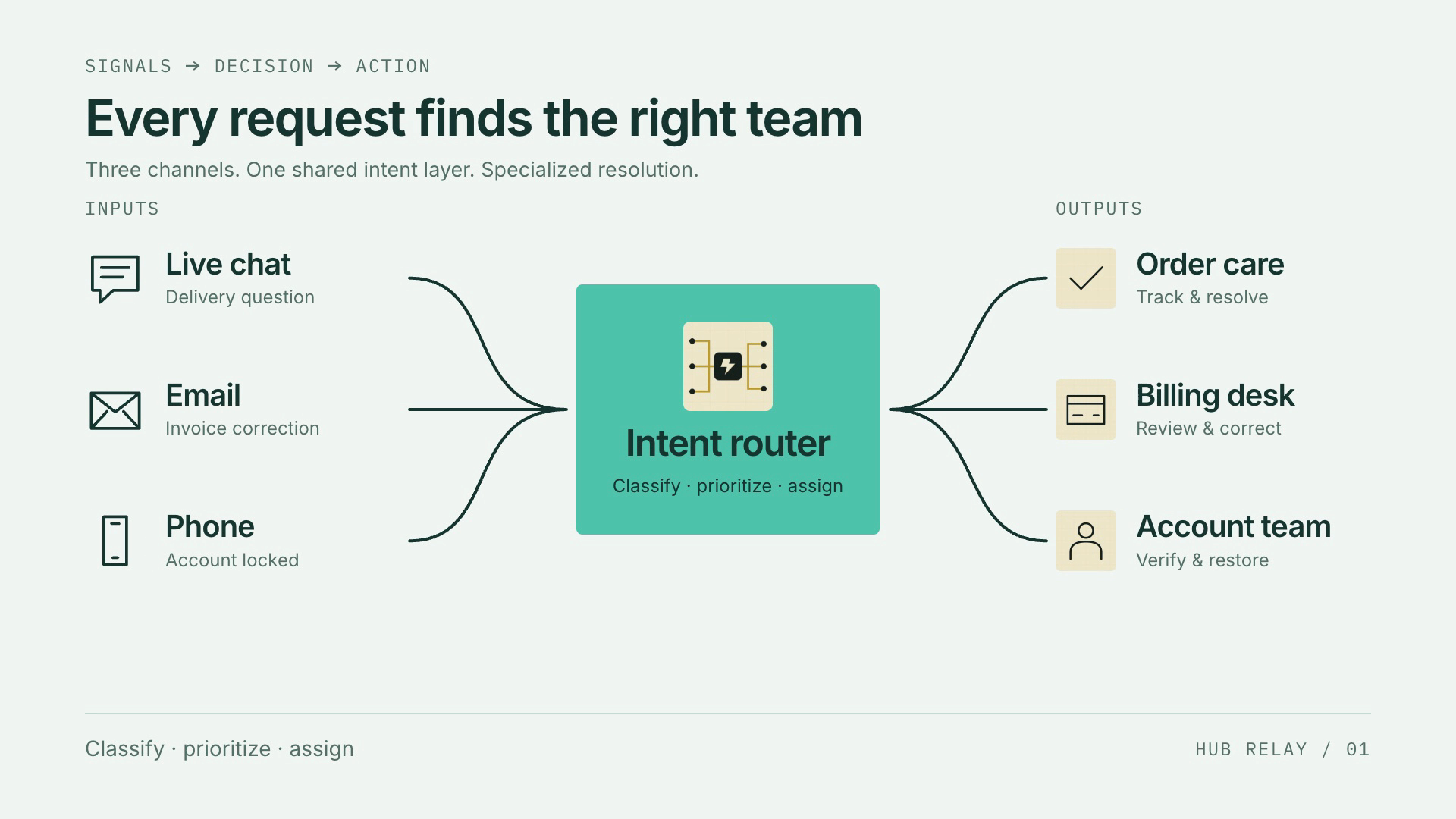
Make the intermediary visible: inputs arrive, the hub routes, destinations resolve.
Build illustrated explanations and learning materials that make each step easier to follow.
Define the learning objective, student level and how you will check understanding.
Start with a task, then explore the possibilities.
Explain knowledge, history and scientific mechanisms.
Explore Education ↗Create animation, transitions and visual stories.
Explore Motion ↗Research audiences, plan content and manage social workflows.
Explore Social media ↗Communicate results, proposals and decisions to clients and teams.
Explore Business reporting ↗Compare the inputs and deliverables before you begin.
| What you have | What to look for | Next step |
|---|---|---|
| A clear brief | Define the learning objective, student level and how you will check understanding. | Browse this collection ↗ |
| Source material | Check the chosen Skill’s required inputs and which details it can preserve. | Read the Skills guide ↗ |
| A different output | Explain knowledge, history and scientific mechanisms. | Education ↗ |
Compare the example, inputs and deliverables against your brief.
Define the learning objective, student level and how you will check understanding.
Follow the Skill’s instructions and check the output in its intended context.
Build illustrated explanations and learning materials that make each step easier to follow. Compare the actual example and deliverables with your intended result.
Define the learning objective, student level and how you will check understanding.
This depends on the Skill. Check whether it delivers source files, rendered media or an interactive artifact, and which tools are needed to edit it.
Review the Skill license, the model’s terms and the rights to your input media. A public example is not a blanket commercial license.