Coder Explained: Secure Environments for Devs and Agents
What Coder is, how it provides governed cloud workspaces for developers and AI agents, and why enterprise agents need this layer.
TL;DR — Coder is an open-source platform that provisions secure, standardized development environments on your infrastructure — for both human developers and AI coding agents. Think “managed dev environments” but self-hosted, governed, and now agent-aware. With $90M Series C (2026) and a description change from “dev environment manager” to “secure environments for developers and their agents,” it represents the infrastructure layer that enterprises need before they can let AI agents touch production code.
The Problem Coder Solves
Every enterprise that wants to deploy coding agents faces the same question: where does the agent run?
Not philosophically — literally. When Claude Code or Codex needs to clone a repo, install dependencies, run tests, and commit changes, it needs a machine. That machine needs:
- Access to private repos (credentials)
- Access to internal APIs and databases
- Proper language runtimes and tools installed
- Network access to pull packages
- Isolation from other users/agents
- Audit logging of everything it does
- Resource limits so it can’t mine crypto
If you’re one developer running Claude Code on your laptop, this is trivial. If you’re an enterprise with 500 developers and 50 AI agents, each needing governed access to different repos with different permissions — you need infrastructure.
That’s Coder.
What Coder Actually Is
Coder provisions cloud development environments (workspaces) on infrastructure you control. Each workspace is a container or VM with a full development setup. You define templates that specify what’s installed, what’s accessible, and what limits apply.
The key evolution in 2026: workspaces aren’t just for humans anymore. They’re also for AI agents.
| Feature | For developers | For agents |
|---|---|---|
| Workspace provisioning | IDE in the cloud | Execution environment |
| Template system | Standardized dev setup | Agent-specific tooling |
| Access control | Who can access what repos | What the agent can reach |
| Audit logging | Compliance | Agent action trail |
| Resource limits | Cost control | Prevent runaway agents |
| Secrets management | Dev credentials | Agent API keys |
Key numbers:
| Metric | Value |
|---|---|
| GitHub stars | 10K+ |
| OpenRank (May 2026) | 160.48 |
| Active contributors | 92 |
| Series C | $90M (led by KKR, 2026) |
| License | AGPL-3.0 (open source) |
| Description | ”Secure environments for developers and their agents” |
Architecture
┌───────────────────────────────────────────────┐
│  Users                                         │
│  Developers (IDE) + AI Agents (API/CLI)       │
├───────────────────────────────────────────────┤
│  Coder Control Plane                           │
│  ├── Template engine (what goes in a workspace)│
│  ├── Provisioner (Terraform-based)            │
│  ├── Auth & RBAC (who can do what)            │
│  ├── Audit log (what happened)                │
│  └── Agent API (programmatic workspace mgmt)  │
├───────────────────────────────────────────────┤
│  Your Infrastructure                           │
│  AWS / GCP / Azure / bare metal / Kubernetes  │
│  Workspaces run HERE, not on Coder's cloud    │
└───────────────────────────────────────────────┘
The critical point: workspaces run on your infrastructure. Source code never leaves your network. Agent actions happen inside your security perimeter. This is why enterprises with compliance requirements (financial services, healthcare, government) care about Coder over alternatives.
The Agent API
Coder’s agentapi (open-source, on GitHub) provides an HTTP interface for coding agents:
- Claude Code, Codex, Gemini, Aider, Goose, Amp — all supported
- Programmatically create, start, stop workspaces
- Stream agent output in real-time
- Set resource limits and timeouts
- Route different agents to different workspace templates
This means you can orchestrate a fleet of coding agents, each running in its own governed workspace, from a single control plane. Agent A works on the auth service (with access to auth secrets), Agent B works on the frontend (no database access), Agent C runs integration tests (with access to staging, not prod).
Why “Governed” Matters for Agents
Unmanaged agent execution is fine for solo developers. For enterprises, it’s a non-starter:
| Concern | Without Coder | With Coder |
|---|---|---|
| Where does code live? | Agent’s local/cloud (unclear) | Your infrastructure (known) |
| Who has access to secrets? | Whoever configured the agent | RBAC-controlled workspace templates |
| What did the agent do? | Maybe some logs | Complete audit trail |
| Can the agent access prod? | Depends on setup | Template controls network access |
| What if the agent goes rogue? | Hope for the best | Resource limits, kill switch, isolation |
| Compliance (SOC2, HIPAA) | Manual verification | Built-in controls |
The $90M Series C validates that enterprises are willing to pay for this. “Let AI code for us” is exciting; “let AI code for us without violating our security policies” is what actually gets approved by the CISO.
The Real Reason This Category Exists
Strip away the feature list and Coder is selling one thing: a place to point at when the security team asks “where does the AI run?”
I’ve watched promising agent pilots die in exactly that meeting. An engineering team builds something genuinely useful with Claude Code or Codex, demos it, everyone’s excited — then it goes to security review and stalls for three months because nobody can answer where the agent’s code executes, what it can reach, and who’s accountable if it does something bad. The technology worked. The governance story didn’t exist.
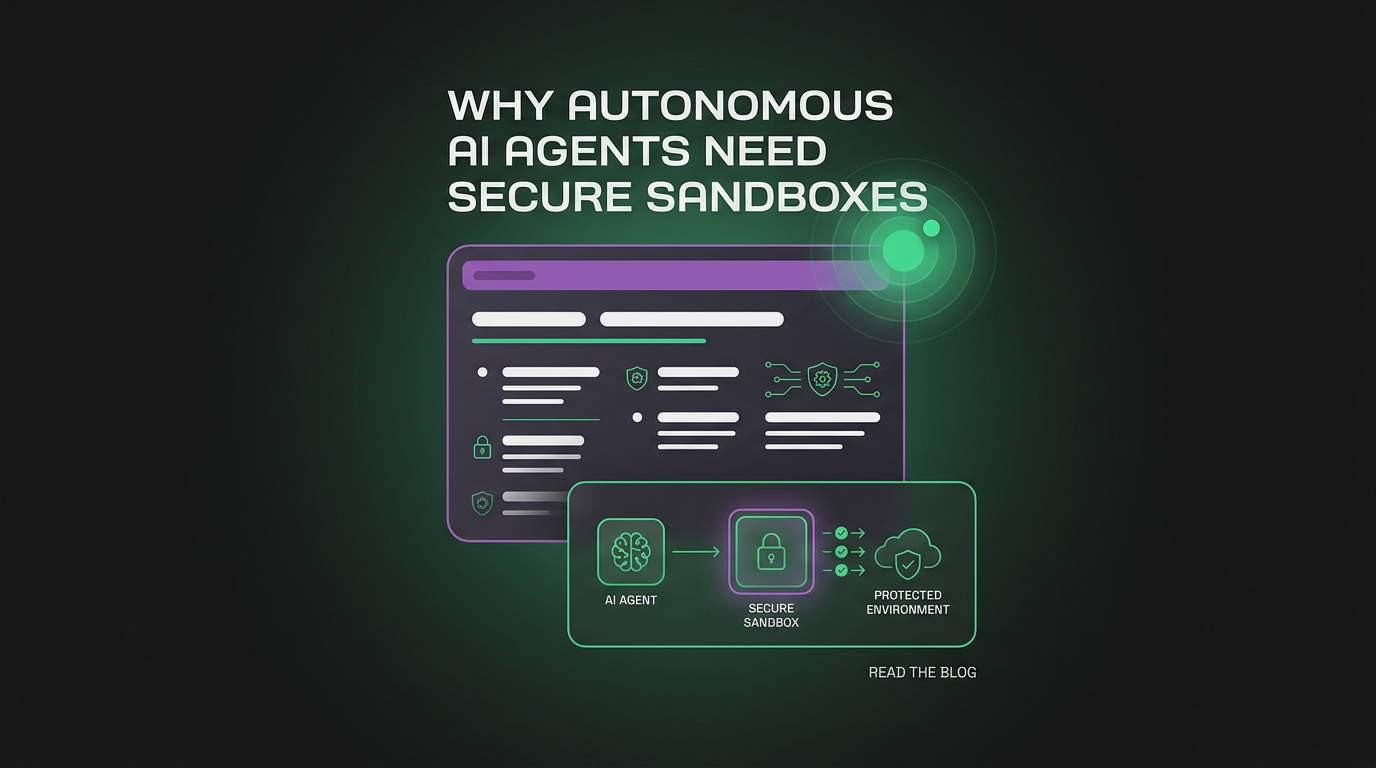
That’s the gap Coder fills, and it’s why the category is funded the way it is. It’s not a better sandbox — Firecracker already gives you isolation (see why agents need secure sandboxes for the isolation layer underneath). It’s an answer to the compliance question: code runs on your infrastructure, access is RBAC-controlled, every action is logged, and you can prove all three to an auditor. For a regulated enterprise, that proof is the difference between deploying agents and not.
The flip side, and I want to be fair about it: this is genuinely overkill for most teams. If you’re a startup or a small team, the honest answer is you don’t need Coder — you need Claude Code on a laptop and good judgment. The governance machinery only earns its operational cost when you have enough developers, enough agents, and enough compliance surface that “trust everyone to configure it right” stops scaling. Buying enterprise governance infrastructure before you have an enterprise governance problem is its own kind of mistake.
Coder vs Other Agent Environments
| Platform | Agent support | Self-hosted | Enterprise governance | Open source |
|---|---|---|---|---|
| Coder | Yes (agentapi) | ✅ (primary) | ✅ (RBAC, audit, templates) | ✅ AGPL |
| Daytona | Yes | ✅ | Partial | ✅ |
| Gitpod | Partial | ✅ | Basic | ✅ |
| GitHub Codespaces | Partial | ❌ (cloud only) | Limited | ❌ |
| E2B | Yes (sandboxes) | ❌ (SaaS) | Basic | Partial |
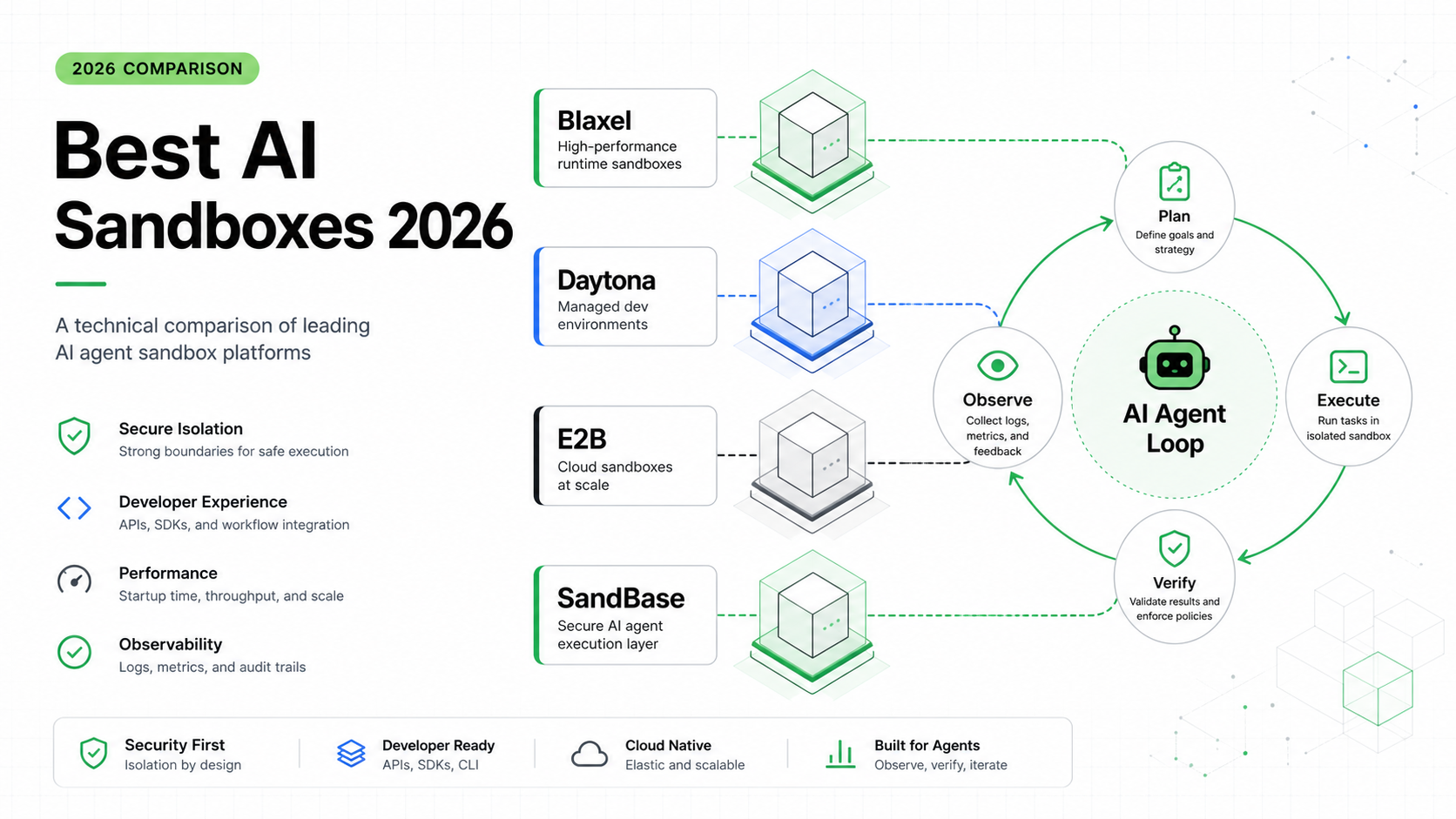
| SandBase | Yes (sandboxes) | ✅ | ✅ | Partial |
Coder’s unique position: it’s the only platform that combines full self-hosting, enterprise governance (RBAC, audit logs, compliance controls), and explicit agent support (agentapi). The trade-off is operational complexity — you’re running the infrastructure.
How It Connects to the Agent Stack
┌─────────────────────────────────────────────┐
│  Agent Orchestrator                          │
│  (LangGraph, DeerFlow, your code)           │
├─────────────────────────────────────────────┤
│  Agent API / Control Plane                   │
│  Coder (manages workspaces + governance)    │  ← you are here
├─────────────────────────────────────────────┤
│  Workspace (where agent code runs)           │
│  Container/VM with dev tools, repo access   │
├─────────────────────────────────────────────┤
│  Your Infrastructure                         │
│  K8s cluster / VMs / bare metal             │
└─────────────────────────────────────────────┘
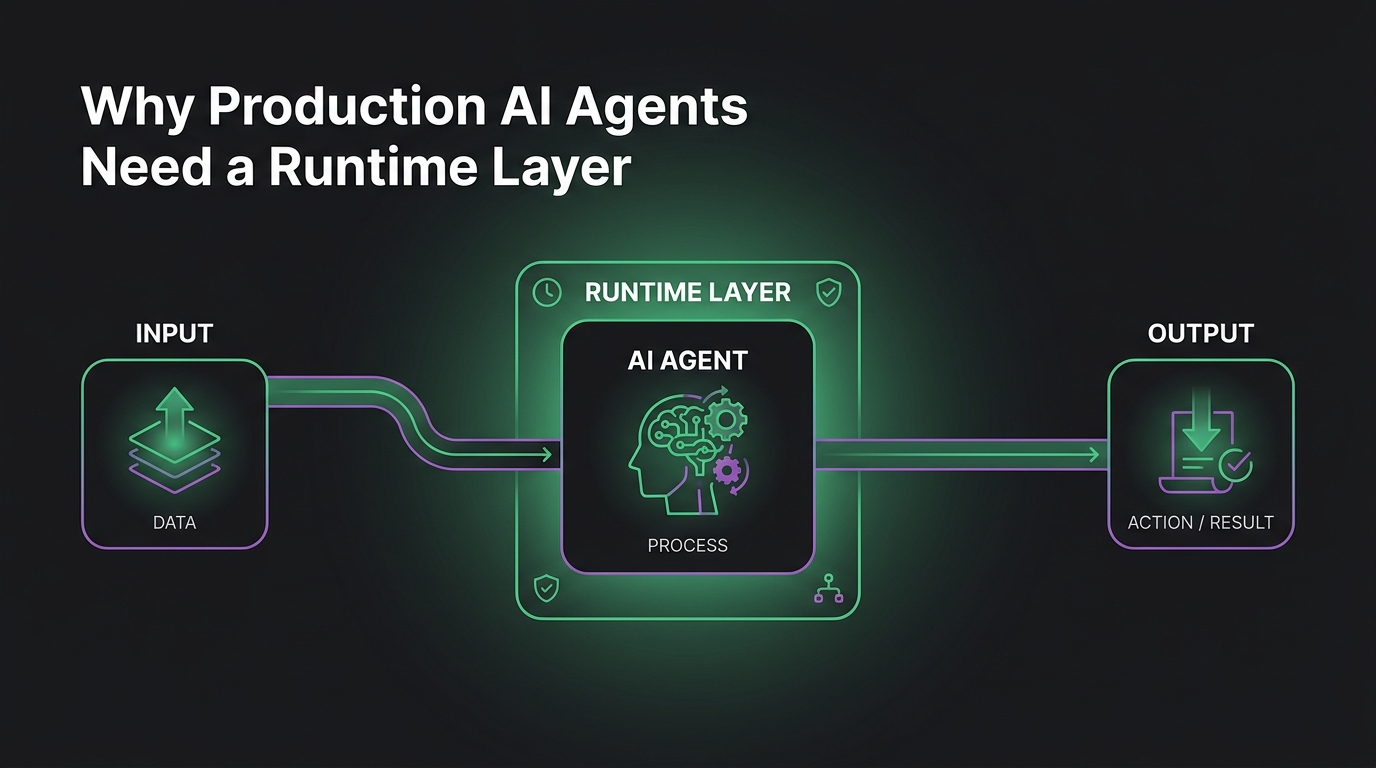
Coder sits between the agent orchestrator (which decides what to do) and the actual execution environment (where it does it). It’s the governance and provisioning layer. Without it, you’re giving agents direct access to machines — which works until it doesn’t.
Who Needs This
Definitely need it:
- Enterprises with compliance requirements running coding agents
- Teams with 10+ developers + multiple AI agents sharing infrastructure
- Organizations where source code cannot leave their network
- Teams that need audit trails for agent actions (SOC2, HIPAA, FedRAMP)
Probably don’t need it:
- Solo developers or small teams (< 5 people)
- Non-sensitive codebases where security is less critical
- Prototyping phases where governance isn’t required yet
- Teams already using a similar platform (Gitpod, Codespaces)
Part of the AI Agent Infrastructure Stack
Coder is a development-environment option in the AI Agent Infrastructure Stack 2026. Related reading in the same cluster:
- Warp — the terminal-based alternative for running agents locally.
- DeerFlow — a long-horizon harness that needs the kind of governed sandbox Coder provides.
- Best AI sandboxes for agent development — the isolation layer underneath governed workspaces.
FAQ
Is Coder free?
The open-source version (AGPL-3.0) is free to self-host. Enterprise features (premium templates, enhanced RBAC, priority support) are paid.
Does Coder provide the AI models?
No. Coder provides the environment where agents run. The agents bring their own model access (OpenAI API key, Anthropic key, etc.). Coder manages where they execute, not how they think.
How is this different from just running agents in Docker?
Raw Docker gives you isolation. Coder adds: workspace templates (reproducible environments), RBAC (who can launch what), audit logging (what happened), resource governance (CPU/memory/time limits), secrets management, and a control plane to manage it all. It’s Docker + governance + developer experience.
Can I use Coder for non-agent workloads?
Yes — that’s actually its original purpose. It was a cloud dev environment platform before agents existed. The agent support is an extension of the same infrastructure to a new class of user (AI instead of human).
What about latency for agent actions?
Workspaces run on your infrastructure, so the agent’s execution latency is determined by your hardware. If the workspace is in the same region as your model API, latency is minimal. The Coder control plane adds negligible overhead (it manages lifecycle, not per-action execution).
Key Takeaways
- Coder provides governed, self-hosted development environments for both human developers and AI agents. The description change to “secure environments for developers and their agents” signals the market shift.
- Enterprise agent deployment needs governance: access control, audit logging, resource limits, compliance. Coder provides this as open-source infrastructure.
- The agentapi gives programmatic control over agent workspaces — create, configure, monitor, and tear down environments for different agents with different permissions.
- It sits between agent orchestrators and execution environments — the governance and provisioning layer that enterprises require before agents can touch production code.
- The $90M Series C (2026) validates enterprise willingness to invest in governed agent infrastructure.