SandBase Product Update: Sharpening the Agent Infrastructure Layer
A short SandBase product update on agent-first messaging, model registry updates, runtime examples, status visibility, and open-source agent infrastructure assets.
SandBase is moving toward a clearer product center: infrastructure for developers building production AI agents.
Recent work has focused less on adding another agent demo and more on making the platform easier to understand, inspect, and trust.
What changed recently
The homepage language is now more agent-centric. The core message is that a useful production agent needs more than a model call. It needs a brain, hands, a workspace, connectivity, and clear execution boundaries.
The agent workflow examples are becoming more complete. The Agent section now points developers toward a fuller API workflow, making it easier to understand how SandBase fits into real agent execution rather than only one-off requests.
The model registry received a larger sync pass. This keeps the model surface cleaner and more current, which matters for teams that need routing, comparison, and reliable model selection as part of agent infrastructure.
We also added a public status surface so developers can check service availability from the product footer. Trust is not only about positioning. It is also about making operational signals visible.
On the open-source side, we continue to build around practical agent infrastructure references:
- Awesome Agent Runtime, a 500-project map of the production AI agent infrastructure ecosystem
- Agent Sandbox Cookbook, runnable examples for sandboxed agent execution patterns
Why this matters
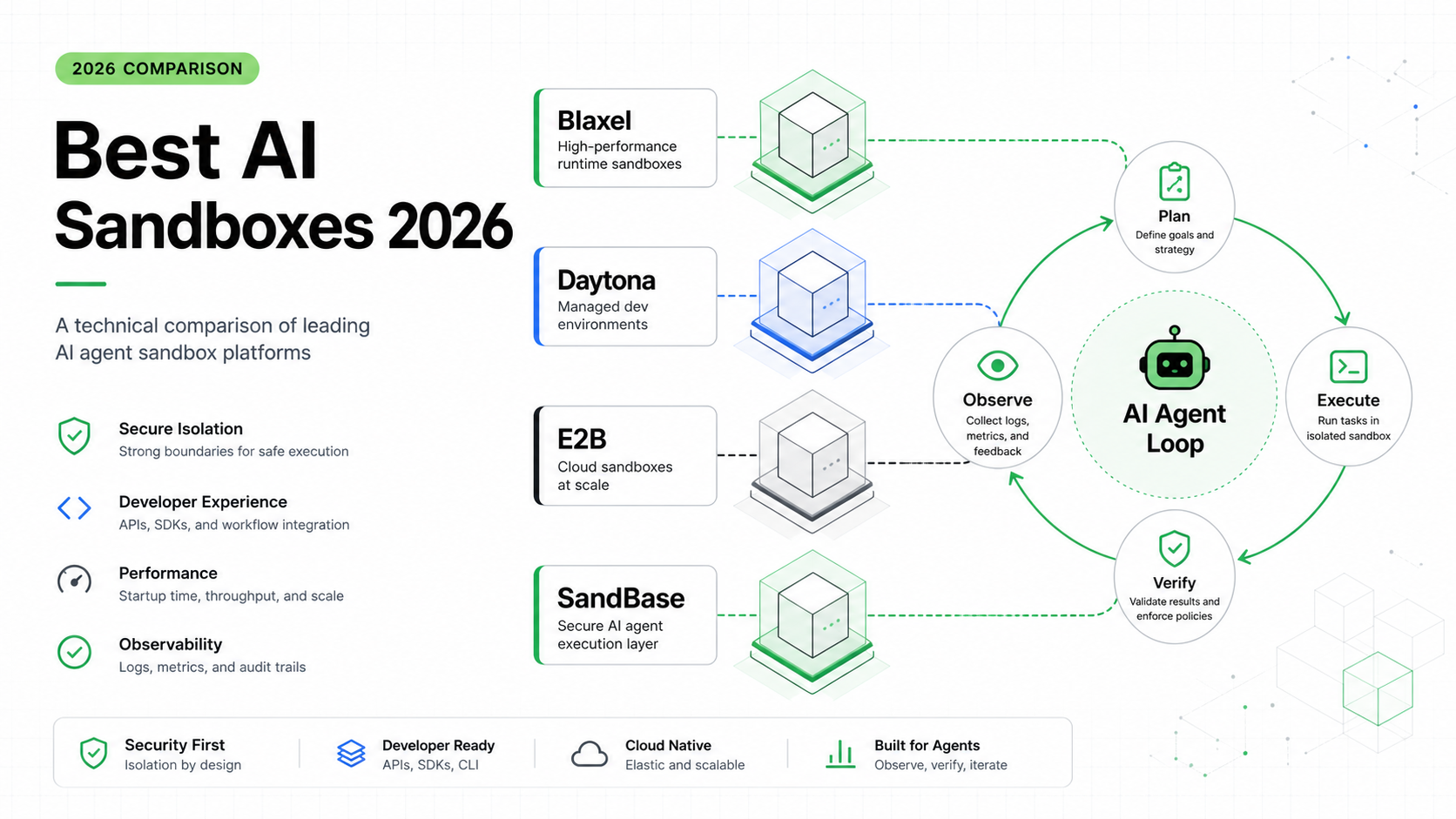
The industry conversation is moving from prompts to loops, and from demos to systems that execute, evaluate, recover, and keep running.
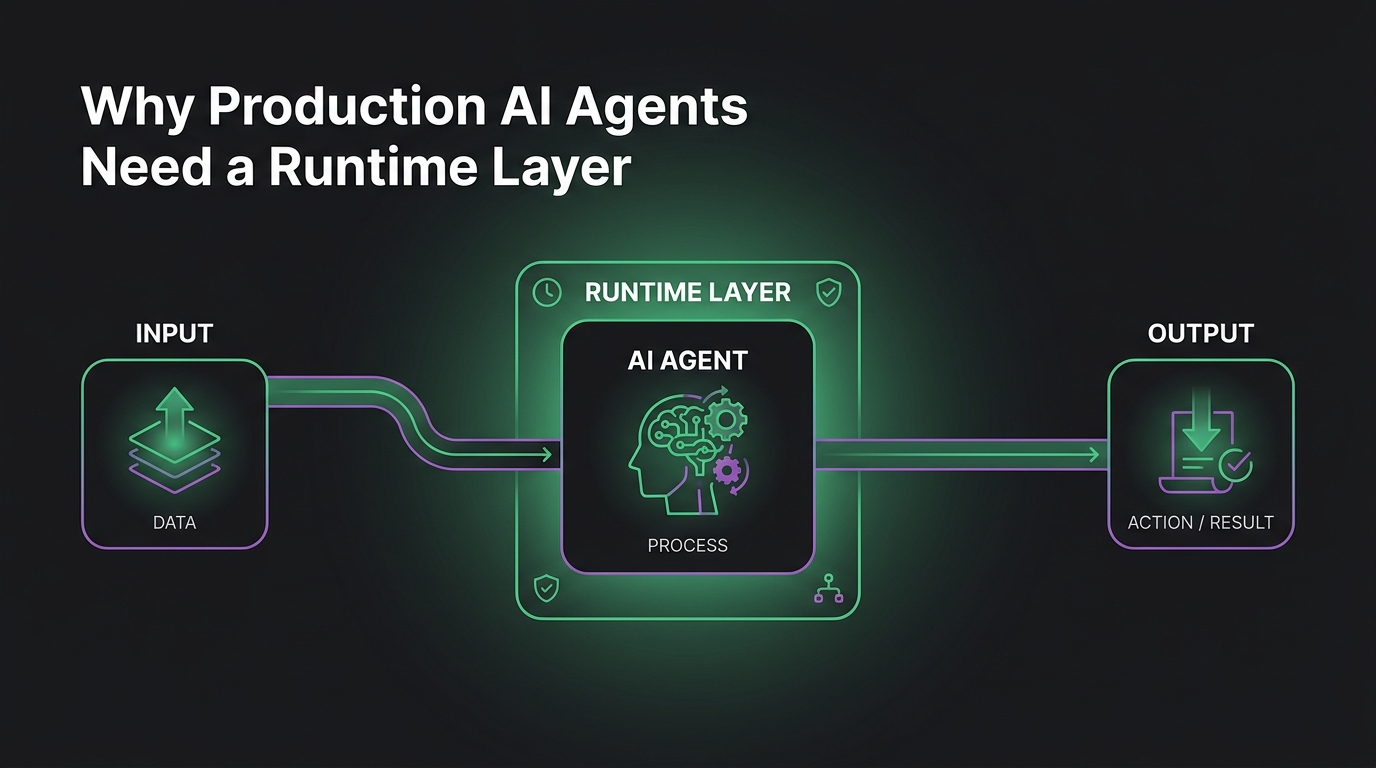
That shift makes the runtime layer more important. Developers need places where agents can call tools, run code, use models, and operate with boundaries.
That is the direction SandBase is building toward:
Agent infrastructure for developers building production AI agents.The next work is to make that path even more concrete: better examples, clearer docs, stronger GitHub assets, and more practical guidance around secure execution, model routing, MCP, and agent runtime operations.